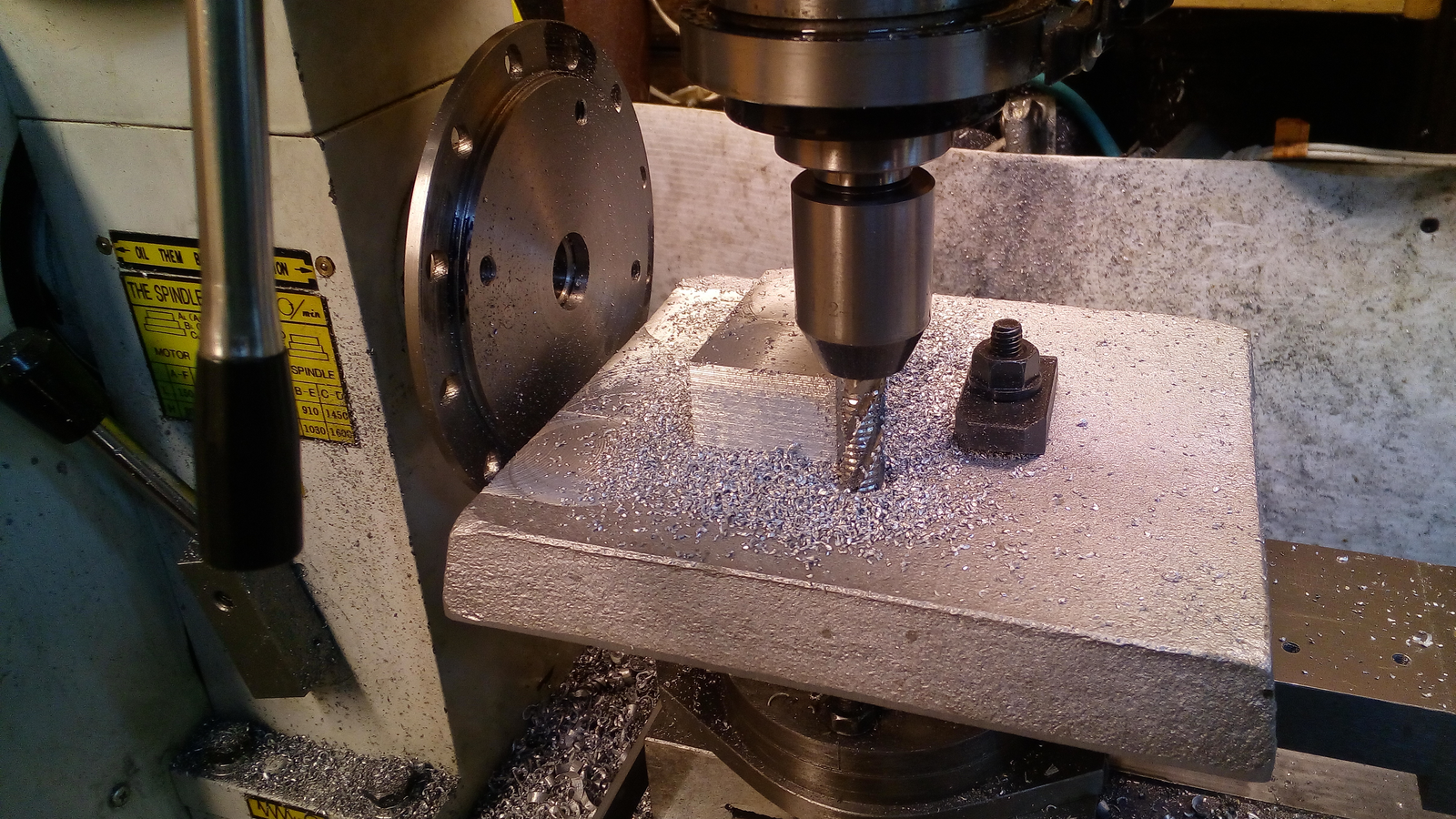
Ball Nose Cutters
A practical guide to carbide end mill coatings, including TiN, TiCN, TiAlN, AlTiN, AlCrN and diamond for steel, stainless, aluminum, graphite and high-speed CNC milling.

A practical guide to carbide end mill coatings, including TiN, TiCN, TiAlN, AlTiN, AlCrN and diamond for steel, stainless, aluminum, graphite and high-speed CNC milling.

Learn the main CNC milling applications across aerospace, automotive, medical, electronics, mold making, energy, marine, defense, and agriculture, with practical tooling and buyer guidance.
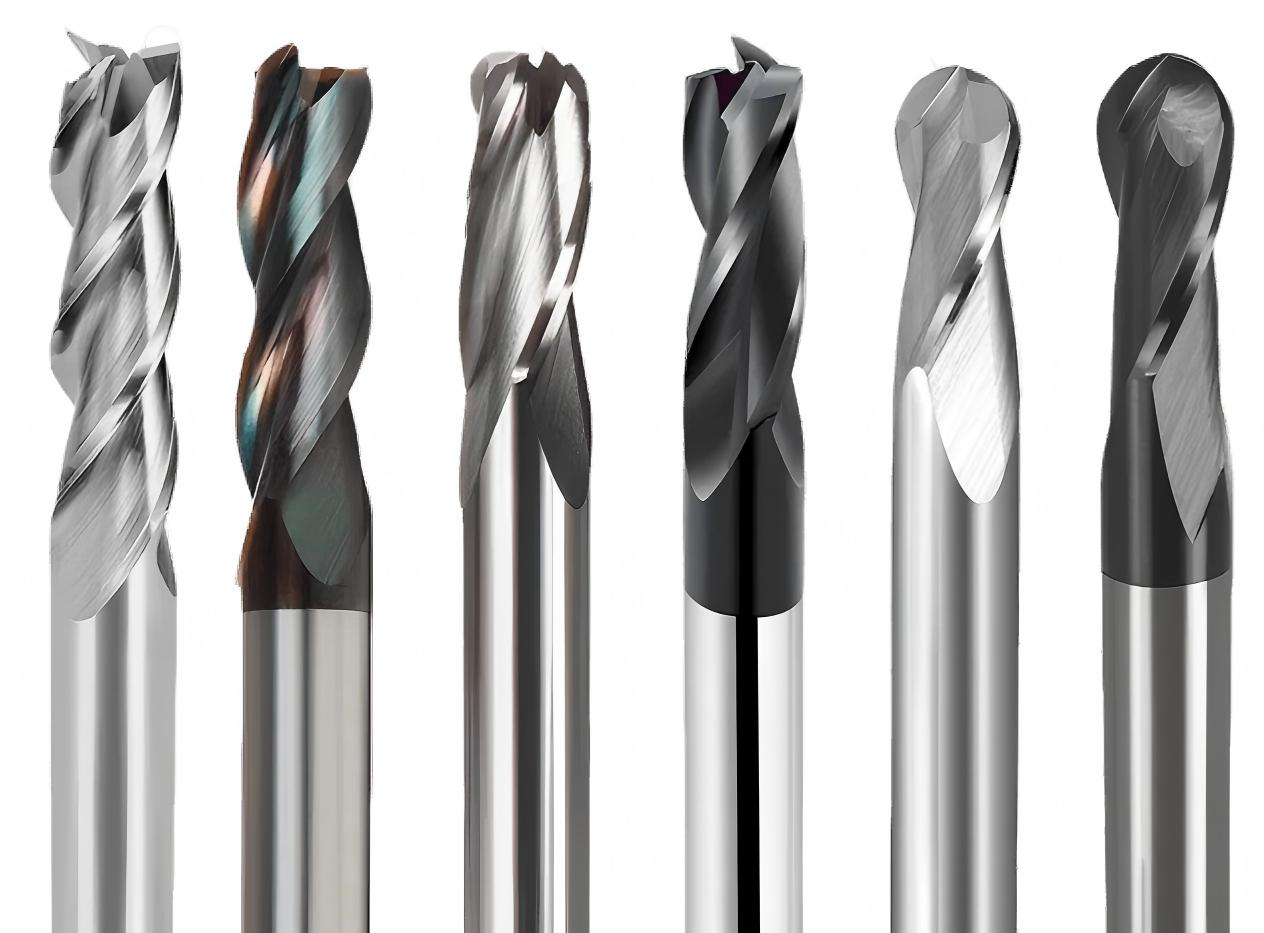
A practical end mill selection guide covering cutter types, flute count, center cutting, shank styles, coatings, tool materials, and helix angles.
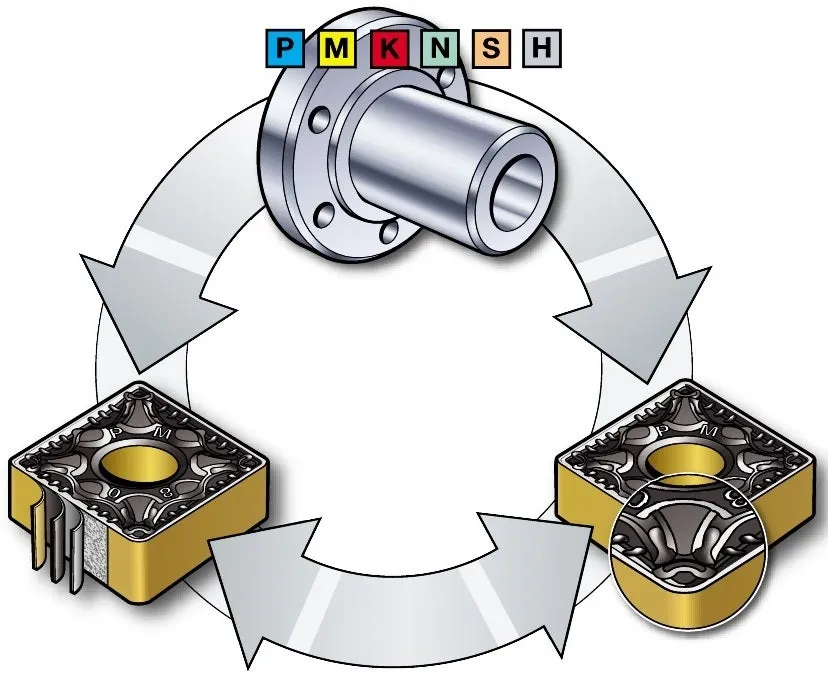
Learn how hardness, wear resistance, toughness, and hot hardness influence cutting tool geometry, edge preparation, cooling, and grade selection.

Learn how turning chipbreaker geometry, feed, depth of cut, rake angle and lead angle affect chip shape, safety, surface finish and insert selection.

Learn when a three-flute carbide end mill can handle side milling, full-slot cutting, and bottom finishing, and how flute count and helix angle affect the
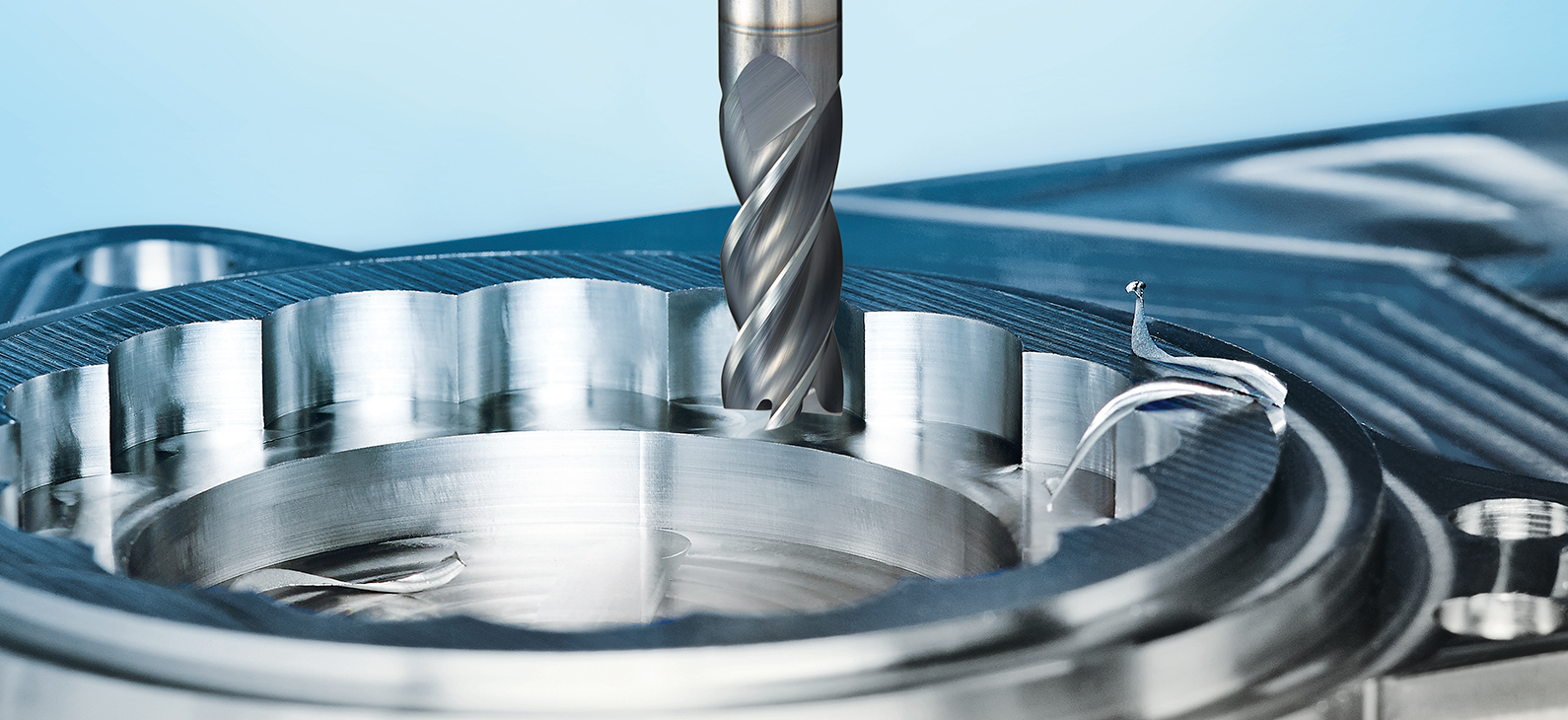
Compare stainless steel end mills with general purpose carbide tools. Learn how geometry, coatings, chip load and process stability affect CNC milling results.

Learn how to select milling cutters, set feed and engagement, choose climb or conventional milling, solve common defects, and apply high-speed milling in CNC production.

Plan safer pocket milling with solid carbide end mills. Compare center slotting, side milling, linear ramping, and helical entry with practical starting ranges.

A practical CNC cutter selection guide covering reamers, circle segment barrel cutters, T-slot cutters, chamfer mills, drills, form cutters, and ceramic cutting tools.
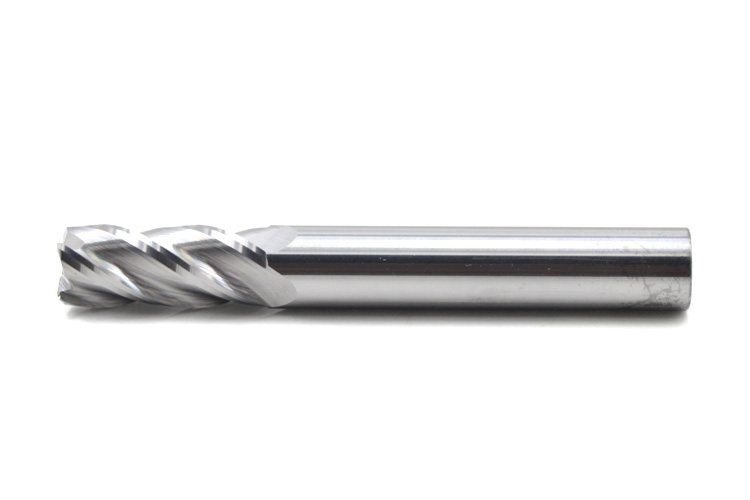
Learn how to choose 4-flute, 6-flute, and 8-flute end mills by balancing chip evacuation, tool rigidity, material, slotting, roughing, and finishing needs.
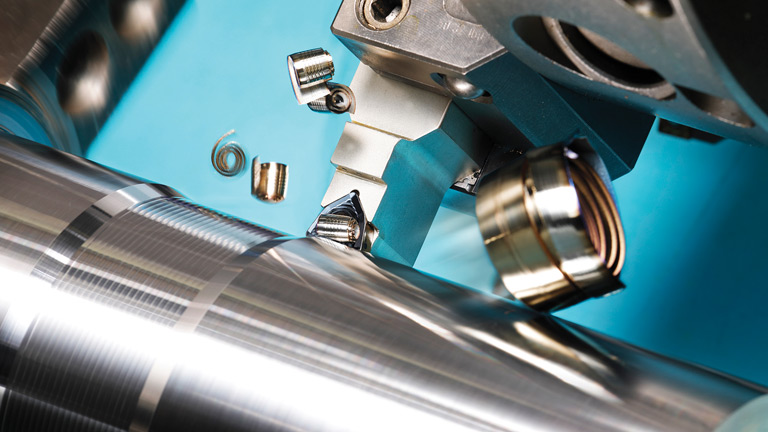
Learn how built-up edge causes burrs, torn surfaces, and unstable dimensions in CNC finishing, and how to control it through tool geometry, coatings, speeds, feeds,
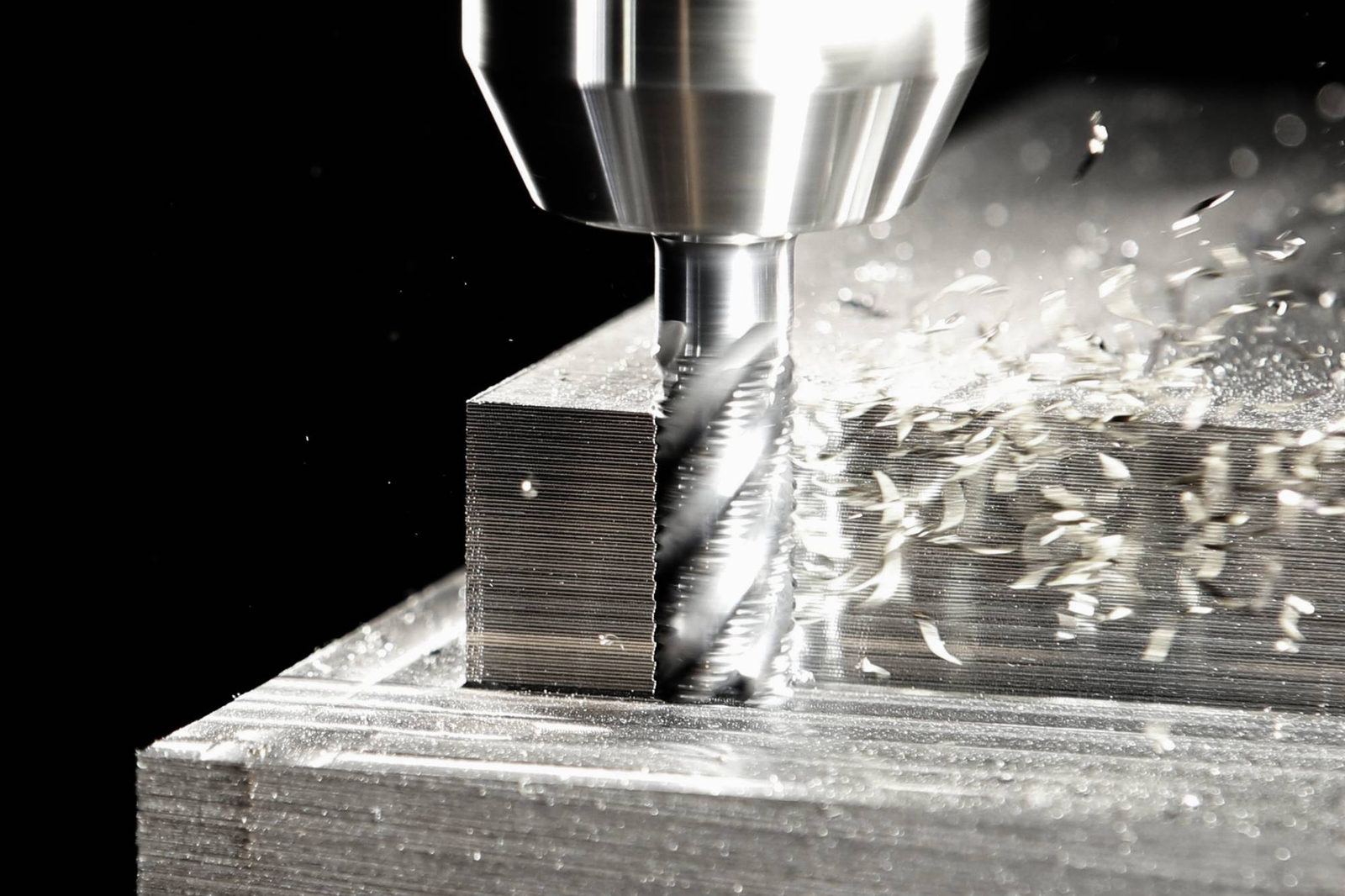
Learn how low, medium, high, and variable helix angles affect carbide end mill rigidity, chatter, tool pullout, chip evacuation, thin-wall machining, and surface finish.
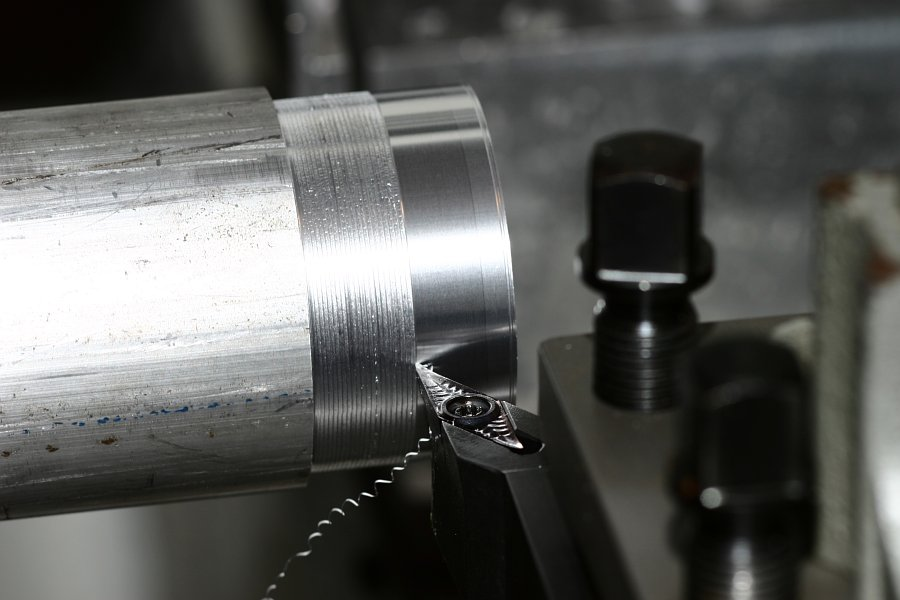
Learn how cutting tool rake angle affects cutting force, chip flow, edge strength, heat, surface finish, and tool selection in CNC machining.
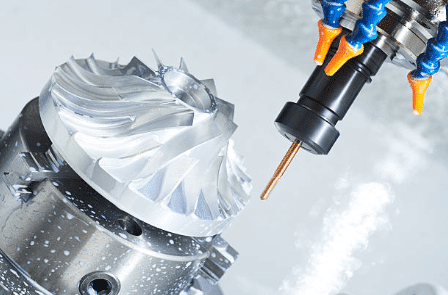
Learn when to use dry machining, wet machining, or MQL, and how to select carbide, ceramic, PCBN, and PCD tools for each cutting environment.

A practical guide to carbide end mill sharpening, covering end cutting edges, relief angles, gash grinding, side flute regrinding, inspection, and regrind-or-replace decisions.
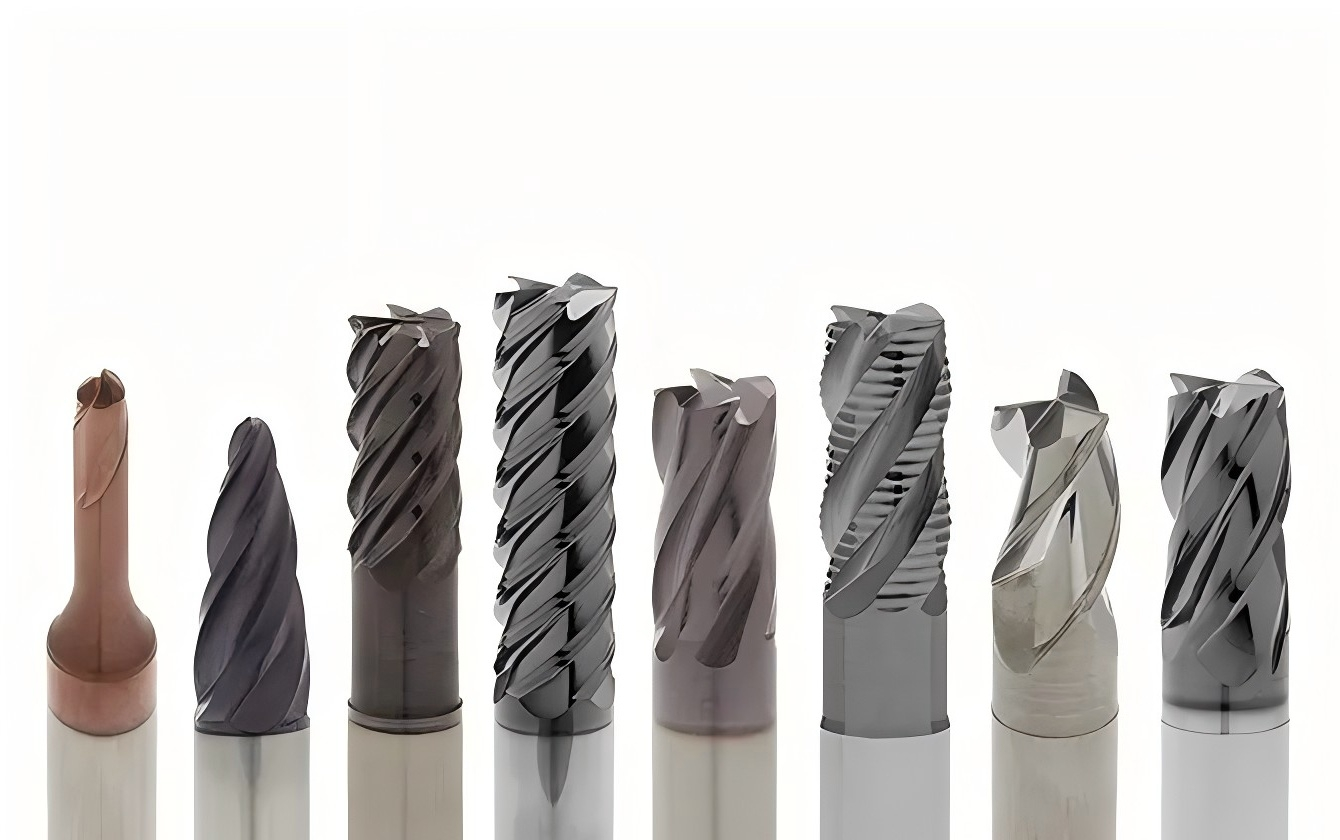
Learn how low, medium, high, and variable helix angles affect carbide end mill rigidity, vibration, chip evacuation, thin-wall machining, side-wall finish, and tool selection.
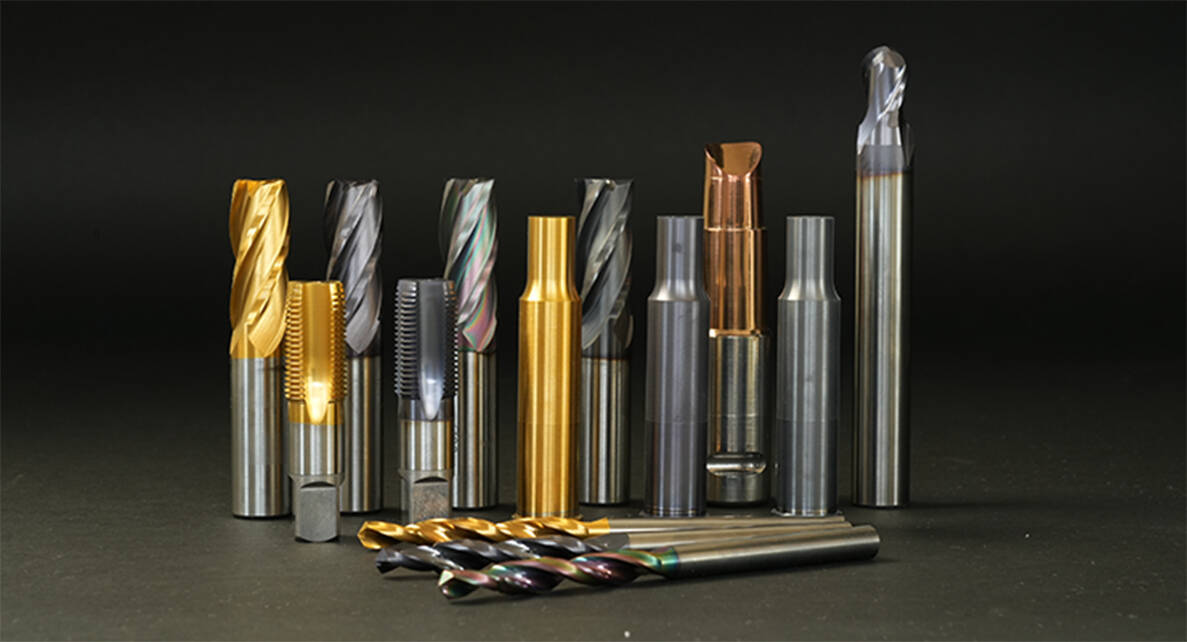
Learn how TiN, TiCN, TiAlN, AlTiN, Al2O3, diamond and multilayer coatings affect tool life, heat control and coated cutting tool selection.
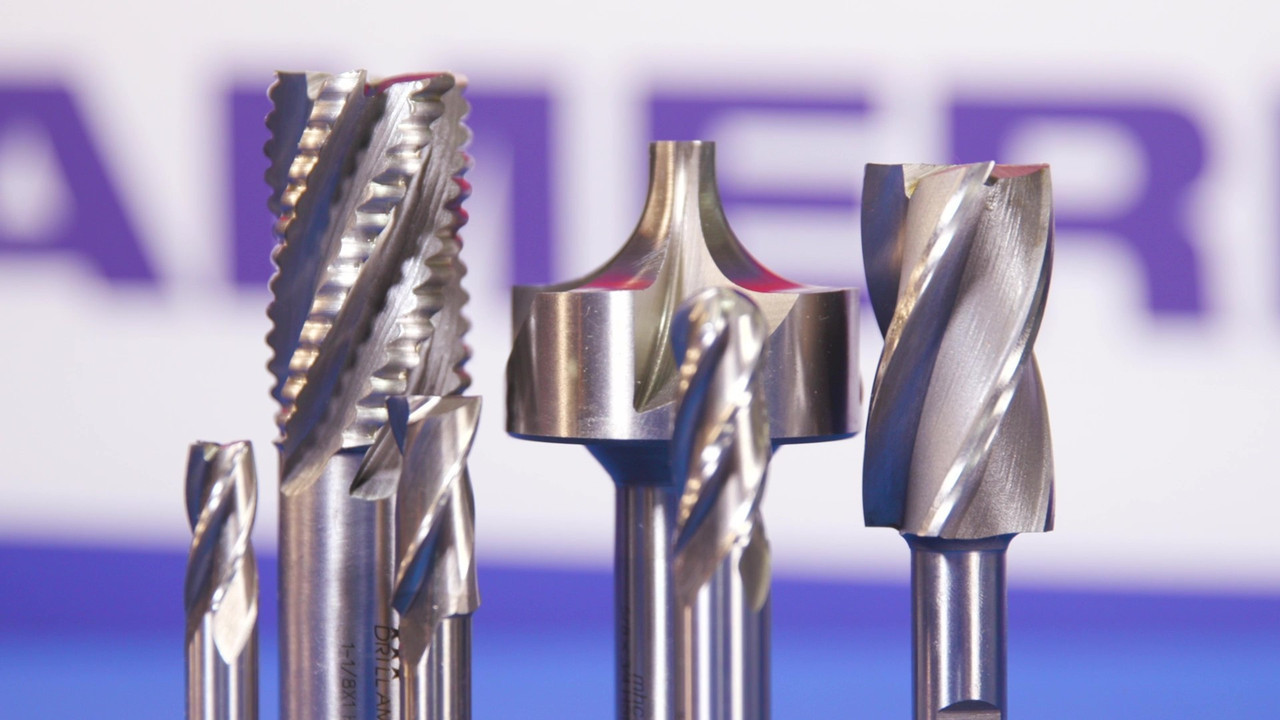
Learn four practical ways to extend carbide end mill tool life by improving cutting data, tool geometry, holding stability, and tool-material matching.
A practical guide to machining titanium alloys, covering heat control, tool geometry, coolant strategy, milling parameters, thin-wall parts, and carbide tool selection.