What Does Rake Angle Do in CNC Cutting Tools?
Table of Contents
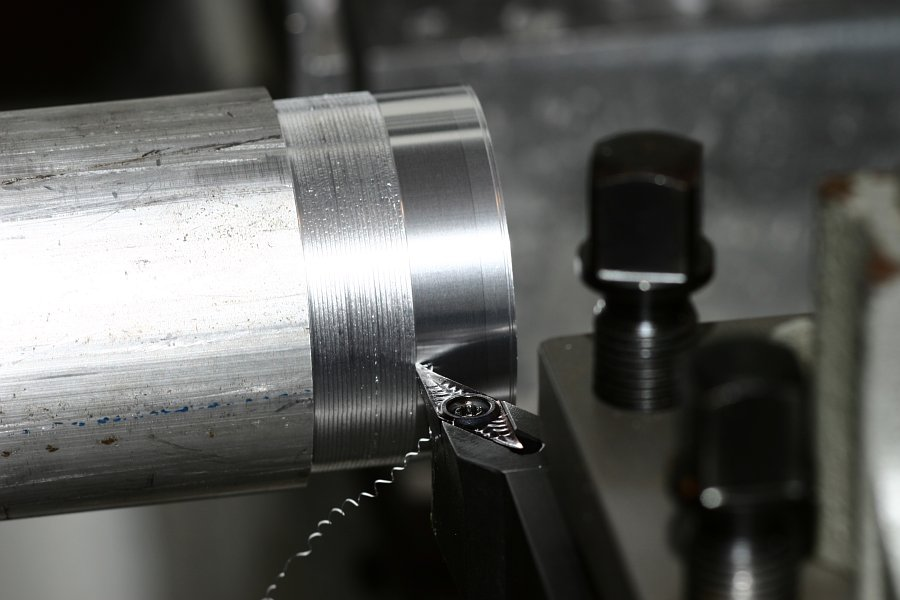
Rake angle is one of those small tool geometry details that becomes very visible on the shop floor. A few degrees can change how hard the spindle works, how chips leave the cutting zone, whether the part starts to vibrate, and how long the edge survives before it chips.
The short version is simple: a larger positive rake angle makes the cutting edge sharper and easier to cut with, while a smaller, zero, or negative rake angle gives the edge more strength behind the cutting point. In real CNC work, the choice is rarely about chasing the largest angle. It is about matching sharpness, edge support, chip control, and machine rigidity to the job in front of you.
For buyers and process engineers, this matters because rake angle is built into inserts, end mills, drills, chipbreakers, and toolholder systems. If the geometry does not fit the material and operation, the result may look like a cutting parameter problem when the real issue is tool selection.
What Is Rake Angle?
During cutting, the chip slides over the rake face of the tool. The rake angle describes the inclination of that face relative to a reference plane at the cutting edge. In turning insert terminology, it is commonly discussed as positive, neutral, or negative rake. In milling and drilling, the same idea is combined with helix angle, flute shape, axial rake, radial rake, edge prep, and chip gash design.
It helps to think of rake angle as a control knob between two competing needs.
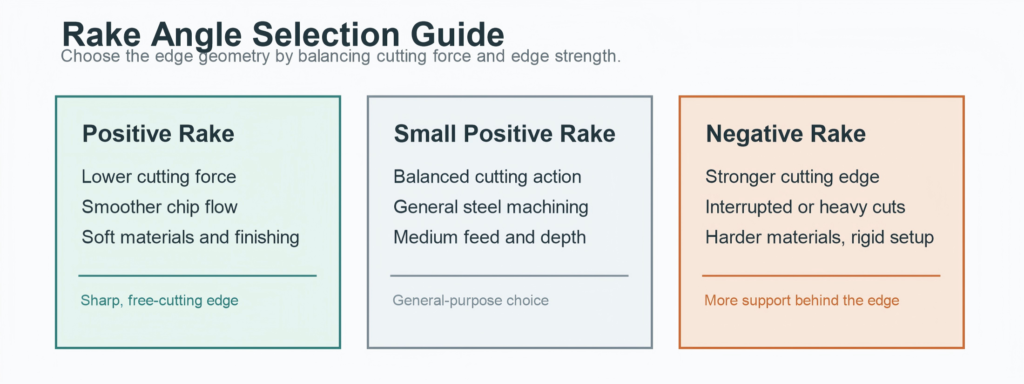
On one side is cutting efficiency. A sharp, positive-rake geometry shears material more easily, reduces cutting resistance, and usually helps chips flow away from the edge. On the other side is mechanical support. A smaller or negative rake leaves more carbide behind the edge, so the tool can handle heavier pressure, harder material, and interrupted contact.
Why a Larger Positive Rake Angle Cuts More Easily
A larger positive rake angle makes the tool behave more like a sharp blade. The edge enters the material with less wedging action, so the machine generally sees lower cutting force. This can be valuable when machining aluminum, copper, plastics, and other materials that tend to form long, ductile chips.
Lower cutting force can also help on thin-walled parts, long shafts, small-diameter boring bars, and less rigid setups. If the workpiece or toolholder deflects easily, a high-force geometry can push the part away from the tool and create taper, chatter, or inconsistent size. A positive-rake tool can reduce that load enough to make the process stable.
Chip flow is another important benefit. Ductile materials can weld to the cutting edge or pack into the chipbreaker when the geometry is too blunt. A sharper rake face helps the chip slide and curl with less rubbing. In aluminum machining, this is why polished, sharp, high-positive geometries are common. They reduce built-up edge and support better surface finish.
Heat behavior usually improves as well, although it depends on speed, coating, coolant, and chip thickness. When the cutting action is cleaner, less energy is wasted in plowing and rubbing. More heat leaves with the chip instead of staying in the tool edge or workpiece surface.
The tradeoff is edge strength. As rake angle becomes more positive, the wedge angle behind the cutting edge becomes thinner. That thinner edge is easier to damage under impact, scale, hard spots, aggressive feed, or poor fixturing. A tool that feels excellent in a light finishing pass may fail quickly in roughing if the edge is too sharp for the load.
What a Smaller or Negative Rake Angle Does
A smaller rake angle, zero rake, or negative rake gives the edge more carbide mass behind the cutting point. This creates a stronger wedge. The tool may not cut as freely, but it can tolerate higher compressive load and more impact.
That is why negative-rake or heavy-edge geometries are common in rough turning, cast iron machining, hard turning, interrupted milling, and applications where the edge repeatedly enters and exits the cut. In these jobs, fracture resistance may matter more than low cutting force.
Negative rake also works well with strong machine tools. If the spindle, turret, fixture, and workpiece are rigid enough, the process can use the edge strength to support higher feed, deeper cuts, or longer tool life. In a weak setup, the same negative geometry can make the problem worse by raising cutting force and triggering vibration.
This is a key point for troubleshooting. When a shop sees chatter, poor finish, or a loaded spindle, changing to a stronger negative-rake insert is not always the answer. If the failure mode is edge chipping from impact, a stronger edge may help. If the failure mode is vibration from excessive force, a sharper positive-rake geometry may be the better move.
Positive, Neutral, and Negative Rake in Practical Terms
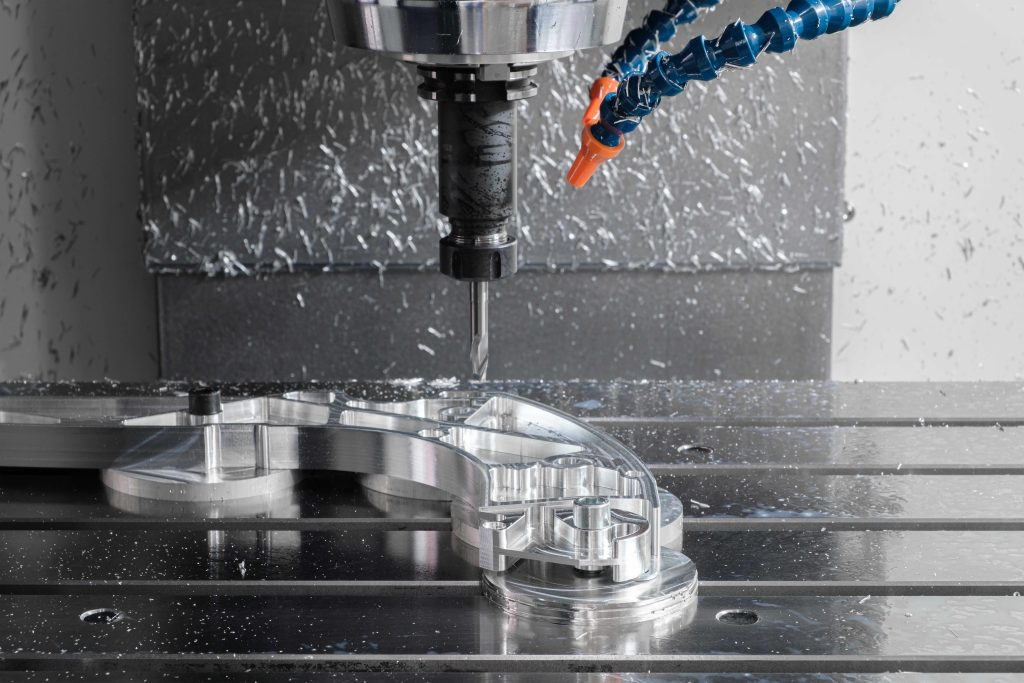
The words positive and negative can sound absolute, but real cutting tools are more complicated. An insert may have a negative basic shape but a chipbreaker that creates a local positive rake near the edge. A milling cutter can combine positive axial rake with negative radial rake. A solid carbide end mill may use helix, flute polish, core thickness, and edge honing to create a cutting action that feels sharper or stronger than the catalog number alone suggests.
For this reason, do not judge a tool only by one angle. The final behavior depends on the complete cutting geometry: rake face, chipbreaker, land width, edge radius, coating thickness, relief angle, insert seat angle, and how much of the edge is engaged in the cut.
Still, the rake angle language is useful because it gives a quick way to predict process behavior.
Rake geometry | Typical cutting behavior | Common use cases | Main caution |
Large positive rake | Low cutting force, sharp entry, smooth chip flow | Aluminum, copper, plastic, light finishing, thin parts | Edge can chip under heavy or interrupted cutting |
Moderate positive rake | Balanced cutting action and edge support | General steels, medium-duty turning and milling | Needs correct chipbreaker and feed range |
Zero or small rake | Stronger edge with moderate cutting force | Semi-roughing, cast materials, stable steel machining | May increase heat and spindle load |
Negative rake | High edge support and impact resistance | Roughing, interrupted cuts, cast iron, hardened materials | Requires rigid machine, toolholder, and clamping |
How Rake Angle Affects Cutting Force
Cutting force is usually the first thing machinists notice. With a more positive rake, the tool shears rather than pushes. Feed marks may become cleaner, the sound may soften, and the spindle load may drop.
With a smaller or negative rake, the cutting edge acts more like a wedge. The tool compresses the material harder before the chip separates. This can improve edge survival in heavy cuts, but the process demands more from the machine. If the setup lacks stiffness, higher force can lead to chatter, poor dimensional control, and faster flank wear.
This is why the same insert style can behave very differently in two shops. A negative-rake roughing insert may run beautifully on a heavy CNC lathe with a rigid chuck and short overhang. Put that same geometry on a smaller machine, a long toolholder, or a thin-walled part, and it may become noisy and unstable.
How Rake Angle Affects Chip Flow and Built-Up Edge
The chip forms on the rake face, so rake angle has a direct effect on chip movement. A positive rake face gives the chip a smoother path away from the cutting zone. This is especially useful in sticky materials such as aluminum, low-carbon steel, some stainless grades, copper alloys, and engineering plastics.
When the rake angle is too small for a ductile material, the chip can rub, smear, or weld to the edge. Built-up edge changes the effective tool geometry from one moment to the next. The operator may see rough surface finish, burrs, sudden size drift, or small chunks of material stuck to the cutting edge.
Chipbreaker design can compensate for some of this. A modern insert may use a positive chipbreaker pocket even on a mechanically strong insert body. That is why catalog geometry and application range should be read together. The best geometry is not always the sharpest one; it is the one that forms chips cleanly at the planned feed, depth of cut, and cutting speed.
How Rake Angle Affects Tool Life
Tool life is not simply longer with positive rake or longer with negative rake. The answer depends on the dominant wear mode.
If the edge is wearing from rubbing, high heat, built-up edge, or vibration caused by excess force, a more positive rake can extend life by making the cut smoother. If the edge is breaking from impact, hard inclusions, interrupted surfaces, or too much feed per tooth, a smaller or negative rake can extend life by improving edge strength.
The edge preparation matters here. A sharp positive-rake tool may have a very small hone for clean shearing. A roughing insert may use a stronger hone or T-land to protect the edge. Both can be correct, but they serve different operating windows.
Material-Based Selection Guide
For soft and non-ferrous materials, start with a larger positive rake. Aluminum, copper, brass, and plastics usually reward sharp edges, polished flutes or rake faces, and generous chip space. The goal is to cut cleanly before material has time to smear or weld to the tool.
For ordinary carbon steel and alloy steel, a moderate positive rake is often the safer starting point. It gives enough sharpness to control force without making the edge too fragile. From there, adjust based on the operation. Finishing may move sharper; roughing may move stronger.
For cast iron, hardened steel, and interrupted cuts, a smaller or negative rake is often more practical. Cast iron is abrasive and can tolerate stronger, less polished geometries. Hardened materials place high stress on the cutting edge. Interrupted cuts need edge support because the tool is repeatedly loaded and unloaded.
For stainless steel, be more careful. Stainless can be sticky, work-hardening, and heat-sensitive. A geometry that is too blunt can raise force and work-harden the surface, while a geometry that is too sharp may notch or chip if the setup is unstable. Many stainless operations need a positive but well-supported edge with a chipbreaker designed for the feed range.
Workpiece material or condition | Rake angle direction | Why it works | Watch for |
Aluminum and copper alloys | Larger positive | Reduces built-up edge and improves chip evacuation | Edge damage if feed or runout is excessive |
Plastics and composites | Sharp positive | Cuts instead of rubbing or melting | Heat buildup and chip packing |
Carbon steel, general alloy steel | Moderate positive | Balances force and edge life | Chipbreaker must match feed and depth |
Stainless steel | Positive with edge support | Controls force while resisting notch wear | Work hardening if the tool rubs |
Cast iron | Small, neutral, or negative | Strong edge and good abrasion resistance | Dust, abrasive wear, and poor coolant choices |
Hardened steel or interrupted surface | Small or negative | Better support against chipping | High machine rigidity required |
Milling, Turning, and Drilling: Same Principle, Different Geometry
In turning, rake angle is often discussed through insert geometry and toolholder orientation. A positive insert typically cuts with lower force and is useful for finishing, small machines, and less rigid workpieces. A negative insert is usually stronger and can provide more usable cutting edges, but it asks more from the machine and setup.
In milling, rake angle appears as axial rake, radial rake, insert geometry, and cutter body design. A high-positive milling cutter can feel smooth and light, especially in aluminum or light steel finishing. A negative-rake or mixed-rake face mill can be more stable in heavy interrupted work when the spindle and fixture can handle the load.
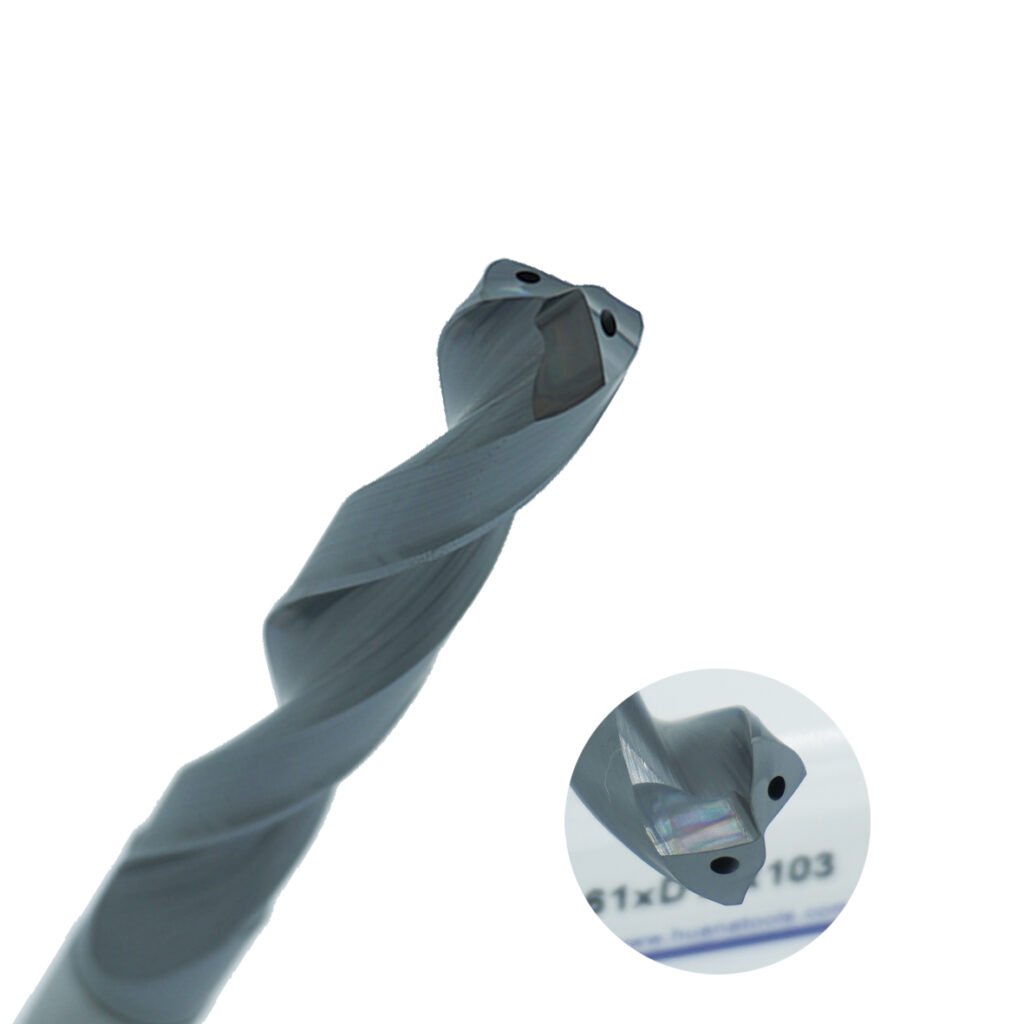
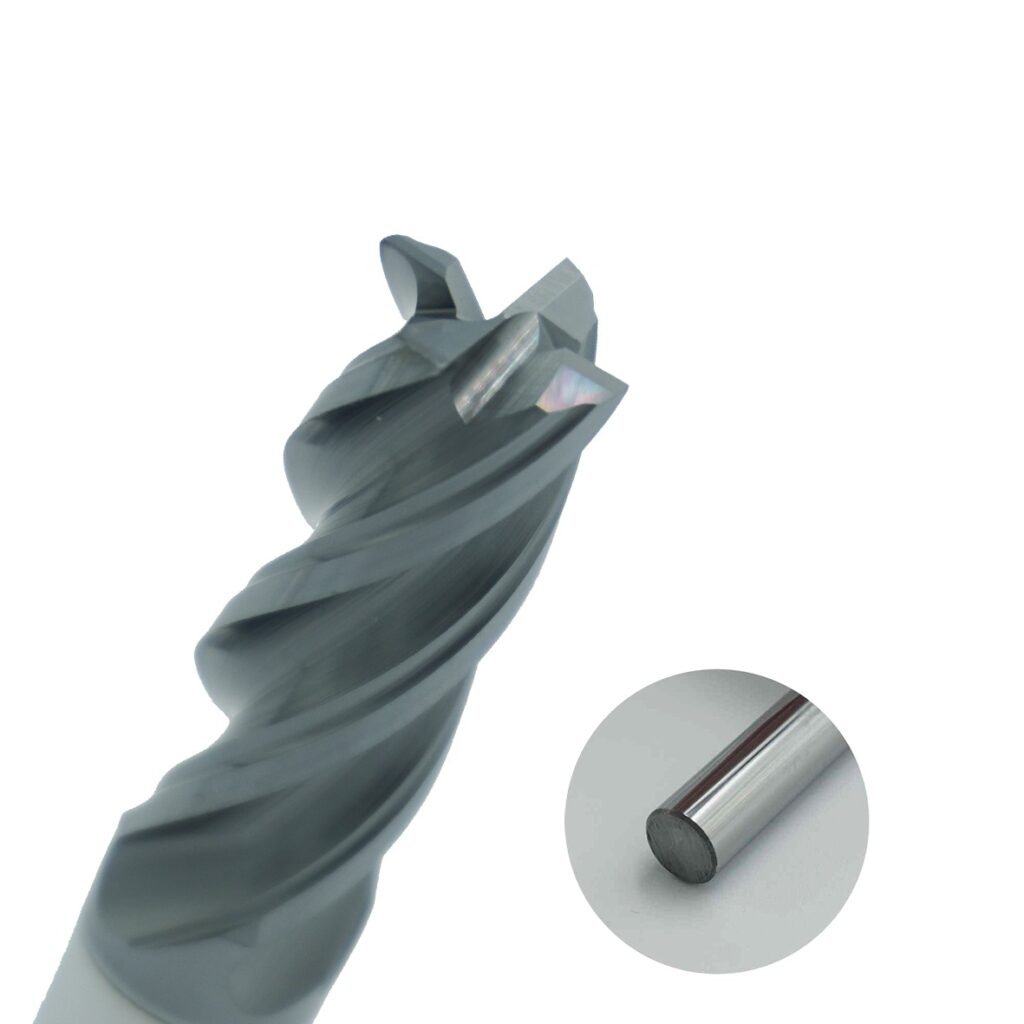
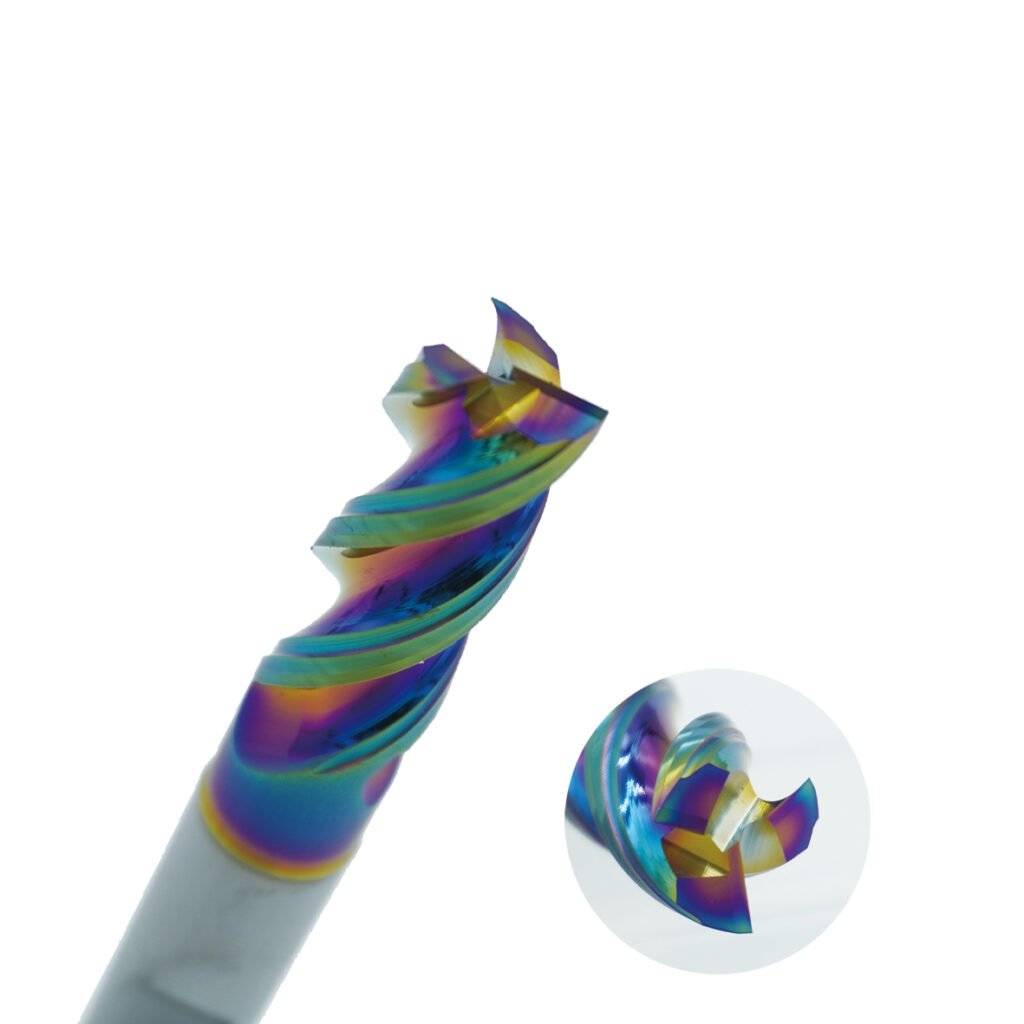
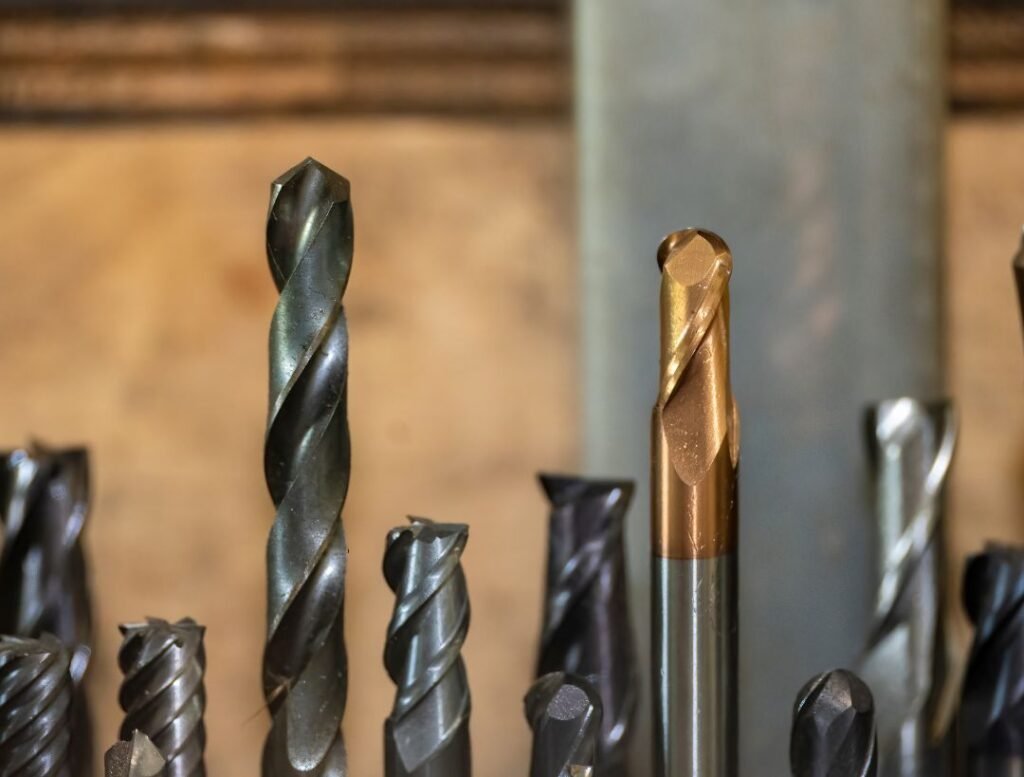
In drilling and end milling, rake is tied to flute geometry, helix angle, web thickness, core strength, and point design. A high-helix, polished flute end mill for aluminum is built around free chip evacuation. A drill for hardened steel or cast iron uses stronger geometry to resist edge breakdown.
The principle stays the same: sharper geometry reduces force; stronger geometry resists damage.
Troubleshooting Through Rake Angle
When a process is unstable, rake angle is worth checking before assuming the speed or feed is wrong.
Symptom in machining | Possible rake-related cause | Practical correction |
High spindle load or tool deflection | Rake angle too small or geometry too blunt | Try a more positive geometry, reduce edge hone, or lower feed |
Built-up edge on aluminum or soft steel | Rake face not sharp or smooth enough | Use polished positive rake and improve chip evacuation |
Edge chipping in roughing | Rake too positive or edge prep too weak | Move to stronger geometry, larger hone, or lower impact load |
Chatter on thin parts | Cutting force too high for part rigidity | Use sharper positive geometry and reduce overhang |
Poor finish after interrupted cuts | Edge microchipping during entry and exit | Use tougher substrate and smaller or negative rake |
Long stringy chips | Rake/chipbreaker not matched to feed | Change chipbreaker style or adjust feed into its working range |
The practical test is to identify the failure mode. If the tool is overloaded and vibrating, reduce force. If the edge is breaking, add support. If chips are not leaving the cut, improve rake face and chipbreaker behavior.
Buyer Notes: What to Ask When Selecting Tools
For tooling buyers, rake angle is not always printed as a single simple number in the catalog. Ask about application geometry instead.
Useful questions include: Is this insert designed for finishing, medium machining, or roughing? Is the chipbreaker for low feed or high feed? Is the edge sharp, honed, or T-landed? Is the geometry recommended for aluminum, stainless steel, cast iron, hardened steel, or interrupted cuts? Does the tool need a rigid machine to perform well?
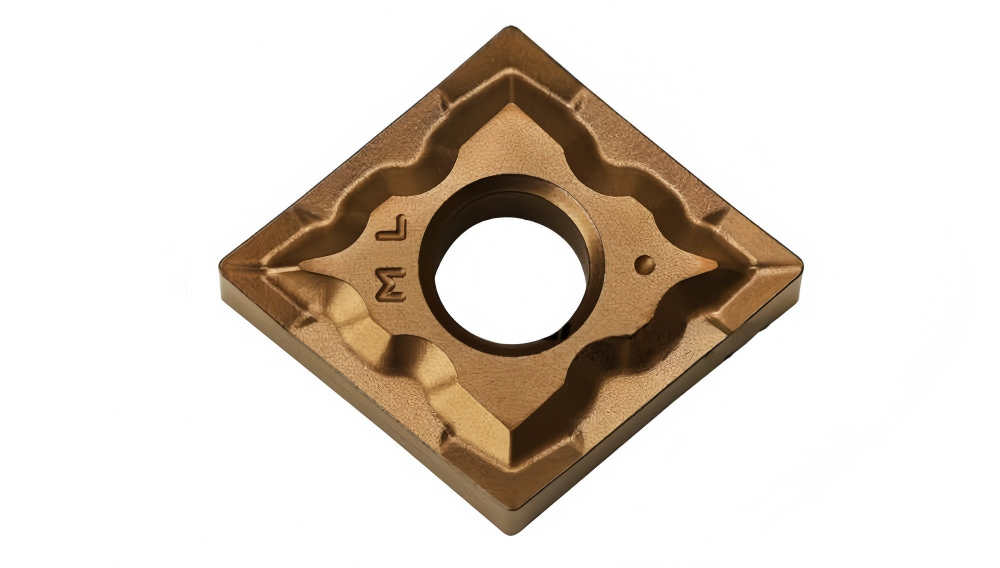
If you buy tools only by insert shape and grade, it is easy to miss the geometry. Two carbide inserts with the same ISO shape and coating can cut very differently if one has a sharp positive chipbreaker and the other has a strong roughing land.

Conclusion
Rake angle controls the balance between cutting sharpness and edge strength. A larger positive rake usually means lower cutting force, easier chip flow, and better behavior in soft or ductile materials. A smaller or negative rake gives the edge more support, making it useful for hard materials, roughing, and interrupted cuts.
The best choice depends on material, feed, depth of cut, machine rigidity, clamping, coolant, coating, and edge preparation. When tool life or finish is not where it should be, rake angle is one of the first geometry details worth reviewing.
HNCarbide supplies carbide cutting tools for turning, milling, drilling, and custom machining applications. If you are comparing tool geometries for a specific material or production setup, a light review of rake angle, chipbreaker, coating, and edge prep can often prevent expensive trial-and-error on the machine.