Skip to content
CNC Milling Applications: Where Precision Milling Delivers the Most Value
Table of Contents
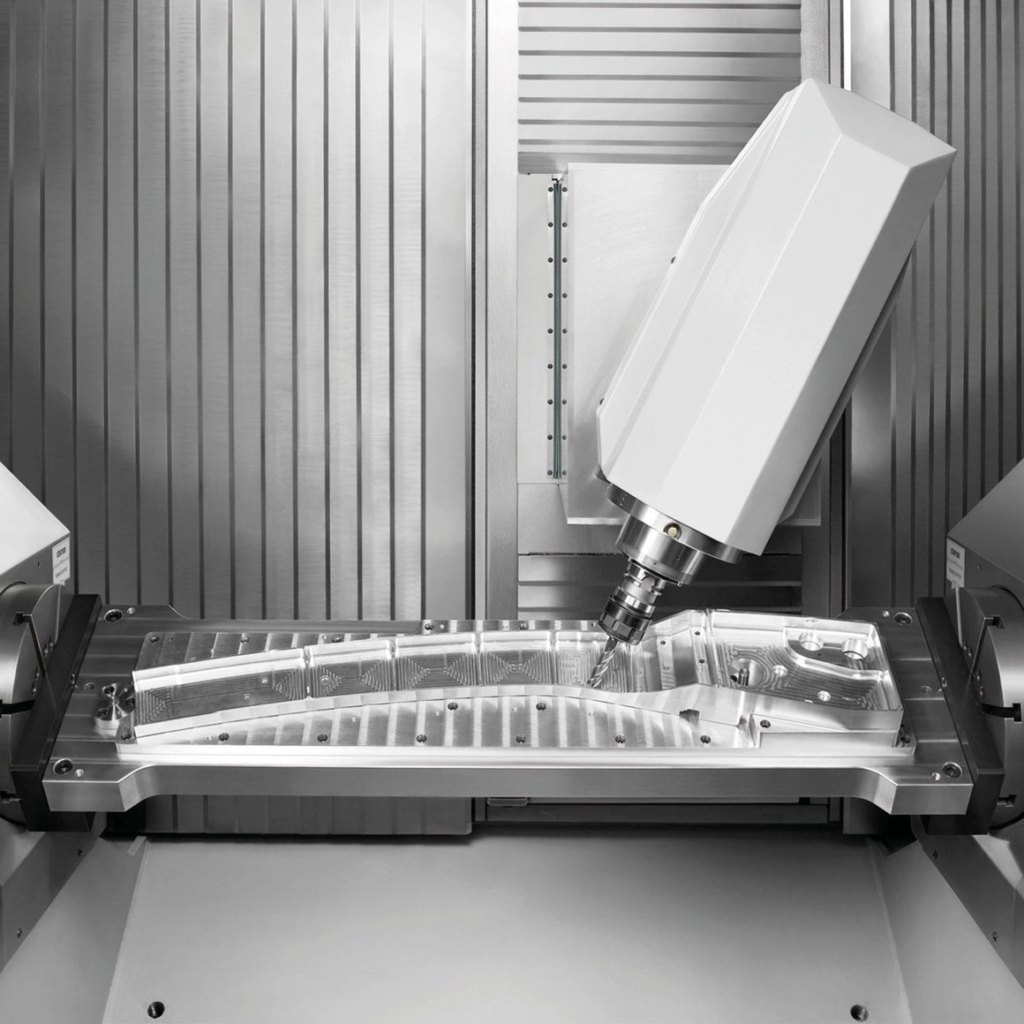
CNC milling is often described as a high-precision, highly automated machining method. That is true, but it does not explain why buyers keep choosing it when casting, forming, turning, laser cutting, additive manufacturing, or manual machining may also be available.
The practical reason is simple: CNC milling can remove material from controlled locations on a workpiece and repeat that geometry with predictable accuracy. It can machine pockets, slots, shoulders, surfaces, holes, contours, thin walls, and complex 3D features that would be slow, inconsistent, or impossible by hand. For a production manager, that means shorter setup time and more stable quality. For a tooling buyer, it means the cutter, coating, toolholder, and machine strategy all have a direct effect on part cost.
This guide explains where CNC milling is used, why different industries rely on it, which machine types fit common applications, and what buyers should check before ordering tools or machined parts.
What Is CNC Milling?
CNC milling is a subtractive machining process that uses a rotating cutting tool to remove material from a fixed or indexed workpiece. A computer numerical control system reads the machining program, coordinates axis motion, controls feed rate and spindle speed, and guides the cutter along the required toolpath.
In a typical workflow, the part design is created in CAD, toolpaths are prepared in CAM, and the program is transferred to the CNC machine. The operator sets the workpiece, verifies the tooling, loads offsets, checks coolant and safety conditions, and runs the program. From there, servo motors control the movement between tool and workpiece along the X, Y, and Z axes, with additional rotary axes on more advanced machines.
CNC milling is different from CNC turning because the cutting tool rotates while the workpiece is usually clamped in place. Turning is normally stronger for round, shaft-like, or rotational parts. Milling is stronger for prismatic parts, flat features, pockets, profiles, mold cavities, brackets, housings, and parts that need machining from several directions.
Core CNC Milling Applications by Industry
CNC milling is used in nearly every sector that needs accurate metal or plastic parts. The value is highest where the part geometry is complex, tolerance is tight, material is difficult to machine, or production needs to move from prototype to repeatable batches without redesigning the process from scratch.
Industry | Typical CNC milled parts | Main machining challenge | Tooling focus |
Aerospace | Brackets, ribs, housings, structural parts, turbine-related components | Thin walls, difficult alloys, traceability, strict tolerances | Rigid carbide end mills, high-performance coatings, secure toolholding |
Automotive | Engine parts, transmission housings, EV components, fixtures, prototypes | Cycle time, repeatability, cost per part | High-feed cutters, face mills, stable roughing and finishing tools |
Medical | Surgical instruments, orthopedic components, device housings, prototypes | Small features, biocompatible materials, burr control | Sharp micro tools, polished flutes, clean edge preparation |
Electronics | Aluminum housings, heat sinks, connector features, precision plates | Fine features, thin walls, cosmetic surfaces | Small-diameter end mills, chamfer tools, stable finishing cutters |
Mold and die | Injection molds, die casting molds, electrodes, cavity inserts | Deep cavities, 3D contours, surface finish | Ball nose end mills, long neck tools, coated carbide |
Energy and oil/gas | Valve parts, manifolds, pump components, flanges | Corrosion-resistant alloys, small batches, reliability | Tough carbide grades, conservative parameters, strong chip control |
Marine and defense | Repair parts, brackets, housings, custom mechanisms | Part variety, robust materials, urgent turnaround | Versatile tooling, secure setups, reliable finishing tools |
Agriculture | Machine brackets, gear housings, replacement components, fixtures | Large part variation, wear-resistant materials | General-purpose carbide tools and indexable cutters |
Aerospace: Complex Parts in Difficult Materials
Aerospace is one of the clearest examples of why CNC milling matters. Aircraft parts often combine weight reduction, high strength, and tight geometric control. A bracket may look simple from the outside, but it can include thin ribs, lightening pockets, contoured surfaces, and bolt patterns that must align with neighboring assemblies.
Aluminum alloys are common, but aerospace shops also machine titanium alloys, stainless steels, nickel-based superalloys, and other demanding materials. These materials punish weak setups. Titanium retains heat near the cutting edge. Nickel alloys work harden and generate high cutting pressure. Thin-wall aluminum parts can chatter if the toolpath, fixture, or cutter geometry is wrong.
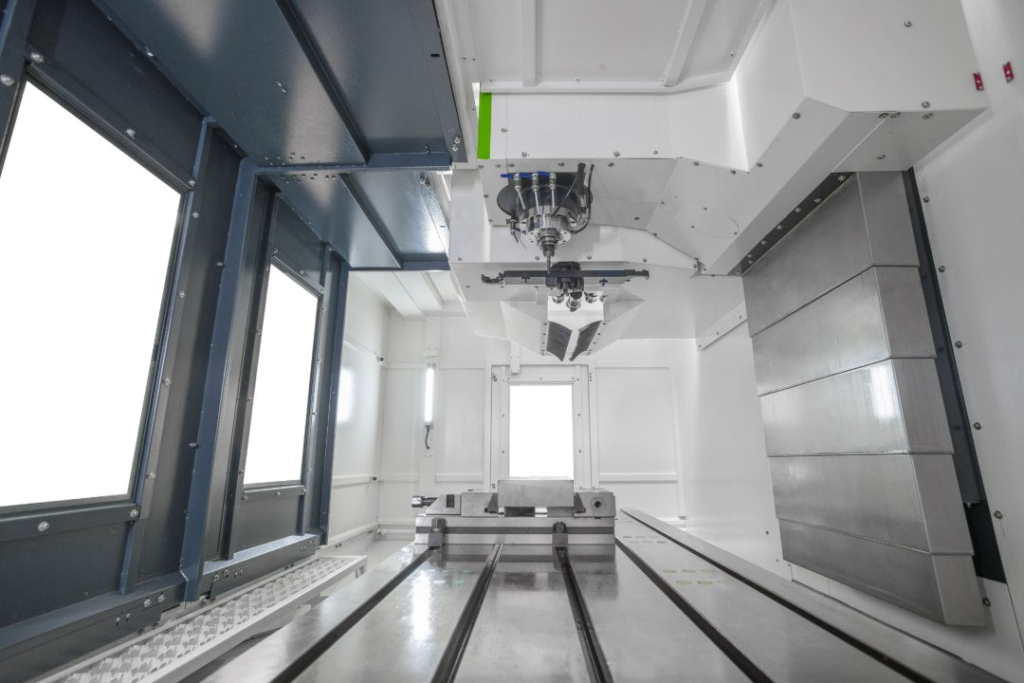
For these reasons, aerospace milling often uses high-performance carbide end mills, trochoidal or adaptive roughing strategies, controlled radial engagement, and careful coolant delivery. Five-axis milling is valuable when a shop needs to machine multiple faces in one setup or keep the tool at a better angle to the surface.
Automotive: Faster Prototypes and Repeatable Production
Automotive manufacturers and suppliers use CNC milling for both development and production support. During product development, milling makes it possible to produce functional prototypes without waiting for final tooling. A supplier can machine an aluminum housing, test the assembly, adjust the design, and make the next version quickly.
In production, CNC milling is used for engine components, transmission parts, brake system parts, battery trays, motor housings, fixture plates, inspection gauges, and assembly tooling. The business pressure is usually different from aerospace. Instead of a few highly expensive parts, the automotive shop often cares about cycle time, tool life, machine utilization, and process repeatability over large volumes.
This is where tool selection becomes a cost issue. A cutter that saves a few seconds per part may matter on a high-volume line, but only if it holds size and does not create unpredictable tool changes. Shops commonly balance roughing speed with finishing stability: rough aggressively where the setup allows it, then use a predictable finishing pass to protect dimensional accuracy and surface quality.
Medical: Small Features, Clean Edges, and Material Control
Medical device manufacturing depends heavily on CNC milling because many components have fine details and strict dimensional requirements. Typical milled parts include surgical instruments, dental components, orthopedic trial parts, implant-related components, device housings, and fixtures used in medical production.
Materials vary widely. Stainless steel, titanium, cobalt-chrome alloys, aluminum, engineering plastics, and polymers may all appear in the same supply chain. Burr control and surface finish are especially important. A part that is technically within size may still fail inspection if it has raised edges, smeared material, or difficult-to-clean surfaces.
Medical milling often favors sharp cutting edges, stable micro tools, controlled tool runout, and clean chip evacuation. For small features, the weakest part of the process is not always the machine. It may be tool deflection, toolholder runout, fixture access, or a feed rate that is too aggressive for the cutter diameter.
Electronics: Housings, Heat Sinks, and Precision Details
Electronics manufacturers use CNC milling for aluminum enclosures, heat sinks, connector openings, display frames, RF components, test fixtures, and precision plates. This is a broad field, but many parts share the same problems: thin walls, cosmetic surfaces, fine openings, and short product cycles.
Compared with casting or extrusion alone, CNC milling gives designers more freedom to add precise pockets, mounting features, sealing grooves, and cable access details. It is also useful after casting, extrusion, or forging, when critical surfaces and holes still need to be finished.
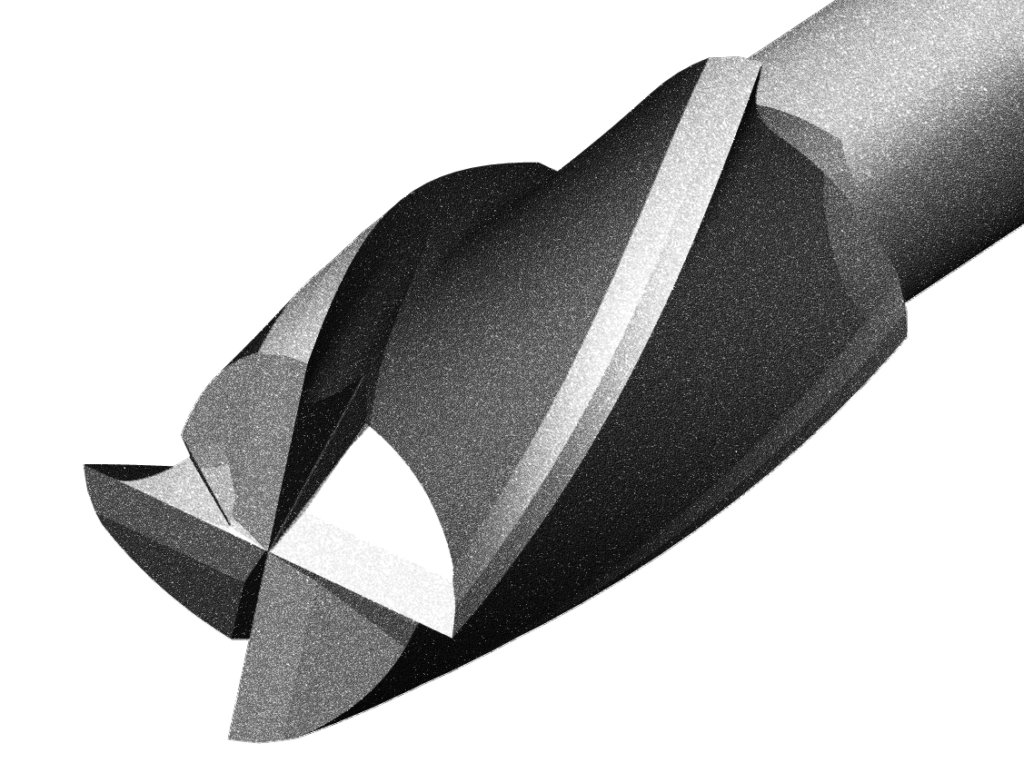
For electronics housings, tool marks and burrs can be just as important as tolerance. A stable finishing strategy, sharp tools, and correct chip evacuation help prevent edge damage around ports and threaded holes. When the workpiece is aluminum, polished flute geometry and suitable coatings can reduce built-up edge and keep the surface cleaner.
Mold and Die: Cavities, Inserts, and 3D Surfaces
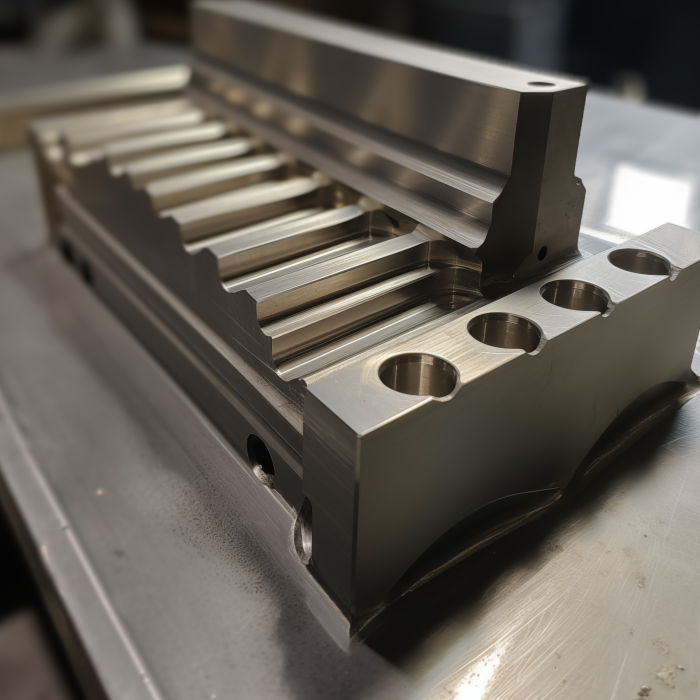
Mold manufacturing is one of the most demanding milling applications because the final product depends on the accuracy and surface quality of the mold cavity. Injection molds, die-casting molds, forging dies, stamping tools, and EDM electrodes all rely on CNC milling at different stages.
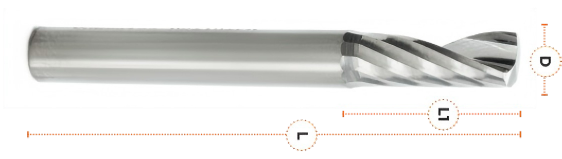
Roughing removes material quickly from tool steel or pre-hardened steel. Semi-finishing prepares the shape while leaving controlled stock. Finishing then uses ball nose tools, corner radius tools, tapered cutters, or long neck end mills to create the final contour.
The challenge is access. Deep ribs, small radii, steep walls, and narrow cavities increase tool overhang. Longer tools are less rigid, so a shop may need smaller stepovers, smoother toolpaths, high-speed machining strategies, and cutters designed specifically for deep-reach milling. In many molds, the cheapest cutter is not the lowest-cost choice if it adds polishing time or leaves witness marks in difficult areas.
Energy, Oil and Gas: Reliable Parts in Tough Environments
Oil, gas, and energy equipment often require parts that can survive pressure, corrosion, vibration, and harsh service conditions. CNC milling is used for valve bodies, pump parts, manifolds, flanges, pistons, cylinder-related components, sealing surfaces, and custom repair parts.
The batches may be smaller than automotive production, but the cost of failure is high. Materials such as stainless steel, aluminum alloys, nickel alloys, and corrosion-resistant grades must be machined with attention to heat, chip control, and work hardening.
For these applications, process reliability usually matters more than chasing the fastest possible cycle time. A stable carbide grade, secure insert clamping or solid toolholding, conservative engagement in difficult alloys, and controlled coolant use can prevent scrap on expensive workpieces.
Marine, Defense, and Agriculture: Variety and Practical Turnaround
Marine and defense applications often need custom or low-volume parts, sometimes with short lead times. Ship repair, naval maintenance, weapon system support, communication equipment, and ruggedized housings all create demand for accurate machined components.
Agriculture is different but just as practical. Equipment manufacturers and repair suppliers use CNC milling for brackets, housings, mounting plates, gear-related parts, fixtures, and replacement components. Parts may not always require aerospace-level tolerances, but they must handle vibration, dirt, impact, and wear.
In these sectors, CNC milling earns its keep through flexibility. One machine can produce a repair bracket today, a fixture tomorrow, and a production part next week. The shop still needs the right cutter strategy, but the value often comes from being able to respond quickly without building dedicated tooling for every job.
Advantages of CNC Milling
CNC milling offers several advantages that explain its wide industrial use.
It improves repeatability. Once the program, setup, tool offsets, and inspection plan are stable, the same geometry can be produced again with less dependence on manual skill.
It supports complex geometry. Pockets, contours, slots, angled faces, drilled features, and 3D surfaces can be combined in one machining plan.
It shortens development cycles. Prototype parts can be machined directly from digital models, allowing design teams to test fit, strength, sealing, thermal behavior, and assembly before committing to production tooling.
It improves production flexibility. Changing from one part to another may require a new setup and program, but it does not always require a new die, mold, or dedicated line.
It can also improve workplace safety because the operator spends less time manually feeding tools into the workpiece. That said, CNC machines still require disciplined setup, guarding, tool verification, and maintenance.
Limitations and Common Milling Problems
CNC milling is powerful, but it is not magic. Poor process planning can still produce scrap quickly.
Common problems include chatter, poor surface finish, tool breakage, dimensional drift, burrs, heat damage, and chips packing into pockets. The cause may be tool wear, incorrect feed and speed, weak workholding, excessive tool overhang, poor machine rigidity, runout, unstable coolant delivery, or an unrealistic toolpath.
Problem | Likely causes | Practical response |
Chatter or vibration | Long tool overhang, weak fixture, aggressive engagement, poor spindle condition | Shorten the tool, improve clamping, reduce radial engagement, use smoother toolpaths |
Poor surface finish | Worn tool, built-up edge, wrong finishing strategy, poor chip evacuation | Replace or recondition tool, adjust coating/geometry, add finishing pass, improve coolant or air blast |
Tool breakage | Excessive feed, chip packing, hard spots, wrong tool for material | Reduce load, improve chip evacuation, choose tougher carbide grade, verify material condition |
Part out of tolerance | Tool deflection, thermal growth, wrong offsets, fixture movement | Check runout and offsets, improve workholding, measure between operations, adjust compensation |
Heavy burrs | Dull edge, wrong toolpath exit, material smearing | Use sharper tool, add chamfer/deburr pass, adjust feed and speed |
Maintenance skill is also important. CNC machines combine mechanical, electrical, hydraulic, pneumatic, and control systems. Operators may run the machine, but maintenance technicians need enough knowledge to diagnose servo alarms, spindle issues, tool changer faults, lubrication problems, and accuracy drift.
How to Choose a Milling Cutter for the Application
The right cutter depends on the material, feature, tolerance, machine rigidity, toolholder, coolant condition, and production target. A general-purpose end mill may work for many jobs, but difficult applications benefit from more specific geometry.
For aluminum, sharp polished flutes and good chip evacuation help prevent built-up edge. For stainless steel, coating, edge strength, and heat control are more important. For titanium and nickel alloys, stable engagement and heat-resistant carbide/coating combinations matter. For molds, ball nose and long neck tools may be needed for 3D surfaces and deep cavities.
Workpiece material | Milling focus | Cutter guidance |
Aluminum alloys | Fast chip evacuation, clean surface, low built-up edge | Use sharp carbide tools, polished flutes, high helix options, and strong coolant or air blast |
Carbon steel | Balanced tool life and productivity | Use coated carbide end mills or indexable cutters matched to hardness and batch size |
Stainless steel | Work hardening, heat, burr control | Use positive geometry, stable feeds, suitable coatings, and avoid rubbing |
Titanium alloys | Heat concentration and tool wear | Use rigid setup, controlled radial engagement, sharp but strong edges, and proper coolant |
Nickel alloys | High cutting pressure and work hardening | Use tough carbide grades, conservative parameters, and reliable chip control |
Plastics | Heat, melting, edge quality | Use sharp tools, adequate chip clearance, and avoid excessive rubbing |
For B2B purchasing, cutter price should be evaluated against the whole process. A higher-quality carbide end mill may reduce cycle time, hold tolerance longer, cut polishing work, or lower scrap. On the other hand, a premium tool is wasted if the machine, holder, and fixture cannot support it.
CNC Milling Cost Factors
There is no single CNC milling cost because the quote depends on many linked variables. Material cost is only the start. Shops also consider programming time, setup time, machine hourly rate, fixture needs, tooling, inspection, tolerances, batch size, surface treatment, heat treatment, outside processes, packaging, freight, taxes, and profit margin.
Tolerances have a major impact. A loose clearance slot may be inexpensive. A tight flatness callout, deep pocket, thin wall, or hard-to-measure feature may require slower machining, more inspection, and more experienced setup work. Material also matters: aluminum usually machines faster than titanium or nickel alloy, but thin aluminum housings can still be difficult if cosmetic finish and distortion control are strict.
For buyers, the best way to control cost is to define what matters. Tighten only the features that truly need tight tolerance. Provide clear drawings, material specifications, surface finish requirements, annual volume, inspection expectations, and any mating-part information that affects function.
Conventional Milling and Climb Milling: Where Each Fits
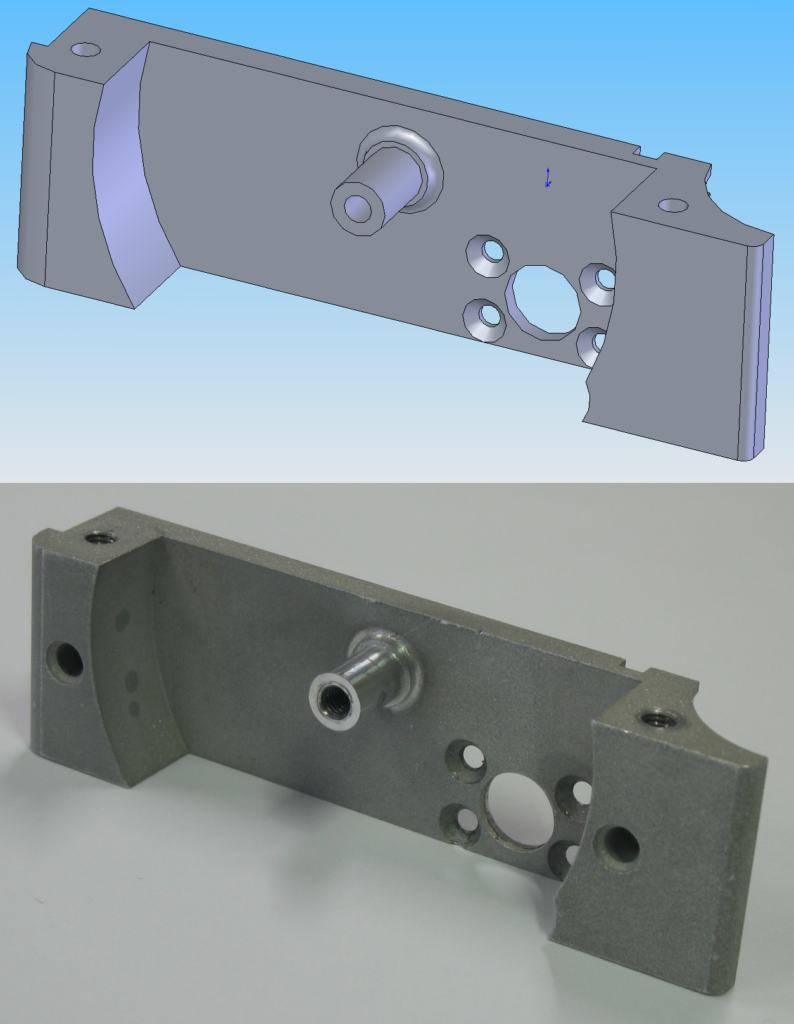
Modern CNC milling often favors climb milling because it can improve surface finish and tool life when the machine is rigid and backlash is controlled. In climb milling, the cutter rotation pulls the workpiece into the cut direction. On a stable CNC machine, this can produce cleaner cutting action.
Conventional milling still has uses. It can be useful when machine backlash is a concern, when the workpiece surface has a hard scale or uneven skin, or when the operator wants a more cautious entry on certain hard materials. The right choice depends on the machine condition, tool geometry, workholding, material surface, and feature being machined.
Buyer Checklist for CNC Milling Projects
Before ordering CNC milling tools or outsourced CNC milled parts, review the job from both engineering and production angles.
Checkpoint | Why it matters |
Material grade and hardness | Drives tool grade, coating, cutting parameters, and inspection risk |
Critical tolerances | Helps separate functional requirements from unnecessary cost |
Feature depth and access | Determines tool length, holder clearance, axis needs, and chatter risk |
Batch size and repeat orders | Affects fixture investment, tool choice, and process optimization |
Surface finish requirements | Influences finishing strategy, toolpath, cutter geometry, and polishing work |
Machine capability | Confirms whether 3-axis, 4-axis, or 5-axis machining is appropriate |
Inspection method | Reduces disputes and ensures the shop measures the same features the buyer cares about |
Tooling support | Improves stability, tool life, and repeatability in production |
Conclusion
CNC milling is used across aerospace, automotive, medical, electronics, mold making, energy, marine, defense, and agricultural manufacturing because it combines precision with practical flexibility. It can produce one-off prototypes, complex mold cavities, tight-tolerance housings, and repeatable production parts from a wide range of metals and plastics.
The best results come from matching the application to the machine, setup, cutter geometry, coating, and inspection plan. For tooling buyers, that means looking beyond the cutter price and asking how the tool performs inside the full machining process.
HNCarbide supplies carbide milling tools for shops that need stable performance in real production conditions. If you are selecting end mills for aluminum, steel, stainless steel, titanium, or mold machining, a clear description of your material, feature size, machine, and tolerance target will make tool recommendations much more accurate.