Uncategorized
Plan safer pocket milling with solid carbide end mills: center opening, constant-engagement toolpaths, finish passes, ramp angles, helical entry, and troubleshooting.

Plan safer pocket milling with solid carbide end mills: center opening, constant-engagement toolpaths, finish passes, ramp angles, helical entry, and troubleshooting.

Learn how milling cutters differ by geometry, construction, material, tooth count, and cutting direction, with practical selection and troubleshooting guidance.

Learn how to measure, diagnose, and reduce switching power supply ripple and high-frequency noise through better probing, capacitor selection, snubbers, loop stability, and PCB layout.
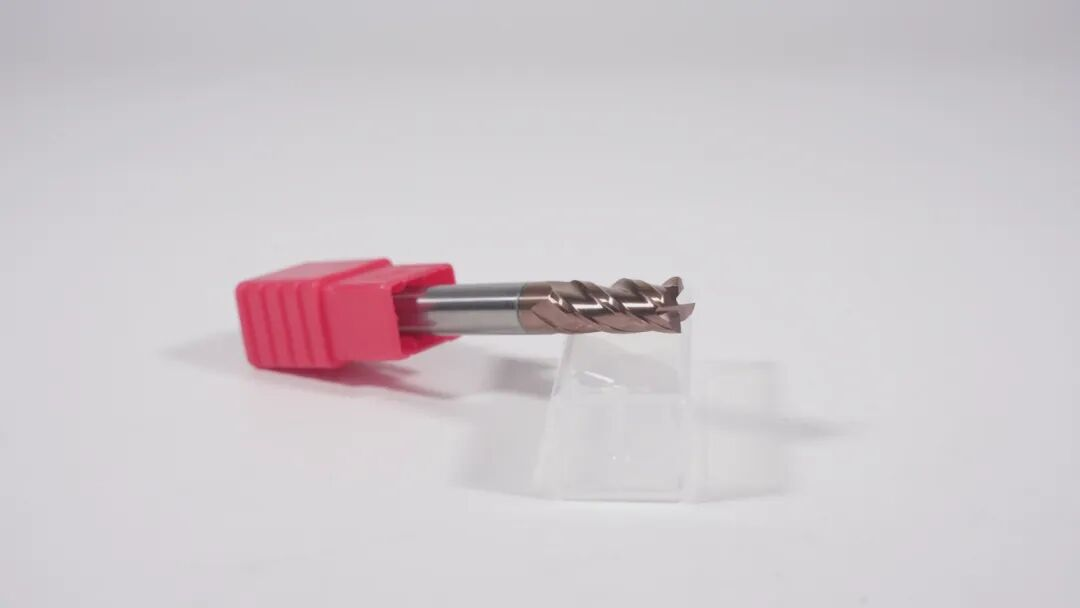
Learn how to choose a flat end mill for CNC pockets, slots and shoulders, with practical guidance on flute count, tool entry, reach and corner
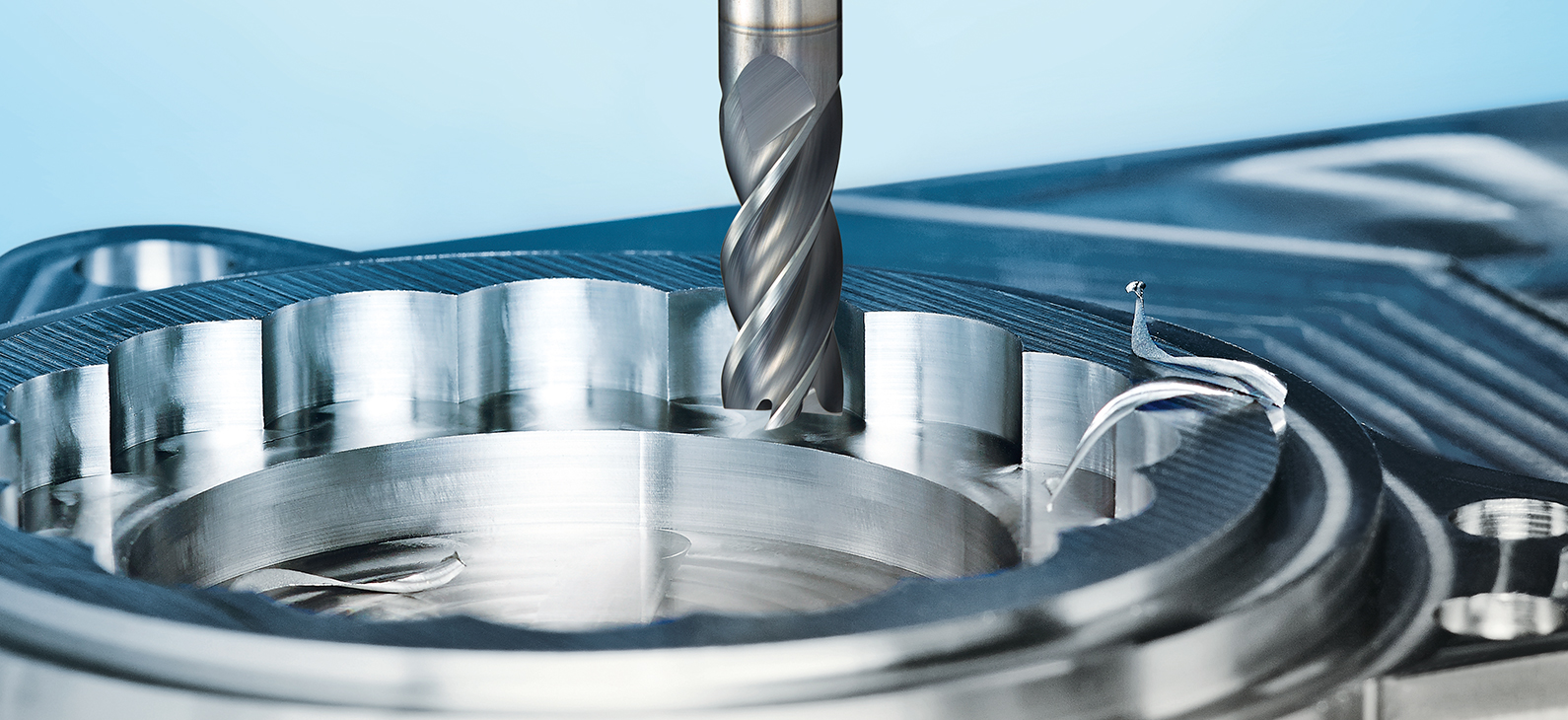
Compare stainless steel end mills with general purpose carbide tools. Learn how geometry, coatings, chip load and process stability affect CNC milling results.
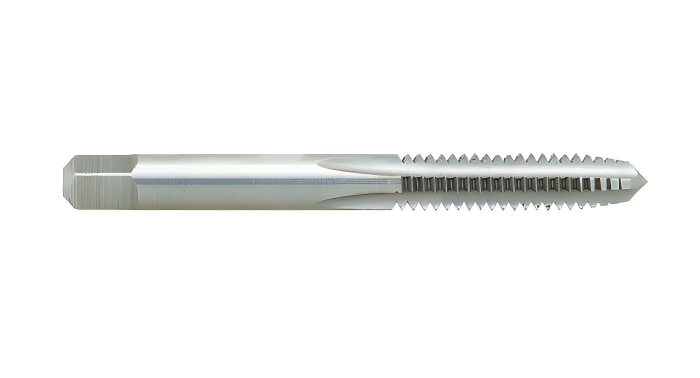
Compare straight-flute, spiral-flute, spiral-point and form taps by chip flow, hole type and material, then refine the choice by substrate and coating.
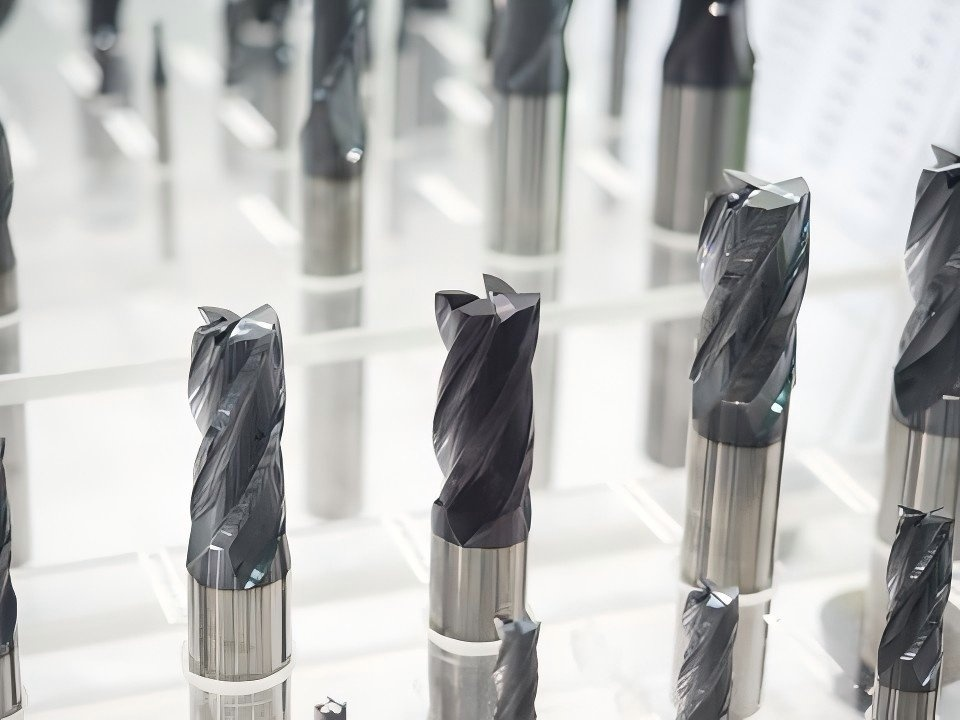
Learn how cutting forces affect carbide end mills, tool deflection and thin walls, with practical milling calculations and cutter selection advice.
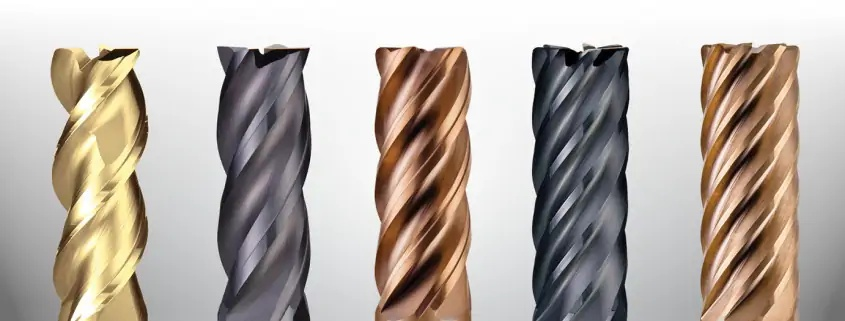
Compare 1 to 6 flute end mills, variable helix, roughing and straight flute designs. Choose geometry for your material, toolpath and chip evacuation.

A practical CNC cutter selection guide covering reamers, circle segment barrel cutters, T-slot cutters, chamfer mills, drills, form cutters, and ceramic cutting tools.
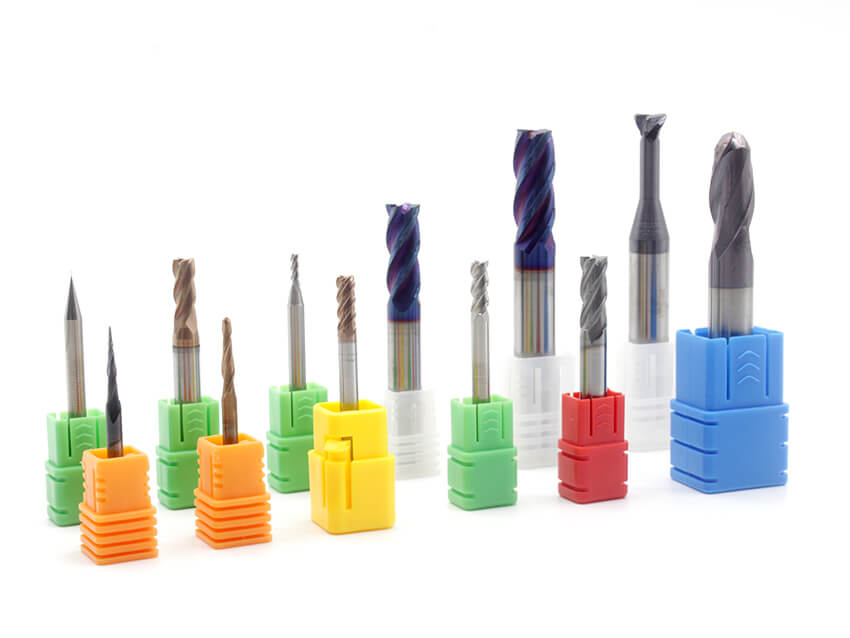
Compare low, medium, high and variable helix end mills. Choose geometry for slotting, thin walls and finishing while managing chatter and tool pullout.
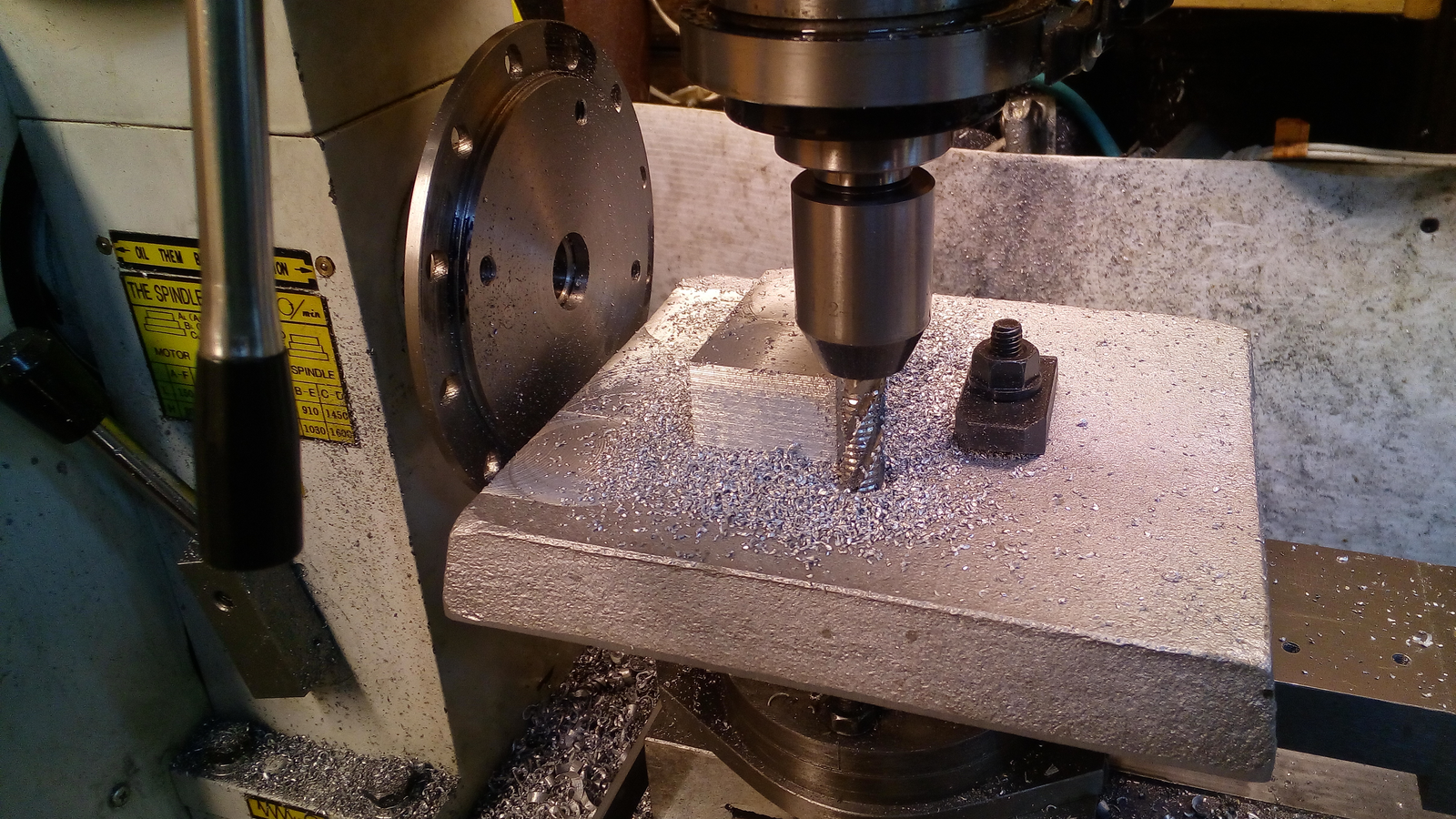
A practical guide to carbide end mill coatings, including TiN, TiCN, TiAlN, AlTiN, AlCrN and diamond for steel, stainless, aluminum, graphite and high-speed CNC milling.
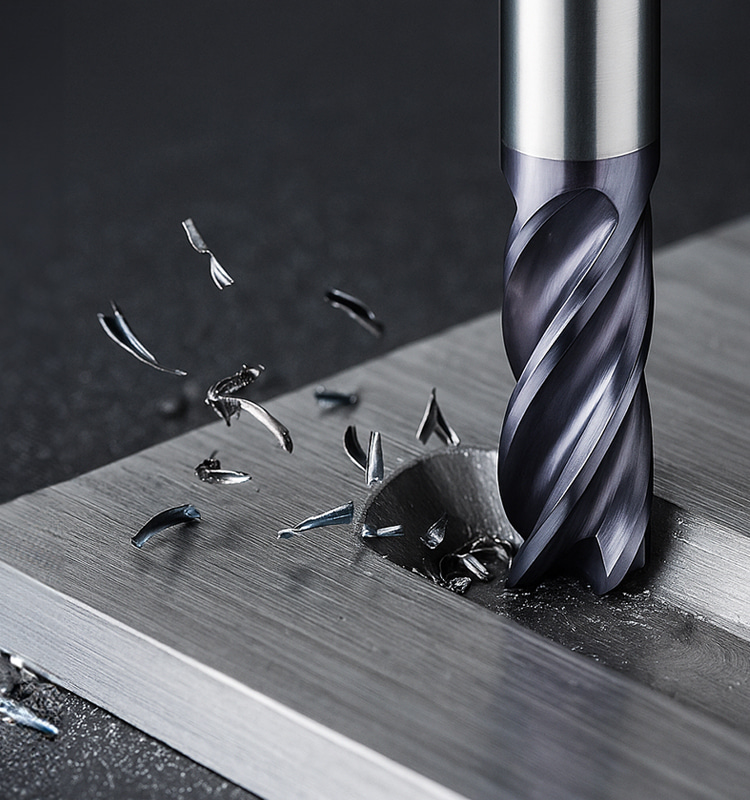
Understand how solid carbide end mill material, flute geometry, coatings, cutting parameters, and failure modes affect CNC machining quality, productivity, and cost.
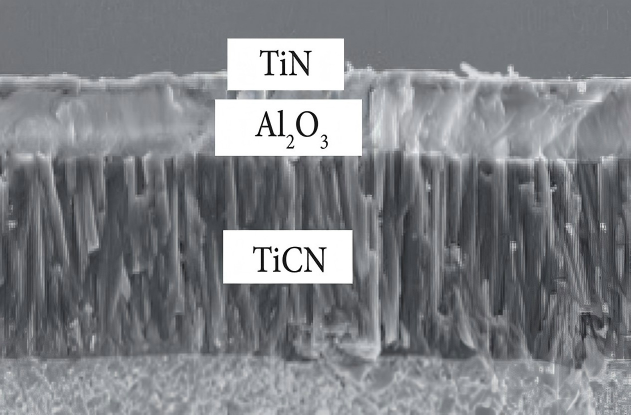
Learn how to choose CVD-coated carbide inserts for CNC turning and milling, including thick HT-CVD, thin MT-CVD for stainless steel, milling MT-CVD, and when PVD
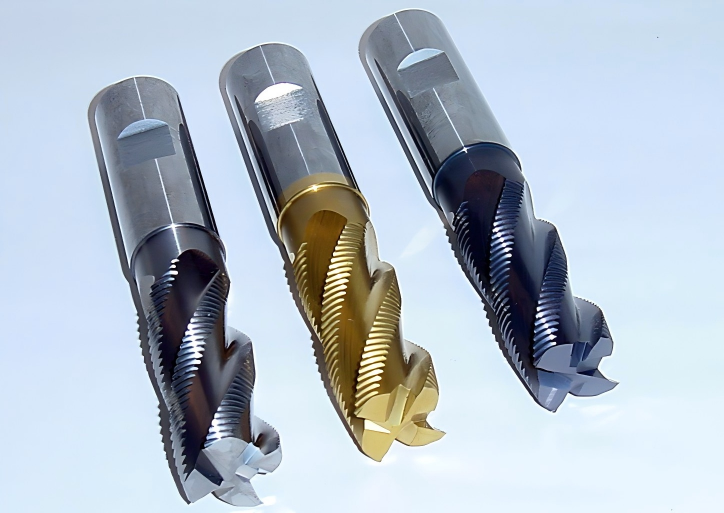
Learn why semi-finishing matters after rough milling, how rest material and uneven stock damage finishing tools, and how to choose practical semi-finishing strategies.
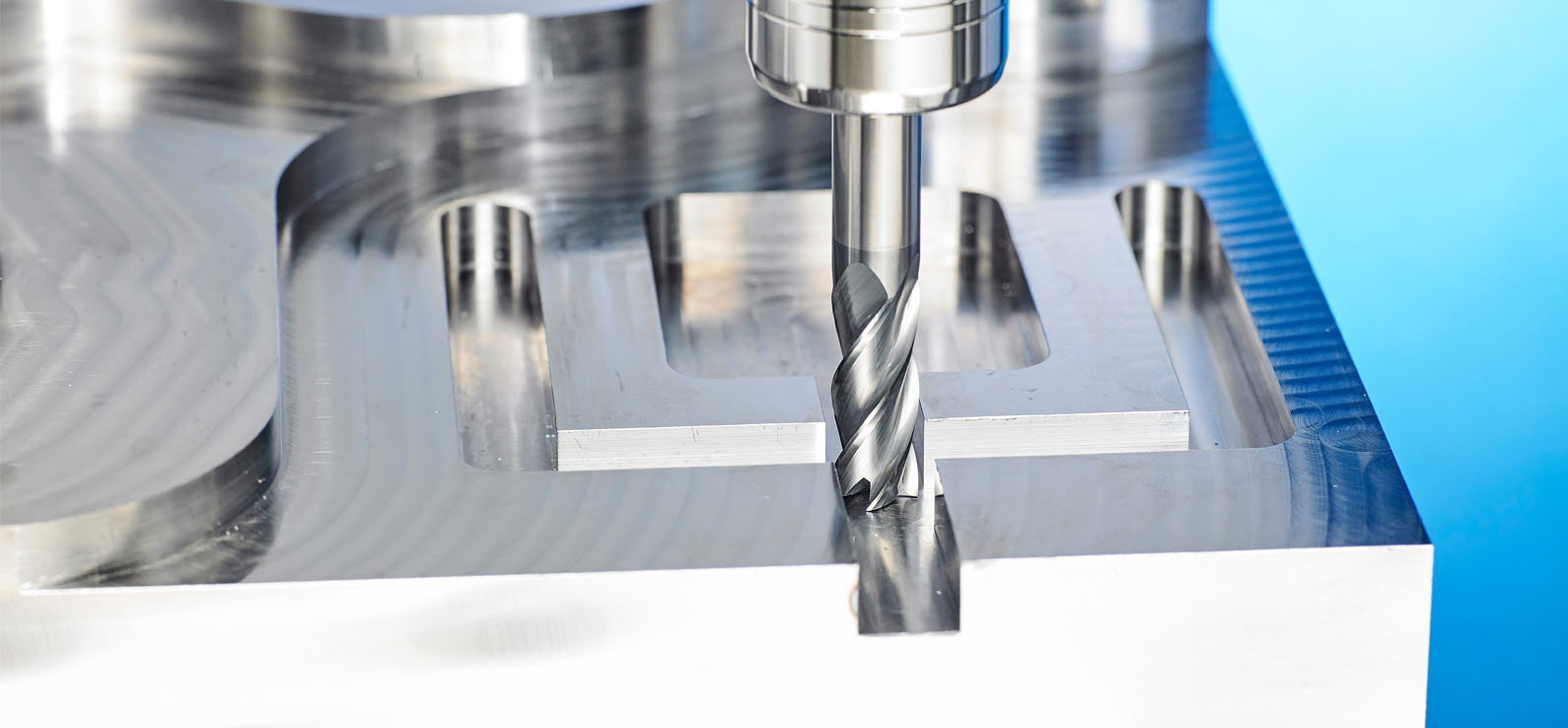
Learn how to choose between slot milling, shoulder milling, 3D profiling, plunge milling, ramp milling, and helical interpolation based on material, machine rigidity, chip evacuation,
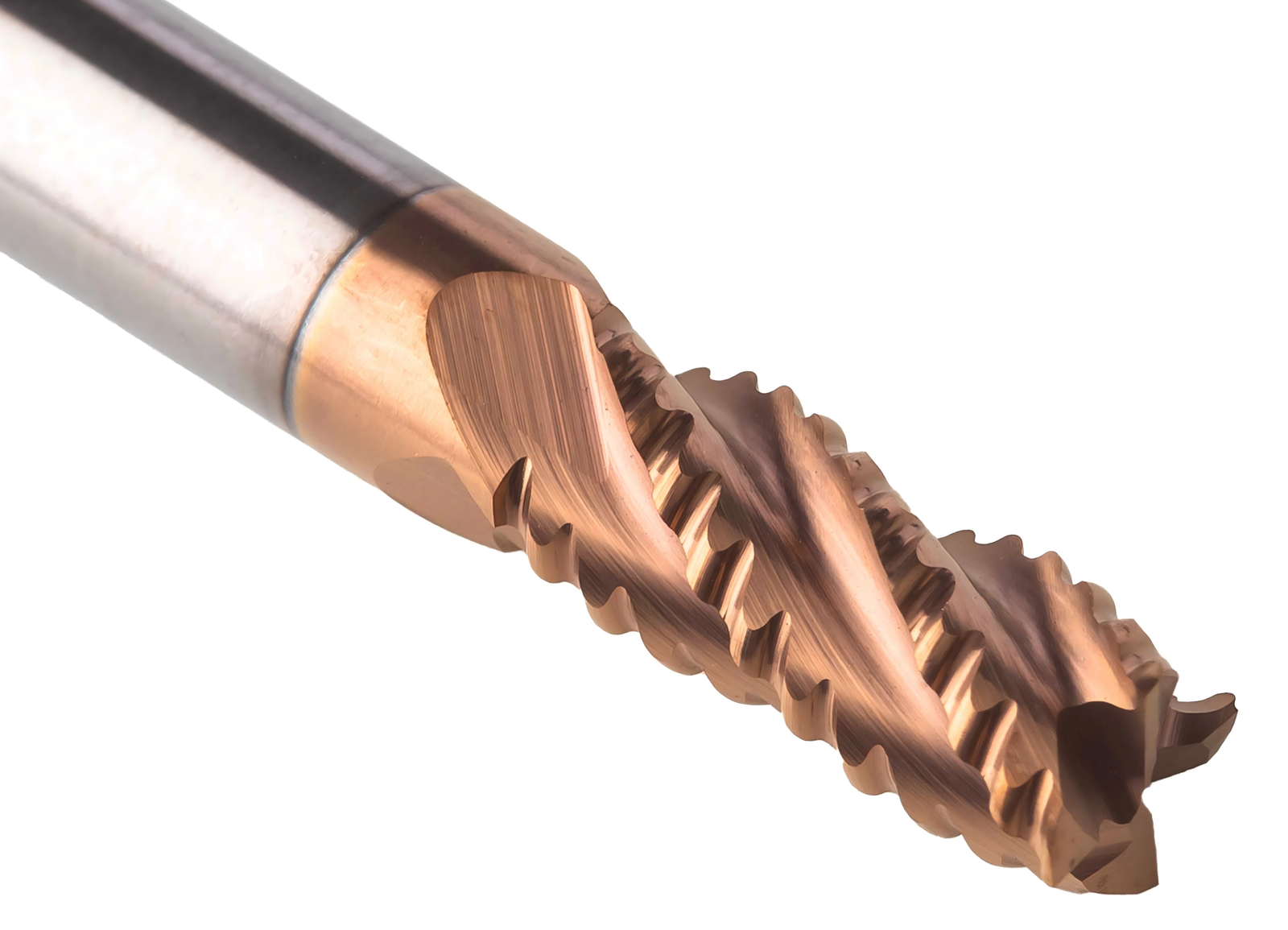
Compare solid carbide and indexable milling cutters by diameter, precision, roughing, finishing, tool change time, production volume, and total machining cost.
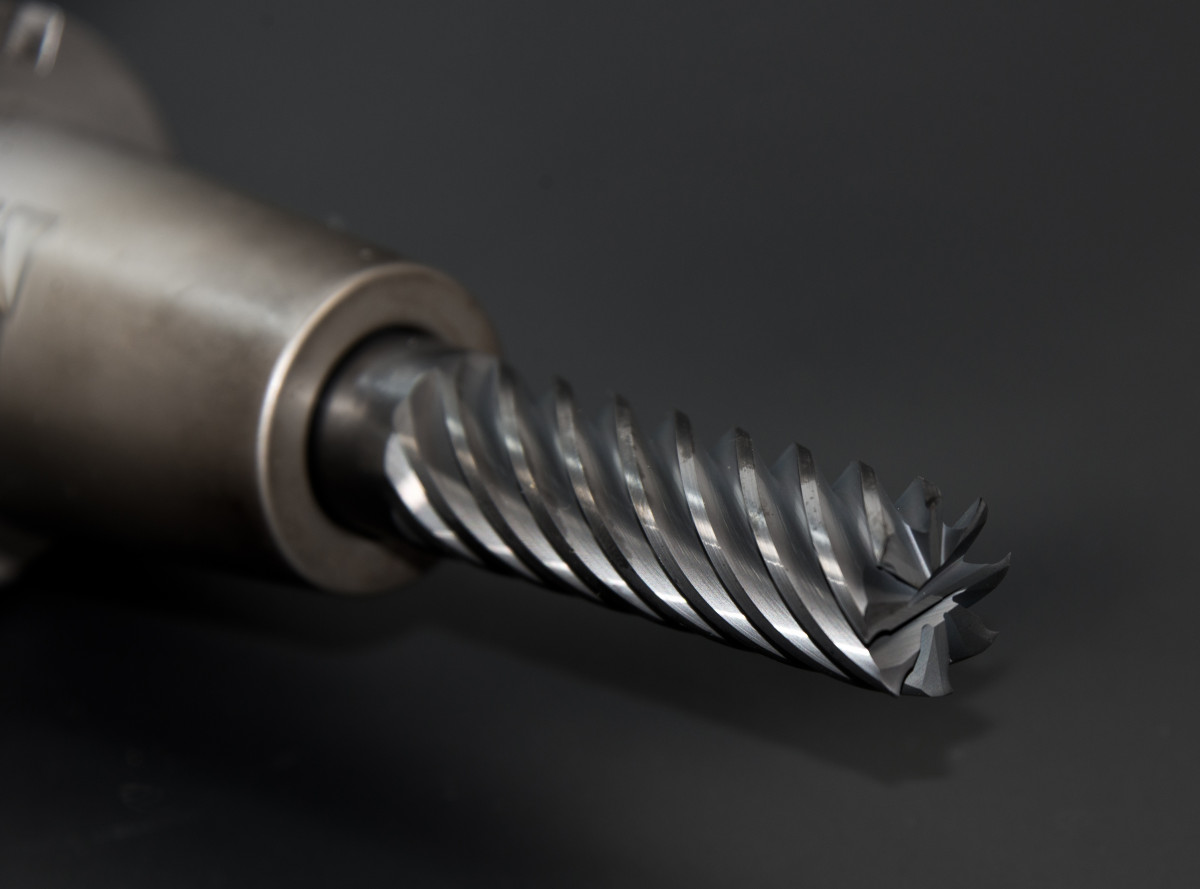
Learn how cutting-tool thermal deformation affects precision machining, why dimensions drift, and how shops can reduce thermal error with cooling, process control, and compensation.
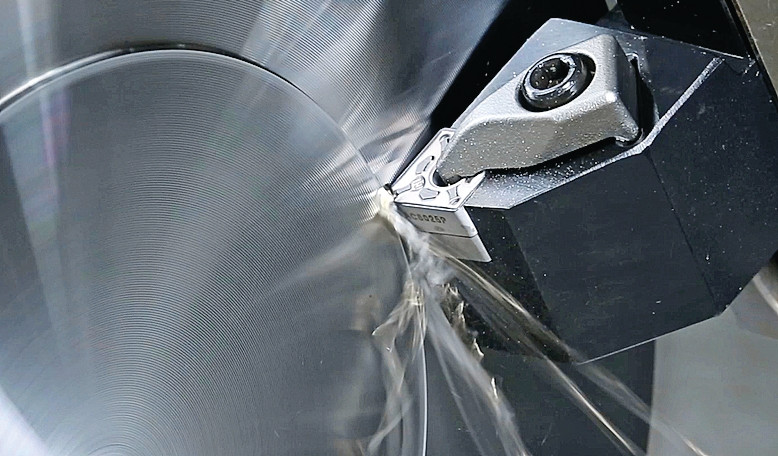
Learn what cutting resistance means in turning, how excessive cutting force affects tool life and part quality, and how to solve it through parameters, insert
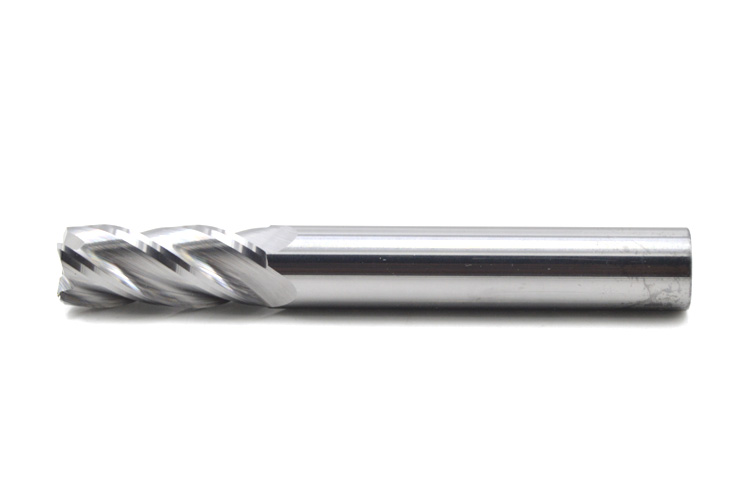
Learn how to choose 4-flute, 6-flute, and 8-flute end mills by balancing chip evacuation, tool rigidity, material, slotting, roughing, and finishing needs.

Learn how to identify 11 common end mill wear patterns, including flank wear, crater wear, chipping, built-up edge, notch wear, flaking, thermal cracks, and catastrophic