Are You Choosing the Right CNC Milling Tools and Cutting Parameters? A Practical Guide to Higher Efficiency and Precision
Table of Contents
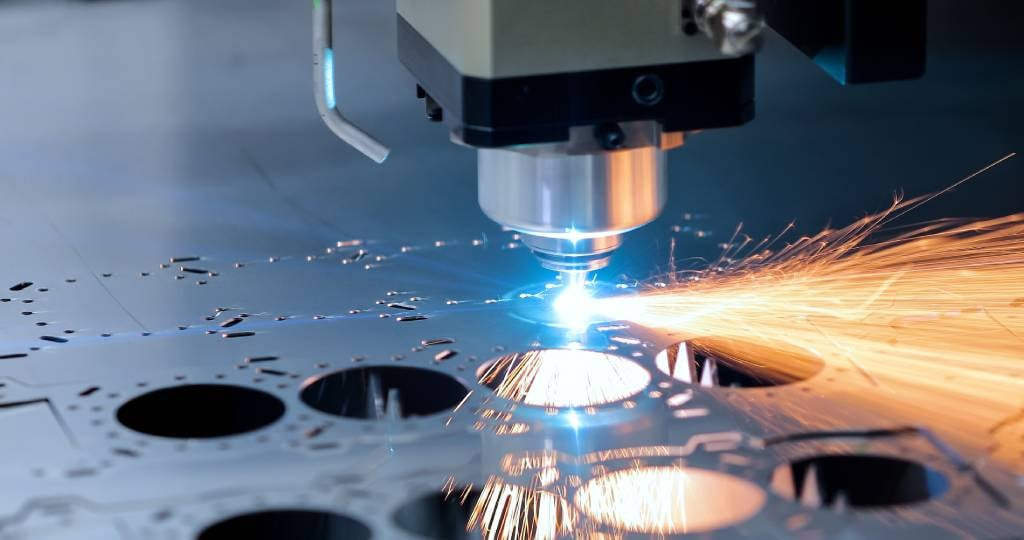
Why Do Some CNC Milling Processes Perform Better Than Others?
In modern manufacturing, CNC milling is no longer just about removing material—it is about achieving precision, efficiency, and consistency at the same time. Yet, many machining operations still struggle with issues such as poor surface finish, rapid tool wear, or unstable cutting performance. Why does this happen?
In most cases, the root cause lies in two critical factors:
tool selection and cutting parameter optimization.
Choosing the wrong tool geometry or material can lead to vibration, inefficient chip evacuation, or even tool breakage. Similarly, improper cutting parameters—such as excessive feed rate or insufficient cutting speed—can reduce tool life and compromise machining quality.
So the real question is:
Are you using the right combination of tools and parameters for your specific application?
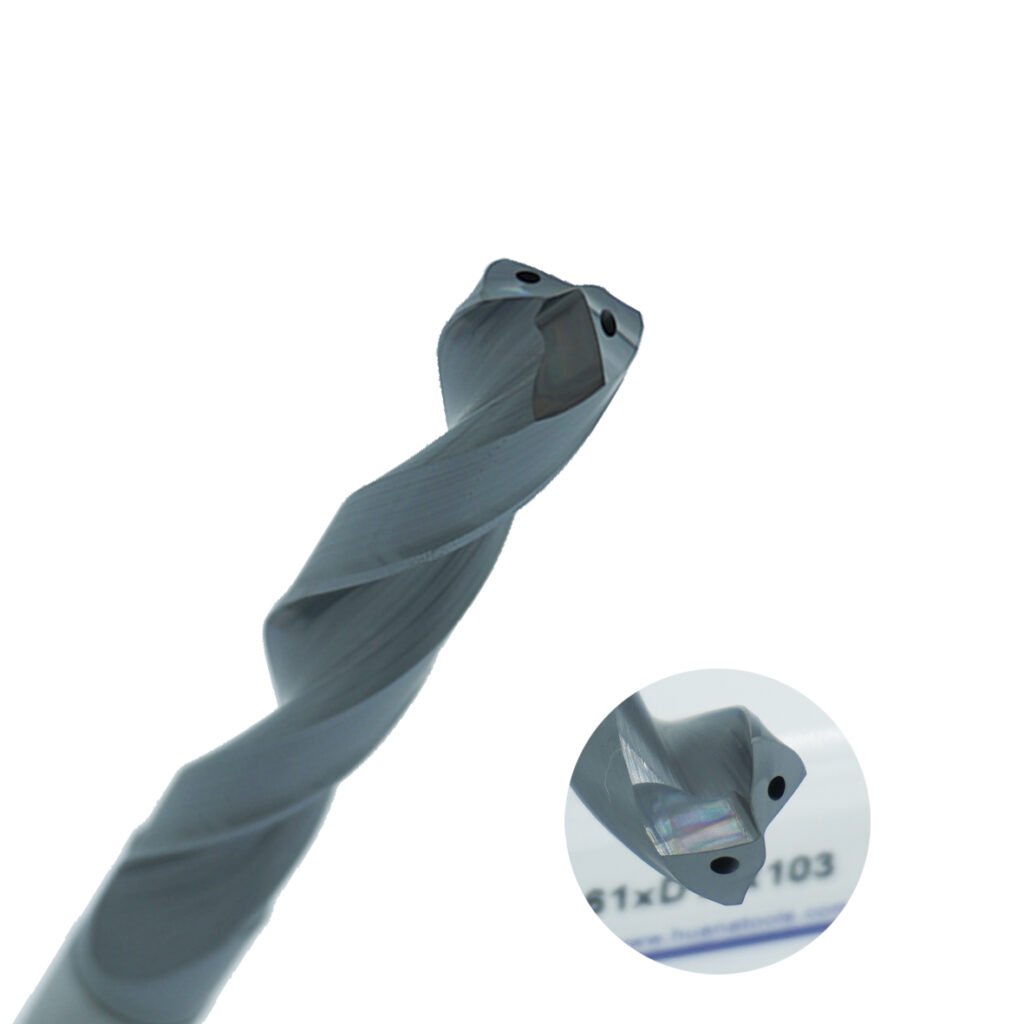
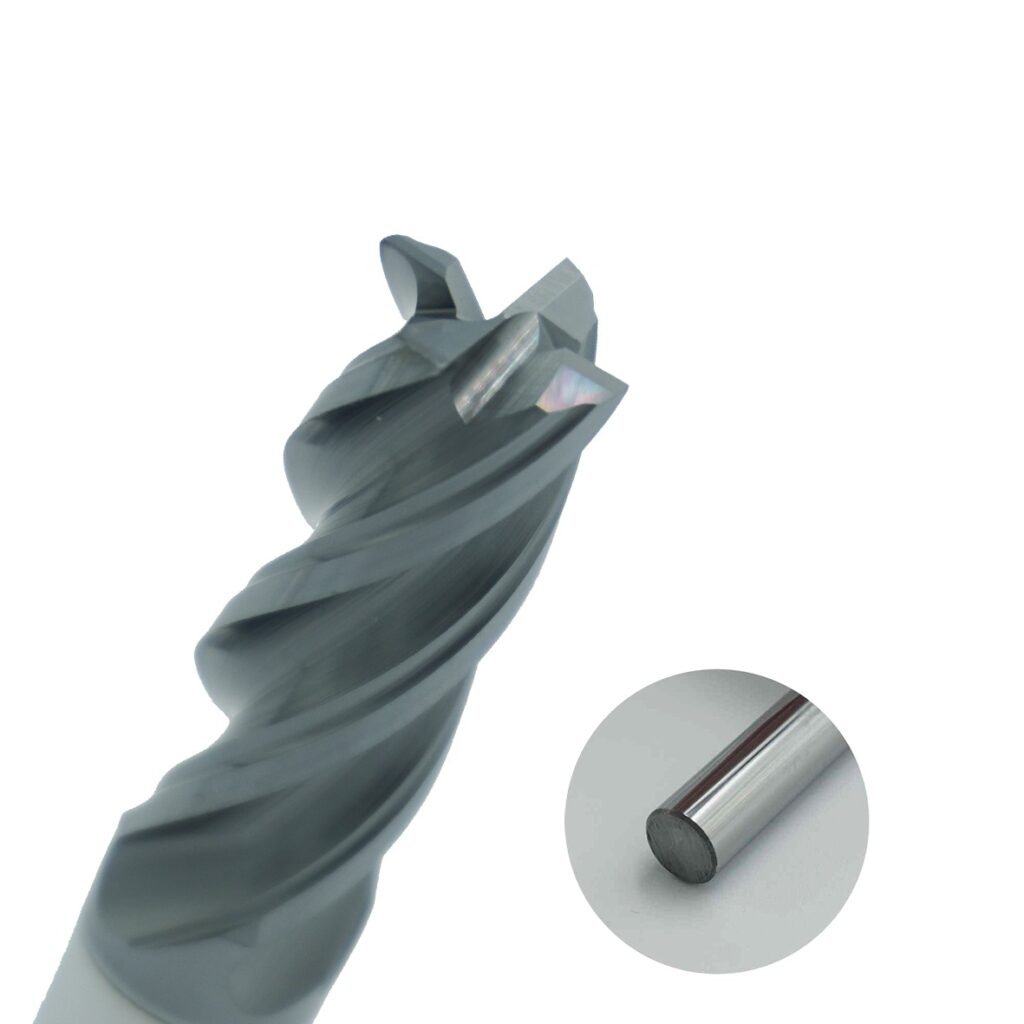
This guide will walk you through a practical and systematic approach, focusing on carbide end mills, slotting tools, and precision machining strategies, helping you achieve better results in real production environments.
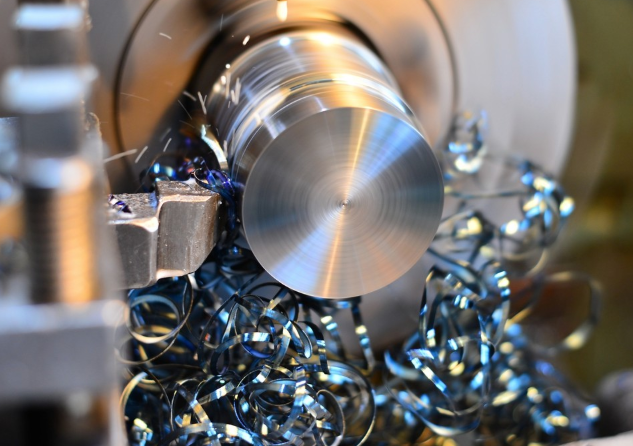
What Makes a CNC Milling Tool Truly “Good”?
When selecting CNC milling tools, many users focus only on price or brand. However, a high-performance tool must meet several essential criteria.
Is Tool Rigidity More Important Than You Think?
Tool rigidity directly determines machining stability. In CNC milling, the tool path is pre-programmed, which means there is no room for real-time adjustment when cutting conditions change.
A rigid tool allows:
- Higher depth of cut
- Stable cutting forces
- Reduced vibration (chatter)
- Better dimensional accuracy
In contrast, low rigidity often results in:
- Tool deflection
- Uneven cutting
- Premature tool failure
For example, solid carbide end mills with a larger core diameter are ideal for high-load applications such as steel roughing.
How Does Tool Material Affect Performance?
Different materials behave very differently under high-speed cutting conditions.
Tool Material | Cutting Speed Capability | Wear Resistance | Typical Application |
HSS | Low | Moderate | Low-speed machining |
Carbide | High | Excellent | General CNC milling |
Coated Carbide | Very High | Superior | High-speed, hard materials |
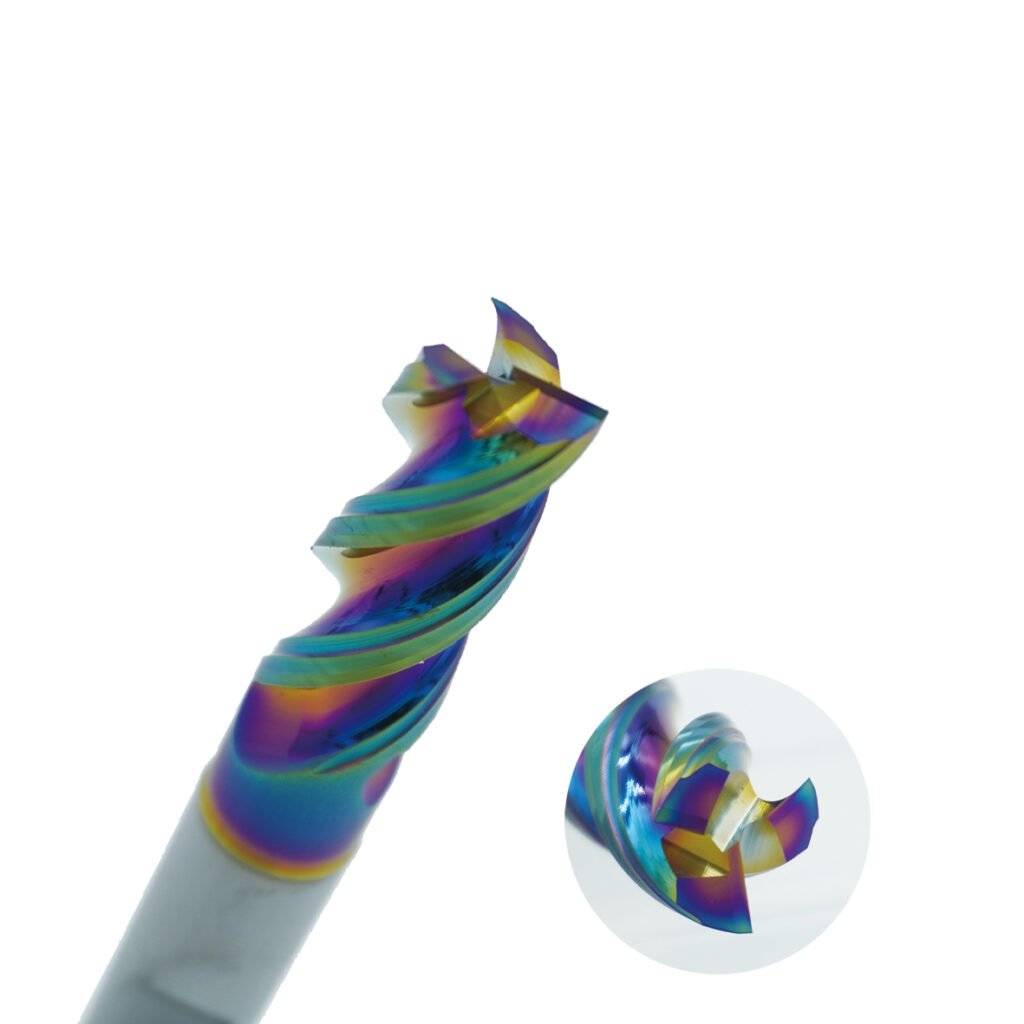
For modern CNC machining, coated carbide end mills (TiAlN, AlCrN) are the preferred choice due to their excellent heat resistance and long tool life.
Why Does Tool Life Matter More Than Initial Cost?
Frequent tool replacement leads to:
- Increased downtime
- Positioning errors
- Surface defects
- Higher overall cost
A longer-lasting tool may seem more expensive initially, but it significantly reduces total machining cost.
This is especially important for:
- Batch production
- High-precision components
- Automated machining systems
Which End Mill Should You Use for Different Applications?
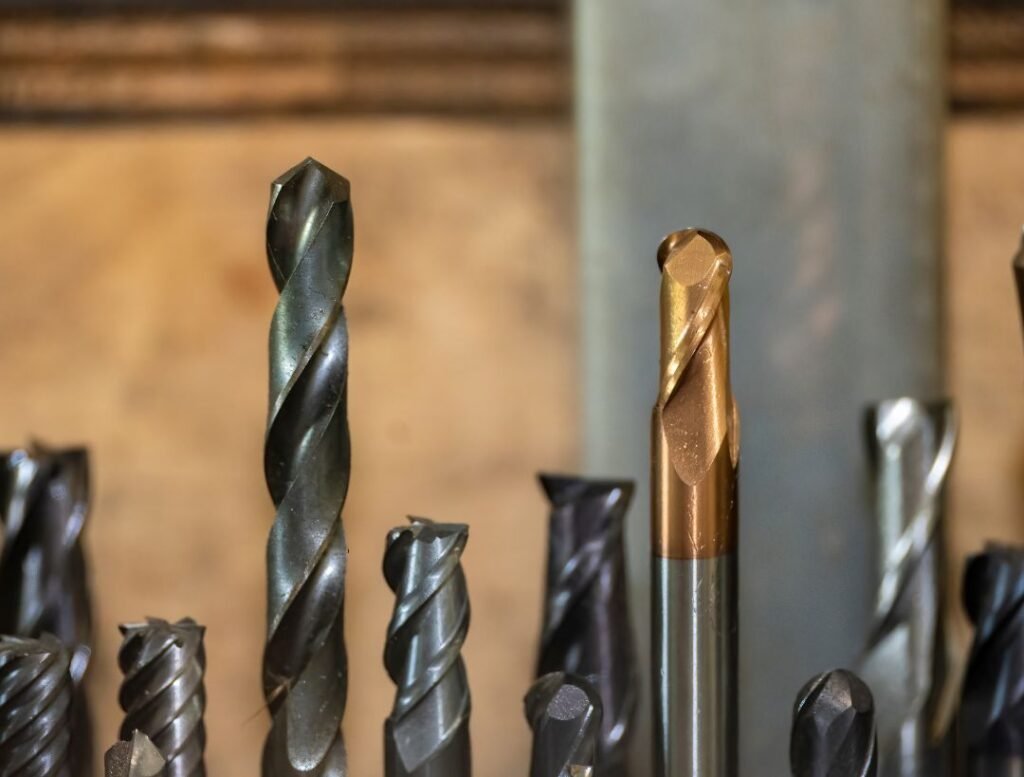
Different machining tasks require different tool geometries. Choosing the wrong type can drastically reduce efficiency.
Are You Using the Right Tool for Each Operation?
Application Type | Recommended Tool | Key Advantage |
Large flat surface | Face milling cutter | High efficiency, fewer passes |
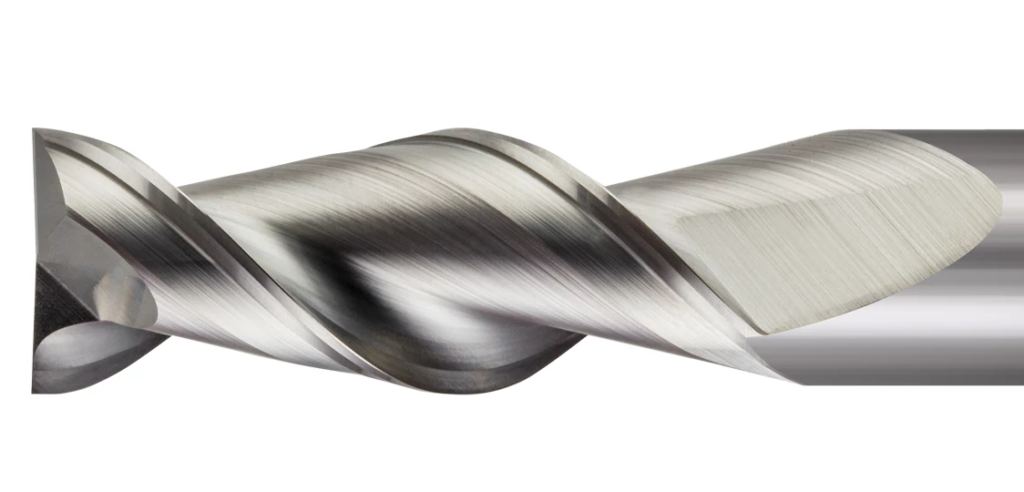
Slotting (Aluminum) | 2-flute end mill | Excellent chip evacuation |
General contouring | 3–4 flute end mill | Balance of strength & finish |
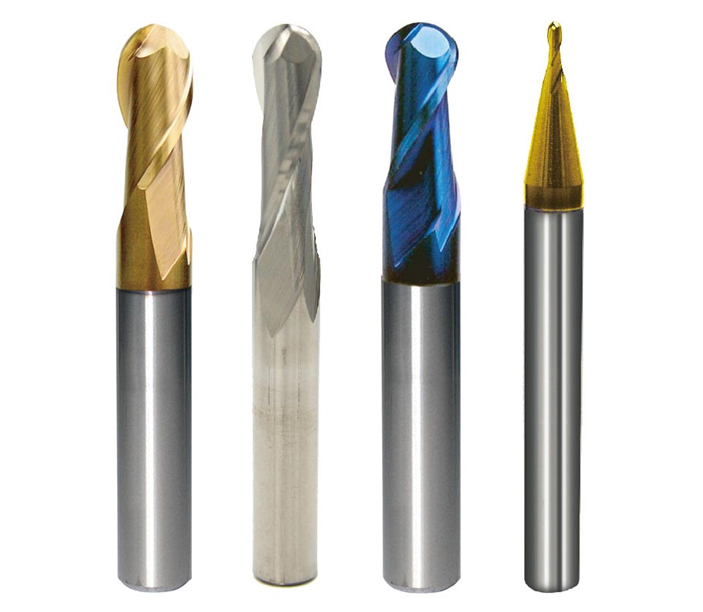
3D surface machining | Ball nose end mill | Smooth surface transition |
Deep cavity machining | Long neck end mill | Avoid interference |
For aluminum machining, 2-flute high-helix carbide end mills provide superior chip removal and prevent built-up edge.
For steel, 4-flute or variable pitch end mills offer better rigidity and reduced vibration.
How to Choose Cutting Parameters Without Guesswork?
Cutting parameters are not random—they must be based on tool geometry, material properties, and machining conditions.
What Is the Right Cutting Speed for Your Material?
Cutting speed (Vc) is one of the most critical parameters affecting tool life and productivity.
Material | Hardness | Carbide Tool (m/min) | HSS Tool (m/min) |
Cast Iron | <190 HB | 66–150 | 21–36 |
Cast Iron | 190–260 HB | 45–90 | 9–18 |
Steel | <225 HB | 66–150 | 18–42 |
Steel | 225–325 HB | 54–120 | 12–36 |
Key insight:
- Larger diameter tools allow higher cutting speeds
- Harder materials require lower speeds
How Deep Should You Cut?
Depth of cut (ap) depends heavily on machine rigidity and tool strength.
- Roughing: maximize depth for efficiency
- Finishing: reduce depth for precision
Typical ranges:
Machining Stage | Depth of Cut (ap) |
Finishing | 0.05 – 1 mm |
Semi-finishing | 1 – 3 mm |
Roughing | Depends on rigidity |
If rigidity is insufficient, reducing depth can prevent tool breakage.
Is Your Feed Rate Too Aggressive—or Too Conservative?
Feed rate (F) directly impacts machining efficiency.
- General milling: 100–200 mm/min
- High precision: 20–50 mm/min
- Deep hole / special operations: 20–50 mm/min
Important strategy:
Reduce feed rate near corners or sudden geometry changes to avoid tool overload.
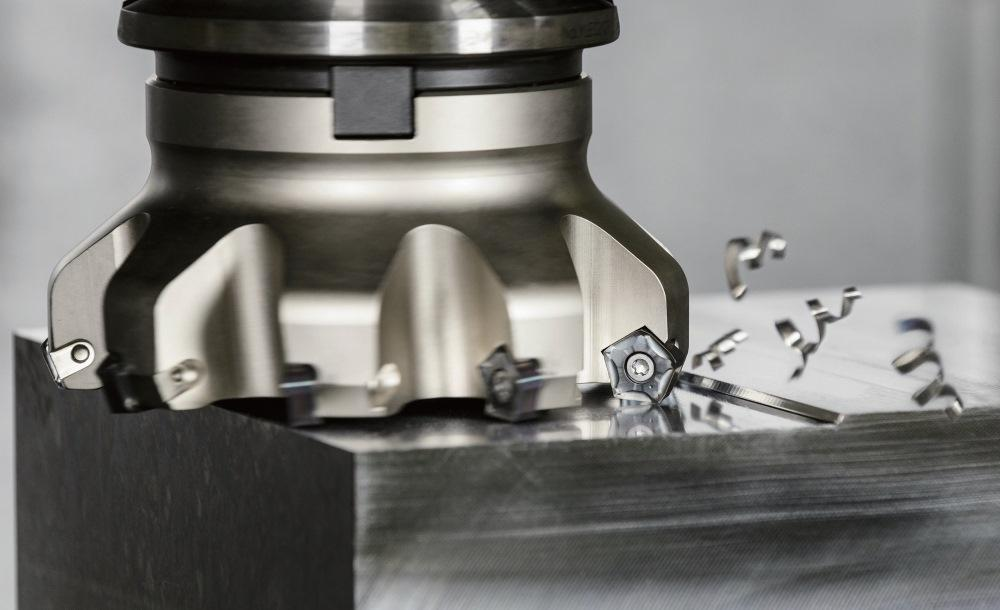
How Does Radial Engagement Affect Surface Finish?
Radial depth of cut (ae) controls cutting load and surface quality.
- Large ae → higher efficiency
- Small ae → better surface finish
Typical finishing value:
0.3 – 0.5 mm
How Can You Improve CNC Milling Performance in Practice?
Even with the correct tools and parameters, further optimization can significantly enhance performance.
Are You Using Modern Tooling Strategies?
Consider the following improvements:
- Use variable pitch end mills→ reduce chatter
- Apply high helix toolsfor aluminum → smoother cutting
- Use adaptive toolpaths→ constant load cutting
- Optimize coolant delivery → improve tool life
- Monitor tool wear regularly → prevent sudden failure
In real production, these strategies can improve efficiency by 20–50%.
Should You Focus on Cost or Performance?
Many manufacturers try to reduce cost by choosing cheaper tools or conservative parameters.
However, this often leads to:
- Lower efficiency
- Higher long-term cost
- Reduced product quality
The better approach is:
Optimize for total cost per part, not tool price alone.
Conclusion: Are You Ready to Optimize Your CNC Milling Process?
Selecting the right CNC milling tools and cutting parameters is not a one-time decision—it is a continuous optimization process.
By focusing on:
- Tool rigidity
- Material selection (especially carbide tools)
- Proper cutting parameters
- Application-specific tool geometry
You can achieve:
- Higher machining efficiency
- Better surface quality
- Longer tool life
- Lower overall production cost
Looking for High-Performance Carbide End Mills?
If you are working with:
- Aluminum
- Steel
- Stainless steel
Choosing the right tool supplier is just as important as choosing the right parameters.
At HNCarbide, we specialize in:
- High-performance carbide end mills
- Custom tooling solutions
- Stable quality for industrial applications
Feel free to contact us for recommendations tailored to your machining needs.