Cutting Tool Materials Explained: How to Choose the Right Tool Material for High-Performance Machining
Table of Contents
Opening Section
The cutting tool material sets the limits for speed, tool life, finish quality, and cost per part.
Two tools may have the same diameter and geometry, but if one material cannot handle the heat, abrasion, or interrupted load in your operation, the result is often edge chipping, rapid flank wear, poor finish, or an unstable process.
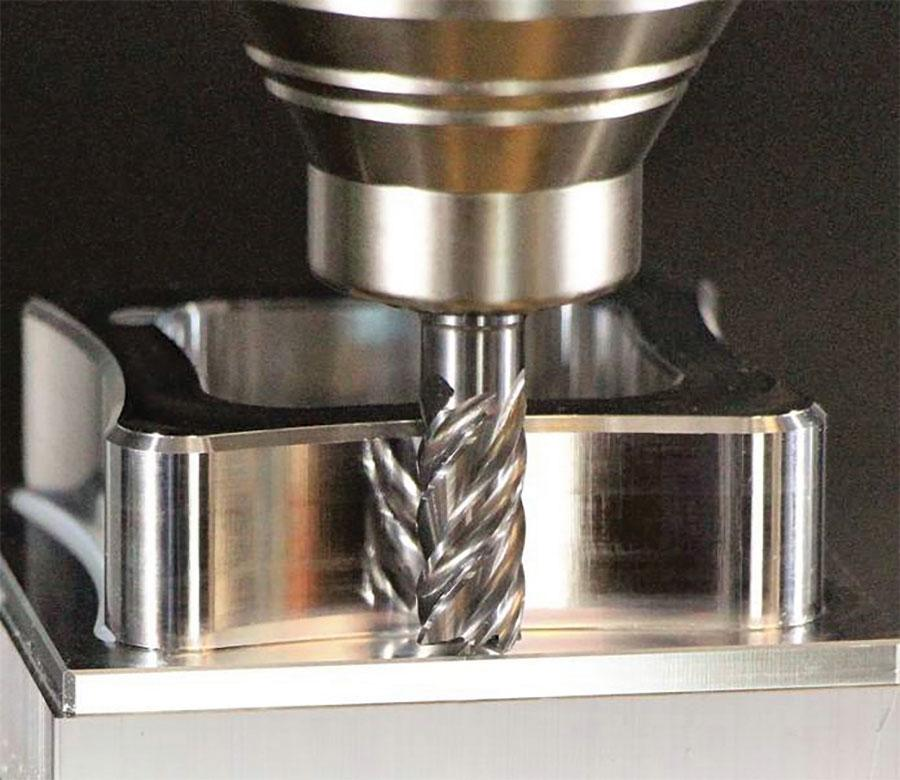
This updated guide explains the main cutting tool materials used in modern machining: high-speed steel, powder metallurgy HSS, cemented carbide, coated carbide, ceramics, PCD, and CBN. It also connects those materials to practical selection factors: workpiece material, machining operation, machine rigidity, production volume, and the tool failure you are seeing on the shop floor
Why Do Cutting Tool Materials Matter So Much?
A cutting edge works under pressure, friction, heat, and vibration. In rough milling, the edge repeatedly enters and exits the cut. In turning, the tool may stay in contact long enough for heat to build up near the rake face. In drilling, chip evacuation and coolant access can decide whether the edge survives or fails early.
When the tool material does not match the cutting condition, the failure usually appears quickly: flank wear, crater wear, built-up edge, notch wear, edge chipping, or sudden insert fracture. These failures do not just shorten tool life. They can change part size, damage surface finish, increase scrap, and force operators to slow down the process.
Treat tool material selection as a process decision rather than a simple purchasing choice. A more useful question is: which material gives a stable cutting edge at the lowest cost per good part?
What Properties Should a Cutting Tool Material Have?
A high-performance cutting tool material has to balance hardness, toughness, hot hardness, chemical stability, manufacturability, and cost. Improving one property often weakens another, so the best choice depends on the operation.
1. High Hardness and Wear Resistance
The tool needs enough hardness to cut the workpiece and keep its edge under friction. Harder materials can often run faster and last longer, especially in abrasive workpieces such as cast iron, high-silicon aluminum, graphite, and composites.
Wear resistance is affected by microstructure, carbide particle distribution, coating type, edge preparation, and cutting temperature. A wear-resistant grade works well in stable finishing, but it may chip in heavy interrupted cuts if toughness is not sufficient.
2. Strong Enough to Resist Cutting Forces
The tool also needs toughness and edge strength. Milling, roughing, interrupted turning, scale removal, and unstable clamping all punish the cutting edge with repeated impact.
A very hard material is not automatically better. If the setup has long tool overhang, poor holder runout, thin workpiece walls, or unstable fixturing, a tougher carbide grade may outperform a harder but more brittle grade. When the main failure mode is chipping rather than gradual wear, the solution is often better toughness, stronger edge preparation, lower impact load, or improved rigidity.
3. Heat Resistance (Red Hardness)
At high cutting speeds, the edge is exposed to severe heat. The tool must resist softening, oxidation, diffusion wear, and chemical reaction with the workpiece.
High-speed steel is tough and sharp, but it loses hardness sooner as temperature rises. Carbide keeps cutting at much higher temperatures, while ceramic, CBN, and PCD can handle even more demanding thermal or abrasive conditions in the right applications.
Coolant strategy also matters. Some tools benefit from high-pressure coolant, while some ceramic applications are often run dry to avoid thermal shock.
4. Manufacturability and Cost Efficiency
The best tool material is not always the most expensive or the hardest one. It must also make sense for the tool shape, grinding process, batch size, and expected production value.
HSS and PM-HSS are still practical for taps, reamers, broaches, and complex forms because they can be ground sharply and resist shock. Carbide is usually better for CNC productivity. PCD and CBN cost more, but they can reduce cost per part when tool changes, scrap, dimensional drift, or grinding operations are expensive.
For production decisions, compare cost per finished part rather than tool price alone.
What Are the Main Types of Cutting Tool Materials?
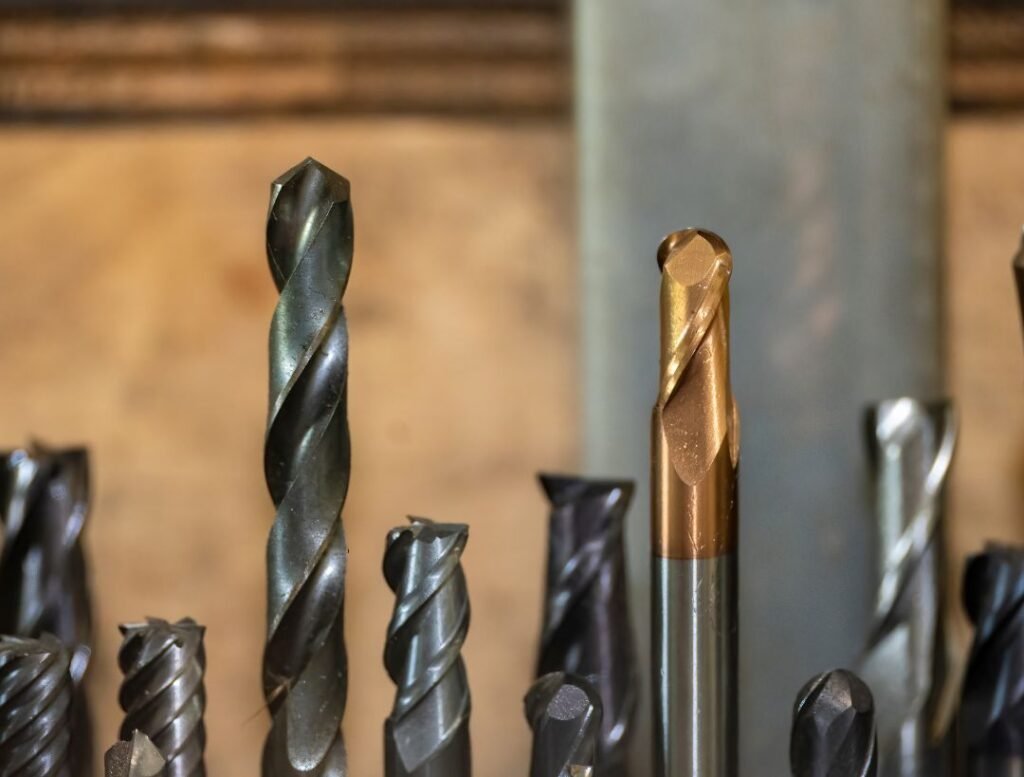
Today’s machining industry mainly uses high-speed steel, powder metallurgy HSS, cemented carbide, coated carbide, ceramic, PCD, and CBN. Each material has a different performance window.
For most CNC milling, drilling, and turning jobs, coated carbide is the safest starting point. It offers a strong balance of hardness, toughness, heat resistance, availability, and cost. From there, move up or down based on workpiece material, machine rigidity, production volume, and failure mode.
Tool Material | Hardness | Heat Resistance | Typical Use |
Tool Steel | Medium | Low | Hand tools |
High Speed Steel (HSS) | High | Medium | Drills, taps |
Powder Metallurgy HSS | Higher | Medium | Precision tools |
Cemented Carbide | Very High | High | Milling, turning |
Ceramic | Extremely High | Very High | High-speed finishing |
PCD / CBN | Ultra-hard | Extreme | Hard materials |
Among them, high-speed steel and carbide tools remain the most widely used in industrial machining.
What Is High-Speed Steel and When Should You Use It?
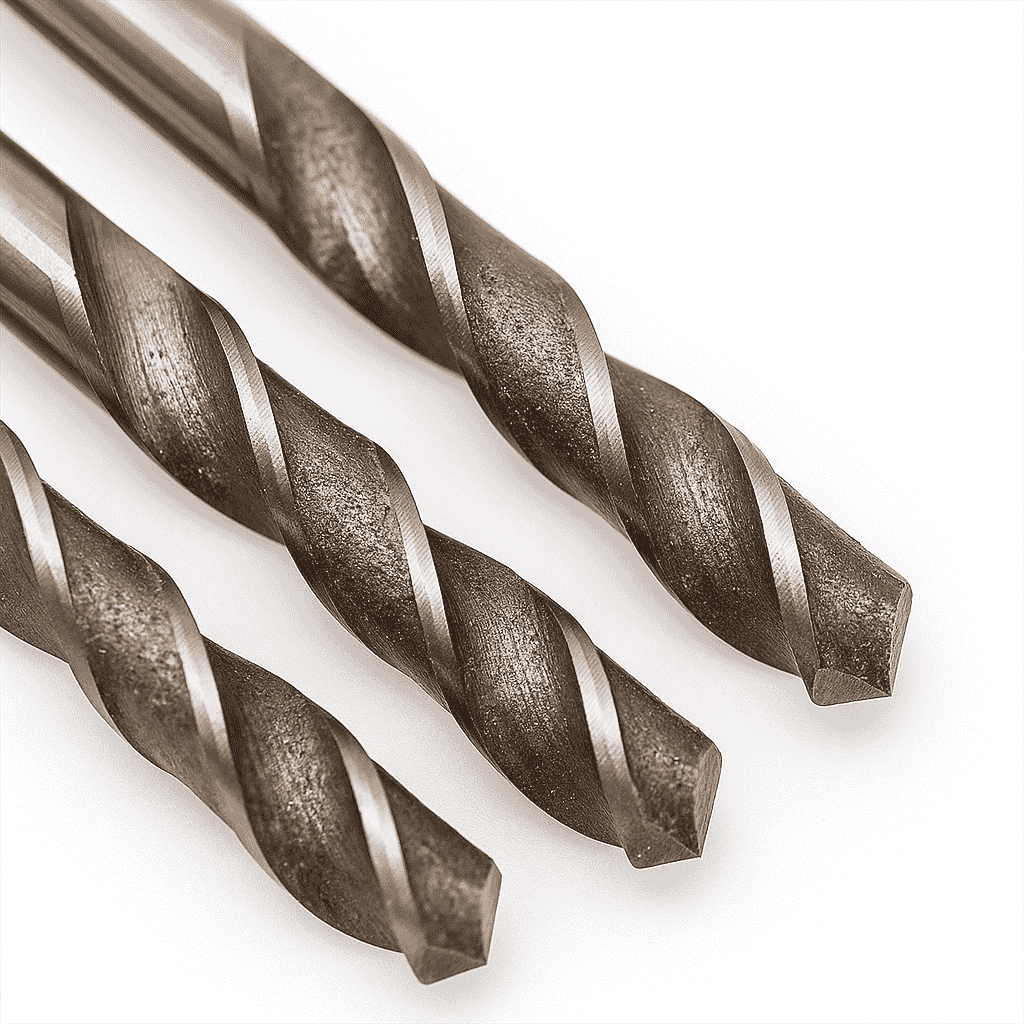
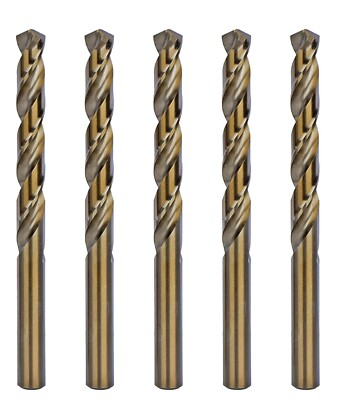
High-speed steel is older than carbide, but it still earns its place in many shops. HSS can be ground to a sharp edge, handles shock better than many harder materials, and works well at moderate cutting speeds.
Use HSS when the operation needs toughness, sharpness, or a complex tool form more than maximum speed. Typical examples include taps, reamers, form tools, broaches, gear cutters, and some drills. HSS is also forgiving on older machines, manual setups, repair work, and small batches where cycle time is not the main cost driver.
The limitation is heat. When cutting speed rises, HSS loses hardness sooner than carbide. If the tool is wearing fast from heat rather than breaking from impact, moving to carbide or coated carbide is usually the next step.
Powder Metallurgy HSS: A Major Upgrade?
Powder metallurgy HSS is made from fine metal powder rather than conventional cast steel. This produces a more uniform microstructure and finer carbide distribution. In practical terms, PM-HSS can provide better toughness, more stable grinding, and improved edge consistency.
PM-HSS is useful for premium taps, gear hobs, broaches, fine milling cutters, and tools with complex profiles. It costs more than conventional HSS, but it can be a good choice when carbide is too brittle or difficult to manufacture in the required shape.
Choose PM-HSS when you want the toughness and sharp edge of HSS, but the application demands more consistent tool life and tighter dimensional control.
Performance Comparison
Property | Conventional HSS | PM-HSS |
Strength | Standard | +30–40% |
Toughness | Standard | +80–90% |
Tool Life | Baseline | 2–3× longer |
Cost | Low | Higher |
Why Is Cemented Carbide the Default Choice for Modern CNC Machining?
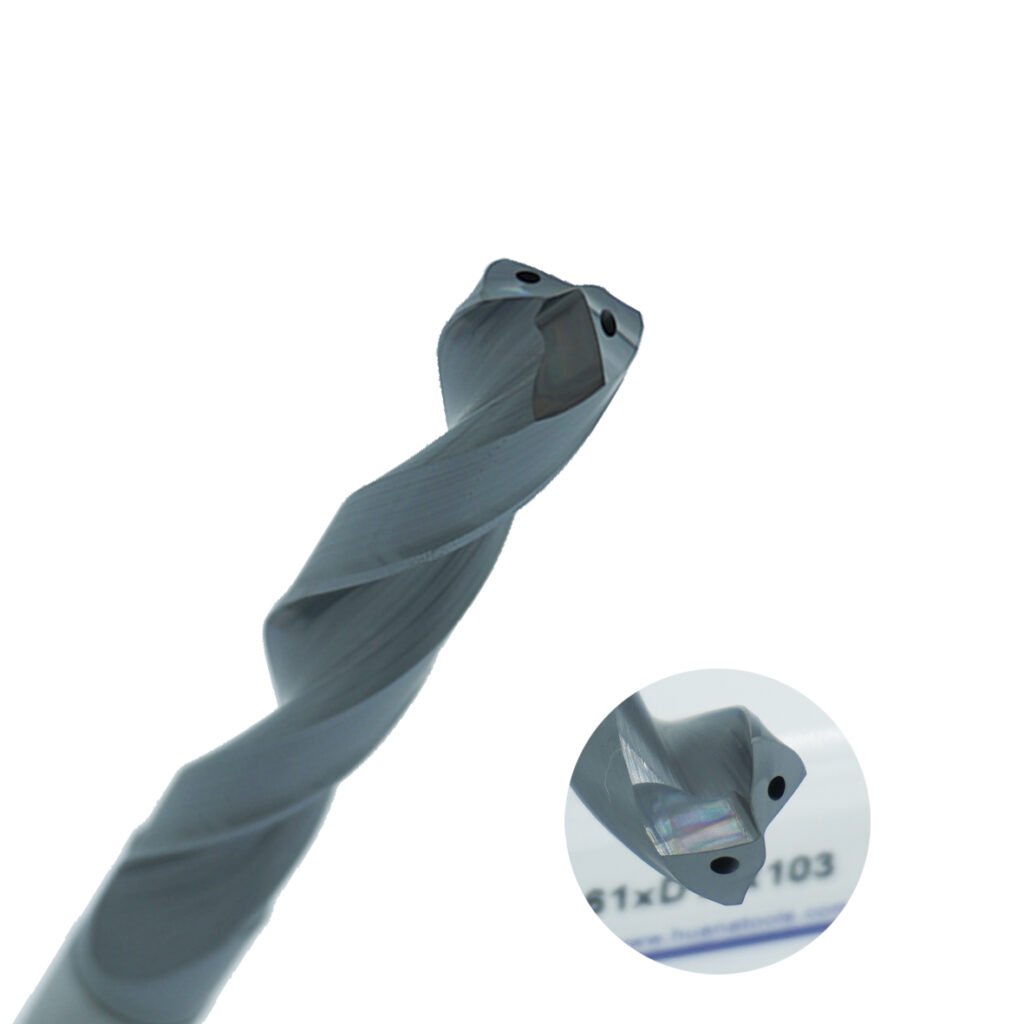
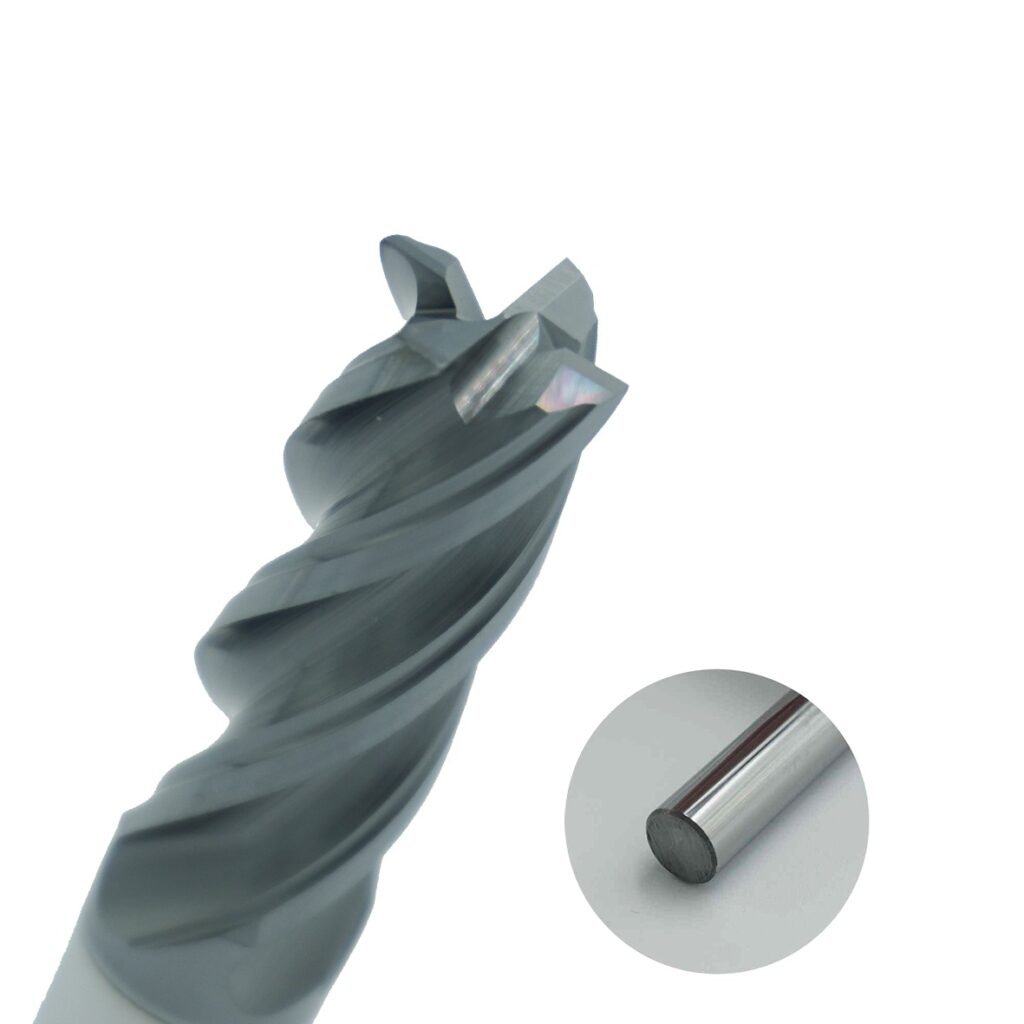
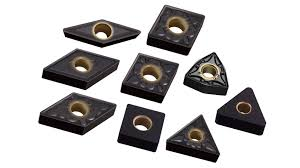
Cemented carbide carries much of modern metal cutting. It is usually made from tungsten carbide particles bonded with cobalt, sometimes with additional carbides to improve wear resistance, hot hardness, or chemical stability.
Carbide is much harder and more heat resistant than HSS, so it can run at higher speeds. This makes it the first choice for many CNC end mills, drills, inserts, and boring tools. A well-selected carbide grade can machine steel, stainless steel, cast iron, aluminum, copper alloys, and many difficult materials.
Grade selection matters. A tougher carbide grade is better for roughing, vibration, interrupted cuts, and less stable setups. A harder, more wear-resistant grade is better for finishing, stable cuts, and abrasive materials.
Why Are Carbide Tools So Effective?
Carbide tools work well in CNC machining because they keep hardness and edge strength at much higher cutting temperatures than HSS. This allows higher cutting speeds, better wear resistance and more stable tool life in repeat production.
The grade still has to match the job. A tougher carbide grade is better for roughing, vibration, interrupted cuts and less stable setups. A harder, more wear-resistant grade is better for finishing, stable cuts and abrasive materials.
If carbide chips early, reducing speed alone may not solve the problem. Check grade toughness, edge preparation, runout, holder rigidity and workholding. If carbide wears gradually, look at coating, cutting speed, coolant and workpiece abrasiveness.
Types of Carbide Grades
Carbide grade selection should be based on the balance between toughness and wear resistance. A tougher grade is usually better for interrupted cuts, roughing, scale, vibration, and weaker setups. A harder grade is usually better for finishing, stable cuts, high-speed machining, and abrasive workpieces.
For B2B buyers, composition names are useful, but application behavior is more important. Ask whether the grade is designed for steel, stainless steel, cast iron, aluminum, hardened materials, or general-purpose machining. Also check whether the tool needs a sharp edge, honed edge, or chamfered edge for the operation.
Carbide Type | Main Components | Best For |
WC-Co (YG Series) | Tungsten carbide + cobalt | Cast iron, aluminum |
WC-TiC-Co | Tungsten carbide + titanium carbide | Steel machining |
WC-TiC-TaC-Co | Added tantalum carbide | Difficult materials |
TiC-based carbide | Titanium carbide | Finishing hardened steel |
What About Coated Carbide Tools?
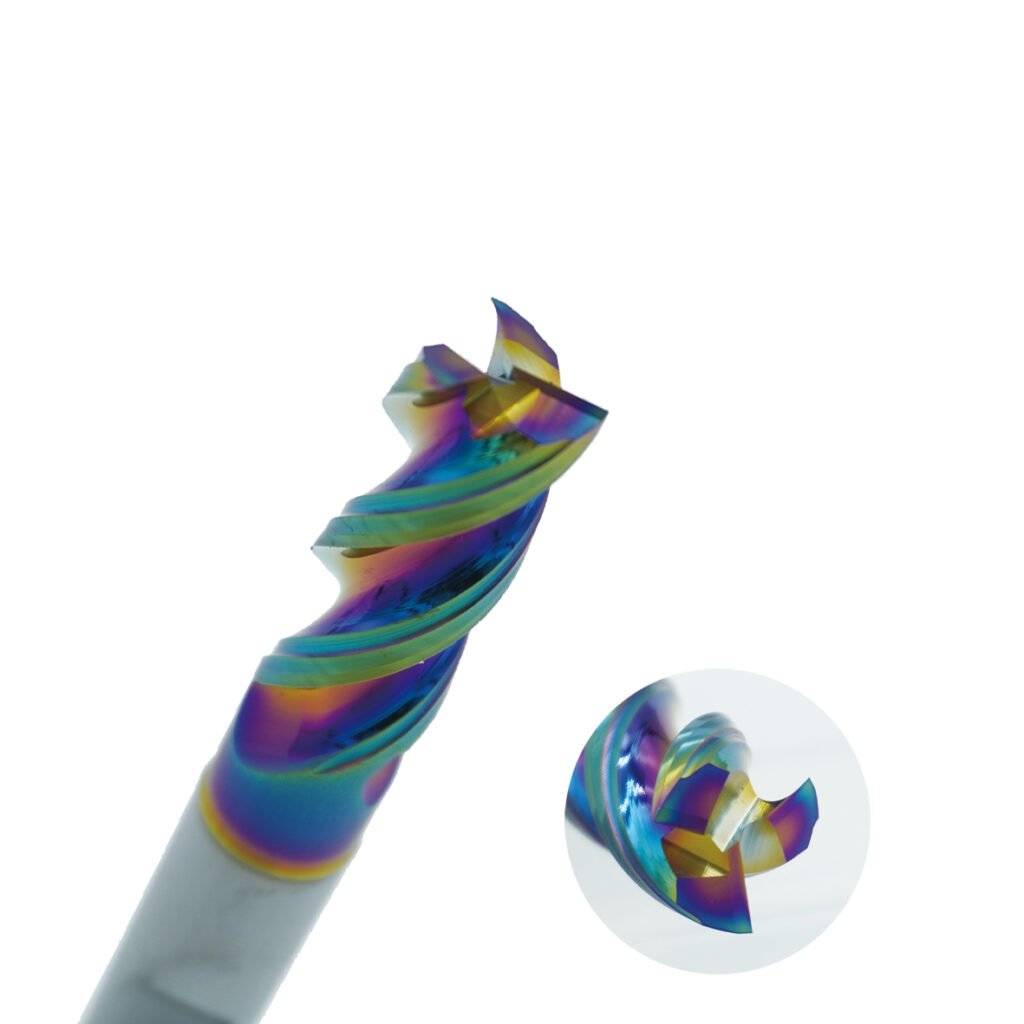
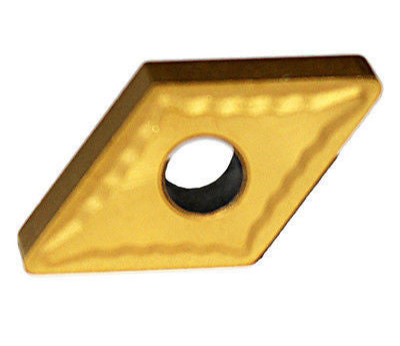
Most carbide tools used in production are coated. PVD and CVD coatings reduce friction, improve heat resistance, and slow down wear. Common coating families include TiN, TiCN, AlTiN, TiAlN, and multilayer grades designed for specific materials.
Coated carbide is worth considering when uncoated carbide shows flank wear, crater wear, oxidation, or built-up edge. For stainless steel, a sharp PVD-coated carbide often works well because it combines edge toughness with lower friction. For steel machining, heat-resistant AlTiN or TiAlN coatings are common choices. For aluminum, polished uncoated carbide or special low-friction coatings may be better than a general steel coating because chip welding is the main enemy.
Do not choose a coating by color. Match it to the workpiece, coolant strategy, cutting temperature, and operation.
Benefits of Tool Coatings
Property | Uncoated Carbide | Coated Carbide |
Wear resistance | Good | Excellent |
Heat resistance | Moderate | High |
Tool life | Standard | 2–5× longer |
Cutting speed | Medium | Higher |
When Are Ceramic Cutting Tools a Better Option?
Ceramic cutting tools can run at very high cutting speeds because they keep hardness at temperatures that would damage carbide. They are commonly used for cast iron, hardened steel, and heat-resistant superalloys in suitable operations.
The tradeoff is toughness. Ceramics do not like vibration, heavy interruption, or thermal shock. They usually perform best in rigid machines with stable fixturing and consistent engagement. Many ceramic applications run dry because sudden cooling can crack the cutting edge.
Use ceramics when the process is stable enough to benefit from speed. If the setup is weak, the cut is heavily interrupted, or the operator needs a forgiving tool, coated carbide may produce better real output even at a lower cutting speed
What Materials Are Best Suited for PCD Cutting Tools?
Polycrystalline diamond is one of the most wear-resistant cutting tool materials available. It is widely used for high-silicon aluminum, copper alloys, graphite, carbon fiber composites, glass-fiber materials, and other abrasive non-ferrous applications.
PCD can deliver very long tool life and excellent surface finish in high-volume aluminum machining. It is especially valuable when tool changes, dimensional drift, or burr control are costly.
There is one important rule: PCD is not for ferrous materials. Diamond reacts poorly with iron at cutting temperatures, so steel and cast iron can destroy a PCD edge quickly. If the workpiece contains significant iron, choose carbide, ceramic, or CBN instead.
When Should You Use CBN Cutting Tools?
Cubic boron nitride is used mainly for hard turning and finishing hardened steels, bearing steels, tool steels, and some cast irons. It is not as hard as diamond, but it has much better chemical stability with ferrous materials.
CBN can replace grinding in some hardened steel applications, especially when the cut is stable and the stock allowance is controlled. It can reduce cycle time, simplify process flow, and produce accurate surfaces without moving the part to a grinder.
The limitation is brittleness and cost. CBN needs rigid machines, strong clamping, and controlled cutting conditions. It is usually not the right choice for heavy roughing, unstable fixtures, or low-volume jobs where carbide is already meeting requirements.
How Do You Choose the Right Cutting Tool Material?
Selecting the correct tool material depends on several factors.
1. Workpiece Material
Different materials require different tools.
Workpiece | Recommended Tool |
Aluminum | Carbide / PCD |
Carbon steel | Carbide |
Stainless steel | Coated carbide |
Hardened steel | CBN |
Cast iron | Carbide / Ceramic |
2. Cutting Conditions
Cutting speed, feed rate, depth of cut, radial engagement, coolant access, and chip evacuation all influence tool material choice. A stable finishing pass can often use a harder, more wear-resistant grade. Roughing, slotting, and interrupted cuts usually need a tougher grade with stronger edge preparation.
High-speed machining usually requires carbide or ceramic tools, but only if the machine, holder, and fixture are rigid enough. If chatter appears before the tool reaches its recommended cutting range, the problem may be process stability rather than tool material alone.
3. Production Volume
For small batches, repair work, or low-speed manual operations, HSS or PM-HSS may be enough. The lower tool cost and easier grinding can make sense when machine time is not the main expense.
For repeat CNC production, carbide or coated carbide usually lowers cost per part by increasing cutting speed, reducing tool changes, and improving process consistency. For very high-volume aluminum, composite, or hardened steel applications, PCD or CBN may be justified if they reduce downtime, rework, or secondary operations.
Common Selection Mistakes
Choosing the hardest tool for an unstable setup. Hardness does not save a tool from chatter. If the machine or fixture is unstable, a tougher carbide grade may beat a ceramic or CBN grade.
Using general coated carbide for aluminum without checking adhesion. Aluminum often needs sharp polished geometry and strong chip evacuation. A coating that works well in steel may encourage built-up edge.
Expecting HSS to survive high-speed CNC production. HSS is tough and economical, but heat limits its productivity. If the job is repeat production on a CNC machine, carbide usually lowers the cost per part.
Applying PCD to steel. PCD belongs mainly to non-ferrous and abrasive non-metallic materials. For hardened steel, use CBN.
Ignoring edge preparation. The same carbide grade can behave very differently with a sharp, honed, or chamfered edge. Sharp edges cut freely but chip more easily; honed edges resist impact but increase cutting force.

Final Thoughts: Which Tool Material Is Best?
No single cutting tool material works for every machining application. For everyday CNC machining, start with a well-matched coated carbide grade and optimize geometry, holder quality, runout, coolant, and cutting data.
Move to HSS or PM-HSS when toughness, sharpness, or complex tool forms matter more than speed. Move to ceramic, PCD, or CBN only when the workpiece and production conditions justify their higher performance window.
HNCarbide supplies carbide end mills, drills, and application-focused tooling for steel, stainless steel, cast iron, aluminum, and demanding machining work. If you are comparing tool materials for a specific part, start with the workpiece material, hardness, operation, machine type, and current tool failure pattern. Those details reveal the right tool material faster than a generic grade chart.