How to Choose the Right End Mill? A Complete Guide to Shapes, Types, and Real Machining Applications
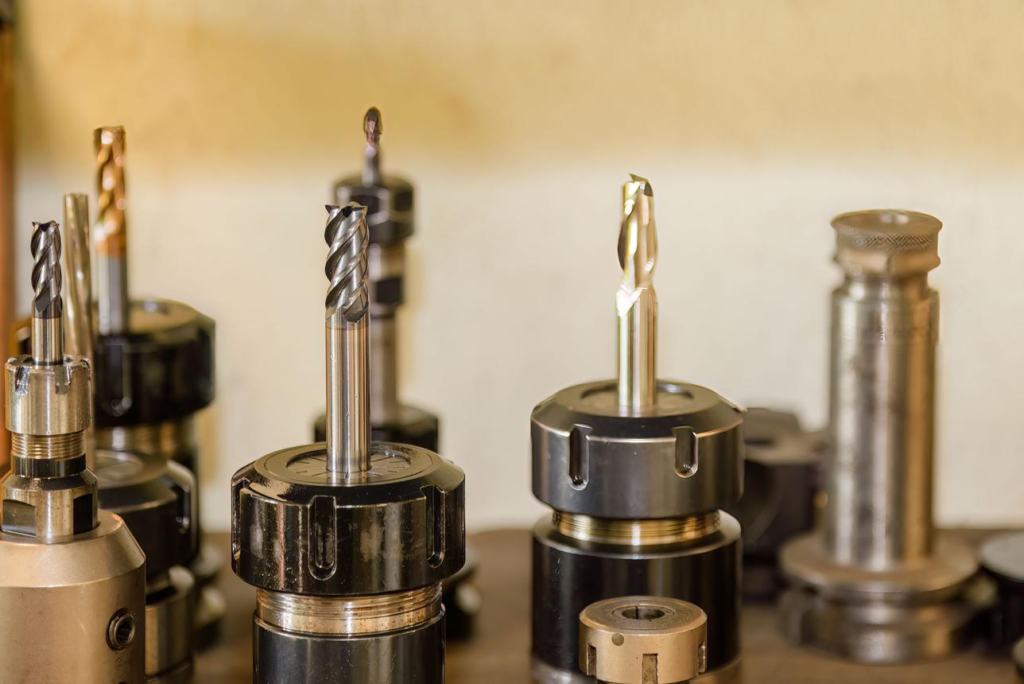
Why do some machining operations run smoothly while others suffer from vibration, poor surface finish, or rapid tool wear?
In many cases, the answer comes down to one critical factor: the end mill you choose.
End mills are far more than simple cutting tools. Their geometry, diameter, coating, and application-specific design directly influence machining efficiency, tool life, and final part quality. Yet many users still rely on trial and error instead of understanding the fundamentals.
This guide will walk you through everything you need to know about end mill shapes, types, and applications—helping you make smarter, more cost-effective decisions in real machining environments.
What Are End Mill Shapes—and Why Do They Matter So Much?
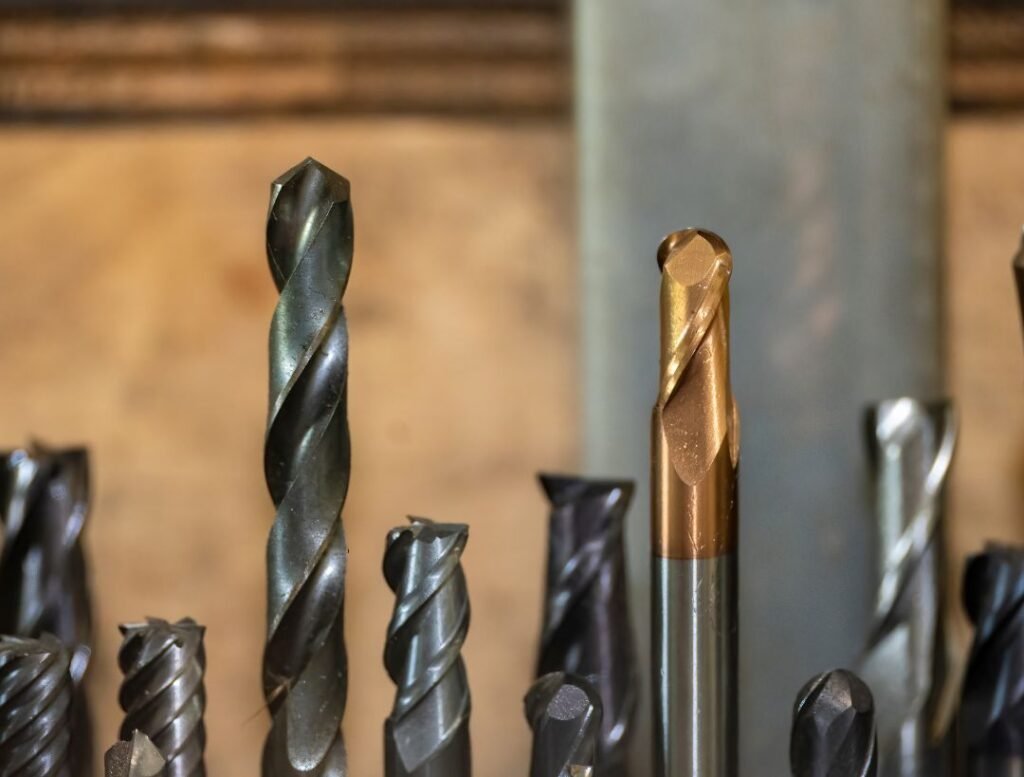
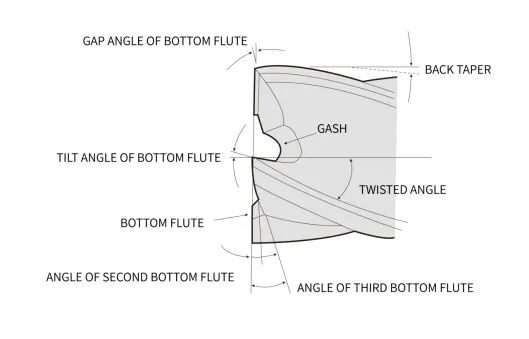
When selecting an end mill, the first thing to consider is its shape. The geometry of the cutting edge determines how the tool engages with the material, how forces are distributed, and what kind of surface finish you can achieve. In practical machining, three shapes dominate: square end mills, ball nose end mills, and corner radius end mills.
Square End Mills: The Backbone of CNC Machining
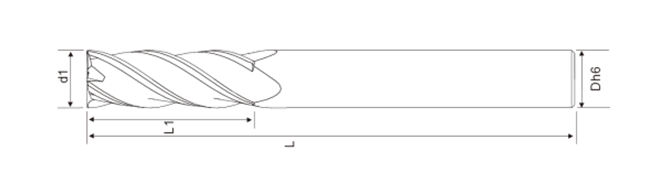
Square end mills are the most widely used tools in CNC machining, largely because of their versatility and cost-effectiveness. Their flat cutting edge allows them to produce sharp corners and flat surfaces, making them ideal for general-purpose operations.
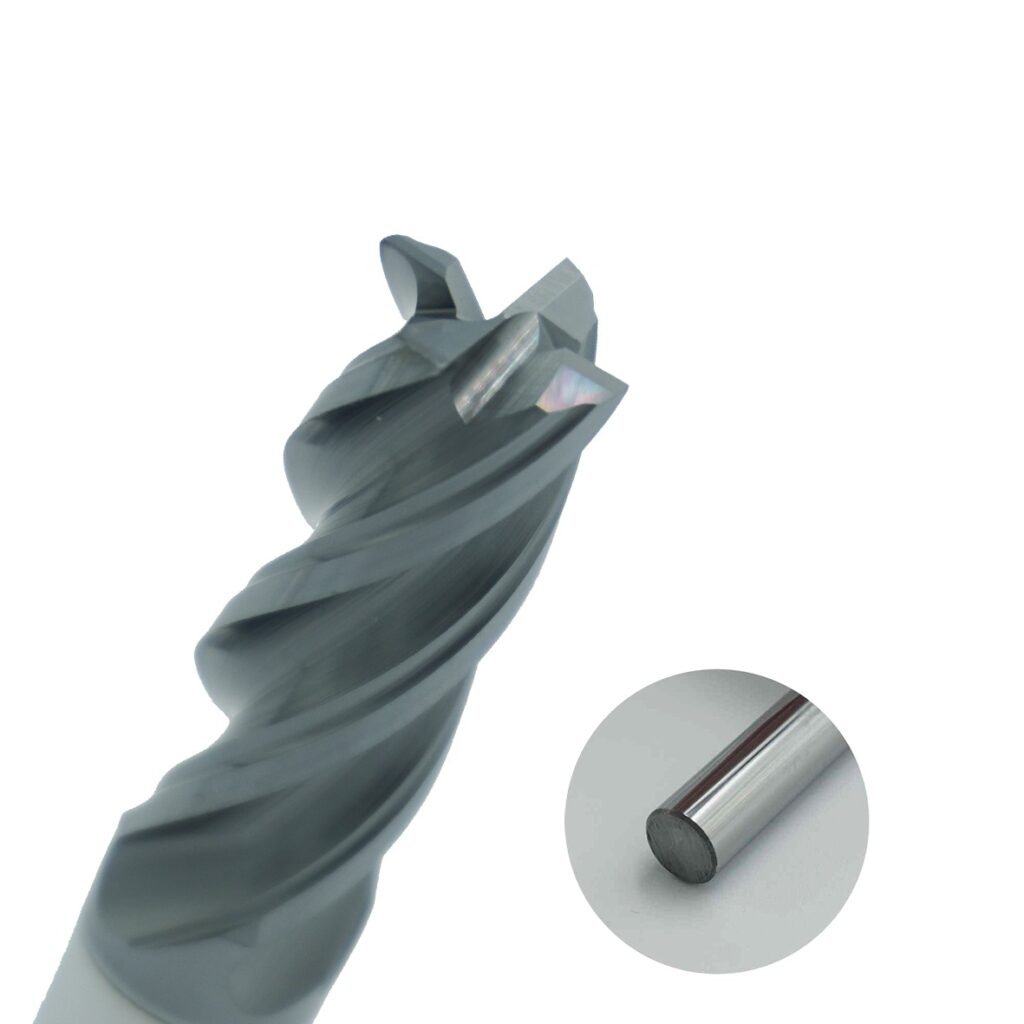
In real-world applications, square end mills are commonly used for roughing and finishing, slotting, and contouring. Their rigidity makes them particularly suitable for removing large amounts of material while maintaining stability. For manufacturers looking to balance performance and cost, especially in steel machining, the 4-flute carbide square end mill remains a reliable choice.
Ball Nose End Mills: Are They Essential for Complex Surfaces?
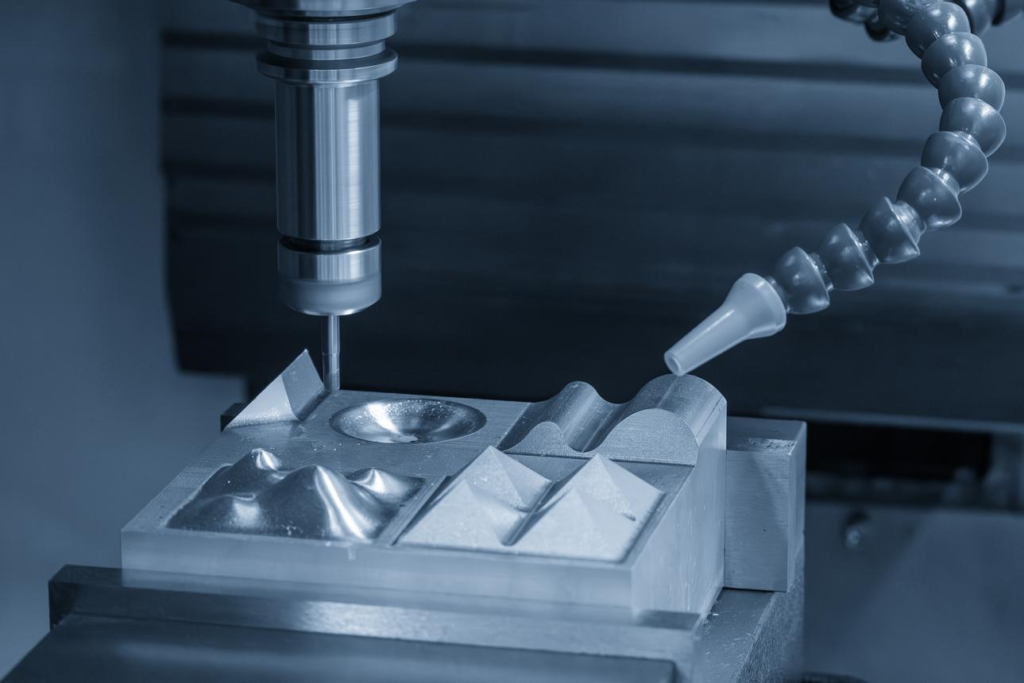
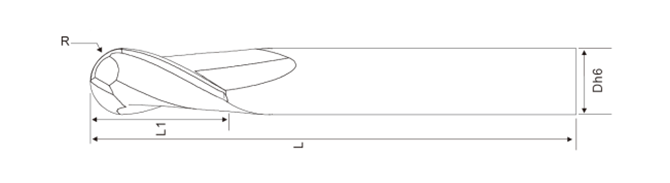
Whenever the machining task involves curved geometries or complex 3D surfaces, ball nose end mills become indispensable. Unlike square end mills, their hemispherical tip allows for smooth transitions across surfaces, eliminating sharp edges and reducing the need for secondary finishing operations.
This makes them particularly valuable in mold and die manufacturing, where precision and surface quality are critical. They are also widely used in aerospace and high-end component machining, where intricate contours must be achieved without compromising accuracy. Materials such as mold steel, alloy steel, and cast iron are frequently processed using ball nose tools, especially in finishing stages.
Corner Radius End Mills: A Simple Change That Extends Tool Life
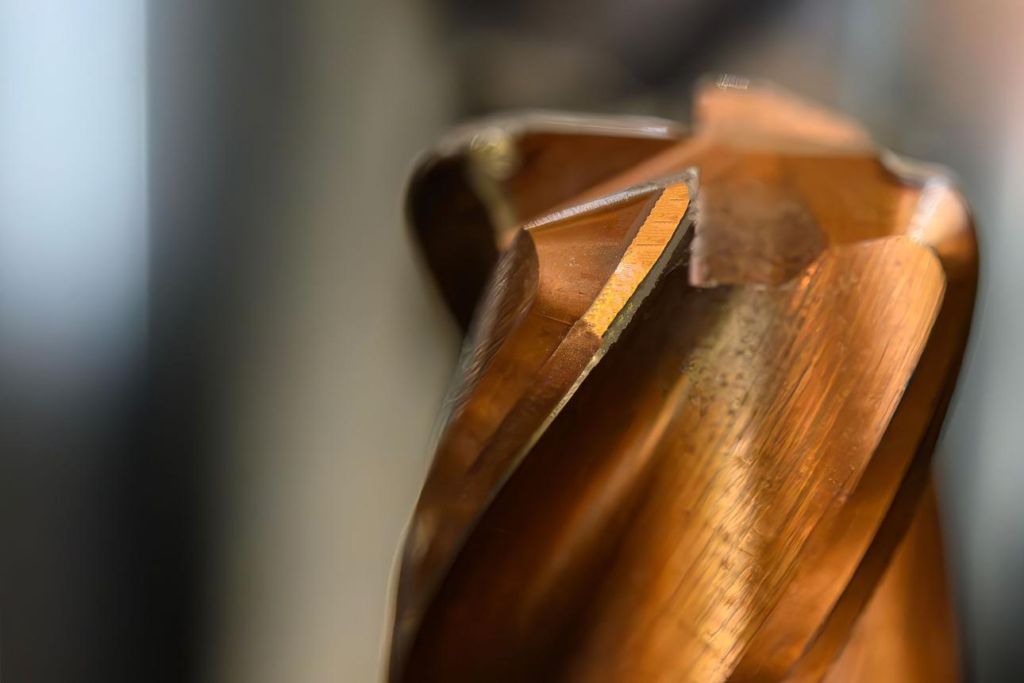
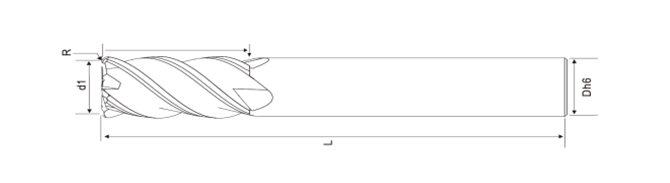
At first glance, corner radius end mills may look similar to square end mills, but the small radius at the tip makes a significant difference. By eliminating the sharp corner, cutting forces are distributed more evenly, reducing stress concentration and minimizing the risk of chipping.
In practice, this results in longer tool life and more stable machining, especially in high-speed or high-load environments. Corner radius end mills are often used for semi-finishing and finishing operations, as well as in applications where durability is more important than achieving perfectly sharp internal corners. Typical radius sizes such as R0.5 and R1 strike a balance between strength and precision.
How Does End Mill Diameter Influence Machining Performance?
Beyond shape, diameter is one of the most critical parameters affecting machining behavior. It determines not only the size of the features that can be produced but also the tool’s rigidity and cutting capacity.
Larger diameter end mills, such as 8 mm to 12 mm, are generally used for heavy-duty machining tasks. Their increased cross-sectional area provides greater stability, allowing for higher feed rates and deeper cuts. This makes them ideal for roughing operations and large component machining, where efficiency is a priority.
On the other hand, smaller diameter tools, especially those below 3 mm, excel in precision work. Their compact size allows them to access tight spaces and produce fine details, making them indispensable in mold cavities, intricate contours, and high-precision parts. However, their reduced rigidity requires careful control of cutting parameters to avoid breakage.
End Mill Diameter vs Application
Diameter | Application Focus | Strength | Limitation |
0.5–3 mm | Precision machining | High detail accuracy | Low rigidity |
4–6 mm | General machining | Balanced | Moderate cutting depth |
8–12 mm | Heavy cutting | High stability | Limited flexibility |
In most machining scenarios, relying on a single diameter is rarely effective. A combination of tools is typically required to optimize both efficiency and precision throughout different stages of the process.
Why Do Different Materials Require Different End Mills?
One of the most common mistakes in machining is using the same tool across multiple materials. While it may seem convenient, it often leads to poor performance and reduced tool life.
Different materials generate different cutting forces, heat levels, and chip behaviors. As a result, end mills must be specifically designed to handle these conditions.
Steel Machining: Stability and Wear Resistance Come First
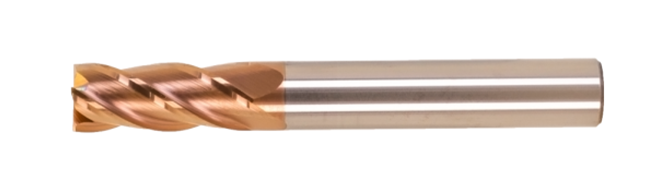
Steel machining requires tools that can withstand high cutting forces and temperatures. High-quality carbide end mills with variable helix designs are often used to reduce vibration and improve stability. Advanced coatings such as TiAlN or AlTiN enhance wear resistance and extend tool life, especially in continuous cutting operations.
Difficult Materials: Can Standard Tools Handle Them?
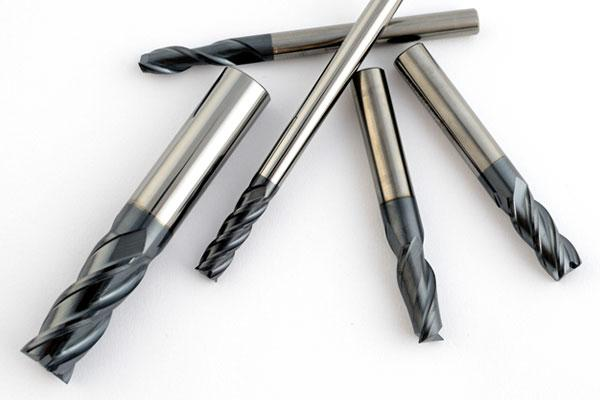
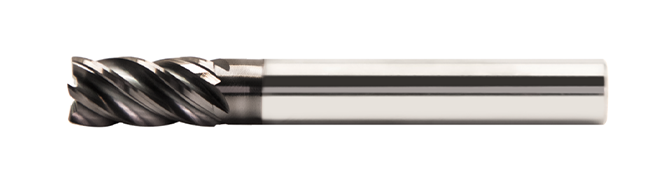
Materials like stainless steel, titanium, and heat-resistant alloys present unique challenges. They generate high temperatures and tend to cause rapid tool wear. Specialized end mills with reinforced geometries and high-performance coatings are essential in these cases.
Without the right tool, machining these materials can quickly lead to tool failure, poor surface quality, and increased costs.
Aluminum Machining: Why Chip Evacuation Matters Most
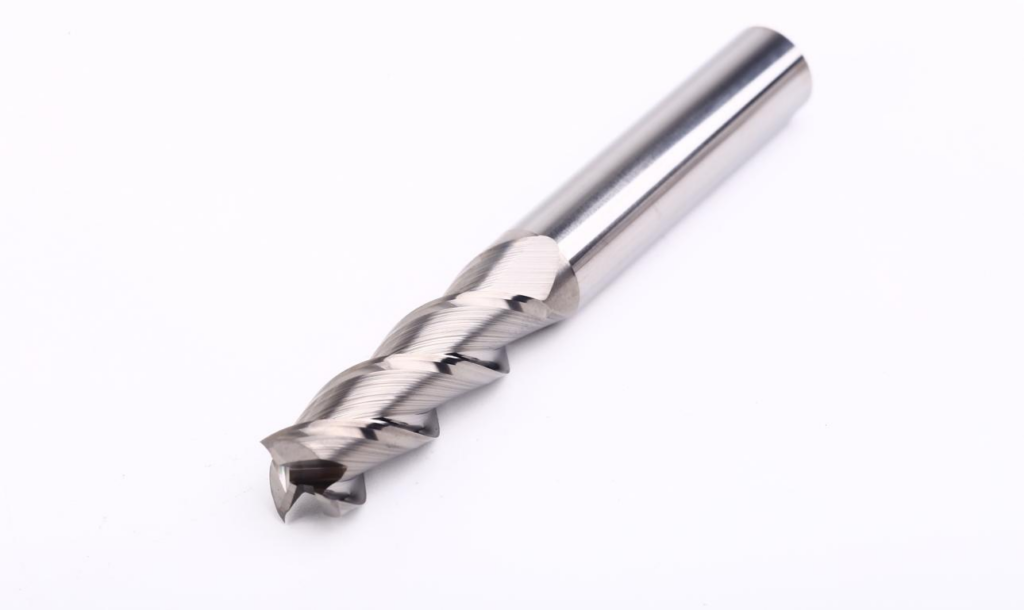
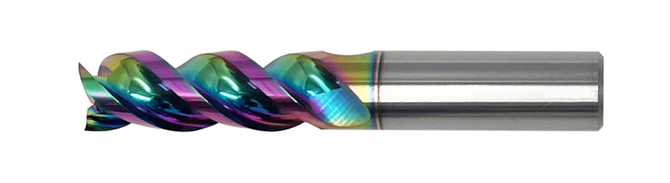
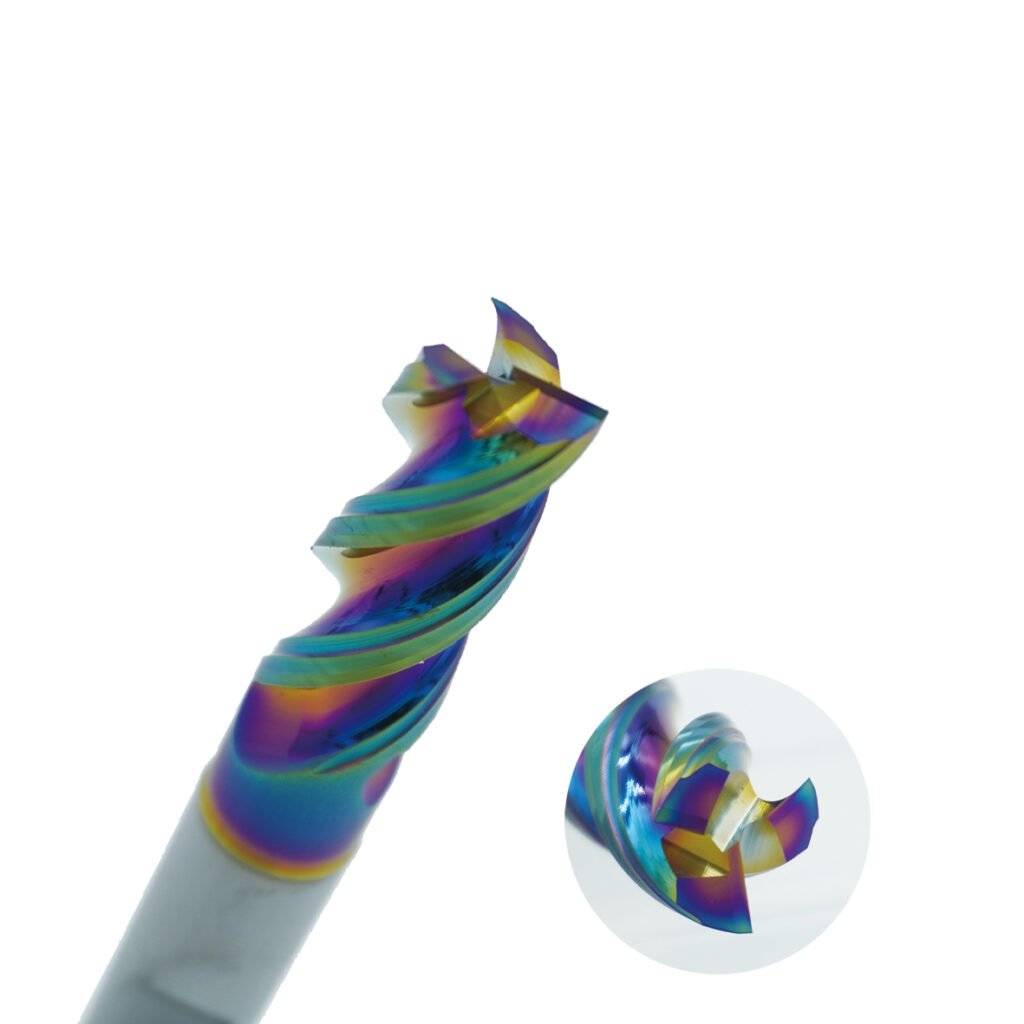
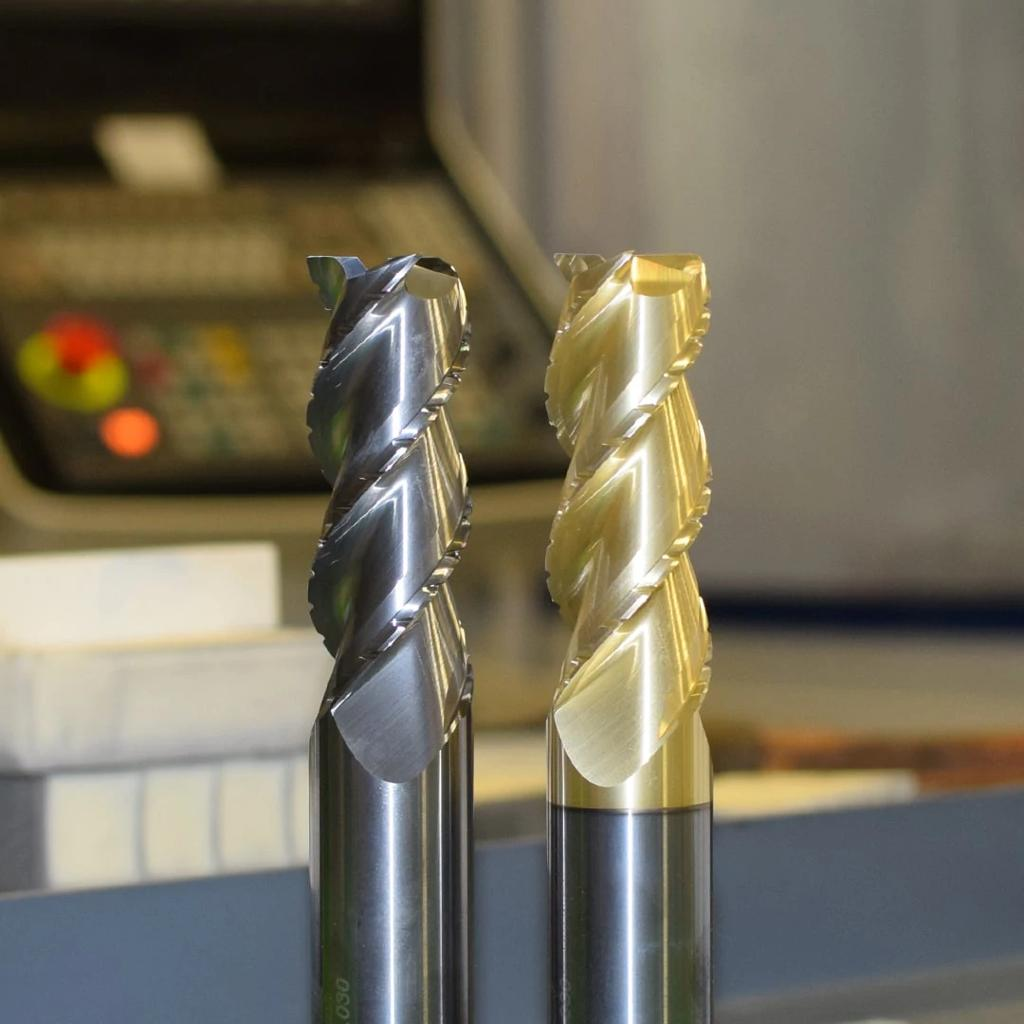
Aluminum behaves very differently from steel. It is softer but prone to sticking and built-up edge formation. To address this, aluminum end mills typically feature fewer flutes, larger chip pockets, and highly polished surfaces to ensure smooth chip evacuation.
This design allows for higher cutting speeds and superior surface finishes, making them ideal for high-efficiency machining.
Material vs Recommended End Mill
Material | Tool Type | Key Feature | Coating |
Steel | 4-flute carbide | Strength | TiAlN |
Stainless Steel | Variable helix | Anti-vibration | AlTiN |
Aluminum | 3-flute polished | Chip evacuation | ZrN/Uncoated |
Titanium | Reinforced carbide | Heat resistance | AlTiN |
Where Are End Mills Used in Industry Today?
End mills are not limited to basic machining tasks—they are fundamental to modern manufacturing across multiple industries.
From Metalworking to Aerospace: A Universal Tool
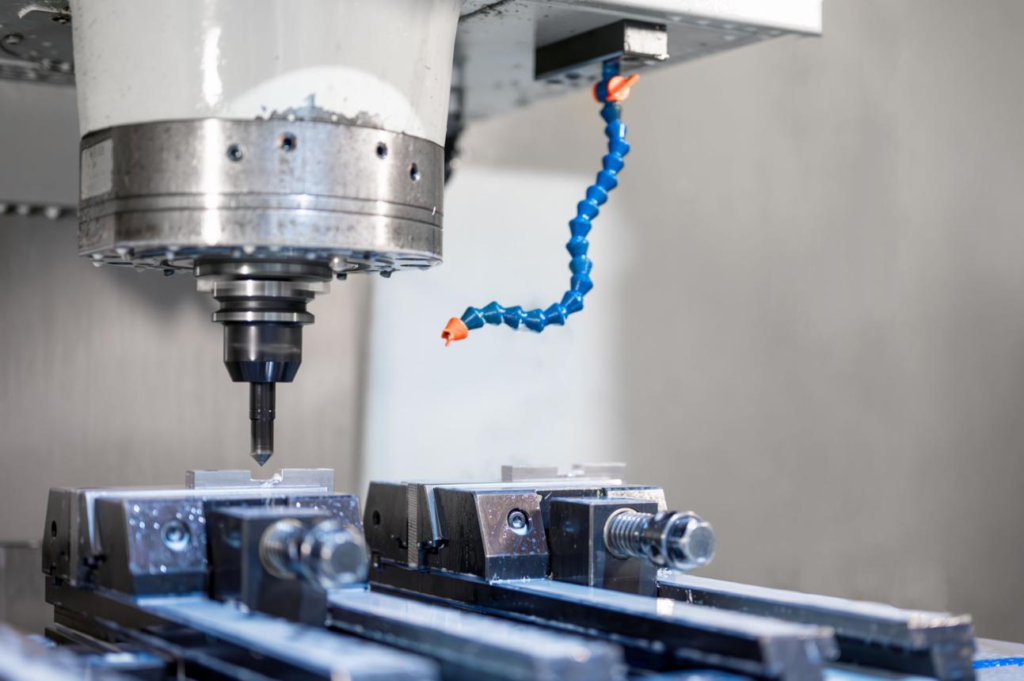
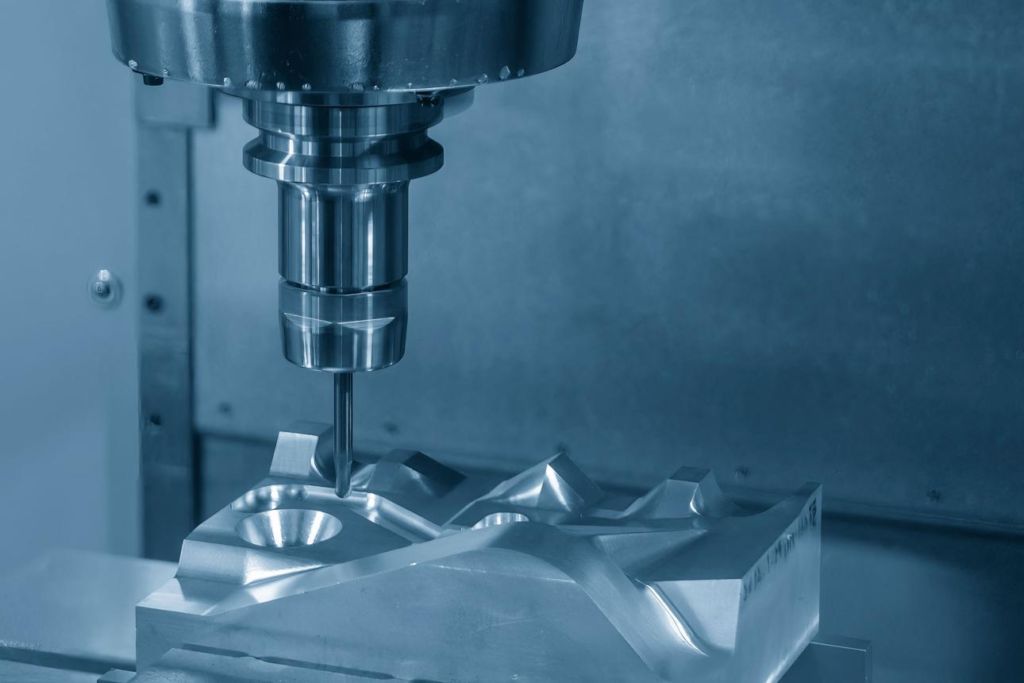
In general metalworking, end mills are used for slotting, profiling, and shaping various components such as gears, housings, and connectors. Their flexibility allows manufacturers to produce parts with different geometries using a single machine setup.
In mold and die manufacturing, precision is critical. End mills enable the accurate machining of cavities and complex contours, ensuring consistency in mass production processes such as injection molding and die casting.
The aerospace industry places even higher demands on tooling. Components must be lightweight yet strong, often requiring the machining of titanium and other difficult materials. Here, high-performance end mills play a crucial role in achieving both precision and efficiency.
Similarly, in automotive manufacturing and energy equipment production, end mills are used to machine critical components such as engine parts, turbine elements, and structural components, where reliability and performance are non-negotiable.
How Should You Choose the Right End Mill?
Choosing the right end mill is not about selecting the most expensive tool—it’s about selecting the most appropriate one for your specific application.
Practical End Mill Selection Guide
Factor | Consideration | Result |
Material | Steel, aluminum, titanium | Determines coating |
Operation | Roughing or finishing | Affects geometry |
Surface Finish | Required quality | Tool selection |
Diameter | Size & accessibility | Precision vs efficiency |
A good starting point is to clearly define your machining goal. Are you aiming for maximum material removal, or is surface finish the priority? Are you working with standard materials or difficult alloys? Once these questions are answered, selecting the appropriate tool becomes much more straightforward.
Final Thoughts: Are You Optimizing Your Tooling Strategy?
End mills may seem like simple tools, but their impact on machining performance is profound. By understanding how shape, diameter, and material-specific design influence cutting behavior, manufacturers can significantly improve productivity and reduce costs.
In today’s competitive manufacturing environment, success depends not only on machines and programming but also on the tools you choose. The right end mill can make the difference between average performance and exceptional results.