Uncategorized
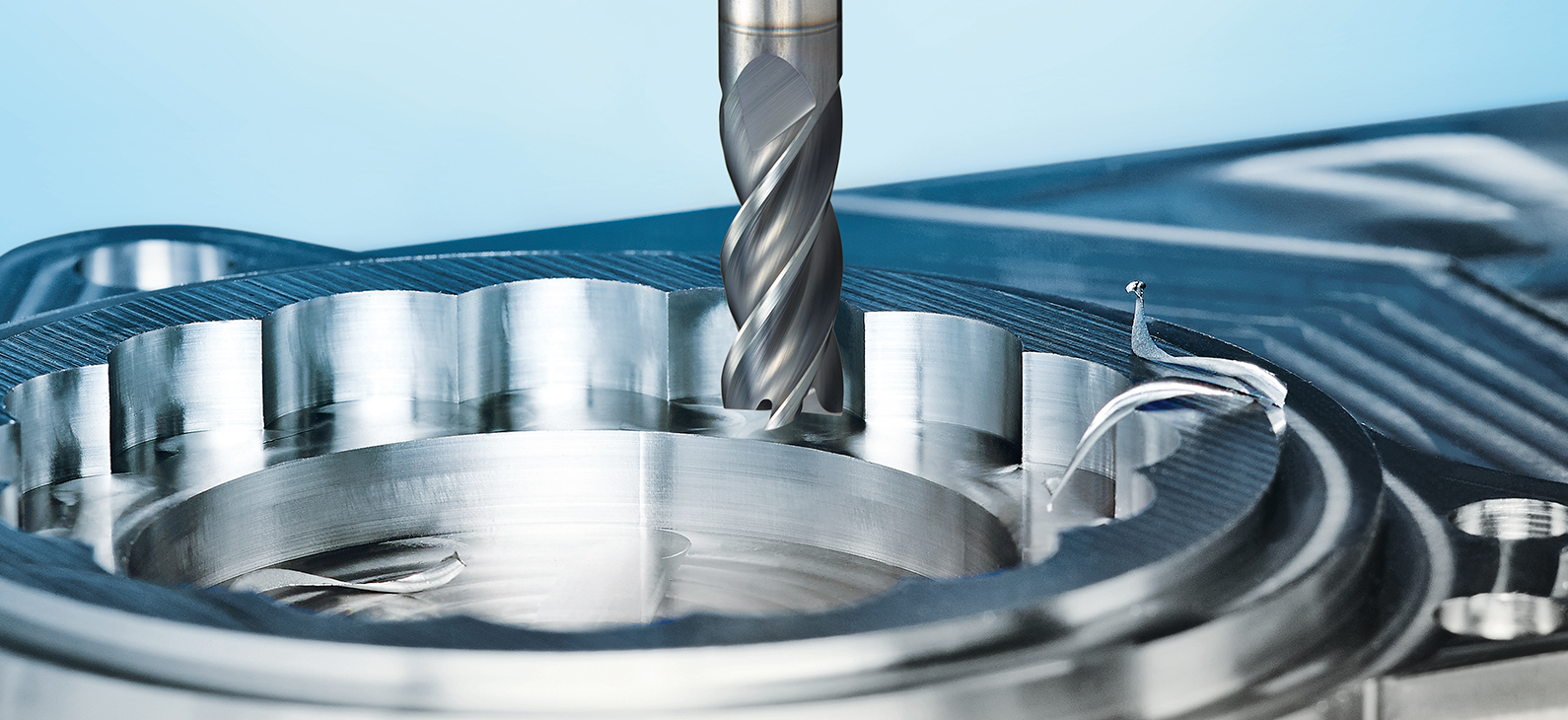
Compare stainless steel end mills with general purpose carbide tools. Learn how geometry, coatings, chip load and process stability affect CNC milling results.

Compare stainless steel end mills with general purpose carbide tools. Learn how geometry, coatings, chip load and process stability affect CNC milling results.
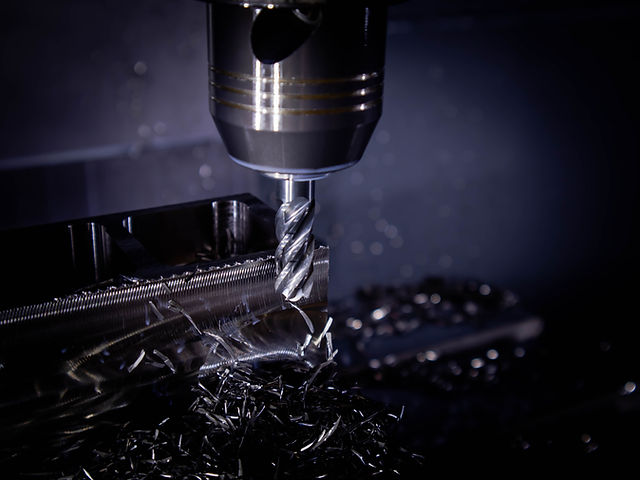
Learn how to select milling cutters, set feed and engagement, choose climb or conventional milling, solve common defects, and apply high-speed milling in CNC production.

Plan safer pocket milling with solid carbide end mills. Compare center slotting, side milling, linear ramping, and helical entry with practical starting ranges.
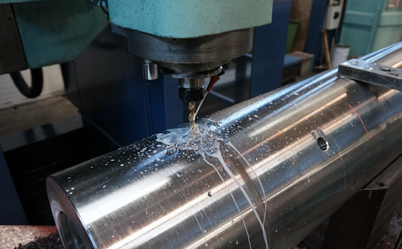
Cross-hole drilling creates interrupted cuts, vibration, chip packing, burrs, and hole drift. Learn practical ways to adjust feed, coolant, drill length, and tool design for
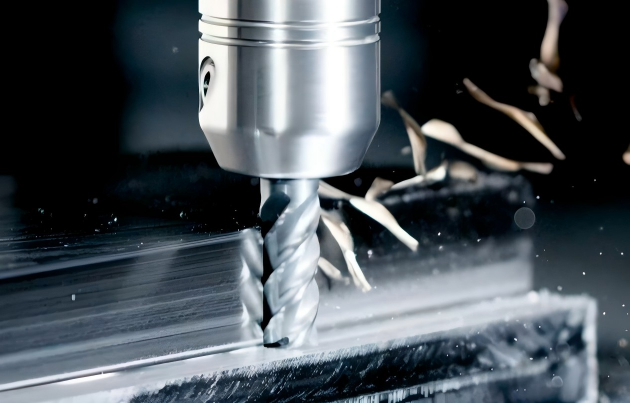
Learn how cutting speed, feed per tooth, axial depth, and radial depth work together in end milling, with practical setup guidance for tool life, surface
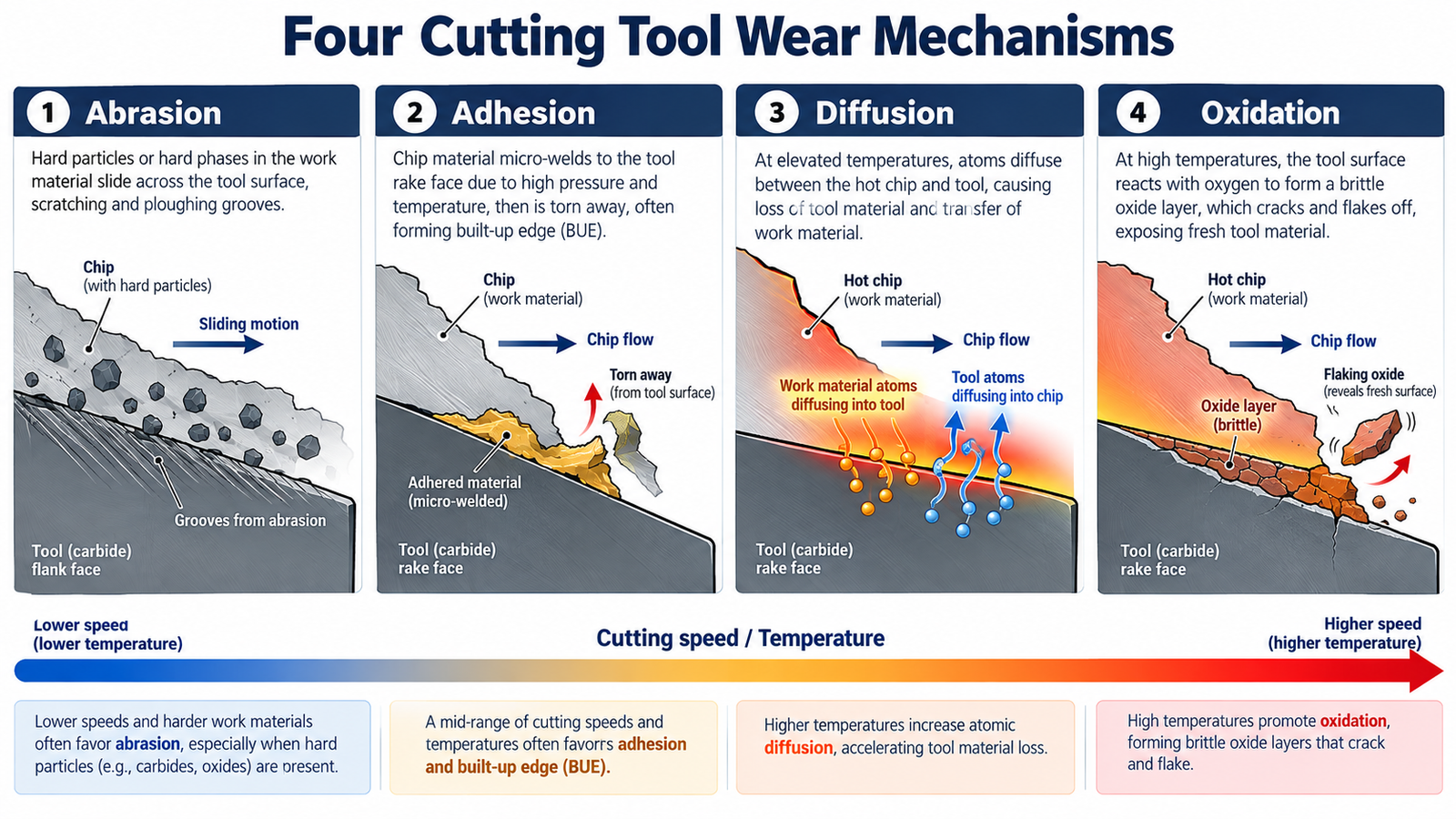
Learn how abrasion, adhesion, diffusion, and oxidation damage cutting tools, how to identify the dominant mechanism, and how to extend tool life.
Learn how power factor correction shapes AC input current, why PFC is different from efficiency, and when active PFC is the right choice for industrial

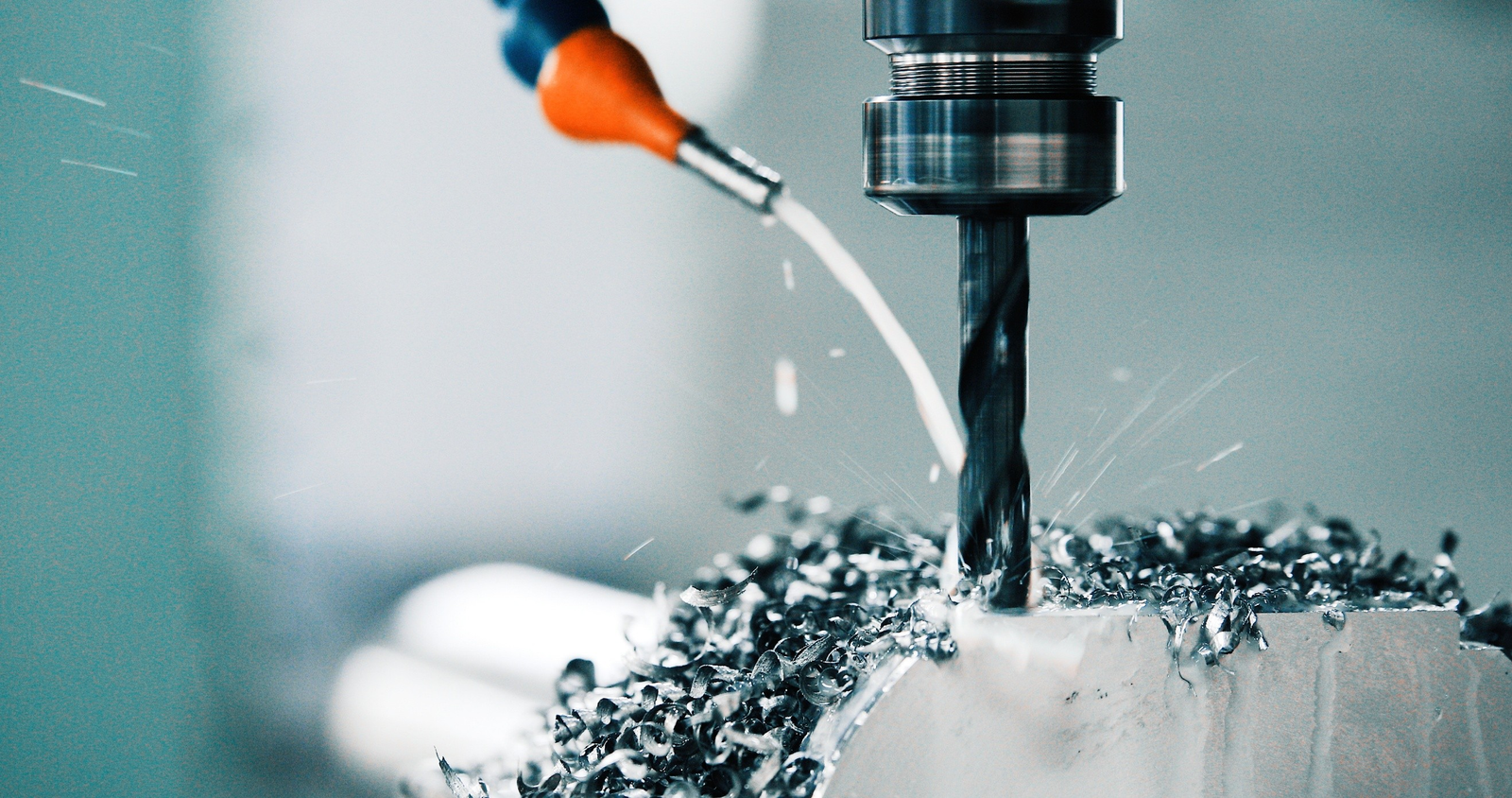
Compare low, medium, high, and ultra-high through-tool coolant pressure, learn what each range does, and select a practical system for CNC turning, milling, and deep-hole
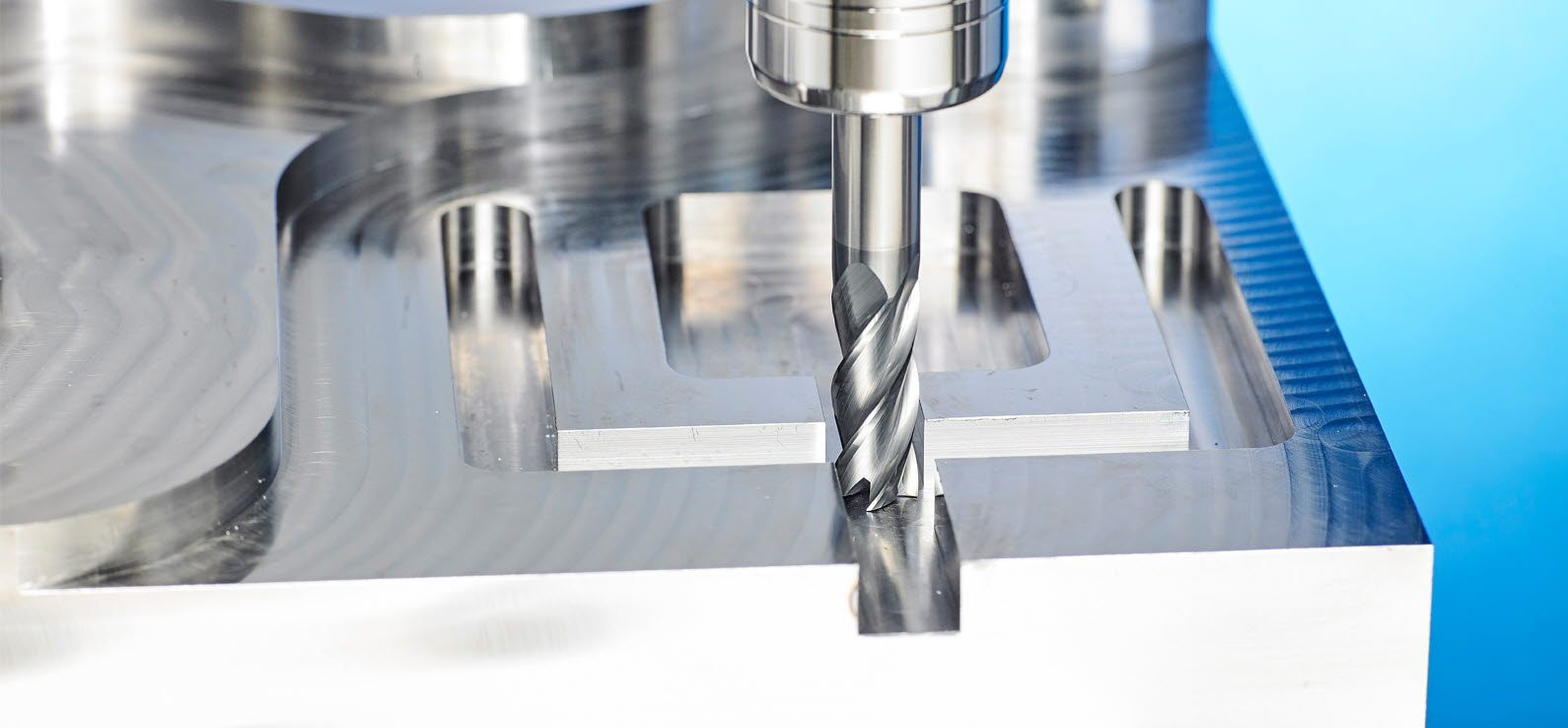
Learn how to choose between slot milling, shoulder milling, 3D profiling, plunge milling, ramp milling, and helical interpolation based on material, machine rigidity, chip evacuation,
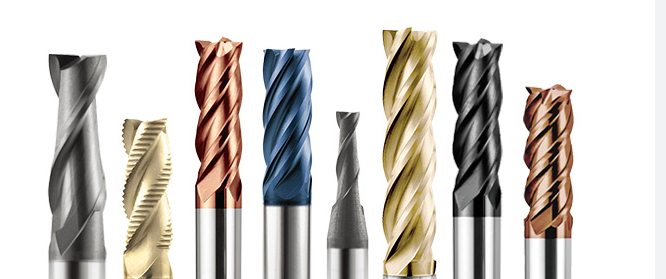
Choose the right carbide end mill for hardened steel by matching hardness, cutter profile, flute count, coating, reach, and machining strategy.
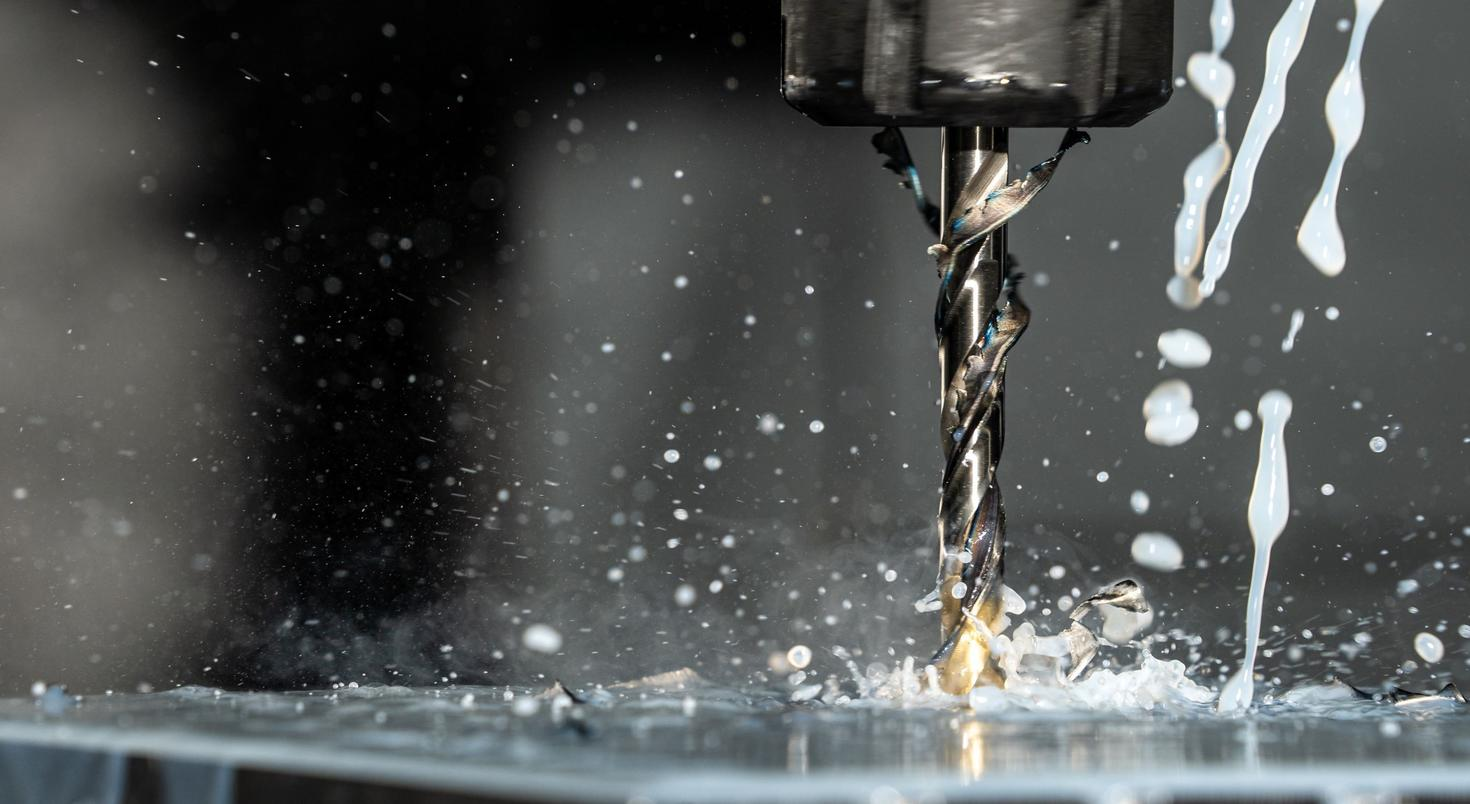
Compare HSS, carbide, PCD, twist, indexable, modular, and deep-hole drills, then select the right drill bit for metal, composites, construction, and production work.
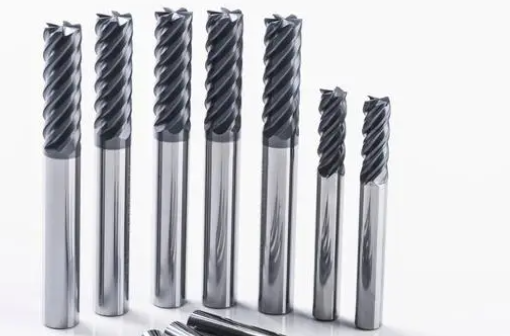
Learn how to choose and use end mills by operation, flute count, tool material, end style, machine rigidity, and cost per part.
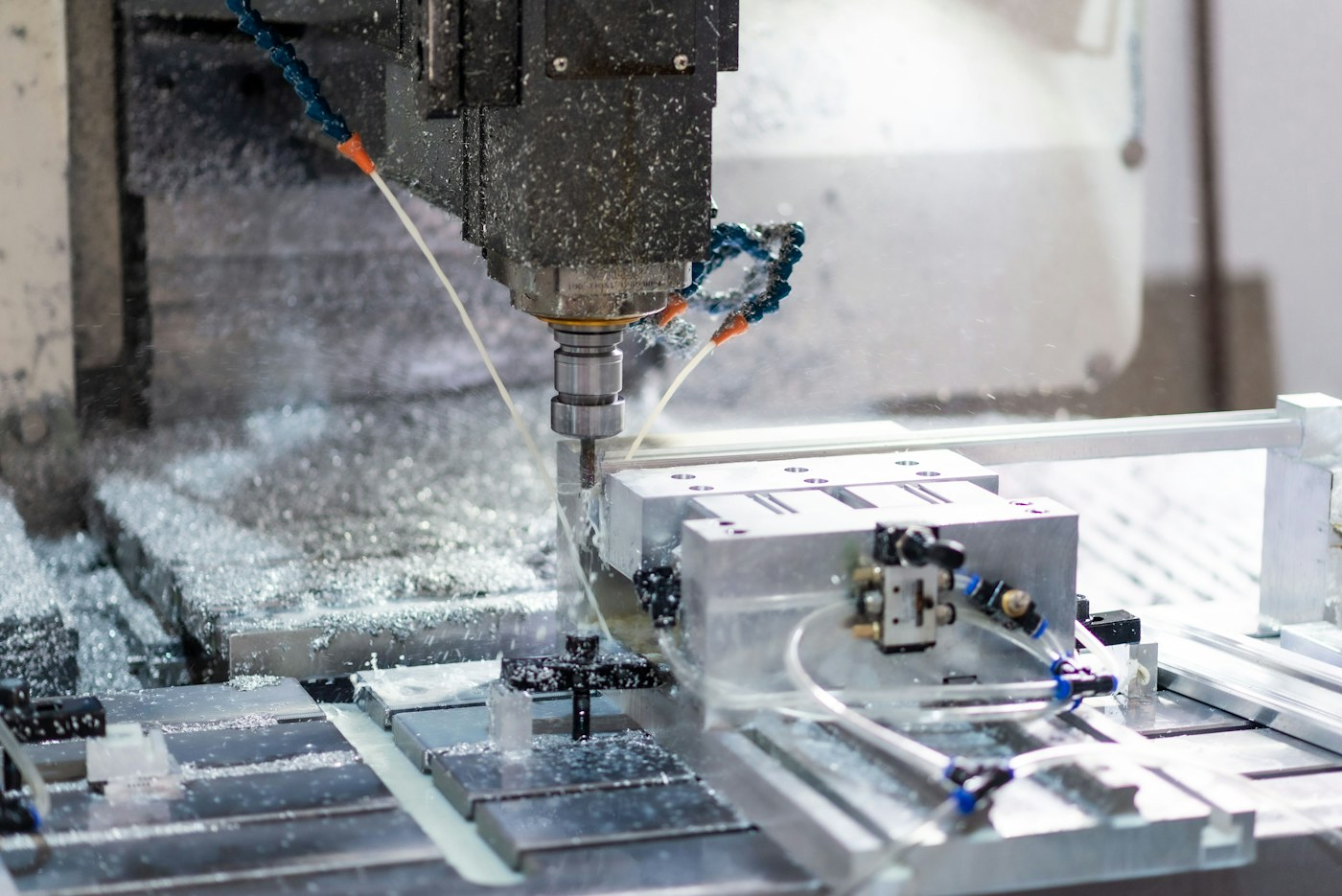
Compare single-flute and double-flute end mills by chip evacuation, feed rate, finish, rigidity, and material. Choose the right cutter for aluminum, plastics, wood, and CNC

Compare flat, ball-nose, corner-radius, and roughing end mills by geometry, machining task, flute count, material, finish, and common selection mistakes.
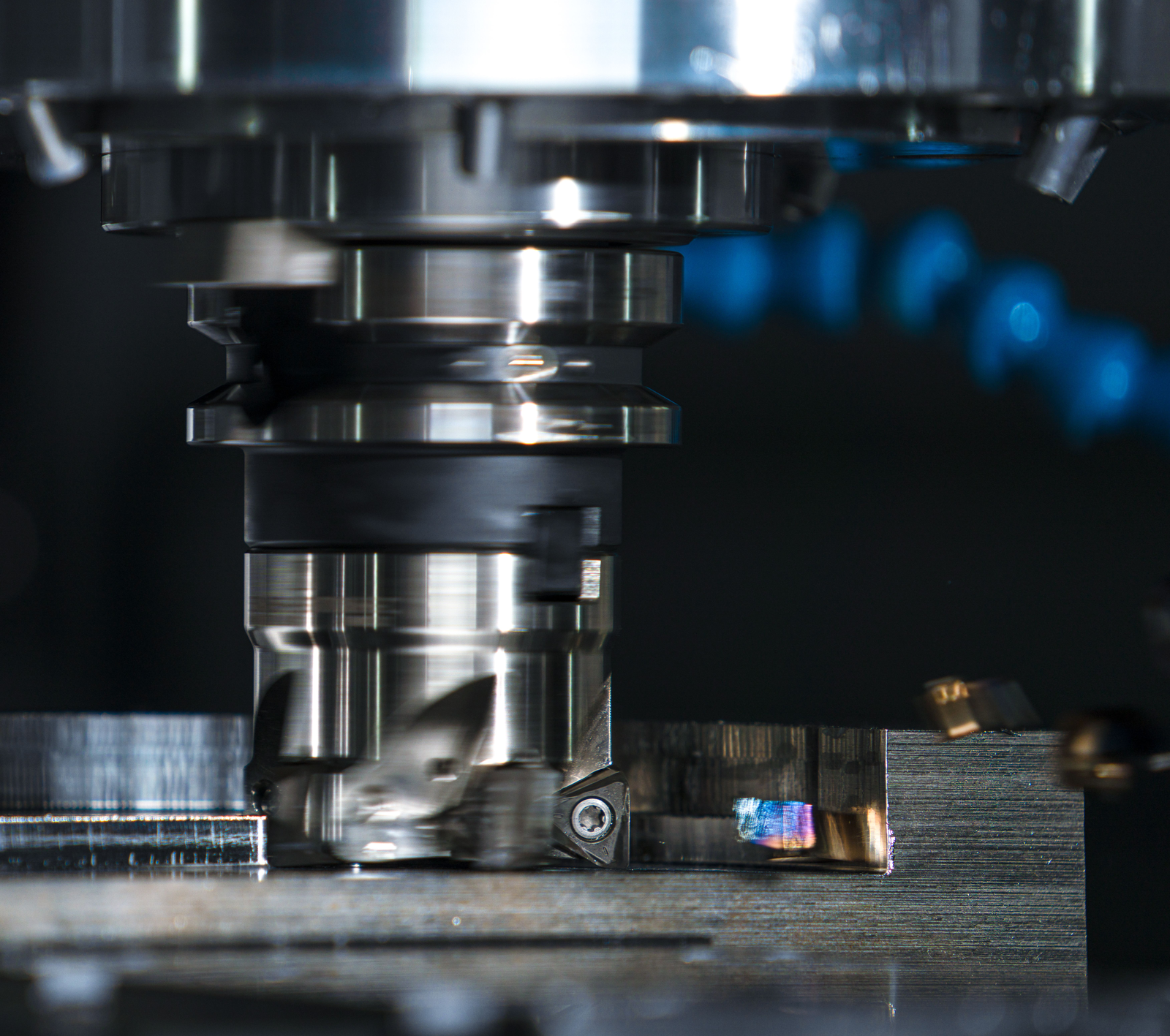
Plan safer pocket milling with solid carbide end mills: center opening, constant-engagement toolpaths, finish passes, ramp angles, helical entry, and troubleshooting.
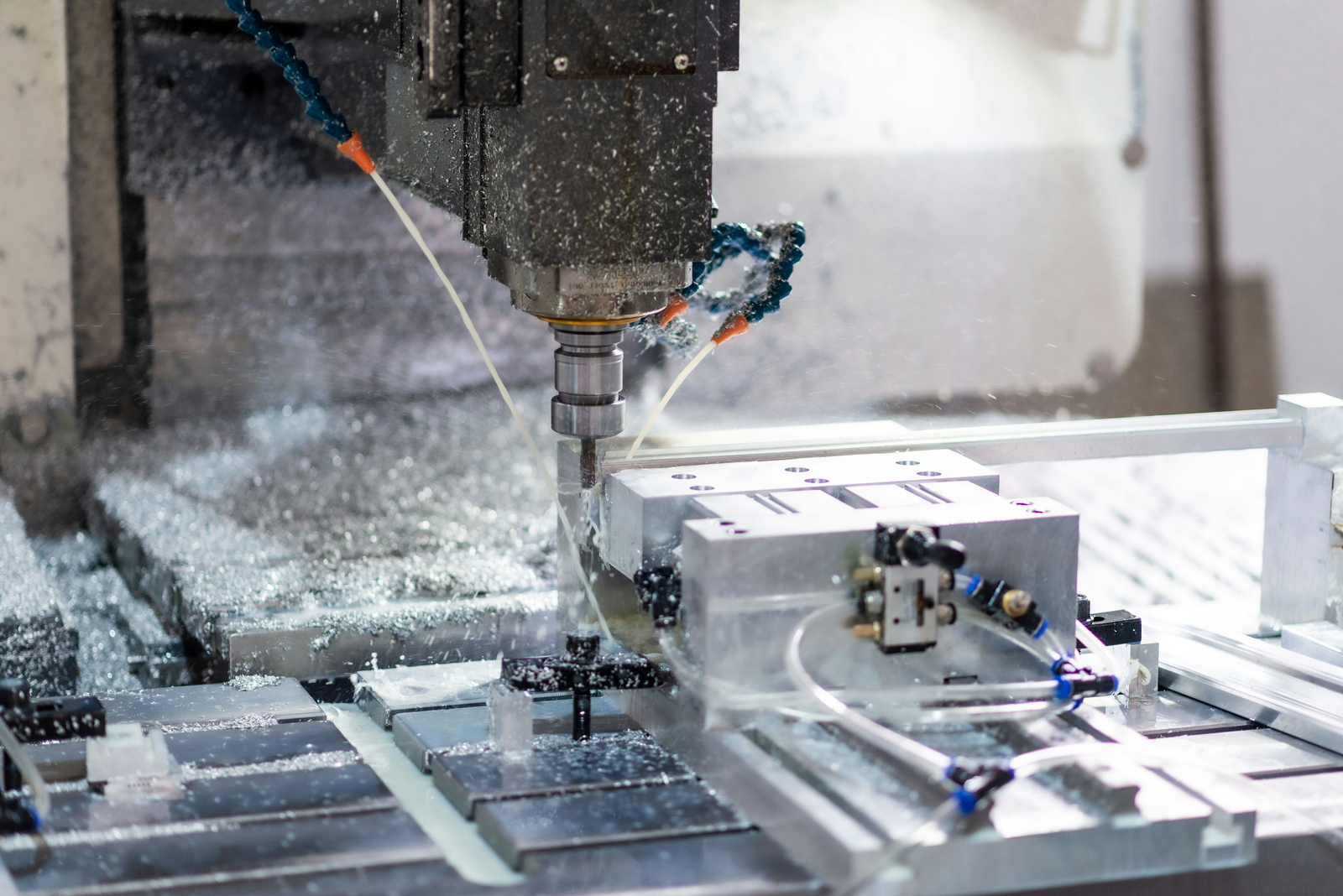
Learn how milling cutters differ by geometry, construction, material, tooth count, and cutting direction, with practical selection and troubleshooting guidance.

Learn how to measure, diagnose, and reduce switching power supply ripple and high-frequency noise through better probing, capacitor selection, snubbers, loop stability, and PCB layout.
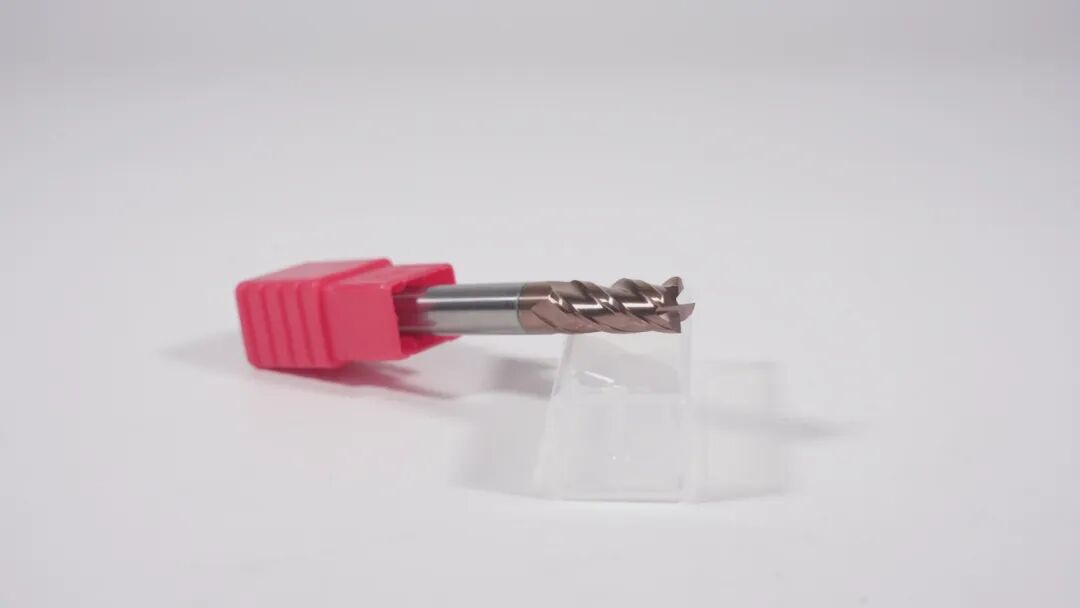
Learn how to choose a flat end mill for CNC pockets, slots and shoulders, with practical guidance on flute count, tool entry, reach and corner
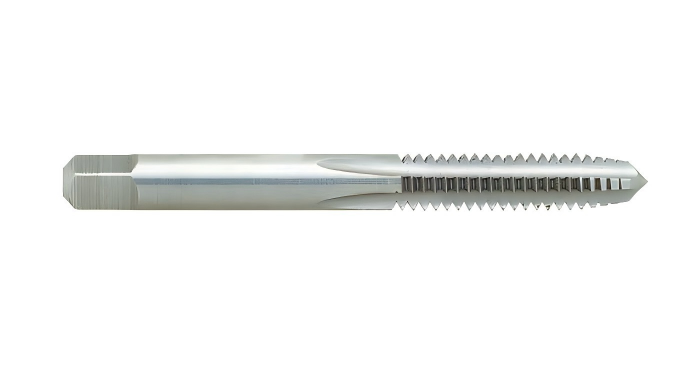
Compare straight-flute, spiral-flute, spiral-point and form taps by chip flow, hole type and material, then refine the choice by substrate and coating.
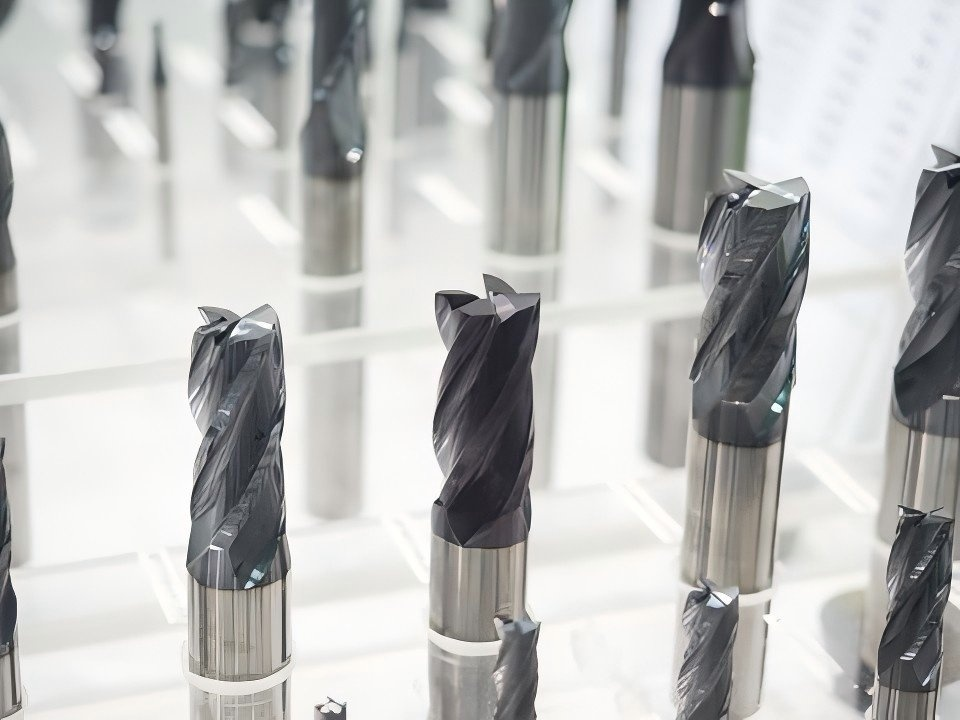
Learn how cutting forces affect carbide end mills, tool deflection and thin walls, with practical milling calculations and cutter selection advice.