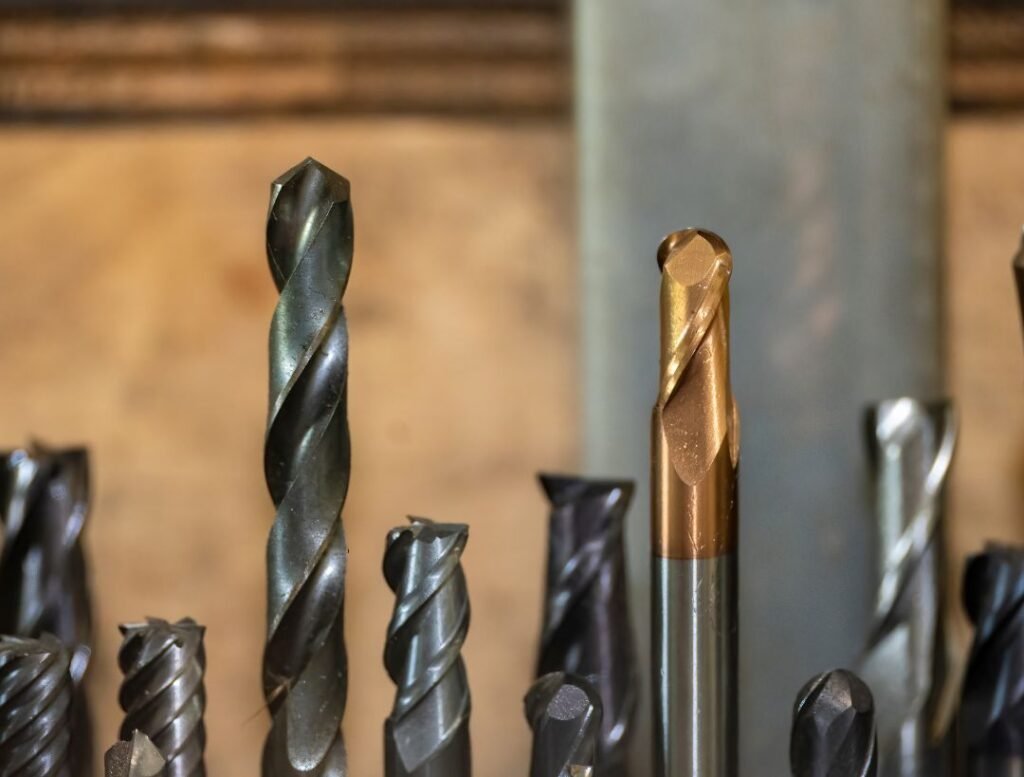
Ball Nose Cutters
A practical CNC cutter selection guide covering reamers, circle segment barrel cutters, T-slot cutters, chamfer mills, drills, form cutters, and ceramic cutting tools.

A practical CNC cutter selection guide covering reamers, circle segment barrel cutters, T-slot cutters, chamfer mills, drills, form cutters, and ceramic cutting tools.
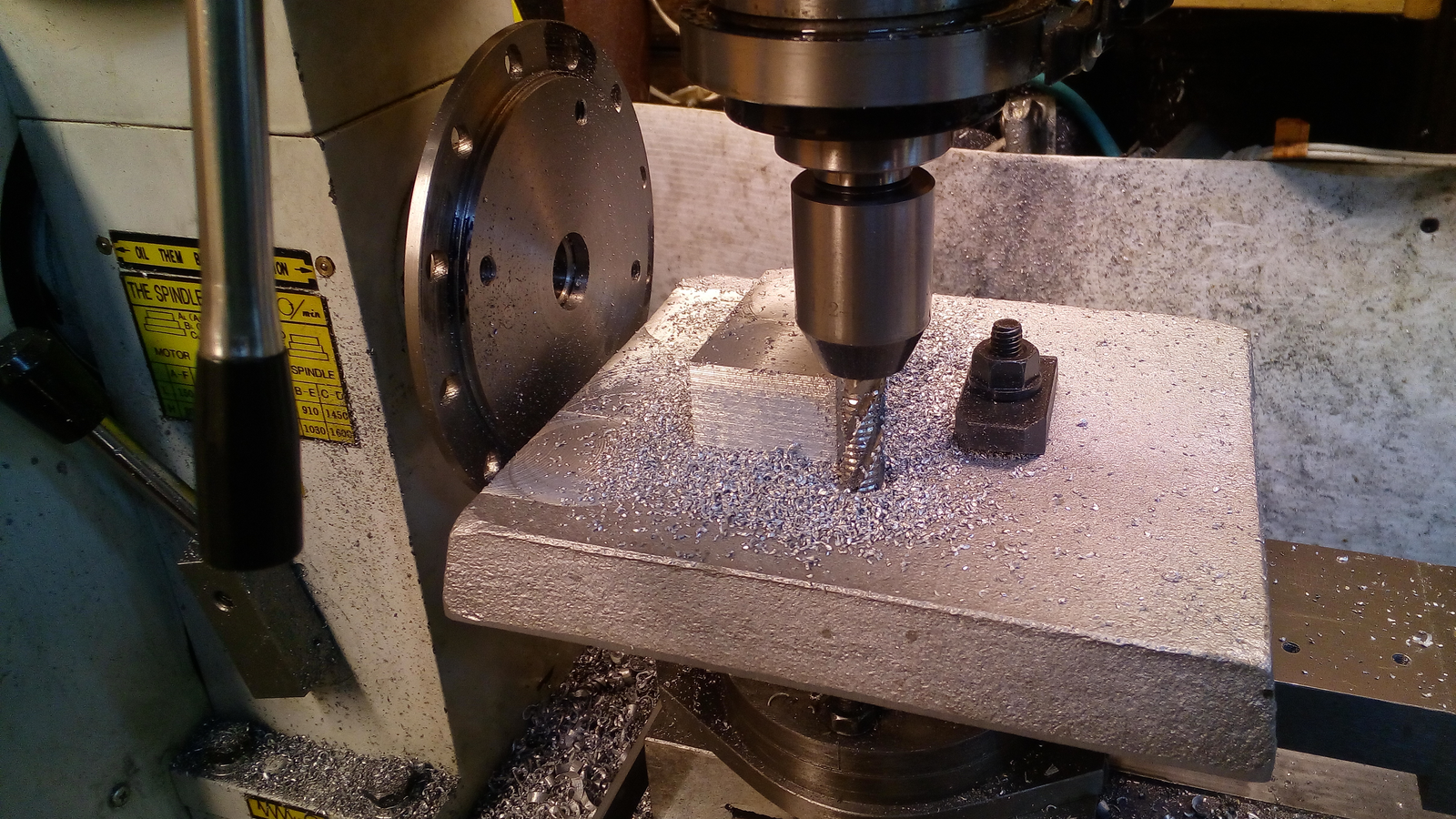
A practical guide to carbide end mill coatings, including TiN, TiCN, TiAlN, AlTiN, AlCrN and diamond for steel, stainless, aluminum, graphite and high-speed CNC milling.
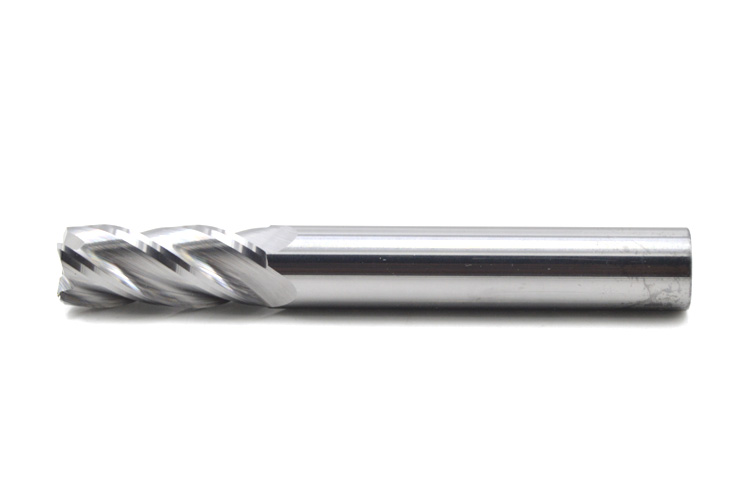
Learn how to choose 4-flute, 6-flute, and 8-flute end mills by balancing chip evacuation, tool rigidity, material, slotting, roughing, and finishing needs.
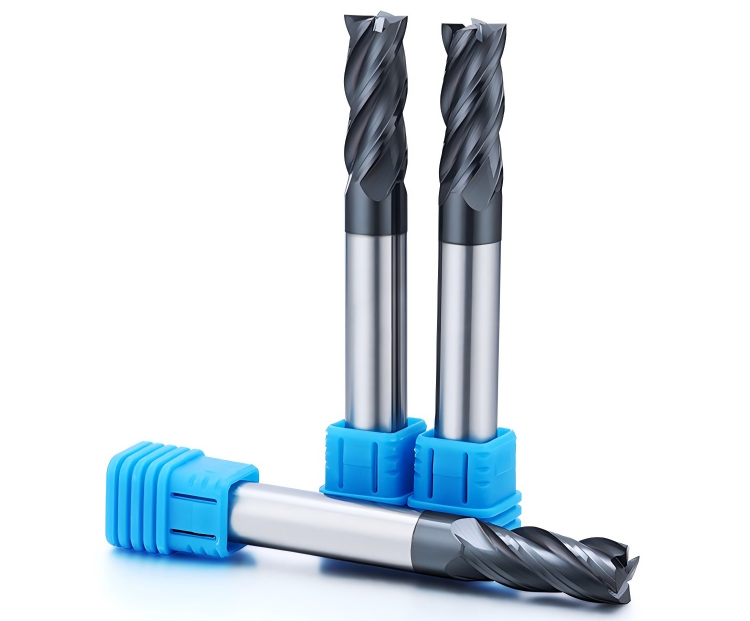
Learn how square, ball nose, and corner radius end mills differ, how diameter affects machining, and how to select carbide end mills by material and

Learn the main CNC milling applications across aerospace, automotive, medical, electronics, mold making, energy, marine, defense, and agriculture, with practical tooling and buyer guidance.
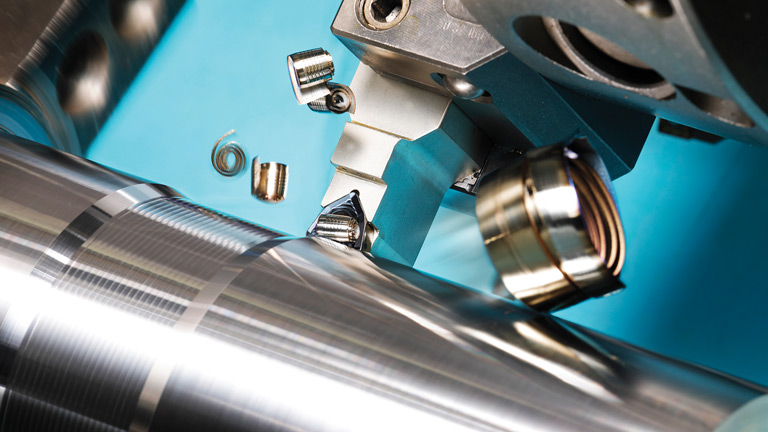
Learn how built-up edge causes burrs, torn surfaces, and unstable dimensions in CNC finishing, and how to control it through tool geometry, coatings, speeds, feeds,
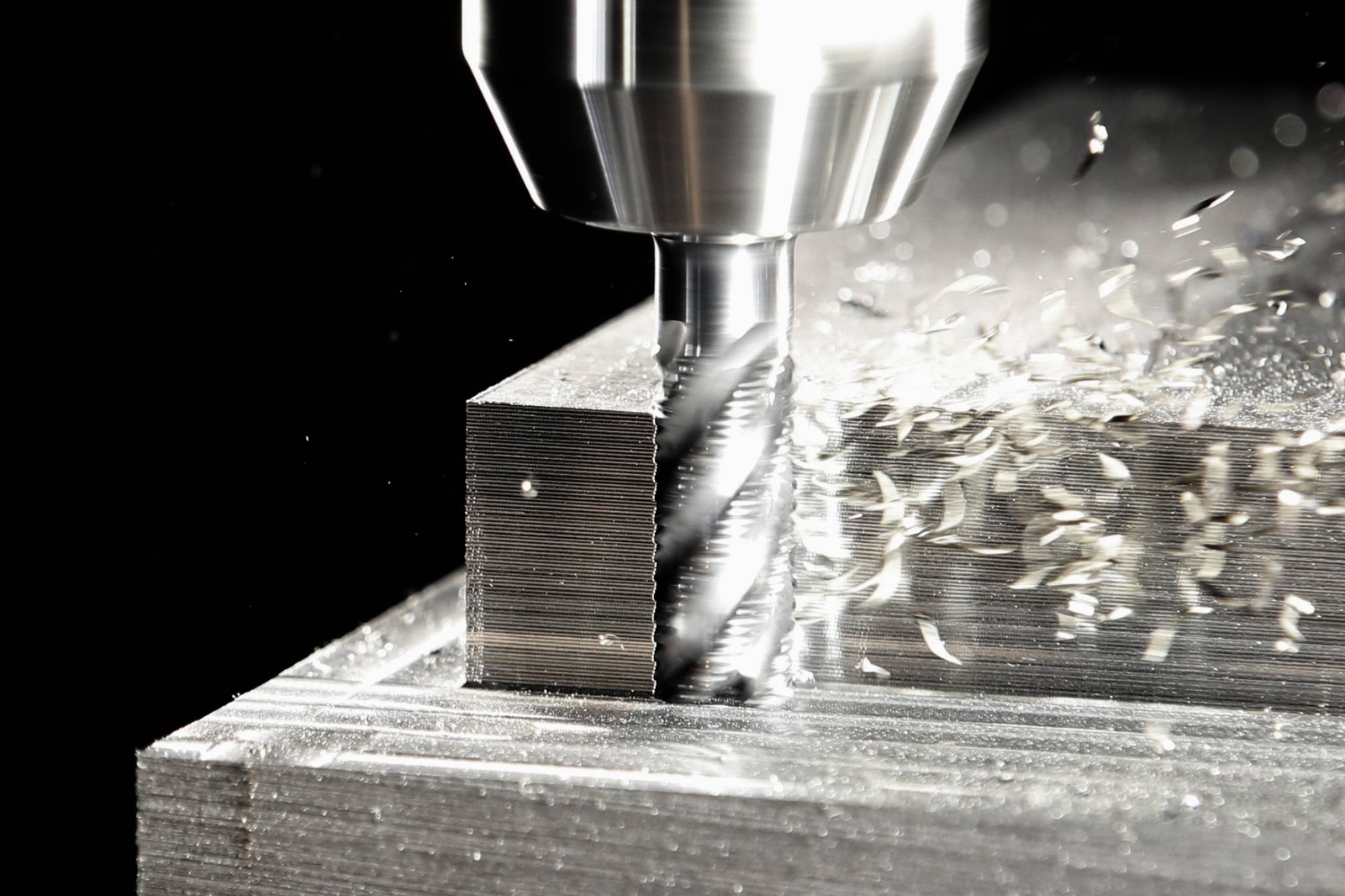
Learn how low, medium, high, and variable helix angles affect carbide end mill rigidity, chatter, tool pullout, chip evacuation, thin-wall machining, and surface finish.
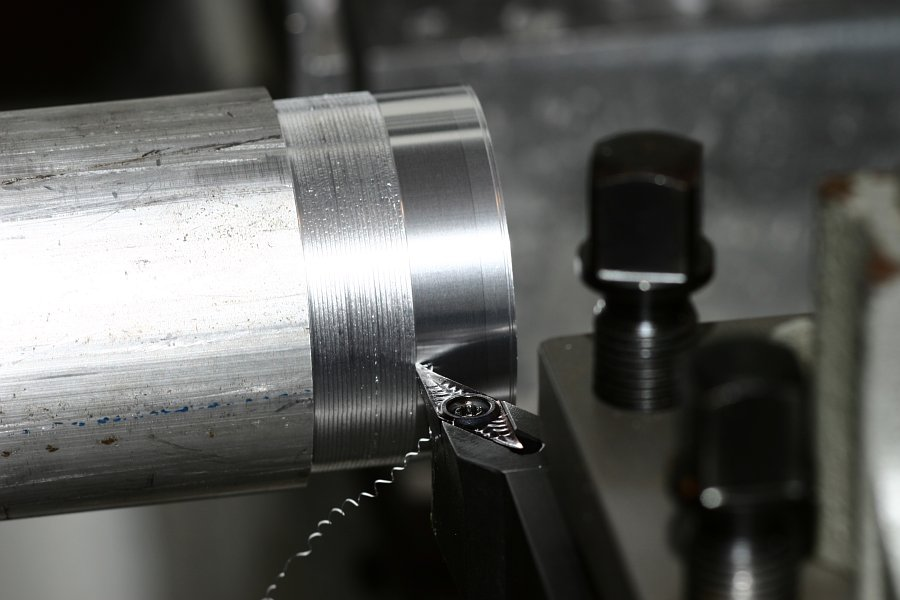
Learn how cutting tool rake angle affects cutting force, chip flow, edge strength, heat, surface finish, and tool selection in CNC machining.
Learn when to use dry machining, wet machining, or MQL, and how to select carbide, ceramic, PCBN, and PCD tools for each cutting environment.
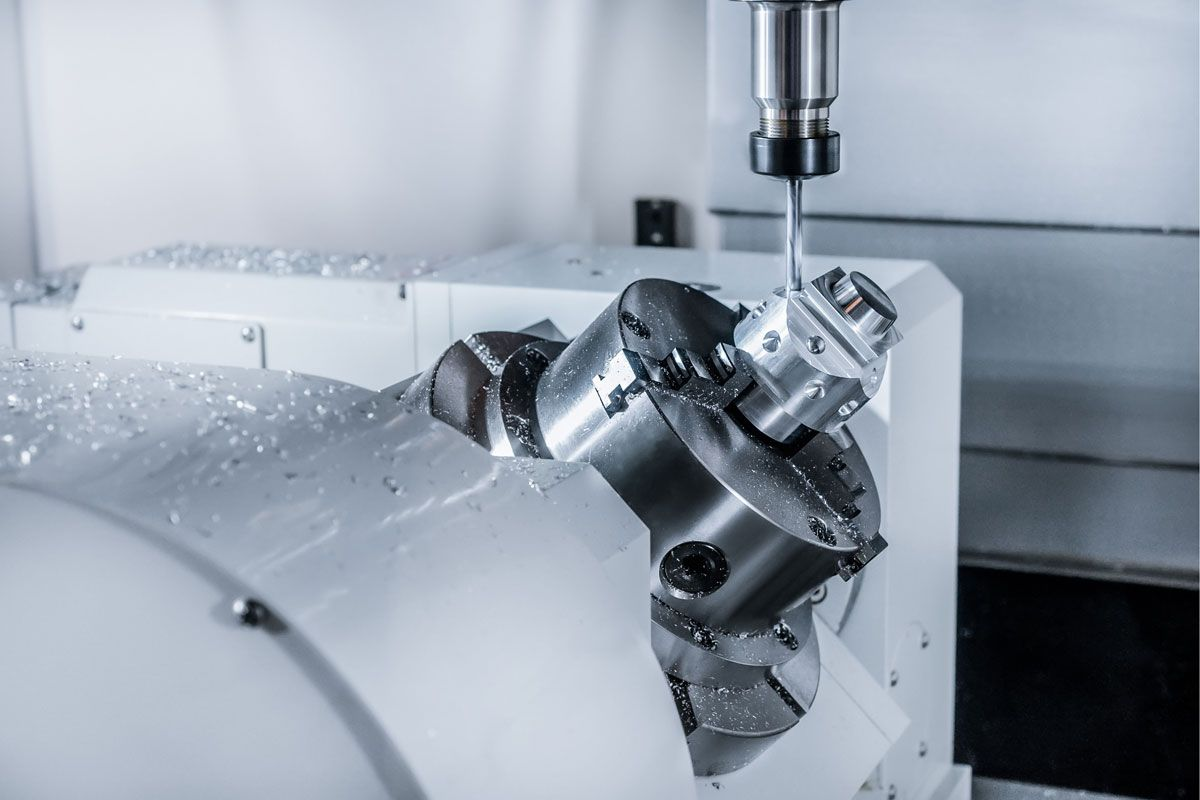
A practical guide to carbide end mill sharpening, covering end cutting edges, relief angles, gash grinding, side flute regrinding, inspection, and regrind-or-replace decisions.
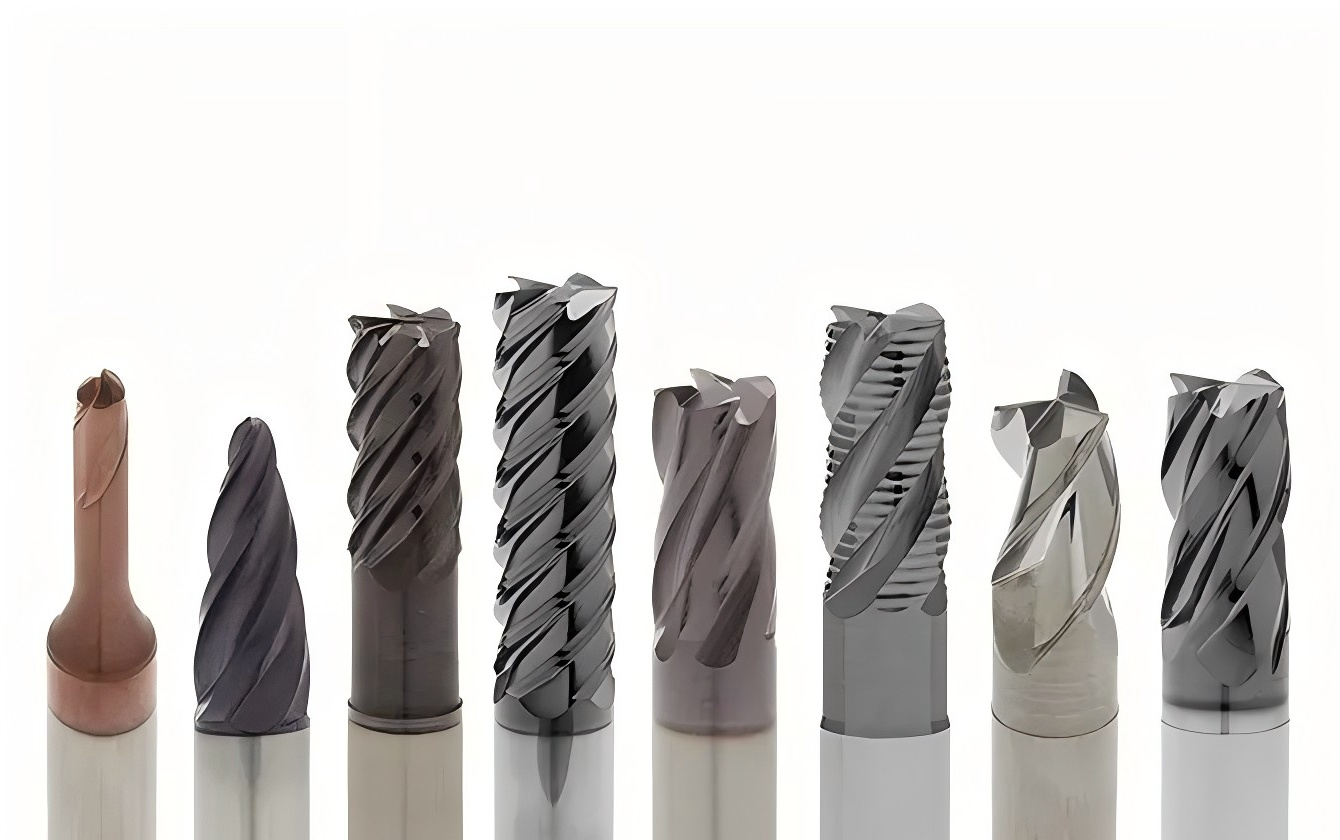
Learn how low, medium, high, and variable helix angles affect carbide end mill rigidity, vibration, chip evacuation, thin-wall machining, side-wall finish, and tool selection.
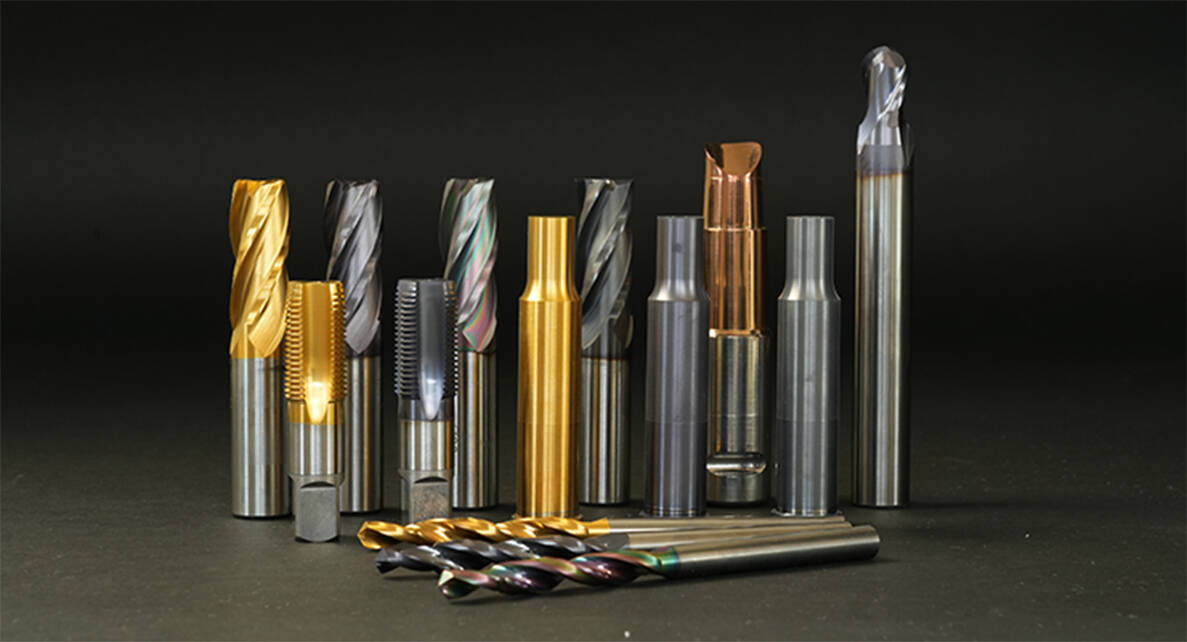
Learn how TiN, TiCN, TiAlN, AlTiN, Al2O3, diamond and multilayer coatings affect tool life, heat control and coated cutting tool selection.
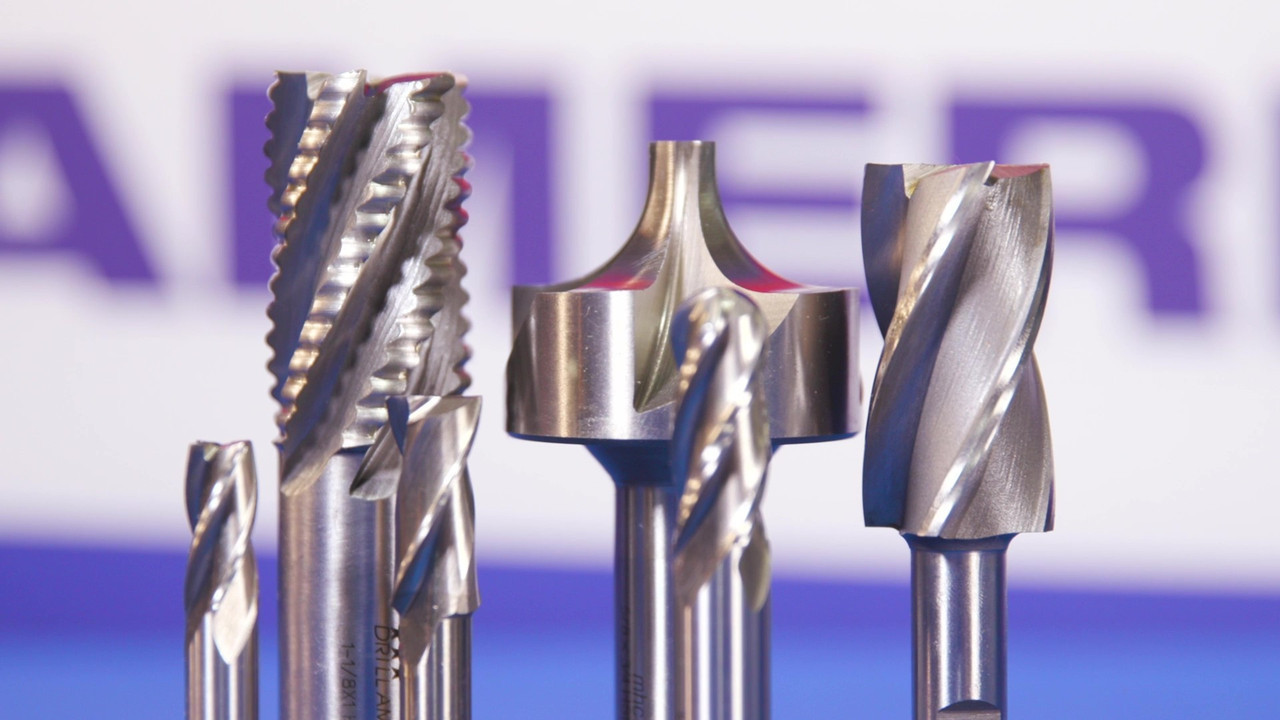
Learn four practical ways to extend carbide end mill tool life by improving cutting data, tool geometry, holding stability, and tool-material matching.
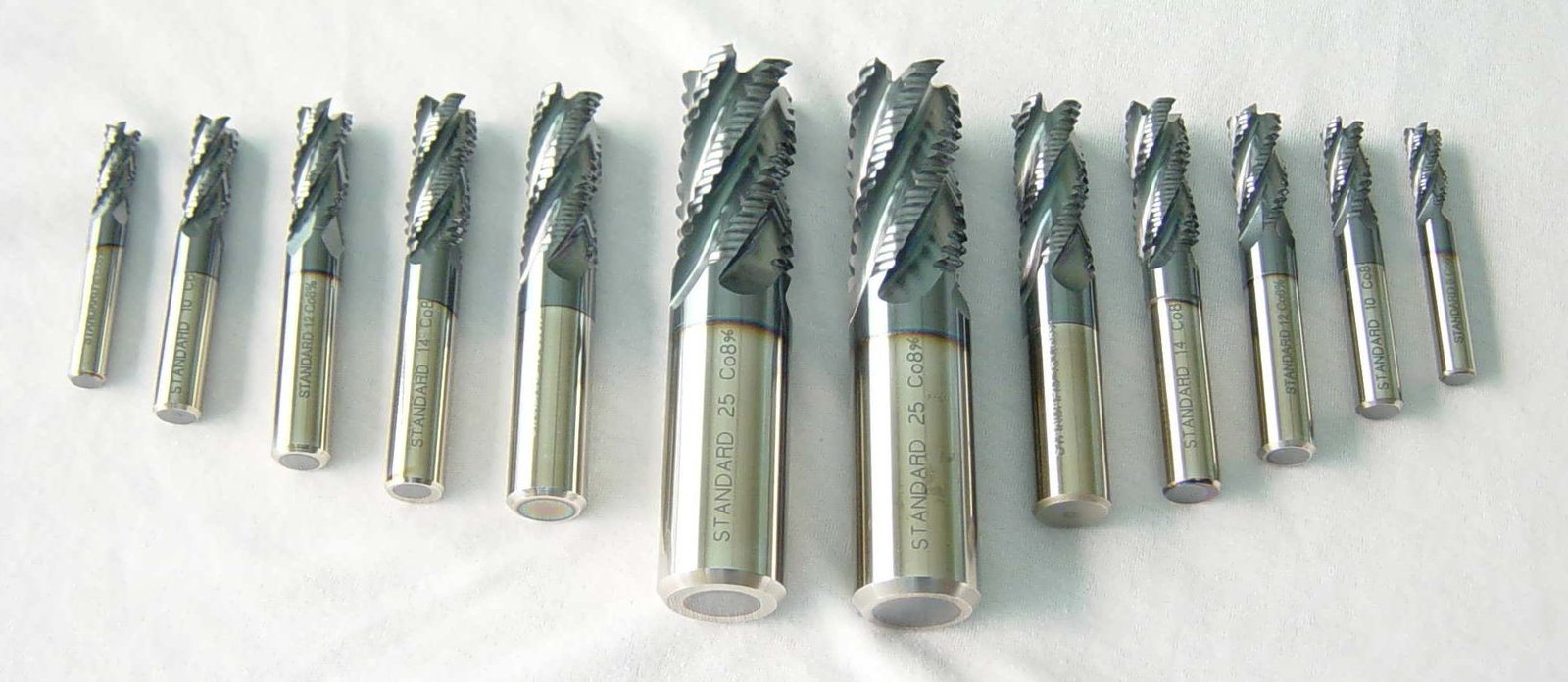
A practical guide to machining titanium alloys, covering heat control, tool geometry, coolant strategy, milling parameters, thin-wall parts, and carbide tool selection.

A practical guide to choosing cutting tools for steel, stainless steel, cast iron, aluminum, titanium, nickel alloys, tungsten alloys, molybdenum alloys, and other common metals.
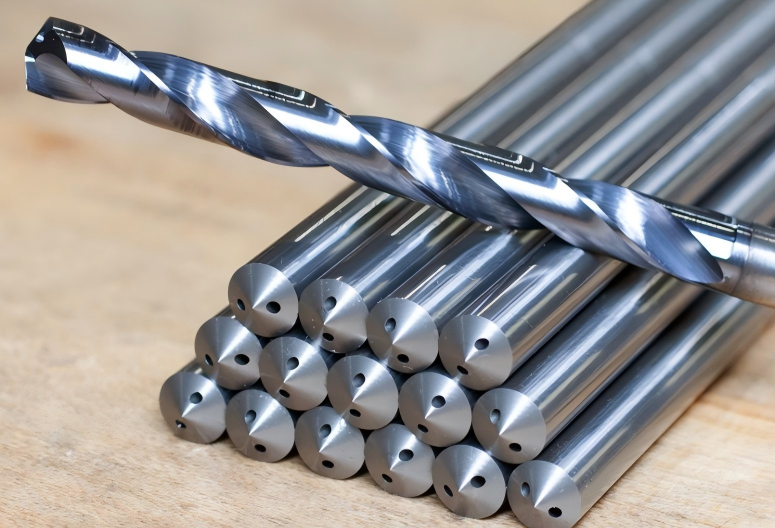
A Technical Guide to Tungsten Carbide Rod Manufacturing, Microstructure, Grades, and Coolant-Hole Rod Performance

Explore grinding wheel types and uses in cutting tool manufacturing, including 1A1, 1V1, 11V9, 12V9, and 6V5 diamond grinding wheels for carbide end mills.
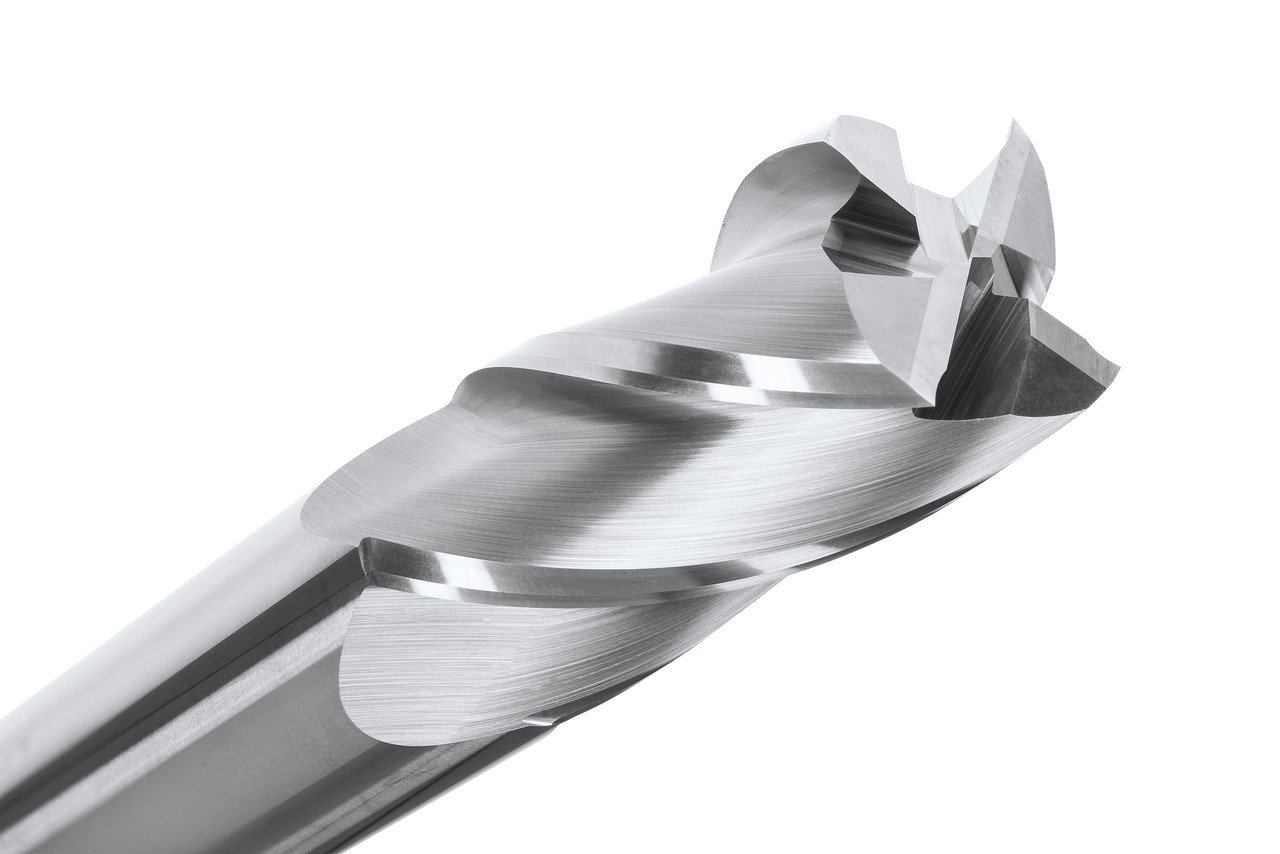
This guide is written for practical selection in steel, stainless steel, aluminum, and general machining—whether you call it an end milling cutter, a milling end
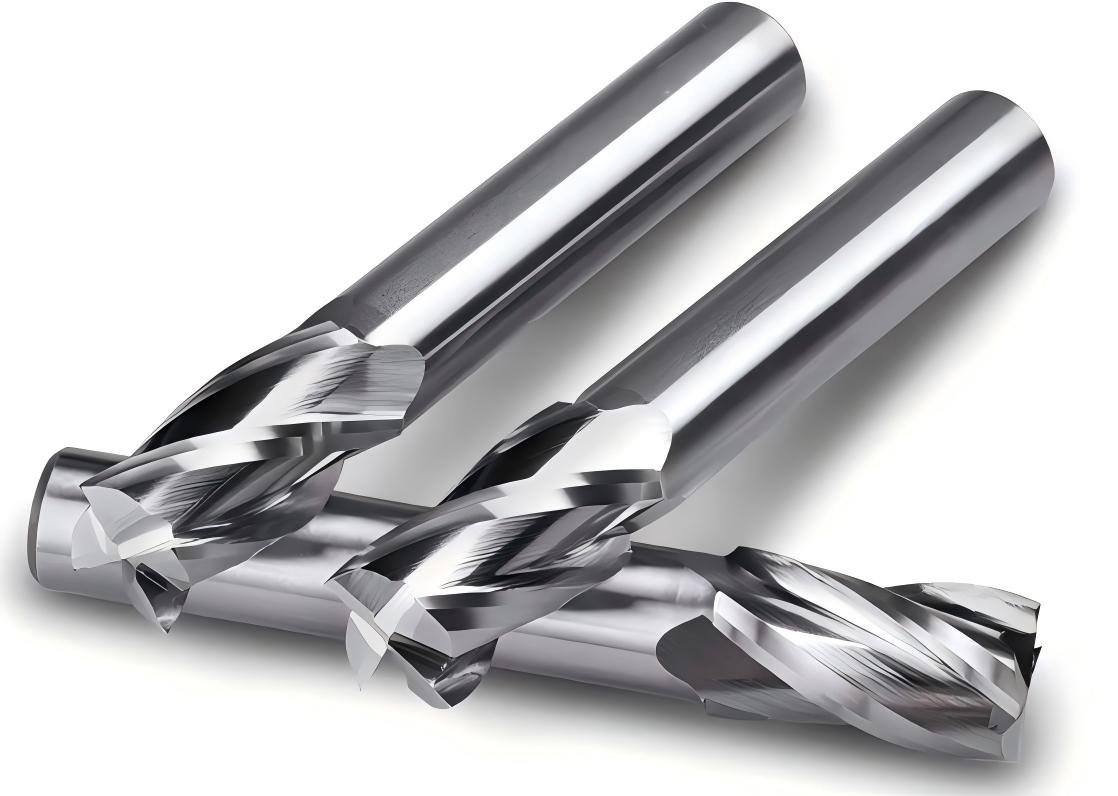
Choosing between an HSS milling cutter end mill and a solid carbide end milling cutter looks like a “tool material” decision. In practice, it’s usually
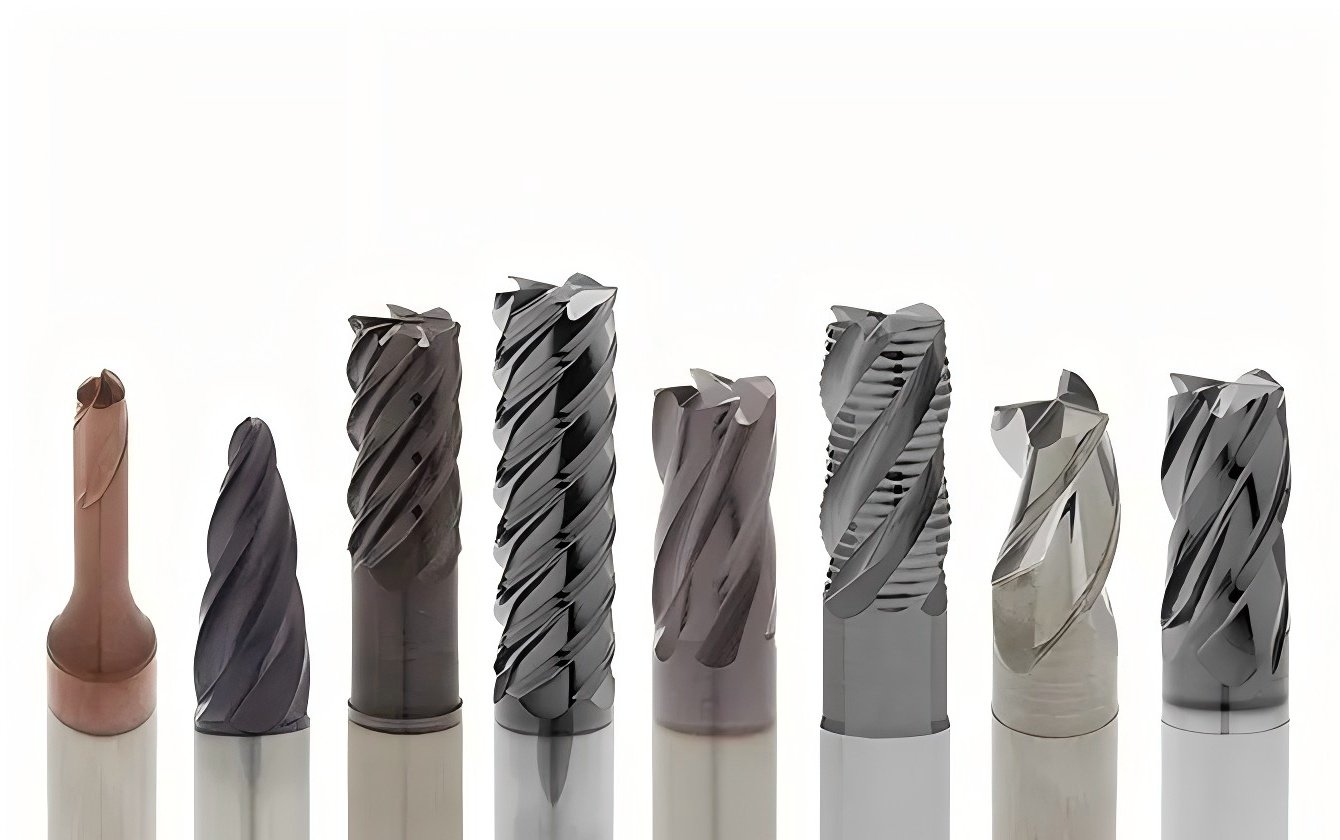
If you’ve ever swapped a “milling cutter end mill” from Brand A to Brand B—same diameter, same flute count, same program—and the cut suddenly felt