Skip to content
The Impact of German Standards on Tool Performance: Why German Carbide End Mills Lead the Industry
Table of Contents

Germany has established itself as a dominant player in the global carbide end mill industry. Key metrics show the size and growth of the domestic market: In 2024, production is estimated to have risen by just under 8 percent in nominal terms to EUR 15.2 billion, with exports growing by 9 percent. The export ratio reached almost 70 per cent, highlighting the industry’s competitiveness.
The market is characterized by strong demand, advanced infrastructure, and innovation-driven growth. Key sectors such as automotive, manufacturing, and technology drive expansion, supported by government and EU initiatives. Leading players like OSG, IZAR, ICS Cutting Tools, NS TOOL, and UNION TOOL underscore Germany’s capabilities in delivering high-precision, durable carbide end mills.
Let’s discuss it in detail!
Overview of the Carbide End Mills Industry in Germany
Germany’s carbide end mills industry consists of around 250 manufacturers ranging from global enterprises to small and medium-sized producers. The top 5 companies account for over 50 percent of domestic sales, showcasing some consolidation. Demand is derived from vital sectors like automotive, aerospace, machinery, and medical devices that need advanced machining solutions.
Exports drive growth as German brands are renowned for their quality and performance. Almost 75 percent of output is shipped abroad, underscoring their global competitiveness. The industry relies on state-of-the-art infrastructure and skilled labor to maintain its technical edge. Strong R&D pipelines also enable the development of innovative product generations.
Significance of German Standards for Carbide End Mills
German carbide end mill manufacturers have to comply with stringent norms specified by bodies like VDMA and DIN. This pressures them to maintain unparalleled quality and precision down to micron levels. Rigorous multi-stage validation ensures conformance to ISO 9001 standards before release.
Additionally, German companies invest heavily in R&D to integrate advancements like special coatings and geometries. The skilled workforce adeptly handles advanced 5-axis CNC grinding machines for complex machining needs. The focus on continuous improvement enables German end mills to deliver durability and consistency unmatched globally.
Automotive Industry Relies on German Carbide End Mills
With giants like Volkswagen, BMW, Mercedes-Benz, and Porsche, Germany has a robust automotive manufacturing base. This industry relies heavily on locally produced carbide end mills for machining precision components to tight tolerances using special materials. As vehicles get more sophisticated, demand for high-performance end mills will further rise.
Unique Demands of the Automotive Sector
The automotive industry requires extremely accurate machining for engine parts, powertrain components, and assemblies made using tough materials. Carbide end mills enable manufacturing transmission cases, camshafts, gears, and engine blocks within microns tolerance. They can also efficiently machine composites and aluminum alloys used for lightweight vehicles.
Advanced cutting geometries and special coatings allow removing material faster without affecting part integrity. The combination of precision, speed, and durability makes German solid carbide end mills integral for automotive production. They will grow more vital as electric mobility expands, requiring lighter, more efficient designs.
German Brands as Top Suppliers to Automotive OEMs
All major German automakers source carbide end mills from domestic manufacturers like OSG, Gühring, and Hoffmann Group, known for their quality. Their understanding of automotive needs and local proximity makes German brands the first choice. These companies also supply global automotive hubs in Eastern Europe, North America, and Asia.
Bosch, LMT Tools, and MAPAL are other leading players catering to German OEMs. Their expertise in machining engines, gears, and shaft production has made them automobile industry partners. As exports rise to meet global demand, purchases of German-made carbide end mills also increase indirectly.
Expansion in Electric Vehicles Further Driving Demand
Germany’s automotive market will rapidly electrify, with EV sales projected to triple to over 1 million units by 2025. This will drive demand for German carbide end mills as lighter materials like aluminum and composites would require precision machining. E-motors and battery packs also have tight tolerances, necessitating advanced milling.
As a sustainability leader, Germany is also encouraging domestic production of EVs. Volkswagen plans to have 6 plants making EVs by 2030, while Mercedes-Benz is investing over €40 billion into electrification. This manufacturing expansion will benefit local end mill suppliers like Gühring, OSG, and Iscar, further boosting sales.

Aerospace Industry’s Dependence on German Milling Technology
Germany has a long history of aviation innovation spanning leading OEMs like Airbus, MTU Aero Engines, Premium AEROTEC, and DIEHL Aviation. The industry relies on local carbide end mills producers to machine intricate aircraft components precisely using hard-to-cut materials. As global aircraft orders rise, it will drive more demand.
Specialized Needs of the Aerospace Industry
Aircraft construction requires machining strong, heat-resistant alloys like titanium, nickel and stainless steel for structural components. Carbide end mills enable meeting tight dimensional tolerances and superior surface finish. They also ensure consistency across long production runs for thousands of aircraft parts annually.
Milling cutters help machine intricate curvatures needed in aerofoil and fuselages using 5-axis CNC grinding. Deburring inside narrow openings also relies on small, durable end mills capable of withstanding high temperatures. Only German solid carbide end mills deliver this combination of precision, versatility and robustness.
Preference for German Carbide End Mills
German expertise in aerospace steel alloys has made domestic carbide end mill suppliers like Gühring, MAPAL and Hoffmann the foremost choice. They understand metallurgy complexities and can customize tools accordingly. German brands also have decades of experience supplying reputed aircraft manufacturers globally.
MAPAL’s recent innovations, like long-edge cutters for titanium, demonstrate the fast-paced R&D backing of suppliers. Companies also leverage Industry 4.0 technologies like AI for predictive maintenance and instrumentation to enhance end mill performance. This unrelenting progress has upheld Germany’s lead in aerospace milling.
Growing Aircraft Production Globally Benefiting Suppliers
Boeing and Airbus are ramping up aircraft production to meet their huge order backlog. Airbus aims to almost double its annual output to 75 jets a month by 2025. This would substantially grow demand for German-made solid carbide milling cutter tools over the next decade.
As low-cost airlines expand, especially in Asia, MRO activity also rises. German companies like Gühring and OSG provide special application end mills for repair and refurbishment. Emerging markets also represent the potential for exports as local aircraft and associated production grows.
Medical Devices Manufacturing Requires German Milling
Medical device manufacturing has stringent requirements for materials, tolerances, quality and processes. German carbide end mill producers cater to these unique needs for biocompatible, miniaturized components using special processes. As minimally invasive surgeries rise globally, demand grows.
Challenges in Machining Medical-Grade Materials
Machining implants, surgical equipment and diagnostic instruments require overcoming issues like work hardening in stainless steel and gummy machining of polymers. Components also have miniature dimensions with zero fault tolerance. Customized end mills adeptly handle these difficulties.
Carbide end mills minimize subsurface damage in polished materials like cobalt chrome alloy. They ensure homogenous texture critical for bonding biological material in applications like orthopedics. German suppliers have demonstrated mastery in producing such defect-free medical components.
German End Mills Trusted For Quality
Medical device production necessitates maintaining sterile machining environments and stringent validations. German carbide end mill makers comply with international standards for cleanliness and biocompatibility. Custom solutions also adapt to specific medical regulations across global markets.
Companies like OSG, DIXI Polytool, and Gühring supply leading medtech firms, including Siemens Healthineers, Bauerfein,d and B.Braun. Their consistency and process control builds trust in German carbide end mills’ reliability for sensitive medical uses.
Expanding Applications from Diagnostics to Implants
As global healthcare advances, medical devices require more sophisticated machining for smaller diagnostic parts to intricate implants. For instance, demand for superior orthopedic replacements is rising as osteoporosis cases grow. Production is expected to reach $9 billion by 2027, necessitating precise milling cutter bits.
Minimally invasive surgeries also employ miniature, multi-functional instruments relying on tiny end mills. Companies like Komet Medical develops specialized cutting tools advancing keyhole procedures. Rising cases will compel medtech firms to purchase more capable German end mills.

Adoption Across the Industrial Machinery Sector
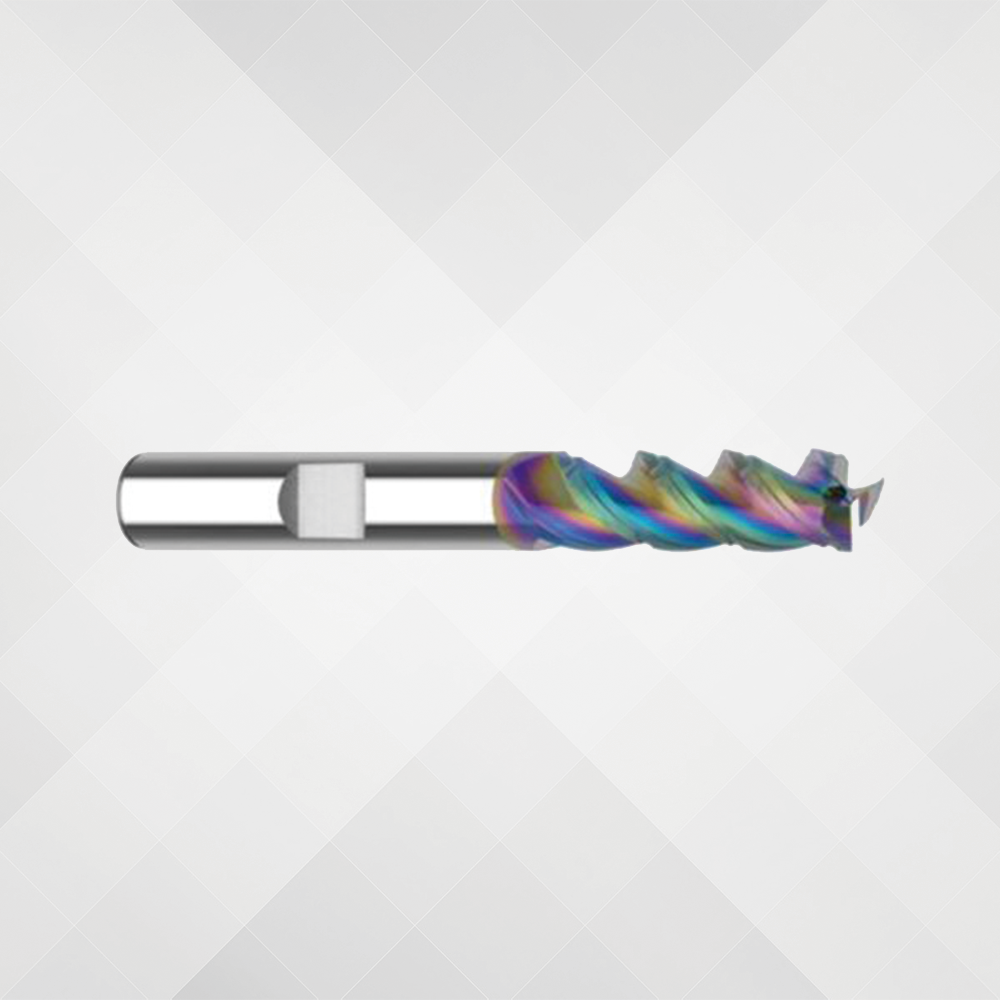
Germany’s machinery industry is the third largest globally, led by manufacturers of industrial, construction and agricultural equipment. Their production spans cast iron, steel, aluminum, plastics and composites needing versatile, durable end mills.
Range of Materials Used in Industrial Machinery
Construction machinery utilizes high-strength alloy steels for booms, arms and frames needing rigid end mills. Food processing equipment employs corrosion-resistant stainless steel handled well by titanium milling cutter aluminum. Carbide mills also efficiently cut composites and plastics in inspection systems.
Injection molding machines have components subject to wear and high loads necessitating very hard, durable cutters. Textile machinery uses light alloys benefitting from high feed rate end mills. This demonstrates the wide range of materials and respective milling needs catered by German tools.
Consistent Performance of German Carbide End Mills
The consistency and reliability of German carbide end mills make them suitable for industrial machinery’s demands. Their ability to handle steel, alloys, and hardened metals reduces production downtime and changeovers. Precision grinding also enables tight tolerances for the interchangeability of parts.
By increasing productivity and minimizing rework, German end mills offer outstanding returns on investment for industrial machinery builders. Brands like LMT Tools, Iscar and MAPAL best understand necessary capability tradeoffs, delivering both efficiency and consistency.
Investments in Industry 4.0 Driving Purchases
Germany’s over €40 billion in annual machinery investments will accelerate the adoption of automation and internet-connected systems. This will compel companies to replace outdated equipment and purchase newer CNC systems utilizing better carbide end mills.
Industry 4.0 integration allows remote monitoring of end mill conditions for predictive changes. Connectivity also helps gather machining data to optimize cutting parameters. As companies increasingly digitize operations, demand will grow for ‘smart-ready’ German cutting tools.
Factors Underpinning Dominance of German Carbide End Mills
German carbide end mill leadership stems from stringent quality protocols, precision manufacturing infrastructure, vast expertise and a flourishing machine tools industry continuously delivering advancements.
Stringent Quality Control and Assurance
Germany’s rigorous multi-layered quality control spanning certification bodies, industry associations and individual companies drives excellence. End mills undergo extensive testing to validate mechanical properties and machining performance before sales.
Stress testing procedures like 360 HRC Rockwell Hardness checks eliminate unreliable tools. Standards authority TÜV audits manufacturer quality systems for ISO 9001 conformity. Industry group VDMA has strict specifications upheld across members. This quality obsession gives German end mills their durability.
Precision Manufacturing Expertise
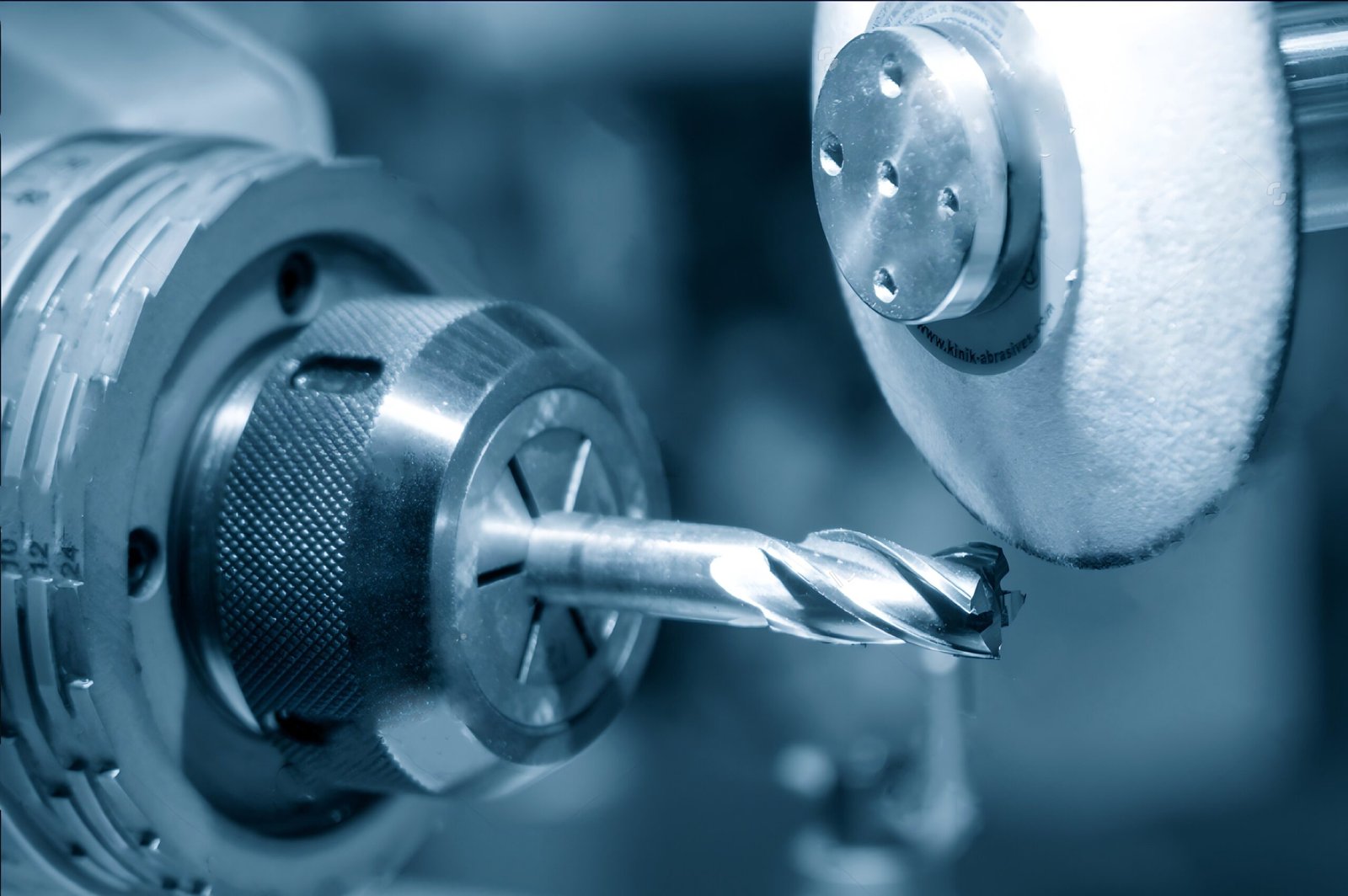
Leveraging advanced Industry 4.0 infrastructure enables precise manufacturing. 5-axis CNC grinders craft complex geometries while networked systems collect micro-measurement data for refinement. AI assists in predictive analysis for preventative maintenance.
Highly skilled engineers adeptly operate advanced equipment and leverage real-time insights to keep improving product designs and system productivity. Germany’s dual education system also develops manufacturing talent, ensuring future competitiveness.
Culture of Innovation and R&D
Germany spends over 3% of GDP on R&D, with the private sector contributing two-thirds of funding, underscoring industry commitment. Cutting tool makers closely partner with university institutes and participate in collaborative public programs to fast-track applied research.
For instance, the Frame research group has machining innovation hubs across German institutes and companies. Partners include Fraunhofer, Bosch, MAPAL, Sandvik and Institut für Werkzeugmaschinen, focusing on Industry 4.0, machining automation and process improvement. This ecosystem fuels impactful development.
Strong Domestic Machine Tools Industry
Germany’s globally leading machine tools industry offers proximity benefits to cutting tool firms. Companies easily access advanced grinding machines from unicorn startups like PemTec to incumbents DMG Mori for prototype development. Equipment investments also frequently upgrade capabilities.
The competitive intensity between over a thousand manufacturers also creates spillover effects, improving ancillary processes like metrological instrumentation. Cutting tool makers leverage this vibrant ecosystem both collaboratively and through their internal R&D, continually honing product development.
Challenges Faced Despite Market Leadership
While German carbide end mills dominate globally, competitive, operational and policy challenges complicate the industry outlook, requiring strategic pivots.
Pricing Pressures from Asian Competitors
Carbide mills’ commoditization allows low-cost Asian players, especially Chinese exporters, to undercut established German firms. Small manufacturers find it hard to compete, especially in emerging markets, further encouraging consolidation. This necessitates German companies targeting premium applications where quality matters more than price.
Shortages of Skilled Labor
Germany’s aging workforce and low unemployment rates make recruiting workers difficult. Cutting tool manufacturing requires experienced technicians running CNC grinders and other specialized machines. Rising wages also pressure profit margins. Expanding vocational training programs and workplace automation provide respite.
Export Licensing Delays
Lengthy delays for dual-use export license application processing affect cutting tool sales requiring government clearance. Wait times stretching over months lead customers to cancel orders, damaging the manufacturer’s reputation. Streamlining license reviews or increasing committee frequency to resolve the logjam are solutions.
Quality Carbide End Mills from a Leading Supplier
As we have already discussed, Germany sets the global benchmark for carbide end mill quality and precision. However, some manufacturers have grown in expertise and technological capabilities in recent years to emerge as competitive alternatives. Huana Tools represents one such reliable, high-value carbide end mills supplier.
Over 15 Years of Milling Cutters Specialization
With over 15 years of focus solely on cutting tools, Huana Tools leverages rich domain experience to deliver well-engineered, affordable solutions. Their product range spans carbide end mills, drills, inserts and more for versatile machining applications.
Continuous R&D also enables the incorporation of the latest advancements into tool designs for optimal field performance. Rigorous testing procedures validate mechanical integrity before shipment, underscoring commitment to quality.
Complete In-House Manufacturing Facilities
Huana Tools operates complete in-house production facilities spanning operations from pressing and passivation to coating and final packaging. This control over the entire supply chain allows maintaining stringent quality protocols.
State-of-the-art 5-axis CNC grinding equipment also imparts complex geometries with micron precision when needed. With special application tools gaining prominence, Huana Tools is well-poised to offer customization support as well.
Serving Customers Worldwide
In over 5 decades of operation, Huana Tools has exported cutting tools to 50+ countries serving global clientele. Key export markets include Europe, North America, and Australia, where products cater to localized requirements.
The company also provides comprehensive technical support spanning product selection, parametric optimization and troubleshooting. With both scale and agility, Huana Tools delivers a simplified, one-stop solution for carbide end mills and other machining equipment.
Future Outlook for German Carbide End Mills
Backed by rising industrial production globally, German carbide end mill sales are expected to grow steadily as more sectors adopt automation and advanced machining technologies in the coming years.
Projected Market Growth Globally
The global carbide-cutting tools market is projected to reach $23.8 billion by 2027, underscoring expanded applications across industries. As sustainability considerations grow, efficiency demands will also compel upgrades to newer, smarter machine tools, benefitting German suppliers’ sales abroad.
Domestically, too, increasing adoption of Industry 4.0 solutions will drive demand. Companies specializing in custom solutions for dynamic production environments will thrive catering to both factories of the future and traditional set-ups.
Maintaining Competitive Edge
As Asian players become more competitive through developing proprietary technologies, German companies will fight back through specialization rather than compete solely on price. Firms will harness decades of application expertise to provide bespoke solutions unmatched by new entrants.
Strategic partnerships, international collaborations and M&A deals will also continue enabling access to new markets and capabilities. Attracting talent through better compensation, smart factories and interesting R&D problems will retain Germany’s labor edge.
Potential in Emerging Economies
Markets like India and Southeast Asia will grow significantly as their manufacturing expands over the next decade. This creates export or partnership opportunities for German cutting tool firms, offering reliability combined with affordability.
Localization by setting up production and avoiding import duties also offers advantages. Understanding emerging market needs and aligning solutions to their relatively lower technological readiness will enable tapping potential.
DIN Milling Cutters Catalog
Click the button below to view our DIN milling cutters catalog and explore detailed product specifications to make the best choice.