Skip to content
Revolutionizing Milling: The Role of New Materials and Cutting-edge Technology
Table of Contents

The world of manufacturing has advanced so much that it is hard to recognize from where it started. With each step, technological advancement is introducing new tools and processes resulting in an ever-so-efficient, cost-effective, and sustainable production line.
There is one specific sector where the technological advancement has hit deeply and that is end mill and CNC milling. End mills specifically those operated by CNC (computer numerical control) have been making the process more and more efficient and precise.
HNCarbide has been among the top end mill bits and inserts manufacturers and a key contributor to these technological advancements for the better part of 16 years. Starting back in 2008, the company has contributed significantly to improving and sustaining the machining process.
In this blog, we are going to discuss the specific advancements that have paved the way for the machining revolution that we see today. We will also discuss how medium to large manufacturing facilities can benefit by staying up to date with these advancements.
The Evolution of End Milling
The traces of end milling can be found in the late 19th and early 20th centuries. The process was developed as a broader concept of milling machines and cutting tools. In the beginning, the process was limited to simpler shapes and manually operated machines that had less efficiency and limited cutting capabilities.
By the early 20th century, vertical milling machines were introduced which revolutionized the milling process. These machines provided the ground for more complex tooling and more precise cuts. Initially, the focus was on wood and other softer metals, but by the time improvements were made to add in different metals that we see today.
By the mid-20th century, the design and capabilities of end mills had taken a 180-degree turn making them ever more efficient and precise. Gone were the days of manual machines and less complex designs. These machines were now able to make intricate patterns with more efficiency.
Then in the 1970’s and 1980s, the industry saw the arrival of carbide end mills, which was nothing short of a major breakthrough. The hardness and heat resistance of Tungsten Carbide allowed these machines to run at speeds that were never seen before while providing an extended tool life.
In the 1980s, the industry saw the efficiency and precision of milling machines burst through the roof with Computer Numerical Control (CNC) machines. These machines allow Complex tool paths, customization, multi-flute designs, and much more.
Today end mills are machines that provide superior durability, and customized geometric designs to enhance productivity across various industries. And this has not happened overnight, the industry has waited patiently and improved over the years so that we are able to see the milling machines we see today.
Versatility in Modern Milling Equipment
If there is one thing that has kept the milling process so relevant throughout history it is probably its versatility. The diverse applications of the machining process are all due to the versatile equipment used in the process. Let’s talk about some of the important equipment that has helped in achieving the modern form of machining.
Carbide End Mills
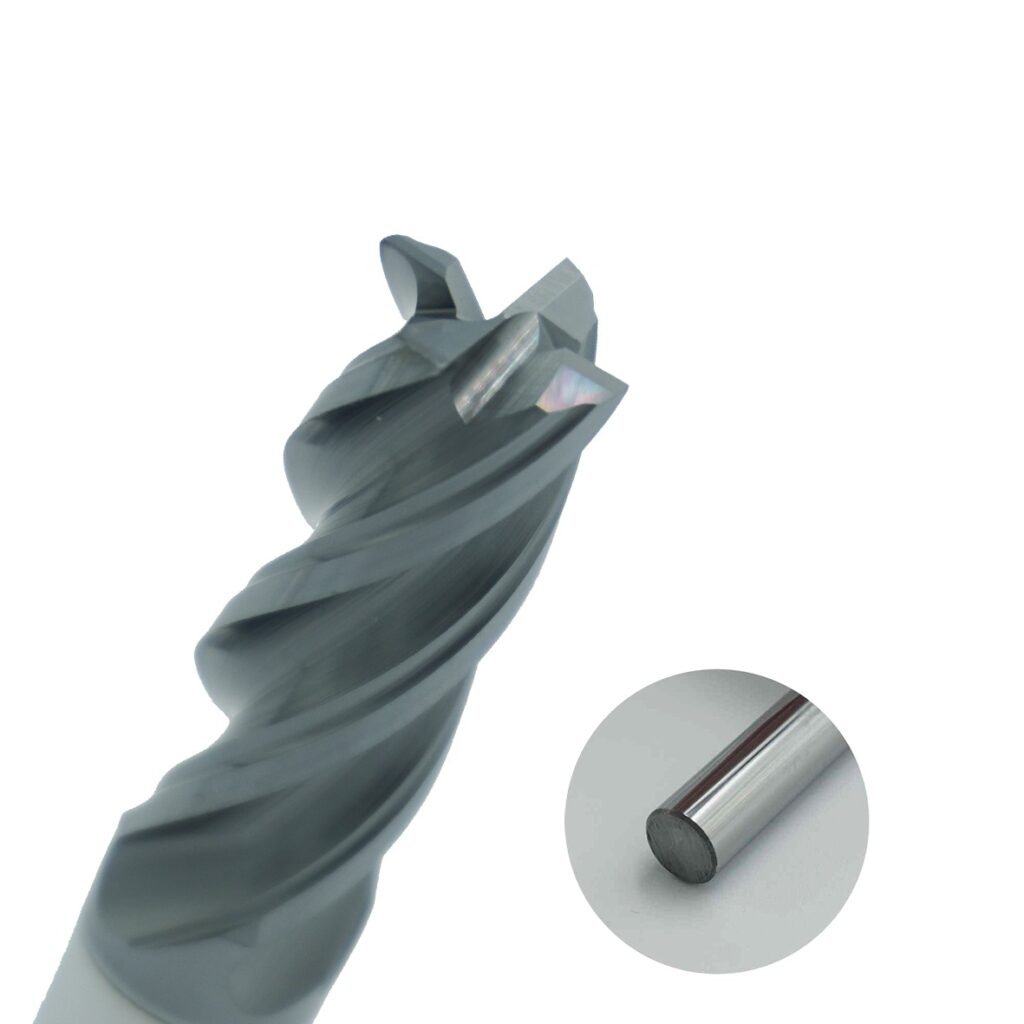
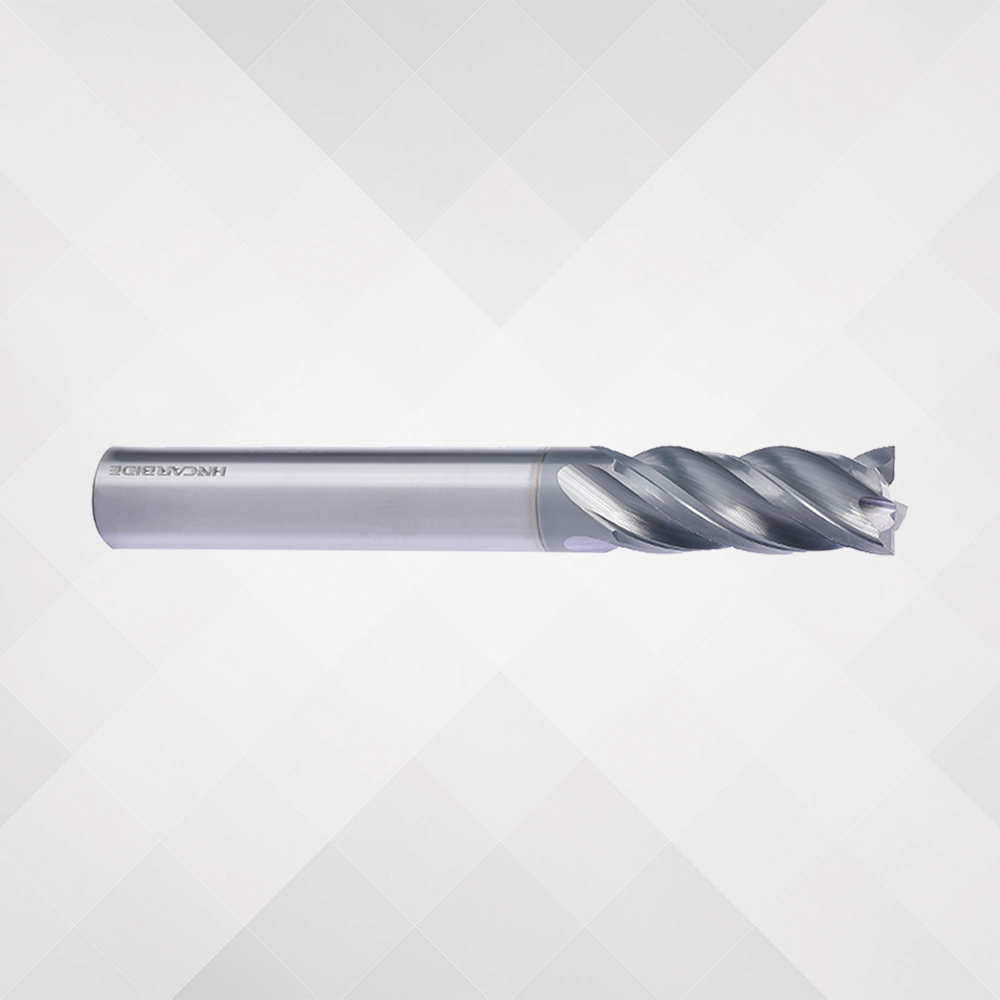
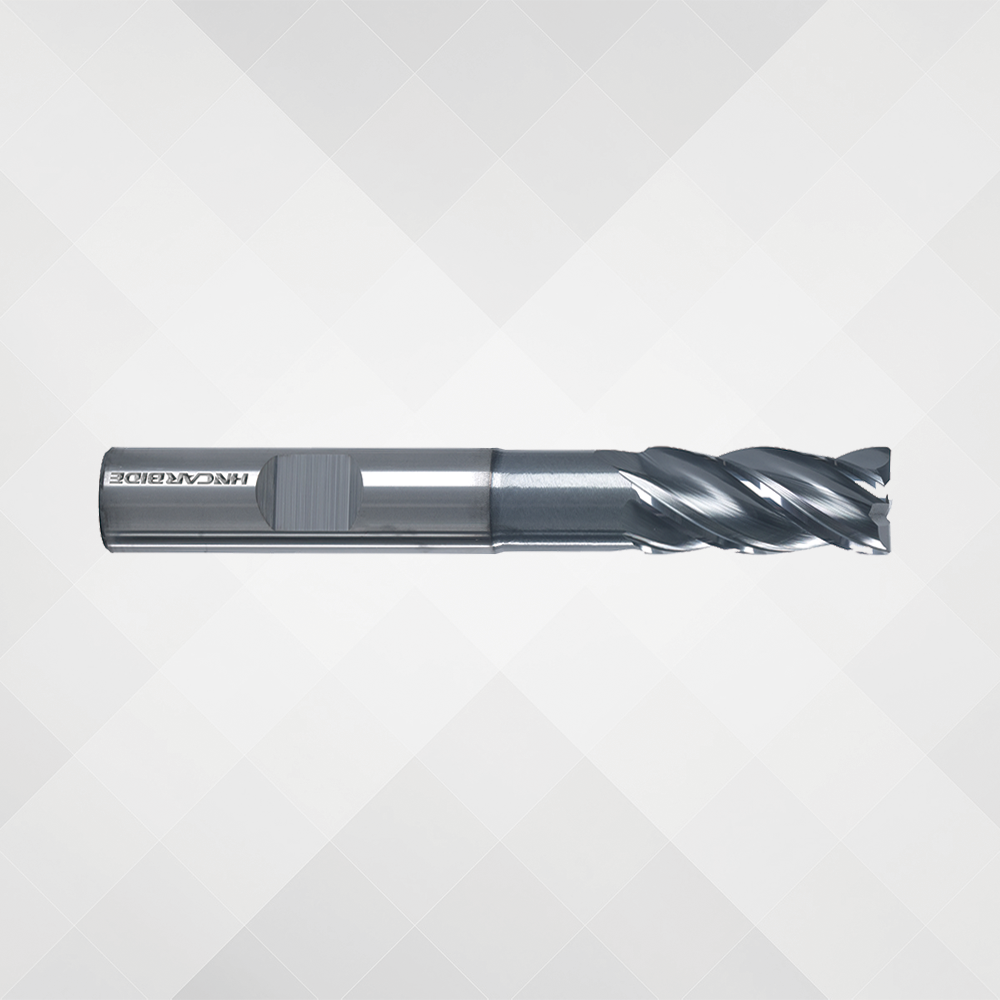
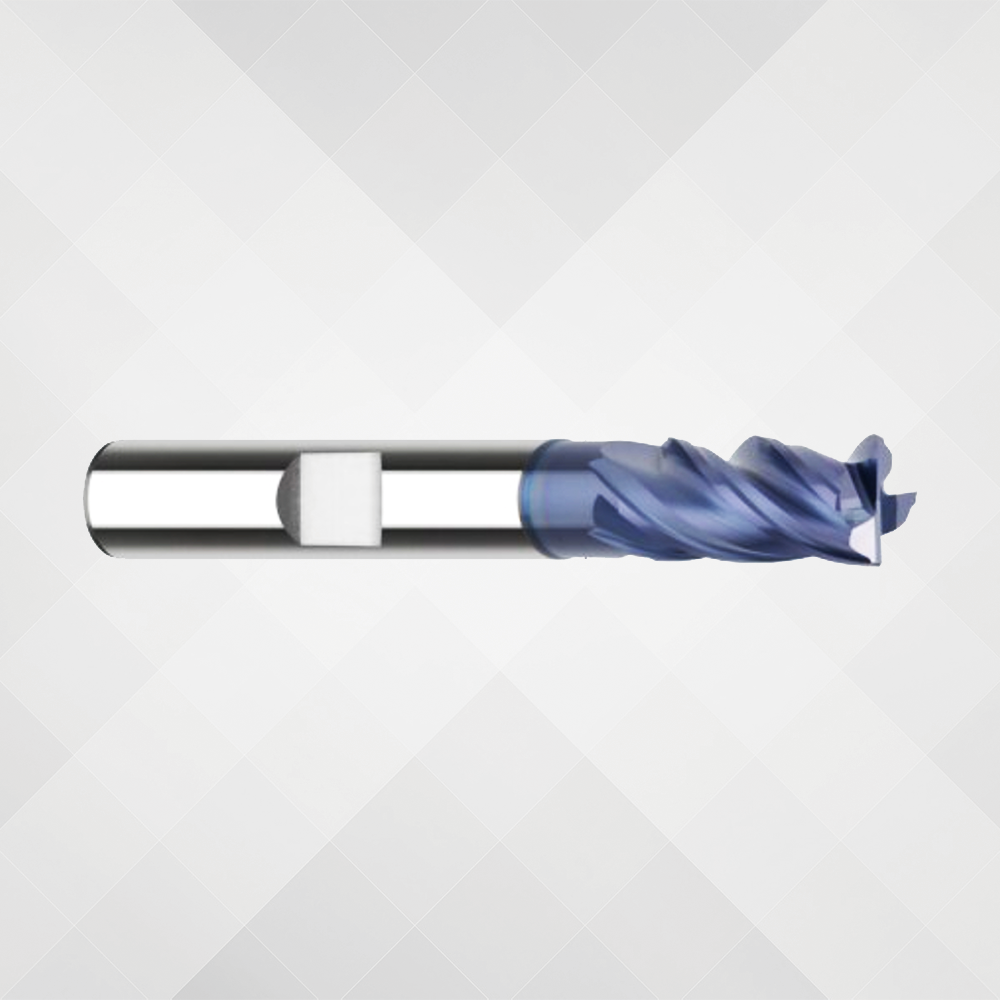
Carbide and mills are rotary milling tools made of Tungsten Carbide and Cobalt and are used to remove metal from a workpiece. They are made from Tungsten Carbide bonded with Cobalt and are crucial tools in CNC milling operations and Manual machining.
Carbide end mills are most commonly used for low-carbon steel, cast iron, medium-hardness materials, and all kinds of Titanium alloys. If you are looking for high-quality 4 flute end mills, or 2 flute end mills with extended reach and shank options reach out to HNCarbide.
Our Carbide mills provide better wear resistance on different metals in different conditions which makes us a better option when looking for performance and affordability. With top-of-the-line production facilities, you can have your needs met with minimum spending.
Carbide Drills
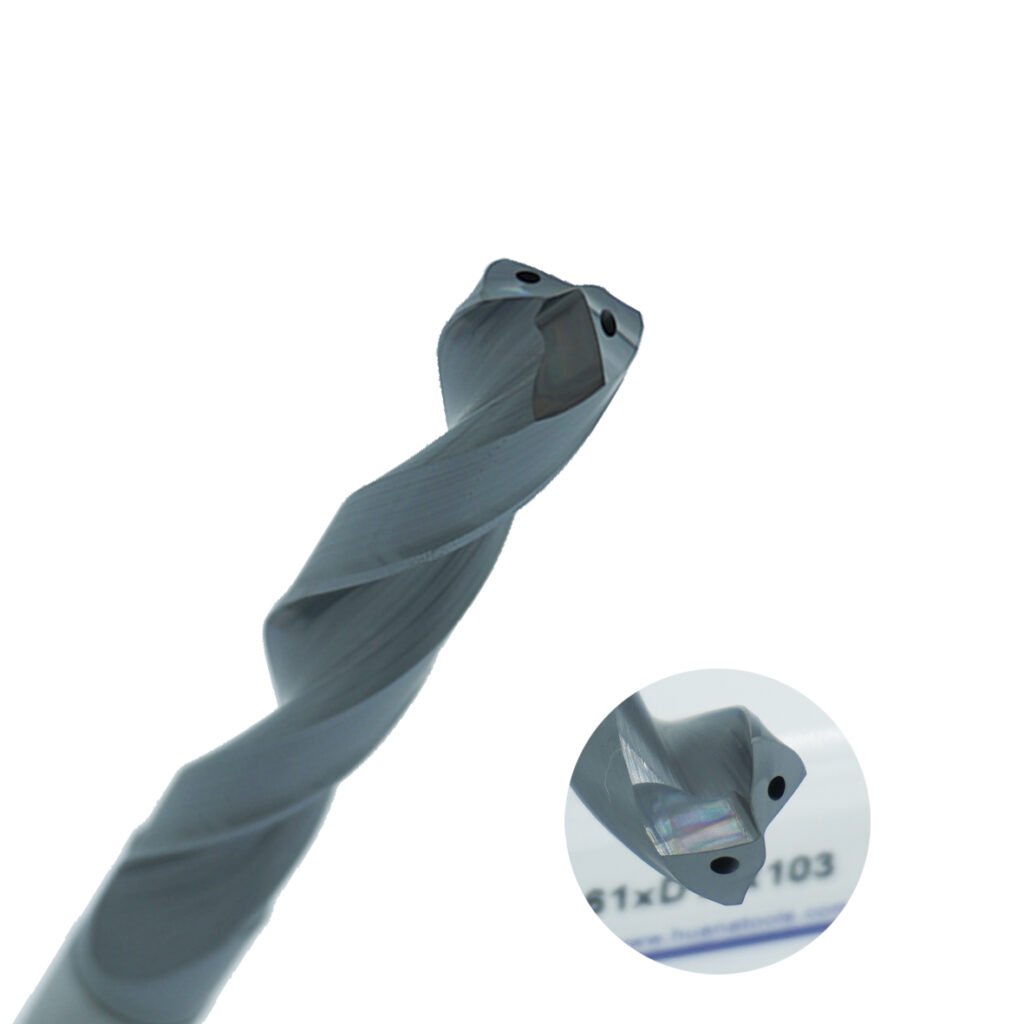
Carbide drills are well-known rotary cutting tools used for drilling holes in various materials and are famous for their extreme strength and durability. This strength allows them to maintain their shape while working at high temperatures and speeds. They provide a much better performance than HSS(high-speed Steel) drills.
Carbide drills are most commonly used for high-speed applications and to cut through tough materials like stainless steel, cast iron, and other non-ferrous materials. It’s due to their rigidity and high wear resistance under pressure that they are able to produce precise and faster drilling while providing a longer tool lifespan.
Based on functionality Carbide drills are available in two types: Carbide drills with cooling holes and Carbide drills without cooling holes. If you are looking for carbide drills for your business then HNCarbide is a must-visit for you.
Spiral Router Bits
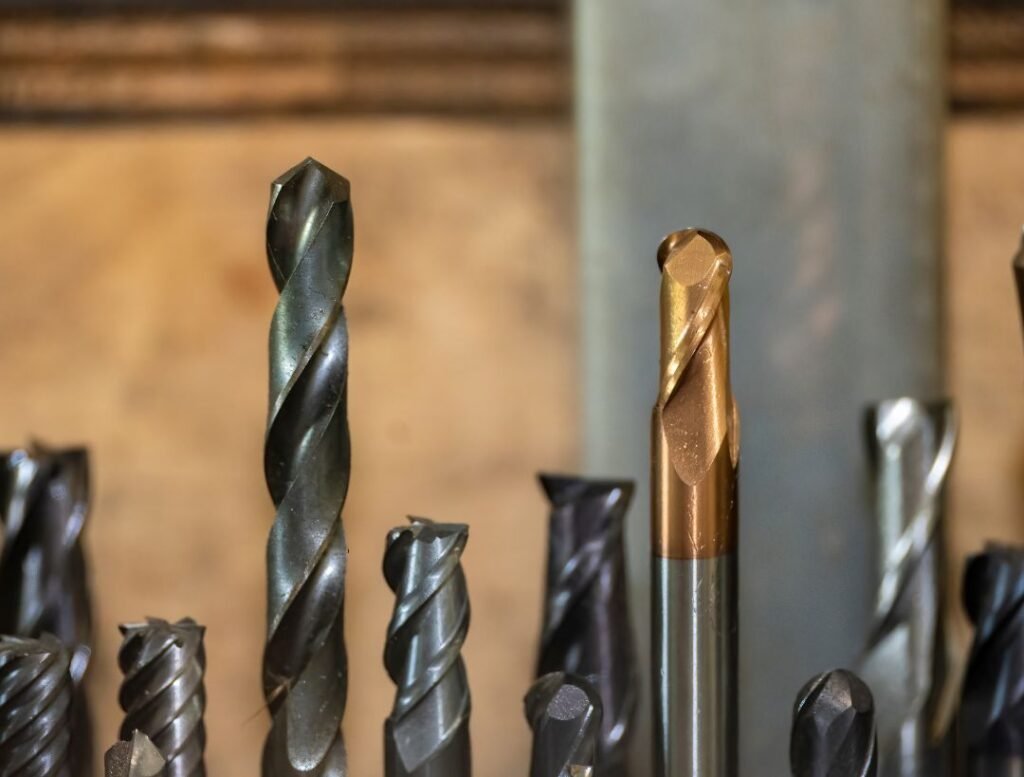
Creativity peeked with these end mill bits as they have diverse applications in metalworking, woodworking, and other plastic manufacturing. These are some of the most versatile and commonly used cutting tools in the industry. They are available in a large number of shapes and materials to suit various requirements.
Let’s talk about some of the most common applications of these bits.
Face Milling: These bits are often utilized to create a flat surface finish by moving material across the width of the cutter.
Pocket Milling: End mills can machine pockets, slots, and other recessed features by cutting along the side and bottom of the workpiece.
Plunge Milling: Solid carbide end mills with specialized geometries can efficiently remove material by plunging directly into the workpiece.
Rapid Prototyping: End mills of various sizes and geometries are essential tools for CNC-based rapid prototyping and model-making.
Part Customization: Versatile end mills allow for the efficient machining of custom parts, fixtures, and tooling.
Education and Research: End mills are widely used in academic and research settings for hands-on learning, product development, and experimental applications.
This is just the tip of the Iceberg, these end mill bits are available in multiple shapes and dimensions allowing them to be used in any project you want.
The single flute bits available at HNCarbide are a perfect solution if you want to machine aluminum brass plastic or any other soft metals. Their unique design allows them to machine non-ferrous materials and create more space for chip evacuation at a faster feed rate.
New Materials and Technology in Milling
The machining world has seen other wonders apart from CNC, these advancements in materials and technology have made the process significantly durable and efficient. Let’s talk about some of them.
Advanced Coatings:
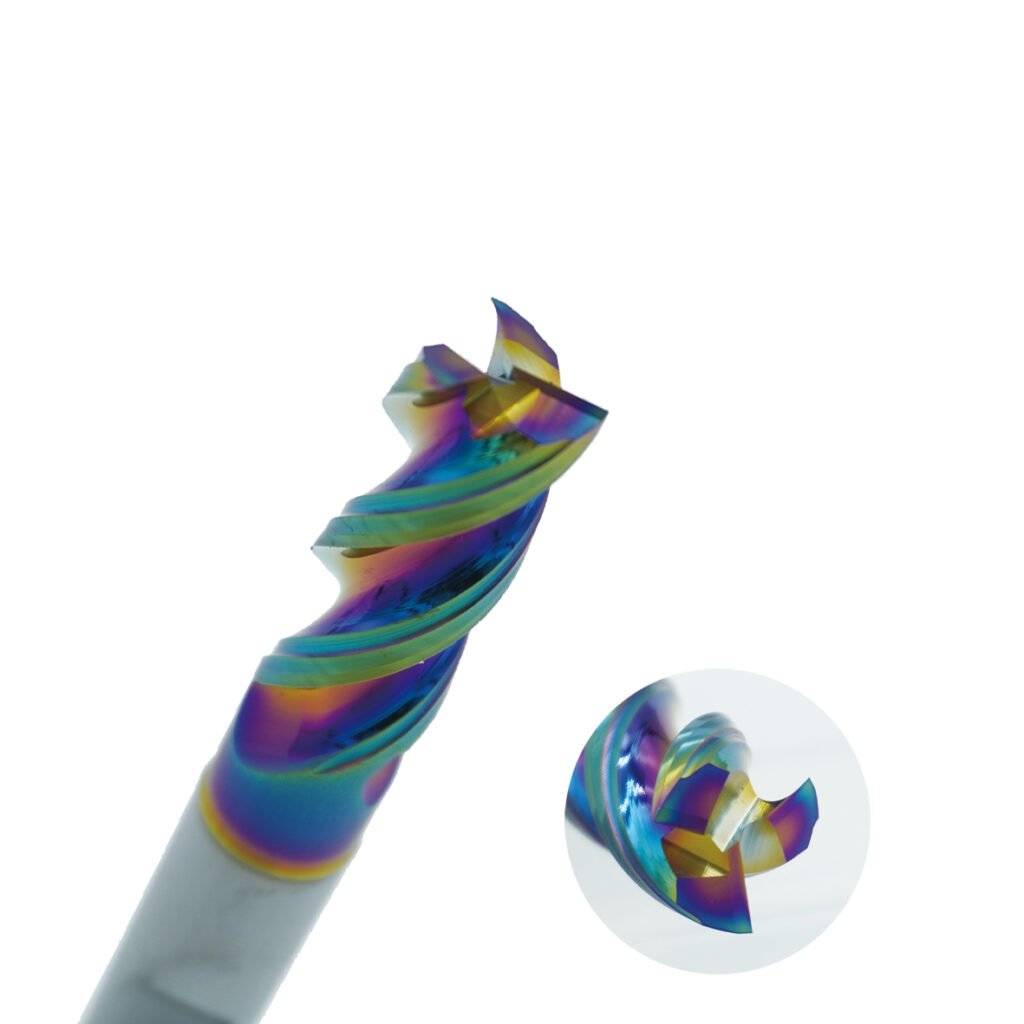
Modern coatings like titanium aluminum nitride (TiAlN), diamond-like carbon (DLC), and aluminum chromium nitride (AlCrN) have transformed tool performance and life span. TiAlN is especially known for its heat resistance which allows tools to work at exceptional speed without degradation. DLC Coatings are applied for low friction surfaces which is important in reducing material build-up and avoiding wear and tear of the equipment.
AlCrN Provides great oxidation stability and wear resistance, which makes it suitable for tougher applications. These coatings are modern time marvels of the industry, as they provide milling operations the required properties needed to thrive in the market
Carbide and Hybrid Materials:
Solid carbide and its blends have greatly revolutionized the milling process by significantly boosting the strength and machining capabilities. Carbide and its blends are known for their great strength and this strength has taken the milling industry to a whole new level.
This strength and durability have opened gates for efficient material removal and high-precision cuts. To further up the level Carbide is open combined with Cobalt and other toughing agents. This offers a blend of hardness and toughness by increasing the wear resistance while extending the tool’s life. These hybrid materials are well suited for high tensile strength materials and demanding applications.
Polycrystalline Diamond (PCD) Tools:
PCD tools are well-suited for composite materials and non-ferrous metals due to their exceptional strength and hardness. The wear resistance of PCD is only second to pure diamond. This level of hardness Allows it to withstand wear while machining materials that are of an abrasive nature.
Since PCDs are made from diamond, they have a hardness very close to pure diamond. Pure diamond has a hardness of 10,000 Hv, while PCD has a hardness of 6500-7000 Hv. This hardness comes at a fortune, making PCDs one of the most expensive milling equipment.
Smart Tooling:
With the help of smart tooling, we can integrate Internet of Things (IoT) technology into the milling tools. This will allow us to monitor the performance and efficiency of these machines in real-time. This innovation provides real-time feedback on key parameters like temperature, vibration, and wear and allows manufacturers to optimize tool usage, schedule maintenance and prevent tool failure.
Data is the key in any field and machining is no exception. This real-time data will allow manufacturers to optimize their processes while reducing the cost associated with the machining process. By helping in forming predictive maintenance strategies smart tooling tooling will allow for a more streamlined and efficient machining process.
These innovations have collectively improved the cutting Precision by expanding to life and reducing production downtime. And that’s not it the milling world is still growing at an unprecedented pace, so we can expect advancements in the future also.
How HNCarbide Is Leading the Way?
HNCarbide has led the industry for the better part of 16 years now. With three top-of-the-line production facilities and an annual production capacity of 300,000 pieces, we are a go-to option for anyone looking to buy high-end milling equipment.
We have successfully qualified ISO9001:2008 and have a fully functional wholesome distribution system in place. We are committed to providing quality across all our aspects. We call this “The HNCarbide standard” which drives us to provide quality and sustainability throughout the process.
Our proud product range includes Carbide end mills, Carbide inserts, Carbide drills and HSS tools. If you need help with a quote or any technical problem you can reach out to our support.
Conclusion:
The milling process has seen various phases of technological advancements throughout history. Be it the introduction of carbide end mills or the evolution of CNC milling, each advancement has affected has shaped the machining process the way we see it today.
Looking at the history of the machining process we can be sure that the future holds a lot of surprises for us. We are sure to see a lot more advancement in this field than we have already seen. The key is to stay updated about the growing trends and be in touch with industry leaders like HNCarbide.