Choosing the Right Drill Bit: HSS vs. Carbide vs. Cobalt
Table of Contents

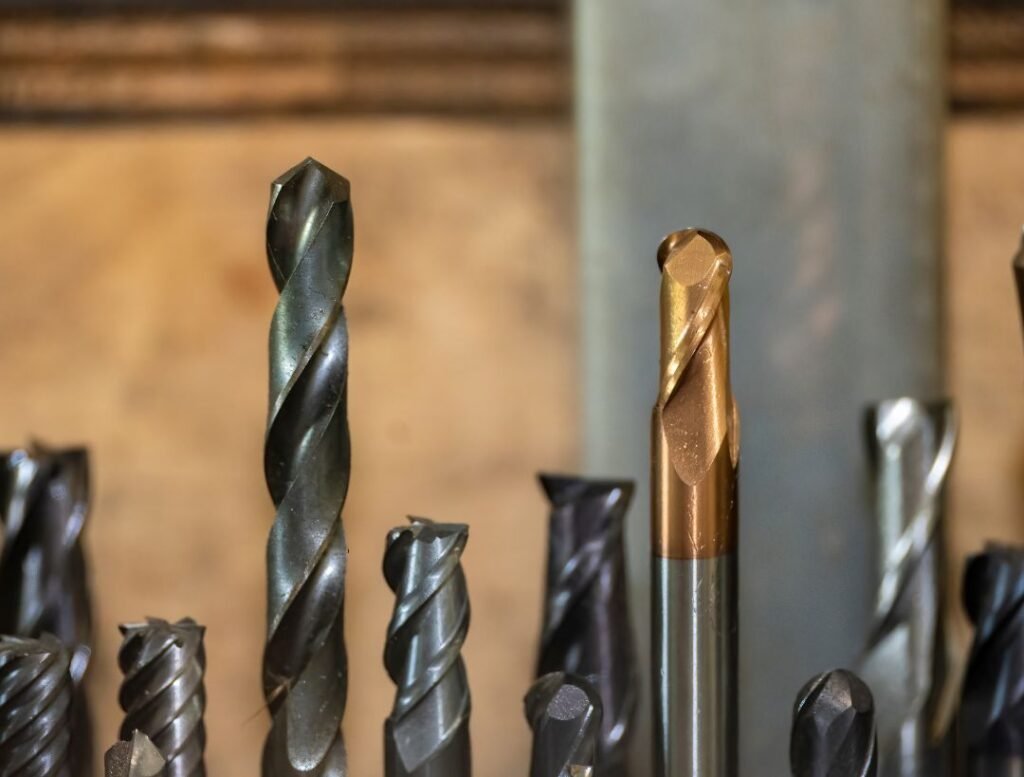
When it comes to drilling, having the right drill bit for the job makes all the difference between a smooth operation and a frustrating experience. With so many options available like high-speed steel (HSS), carbide, and cobalt drill bits, it can get confusing to decide which one to choose.
There is no universally “best” drill bit type. HSS bits are most economical, carbide bits are hardest and most durable for intensive jobs, and cobalt bits balance cost versus strength. The optimal drill bit depends entirely on your application’s specific demands – whether that prioritizes affordability, heat resistance, drilling precision, or rapid production.
Lets discuss everything you need to know about the most common drill bit types.
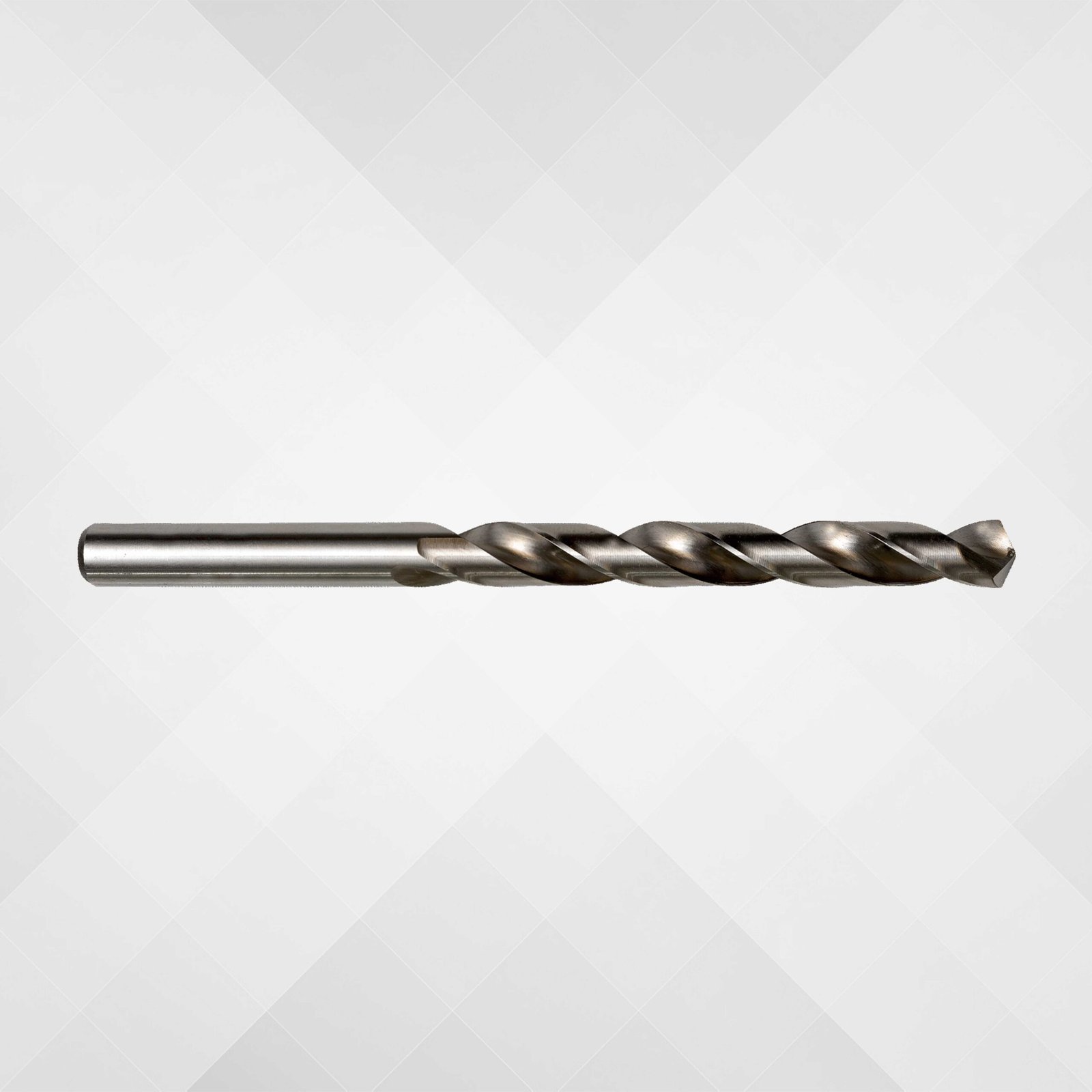
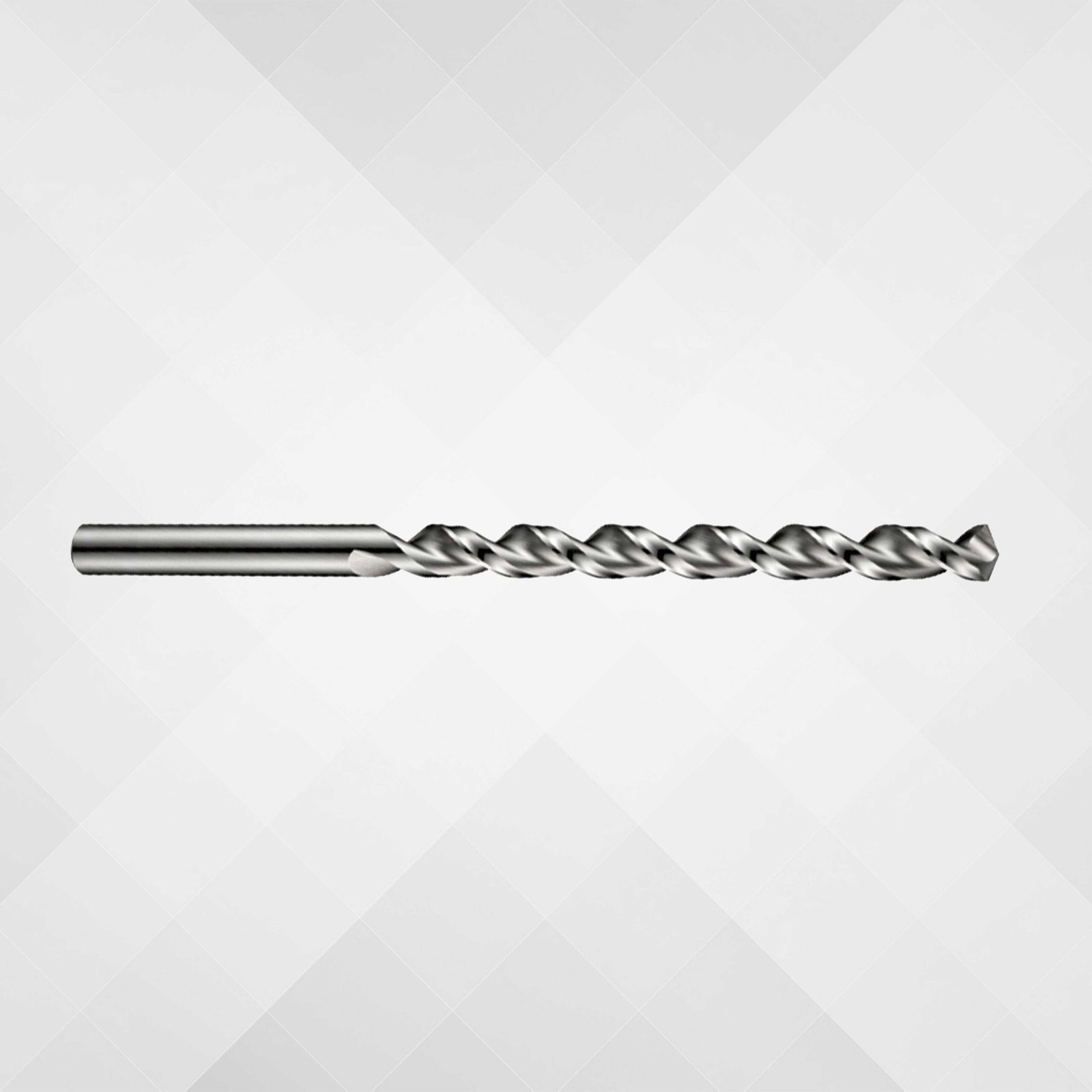
Introduction to Drill Bits
Before we talk about the differences between specific drill bit types, let’s briefly go over what they are and their key features.
What are HSS Drill Bits?
HSS or high-speed steel drill bits are highly versatile and durable, making them the most widely used type. They are constructed from steel alloy containing elements like carbon, tungsten, chromium, vanadium, and cobalt.
Some standout features of HSS drill bits include:
- Heat Resistance:The high concentrations of alloying elements allow HSS bits to retain hardness and cutting edge at high drilling temperatures. This makes them suitable for high drilling speeds.
- Durability:Properly maintained HSS bits provide long service life across various drilling applications. They can drill through metal, plastic, plywood and more.
- Cost-Effectiveness:HSS bits are very economical compared to other drill bit types. Coupled with long tool life and re-sharpening capacity, they offer great value.
- Flexibility:HSS bits are less prone to breaking or chipping when encountering obstacles. This flexibility prevents damage, especially in hands-on applications.
Some examples of materials HSS bits can drill through include:
- Wood
- Plastic
- PVC
- Mild steel
- Aluminum
- Stainless steel
- Cast iron
Over time, HSS bits may require sharpening to restore cutting performance. Let’s now look at carbide drill bits.
What are Carbide Drill Bits?
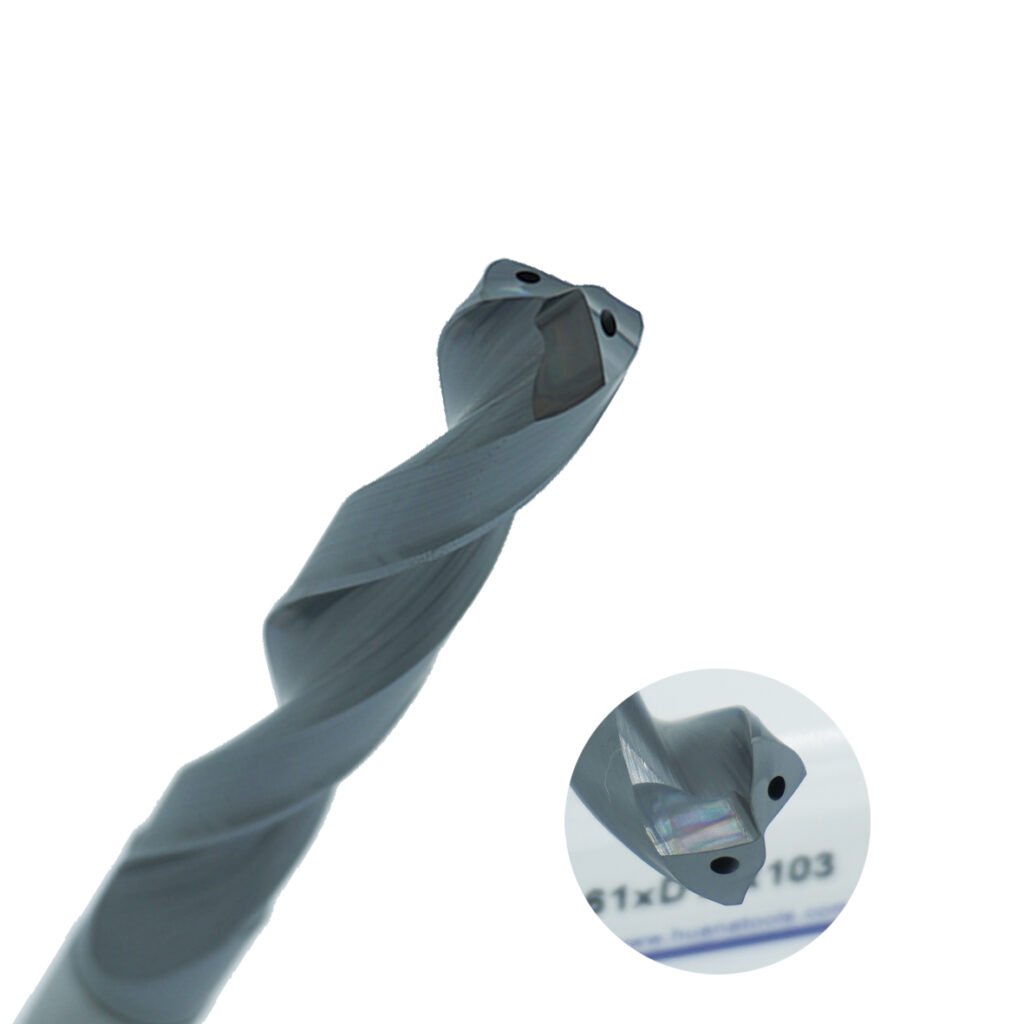
As the name suggests, carbide drill bits are constructed from extra-tough tungsten carbide cement. They are incredibly hard and can drill through the most demanding materials with ease.
Here are some notable features of carbide drill bits:
- Hardness:Carbide bits harness the extreme hardness of tungsten carbide alloy, allowing them to drill tough materials like stainless steel, cast iron, ceramic, glass, and stone.
- Wear Resistance:The hardness of carbide also makes carbide drill bits highly resistant to abrasive wear, resulting in exceptional durability and longevity.
- Heat Tolerance:Carbide bits maintain hardness and cutting edge even under extreme heat, making them perfect for high drilling speeds.
- Precision:The welded carbide tip allows for a sharper and more compact cutting edge. This leads to precise and accurate holes.
Carbide-tipped bits do have a downside though – they can be more brittle and prone to chipping than steel bits. Proper precautions are needed when handling them.
What are Cobalt Drill Bits?
Cobalt drill bits are essentially HSS bits that have some percentage of cobalt alloyed into them, typically 5-8%. The addition of cobalt gives them certain advantages:
- Enhanced Heat Resistance:The high heat tolerance of cobalt further boosts the thermal properties of HSS, allowing cobalt bits to withstand more heat.
- Higher Speeds:Greater heat resistance means cobalt bits can operate at higher rotational speeds than standard HSS bits.
- Increased Hardness:Cobalt enhances hardness, strengthens cutting edges, and makes bits more resistant to wear. This leads to better durability.
- Performance on Tough Materials:Cobalt bits can drill materials like hardened steel, titanium and stainless steel – more effectively than plain HSS bits.
However, cobalt bits are costlier and still carry the risk of chipping if mishandled.
Key Differences Between HSS, Carbide, and Cobalt Drill Bits
While HSS, carbide and cobalt drill bits have overlapping capabilities, they have some key differences that impact their drilling effectiveness, suitable applications, price point and more.
Composition and Materials
The materials and composition are what give each drill bit their unique properties.
HSS bits are made from an iron base containing alloying elements like carbon, tungsten, chromium, vanadium, and 4-8% cobalt. Carbide bits consist primarily of tungsten carbide cemented by a small cobalt binder (6-8%). Cobalt drill bits have an HSS base but contain higher cobalt content between 5-8%. This higher percentage of cobalt gives cobalt bits heat resistance approaching that of carbides while retaining HSS traits like strength and re-sharpenability.
Durability Comparison
While durable for their low price, HSS bits have the shortest lifespan among the three types. Regular sharpening can help maintain their cutting performance. Carbide bits showcase extreme hardness and wear resistance that allows them to achieve the longest working life among drill bit varieties. They can maintain sharp cutting edges for 100X the holes compared to just 10X holes for HSS before dulling occurs. The addition of cobalt provides cobalt bits upwards of 30% longer service life compared to standard HSS bits when drilling abrasive or hard alloys. So when drilling large diameter holes in durable metal materials, cobalt bits deliver durability comparable to carbides but without their premium cost.
Heat Resistance
Heat is the mortal enemy of drill bits, rapidly deteriorating cutting edges. HSS bits start losing their hardened state at temperatures exceeding 600°C. Coolants can aid performance when heat buildup is expected. In contrast, carbide bits carry unparalleled thermal fortitude – they retain sharpened cutting ability even at extremes beyond 1200°C! No external cooling is necessary.
Cobalt bits fall in between HSS and carbide in terms of heat tolerance. They endure temperatures crossing 1000°C without deterioration. For most materials, no coolant is required. The cobalt enhancement allows cobalt bits 50-100% higher speeds compared to standard HSS while also granting superior heat resistance. But carbide drill bits remain the undisputed heat champion.
Ideal Applications
The optimum drilling applications for each bit depends on respective hardness, brittleness, durability, precision factors and more. HSS bits are ideal for general purpose drilling tasks encompassing metal alloys, wood, plastic etc. They work well for small to moderate hole sizes. HSS bits are also common for maintenance and repair jobs as well as handheld drilling or drill press setups. Their economy and resilience handles common workshop needs while absorbing off-axis loading from manual use.
On the other end of the spectrum, carbide bits uniquely fulfill drilling requirements posed by the hardest metal materials e.g. treated stainless steel and iron alloys, tough composites etc. Plus only carbides have the uncompromising durability needed for repeated drilling of large diameter holes and high volume production environments.
Cobalt-enhanced HSS bits bridge the gap between entry-level HSS and hardcore carbides to offer a balanced option. Their strengthened construction bridges light DIY use to more demanding metal drilling in alloys like stainless steel, titanium, and heat/wear-intensive nickel superalloys. Cobalt bits bring a taste of high-performance drilling without the extreme cost.
Here is a comparison table summarizing the key differences between HSS, carbide, and cobalt drill bits:
Feature | HSS Bits | Carbide Bits | Cobalt Bits |
Composition | Iron base with <8% cobalt | Tungsten carbide with 6-8% cobalt binder | HSS base with 5-8% high cobalt content |
Durability | Least durable, can drill 10X holes before dulling | Most durable, drills 100X holes before dulling | 30% longer lifespan than HSS bits |
Heat Tolerance | Up to 600°C | Over 1200°C | Up to 1000°C |
Cost | Most affordable | Most expensive | Moderate price |
Ideal Applications | General purpose drilling in metal, wood, plastic. Smaller holes. DIY use. | Hard metals, tough alloys, composites. Large diameter and high volume holes. | Bridging light DIY to demanding stainless steel and exotic metal drilling. Semi-pro use. |

How to Choose the Right Drill Bit
With so many types of bits optimized for particular needs, choosing the best drill bit isn’t always straightforward. Certain factors must be weighed – here is how to pick just the right one:
Factors to Consider When Selecting a Drill Bit
Whether it’s stainless steel or plywood, the right bit for the material is essential. Here are some key factors to consider:
Material Being Drilled
The work material’s hardness and abrasiveness decide suitable drill bits. Why choose blindly and risk poor performance or bit damage? Instead:
- Ask your material supplierabout the exact grade, alloy percentage, heat treatment status, etc. This reveals mechanical properties to shortlist candidate bits.
- Consult drill bit manufacturers. Leading brands like Milwaukee, Bosch, and Dewalt have detailed compatibility charts for their bits against various materials.
- Consider thickness:Thicker metal demands more cutting “muscle”. Cobalt or carbide may be needed over HSS for 10mm+ steel. For plywood over 50mm thick, stick to HSS or carbide.
Buying the wrong drill bits for materials leads to tears and wasted money. Do your homework before purchasing!
Project Requirements
Drill bit precision, durability needs, production volumes etc. depend heavily on the project:
- Simple DIY projects like installing wall mounts need only basic HSS Why splurge on fancy cobalt or carbide bits?
- For high-precision metalworking, only carbide’s unequaled hardness controls hole size/roundness accurately across large production batches.
- Carbide bits also suit professional high-volume drillingdemands despite steeper cost. Their extreme durability outlasts regular bit replacements.
Consider what drill bit qualities your unique project calls for rather than relying on “one-type-fits-all” assumptions. Customize!
Budget Considerations
Drill bit type carries major price implications, for example:
- HSSbits cost just several dollars for common sizes – perfect for no-fuss home use.
- Cobaltbits run 2-3X more than HSS counterparts when durability gains outweigh cost.
- At 5-10X the price of HSS, carbidebits make financial sense only for commercial shop needs.
While price shouldn’t be the sole decision factor, buy drill bit performance suited to budget parameters. Why pay extra without clear needs?

When Should You Choose HSS, Carbide or Cobalt?
We’ve covered drill bit basics extensively. Now let’s directly compare options you have for specific use cases:
HSS Bits
HSS bits should be avoided for drilling hardened metals that exceed 45 HRC – their lack of hardness leads to premature wear. However, HSS is perfectly suitable for non-hardened varieties of tough alloys like stainless steel, titanium, Monel etc. HSS also works great for drilling wood and plastic materials – its resilience handles issues like splintering or deformation far better than harder but extra-brittle bits. For general, medium-duty DIY drilling applications, the economical HSS bit remains a backyard staple.
Carbide Bits
In contrast, stainless steel drilling only warrants the extreme hardness of carbide bits when holes are mass-produced, such as in industrial fabrication. Otherwise cobalt suffice at lower cost. Carbide bits uniquely have the endurance to withstand consecutive drilling in materials like hardened cast iron and abrasive tool steel alloys. Carbide masonry bits also exclusively suit stone and concrete drilling – their knurled design matches needed hardness while steel bits fall short. For the most demanding drilling rigors across industries, only cemented carbide bits have the unmatched toughness.
Cobalt Bits
Cobalt bits bridge the gap between HSS economy bits and overkill ultra-hard carbides. Intermittently drilled holes in DIY projects do not justify costly cobalt bits over cheaper HSS alternatives. However, cobalt substantially outlasts HSS variants when drilling frequent holes in nickel/chromium stainless steel and duplex alloys. Cobalt bits also withstand demanding exotic superalloys that cause premature HSS failures. Optimized cobalt hardness-to-cost suits semi-pro drilling volumes.
Getting Help Selecting the Right Drill Bit
We’ve covered a ton of ground when it comes to important differences among drill bit flavours. But what if you need guidance selecting just the right drill bit for your exact job?
Huana Tools – Your Trusted Source for High-Quality Tools
We are a leading manufacturer and supplier of high-performance cutting tools and solutions. With over 15 years of expertise, Huana Tools offer milling cutters, drill bits, inserts, and other CNC tooling to meet your machining needs.
One-Stop Shop Meeting All Your CNC Needs
As your one-stop CNC tool shop, we provide everything from end mills and carbide drills to thread mills, engraving bits, and more. Our expansive inventory allows you to source all your tooling from one reliable provider.
Committed to Quality and Affordability
We utilize strict quality control and advanced manufacturing to produce cost-effective tools without compromising durability and precision. Our carbide and cobalt tools deliver exceptional performance and longevity at affordable prices.
Swift Delivery and Comprehensive Support
With an extensive global distribution network, we ensure swift delivery across 50+ countries. Our technical experts also provide guidance on optimal tool selection, usage recommendations, troubleshooting, and more.
Continuously Evolving and Innovating
As a forward-thinking market leader, we continually expand our carbide and HSS offerings and invest in the latest grinding and coating equipment. This ensures we supply the most advanced tools incorporating the newest innovations.
Contact us today to make us your trusted cutting tool partner now and for years to come!
Conclusion
Whether you’re drilling wood or hardened steel alloy, success begins with the right drill bit! HSS, carbide and cobalt bits occupy their own spaces – from value-priced general utility to cemented durability to high alloy toughness respectively.
Matters like hardness, precision, heat tolerance and lifespan carry tradeoffs across bit types and costs. Identify YOUR priorities around drilling applications, material types, output expectations and budget. Weigh all decision factors rather than fixating only on price or brand.
Finding the sweet spot means understanding the strengths of HSS, carbide and cobalt construction under various conditions. This comprehensive guide aims to educate across all comparisons spanning composition, longevity, drillability factors and recommended use cases.