Tapping vs. Thread Milling: Which Internal Threading Method Truly Performs Better in Modern Machining?
Table of Contents
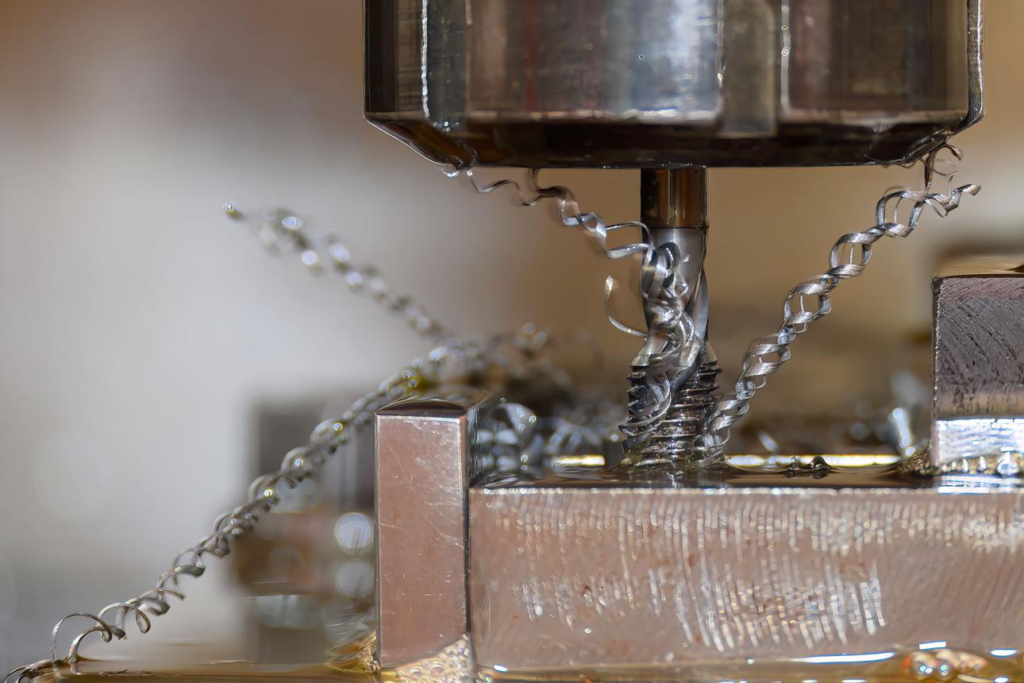
Internal thread machining is often treated as a routine process in manufacturing. However, the method selected for producing threads—whether tapping or thread milling—can significantly influence productivity, cost efficiency, and overall machining reliability. As materials become more difficult to cut and components increase in value, the importance of selecting the appropriate threading method has grown considerably.
This article provides a detailed comparison between tapping and thread milling, focusing on real machining conditions rather than theoretical advantages. By examining tool behavior, process constraints, and application scenarios, it aims to support more informed decision-making in production environments.
Why Has Threading Become a Critical Machining Decision?
In modern machining, threading is no longer an isolated finishing step but an integral part of part integrity. Industries such as aerospace, medical manufacturing, and high-end automotive increasingly rely on tight tolerance threads in materials like titanium alloys, stainless steels, and nickel-based superalloys. These materials introduce higher cutting forces, increased heat generation, and greater sensitivity to tool wear.
Under such conditions, a failure during threading is rarely minor. A broken tap inside a high-value component can render the entire part unusable, while process instability can lead to dimensional inconsistencies and rework. As a result, threading strategy must be evaluated with the same rigor as roughing or finishing operations.
Understanding the Mechanics of Tapping
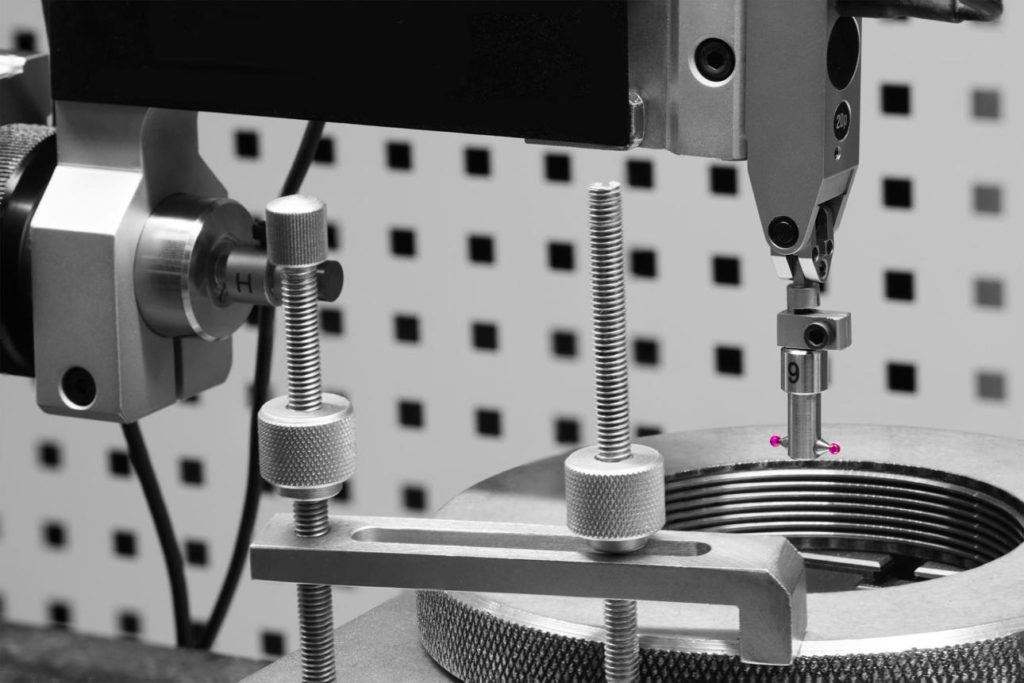
Tapping remains one of the most widely used methods for producing internal threads due to its simplicity and speed. The process involves driving a threaded cutting tool into a pre-drilled hole, where the tool simultaneously rotates and advances at a feed rate precisely matched to the thread pitch. This synchronization is essential, as any deviation can lead to excessive stress on the tool and potential breakage.
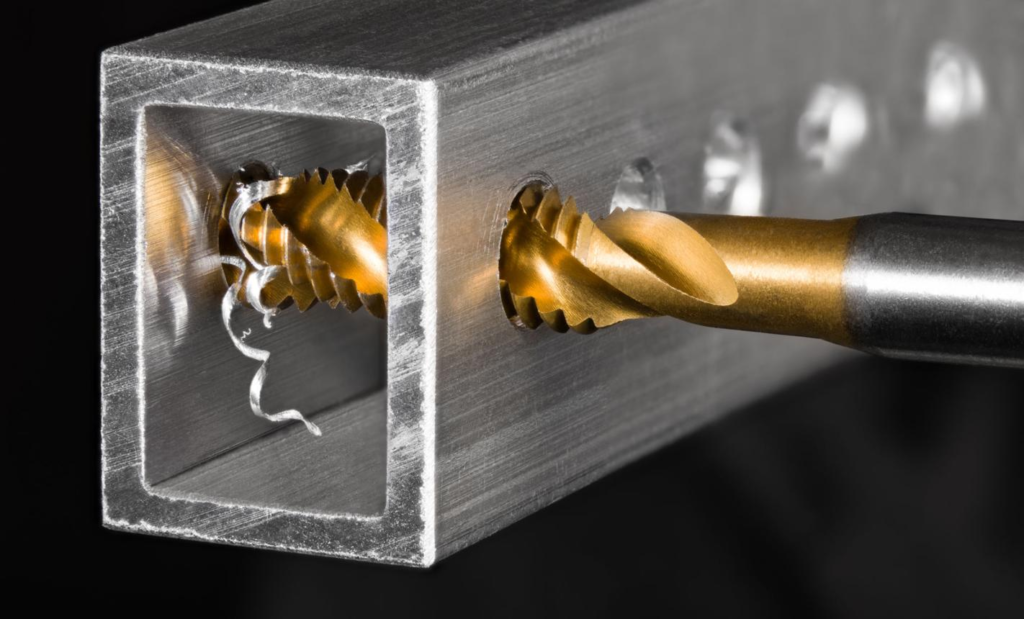
The geometry of the tap plays a critical role in performance. Flutes provide space for chip evacuation and form the cutting edges, while the chamfered lead portion initiates the thread gradually. Depending on the application, taps are designed to manage chip flow differently. For instance, spiral point taps push chips forward and are commonly used in through holes, whereas spiral flute taps draw chips upward, making them more suitable for blind holes.
In addition to cutting taps, form taps offer an alternative approach by plastically deforming the material instead of removing it. This eliminates chip formation and can produce stronger threads with improved surface finish. However, the applicability of form tapping is limited to ductile materials, and it requires careful control of hole size to accommodate material displacement.
Process Constraints and Risks in Tapping
The apparent simplicity of tapping masks several inherent limitations. The process demands precise control of feed rate and spindle synchronization, particularly in rigid tapping applications. Any mismatch between feed and pitch can cause immediate tool overload.
Chip evacuation represents another critical challenge. In blind holes, chips can accumulate and lead to clogging, increased torque, and eventual tool failure. This is especially problematic in materials that produce long, continuous chips. Lubrication is therefore essential, and interruptions in lubrication can significantly increase the risk of galling or seizure.
Perhaps the most significant limitation of tapping is its sensitivity to tool failure. When a tap breaks, removal is often difficult or impossible without damaging the workpiece. In high-value components, this risk alone can outweigh the advantages of faster cycle times.
The Principle of Thread Milling
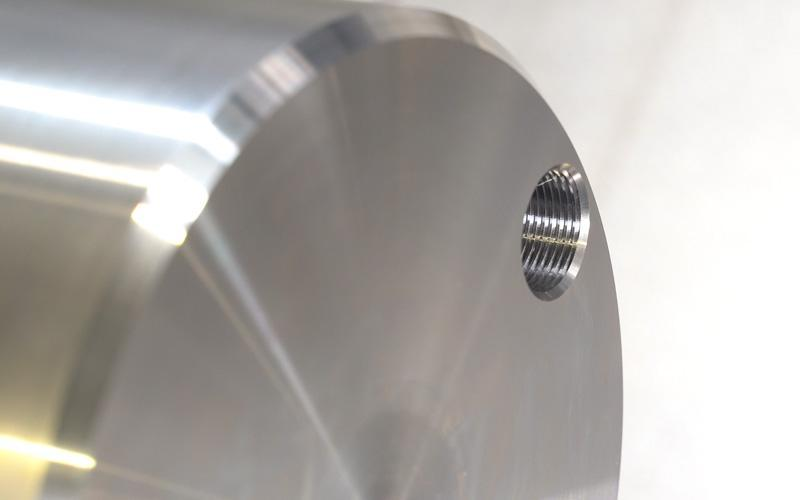
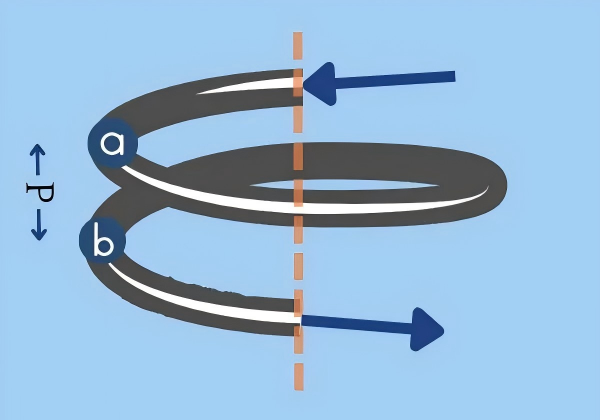
Thread milling represents a fundamentally different approach to thread generation. Instead of forcing a tool into the material, it relies on controlled interpolation movements within a CNC environment. A rotating cutter follows a helical path, gradually forming the thread profile along the circumference of a pre-drilled hole.
In this process, the geometry of the tool defines the thread form, while the programmed toolpath determines the pitch and diameter. This separation of geometry and motion introduces a level of flexibility that is not achievable with tapping. A single thread mill, particularly in single-point designs, can produce threads of varying diameters as long as the pitch remains constant.
The cutting forces involved in thread milling are generally lower than in tapping because the material is removed incrementally rather than in a single engagement. This reduces stress on both the tool and the machine, enabling more stable machining of difficult materials.
Comparing Performance in Practical Applications
The differences between tapping and thread milling become most apparent when evaluated under real production conditions. While tapping offers higher speed in many cases, especially for small threads in large volumes, thread milling provides advantages in flexibility, tool life, and process reliability.
Process Comparison
Factor | Tapping | Thread Milling |
Cycle time | Shorter | Moderate |
Tool flexibility | Fixed size | Multiple diameters per tool |
Tool material | Predominantly HSS | Solid carbide |
Failure mode | Sudden breakage | Gradual wear |
Machine requirements | Basic capability sufficient | CNC with interpolation required |
Although tapping can achieve faster cycle times, the difference is often less significant in modern CNC environments, where optimized thread milling strategies and high-speed machining reduce the gap considerably.
Tool Life, Cost, and Process Stability
From a cost perspective, it is important to consider not only tool price but also tool life and risk. Taps, particularly those made from high-speed steel, tend to have shorter service lives when used in demanding materials. Coated variants can improve performance, but they remain sensitive to cutting conditions.
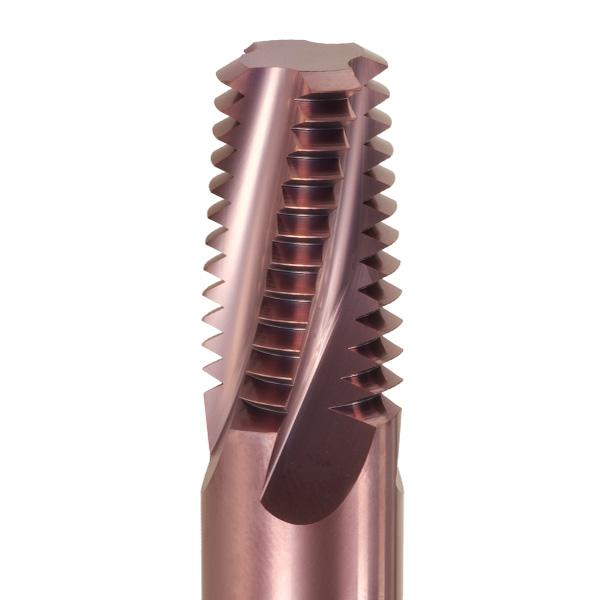
Thread mills, typically manufactured from micro-grain carbide, exhibit significantly longer tool life and higher wear resistance. Their gradual wear pattern allows operators to monitor performance and apply tool compensation before quality is affected. This predictability reduces the likelihood of sudden failure and contributes to more consistent production outcomes.
Tool Life Comparison
Tool Type | Typical Application | Tool Life Range | Process Risk |
HSS Tap | General steel | 500–800 holes | High |
Coated Tap | Stainless steel | 300–600 holes | Medium |
Carbide Thread Mill | Multi-material | 2000+ holes | Low |
In high-value applications, the reduced risk of scrap often justifies the higher initial cost of thread milling tools.
Flexibility and Adaptability in Production
One of the defining advantages of thread milling lies in its adaptability. Unlike taps, which are designed for a specific thread size and tolerance, thread mills allow adjustments through programming. Diameter corrections can be achieved by modifying tool offsets, and different thread sizes can be produced without changing the tool, provided the pitch remains consistent.
This capability is particularly valuable in low- to medium-volume production, where frequent changes in thread specifications would otherwise require multiple tools. It also simplifies inventory management and reduces tooling costs over time.
Flexibility Comparison
Capability | Tapping | Thread Milling |
Diameter variation | Not possible | Possible |
Tolerance adjustment | Tool change required | Offset adjustment |
Left/right-hand threads | Separate tools | Same tool |
Multi-size production | Limited | Highly adaptable |
Performance in Difficult Materials
As machining increasingly involves materials such as titanium, Inconel, and hardened steels, the limitations of tapping become more pronounced. High torque requirements, poor chip control, and rapid tool wear make tapping less reliable in these environments.
Thread milling addresses these challenges by reducing cutting forces and allowing controlled chip formation. Multi-pass strategies can be applied to further manage heat and tool load, resulting in improved surface finish and dimensional accuracy.
Tool Design Considerations: Carbide Thread Mills
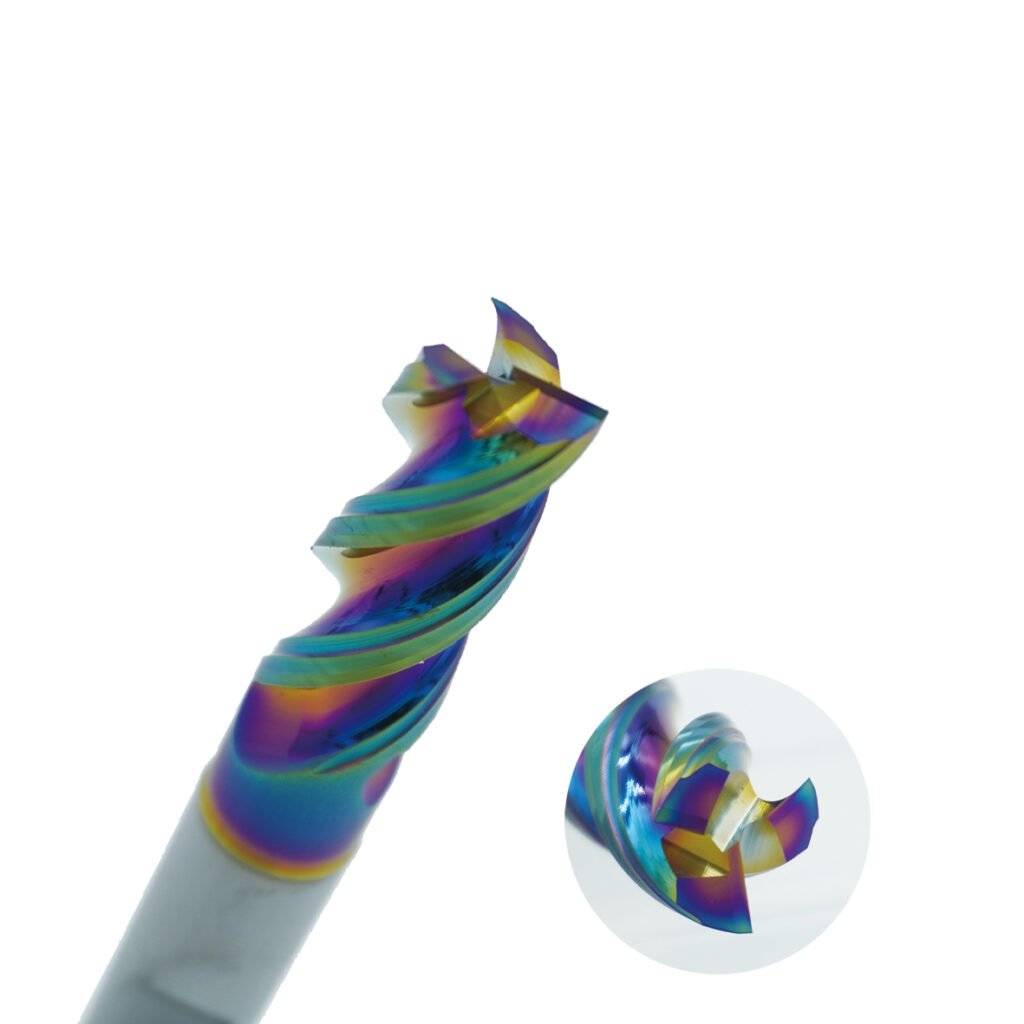
Modern thread milling tools are engineered to maximize performance across a wide range of materials. High-quality carbide substrates provide the necessary hardness and toughness, while advanced coatings enhance heat resistance and reduce friction.
Single-flute thread mills offer maximum flexibility and are well suited for variable production environments. Multi-flute designs, on the other hand, increase productivity by distributing cutting loads and enabling higher feed rates.
The choice between these designs depends largely on production volume and application requirements, but both benefit from optimized chip evacuation and thermal stability.
Choosing the Right Method for Your Application
The decision between tapping and thread milling should not be based on preference alone but on a careful evaluation of process requirements. Tapping remains an efficient solution for high-volume production of standard threads in relatively easy-to-machine materials. Its simplicity and speed make it a practical choice in many conventional applications.
Thread milling, however, offers clear advantages in scenarios where flexibility, precision, and process reliability are critical. It is particularly well suited for large threads, difficult materials, and high-value components where the cost of failure is significant.

Conclusion
Both tapping and thread milling continue to play important roles in modern machining. Tapping provides efficiency and simplicity, while thread milling delivers adaptability, extended tool life, and reduced risk. The most effective approach is not to view these methods as competing alternatives but as complementary solutions within a comprehensive machining strategy.
As manufacturing environments evolve toward higher precision and greater complexity, thread milling is increasingly becoming the preferred choice for advanced applications. By understanding the strengths and limitations of each method, manufacturers can optimize their processes and achieve more consistent, reliable results.
About HNCarbide
HNCarbide specializes in the development and production of high-performance carbide cutting tools for precision machining applications. Our thread milling solutions are designed to deliver consistent performance across a wide range of materials, combining advanced substrate technology with optimized tool geometry.
For manufacturers seeking to improve threading efficiency and reduce process risk, HNCarbide provides reliable and adaptable tooling solutions tailored to modern CNC machining requirements.