Optimizing CNC Tooling for Medical Device Machining in Europe
Table of Contents

In recent years, Europe has become a global leader in high precision medical device manufacturing. The demand for flawless components, from orthopedic implants to surgical instruments, has grown rapidly. Germany, in particular, is at the forefront, thanks to its world class machine tool industry, skilled workforce and strict quality standards.
The backbone of this success is advanced CNC tooling and machining, particularly in tooling and manufacturing. Tools must be capable of cutting tough materials into tiny, highly detailed parts while meeting strict surface finish and dimensional tolerances. Carbide tooling, known for its hardness and long life, has become essential.
This article explores the challenges of medical CNC machining, highlights the best carbide tool options and offers helpful machining practices targeted at experienced engineers and procurement professionals in Europe’s manufacturing sector.
The Rise of Precision Medical Device Manufacturing in Europe
Medical device and CNC tooling makers in Europe are expected to meet extremely high standards. Products such as bone screws, stents, dental implants and surgical tools must be:
- Accurate to within microns
- Free from burrs and surface defects
- Made of biocompatible materials
- Traceable under strict regulations like EU MDR
Germany leads the way, and it is supported by companies like KERN Microtechnik, EMUGE-FRANKEN, DMG MORI and GF Machining Solutions. These companies provide the machines and tools needed to produce parts that meet the demanding needs of modern healthcare.
In this environment, medical CNC machining is not about mass production. Instead, it is about precision, repeatability and meeting specific requirements for every batch. That is why the right cutting tools like high performance carbide end mills play a key role.
High Demands for Accuracy, Miniaturization and Surface Finish
Modern medical components and CNC tooling are getting smaller, more complex and difficult to machine. Parts that go inside the body, such as bone plates, dental screws and implant stems must fit perfectly. Even tiny defects can lead to rejection during inspection or patient complications.
Key demands include:
- Accuracy
- Miniaturization
- Many parts have features under 1 mm.
- Surface Finish
The cutting CNC tooling used must not only be sharp and strong, but must also be stable, burr free and capable of clean surface finishes in materials that are notoriously hard to machine.
Tooling Challenges in the Medical Industry
Small Part Sizes like Bone Screws, Implants, Surgical Tools
Medical parts often involve very small and delicate features. Making holes as small as 0.3 mm or machining threads on bone screws requires tools that can:
- Stay sharp after repeated use.
- Handle high speed machining without breaking.
- Work in tight spaces and cut fine details.
This demands micro diameter CNC tooling with perfect geometry and high rigidity.
Tough Materials like Titanium, Stainless Steel, CoCr
Common materials in medical machining and CNC tooling include:
- Titanium
- Lightweight, strong and biocompatible.
- 316L Stainless Steel
- Corrosion resistant, widely used in implants and tools.
- Cobalt Chrome
- Very hard and wear resistant
These materials are hard to cut and cause tools to wear down quickly. Basic high speed steel HSS tools don’t last. That is why fine grain and best carbide tools with advanced coatings are the top choices.
Carbide Tools That Fit the Job
Carbide tools are made from a mix of tungsten carbide and other materials. They are harder than HSS and can handle high temperatures and cutting forces. Let’s look at the types that work best for medical CNC tooling:
Micro Diameter Carbide Drills
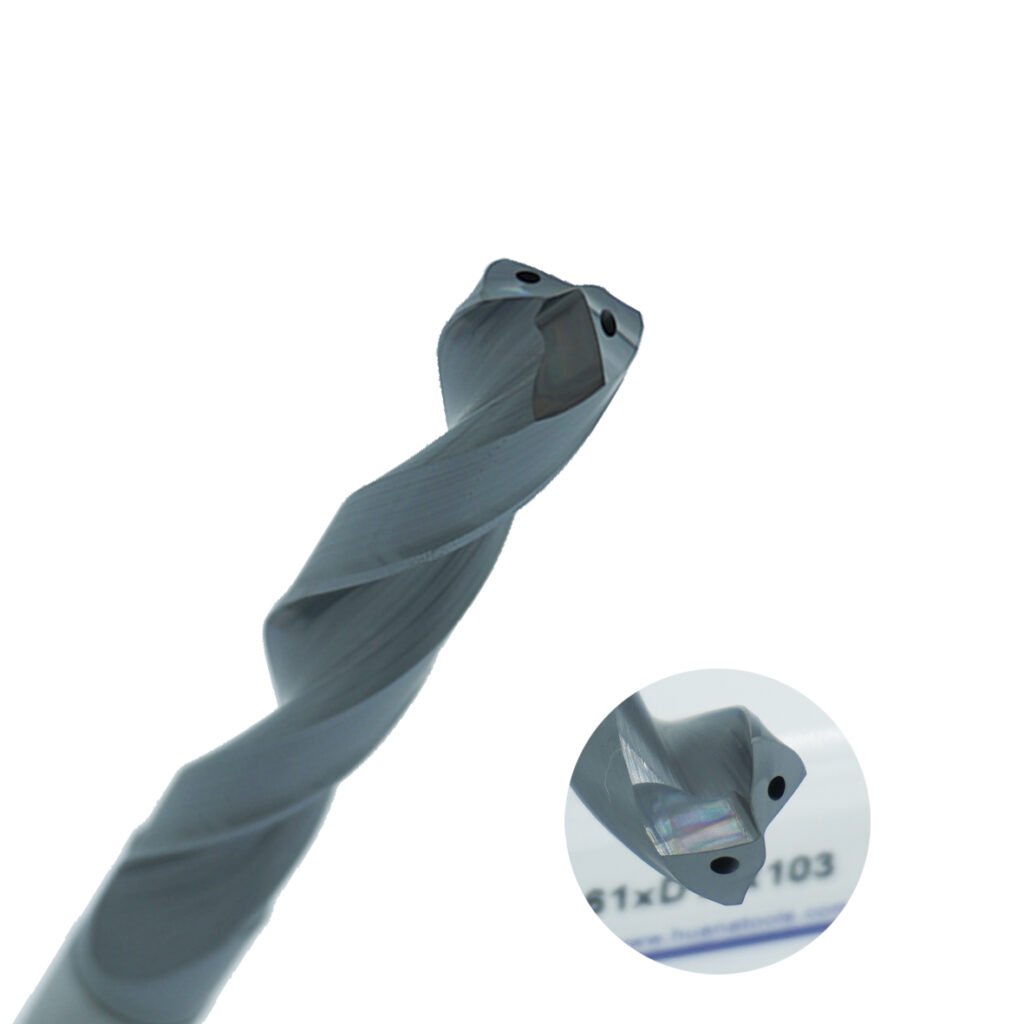
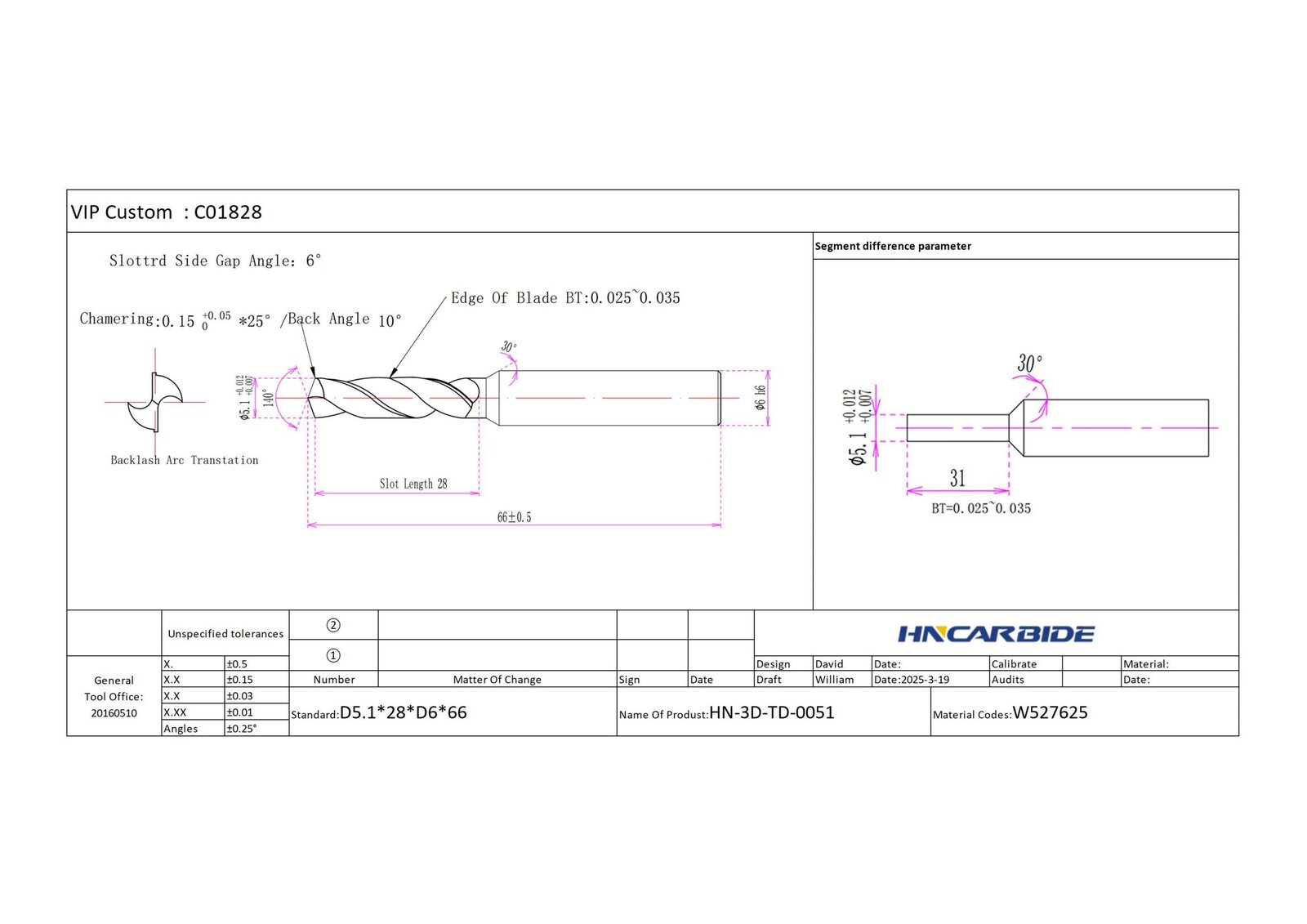
Drills under 1 mm in diameter are commonly used to make holes in bone screws and stents. HORN, HAM Präzision and Kennametal offer such tools that hold their edge and don’t break easily during deep and small hole drilling.
- Designed for tight spaces.
- Can work with RPMs above 20,000.
- Reduced risk of tool breakage with the right setup.
Polished Flute Tools for Mirror Like Finishes
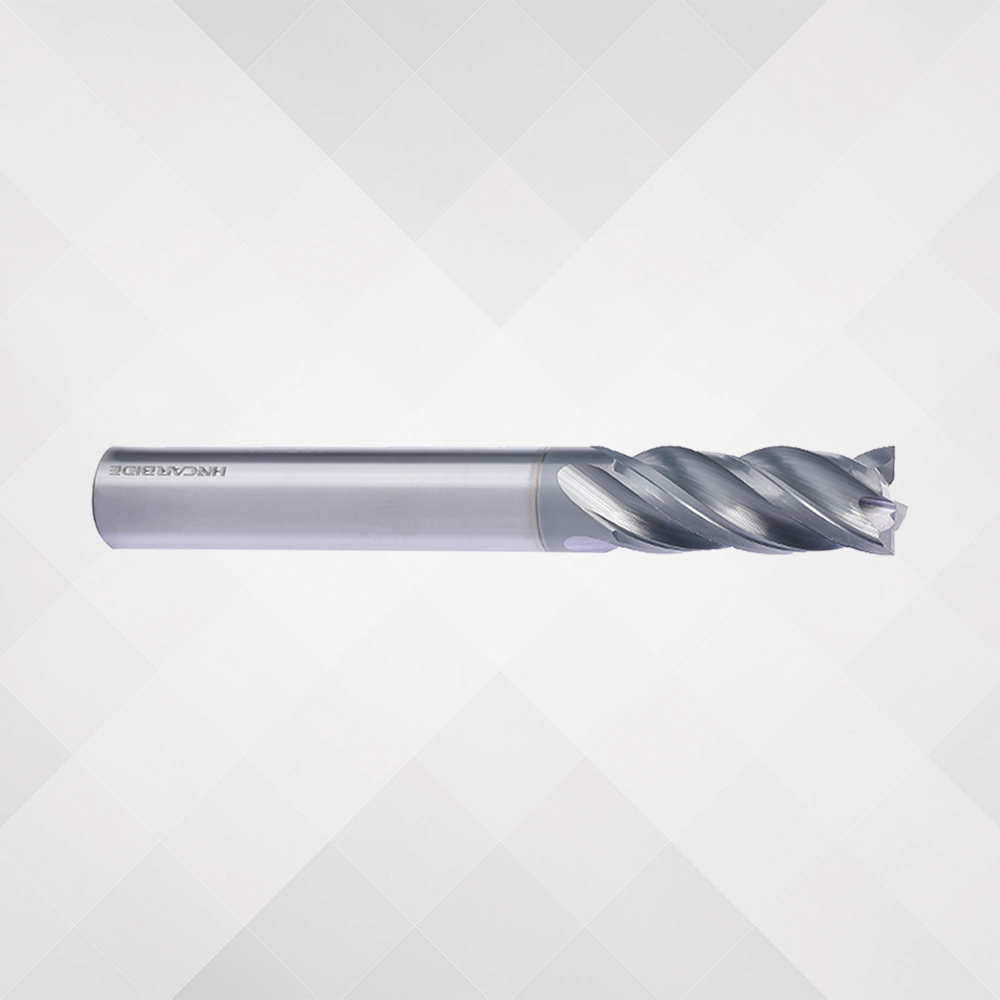
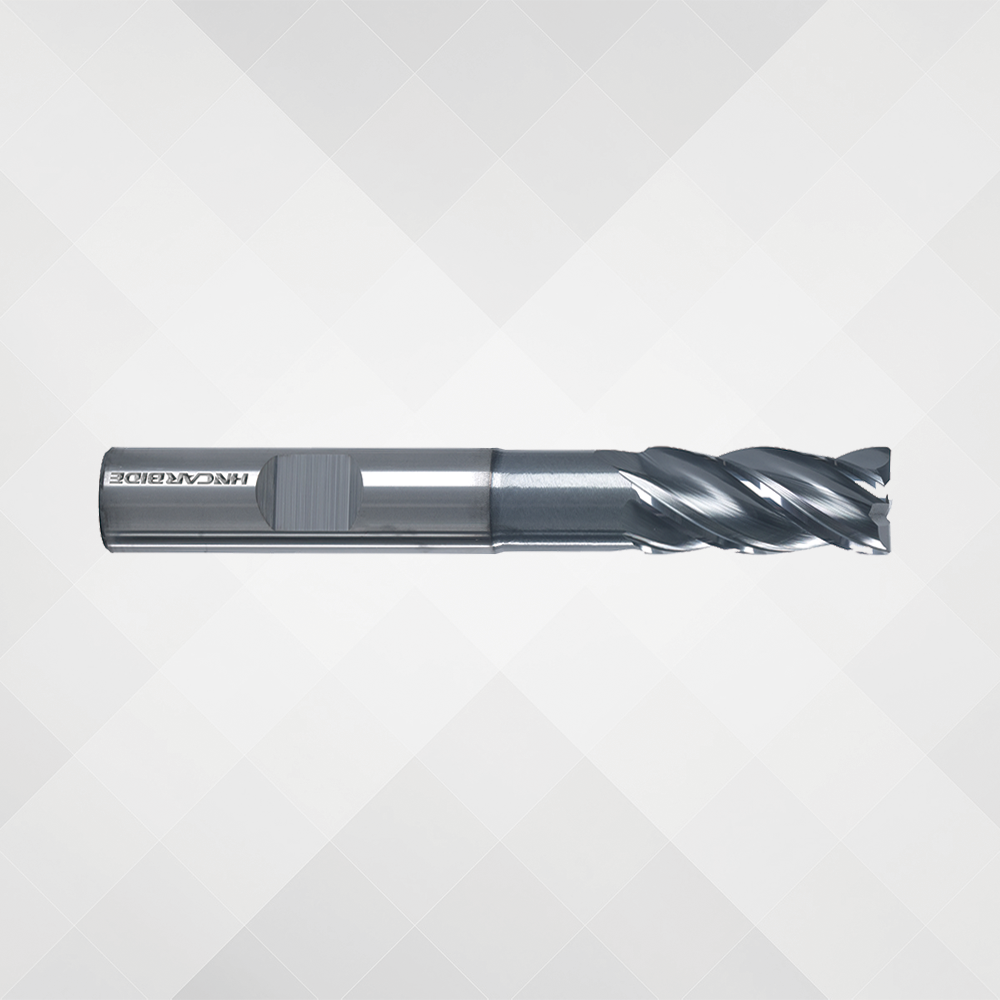
Polished flutes help metal chips flow out smoothly and reduce heat. Companies like FRAISA and Ceratizit offer polished flute end mills made for titanium and stainless steel machining. These tools:
- Leave shiny, burr free finishes.
- Lower cutting force and vibration.
- Help achieve tight tolerances on tiny parts.
Fine Grain Carbide Options for Tool Longevity
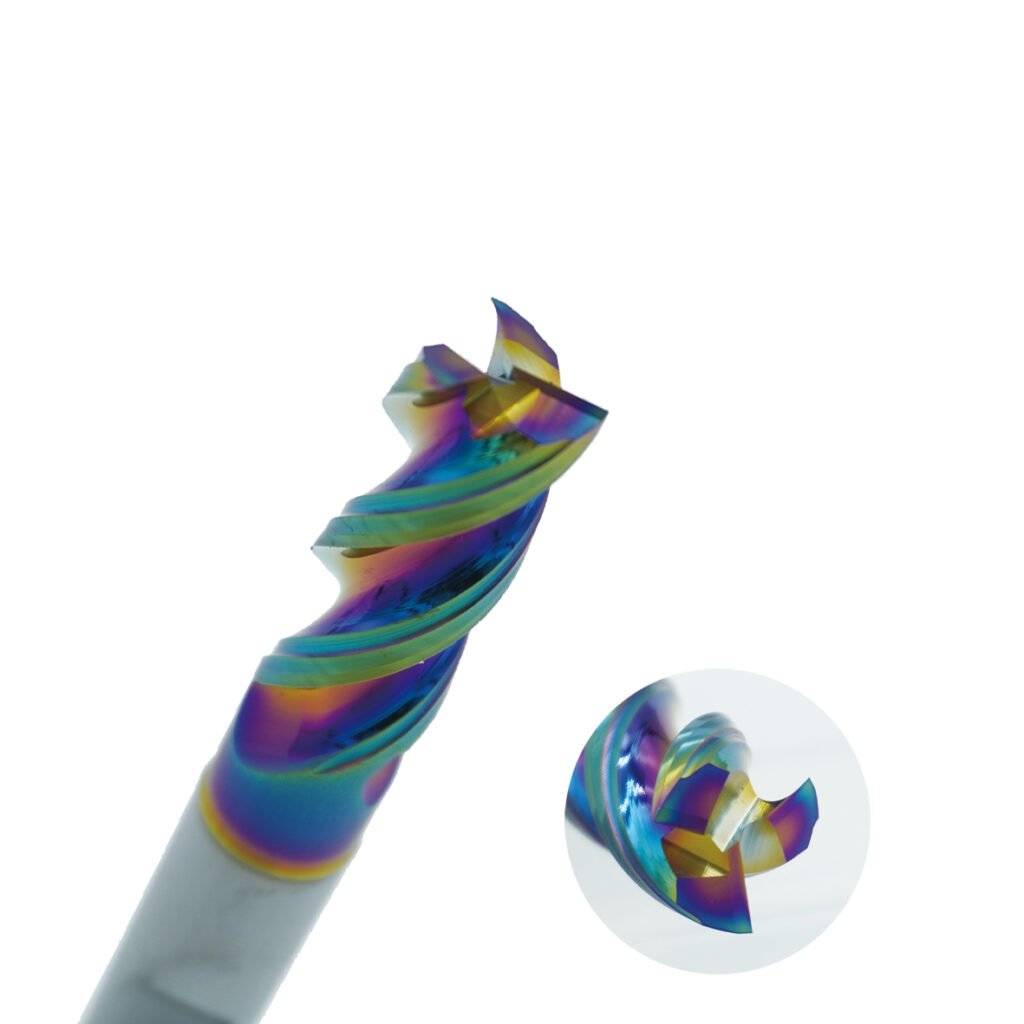
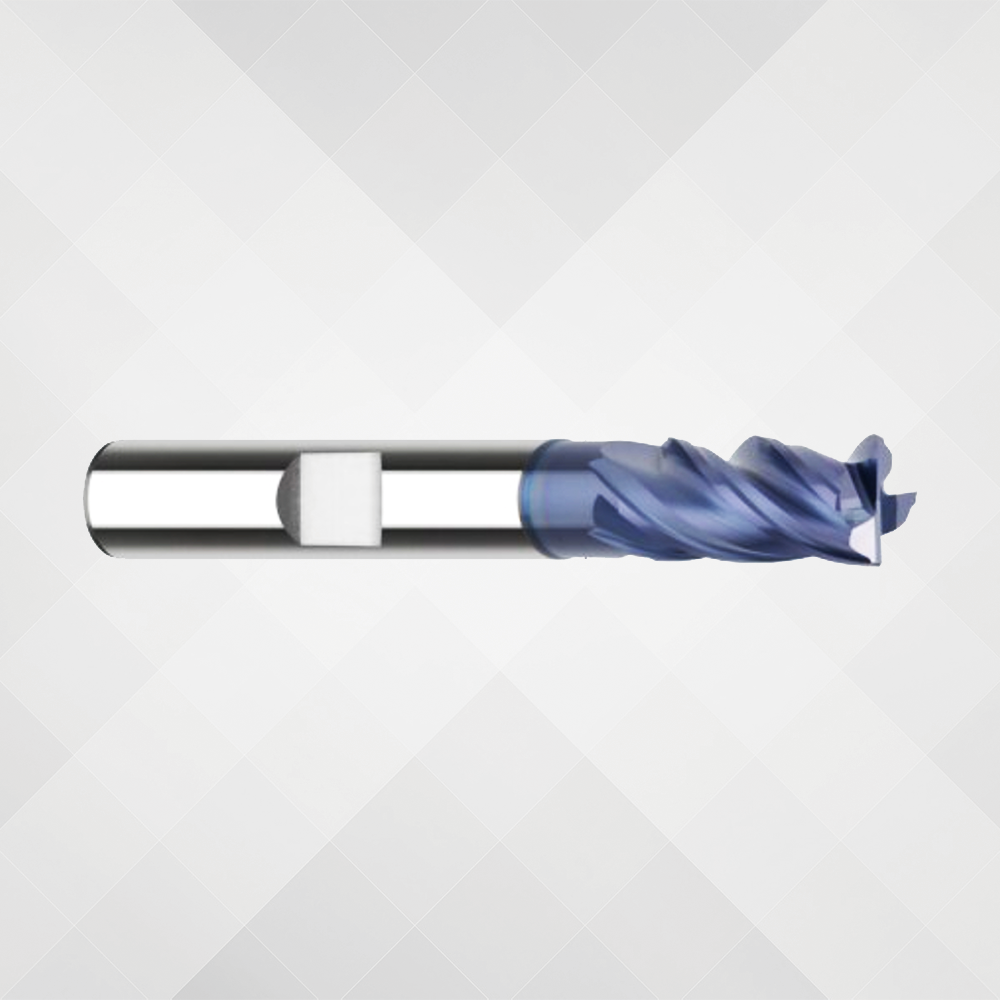
Fine-grain or ultra-fine carbide holds its edge longer and resists wear. When paired with coatings like AlTiN, TiAlN or TiSiN, the tool can withstand the high heat and pressure of medical machining. EMUGE FRANKEN, Kennametal, and WOTEK/Wey Juan offer excellent options.
Best Practices for Machining and German Tooling Medical Parts
Having the right tool is only one part of success. You also need good machining practices to avoid part damage, tool failure, and scrap.
Low Vibration Setup
Vibration causes chatter, poor surface finishes, and tool wear. To prevent this:
- Use high quality holders e.g. hydraulic chucks.
- Keep tool overhang as short as possible.
- Balance the tool and holder to reduce runout.
Proper Clamping
Medical parts are often small and fragile.
Use:
- Soft jaws or custom fixtures to avoid deformation.
- Vacuum or magnetic workholding where needed.
- Backup support to stop parts from moving during cutting.
Avoiding Burrs and Thermal Damage
Heat can cause changes in material structure, leading to corrosion or cracking later on. Burrs can cut tissue or cause part rejection. To avoid these:
- Use coolant, mist or air blast to keep temperatures low.
- Set proper speeds and feeds (see table below).
- Use sharp tools and take lighter cuts to reduce friction.
Carbide End Mill Speeds and Feeds
Tool Type | Brand | Diameter (mm) | Flutes | Coating | Application |
Roughing End Mill | EMUGE‑FRANKEN | 6 to 12 | 3 to 4 | TiAlN | Fast stock removal in titanium & steel |
Custom End Mill | Kennametal | 0.5 to 20 | 3 to 4 | AlTiN | Precision cuts for implants and tools |
Metric End Mills | WOTEK / Wey Juan | 1 to 12 | 3 | PVD | Tight tolerance medical parts |
Micro Drills | HAM Präzision | 0.3 to 1.5 | 2 | AlTiCrN | Hole making in small screws and implants |
Pro Tips for Better Results
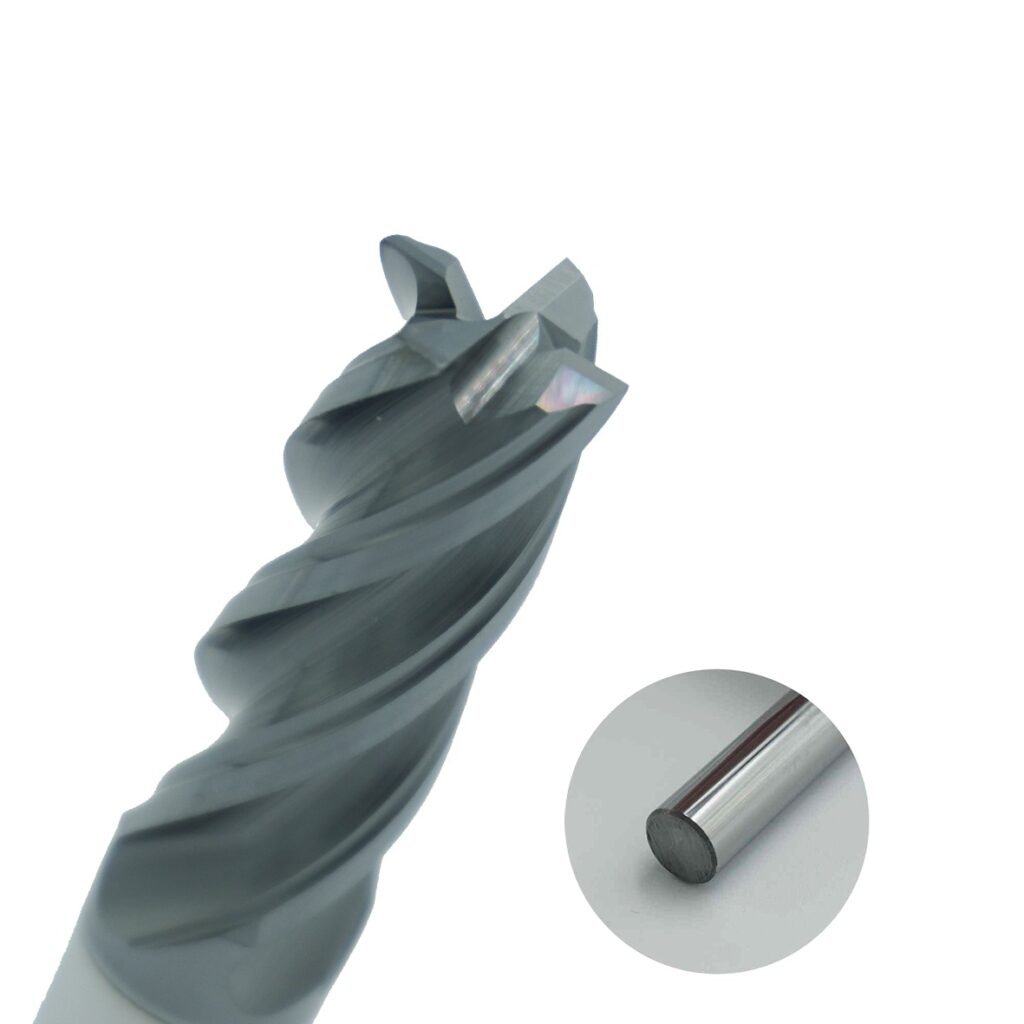
- Use a 3 flute end millfor better chip evacuation in stainless steel.
- Always check runout before high speed cutting.
- Test your setup on scrap to avoid costly errors.
- Use short length tools to reduce deflection and breakage.
- Apply light cuts to avoid thermal shock.
- Rotate tools between shifts to balance wear.
- Monitor tool life using digital tracking software.
- Clean and inspect your tools after every batch.
- Avoid using dull tools as they damage parts and reduce surface quality.
- Document your speeds, feeds and tool paths for each job.
Carbide’s Irreplaceable Role in Medical CNC tooling
Carbide tools have proven to be the most reliable choice for high precision, high volume and high complexity medical part machining. They offer:
- Longer tool life
- Fewer tool changes
- More consistent surface finish
- Less scrap
- Higher speed with tighter tolerances
The initial cost of carbide may be higher, but the productivity gains and part quality improvements make it well worth the investment in a field where quality directly affects human health.
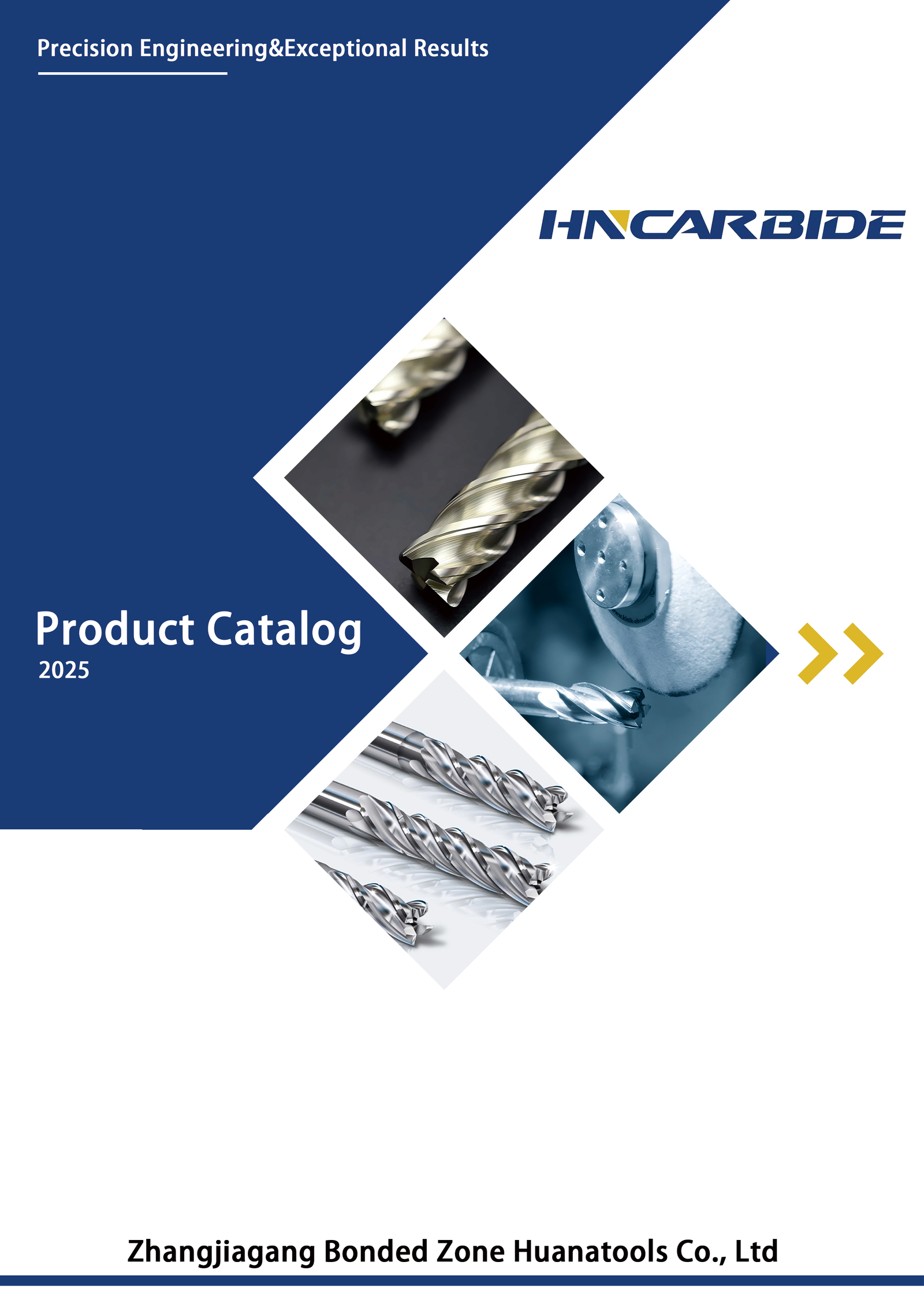
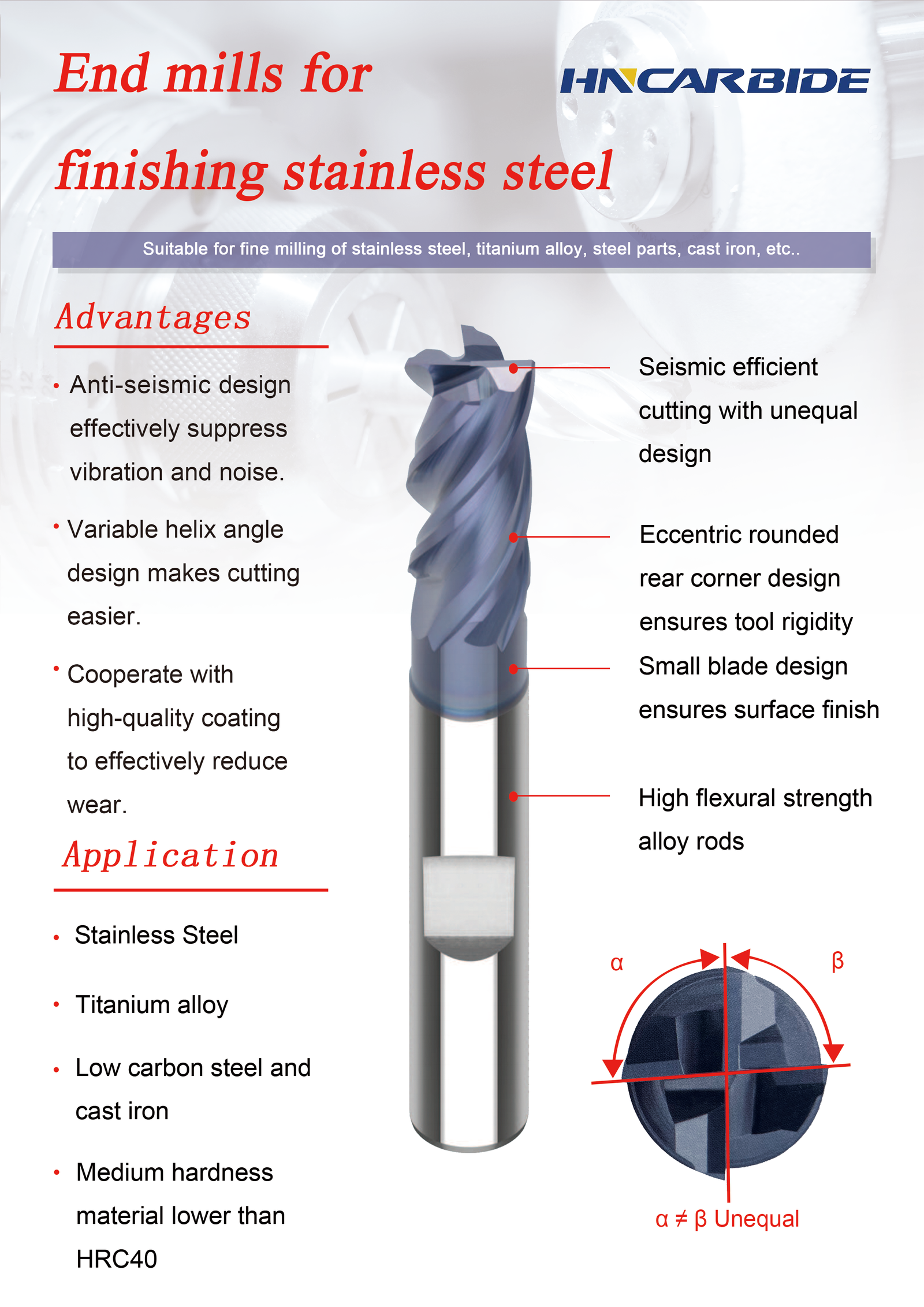
DIN Milling Cutters Catalog
Click the button below to view our DIN milling cutters catalog and explore detailed product specifications to make the best choice.
Partnering with Tooling Brands That Specialize in Medical-Grade Cutting Tools
Working with trusted tooling suppliers means more than just buying tools. It’s about technical support, process optimization, and tool customization. Many German and international brands offer specialized tools for medical CNC tooling needs:
HORN
HORN is well-known for making precision tools used in small, detailed machining tasks. Their grooving tools and micro custom end mills are perfect for creating features like threads and slots on bone screws and other tiny medical parts. They offer strong, reliable tools that work well in tight spaces without breaking or losing accuracy.


Kennametal
Kennametal offers a wide range of durable carbide tools, especially designed for cutting hard materials like titanium and cobalt-chrome (CoCr). Their tools have special coatings that help them last longer, even at high speeds. This makes them a top choice for machining strong, heat-resistant materials used in implants and surgical devices.
EMUGE FRANKEN
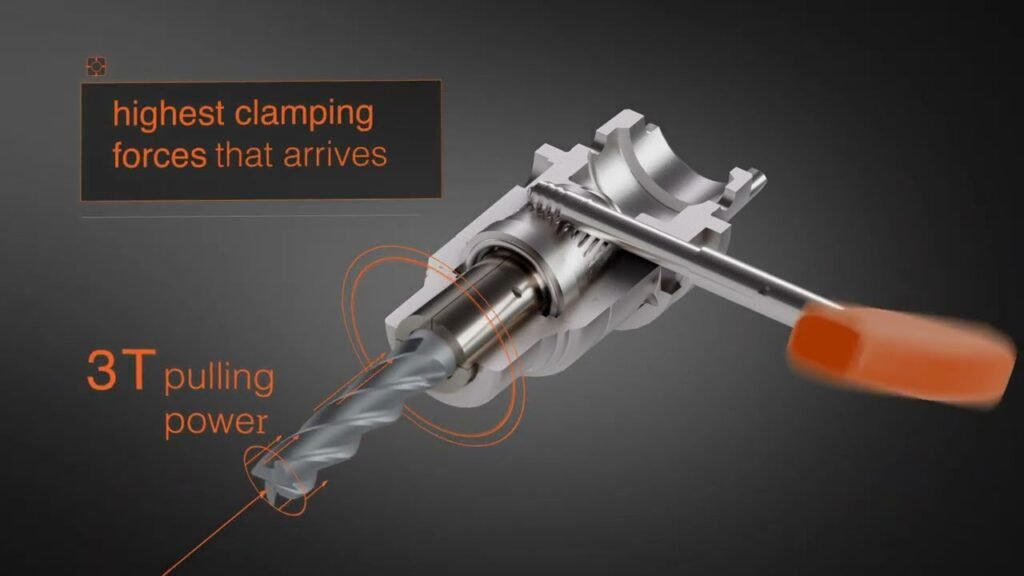
EMUGE FRANKEN are end mill manufacturers that are built to reduce vibration while cutting. This makes them ideal for machining small, detailed parts where even tiny movements can cause defects. Their tools help achieve high accuracy and smooth finishes, which are critical in medical components.

FRAISA & Ceratizit
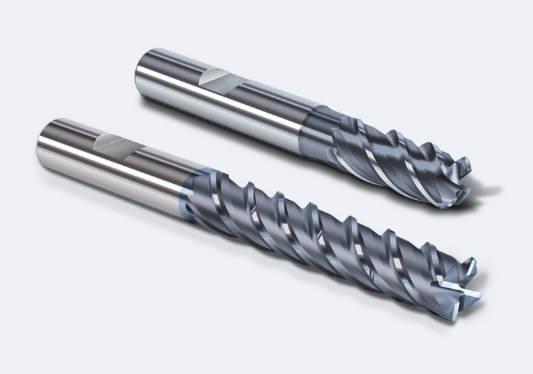
Both FRAISA and Ceratizit produce high-quality carbide tools that deliver excellent surface finishes. Their polished flute end mills reduce friction and help prevent material buildup, resulting in clean, burr-free parts. These tools are great for fine features and finishing operations on medical implants and tools.
HAM Präzision
HAM Präzision specializes in making extremely small carbide drills and reamers. These tools are used to create very fine holes in tiny parts like dental or hearing implants. HAM tools are a trusted choice when accuracy and small size are critical, and they are known for their precision and quality.
Conclusion
Germany and Europe are leading the world in high quality medical device machining and carbide tooling is a key reason why. With the rise in tiny parts, tougher metals and tighter tolerances, only high performance carbide tools can meet the challenge.
Manufacturers can reduce cost, improve part quality and meet all medical standards with confidence by combining the right tool choices with smart machining practices and by working with expert CNC tooling brands.