Why Your Carbide End Mills Wear Out Faster Than You Think – Lessons from German Precision
Table of Contents

Factories and workshops are too often quiet because of worn end mills that fail earlier than they should. Those wishing to achieve top-notch and perfect results in their parts often find that switching tools too often leads to both less productivity and extra costs. If you find that you are going through end mills much quicker than you think you should, rest assured, others are going through the process as well. Most German end mill manufacturers are spending a lot of time trying to understand the finer factors of tool wear, as material removal can be complex and easily overlooked.
It is clear from the results that early failing is not really a matter of bad luck but rather a case of not adhering to these fundamental rules. Now, let us consider again why your milling cutters do not stay in operation as long as they should, with information accumulated from the best German tool manufacturers.
As the global market sees multiple players, including end mill manufacturers USA and end mill suppliers, precision and material science advancements springing from Germany set a benchmark. Brands such as Gühring, Hufschmied, and Karnasch have not only mastered the high-performance tool but have also very carefully analyzed the typical failure causes to their premature demise.
Their research underlines that tool life optimization is not merely an outcome of the initial quality of the 1/4 end mill and the robustness of a 4 flute end mill, but rather an outcome of the smart application and maintenance of the cutting tools. It would be like expecting a Formula 1 car to run on the wrong fuel and driving techniques.
The Top 3 Culprits Behind Early End Mill Failure
German engineering stresses a holistic view, knowing that the tool, the material, and the making process are inseparably connected. They have narrowed down the pre-mature failure causes to 3 main culprits.
Incorrect Feed and Speed Settings
Imagine trying to sprint a marathon – unsustainable and ultimately damaging. Similarly, subjecting an end mill, be it a delicate 1/8 end mill or a robust 1 1/2 end mill, to inappropriate feed and speed settings creates excessive stress and heat. German manufacturers meticulously research optimal cutting parameters for a vast array of materials. Deviating from these recommendations is a direct path to premature wear.
- Too Aggressive Feeds:Forcing the tool through the material at an excessive rate overloads the cutting edges. This can lead to chipping, micro-fractures, and rapid flank wear. German guidelines often stress the importance of chip load calculation, ensuring each cutting edge removes a manageable amount of material.
- Excessive Speeds:Generating too much heat at the cutting interface. Softening of the carbide by high temperatures increases its chance of being scratched and changing shape by wear. Tool manufacturers in Germany specify the RPMs best suited for various materials and shapes and they also provide advice on when and how much coolant to use.
- Insufficient Speeds and Feeds:While seemingly less damaging, running parameters that are too low can lead to rubbing rather than clean cutting. This generates excessive friction and heat, contributing to premature dulling of the 2 flute end mill or any other type. German machining principles advocate for achieving the “sweet spot” where material removal is efficient and heat generation is controlled.

Using Universal Tools on Demanding Materials
German end mill producers believe that choosing mills that specialize in a certain job performs better and lasts longer. Selecting the most suitable end mill material and shape should be done just as a chef selects a knife for every task in the kitchen.
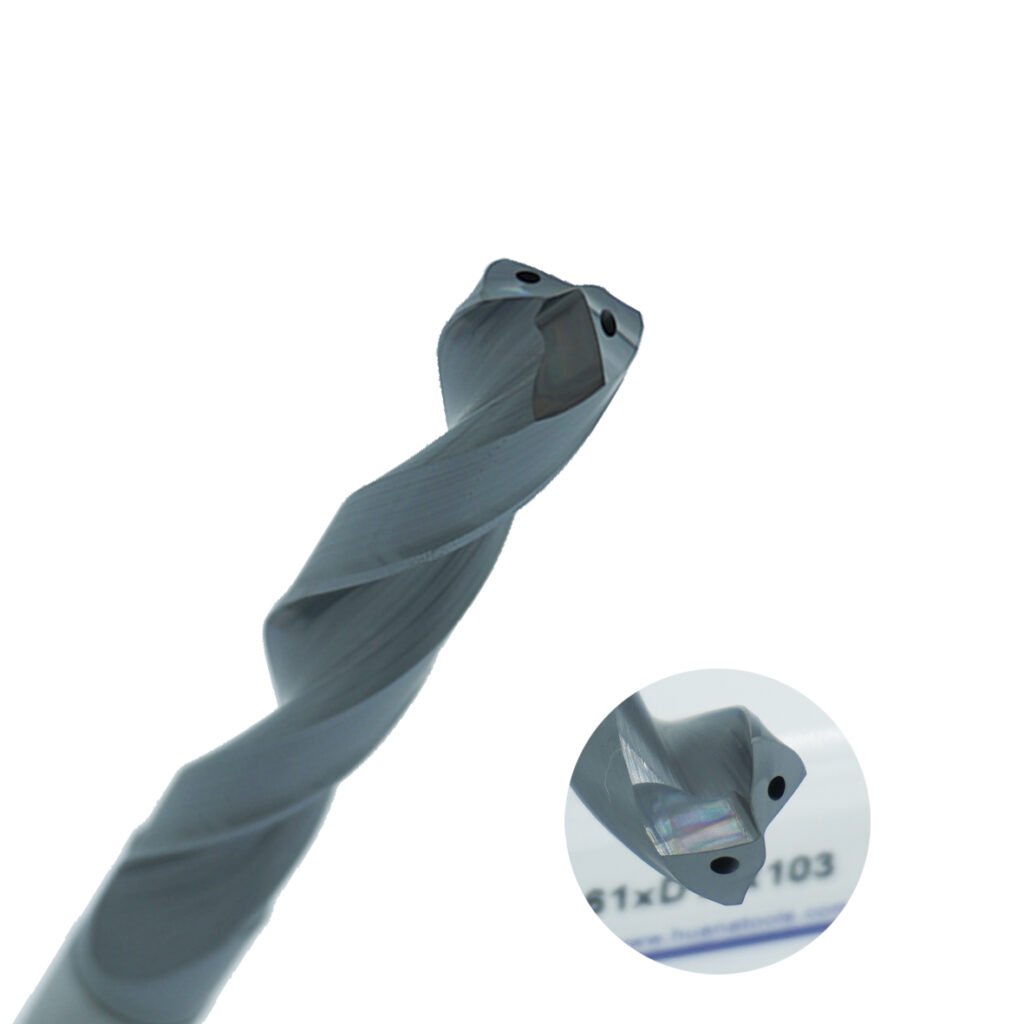
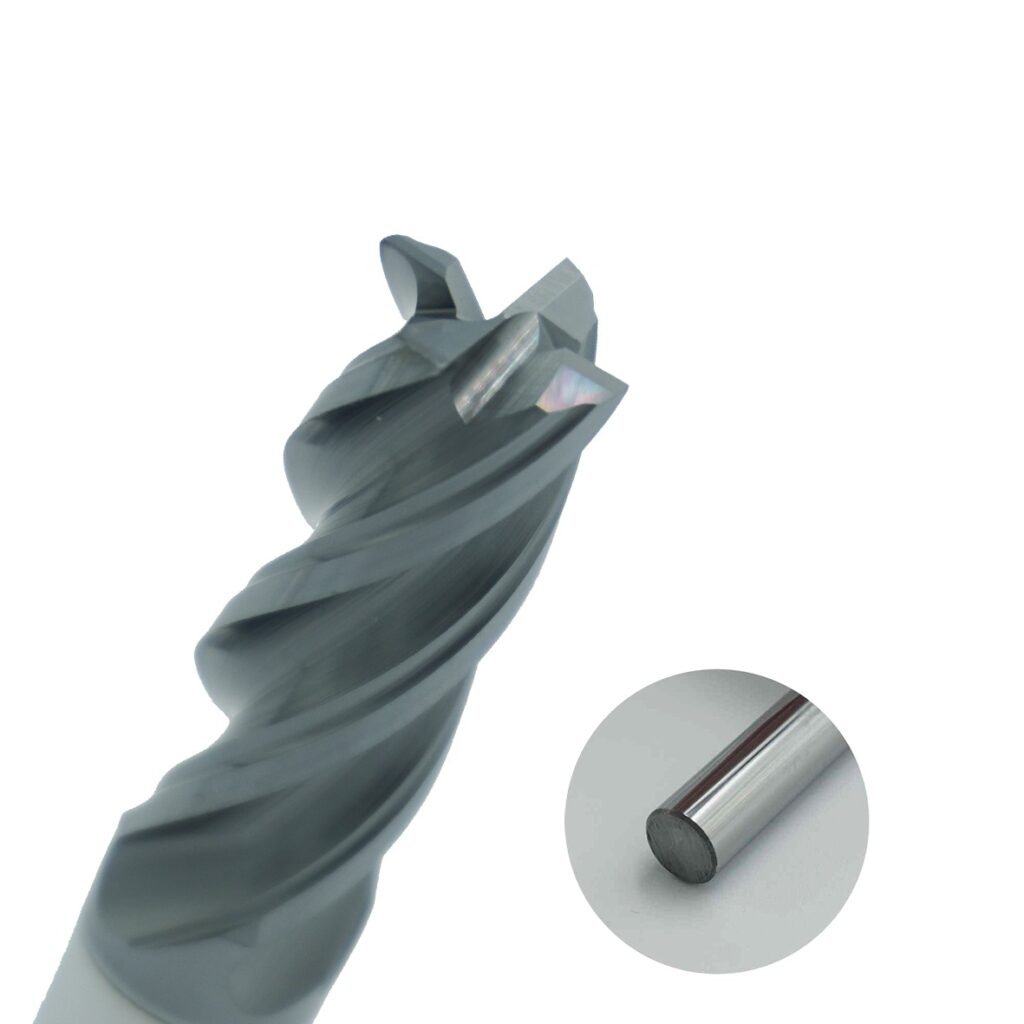
- Generic geometries: A regular 4 flute end mill could function well on materials that aren’t very hard. Still, using carbide tools on alloys or abrasive composites with high hardness often results in severe wear and a poor finish. German brands make tools with special geometries: high helix for aluminum, strong design for steel and geometry that helps evacuate chips in tough materials.
- Wrong Carbide Grades: Just like steel, carbide is a broad range of types. Hardness, toughness and wear resistance differ among objects of different materials and grades. German engineers are leading the way in making carbide grades for different applications. Grinding abrasive materials with standard carbide will cause it to wear down more rapidly.
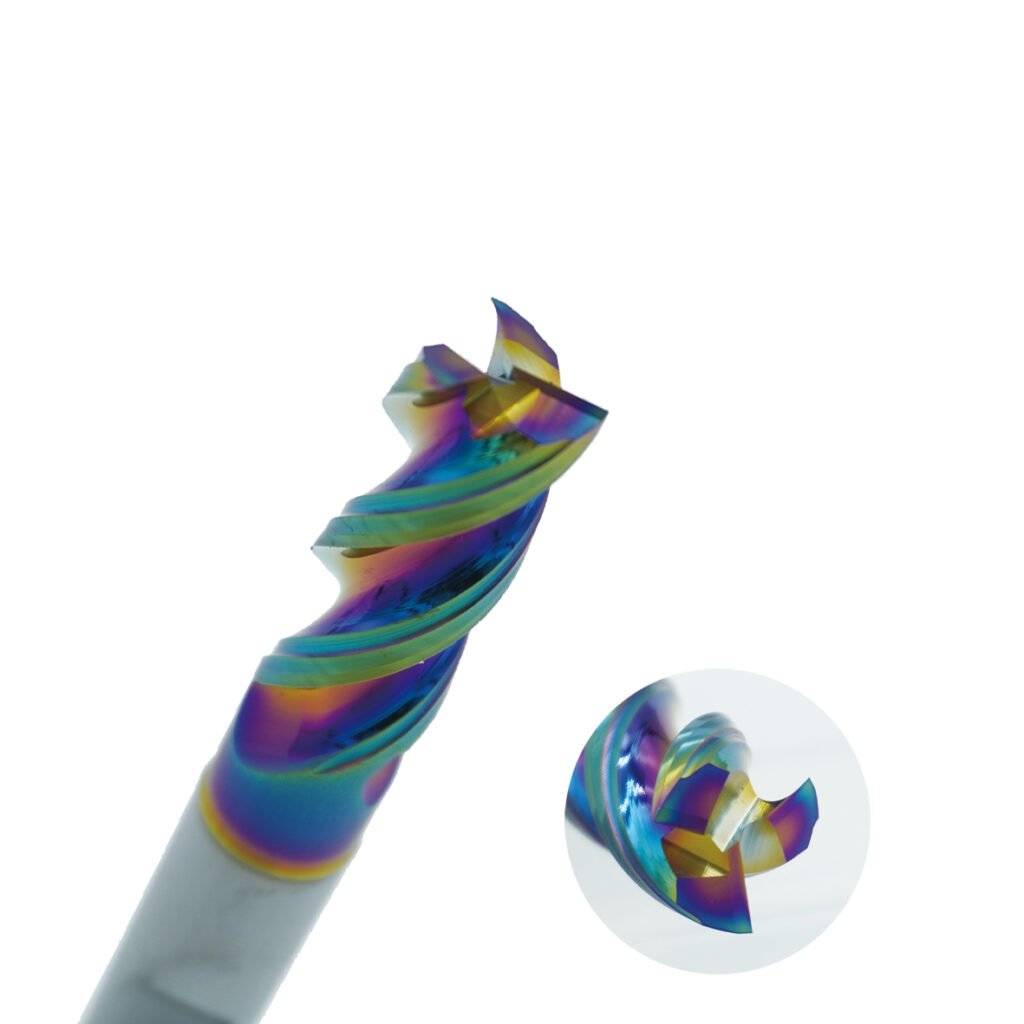
- Ignoring Coating Benefits: Coatings significantly enhance wear resistance, reduce friction, and prevent built-up edge. German manufacturers offer a spectrum of advanced coatings like TiAlN, AlCrN, and DLC, each tailored for specific material groups. Neglecting to choose a coated end mill appropriate for the material being machined is a missed opportunity for extended tool life.

Poor Chip Evacuation
Imagine a clogged artery hindering blood flow. Similarly, inefficient chip evacuation obstructs the cutting process, leading to a cascade of problems that accelerate end mill wear. German tool designs often incorporate features specifically aimed at optimizing chip removal.
- Chip Recutting:When chips aren’t cleared effectively, they are re-engaged by the cutting edges. This abrasive action generates excessive heat and rapidly dulls the cutting edges. German tooling catalogs often provide recommendations on flute count and helix angles optimized for specific materials to facilitate efficient chip evacuation.
- Chip Packing:If flute volume or coolant circulation is reduced, the chips may end up compacted in the flutes. As a result, more power is used, heat is generated and the tool may break. Polished flutes are a common feature in German end mills to help prevent chips from sticking and to allow the chips to move out smoothly.
- Heat Retention:Trapped chips prevent the heat from escaping the system. With the temperature increased, the end mill wears out faster and can sustain thermal damage. According to German machining standards, the needed pressure and flow of coolant should flush away cutting material from the active zone.
What Top Brands Are Doing
The best German carbide end mill manufacturers are not only working to prevent tool wear—they are redefining how end mills should perform. Because they focus so much on research, innovation, and top-grade engineering, their tools meet the increasing needs of today’s machining. From aerospace to the auto industry, these brands are leading the way in solving tooling problems.
Whether the issue is unique coatings, exact shapes, or special design, they are improving all aspects of tool development. Here are some ways leading German companies are extending their tool life and increasing efficiency with new innovations.
Brand | Optimization Focus | Result |
Gühring | Geometry + micro-grain carbide + advanced coatings | Longer tool life, improved surface finish, higher cutting speeds |
Hufschmied | High-performance geometries for specific materials (e.g., CFRP, titanium) | Optimized chip evacuation, reduced burr formation, extended tool life |
Karnasch | Innovative coating technologies and tool designs for high-hardness materials | Increased wear resistance, higher productivity in demanding applications |
Walter | Precision cooling strategies and advanced material removal concepts | Improved heat management, enhanced tool life, superior surface quality |
EMUGE-FRANKEN | Thread milling expertise with optimized geometries and coatings | Precise thread production with extended tool life |
MAPAL | Custom-engineered solutions and PCD/PCBN tooling | High precision and exceptional tool life for specialized applications |
Paul Horn | Grooving and parting-off tools with exceptional stability and wear resistance | Precise machining and extended tool life in challenging operations |
Wohlhaupter | Modular tooling systems with high accuracy and vibration damping | Improved surface finish and extended tool life in boring applications |
Boehlerit | Tungsten carbide powders and sintering technologies | High-performance carbide substrates for enhanced wear resistance |
LMT Tools | Comprehensive tooling solutions with a focus on process optimization | Extended tool life through application-specific tool selection and parameters |

They focus on studying the responses of the material and the stress acting on the tool. New carbide grades, improved coatings and customized geometries solved the reason for wear among moving parts.
1. Gühring
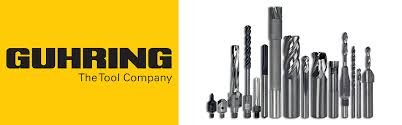
Gühring is known for its complete control over the tooling production process. The company manufactures its own ultra-fine grain carbide substrates and develops proprietary PVD coatings such as FIREX and nano-Si. This level of vertical integration ensures consistent quality of the tools and predictable performance.
The RF 100 series, along with the RF 100 Diver, is designed for high-performance machining over a wide range of materials from stainless steel to titanium alloys. It supports multiple operations in slotting, ramping, and drilling with optimized geometries and cooling features that add to longer life for the tool and better surface finish.
2. Hufschmied
Hufschmied develops sharp tools that are just right for certain materials and uses, especially in applications like planes, cars, and medical machines. Their groups of products, like Fiber-Line and Graphite-Line, are made for easy work with hard materials like CFRP, GFRP, and graphite.
The special Graftor® tools can do the first rough shaping and final finishing of graphite tips with one tool. This means it takes less time to do the job and there are fewer times you have to change the tool. Additionally, Hufschmied’s T-REX tools use changing shapes of cuts to keep delamination low and make a better top surface.
3. Karnasch
Karnasch manufactures mills with special BLACK-TEC and BLUE-TEC coatings to optimize performance and increase longevity. BLACK-TEC is particularly suitable for non-ferrous metals since it reduces friction and optimizes chip evacuation. Full carbide mill cutting geometries are produced in precise shapes, and coatings are adjusted to the machined material for the best process results and high accuracy.


4. Walter
Milling solutions provided by Walter Tools result in high productivity and quality in practically every sector of the market. The Tiger·tec® Gold grades WSP45G and WKK25G exhibit good wear resistance and reliability in the cutting process for demanding applications. The Supreme MD838 and MD839 series with circle segment milling cutters achieve great reductions in cycle time and improved surface finishes, especially with application to molds and dies. These modular milling systems, including tools with exchangeable inserts, mill slots, and chamfer heavy workpieces flexibly.
Moreover, the use of an Accure·tec® vibration-damping system that is integrated into their products makes the milling processes more stable and accurate due to its vibration absorption capabilities. Walter, a company that values innovation deeply, is thus sure that their tools will satisfy the changing demands of the manufacturing environment of the 21st century.
5. EMUGE-FRANKEN
EMUGE-FRANKEN is a well-known brand for the production of high-performance threading and milling tools. Their TiNox-Cut end mills are designed for cutting hard materials such as Inconel, titanium, and stainless steel. They have geometries that eliminate the vibration of the milling process, thus also leading to the improvement of the surface finish. The company’s innovation commitment, plus the tool design, is the guarantee of the fulfillment of the most demanding tasks. Their tools can undertake more complex machining operations without worrying about tool life.
6. MAPAL
MAPAL is in the business of providing the market with custom-made tooling solutions that are capable of solving various industry problems. High-precision machining is possible because of their experience in the implementation of polycrystalline diamond (PCD) and polycrystalline cubic boron nitride (PcBN) tools. MAPAL’s focus on process consistency and surface smoothness is reflected in composite material delamination and micro-tolerance achievement of complex parts.
7. Paul Horn
Paul Horn GmbH provides high-precision cutting tools for complex machining tasks across industries such as automotive, aerospace, medical technology, and mold making. Horn’s commitment to in-house development is evident in their proprietary coating technologies and customized tool geometries, ensuring enhanced tool life and machining accuracy. Their focus on application-specific solutions positions them as a reliable partner for manufacturers seeking precision and efficiency in challenging machining operations.
8. Wohlhaupter
Intermediate modules of Wohlhaupter contain viscoelastic damping technology that can reduce vibrations up to 10 times that of the diameter during deep-hole boring operations, hence improving surface quality and extending the life of the tool. The MVS connection in the MultiBore system ensures high axial clamping forces and repeatability within 3 µm. The systems are compatible with various machine spindles, as well as with existing Wohlhaupter components. Wohlhaupter is a provider of productivity and machining accuracy. They achieve this through their solutions that enable demanding applications to be carried out with ease.
9. Boehlerit
Boehlerit is a complete milling manufacturer that covers all the sectors with 18 tool systems and 19 cutting grades that bring maximum process reliability and productivity in various materials and applications. Their product range includes a single base body to reduce tool change times and inventory costs. The development of Boehlerit’s cutting tools incorporates the dynamic Finite Element Method (FEM) design, which leads to stable rotary cutters with high fatigue strength and accurate geometric characteristics.
The company’s various milling grades are perfect and highly engineered for minimum flank wear, maximum resistance to chipping, and thermal stability. Furthermore, Boehlerit’s solid carbide milling tools, such as those in the FEEDtec line, are highly adapted for the high-feed milling area, thus obtaining better surface quality and tool life in semi-finishing and finishing operations on hardened materials.
10. LMT Tools
LMT Tools’ product range consists of solid carbide end mills, indexable insert tools, and specialized cutters, which are designed for optimal performance and energy savings. The HPC (High Performance Cutter) series uses new geometrical shapes and modern coatings to achieve up to 70% longer tool life and good surface finishes in different materials.
Practical Advice for Your Shop
The lessons learned from these leading German end mill manufacturers can be directly applied to your machining operations to significantly extend tool life and improve efficiency.
- Match Geometry to Material
Don’t rely on general-purpose tools for everything. Utilize high helix end mills for aluminum to facilitate chip evacuation, robust geometries for hardened steels to resist chipping, and specialized designs for composites to minimize delamination. Consult tool manufacturer catalogs for specific recommendations.
- Applying Precision in Practice
While German tooling leaders have set high benchmarks in precision and durability, but on the other hand, companies like HNCarbide are making those standards more accessible globally. HNCarbide is a reliable CNC tool manufacturer that adheres to the manufacturing practices of German standards and, at the same time, follows a flexible and customer-centric approach. Their tools, such as square end mills, ball nose cutters, and stainless steel cutters, are designed to achieve a ±0.005mm tolerance, which is equivalent to the best European brands.
HNCarbide is a significant helper of the producers who want to cut down their cycle times and also extend the tool life. This provides a one-stop solution for businesses that need performance without the high-volume constraints that can keep them from testing, refining, and scaling operations with confidence.
- Coated vs. Uncoated: Material Matters, Not Just Price
The difference in cost between coated and uncoated end mills is often minimal in relation to the economics of replacement and downtime. Choose coatings based on the material of the workpiece: TiAlN for steels and cast irons for high-speed machining, AlCrN for high-temperature and hardened materials, and DLC for non-ferrous materials and plastics.
- Monitor Flank Wear Proactively
Without an appropriate tool wear monitoring system, logical analysis of the equipment’s state can be hampered. Don’t wait until something goes wrong and monitor wear on flank surfaces. It will result in the gradual wearing down of the edges of the cutter.
- Ensure Efficient Chip Evacuation
Optimize controlled cooling techniques that include cooling liquids that are sprayed under a high gradient when coming within close range of the chip creation region. Avoid blocked paths at other places other than the chip rest area so that recutting of chips is avoided.
- Proper Tool Handling and Storage
A degree of care should be maintained for the tools used. Maintain the scissors in the original container or a specially designed smooth sheath so that the sharpened regions do not get damaged and can be placed back. More so, chips should not be displaced or removed by mistake, which commonly happens.
Conclusion
It is well known that the life of your end mills can be increased only as a result of making the right decisions and handling them carefully. Learning potential causes of cutting tools’ rapid wear and utilizing what the German end mill manufacturers have researched, you will reduce your tooling expenses, increase your machining time, and be able to produce higher quality products.