Which Type of End Mill Should You Use for High-Precision Aluminum CNC Milling?
Table of Contents

Aluminium is widely used in German manufacturing. It’s light, strong, and great for parts in the automotive and aerospace sectors. Still, machining it well is not that simple. The metal is soft and ductile. That means chips can weld to the tool and spoil accuracy.
This is where a good end mill matters most. The right one helps chip flow cleanly. It stops the tool from sticking. It also keeps your surface finish sharp and precise. Using tools made by trusted German brands or Walter ensures reliable results for high‑precision work.
In this article, we’ll walk through which one works best for high-precision aluminium CNC milling. We’ll talk about flute count, geometry, coatings & how to balance cost and performance for the German market. Let’s make aluminium machining smoother and more efficient.
Why Aluminium Machining Is Common but Also Tricky
Aluminium is used in many industries across Germany, especially in automotive, aerospace, and electronics. It’s light, strong, and easy to shape, which makes it a top choice for many parts.
But working with aluminium isn’t always easy.
Because it’s soft, the material can stick to the cutting tool. This affects the surface finish and slows down the process. It also forms long chips that are hard to remove if the tool isn’t right.
Aluminium also heats up fast during cutting. If that heat isn’t controlled, it can affect accuracy and damage the part.
Another issue is vibration. If the setup isn’t stable, the part may shake while cutting. This causes poor results and extra wear on tools.
So, even though aluminium is popular, it needs the right tools and setup to get clean, precise cuts.

End Mills Are The Key to Precision and Efficiency
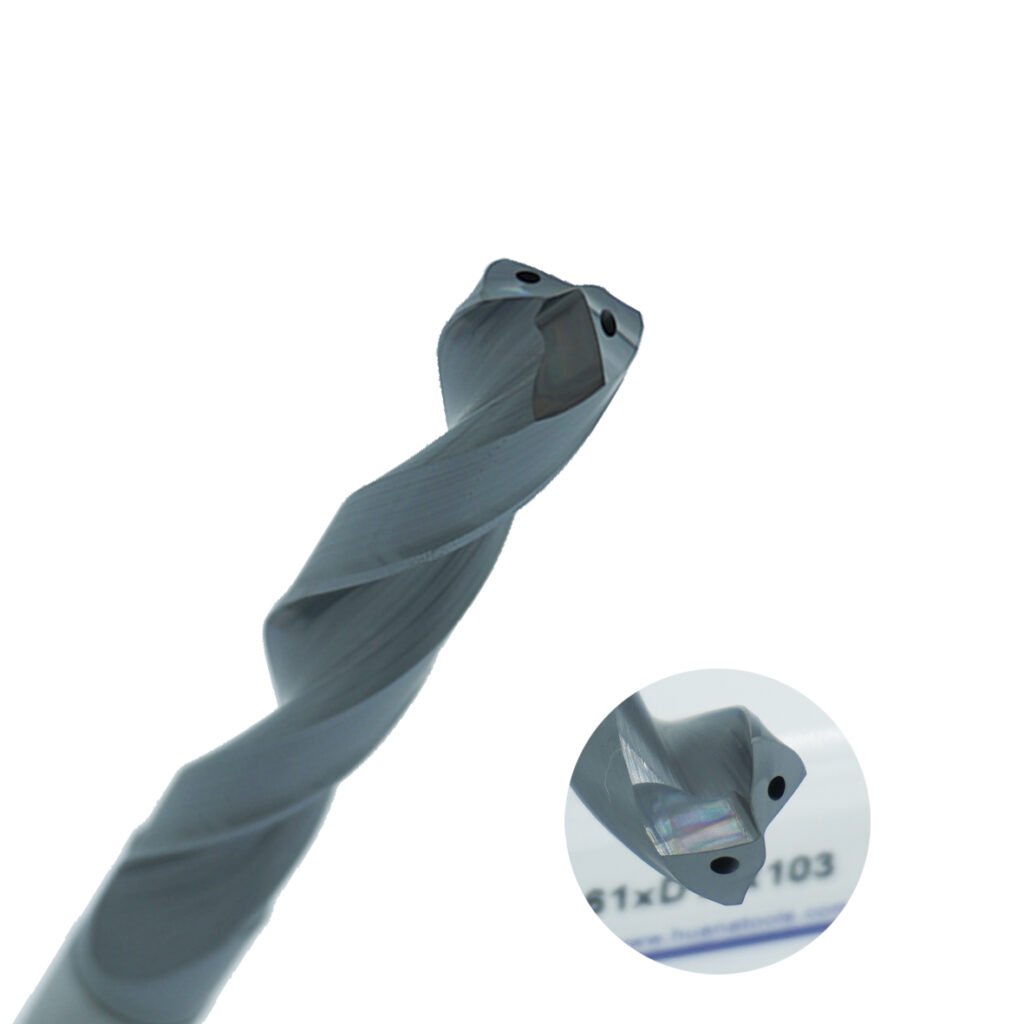
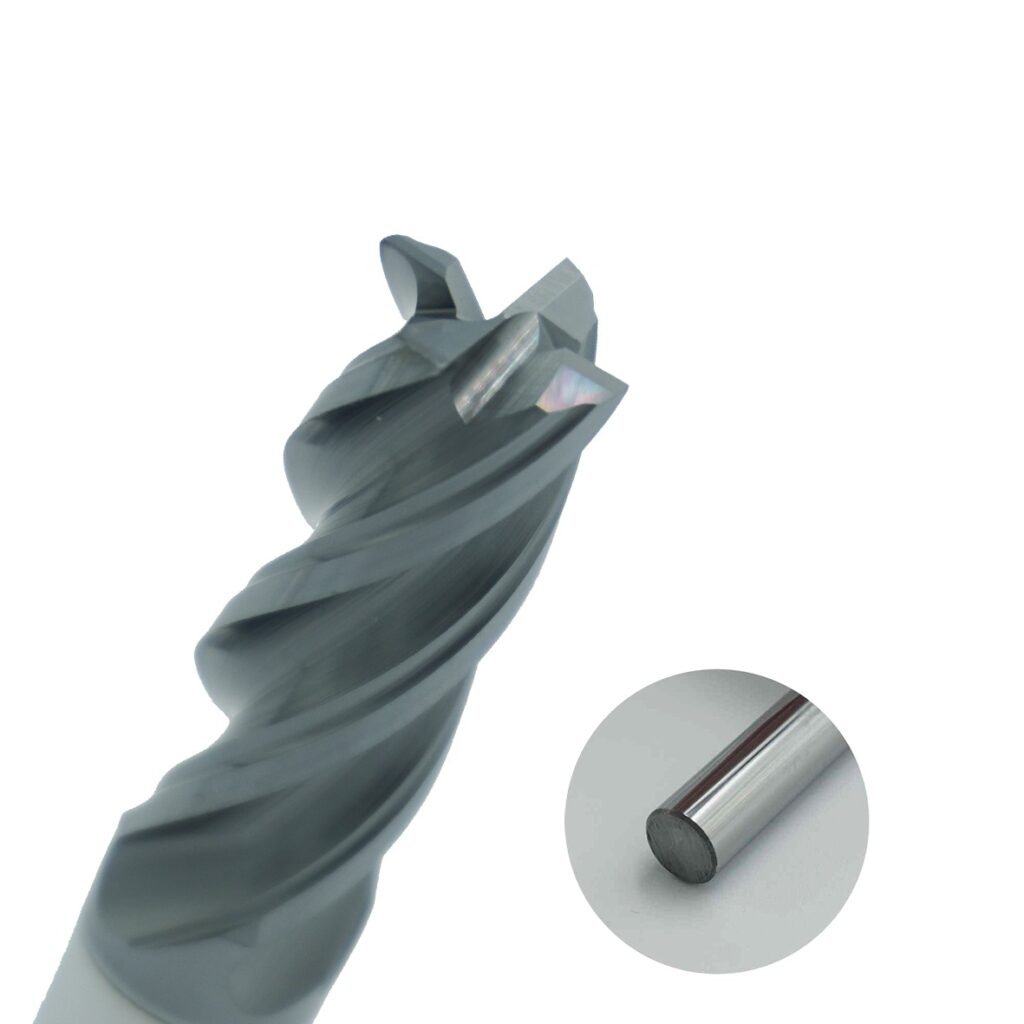
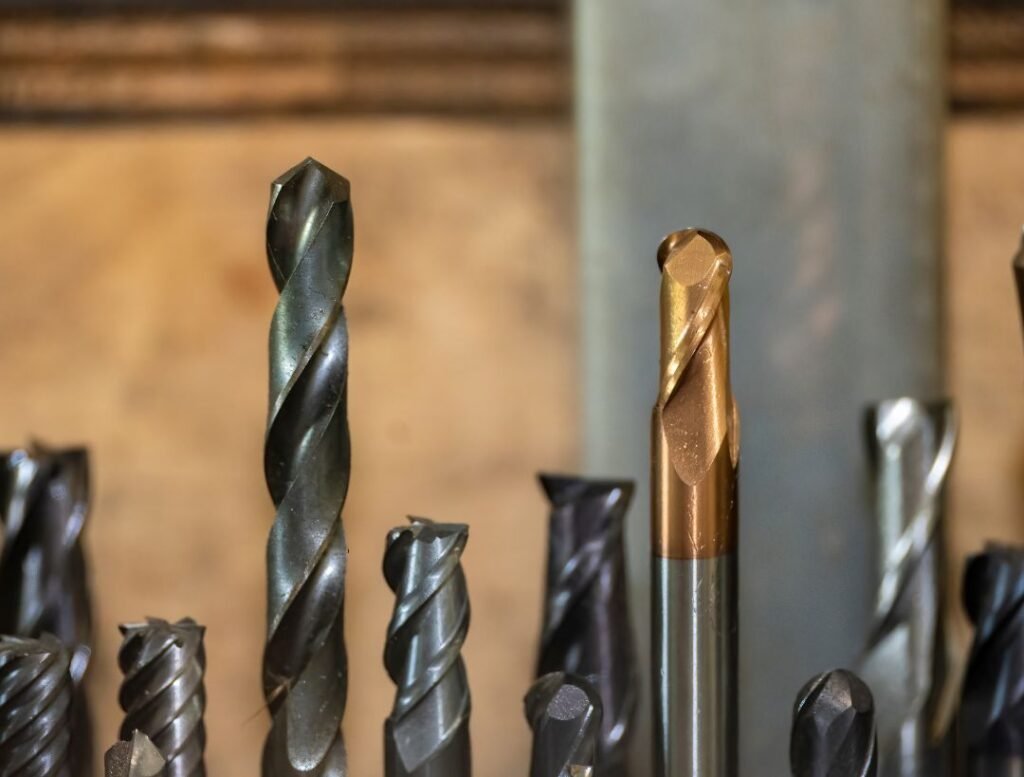
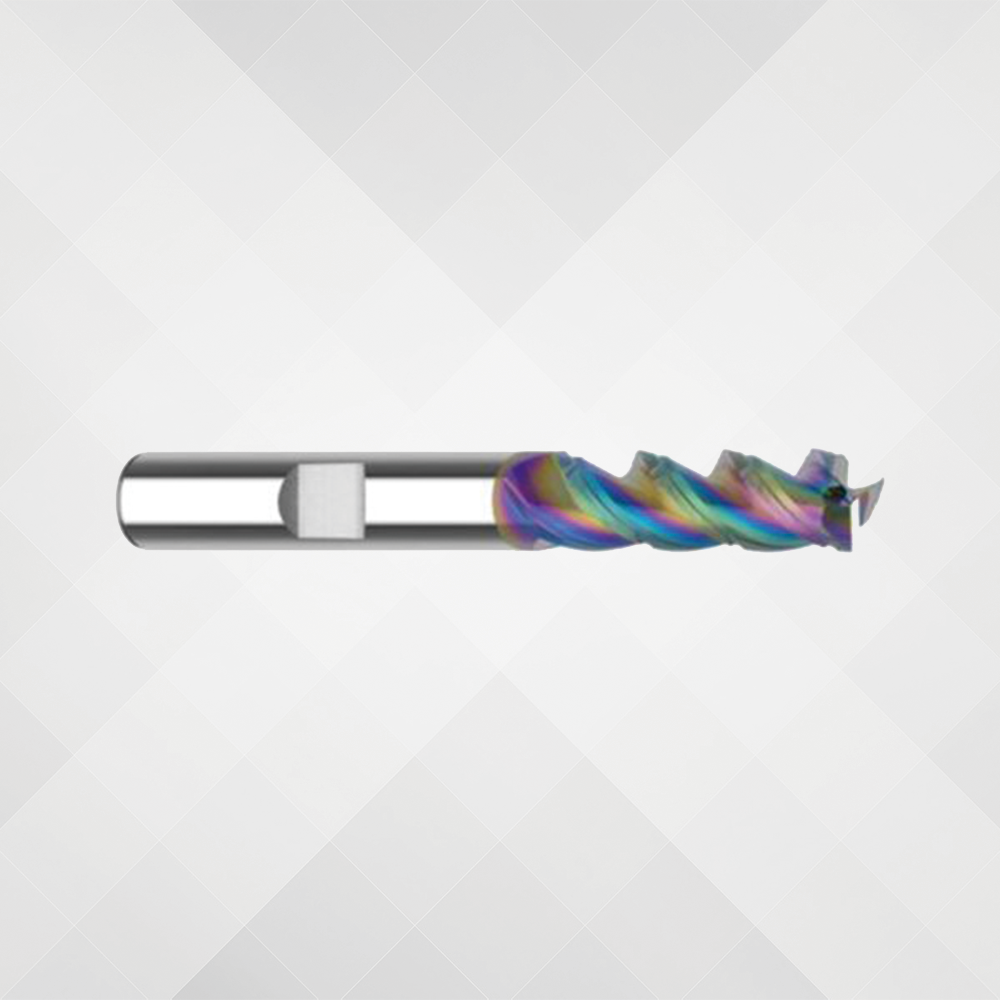
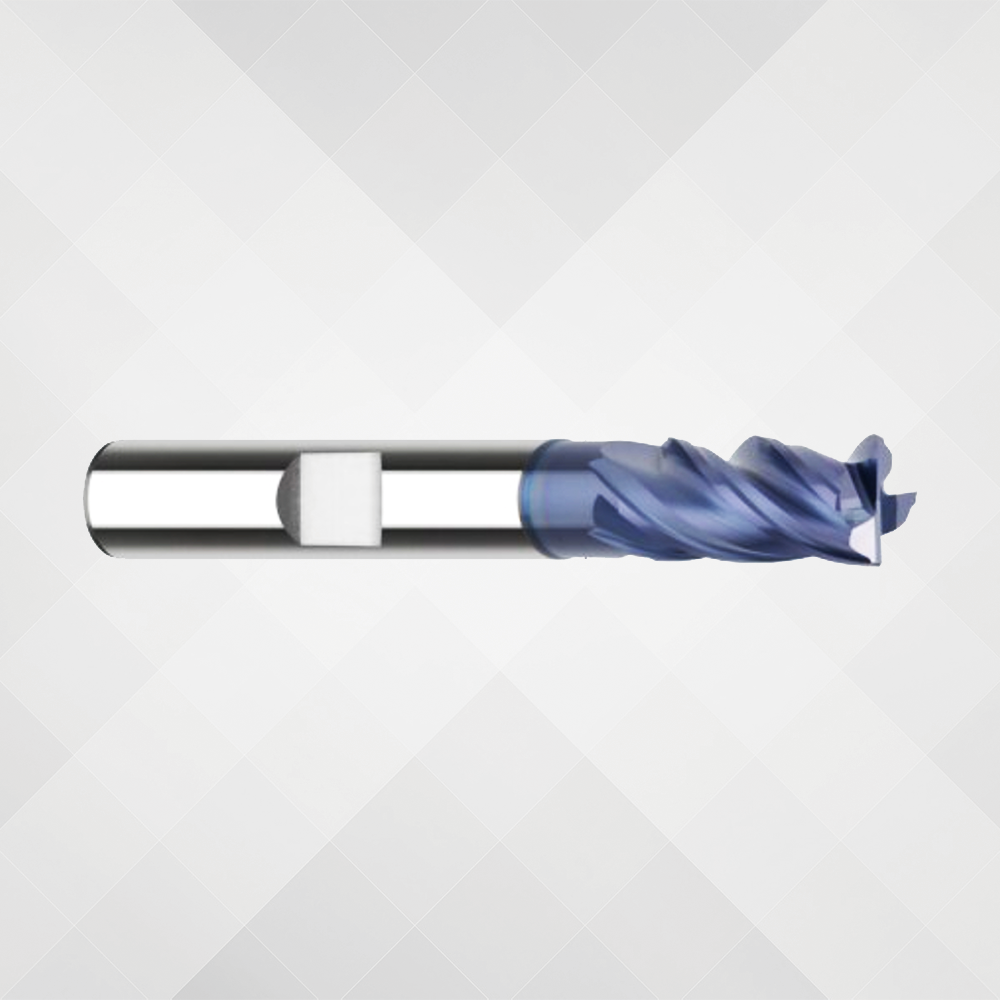
End mills are the core of milling. They determine how clean and fast your cut will be. In Germany, companies expect precision and reliability. The right tool makes all the difference. When cutting aluminium, two features matter most. First, the flute design. Good tools often have 2 or 3 flutes. That gives space for chips to clear. It avoids chip buildup and keeps your surface fine. Fewer flutes often mean better chip flow. 3‑flute tools balance stability and chip clearance well.
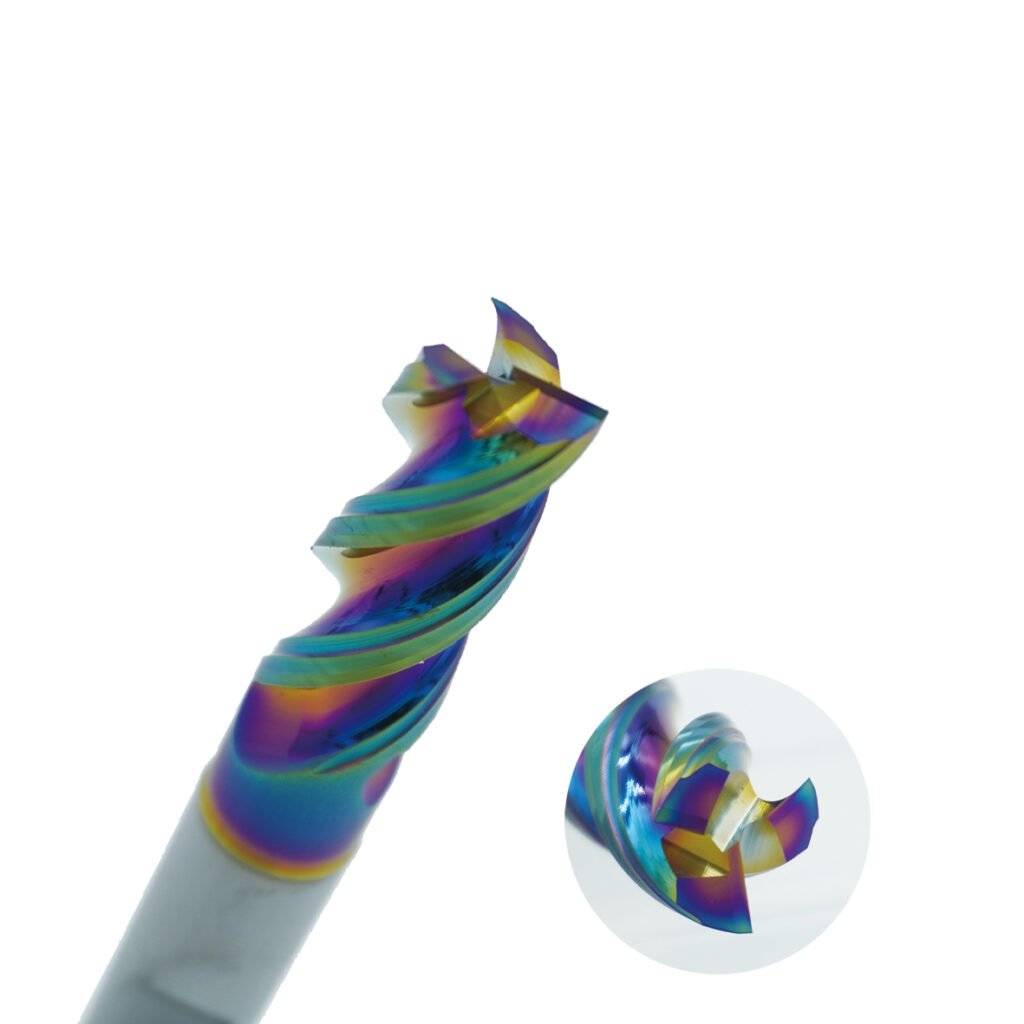
Second, end mills for aluminium need sharp geometry. A high helix angle (around 35°–45°) gives a smooth slicing cut. The rake angle should be positive and large. The flutes should be polished or coated (like DLC or TiB₂). This lowers friction and prevents aluminium from sticking.
Material matters too. Most precise work uses ultra-fine-grain carbide. It handles heat and wears well. HSS tools cost less but wear faster when milling aluminium.
With the right end mill, you get sharper edges, cleaner chips, and less tool wear. That means better precision and faster production. It also cuts costs in the long run. High‑precision German brands like EMUGE‑FRANKEN or Lehmann Präzisionswerkzeuge offer tools built for these exact needs.
Properties of Aluminium & Machining Challenges
Aluminium is one of the most widely used metals in the German machining industry. It’s light, corrosion-resistant, and easy to form. Many sectors rely on it every day. But while it seems easy to machine, aluminium has some special properties that can make milling more difficult than expected.
1. High Ductility Can Cause Chip Welding
Aluminium is a ductile metal. That means it bends and stretches instead of breaking. While this makes it ideal for shaping and forming, it becomes a problem when cutting. During high-speed milling, the heat and pressure can cause small metal chips to stick to the tool surface. This is called chip welding. Chip welding is bad for two reasons.
- First, it ruins the tool’s edge, making it dull very quickly.
- Second, it damages the surface of the workpiece.
What should be a clean cut becomes rough and uneven. If chip welding keeps happening, the two flute end mill must be replaced more often, which adds cost and delays.

2. Softness Leads to Tool Sticking
Aluminium is softer than many other metals, like steel or titanium. While that might sound good, this softness actually makes the tool more likely to get clogged. When cutting, small pieces of aluminium can stick to the tool edges, especially if the tool isn’t coated well or has the wrong geometry.
This sticking creates a build-up on the tool. It changes the shape of the cutting edge and causes vibrations or chatter. The result is a poor surface finish and lower part accuracy. In some cases, the tool can even break if the build-up becomes too thick.
3. High Thermal Conductivity Affects Accuracy
Aluminium is a good conductor of heat. When milling, the cutting heat doesn’t stay in one point. It spread rapidly across the part. This will make the workpiece slightly expand. Small temperature changes will result in variations of size, which is a serious issue in precision machining. When the heat is not removed quickly, either through coolant or chip removal, the part could lose its tolerances. This is particularly crucial in industries such as automotive, where every part has to meet close specifications.
4. High RPM Is Needed for Clean Cutting
To smoothly cut aluminium, the machine must be operating at a high spindle speed. It is because aluminium does not resist cutting as hard metals do. When the RPM is low, the cut will be rough, and chips start to bunch up. This reduces production and can hurt both the tool and the part. High RPM, along with keen tools and proper feed rates, minimises the tool wear and enhances the surface quality. But it also increases the machine and tool balance requirement. When the machine setup is unstable, it can cause vibrations.
5. Chip Removal Must Be Smooth and Fast
One of the biggest problems in aluminium machining is chip removal. Because the material is soft, it creates long, stringy chips. If these chips don’t clear out quickly, they build up around the tool. This causes heat, clogging, and a poor finish.
To avoid this, tools with wider flute spacing- like a two or 3 flute end mill are often used. These flutes give chips enough room to exit cleanly. A polished flute or the right coating also helps reduce sticking and improves chip flow.
Best End Mill Designs for Aluminium
Cutting aluminium the right way starts with choosing the right tool. End mills made for aluminium are not all the same. Some designs work better because they help remove chips faster, keep the tool clean, and reduce wear. Here’s what to look for:
Fewer Flutes
For aluminium, tools with 2 or 3 flutes are the best choice. Why? Because they leave more space between the flutes. This open space allows chips to escape easily while cutting. If the chips stay stuck, they cause heat and damage. Fewer flutes mean better chip removal and smoother cutting.
Polished Flutes Help Keep the Tool Clean
Aluminium has a habit of sticking to the tool, especially during long runs. A polished flute surface helps reduce this problem. The smooth finish makes it harder for chips to cling to the tool. This keeps the cutting edge clean and sharp, which gives you a better finish on your part.
Special Coatings Make a Big Difference
DLC coating can also help a lot when cutting aluminium. Two coatings that work very well are:
- ZrN (Zirconium Nitride)
- TiB₂ (Titanium Diboride).
These coatings minimize friction and prevent aluminium from adhering. They also prevent the tool from overheating and extending its lifespan. ZrN has a smooth finish and wear resistance. TiB₂ prevents build-up perfectly even at high speeds. Both are performance and time-saving improvements by minimizing tool changes.
Choosing end mills with fewer flutes, polished surfaces, and the right coating, you get cleaner cuts, less sticking, and longer tool life. It’s a simple way to boost quality and efficiency when working with aluminium.
Comparing End Mill Options
Different jobs need different tools. When it comes to milling aluminium, two main options are popular:
- Carbide
- HSS (high-speed steel)
Both can do the job, but they work best in different situations. Let’s break it down simply.
Carbide vs. HSS for Aluminium Machining
Carbide tools are strong and last longer. They’re great for high-speed work and give a clean finish. HSS tools are more affordable but wear out quicker, especially during longer runs. Here’s a simple table to compare them:
Feature | Carbide (2-Flute, ZrN-Coated) | HSS (4-Flute, TiN-Coated) |
Cutting Speed | Fast | Medium |
Heat Resistance | High | Low to Medium |
Tool Life | Long | Short |
Chip Removal | Very Good | Less Effective |
Surface Finish | Smooth | Less Consistent |
Cost (Initial) | Higher | Lower |
Best Use | Large batches, fast cuts | Small jobs, lower budget |
Carbide is better for speed, quality, and tool life, while HSS is more cost-friendly for simple tasks.
Cost vs. Performance Considerations
If you’re working on large orders or need top accuracy, carbide tools are worth the price. They stay sharp longer and reduce downtime. If you’re handling short runs or basic parts, HSS tools can still work well. They cost less and are easy to replace.
So, how do you choose?
It depends on your job size, machine speed, and finish needs. Some shops use both types:
- Carbide for daily runs
- HSS for backup or light work.
“We adapt quotations based on client budget expectations, offering both premium and cost-effective solutions without compromising quality.”
This way, you get the right balance, good tools, smart spending, and solid results.
Practical Performance Table
To get consistent and precise results, it’s smart to base your tool selection on real cutting data. Below is a guide for German CNC workshops using aluminium 6061 and 7075, with typical carbide end mills (10 mm, 2‑flute, ZrN‑coated).
Material | Cutting Speed (Vc) | RPM (10 mm) | Feed per Tooth (Fz) | Feed Speed (mm/min) | Tool Life (min) | Notes |
6061 | 640–865 m/min | ≈ 6,500–8,700 rpm | 0.06–0.08 mm | ≈ 1,300–1,900 | ~300–500 min | High throughput, good chip control |
7075 | 500–700 m/min | ≈ 5,000–7,000 rpm | 0.05–0.07 mm | ≈ 1,000–1,400 | ~200–400 min | Harder alloy, needs coolant, slower tool wear |
These speeds match those recommended in machining guides designed for demanding machining environments like German automotive and aerospace shops.
Material | Cutting Speed | Feed per Tooth | Approx. RPM | Tool Life (min) | Notes |
6061 | 120–200 m/min | 0.03–0.05 mm | ~2,500–5,000 | 100–200 min | Budget use, more tool changes |
7075 | 80–150 m/min | 0.02–0.03 mm | ~2,000–4,500 | <100 min | Faster tool wear, lower surface quality |
These values are based on typical production conditions in mid-sized German workshops using standard CNC milling machines. Always adjust for your machine’s power, rigidity, and coolant type.
Case Study: Automotive Aluminium Component
A German vehicle manufacturer required a critical aluminium gear housing machined from 6061‑T6 alloy. They changed to a 3 flute carbide end mill with ZrN coating, designed for chip evacuation and high spindle speeds. Cutting speed was improved by almost 20% and reduced tool wear. Operators found the chip removal to be much cleaner, resulting in surface quality improvement and reduced scrap rates.
By process optimisation, fewer tool changes, faster feed per tooth, and stable machine setup, the cycle time was reduced by approximately 30%. What previously took 10 minutes now takes less than 7 minutes per part. This improved throughput, reduced costs & permitted quicker delivery without compromising precision.
Using the right 3 flute carbide tool tailored for aluminium made a real difference. Production became faster, cleaner, and more efficient, exactly the performance a B2B shop in Germany needs.
Conclusion
The selection of a suitable end mill can significantly improve your milling outcomes. Use sharp tools with the appropriate flute number, coating & geometry depending on the material. Always reference your speeds, feeds, and machine stability. Make slight alterations and save time and wear on your tools. If you’re not sure which tool fits your task, we’re here to help.