Unveiling the Top 10 Carbide End Mill Brands: The Science Behind Superior Materials

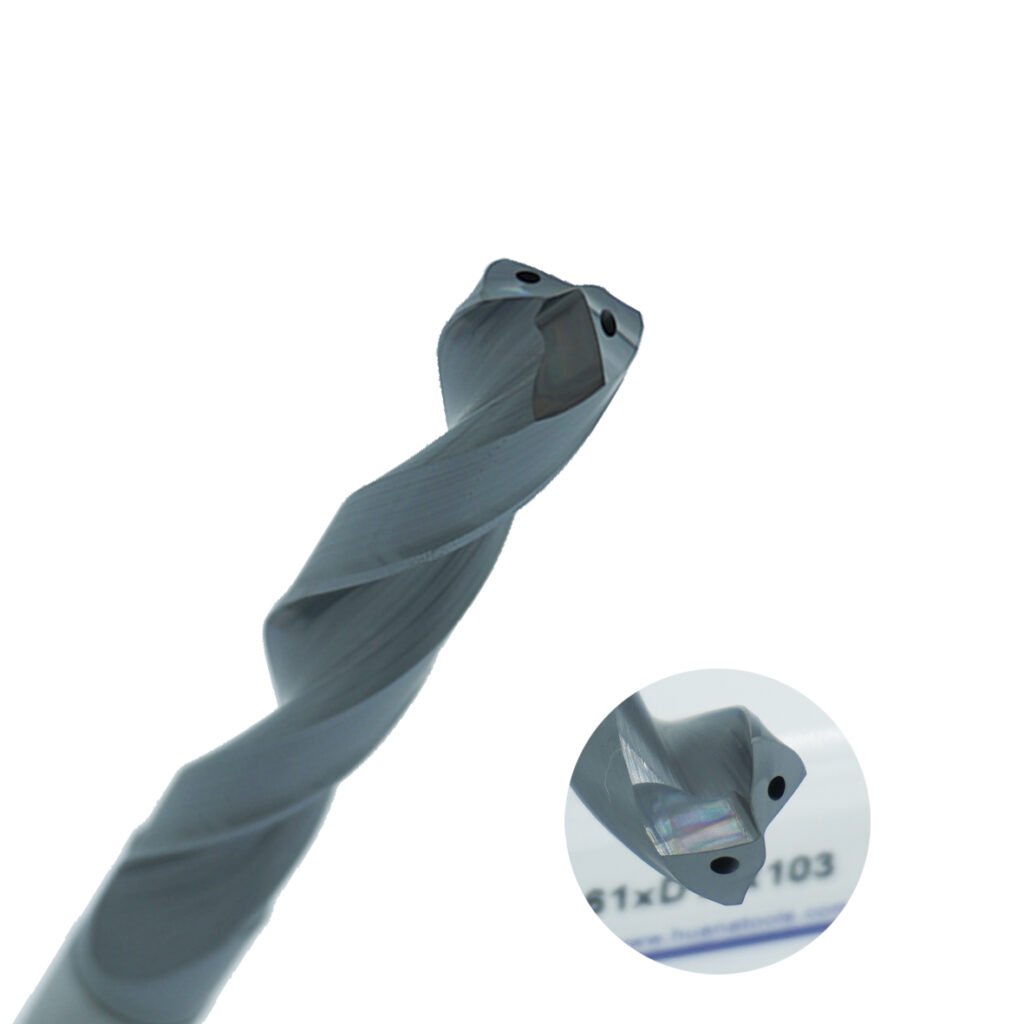
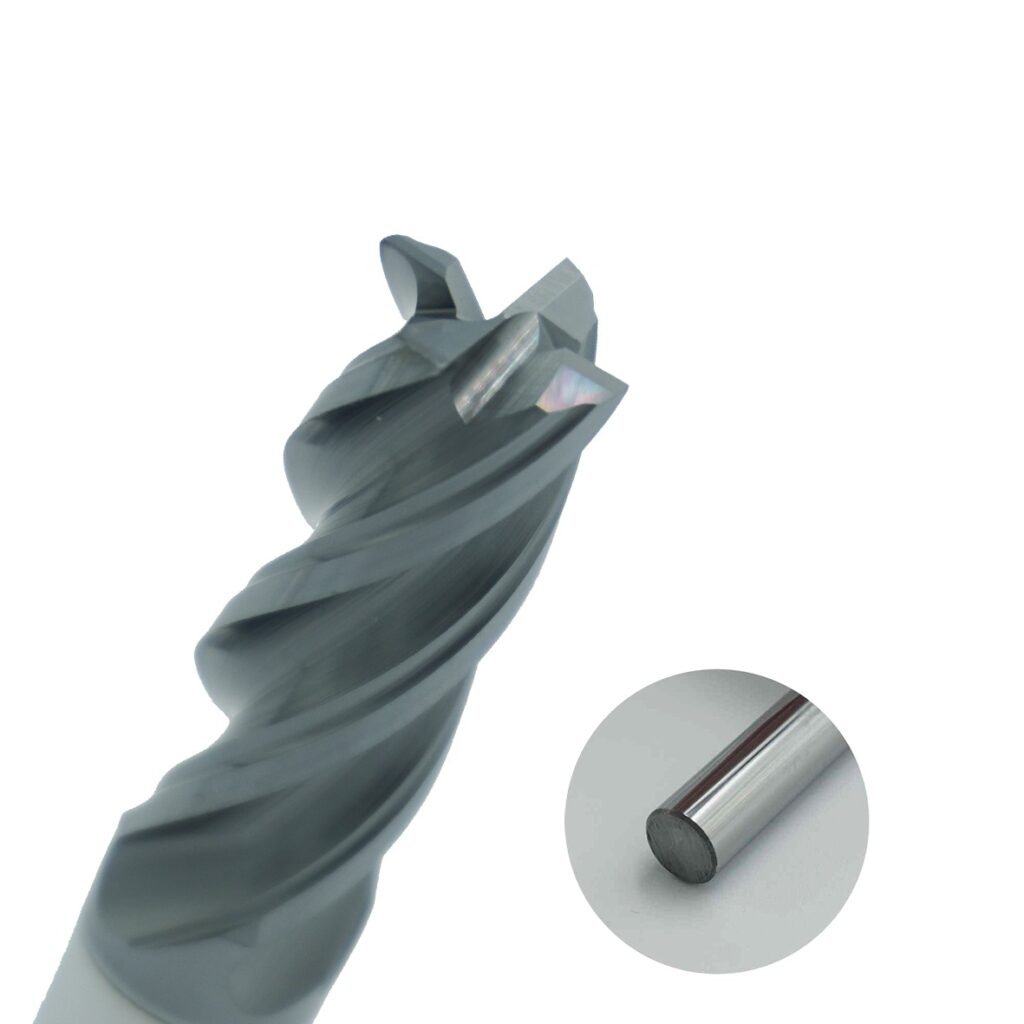
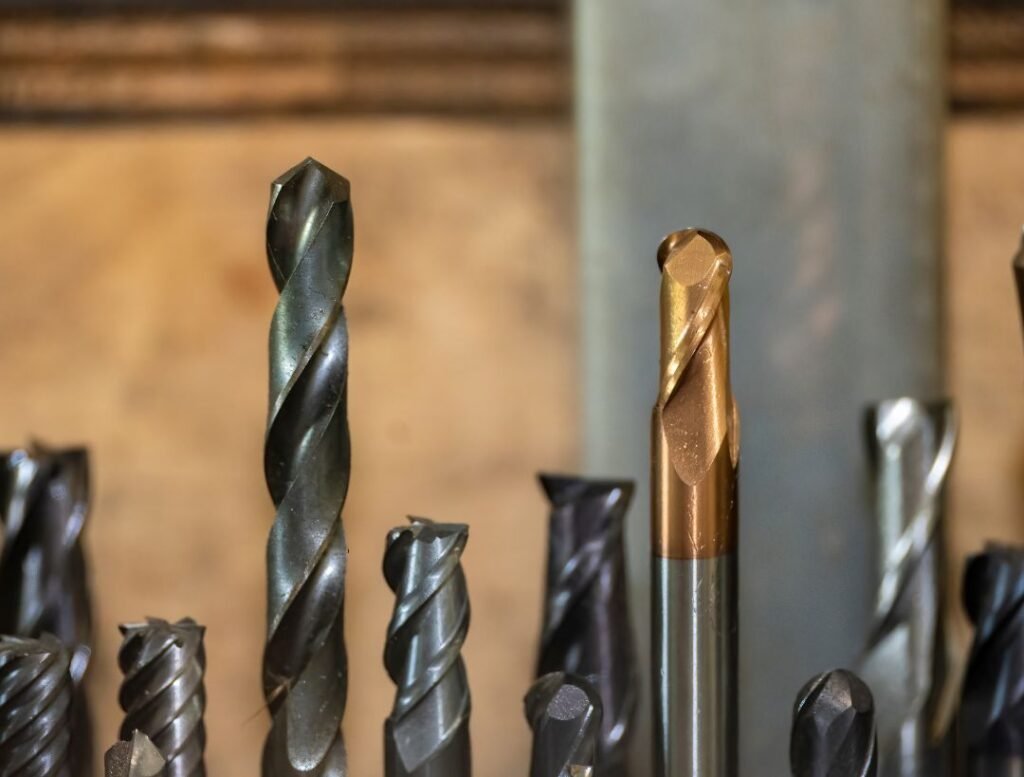
Precision, durability, and efficiency are among the key parameters that collectively govern the quality of machining operations in modern-day manufacturing. Of all the cutting tools, carbide end mills have been used in more industries than other types of processing tools, owing to their superior hardness, thermal resistance, and the ability to retain sharp cutting edges in the harshest environments. Carbide end mills are used widely in aerospace, automotive, die and mould making and general engineering. Using a proper carbide end mill greatly influences the machining efficiency, cost-effectiveness and overall quality of the end products. HNCarbide is the go-to place for end mills and custom end mills, with high-quality products and 24/7 customer support, making it the best end mill manufacturer. It will explain the science behind carbide materials, compare carbide with HSS (High-Speed Steel), list the top 10 carbide end mill brands in the world, and give insights into the selection of tools for every application.
Why Is Carbide the Preferred Material for End Mills?
Understanding Tungsten Carbide in End Mills
- Tungsten carbide, a composite material of carbon (C) and tungsten (W) atoms is the most critical component of carbide end mills. These are fused using a metallic binder, usually cobalt (Co)” to form an ultra-hard substance.
- This combination makes tungsten carbide harder than HSS and results in better wear resistance, which is critical for high-performance machining and extended tool life.
- Resistance to Wear: Carbide end mills are resistant to wear, so they exhibit a longer tool life compared to HSS tools, which reduces the requirement for frequent tool replacement.
- Heat Resistance: Carbide tools can withstand heat better without thermal deformation, while HSS tools lose hardening at higher temperatures.
- Chemical Resistance: Carbide’s excellent resistance to oxidation and chemical reactions makes them ideal for cutting exotic alloys or heat-treated metals.
- Structural Rigidity: The rigidity of carbide helps reduce deflection and vibration, ensuring more precise and stable cuts.

Carbide vs. HSS: A Performance Comparison
While HSS end mills are still used for some general-purpose applications, they have largely been replaced by carbide end mills due to their superior performance.
Feature | Carbide End Mills | HSS End Mills |
Hardness | HRC 90+ | HRC 60-65 |
Heat Resistance | High | Moderate |
Wear Resistance | Excellent | Moderate |
Cutting style | High | Lower |
Tool Life | 5-10x longer | Shorter lifespan |
Cost | Higher upfront cost | Lower initial cost |
Application | High-precision, high-speed machining | General-purpose machining |
Top 10 Carbide End Mill Manufacturers
Each of the world’s top carbide end mill brands is dedicated to crafting its uses in cutting with precision, using cutting-edge materials and coatings to maximize overall performance. You can get the best metal-cutting tools from end-mill suppliers.
Walter (Germany)
Walter manufactures carbide end mills with high-density micro-grain structures that offer precision and long life. They also manufacture fast-cutting tools, which are ideal for machining industrial applications.


Kennametal (USA)
Kennametal’s ultrafine carbide technology offers an unrivalled hardness-to-toughness ratio , enabling end mills to meet the requirements of precision machinists in the aerospace, medical, and automotive industries.
OSG (Japan)
OSG applies a proprietary powder metallurgy process to produce carbide end mills with consistent grain distribution, which improves durability, wear resistance, and heat dissipation.

Seco Tools (Sweden)
They have special flute designs that help maximize chip removal and extend tool life, providing advanced carbide compositions for high-speed material removal.
Mitsubishi(Japan)
Mitsubishi’s new coating technology boasts enhanced nano-coating functionality. It increases carbide’s toughness, reduces friction in the process, and improves cutting efficiency, allowing for extended tool life.
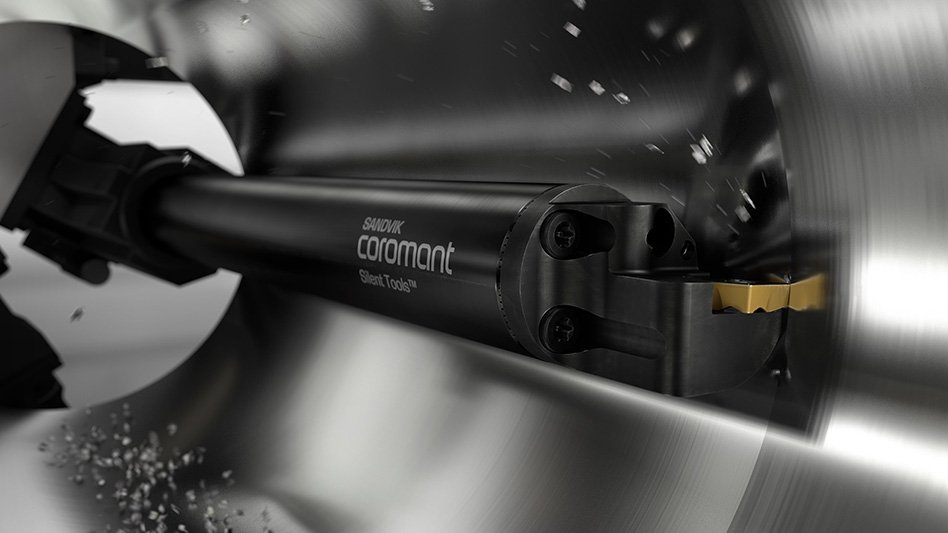
Sandvik Coromant (Sweden)
Smart Carbide Composites Combine composite carbide materials with reinforced grain structures. Crossroad increases tool durability, longer life and smooth cutting operations.
Guhring (Germany)
Guhring specializes in micro-grain carbide technology and offers precision-engineered cutting tools ideal for hardened steels and aerospace alloys.

YG-1 (South Korea)
YG-1 is a widely used choice for various manufacturing. It is ideal for bulk production of endmills, givinendmillserformance at a low cost.
Iscar (Israel)
Poly Nano Coatings State-of-the-art Iscar poly nano-coatings enhance high-speed machining capabilities, reduce friction, and increase wear resistance.
Sumitomo (Japan)
Sumitomo focuses on carbide blends that improve tool toughness, so their end mills are suited for heavy-duty applications with high-impact loads.
How to Choose the Right Carbide End Mill?
Micro-Grain vs. Coarse-Grain Carbide
Feature | ||
Grain Size | ≤1µm | 1µm |
Wear Resistance | High | Moderate |
Toughness | Low | Higher |
Best for | High-speed machining, precision cutting | interrupted cuts, Heavy-duty applications, |
Factors Influencing the Tool Life-Cutting Speed
Speed increases heat generation; coatings such as TiAlN or AlTiN can improve heat resistance.
- Flute Count: A two-flute end mill performs better on aluminium, and a four-flute end mill performs better on steel. Flutes also affect chip removal and the quality of surface finish.
- Tool coatings: PVD and CVD coatings enable better performance and wear resistance
- WORKPIECE MATERIAL: Harder materials require more challenging carbide grades and correct machining parameters.
Future Trends in Carbide End Mills
- As machining technology develops, there are the following factors that influence the future of carbide end mills:
- Hybrid carbide materials: Reinforced carbide composites increase impact strength and wear resistance.
- Advanced Coatings: Future coatings will be self-lubricating to reduce friction.
- Tool Optimization with AI: This (AI) will optimize flute geometries to enhance chip evacuation and stability.
- Sustainable Manufacturing: Companies focus on eco-friendly production methods to minimize carbide waste.
Coatings’ Function in Carbide End Mills
High-performance coatings are one of the significant advances in carbide endmills. They serve many functions, including extending the life of tools, reducing friction, and improving heat tolerance.
Why Do Coatings Matter?
Carbide end mills produce a lot of heat while running at high speeds. Because of this high friction and heat, the tool’s cutting edges may deteriorate quickly without the right coatings.
Common Coating Types and Their Benefits
Coating Type | Composition | Advantages |
TiN (Titanium Nitride) | Titanium & Nitrogen | Improves wear resistance, reduces friction |
TiAlN (Titanium Aluminum Nitride) | Titanium, Aluminum & Nitrogen | High heat resistance, oxidation protection |
AlCrN (Aluminum Chromium Nitride) | Aluminum, Chromium & Nitrogen | Excellent wear and thermal resistance |
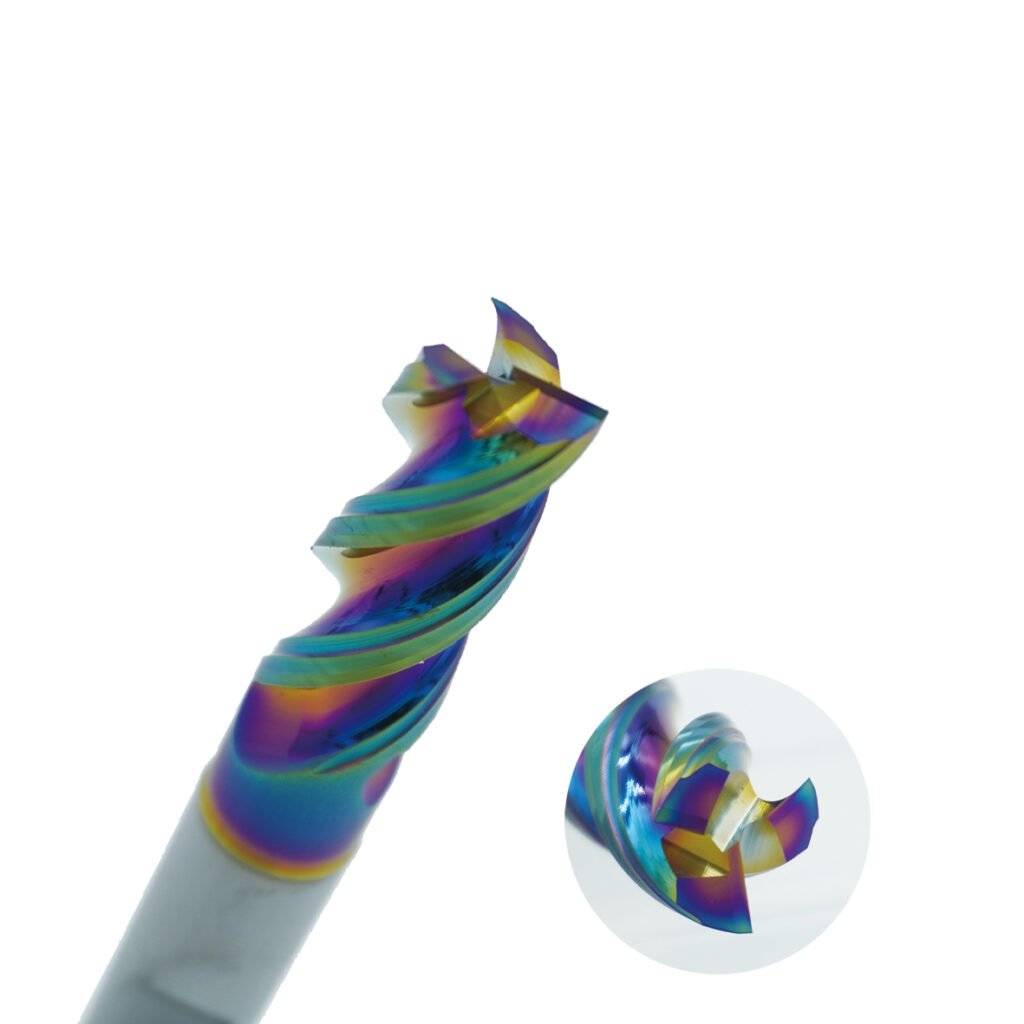
DLC (Diamond-Like Carbon) | Carbon-based coating | Ultra-low friction reduces built-up edge |
CVD Diamond Coating | Synthetic diamond layer | Maximum wear resistance |

Choosing the Right Coating for Your Application
- Machining steel is ideally suited to TiAlN or AlCrN coatings, which provide outstanding heat resistance and the longest tool life.
- DLC coatings improve surface finish and prevent material build-up on aluminium and non-ferrous alloys.
- Diamond coatings are recommended for highly abrasive materials such as graphite and carbon fibre.
- Selecting the right coating is crucial to maximizing productivity and minimizing costs because it will ensure that the tool performs at its best and lasts as long as possible with minimum damage.
How Carbide Grain Size Affects Tool Performance
Carbide end mills are made from tungsten carbide powder, and the size of these carbide grains plays a crucial role in determining tool properties such as toughness and wear resistance.
Micro-Grain vs. Coarse-Grain Carbide
Property | Micro-Grain Carbide (≤1µm) | Coarse-Grain Carbide (>1µm) |
Wear Resistance | High | Moderate |
Toughness | Lower | Higher |
Best for | High-speed machining, precision cutting | Heavy-duty applications, interrupted cuts |
How Grain Size Affects Performance
Micro-Grain Carbide (≤1µm)
- offers exceptional resistance to wear and hardness.
- It is ideal for high-speed machining and finishing tasks where accuracy is essential.
- Utilized in high-precision machining, mould and die manufacturing, and aerospace.
Coarse-Grain Carbide (>1µm)
- provides more durability, increasing its resistance to breaking and chipping.
- Preferred for rough casting machining, heavy-duty applications, and interrupted cuts.
- Frequently utilized in machining railroad components, shipbuilding, and automobile manufacturing.
Why Does This Matter?
The perfect carbide grain size compromises toughness and wear resistance. Micro-grain carbide ensures sharp edges and long tool life in high-speed finishing applications. In contrast, coarse-grain carbide is required for rough machining or interrupted cutting in the face of impact forces.
Custom End Mills: When and Why Do You Need Them?
While standard carbide end mills work for most machining applications, some specialized projects require custom end mills made to stringent specifications.
When is Custom End Mills Necessary?
- Exotic Part Geometries: Different parts need different cutting profiles than what standard end mills can provide.
- Difficult-to-Machine Materials: Exotic alloys and composites often require specific tool geometries and coatings to optimize performance.
- Precision Demands: Ultra-precise cutting tools are used in mould, aerospace, and medical fields.
- Process efficiency: Tailored tools can reduce machining costs, extend tool life and improve cycle times.
Custom End Mill Variations
- Deck Out The Design With Genre Countries: To enhance chip removal in low-diameter cutting or deep cavities
- Extended reach or reduced neck end mills help machine deep pockets without tool interference.
- Combination tools combine cutting functions, reducing machining time and tool changes.
The Benefits of Custom End Mills
- Reduced Number of Passes: Need less passes to complete a segment
- Greater Precision: Precisely creating complex shapes.
- Longer Tool Lifespan: Better geometries and material-specific coatings
Are Custom End Mills Worth the Investment?
Custom end mills can significantly boost productivity and cut expenses for specialized applications or high-volume manufacturing. The long-term gains in productivity and tool longevity frequently outweigh the initial cost.
How to Choose the Best Carbide End Mills Manufacturer: Key Tips & Insights
The correct carbide end mill manufacturer can make all the difference for high performance, precision, and durability in a machinist’s operations. As there are so many manufacturers in the market, it is crucial to consider several factors before deciding on one. Here’s what to consider:
Quality of Carbide Material
Driven by unprecedented worldwide competition and market demands, the end mill’s performance relies significantly on the quality of the carbide used. Look for manufacturers that use high-quality micro-grain or ultra-fine carbide, which improves hardness, wear resistance, and tool life.
Advanced Coating Technology
The manufacturer should provide different coating options, such as TiAlN, AlCrN, or DLC coatings, which help reduce friction while increasing heat resistance and extending tooling life.
Manufacturing Tolerances – Precision & Accuracy
Look for manufacturers that utilize CNC grinding machines and precision measuring equipment for smaller tolerances and cutting accuracy.
Customization Options
For machining applications that require something different, opt for a manufacturer that can supply a tailored end mill, each made with the exact geometry, flute design, and coating needed for your specific application.
Pen laatste compadre experience for industry
Well-established manufacturers with a good record of customer reviews are also more likely to provide reliable product delivery. Look for certifications such as ISO 9001, which indicate stringent quality control.
Pricing & Cost Efficiency
Though cheaper tools may be welcome, high-quality carbide end mills will require fewer replacements and less downtime for machining, making up for the initial cost in the long run.
After Sale Service & Technical Assistance
Selecting a manufacturer who also provides technical support, troubleshooting, and application guidance helps ensure that you get the most out of your tools.
Final Thoughts
Carbide end mills have revolutionized precision machining for their excellent durability, speed, and efficiency. Selection of the proper carbide end mill—be it for heavy-duty cutting or high-speed finishing—is vital to ensuring optimal performance and economy. From 1 4-end mill to 4 flute end mill, everything you can get under one roof is only at HNCarbide.
Cutting professionals can find ways to work smarter, not more complex, and achieve more advantageous cuts by being familiar with carbide materials, choosing the right tool for the job, and keeping up with the latest research. Top manufacturers know exactly what they are doing when producing premium carbide end mills, guaranteeing consistency in your productivity and long-term success. For any query, please feel free to contact us.
FAQs
Why are coatings crucial?
Coatings help reinforce carbide end mills by reducing wear, increasing heat resistance, and extending tool life. An efficient coating allows for higher cutting speeds and better chip evacuation, thereby increasing machining efficiency.
How does tool performance depend on carbide grain size?
Carbide grain size determines the toughness-to-wear-resistance ratio. Coarse-grain carbide (>1µm) has improved toughness for roughing and interrupted cuts, and micro-grain carbide (≤1µm) has higher hardness and is ideal for precision machining.
What advantages do custom carbide end mills offer?
- Custom end mills are created for specific machining needs and can deliver benefits such as Increased productivity due to fewer tool changes.
- Higher fidelity for complex geometries.
- More excellent tool life is achieved through better flute designs and coatings.
- The ideal coating depends on the material being machined:
How can I pick the ideal coating for my carbide end mill?
- For hardened steels, TiAlN is the best.
- AlCrN: Suitable for heat-resistant alloys and stainless steel.
- This coating, called Diamond-Like Carbon or DLC, prevents material from building up on aluminium.
- CVD Diamond Coating: Suitable for composites and abrasive materials such as graphite
Is using a coarse-grain carbide end mill or a micro-grain one better?
Use micro-grain carbide for precise machining and high-speed finishing. Use coarse-grain carbide for heavy-duty roughing, interrupted cuts, or machining tough materials like cast iron.