Solid Carbide vs. Indexable Milling Cutters: Application Scenarios and Selection Guide
Table of Contents
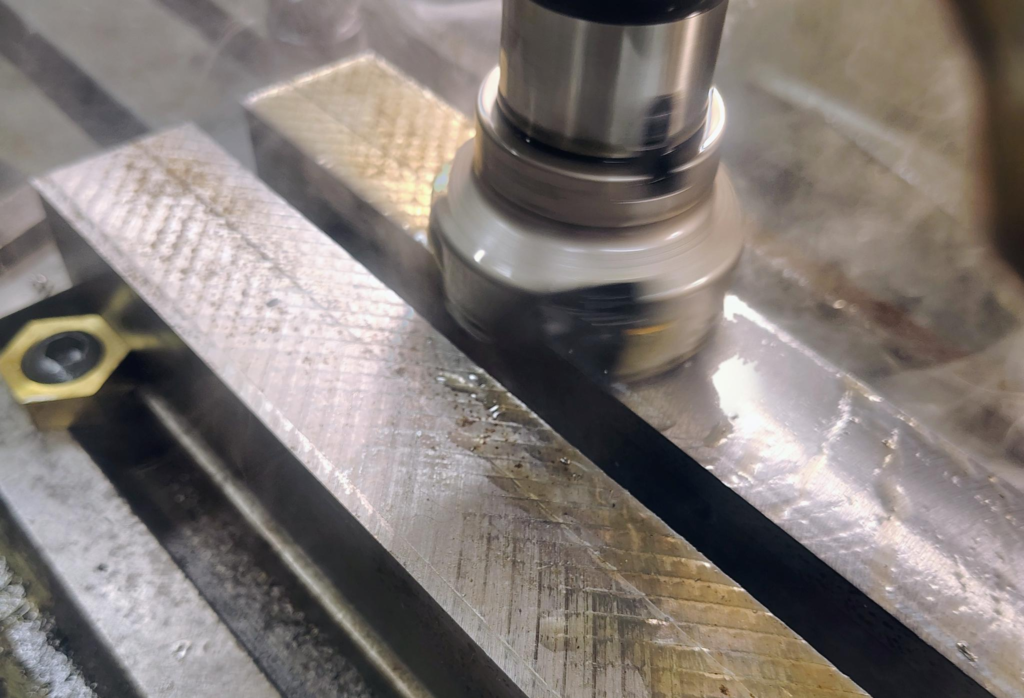
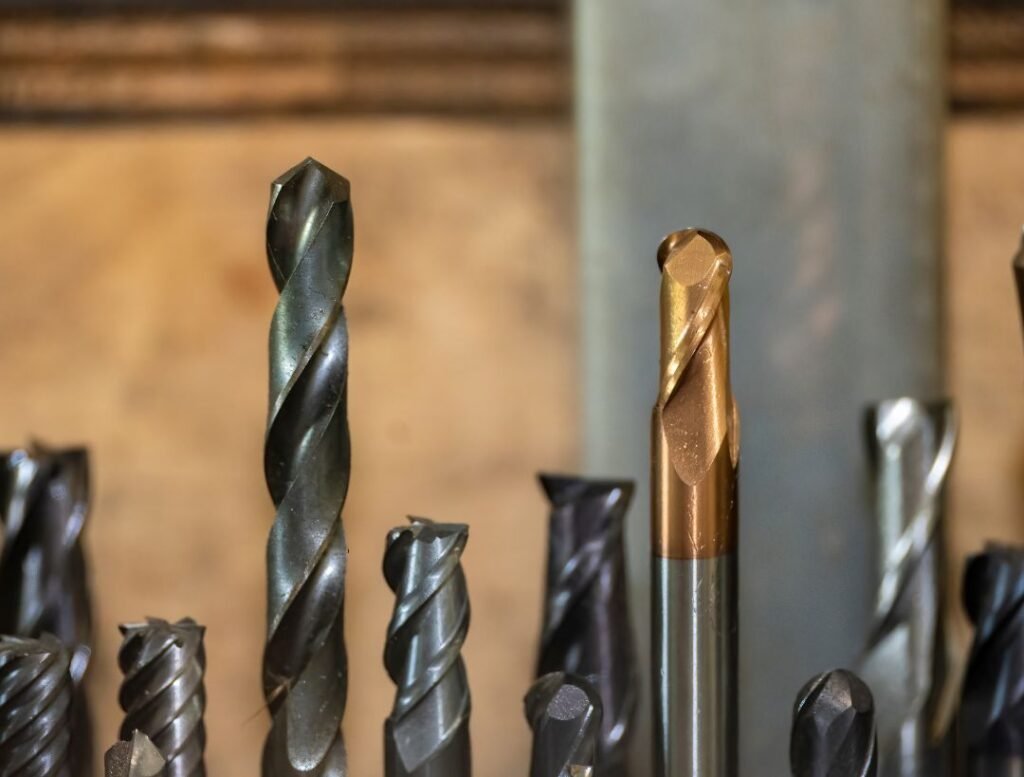
Choosing between a solid carbide end mill and an indexable milling cutter is rarely a simple question of which tool is “better.” In many CNC shops, both tools are needed. The real decision is about where each tool earns its place in the process.
An indexable cutter is usually the practical choice when a shop needs to remove a lot of material quickly, keep spindle time productive, and change worn edges with minimal downtime. A solid carbide end mill becomes the stronger choice when the part asks for small diameters, clean side walls, stable finishing, or tight control of size and surface quality.
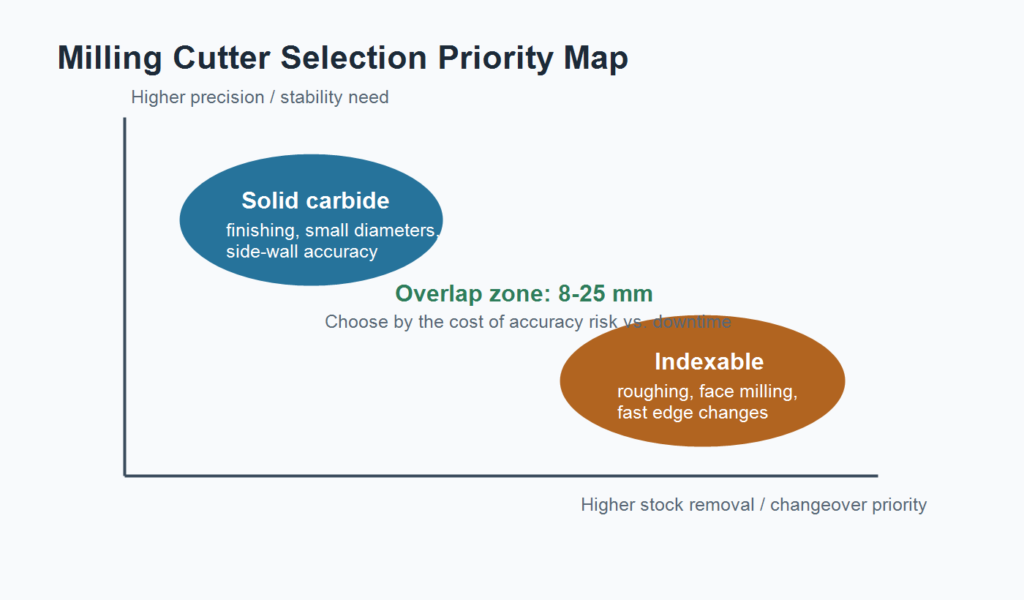
The overlap is where the decision gets interesting. In the common diameter range of roughly 8 mm to 25 mm, both tool families may be technically capable. The right choice depends on the priority order: tolerance, surface finish, vibration control, tool-change efficiency, and the true cost of rejects or secondary finishing.
Where Indexable Milling Cutters Are Usually the Main Tool
Indexable cutters are built around a reusable steel cutter body and replaceable carbide inserts. That structure makes them especially attractive in larger diameters and production environments where predictable edge changes matter as much as cutting performance.
Heavy Roughing and Large Stock Removal
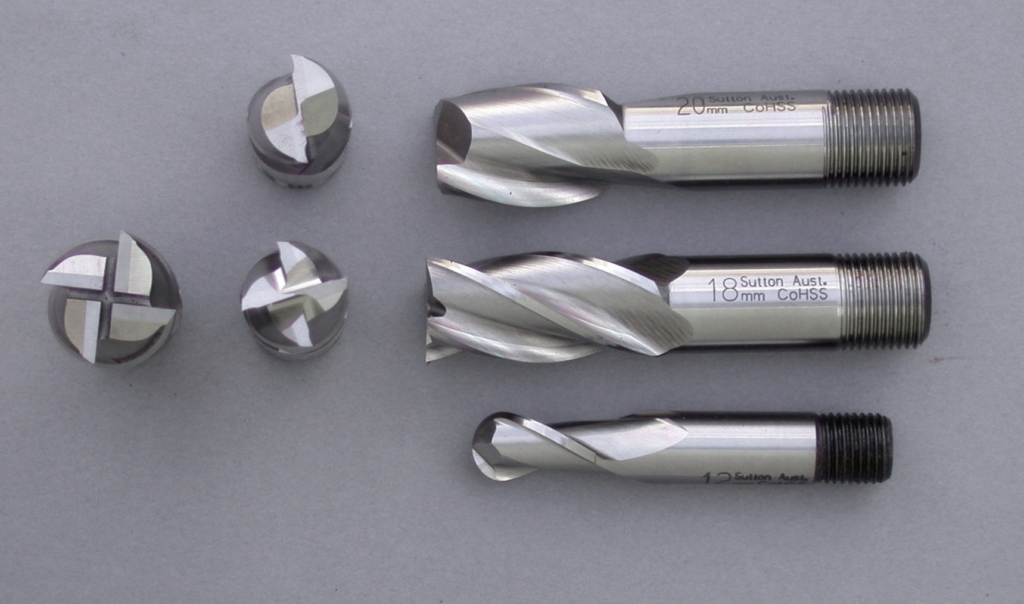
For face roughing, cavity roughing, forged or cast stock cleanup, and other high-removal operations, indexable milling cutters are often the first tool to consider. The cutter body can carry multiple inserts, so the tool can take advantage of a larger cutting diameter and distribute the load across several cutting edges.
This is especially useful when the machining goal is not a perfect final wall, but fast and controlled removal of allowance. In a large steel plate, an iron casting, or an equipment component with uneven stock, the shop usually wants a stable roughing process that keeps the machine loaded without sacrificing insert life too quickly.
Large Face Milling and Semi-Finishing
Indexable face mills also perform well in large flat surfaces. With the right insert grade, edge preparation, and wiper geometry, they can produce a reliable semi-finished or finished face at a much higher width of cut than a small solid end mill.
The key is that face milling is less sensitive to some of the problems that hurt indexable cutters in side milling. Insert height variation and pocket fit still matter, but the cutting action is spread across a broad face. When the setup is rigid and the cutter is matched to the material, an indexable face mill can balance throughput and surface quality well.
Standardized High-Volume Production
In automotive, construction machinery, hydraulic components, and other repeatable production work, the ability to rotate or replace inserts quickly is a major advantage. A worn insert edge can be indexed in seconds. The operator does not need to replace the entire tool, remeasure the full tool length from scratch, or make a long interruption to production rhythm.
That is why indexable milling cutters are common in production lines with stable workpieces, known materials, and mature cutting data. The tool system supports predictable maintenance and short planned stops.
Where Solid Carbide End Mills Are Usually the Main Tool
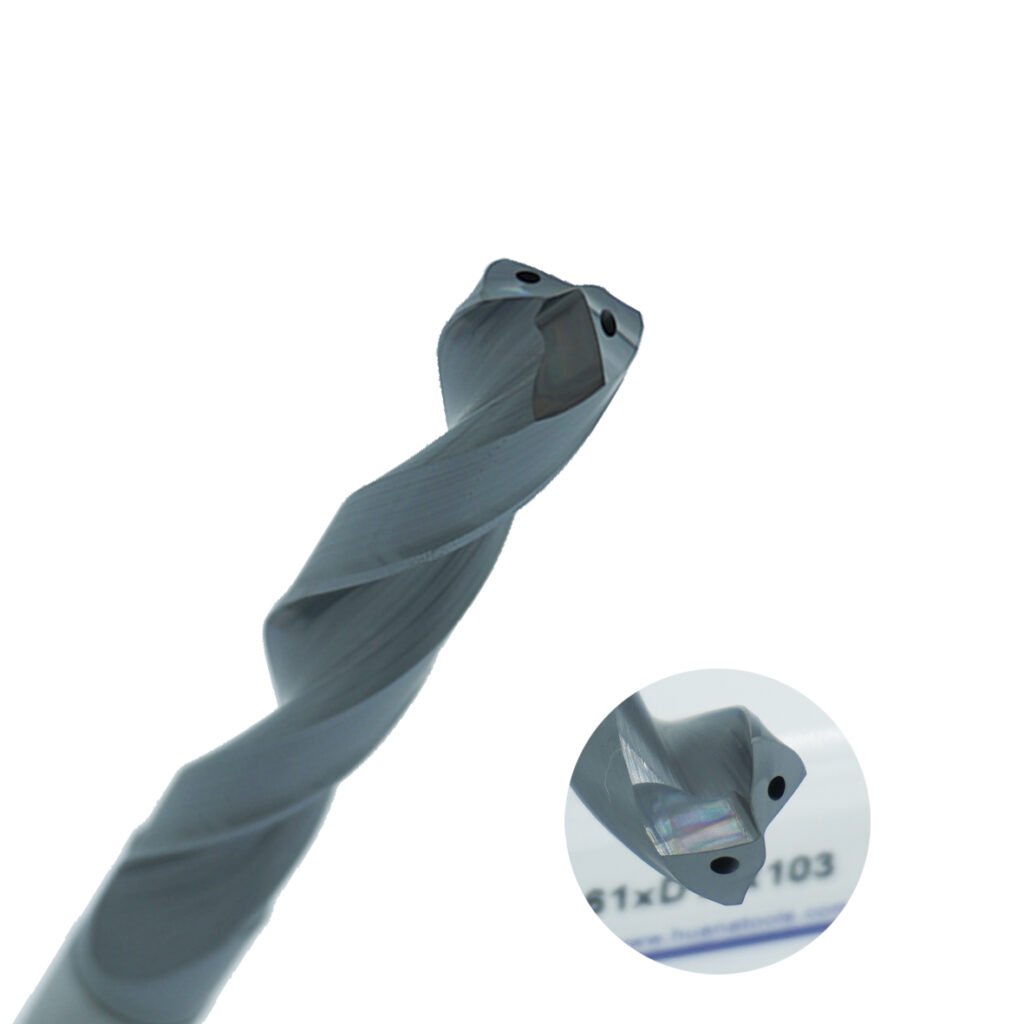
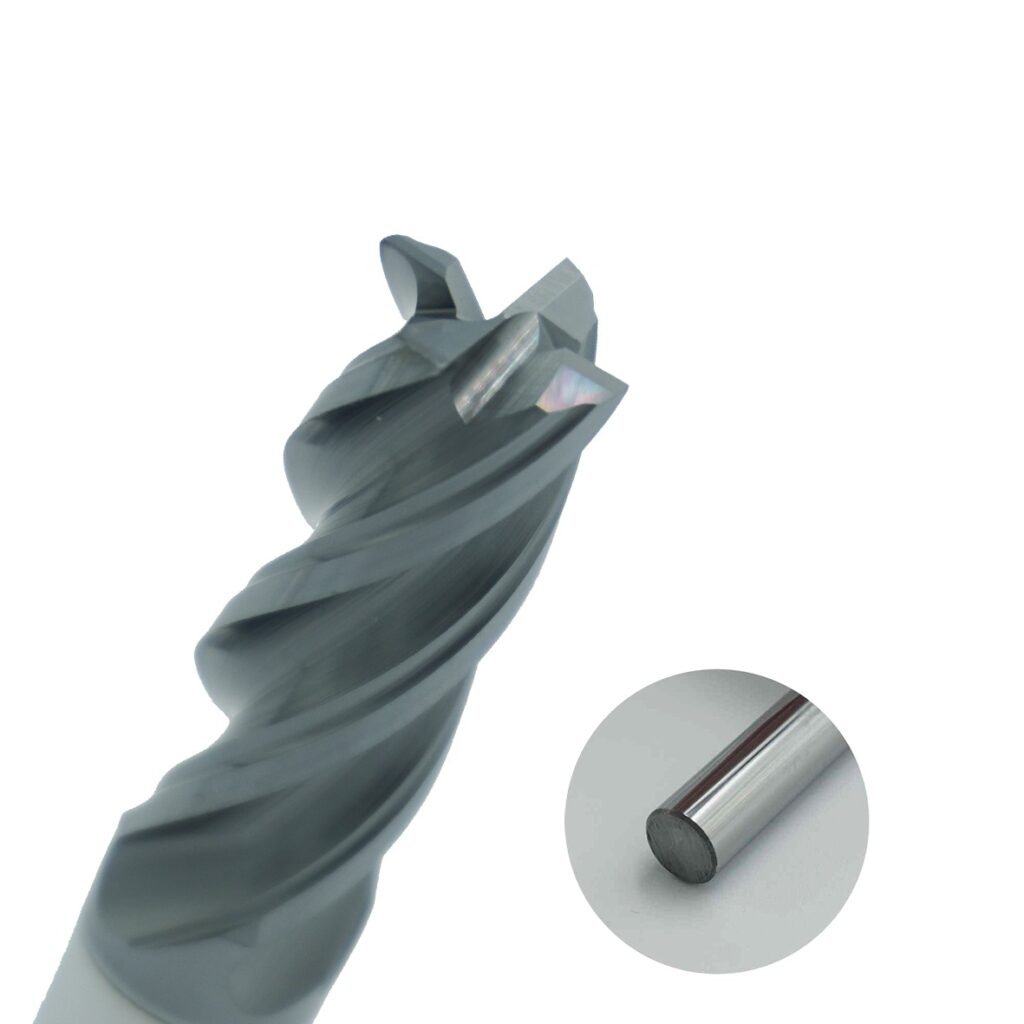
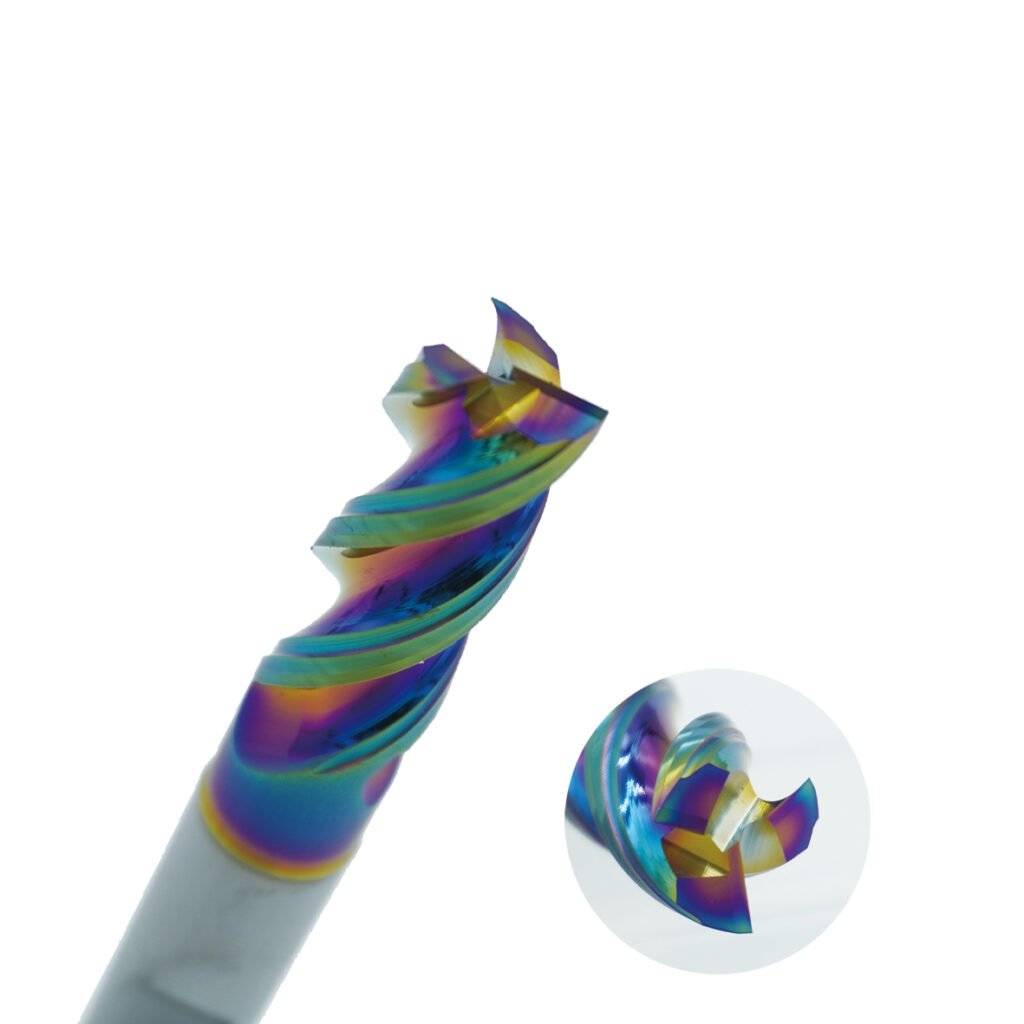
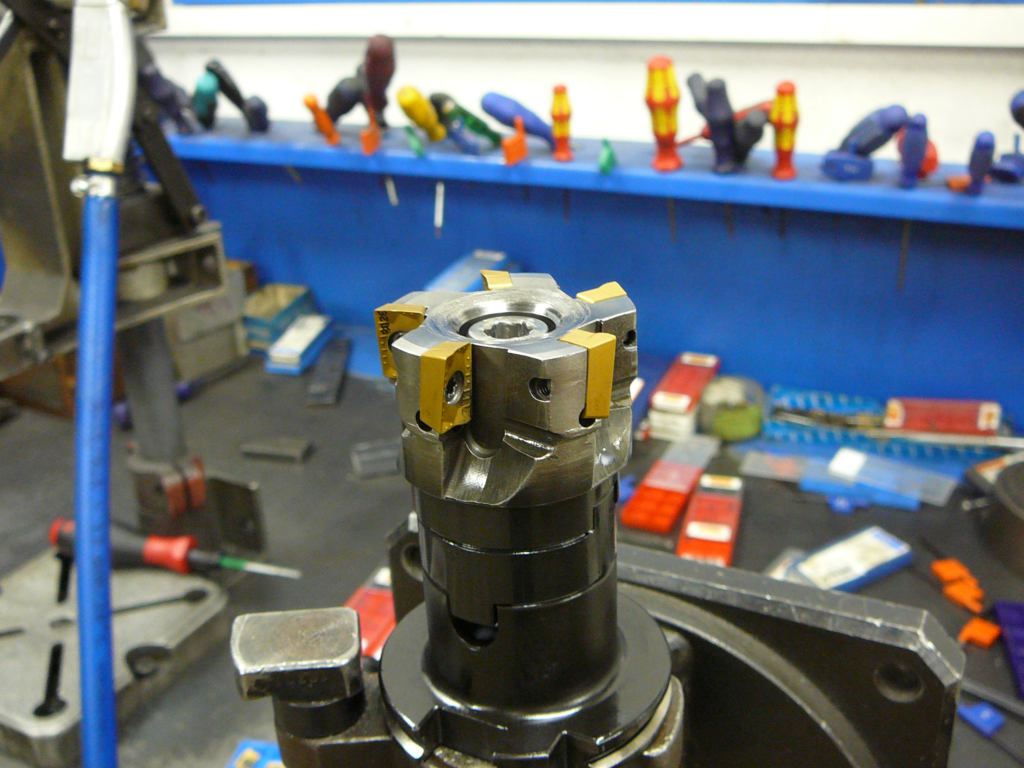
Solid carbide end mills are one-piece cutting tools. The shank and cutting edges are ground from carbide, so the tool has no insert pockets, screws, or assembly gaps at the cutting edge. That is why they dominate small-diameter work and many finishing operations.
Micro and Small-Diameter Milling
Below about 8 mm, and especially in the 0.1 mm to 6 mm range, solid carbide end mills are usually the practical option. Indexable tools are limited by the physical size of inserts, screws, clamps, and pockets. There simply is not enough room to build a reliable indexable structure at very small diameters.
For narrow slots, small internal radii, micro features, mold details, electrodes, medical parts, and small precision components, a solid carbide tool gives the programmer access to features that an indexable cutter cannot reach.
Precision Side Milling and Contour Finishing
Solid carbide end mills are also preferred when the side wall is part of the finished geometry. Mold cavities, precision mating faces, continuous contours, and components that cannot tolerate visible step marks often need a continuous cutting edge.
An indexable cutter has multiple inserts, and each insert sits in a pocket. Even with a high-quality cutter body, small differences in insert position and edge height can leave witness marks on a side wall. In many roughing operations this is acceptable. In a finished mold wall or tight-fit pocket, it can mean polishing, rework, or scrap.
Medium-Diameter Roughing and Semi-Finishing
Solid carbide can also be very productive in medium diameters, especially below 20 mm. A modern roughing end mill may offer more cutting edges in the same diameter than an indexable option, with sharper geometry and smoother engagement. In machines with high spindle speed and good toolholding, this can produce excellent metal removal rates in pockets, profiles, and dynamic milling paths.
The point is not that solid carbide always removes material faster. It is that in smaller and medium diameters, the one-piece geometry often gives a better mix of edge count, sharpness, rigidity, and cutting stability.
The Overlap Zone: 8 mm to 25 mm
The most common debate happens in the middle: general milling in the 8 mm to 25 mm diameter range. Here, both choices may work. A shop might rough with an indexable end mill, finish with a solid carbide tool, or use solid carbide for the whole operation if accuracy and stability are more important than insert indexing.
The table below gives a practical first-pass selection view.
Selection factor | Solid carbide end mill is usually stronger when… | Indexable milling cutter is usually stronger when… |
Diameter | The tool is small, commonly below 8 mm, or the feature has tight internal radii. | The cutter diameter is larger and insert pockets can be used efficiently. |
Operation type | Side milling, contour finishing, narrow slots, pocket finishing, and precision profiles matter. | Face milling, heavy roughing, large flat surfaces, and repeatable production cycles dominate. |
Accuracy target | The part needs tight size control, clean walls, or consistent form accuracy. | The tolerance is moderate and the main concern is throughput. |
Setup rigidity | The workpiece is thin-walled, long-reach, or sensitive to vibration. | The workpiece and fixture are rigid enough to support heavier cuts. |
Tool maintenance | The shop can manage full-tool replacement, presetting, and regrinding. | Fast insert indexing and minimal downtime are essential. |
Cost driver | Scrap, rework, polishing, or dimensional drift costs more than the cutter. | Insert consumption and spindle time dominate the cost model. |
Accuracy: Why Solid Carbide Often Wins Finishing Work
For accuracy-critical milling, solid carbide has a structural advantage. The cutting edges are part of one continuous tool body, so there are no insert seats or screw-clamping interfaces at the cutting edge. Tool runout still depends on grinding quality, holder condition, collet accuracy, and spindle health, but the cutter itself does not introduce insert-to-insert height variation.
In suitable finishing conditions, a good solid carbide end mill can hold tight dimensional consistency and produce clean side walls. It is commonly the safer choice for IT6 to IT8 type tolerance expectations, precision side milling, mold finishing, high-quality pocket walls, and parts where the final wall cannot be blended by hand.
Indexable tools can be accurate, especially in face milling with precision-ground inserts or wiper inserts. But their accuracy ceiling is affected by insert manufacturing tolerance, pocket condition, screw clamping, and the number of inserts engaged. On side walls, even small edge height differences can show up as lines, steps, or minor dimensional variation.
That does not make the indexable cutter a poor tool. It means it should be used where its strengths match the operation. If the main finished surface is a bottom face or a broad flat area, an indexable face mill can be a very good answer. If the finished surface is a vertical wall with no room for witness marks, solid carbide is usually the more conservative choice.
Stability and Vibration: One-Piece Rigidity Matters
Vibration is not just a surface-finish problem. It shortens tool life, damages edges, creates noise, increases spindle load variation, and can make dimensions drift during the cut.
A solid carbide end mill has continuous body rigidity. In long overhangs, thin-wall components, deep cavities, and light finishing cuts, that continuity helps the tool resist chatter and deflection. The cutting edge is also usually sharper, which can reduce cutting force when the application calls for light radial engagement or fine finishing.
Indexable tools include interfaces between inserts and cutter body. Those interfaces are necessary and useful, but they also create a different vibration behavior. In interrupted cuts, rough cast surfaces, long tool assemblies, or flexible workpieces, small micro-movements can become visible as chatter marks or waviness.
The practical rule is simple: if the workpiece is rigid and the operation is roughing, an indexable cutter can be very stable. If the wall is thin, the reach is long, or the surface cannot tolerate vibration marks, a solid carbide tool deserves priority.
Efficiency: Indexable Tools Reduce Tool-Change Downtime
Production managers often look at tool cost through a narrow lens: how much does the cutter cost? That is only part of the story. In production, the time needed to restore a cutting edge can matter more than the purchase price.
With an indexable cutter, a worn edge can be rotated or replaced quickly. The cutter body remains in the spindle or holder, and the tool length and diameter compensation may need little or no change if the process is controlled well. For high-volume production, this keeps downtime short and predictable.
A solid carbide end mill is different. Once the cutting edge is worn, the full tool must be replaced or sent for regrinding. Tool length, diameter offset, and process compensation must be managed carefully. In a well-organized shop with presetters and tool management, this is not a major problem. In a high-throughput line where every tool stop is measured closely, insert indexing can be a strong advantage.
Total Cost: The Cheapest Edge Is Not Always the Cheapest Process
Indexable milling often has a lower consumable cost in heavy roughing. The steel cutter body is reused for a long time, and each insert provides multiple cutting edges. In large-diameter roughing, that cost structure is difficult for solid carbide to beat.
But the calculation changes in high-precision work. If an indexable cutter leaves side-wall steps, causes rework, or requires secondary polishing, the apparent savings can disappear. The true cost includes inspection time, manual finishing, part rejects, machine rework, and delivery risk.
Solid carbide tools cost more per piece, but many can be reground several times when the geometry and coating strategy allow it. More importantly, they can reduce hidden cost in finishing by improving first-pass yield. In precision batch work, that often matters more than the tool invoice.
Cost item | What to check before deciding |
Tool purchase cost | Compare cutter body, inserts, solid tool cost, and expected regrind cycles. |
Edge life | Track tool life by material, operation, coolant, holder, and cutting parameters. |
Changeover time | Include indexing time, full tool replacement, presetting, and offset updates. |
Quality cost | Include scrap, rework, polishing, inspection delays, and customer returns. |
Machine utilization | Check whether the bottleneck is spindle time, operator time, or finishing labor. |
Inventory | Consider insert grades, cutter bodies, backup tools, and regrind logistics. |
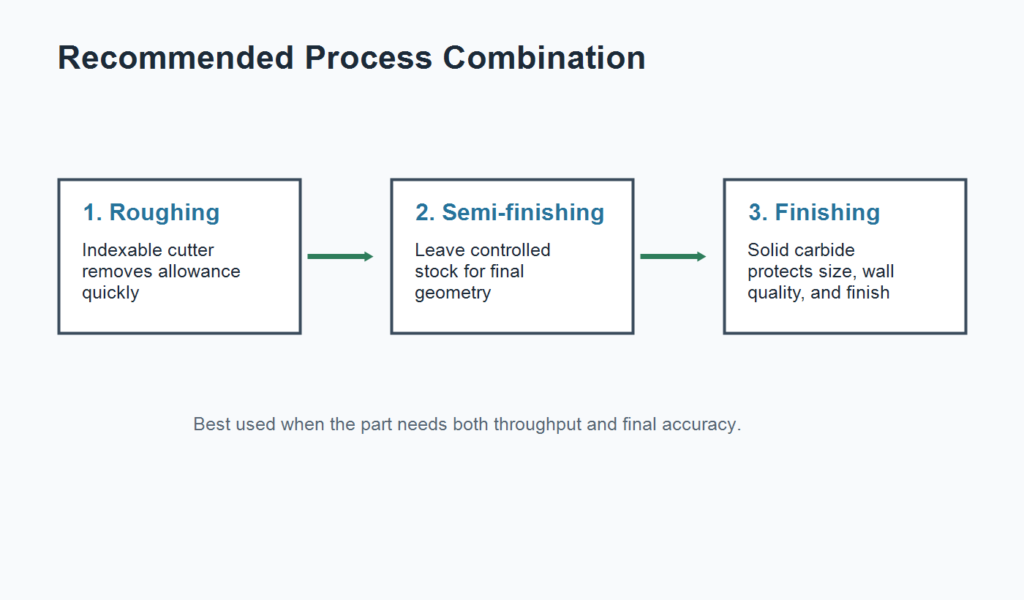
Recommended Process Combination
For many parts, the best answer is not one tool family. It is a staged process.
Use an indexable milling cutter for efficient roughing when there is significant allowance to remove. Let the cutter do what it does best: move material, keep insert cost under control, and keep the machine productive. Then switch to a solid carbide end mill for semi-finishing and finishing where wall quality, dimensional control, and vibration behavior matter.
This combination is common in mold work, die components, machine frames, precision housings, and medium-volume production parts. It gives the programmer more freedom: rough aggressively where the stock allows it, then protect the final geometry with a more accurate finishing tool.
Quick Application Guide
Application scenario | Better first choice | Why |
D0.1-D6 mm micro milling, narrow slots, small internal corners | Solid carbide end mill | Indexable structures cannot practically cover very small diameters. |
Mold cavity side-wall finishing | Solid carbide end mill | Continuous edge geometry reduces witness marks and improves wall consistency. |
Large flat face milling | Indexable face mill | Larger diameters and wiper inserts can deliver strong productivity. |
Cast or forged stock roughing | Indexable milling cutter | Replaceable inserts handle high stock removal and edge wear economically. |
Thin-wall finishing or long overhang milling | Solid carbide end mill | Better one-piece rigidity and lower cutting forces support stable finishing. |
High-volume standardized production | Indexable milling cutter | Insert indexing shortens maintenance stops and protects production rhythm. |
Medium-diameter pocketing with tight final tolerance | Often both | Rough with indexable if stock is heavy; finish with solid carbide. |
Buyer and Process Engineer Checklist
Before purchasing or programming the tool, ask a few practical questions.
Is the tool expected to create the final surface, or only remove stock before another finishing pass? Is the critical tolerance on a bottom face, a side wall, or a blended contour? Is the machine rigid enough for the planned radial and axial engagement? Can the operator index inserts consistently, or is tool presetting for solid carbide already well controlled? What costs more in this job: cutter consumption, machine time, or quality risk?
Those questions are more useful than comparing catalog prices alone. They connect the tool choice to the real manufacturing constraint.
Final Selection Summary
Choose solid carbide end mills when the job involves small diameters, precision side milling, high surface finish, thin-wall stability, long-reach finishing, or tight dimensional consistency. Choose indexable milling cutters when the job involves large-diameter roughing, face milling, heavy stock removal, standardized production, and fast edge replacement.
In the overlap range, let the part requirements set the priority. If accuracy, surface quality, and stability come first, solid carbide is usually the safer option. If cost per edge, changeover speed, and roughing productivity come first, indexable milling is often the better starting point.
For many shops, the best process is a combination: indexable roughing for efficient material removal, followed by solid carbide semi-finishing or finishing to protect the final dimensions. HNCarbide supports this kind of practical tool selection with carbide end mills and application-focused tooling guidance for CNC milling operations.