How to Choose CNC Turning Inserts: A Practical Buyer and Machinist Guide
Table of Contents
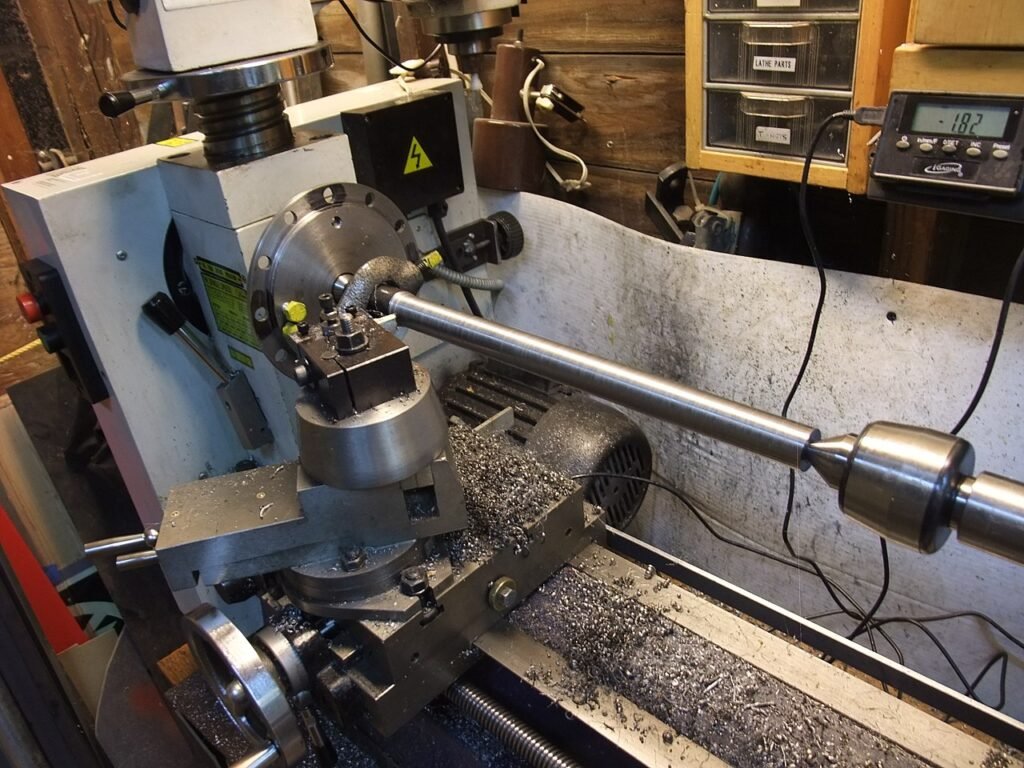
Choosing a CNC turning insert looks simple until the same insert gives completely different results on two jobs. It may hold size on a short steel bushing, then chatter on a long shaft. It may leave a clean finish in carbon steel, then build up edge in stainless. It may break chips in a roughing pass, then make long ribbons during finishing.
That is why turning insert selection should not start with a random catalog code. It should start with the part material, the operation, and the real cutting conditions on the machine. From there, you can narrow the choice by grade, insert shape, size, clearance angle, nose radius, chipbreaker, and clamping style.
Start With the Workpiece Material
The workpiece material is the first filter. A turning insert that works well in P-group steel may not be the right choice for M-group stainless steel or N-group aluminum. Most insert suppliers use ISO material groups because they give a practical starting point.
These ISO letters describe the material being cut, not the insert itself. For example, an M20 application range points toward stainless steel use. It does not mean the insert is made from stainless steel.
ISO group | Typical workpiece materials | What the insert must handle |
P | Carbon steel, alloy steel, | Wear resistance, crater wear |
general engineering steel | control, stable chip formation | |
M | Austenitic and duplex | Work hardening, heat, built- |
stainless steels | up edge, long chips | |
K | Gray cast iron, ductile iron, | Abrasion and edge strength, |
compacted graphite iron | often with dry or semi-dry cutting | |
N | Aluminum, copper, brass, | Sharp cutting edge, polished |
non-ferrous alloys | rake face, low built-up edge | |
S | Titanium, nickel alloys, heat- | Heat resistance, toughness, |
resistant alloys | controlled cutting speed | |
H | Hardened steel and hard | High hot hardness, edge |
turning materials | strength, often CBN or ceramic for stable jobs |
Do not compare ISO numbers across brands too literally. A P20 grade from one supplier is not automatically equal to another supplier ‘s P20. Substrate toughness, grain size, coating type, coating thickness, edge preparation, and chipbreaker design all change performance.
Choose the Insert Grade for the Cutting Load
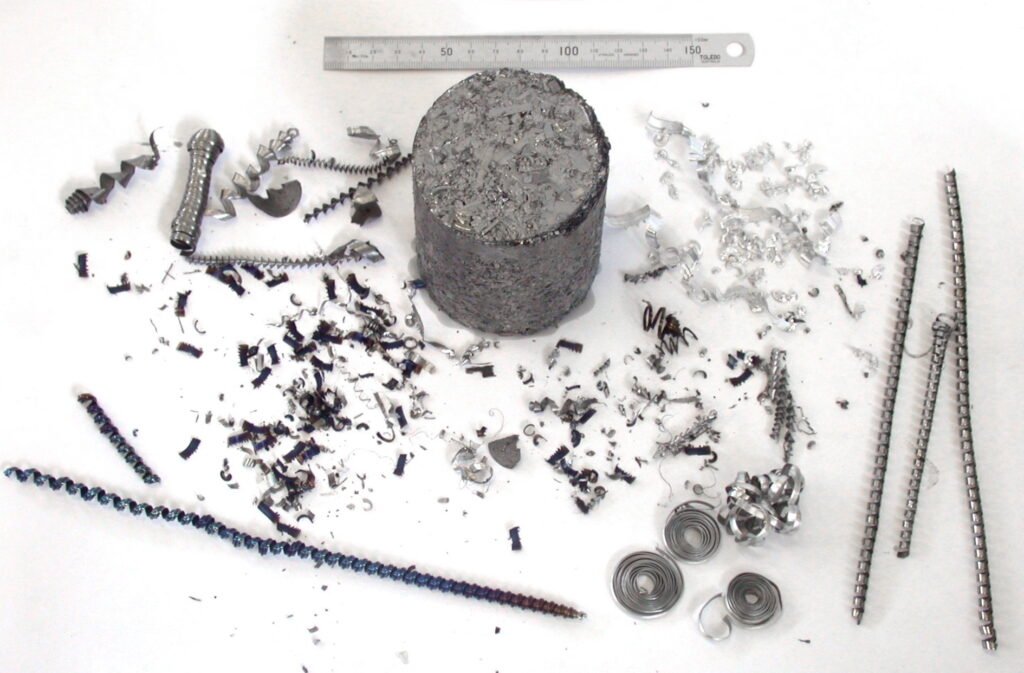
After material group, look at the cutting load.A stable finishing cut needs different behavior from heavy roughing, interrupted cutting, or machining through scale.
For most production turning, coated carbide is the first choice. It gives a practical balance of toughness, wear resistance, availability, and cost. Still, other cutting materials have a place.
Insert material | Good fit | Watch out for |
Uncoated carbide | Aluminum, copper alloys, some finishing work | Less protection in high- temperature steel cutting |
Coated carbide | General steel, stainless steel, | Coating and substrate must |
cast iron, many production jobs | match material and load | |
Cermet | Steel finishing where surface | Brittle in interrupted cuts or |
finish matters | poor setups | |
Ceramic | High-speed cast iron or hard | Needs stable setup and |
material turning | controlled cutting data | |
CBN | Hardened steel and hard | Higher cost; wrong |
turning | application can fail quickly | |
PCD | Aluminum and abrasive non- ferrous materials | Not suitable for ferrous materials at high temperature |
For buyers, the lowest insert price is not always the lowest cost per part. A grade that survives the full batch, controls chips,and reduces operator intervention is often cheaper than a low-price insert that causes stoppages.
Pick the Insert Shape: Strength or Access?
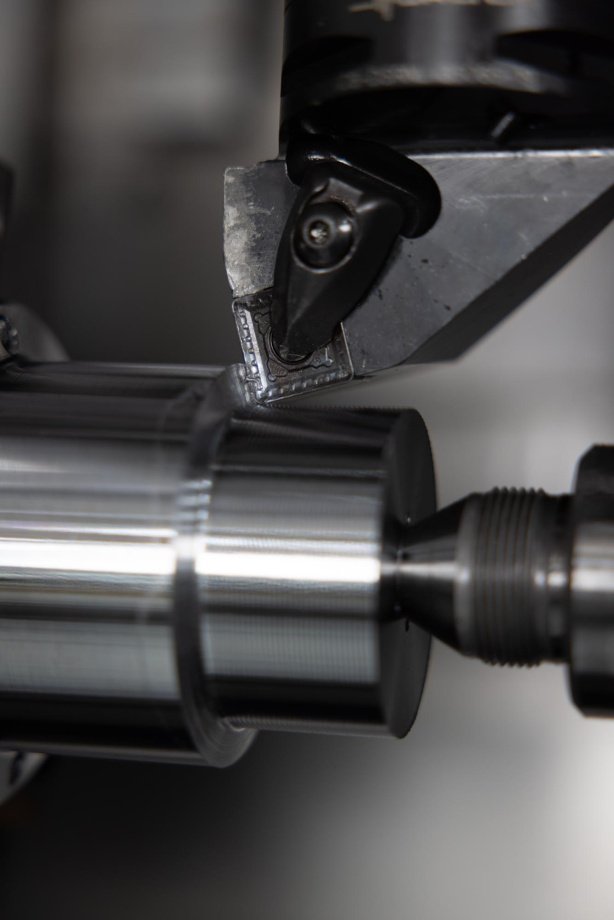
Insert shape controls edge strength and how easily the tool reaches the part feature. A larger included angle supports the cutting edge better. A smaller included angle gives better access near shoulders, tapers, reliefs, and profiles.
Insert shape | Typical use | Practical selection note |
Round insert | Profiling, strong edge | Very strong, but cutting force |
engagement, interrupted cuts | can rise as engagement increases. | |
Square insert | Rough turning and facing | Strong corner and good edge economy where clearance is available. |
Trigon or triangular insert | General roughing and | Good production choice |
medium turning | when strength matters more than profile access. | |
80-degree diamond insert | General turning, facing, | Common all-round option |
boring | with balanced strength and access. | |
55-degree diamond insert | Profiling and finishing near | Better access than 80-degree |
shoulders | diamond, but less tip strength. | |
35-degree diamond insert | Fine profiling and light | Excellent access, weak tip; |
finishing | avoid heavy roughing. |
A common mistake is asking a finishing or profiling insert to remove stock like a roughing insert. If the part needs both heavy stock removal and a close-profile finish, split the process. Let a strong insert rough the part and a more accessible insert finish it.
Size the Insert for Depth of Cut and Holder Space
Insert size should be based on the effective cutting edge length needed for the depth of cut and entering angle. If the insert is too small, the active edge and the insert seat can be overloaded. If the insert is much larger than necessary, the tool may increase cutting force and cost without improving the job.
For external roughing, leave enough edge support behind the cut, especially with interrupted stock, scale, forged surfaces, or cast skin. For internal turning, the bore diameter limits toolholder and insert size, so you may need a sharper geometry, smaller nose radius, or lighter cutting data to keep the process stable.
Match the Chipbreaker to Feed and Depth of Cut
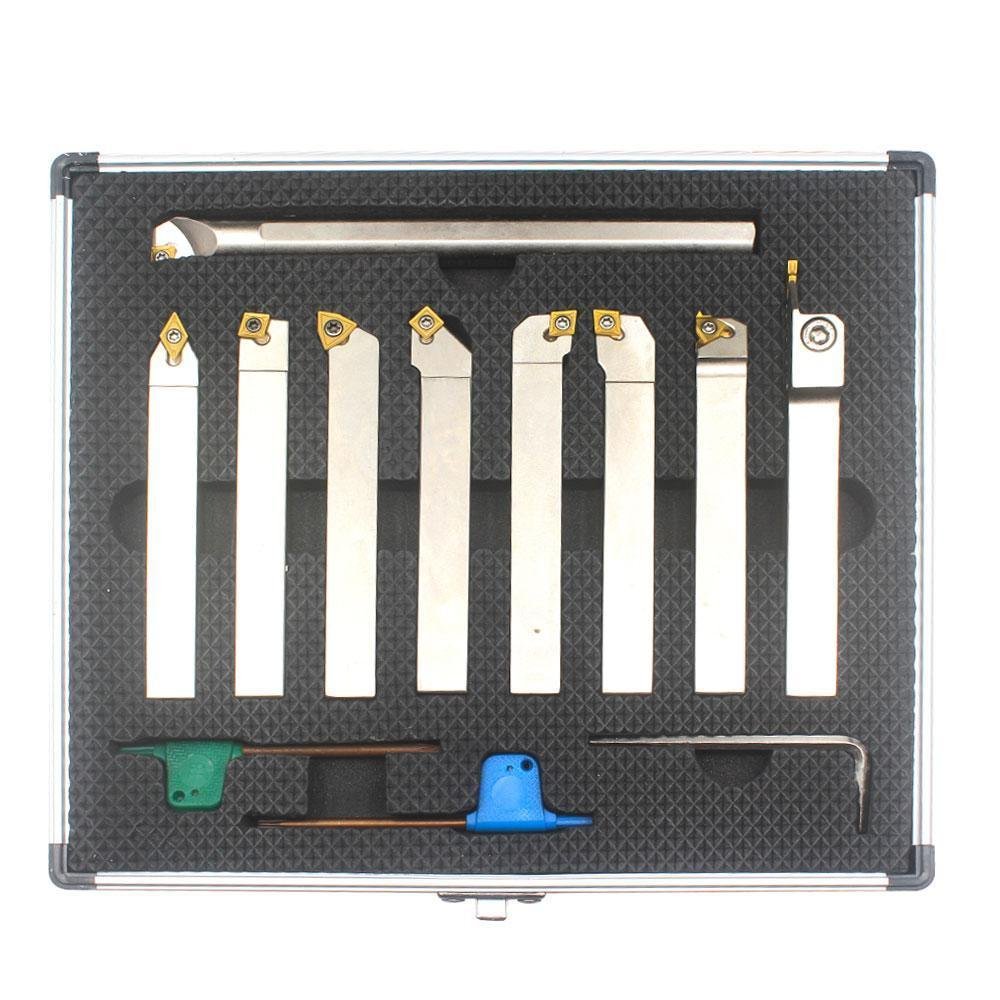
Chipbreaker choice is where many turning problems begin. The insert can have the right grade and still produce long, dangerous chips if the chipbreaker is working outside its feed and depth-of cut range.
Suppliers usually group chipbreakers by operation: finishing, medium machining, roughing, heavy roughing, or material-specific use. The label matters less than the application window.
Operation | Chipbreaker behavior needed | Check before production |
Finishing | Break chips at low depth of | Minimum feed needed for |
cut and low feed | reliable chip control | |
Medium turning | Balanced edge strength and | Range across common |
If chips are stringy, do not change grade first. Check whether the feed is too low for the chipbreaker, whether depth of cut is too small, and whether the chipbreaker is intended for that material.
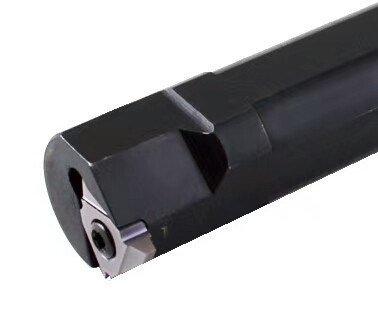
Check Clamping Before Blaming the Insert
A good insert will fail early if it sits on chips, a damaged shim, a worn screw, or an unstable holder. Before changing insert grade, inspect the mechanical setup.
When indexing or replacing inserts:
- Cleantheinsert pocket, shim, screw, and toolholder seat.
- Check fordents,raised burrs, cracked seats, or loose shims.
- Confirm the insert and holder match.
- Tighten with suitable force. Too loose allows movement; too tight can damage screws or seats.
- Keep tool overhang as short as the job allows.
- Confirm tool center height, especially when shims are used.
For external turning, a short, rigid holder usually gives more freedom in nose radius and feed. For internal turning, the boring bar is often the weak link. If the setup is flexible, reduce cutting force before increasing grade hardness.

Conclusion
CNC turning insert selection works best when it follows a clear order: material, operation, grade,shape, size, clearance style, nose radius, chipbreaker, and setup. Skipping that order leads to trial-and- error purchasing and unstable machining.
For production buyers, the practical goal is not to buy the hardest insert or the cheapest insert. It is to choose a tool that runs predictably, controls chips, holds finish, and survives the real cutting conditions on the machine.
HNCarbide can support carbide turning insert selection for common steel, stainless steel, cast iron, aluminum, and alloy machining applications.