How to Choose Carbide Drills: Accuracy, Stability, Chip Control, and Cost per Hole
Table of Contents
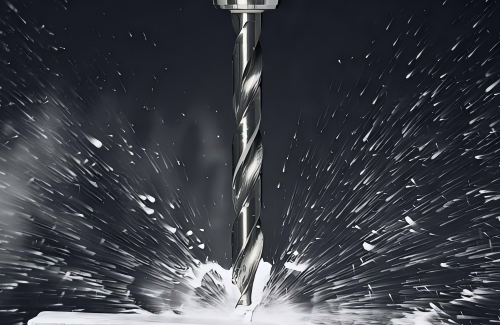
Many shops still carry an old habit from general-purpose drilling: keep feed and speed conservative, accept slow cycle times, and treat drilling as a necessary pause between more productive operations. That thinking made sense when the tool, machine, and coolant system could not support aggressive cutting data. With modern carbide drills, it can leave a lot of money on the table.
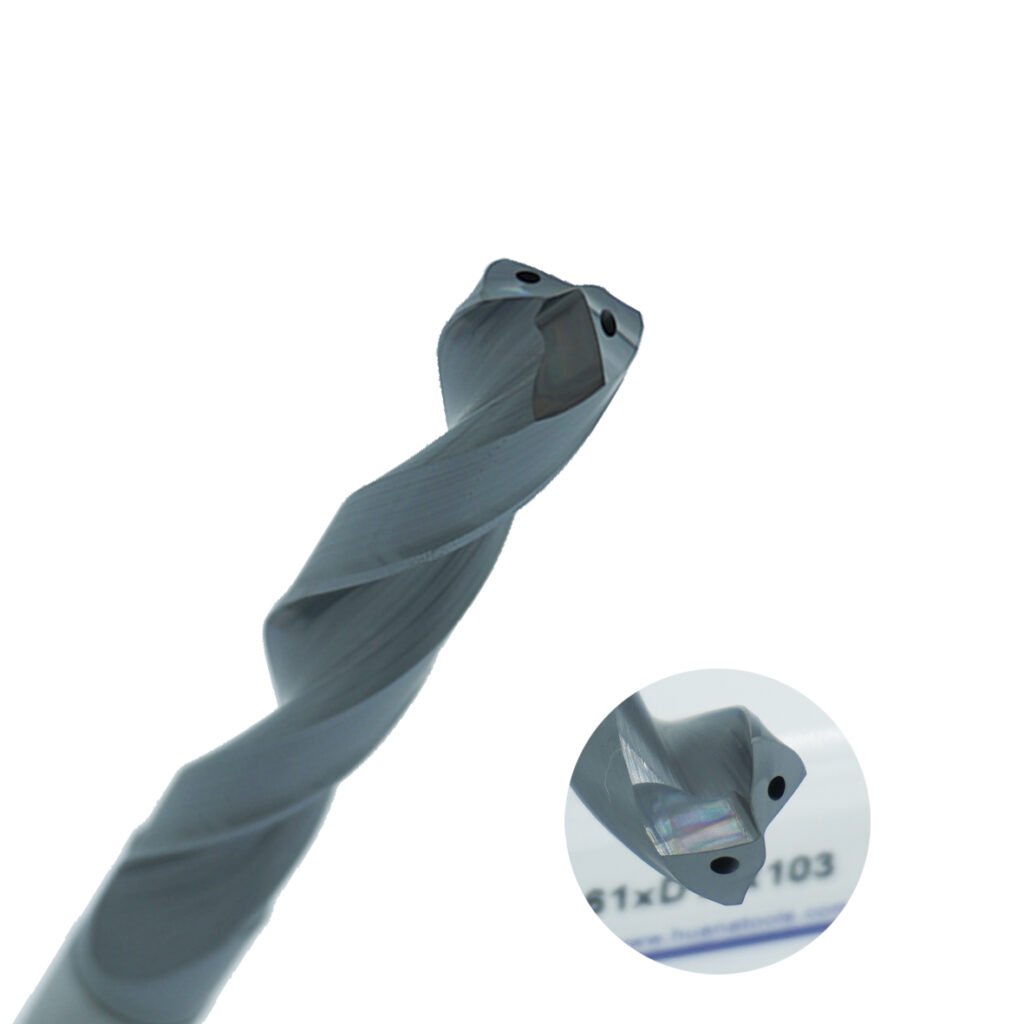
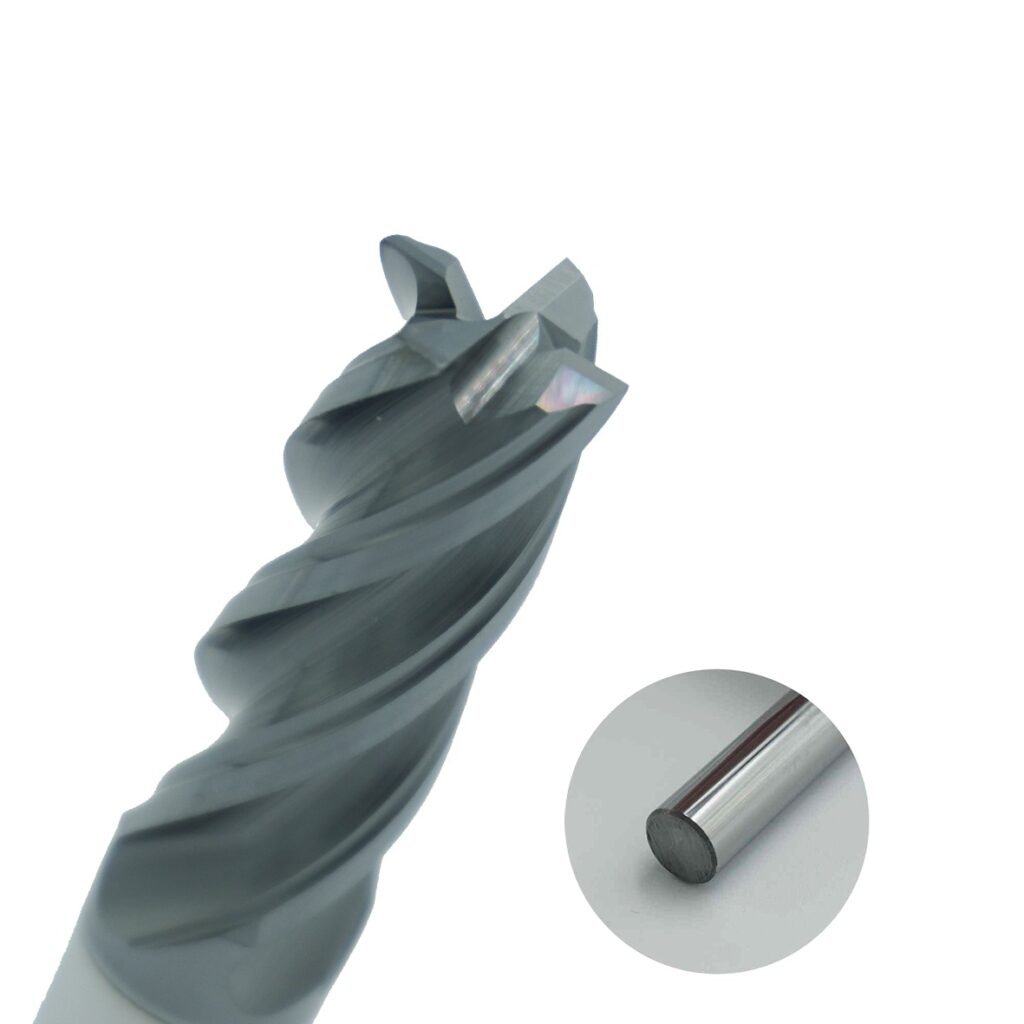
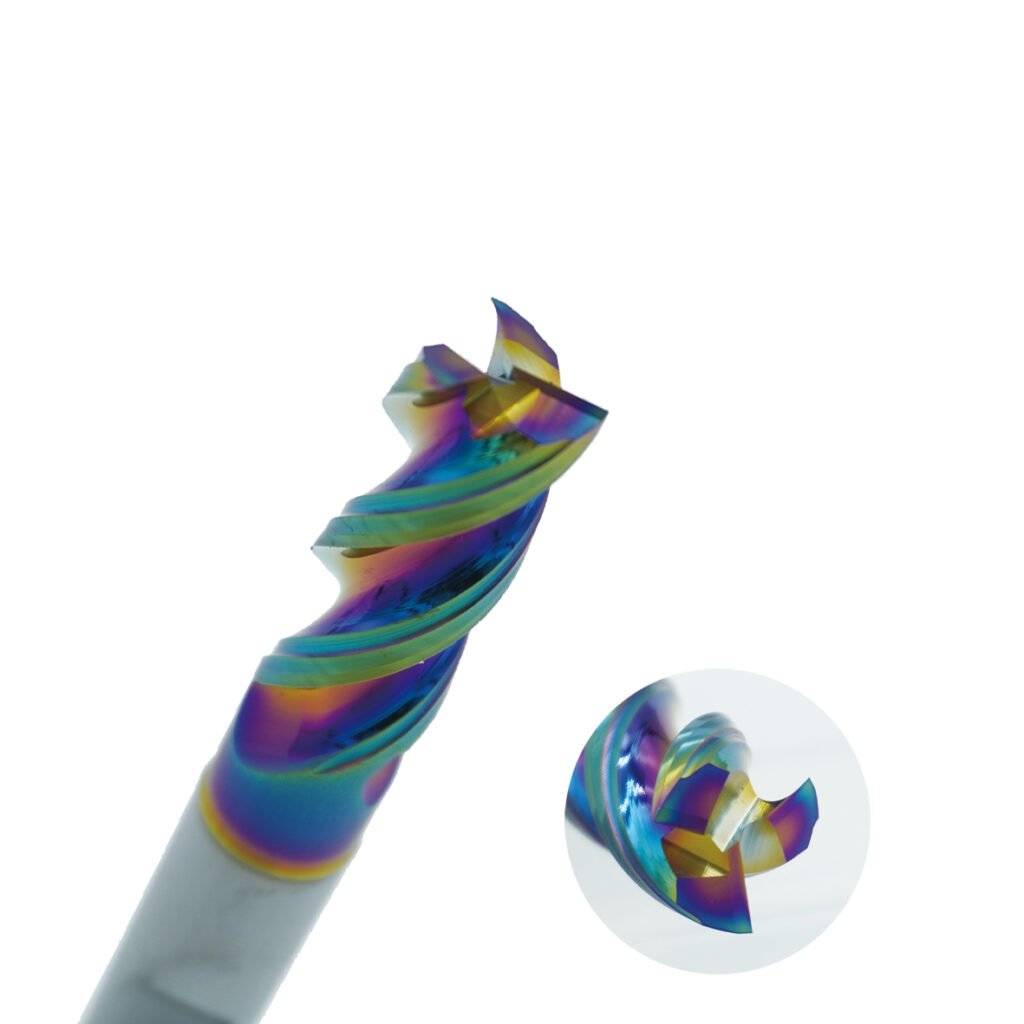
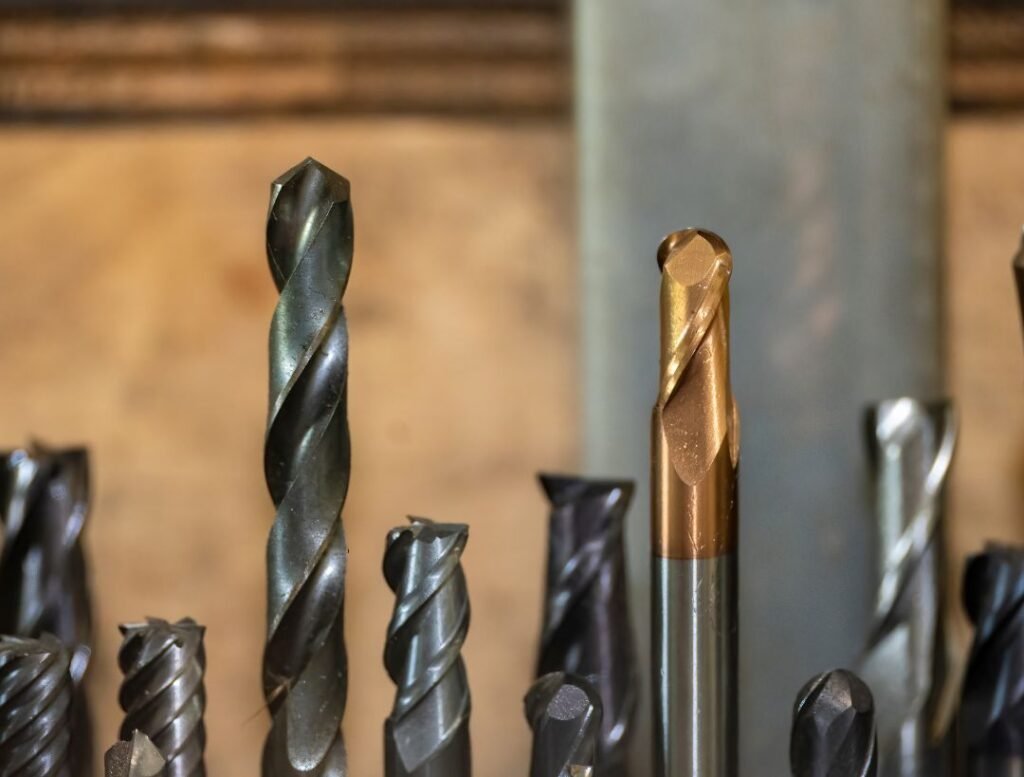
A correctly selected carbide drill can shorten cycle time, improve hole consistency, and reduce the real cost of each hole. The key phrase is correctly selected. Carbide drills are not all built for the same job. A solid carbide drill, an indexable insert drill, a welded carbide drill, and a replaceable-tip carbide drill may all carry the same broad label, but they behave differently in accuracy, rigidity, chip evacuation, tool management, and purchasing economics.
This guide looks at the practical factors that matter when choosing carbide drills for CNC machining and production drilling. The goal is to help engineers, shop owners, production managers, and tooling buyers make a tool choice that matches the hole, the machine, and the budget instead of simply buying the most expensive or the cheapest drill on the list.
The Four Common Carbide Drill Types
Before comparing selection factors, it helps to separate the basic drill families. The names vary by supplier, but most carbide drilling choices fall into four groups.
Carbide drill type | Basic construction | Typical strength | Typical limitation |
Solid carbide drill | One-piece carbide body and cutting edges | Highest rigidity and best hole accuracy in stable CNC conditions | Higher tool cost and less forgiving if setup runout or misalignment is poor |
Indexable insert drill | Steel drill body with replaceable carbide inserts | Economical for larger diameters and heavy rough drilling | Lower hole accuracy and weaker self-centering behavior, especially at entry |
Welded carbide drill | Steel body with brazed or welded carbide cutting section | Useful balance of toughness, accuracy, and cost | Limited regrind life compared with modular tip systems |
Replaceable-tip carbide drill | Steel body with exchangeable carbide crown or tip | Strong cost control because only the tip is replaced | Requires compatible bodies and tips; accuracy depends on interface quality |
None of these choices is automatically better. A solid carbide drill may be the right answer for a 6 mm precision hole in a machining center. An indexable insert drill may be more economical for a large through-hole where a finishing pass follows. A replaceable-tip drill can be attractive when a shop runs many holes in the 12-20 mm range and wants repeatable tool changes without buying several complete drills.
1. Start With Hole Accuracy, Not Tool Price
The first selection question should be simple: how accurate does the hole need to be? Hole diameter, tolerance, straightness, surface finish, and follow-up operations all affect the answer.
Small holes usually have tighter practical tolerance windows. A 0.05 mm variation may be acceptable on a large clearance hole but unacceptable on a small precision location hole. That is why drill makers often classify their products by nominal diameter, hole tolerance capability, and drill length-to-diameter ratio.
Solid carbide drills normally provide the highest accuracy because the body is stiff and the cutting geometry is ground into one continuous carbide tool. In many precision CNC applications, they are the first choice for small and medium diameters where hole size and position matter. A common reference point is that a quality 10 mm solid carbide drill may hold a much narrower diameter tolerance than modular or indexable designs when the machine and holder are in good condition.
Welded carbide drills and replaceable-tip carbide drills usually sit in the middle. They are suitable for general production holes where the tolerance is controlled but not extremely tight. A well-made replaceable-tip drill can repeat very well after tip changes, which matters when operators need fast tool replacement without resetting an entire drill assembly.
Indexable insert drills are often selected for productivity and economy rather than fine hole accuracy. They can remove metal quickly and keep insert costs under control, but their hole tolerance is usually wider. If the final hole must meet a close tolerance, the process may require boring, reaming, or another finishing operation after drilling.
Hole requirement | Drill type to consider first | Practical reason |
High-precision small or medium holes | Solid carbide drill | Best rigidity, point accuracy, and dimensional control |
General production holes with moderate tolerance | Welded carbide or replaceable-tip drill | Good balance of accuracy, durability, and tool cost |
Larger rough holes followed by finishing | Indexable insert drill | Lower cutting-edge cost and strong roughing productivity |
Frequent diameter changes in production | Replaceable-tip drill | One body can often accept multiple tips within a system range |
The mistake is to compare purchase price before defining the hole. A low-cost drilling tool that needs a finishing pass, causes scrap, or requires constant offset correction may cost more than a more accurate tool. On the other hand, using a premium solid carbide drill for a rough clearance hole may be unnecessary.
2. Check Machine and Setup Stability
Carbide is hard and wear-resistant, but it does not like bending, impact, or poor alignment. Machine stability is therefore not a secondary detail. It is one of the main conditions for getting value from carbide drills.
Check the spindle condition, toolholder, collet, hydraulic chuck, shrink-fit holder, fixture, workpiece support, and drill overhang. Runout near the drill point should be measured, not guessed. A small amount of runout can make one cutting lip carry more load than the other, which leads to oversize holes, uneven wear, chipping, and shortened tool life.
The drill type also affects stability. Solid carbide drills have excellent rigidity, so they can deliver high accuracy in a stable machining center. In less stable conditions, that same rigidity can turn against the tool. If the drill is forced off center, carbide may chip or break instead of flexing.
Indexable insert drills are structurally different. Most designs use an inner insert to cut near the center and an outer insert to cut the outer diameter. At the very beginning of the hole, the drill may not be fully balanced because the cutting load is not yet distributed across the complete diameter. Longer indexable drills can deflect more easily during entry. When using an indexable insert drill longer than about 4xD, many shops reduce feed at entry and then return to normal feed once the drill is fully engaged.
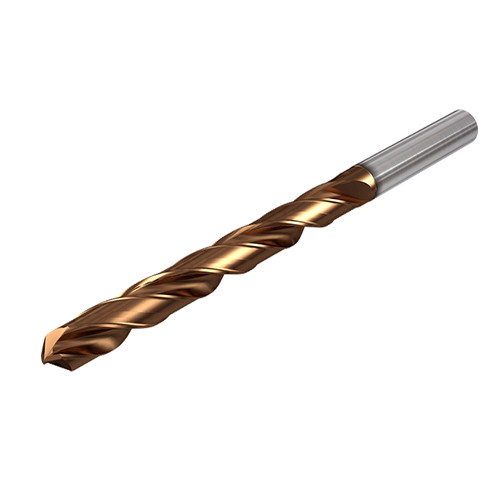
Welded carbide drills and replaceable-tip drills often use symmetrical cutting edges with a self-centering geometry. This helps them enter the workpiece more smoothly. In many normal flat-entry conditions, they do not need the same feed reduction as a long indexable drill. Exceptions still matter: angled entry, uneven cast surfaces, cross holes, interrupted exits, and thin-wall parts may require a gentler approach.
Lathe drilling deserves special mention. A steel-bodied welded or replaceable-tip drill can tolerate a small amount of elastic deflection better than a one-piece solid carbide drill. Solid carbide drills can work well on lathes, but they require accurate centering and stable support. Poor center alignment, turret wear, or long overhang can quickly turn a precision drill into a broken drill.
3. Match the Drill to Chip Evacuation and Coolant Delivery
Chip evacuation is one of the most common causes of drilling trouble. It is also one of the easiest issues to underestimate during tool selection.
In drilling, chips are formed inside a hole. They must travel up the flute while the drill continues cutting. If the chips pack, the tool sees higher torque, more heat, damaged margins, rough hole walls, and a greater risk of breakage. Low-carbon steel, stainless steel, and ductile non-ferrous alloys can be especially challenging because chips may curl, smear, or weld to the cutting edge.
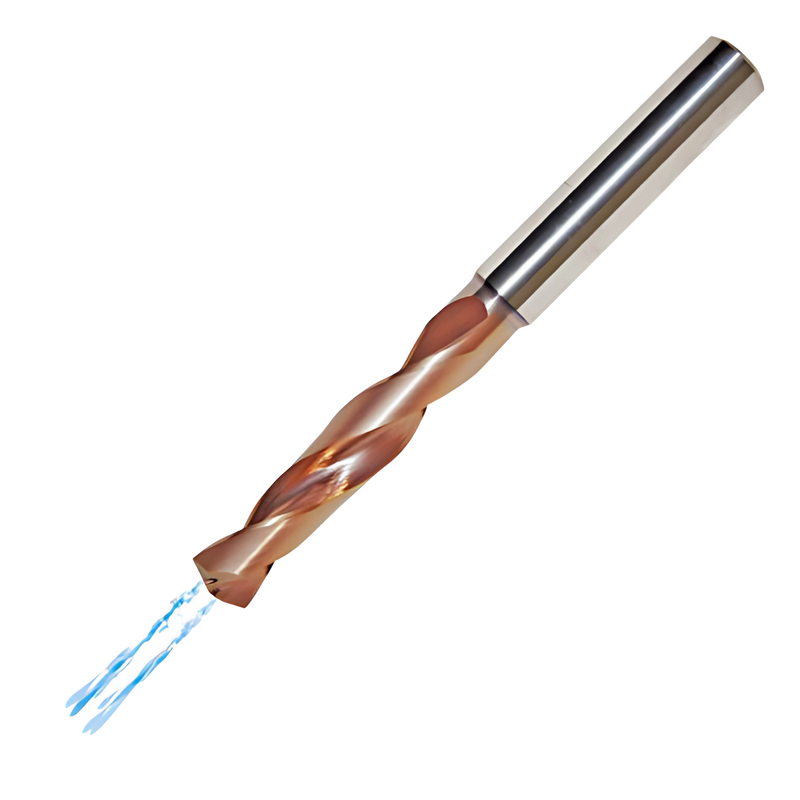
External coolant can help shallow holes, but it has limits. Once the hole becomes deeper, coolant from outside may not reach the cutting zone with enough pressure and flow. Through-coolant drills become much more important as hole depth increases, especially in production work where cycle time and tool life must be consistent.
The coolant system should be matched to the drill diameter and hole depth. Flow, pressure, filtration, concentration, and nozzle direction all matter. A shop may have an excellent drill and still get poor results if coolant pressure is too low or chips cannot escape. When minimum coolant flow recommended by the drill manufacturer cannot be reached, feed and speed may need to be reduced.
Drilling condition | Coolant and chip-control focus | Selection note |
Shallow holes under about 2xD | External coolant may be acceptable if chips clear cleanly | Watch chip shape and hole finish before increasing feed |
Medium-depth holes around 3xD-5xD | Through-coolant is strongly preferred in production | Choose flute design and coolant holes suited to the material |
Deep holes above 5xD | Coolant pressure, peck strategy, and chip form become critical | Review supplier data carefully; avoid assuming shallow-hole data applies |
Low-carbon steel or gummy stainless steel | Prevent long chips and built-up edge | Use geometry/coating that reduces adhesion and supports chip breaking |
Interrupted holes or angled exits | Control shock as chips and load change | Consider reduced feed near entry/exit and a tougher drill geometry |
Chip control should be judged from the actual chip and hole, not only from cutting data. Blue chips, stringy chips, packed flutes, scored margins, squealing, or sudden torque spikes are signs that the process is not clearing material properly. Changing the drill grade alone rarely solves those problems if coolant and chip path are the real bottleneck.
4. Calculate Cost per Hole, Not Just Tool Cost
The most expensive drill is not always the one with the highest purchase price. The cheapest drill is not always the one with the lowest invoice. For production drilling, cost per hole is the better measure.
Cost per hole includes tool price, number of holes per edge, regrinding or tip replacement, machine cycle time, tool-change time, scrap risk, backup inventory, and operator attention. A drill that runs faster, holds tolerance longer, and changes predictably may reduce cost even if the initial price is higher.
Replaceable-tip carbide drills are strong in this area. When the cutting edge wears, the shop replaces the carbide tip or crown instead of replacing the full body. The steel body can often be used through many tip changes if it is not damaged. This reduces inventory cost and helps operators keep production moving. It is especially attractive when the same body can support several nearby diameters or when a shop wants fewer backup tools waiting for regrinding.
Solid carbide drills can often be reground several times, depending on diameter, wear condition, coating, and shop practice. Regrinding can make sense when the tool is valuable and the hole requirements allow it. The hidden cost is backup inventory. If several drills are away for regrinding, the shop needs replacements on hand.
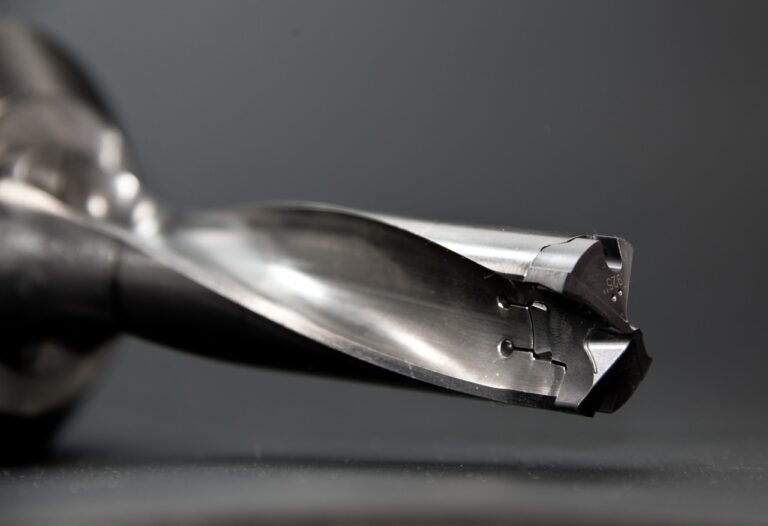
Welded carbide drills usually have fewer regrind cycles than solid carbide drills because of their construction. They can still be economical in stable general drilling, but the full life calculation should include how many times the tool can be restored and how repeatable it is after service.
Indexable insert drills offer a different cost model. The body is reused and inserts are replaced. For larger diameters and rough holes, this can be very economical. For tighter holes, the need for a finishing operation may change the calculation.
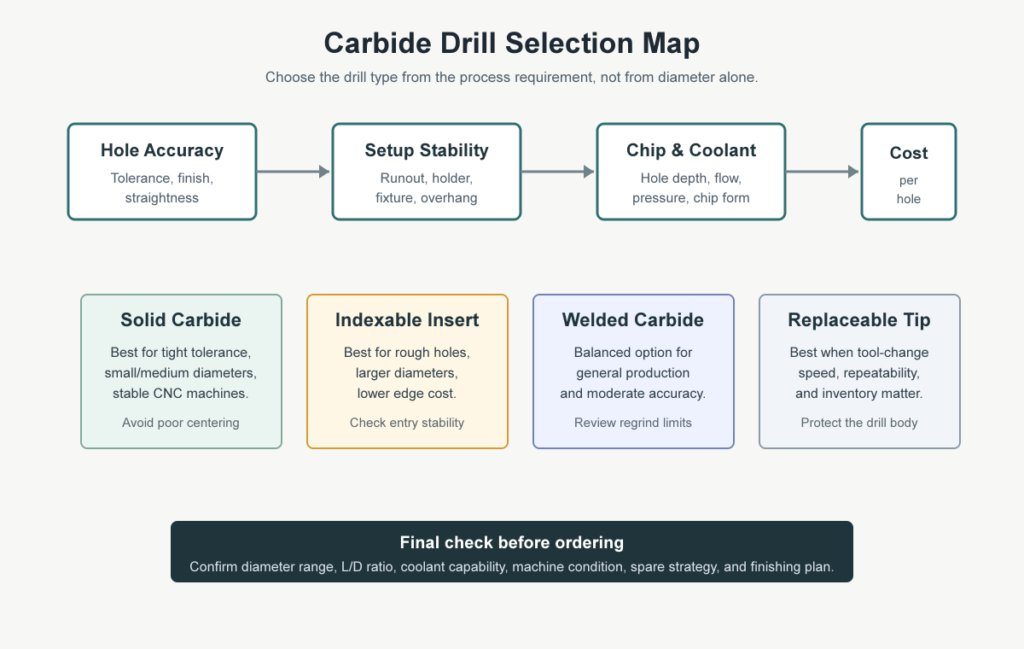
A Practical Selection Map
The easiest way to choose a carbide drill is to narrow the decision in the right order. Start with the hole, then test the process limits, then compare cost models.
Question | Why it matters | What to check before ordering |
What tolerance and finish does the hole require? | Determines whether drilling alone is enough or finishing is needed | Diameter tolerance, straightness, surface finish, drawing notes, downstream assembly |
Is the machine stable enough for the selected drill? | Carbide performance depends on low runout and rigid holding | Spindle condition, holder accuracy, fixture stiffness, tool overhang, lathe center alignment |
Can chips leave the hole reliably? | Chip packing causes heat, torque spikes, poor finish, and breakage | Hole depth, material chip behavior, flute design, coolant pressure, filtration |
How often will the edge be changed or reground? | Tool management affects downtime and inventory cost | Regrind policy, spare tools, replaceable tip availability, operator changeover time |
Is this a rough hole or a finished hole? | Indexable drills may need follow-up operations for close tolerance | Finishing allowance, boring or reaming plan, total cycle time |
Common Selection Mistakes
One common mistake is choosing a drill only from diameter and material. Diameter and workpiece material matter, but they do not describe the whole job. A 12 mm hole in mild steel can be easy or difficult depending on depth, tolerance, coolant, fixture rigidity, and whether the entry surface is flat.
Another mistake is using a long drill when a shorter drill would work. Extra length reduces rigidity. If the hole does not require a long-reach tool, use the shortest practical drill. This is especially important for solid carbide and indexable insert drills, where deflection or runout can quickly damage the cutting edge.
A third mistake is treating coolant as a yes-or-no condition. Flood coolant, mist, oil, emulsion, and through-coolant systems behave very differently. The real question is whether coolant reaches the drill point with enough flow and pressure to carry heat and chips out of the hole.
Finally, many shops change too many variables at once when drilling performance is poor. If hole size is drifting, chips are packing, and tool life is short, the team may change drill type, coating, feed, speed, coolant concentration, and peck cycle in one trial. That can solve the immediate issue but makes learning difficult. A more controlled approach gives better long-term process knowledge.

Conclusion
Choosing a carbide drill is a process decision, not just a tooling purchase. Solid carbide drills are usually the best choice for high accuracy in stable CNC conditions. Indexable insert drills are useful for economical rough drilling and larger holes. Welded carbide drills offer a practical middle ground. Replaceable-tip carbide drills can be highly attractive when production volume, tool-change speed, and cost per hole matter.
For most shops, the best selection comes from checking four points in order: required hole accuracy, machine and setup stability, chip evacuation and coolant capability, and total cost per hole. When those factors are clear, the drill choice becomes much easier.
HNCarbide supports carbide drilling and CNC cutting tool applications where tool geometry, material, coating, and production economics need to work together. If you are comparing carbide drill options for a recurring production job, share the material, hole size, depth, tolerance, machine type, and coolant condition so the selection can be matched to the real process.