Skip to content
From Raw Material to Finished Tool: Surface Treatment Techniques for DIN Cutting Tools
Table of Contents

Have you ever seen a tool cut through hard metal without getting scratched or rusty? It’s not luck—it’s because of surface treatment techniques for DIN cutting tools. Let me explain how this works in simple terms.
Raw metal tools start strong, but they need extra help to stay tough. Surface treatment gives them that boost. Here’s how:
- Pre-treatment: The tool is cleaned and prepared, like washing your hands before putting on gloves.
- Coating:A thin, super-strong layer (like titanium) is added to protect against heat and rust.
- Post-treatment:The tool is polished to make it smooth, so it cuts faster and lasts longer.
Without these steps, tools wear out quickly. With them, they become strong, save money, and work better.
Ready to learn how this process turns basic metal into amazing tools? Let’s go!
Why Proper Surface Treatment is Vital for Cutting Tools
Advanced surface engineering touches every aspect of a cutting tool’s performance and longevity. By optimizing the interface where tool steel contacts raw material, coatings and conditioning processes confer four pivotal benefits:
Extreme Wear Resistance
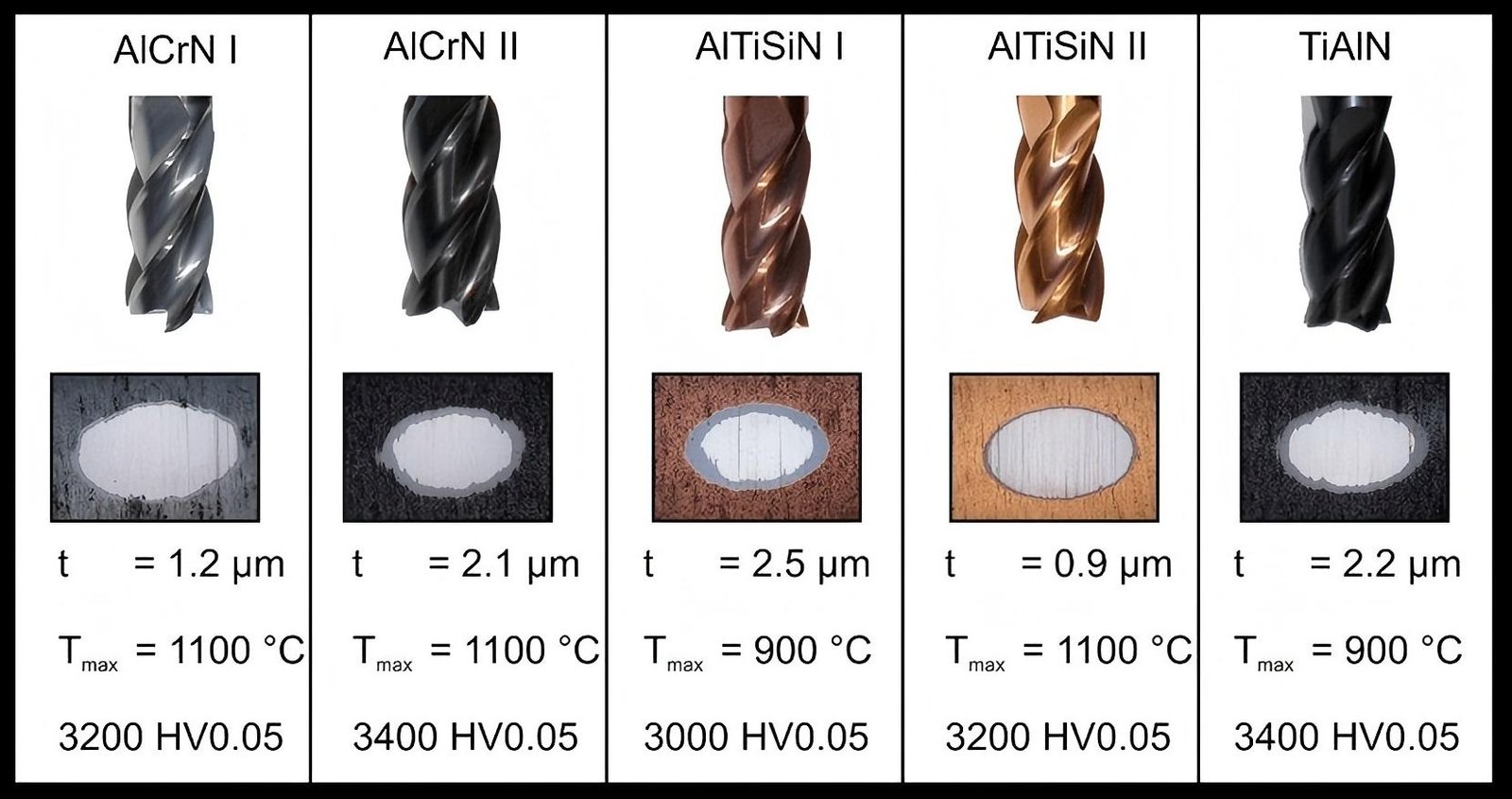
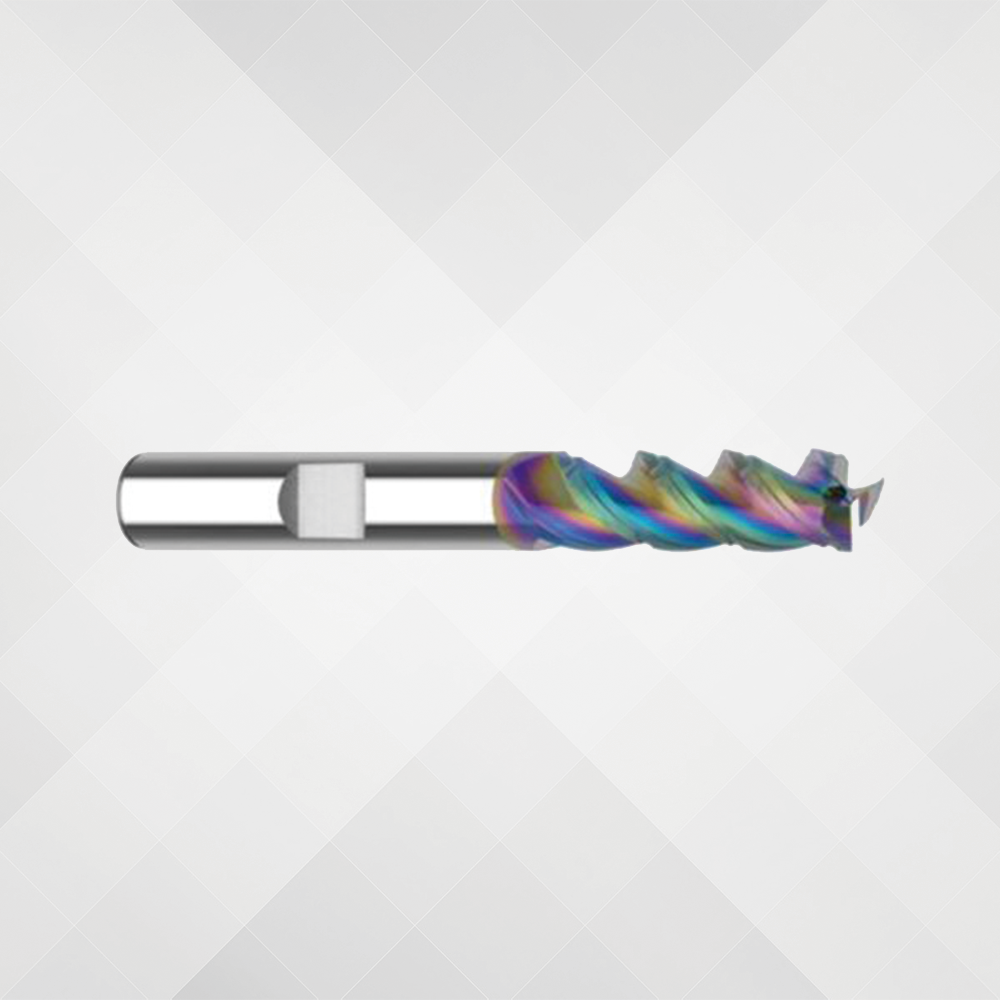
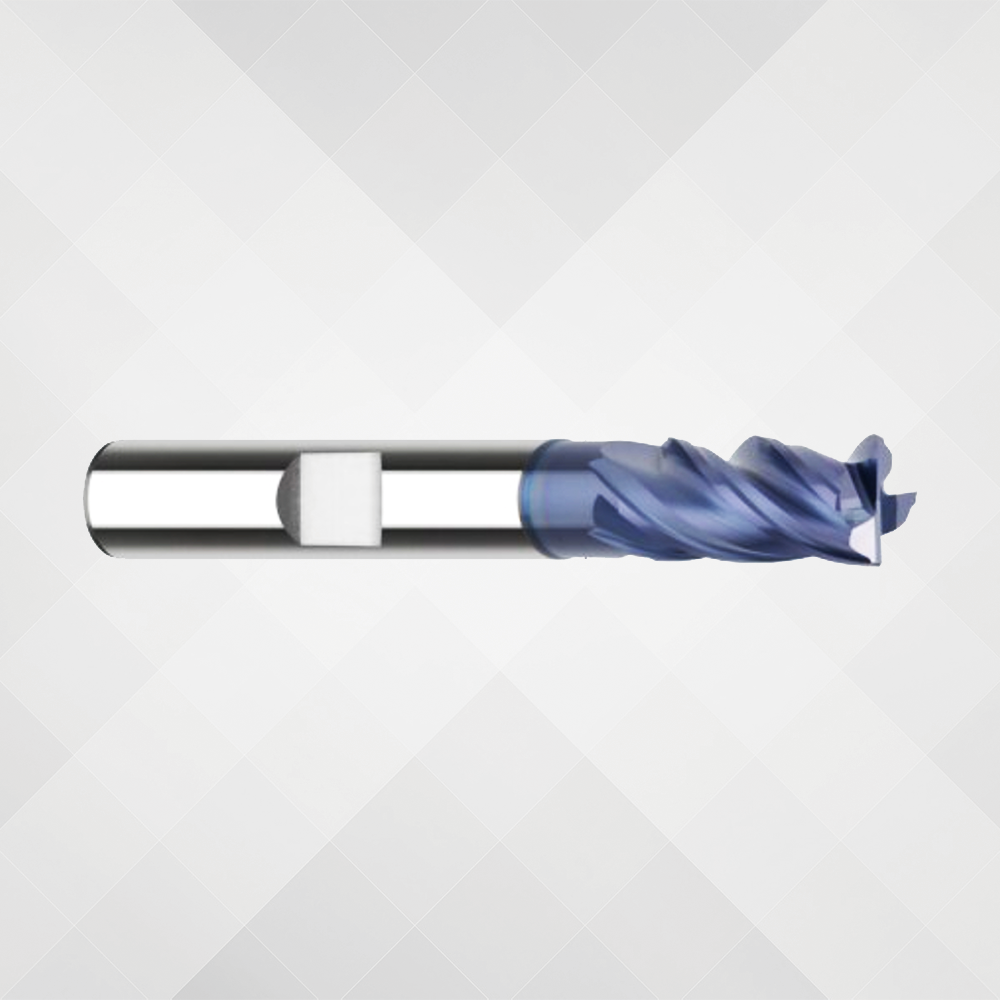
Frictional forces and intense heat degrade cutting edges over time. Durable coatings like titanium carbonitride (TiCN) boast hardness exceeding 3000 Vickers – over three times tool steel alone. This enables up to 20X longer operating life under heavy loads before blunting or fracture.
In addition, shot peening controls microscopic cracking by establishing internal compression just below the surface. As tools cut, these zones stop micro-fractures from spreading inwards. Tests demonstrate shot treatment more than doubles permissible cutting feeds and speeds.
Total Corrosion Immunity
Microscopically thin ceramic coatings act as impermeable shields against moisture, chemicals, and environmental threats. Aluminum oxide layers for example, protect as effectively as a half-millimeter of solid steel. Such corrosion barriers allow reliable performance in humid, salty, or acidic conditions that quickly degrade untreated alloy tools.
Additionally, electropolishing removes surface defects and roughness down to precise nanoscale smoothness. This eliminates microscopic pits and cracks where oxidation breeds. These two approaches combine to enable corrosion-free machining across a broad range of hostile environments.
Superior Cutting Precision
When operating against workpiece materials, excessive friction causes tools to stick, deform, and deflect – degrading output precision. Advanced surface preparations like diamond polishing minimize these forces by achieving near-mirror smoothness under 0.05 microns.
Matching base roughness to coating type also ensures uniform deposition, optimal adhesion, and balanced cutting sharpness. Overall, enhanced surfaces glide effortlessly during machining operations – enabling faster feeds, quicker cycles, and truer geometries.
Unmatched Long-Term Reliability
Grit blasting, laser texturing, protective stresses, and other post-production steps combine to keep tools sharper for longer. Reducing friction coefficients by 30% or more curtails wear in abusive situations like interrupted cutting. Shatter-resistant coatings also withstand accidental crashes and overload forces during production.
One study on camshaft machining found post-treated tools operated reliably up to 48% beyond the lifespan of unprocessed versions. In essence, minor finishing refinements confer major reliability gains over hundreds of operating hours. This prevents unexpected breakdowns, avoids unplanned downtime, and maximizes productivity.
Vital Pre-Treatment Steps for Robust Coatings
Before applying therapeutic heat treatments or microscopically thin coatings, cutting tools first undergo targeted conditioning to enable optimal layer bonding:
High-Pressure Fluid Blasting
A concentrated stream of water or aqueous solution mixed with abrasive media is propelled at over 500 feet per second. This bombarding action strips oils, loose oxides, rust formations, and other surface contaminants. Compared to dry air blasting, the lubricating effect achieves a more uniform valley-and-peak surface texture.
Controlled exposure times also allow film-like removal of material, imparting an ideal foundation for coating adhesion. Tests show liquid-assisted blasting boosts binding strength by over 40% compared to alternatives.
Precision Surface Calibration
Based on the coating type used, base roughness is fine-tuned to exact permissible smoothness ranges. For example:
- Titanium Nitride (TiN) – 0.3 to 0.5 microns
- Titanium Aluminum Nitride (TiAlN) – 0.2 to 0.4 microns
- Diamond-Like Carbon (DLC) – Below 0.2 microns
Achieving this microscale consistency through electropolishing, chemical etching, plasma discharge, or laser ablation maximizes mechanical interlocking between substrates and advanced coatings. The result – optimized shear strength, peak operating temperatures, and coating lifespans extending over 1000 operating hours.
Surface Roughness Requirements by Coating Type
Coating Type | Ideal Roughness Range (microns) | Key Application |
Titanium Nitride (TiN) | 0.3 – 0.5 | General-purpose cutting |
Titanium Aluminum Nitride (TiAlN) | 0.2 – 0.4 | High-speed machining |
Diamond-Like Carbon (DLC) | < 0.2 | Precision micro-machining |
So, while coatings contribute tremendously to tool resilience on their own, meticulous pre-treatment is equally vital for enabling their full protective capabilities over long periods of demanding use. When executed properly, this hidden process is the backbone of all subsequent performance gains.
Post-Production Perfection – Smoothing, Strengthening, and Polishing
After foundational treatments and coatings, finishing touches help maximize cutting tool performance and longevity:
Eliminating Microscopic Contaminants
Rotating ceramic-fiber brushes combine with ultrasonic baths to eliminate coating residues and embedded particulates. Meticulous cleaning preserves integrity at the sensitive coating-to-substrate interface – preventing delamination or oxidation triggers during service.
In addition, alkaline or solvent solutions lift free microscopic debris from surface pores and cracks. This prevents third-body wear, edge deformation, and accidental coating breach during high-pressure machining operations.
Smoothing and Polishing to Mirror Finishes
Multi-stage abrasive paste polishing, electrophoretic deposition, and superfinishing reduces surface roughness to under 50 nanometers – far smoother than an average human hair. This microscale perfection minimizes friction, heat generation, and material adhesion even at extreme cutting speeds.
Diamond film conditioned air flotation wheels also achieve surface smoothness down to 10 nm Ra. This prevents built-up edge defects, enables faster feed rates, and extends operating times between manual sharpening or tool indexing.
Optimizing Subsurface Stress Distribution
Micro-scale blasting introduces shallow compressive stresses between -200 and -500 MPa into coating layers. This compression counters tension forces that otherwise propagate fractures. As a result, treated tools better withstand accidental crashes, overload torque, and foreign object damage with up to 30% improved fracture toughness.
In addition, laser polishing and zone-specific heat treatment selectively melt surface asperities. This effectively tempers, closes microscopic pores, and enhances corrosion resistance. The compound effect resists fracture, wear, and chemical threats – keeping tools in service longer.
Reduced Cutting Forces Across Various Materials
Surface treatments also make difficult machining processes less extreme via lower cutting forces. This reduces deflection, improves accuracy, and lowers mechanical stress in sensitive alloys. Some examples include:
- 47% less cutting force in medical-grade CoCrMo knee implants
- 38% reduced thrust loads drilling stacked hybrid carbon fiber laminates
- 26% lower torque milling temperature-resistant Hastelloy turbine blades
In essence, enhanced interfaces make cutting itself less violent on both tools and workpieces – expanding possibilities with formerly extreme materials. This opens new design freedom for engineers.
Performance Improvements from Surface Treatments
Metric | Improvement (%) | Example Application |
Service Lifespan | 500% | Aerospace titanium drilling |
Feed Rate in Steel | 20% | Automotive powertrain parts |
Interrupted Cutting Life | 48% | Camshaft machining |
Time Between Maintenance | 60% | Automotive drivetrain components |
So in summary, while outperforming untreated alternatives may seem subtle from the outside, surface treatments confer very real and far-reaching benefits to manufacturers, operators, and downstream consumers alike.
Future Surface Innovations Poised to Elevate Metalworking
Several pioneering techniques on the horizon promise to further advance manufacturing possibilities:
Hard yet Slick Hybrid Coatings
New composite coatings achieve previously mutually exclusive properties in a single layer. Nanolaminated construction combines extreme hardness, heat and chemical resistance, oxidation barriers, and solid lubricants like Molybdenum Disulfide. Early CrAlN/MoS2 coatings demonstrate high speed dry machining of nickel alloys without coolant – offering environmental and cost benefits.
Microscopic Surface Texturing
Using an ultrafast pulsed laser, microscopic patterns are burned into cutting tool surfaces. Testing shows crosshatching, dimples, ridges, and regular dot structures significantly reduce friction and heat generation in lightweight alloys like aluminum and magnesium. Some configurations improved efficiency by over 40% while lowering cutting forces and power consumption.
Gripping Contact Surfaces
Some novel surface techniques aim to increase friction rather than reduce it. Using a controlled electrical discharge, nano-scale tendril structures can be erected from tool surfaces. These micro-hooks snag and cut material rather than sliding, improving chip evacuation and increasing permissible feeds in composites and non-ferrous metals.
In-Process Surface Repair
New methods aim to refresh coatings and edges during active cutting rather than after failure. Electrical currents, ionized gas, evaporated materials, or deployed consumables could potentially heal microcracks and refresh tribological surfaces without stopping production. Though challenging, this capability would enable weeks or months of uninterrupted machining.
Embedded Sensors in Coatings
Upcoming smart surface treatments integrate microscopically small sensors throughout coating layers. As tools cut, these monitors track metrics like strain, temperature, and chemical exposure in real-time. The goal – predict failure and adapt in preemptive ways. Though early stage, such self-diagnosing surfaces could profoundly advance proactive maintenance.
Nature-Mimic Coatings
Bio-inspired surface nanostructures emulate textures found in nature for advanced properties. Sharkskin-like riblet patterns improve lubrication and abrasion resistance. Superhydrophobic layers self-clean through ultra-low surface tension. Briar-like nanothorn films prevent buildup adhesion. And self-sharpening edges inspired by animal teeth maintain consistent sharpness over extreme cycles.
Customized 3D Surface Topographies
Additive manufacturing now enables cutting tool surfaces with engineered roughness or designs impossible through traditional methods. Direct metal printing, laser consolidation, and ultrasonic manipulation can create complex micro-geometries tailored to factors like cut vectors, chip flow direction, and desired heat dissipation profiles. Though largely conceptual, such topology optimization could further elevate efficiency.
In summary, as pioneers push machining into ever more extreme environments, finding new ways to boost longevity and resilience at microscopic cutting interfaces remains pivotal. Applying fresh perspectives and emerging capabilities toward developing novel surface engineering paradigms promises to stretch boundaries even further in the coming decade.
FAQs
Q: What are the main benefits of surface treatments for cutting tools?
A: Surface treatments like PVD coatings enhance durability, heat resistance, lubricity, and corrosion protection – extending tool life by 2-5x.
Q: How do techniques like electropolishing improve cutting performance?
A: By smoothing micro-irregularities, electropolishing minimizes friction and adhesion for faster, smoother cuts with less buildup.
Q: Which coatings work best for high speed aluminum cutting applications?
A: Advanced nanolaminate TiAlN/TiSiN coatings optimize hardness, heat resistance and lubricity for aluminum alloys machined at high speeds.
Q: Can surface treatments enable unmanned lights-out manufacturing?
A: Yes, fracture-resistant coatings and fatigue-delaying compressive layers allow tools to reliably withstand crashes that occur in unmanned conditions.
Q: How does fluid jet blasting compare to other pre-coating treatments?
A: Fluid jet blasting more uniformly roughens surfaces, removing oils and debris for superior coating adhesion compared to grit blasting or acid etching.
Conclusion: Surfaces Define the Future of Metal Machining
Balancing precision pre-treatment, high-performance coatings, and post-production conditioning helps cutting tools stay sharper for longer under intense stresses. As aircraft builders, automakers, and other manufacturers adapt ever-harder alloys and tighter tolerances, continuing to advance surface science will grow increasingly vital.
The path beyond today’s material limits lies in re-engineering our most foundational cutting interfaces – at the microscopic level where tool steels first contact raw workpieces. In short, by reshaping our surface engineering paradigm, we stand to completely reshape the future of metalworking itself.
DIN Milling Cutters Catalog
Click the button below to view our DIN milling cutters catalog and explore detailed product specifications to make the best choice.