End Mills vs. Face Mills: When to Use Each for Your Milling Projects?
Table of Contents

Introduction
In CNC machining, the choice of milling tool directly influences the quality, speed, and cost of the production process. End mills and face mills are two of the most commonly used tools in the machining industry.
While both tools are essential for cutting, they serve different purposes based on the type of workpiece and the cutting task.
Understanding when to use an end mill vs. a face mill is crucial for optimizing milling efficiency and ensuring the desired outcome.
In this article, we will compare the features, applications, and best uses of end mills and face mills, providing insights into how selecting the right tool can improve production efficiency and reduce machining time.
What Is an End Mill?
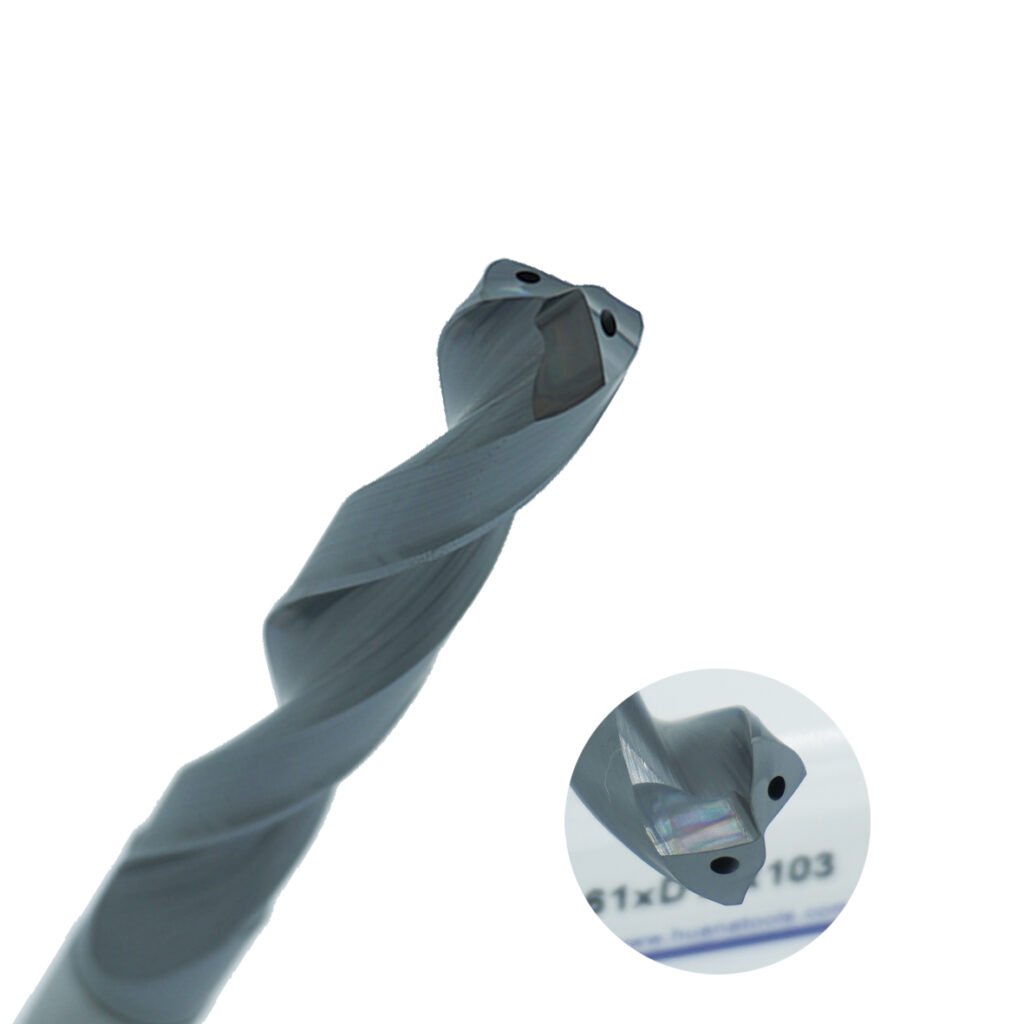
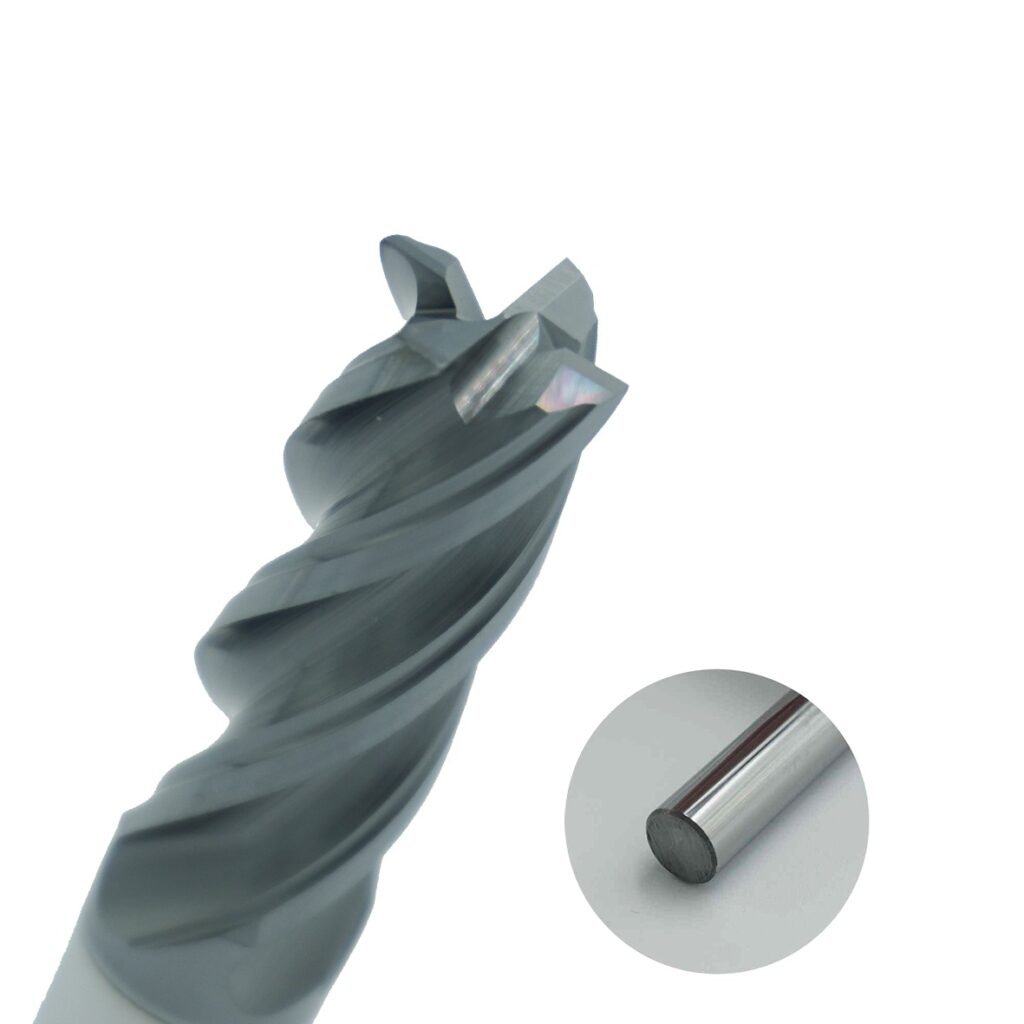
An end mill is a type of cutting tool that is used in milling machines for a variety of machining operations. Unlike drills, which cut only along their axis, end mills cut radially as well as axially, allowing them to perform more versatile cutting operations such as profiling, slotting, and contouring.
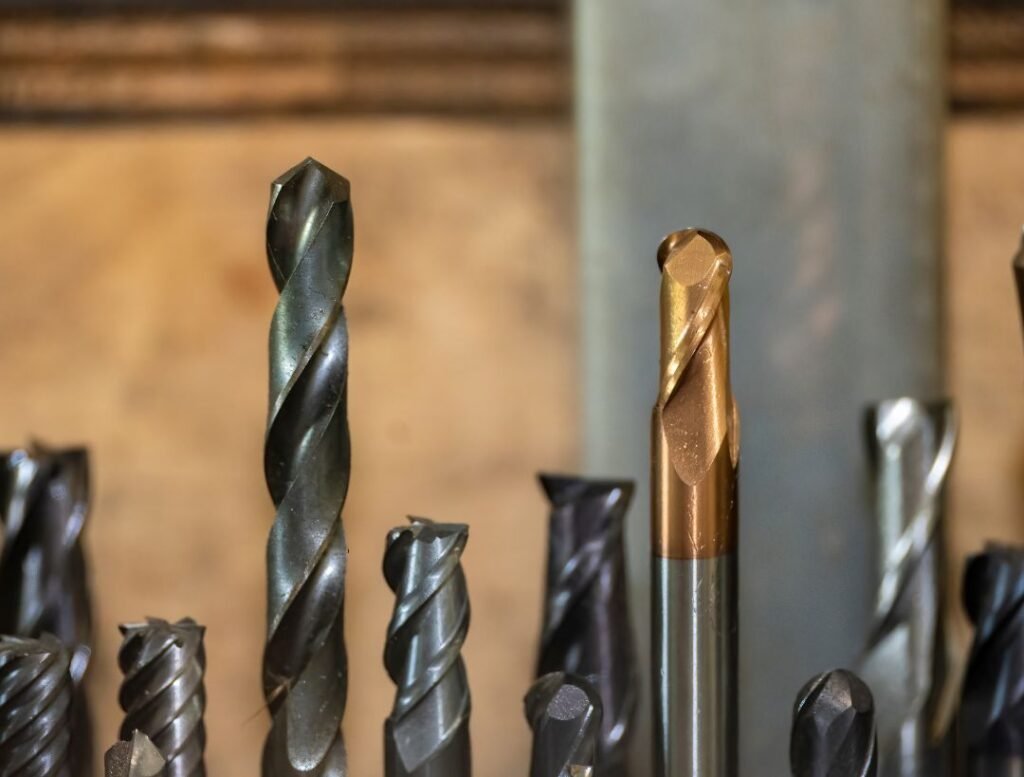
Types of End Mills:
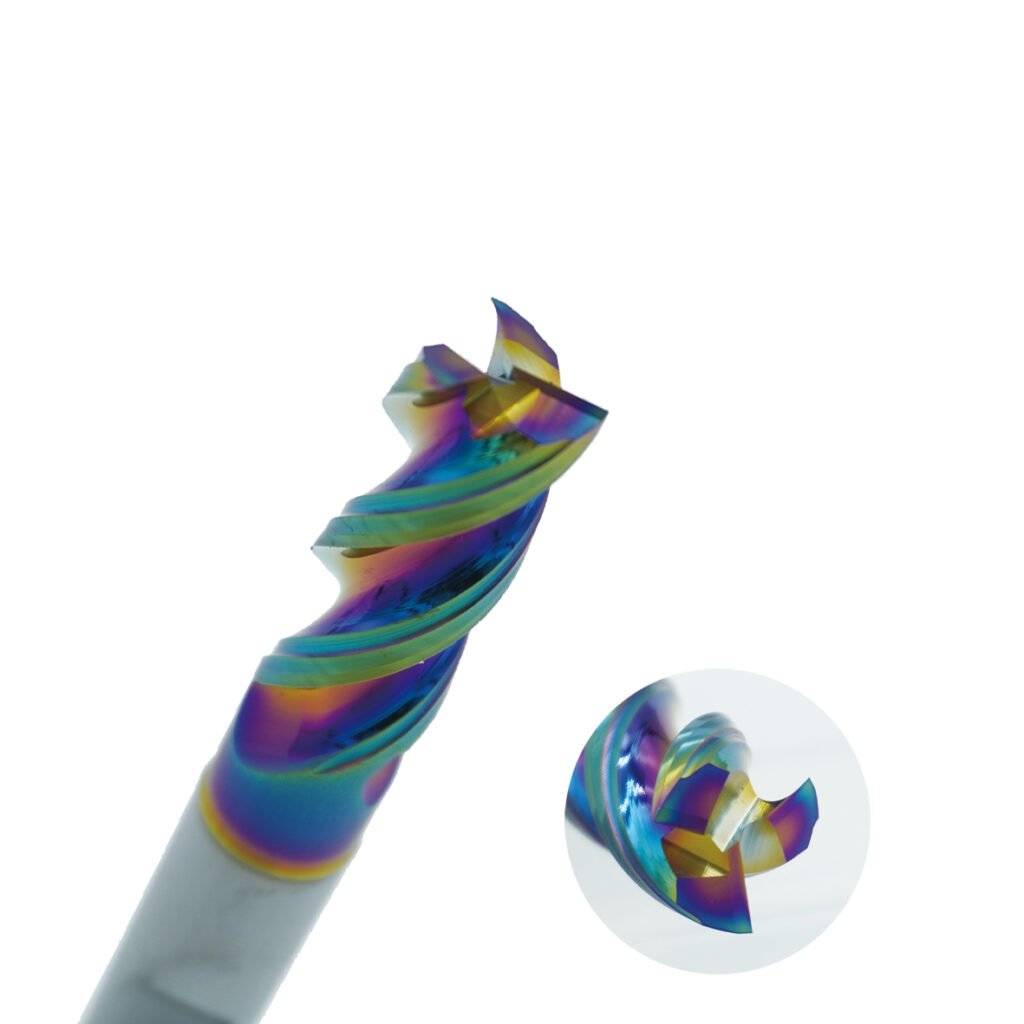
- 2-Flute End Mills: These are ideal for fast material removal, especially when working with softer materials such as aluminum. Their design provides faster chip clearance, which is critical in high-speed applications.
- 4-Flute End Mills: Offering better rigidity, these are typically used for harder materials like steeland stainless steel. They produce smoother finishes due to the increased number of cutting edges.
- Ball Nose End Mills: Used for 3D millingand contouring, these end mills are perfect for creating curved surfaces and intricate designs.
- Roughing End Mills: These end milling cuttersare designed to remove large volumes of material quickly, making them essential for high-speed rough cutting tasks before switching to a finishing tool.


End Mill Sizes and Types Table:
End Mill Type | Best for | Common Use |
2-Flute End Mill | Softer materials like aluminum | Fast material removal, high-speed machining |
4-Flute End Mill | Harder materials like steel | Fine finishing, smoother cuts |
Ball Nose End Mill | Complex 3D shapes | Profiling and contouring |
Roughing End Mill | Large material removal | Rough cutting before finishing |
What Is a Face Mill?
A face mill is designed to remove material from the surface of the workpiece, particularly in large, flat areas. Unlike end mills, which cut at both the side and end, face mills use multiple inserts or teeth to make broad, efficient cuts.
Face mills are ideal for surface milling, machining flat surfaces, and rough cutting tasks. They can be used with larger CNC machines and are more effective in operations that require the removal of large amounts of material.
Face Mill Features:
- Tool Size: Larger than end mills, face mills can have a diameter ranging from 1 inchto several inches.
- Cutting Inserts: Most face mills use indexable inserts, which are easy to replace and can reduce downtime in large-scale machining operations.
- Material Removal Rate: Face millsare capable of removing more material in a shorter period compared to end mills, making them ideal for roughing operations.
Key Differences Between End Mills and Face Mills
To better understand when to use end mills and when to use face mills, it’s important to compare their features and applications:
Feature | End Mill | Face Mill |
Cutting Direction | Radial and axial cutting | Primarily axial cutting (along the tool face) |
Applications | Precision work, profiling, slotting, contouring | Surface milling, large area material removal |
Cutting Edges | Cutting edges on both the side and end of the tool | Cutting edges on the face of the tool |
Size | Smaller, typically between 1/8″ to 1″ in diameter | Larger, ranging from 1″ to several inches in diameter |
Material Removal Rate | Lower compared to face mills for large operations | Higher material removal rates for large surfaces |
Surface Finish | Can provide a fine finish for complex shapes and contours | Provides good surface finish but not ideal for intricate shapes |
Tooling | More versatile, typically used for precise cuts | More rigid, often used for rough cuts and large surfaces |
When to Use an End Mill?
End mills are best suited for operations that require precision and intricate cuts. Some of the key scenarios where end mills excel include:
Precision Work and Small Features
For detailed tasks like slotting, grooving, and profiling, end mills provide the required versatility and accuracy. The ability to cut in both radial and axial directions makes end mills indispensable for producing fine details on a workpiece.
3D Milling and Contouring
Ball nose end mills are especially beneficial for 3D milling and contouring complex surfaces. When precision and smooth finishes are necessary, end mills are the preferred choice.
Slotting and Profiling
For applications like internal slots or pockets, end mills can easily create deep cuts with fine accuracy. These tools can also be used for cutting complex profiles in metalworking.
Small to Medium Workpieces
When machining smaller parts or intricate designs, end mills offer the flexibility and precision required to achieve high-quality results.
When to Use a Face Mill?
Face mills are perfect for roughing operations or when working with large, flat surfaces that need to be machined quickly. Here are the best use cases for face mills:
Large Surface Material Removal
Face mills are optimized for removing material from large flat surfaces. Whether you’re working with aluminum or steel, face mills are ideal for efficient material removal on big workpieces.
Roughing Operations
In many cases, face mills are used for rough cutting operations, where the goal is to remove large volumes of material before finishing with a more precise tool. The high material removal rate of face mills makes them ideal for this stage.
Surface Finishing
For applications requiring a high-quality surface finish on large flat areas, face mills are used. Though not as precise as end mills for detailed work, face mills provide efficient, smooth surfaces for general purposes.
Large Workpieces
When working with large workpieces that require significant material removal, face mills provide the stability and cutting force necessary to handle the task effectively.

Optimizing Production Efficiency by Choosing the Right Tool
Selecting the correct tool for your project is vital for optimizing production efficiency. Here are some tips on when to use end mills and when to use face mills:
- For precision work and small features: Use end millsfor detailed cuts, profiling, and 3D milling.
- For large surface areas and high material removal: Use face millsto quickly remove material from large surfaces, and follow up with end millsfor detailed finishing.
- Combination Approach: For many machining projects, a combination of face millsfor roughing and end millsfor finishing works best. This dual approach allows you to maximize both material removal rates and surface finish quality.
Conclusion
Both end mills and face mills are essential tools in CNC milling operations. End mills are ideal for precision cutting, detailed work, and smaller features, while face mills excel in large-scale material removal and surface finishing. Understanding the strengths of each tool and how to choose the right one based on your machining needs will ensure you achieve the best results in your milling operations.
By optimizing your use of end mills and face mills, you can enhance both the efficiency and quality of your production processes, reducing machining time and costs while achieving the required tolerances and surface finishes.