Cutting Tools for Aerospace Machining in Europe: Choosing the Right Carbide Solutions
Table of Contents

Machining for aerospace is high-stakes, high-performance manufacturing. Components are often made from materials like titanium, Inconel, and hardened stainless steel, each chosen for their strength, corrosion resistance, or ability to endure intense temperatures and pressure. That makes them excellent for aircraft, but unforgiving in the spindle.
Tool life, edge stability, and heat control all become critical. And when tolerances are measured in microns and deadlines are tight, generic tools don’t cut it. In aerospace shops across Germany and the wider European market, solid carbide tools and advanced coatings like AlCrN are helping meet quality standards and production efficiency.
This blog breaks down the tooling challenges aerospace machinists face and how the right carbide tools, from roughing end mills to internally cooled drills, can turn those challenges into opportunities for accuracy, speed, and repeatability.
Materials Common in Aerospace Components
Aerospace machining deals with materials engineered for extremes, like heat, pressure, and corrosive environments. While these metals offer high performance in the sky, they’re notoriously difficult to cut on the ground.
Feature | Titanium Alloys | Inconel (Nickel Alloys) | Stainless Steel |
Aerospace Use | Landing gear, airframes, and engine parts | Combustion chambers, turbine blades, and exhausts | Fasteners, brackets, and hydraulic components |
Main Machining Difficulty | Heat buildup, tool deflection | Work hardening, high heat | Strain hardening, poor chip evacuation |
Thermal Conductivity | Very low | Extremely low | Low |
Tool Wear Risk | High (thermal) | High (mechanical + thermal) | Medium to high |
Preferred Tool Type | Solid carbide with sharp geometry | Carbide drills with internal coolant | Solid carbide with chip control geometries |
Best Coatings | AlCrN, TiAlN | AlCrN | AlCrN, TiAlN |
Machining Strategy Tip | Reduce tool pressure and use high coolant flow | Use low radial engagement, maintain tool sharpness | Apply stable feeds and use flood or MQL cooling |
Titanium Alloys
Titanium is one of the favorites in aerospace engineering because of its lightweight but incredible strength and corrosion resistance, and the ability to retain shape even at high temperatures. You find it anywhere from landing gear and wing structures to engine components and fasteners.
But machining it is far from simple.
Low thermal conductivity in titanium implies that most of the heat generated during cutting remains at the edge of the tool, so it wears out very quickly unless the tool is made to take such extreme temperatures. Its elasticity also increases tool deflection, which makes precision cuts more difficult and promotes chatter.
Inconel
Inconel is an alloy used for applications requiring survival in heat, pressure, and corrosive conditions. Most of the severe aerospace environments may be so that is why they are hard to machine.
The alloy is prone to rapid work hardening. This implies that the more time your tool spends engaging with the material, the tougher it becomes. Couple that with how much heat it can generate in cutting, and you’re served with a recipe for extremely rapid tool wear and surface integrity issues.
It is important to have carbide drills with internal coolant and high-performance coatings such as AlCrN to deal with Inconel efficiently. These tools help keep cutting edges cool while maintaining sharpness under high mechanical loads. Many machinists also favour low radial engagement strategies, such as high-efficiency milling, to keep temperatures down and extend tool life.
Stainless Steels
Stainless steel is among the commonly used materials on components across the aerospace industry, including brackets, structural fasteners, and parts in hydraulic systems, due to its resistance to corrosion as well as strength. But machining it? That’s a different story. Its toughness, strain hardening behaviour, and low thermal conductivity create significant challenges on the shop floor.
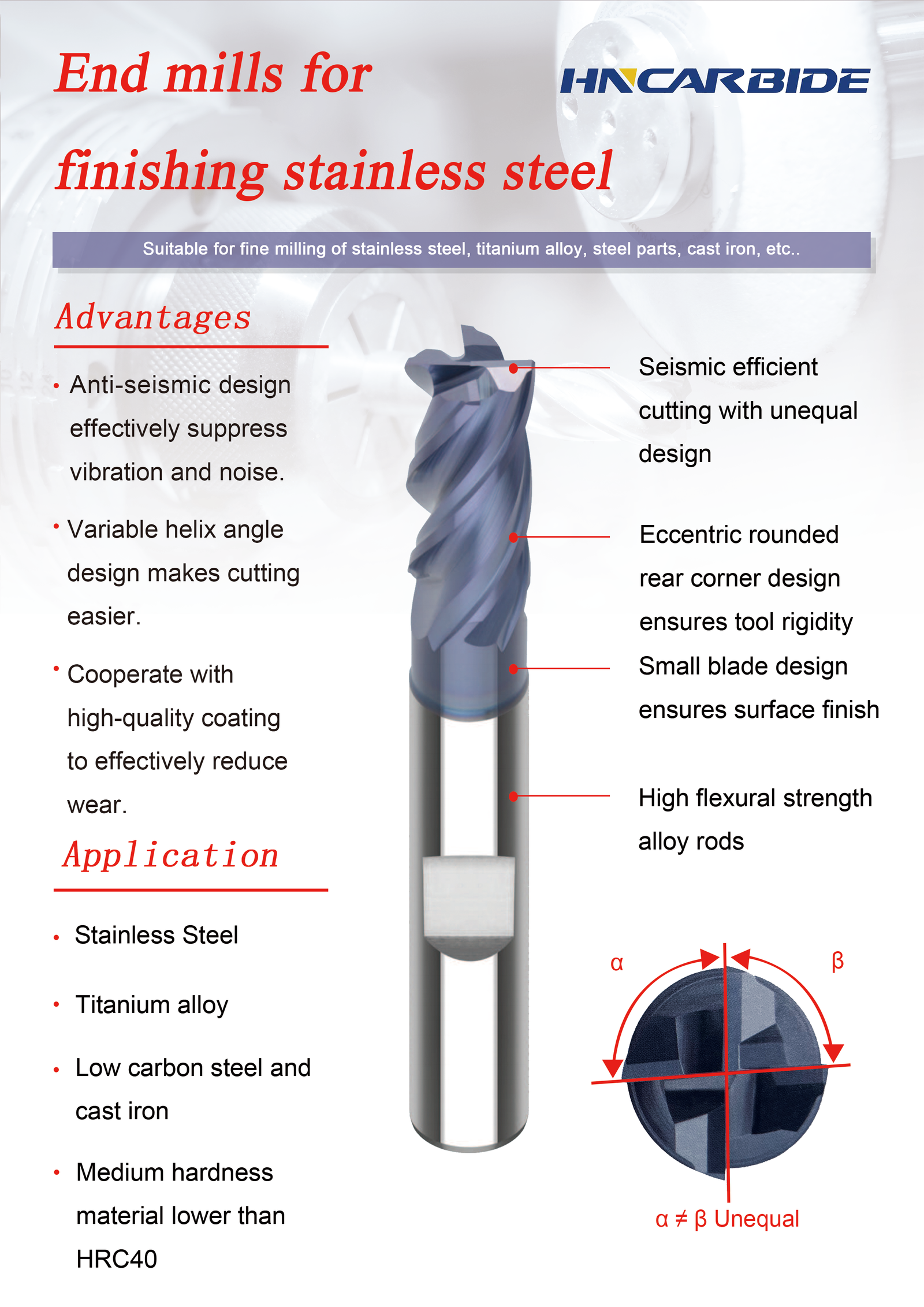
Solid carbide end mills with edge-stabilising geometries and AlCrN coatings provide the durability and heat resistance needed. Three-flute end mills or variable-helix tools often outperform traditional designs by improving chip evacuation and reducing harmonics. For drilling operations, carbide drills with through-coolant help flush chips and control temperature.
| Material | Density (ρ) (g/cm³) | Tensile Strength (σ) (MPa) | Tensile Modulus (E) (GPa) | Specific Strength (GPa·cm³/g) | Specific Modulus (GPa·cm³/g) |
|---|---|---|---|---|---|
| High-modulus carbon fiber | 1.7 | 4000 | 240 | 2.4 | 140 |
| High-strength steel | 7.8 | 340–2100 | 208 | 0.04–0.27 | 27 |
| High-strength aluminum alloy | 2.7 | 144–650 | 69 | 0.05–0.23 | 26 |
| E-glass fiber | 2.54 | 3100–3800 | 72.5–75.5 | 12.6–15 | 28.5–29 |
| Kevlar 49 | 1.44 | 2800 | 126 | 1.94 | 88 |
| Basalt fiber | 2.36 | 2750 | 382 | 1.17 | 162 |
| Silicon carbide | 2.69 | 3430 | 480 | 1.28 | 178 |
Recommended Tooling Types
When aerospace materials push your machines to their limits, standard tooling won’t cut it. Every alloy, whether titanium, Inconel, or aerospace-grade stainless steel, demands a calculated approach and tooling engineered for endurance, heat resistance, and surface precision. That’s why carbide continues to dominate this sector.
Overview of Carbide Tool Comparison for Aerospace Machining
Feature/Use Case | Solid Carbide End Mills | Carbide Drills with Internal Coolant | Coated Tools (AlCrN, TiAlN) |
Description | One-piece cutters made from solid carbide | Drills with coolant channels inside the flute/core | Carbide tools with heat- and wear-resistant coatings |
Ideal Applications | Milling titanium, roughing Inconel, steel finishing | Deep-hole drilling in titanium, stainless, Inconel | High-speed dry cuts, finishing aerospace-grade alloys |
Advantages | High rigidity, precise edge retention, stable at speed | Better chip evacuation, cooler cuts, reduced wear | Extended tool life, thermal resistance, less edge breakdown |
DIN Milling Cutters Catalog
Click the button below to view our DIN milling cutters catalog and explore detailed product specifications to make the best choice.
Solid Carbide End Mills
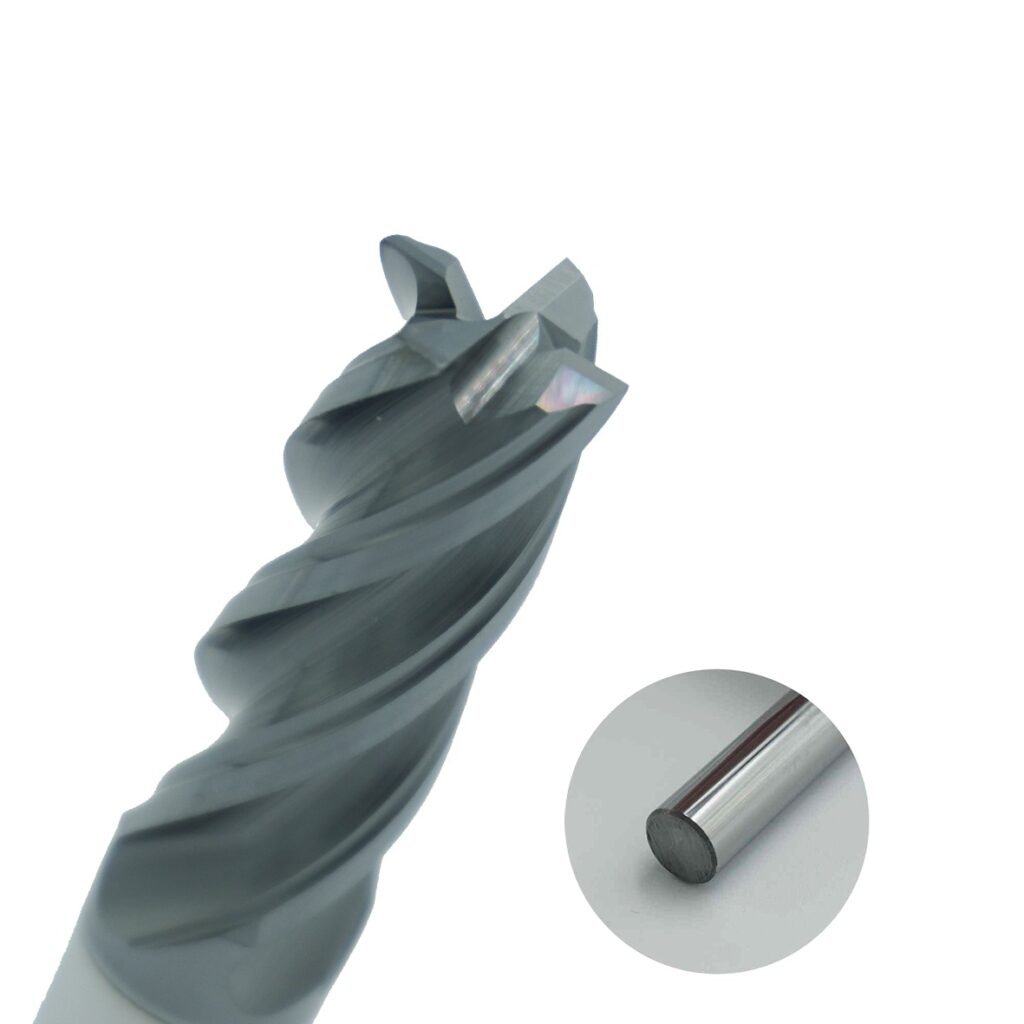
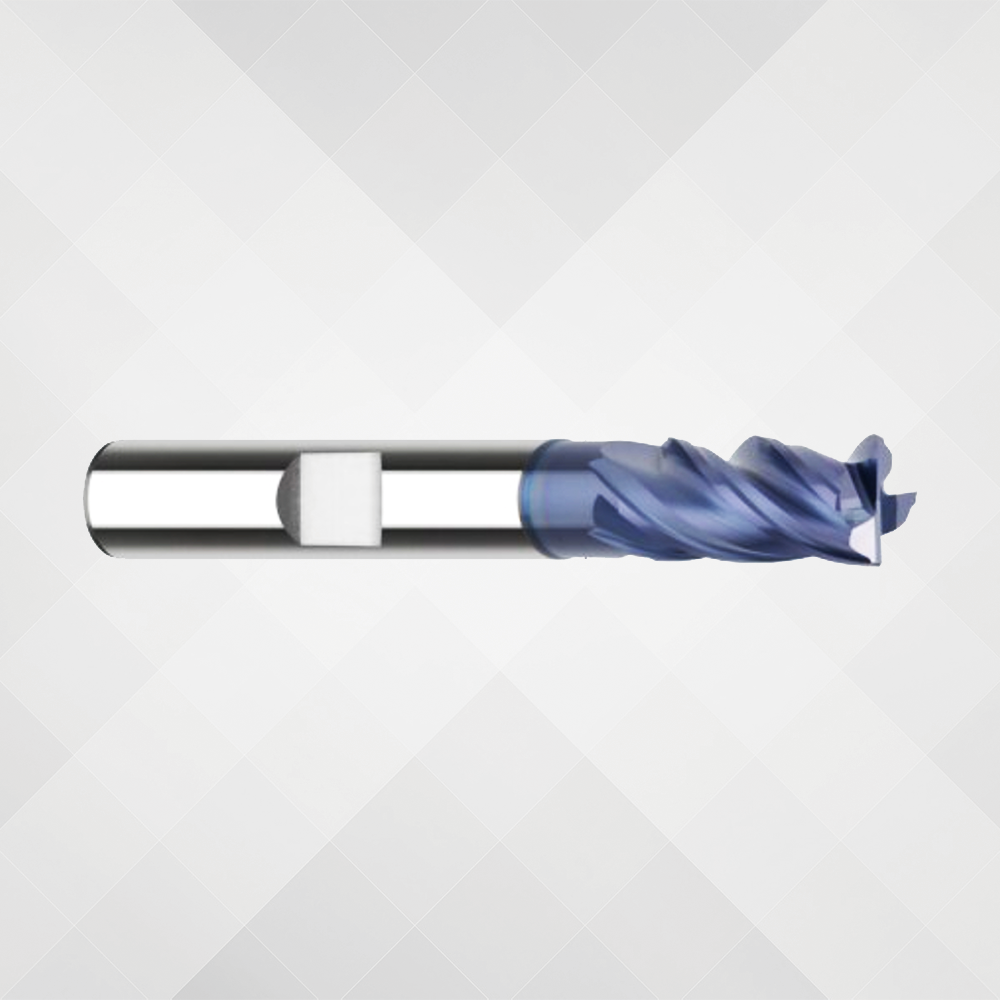
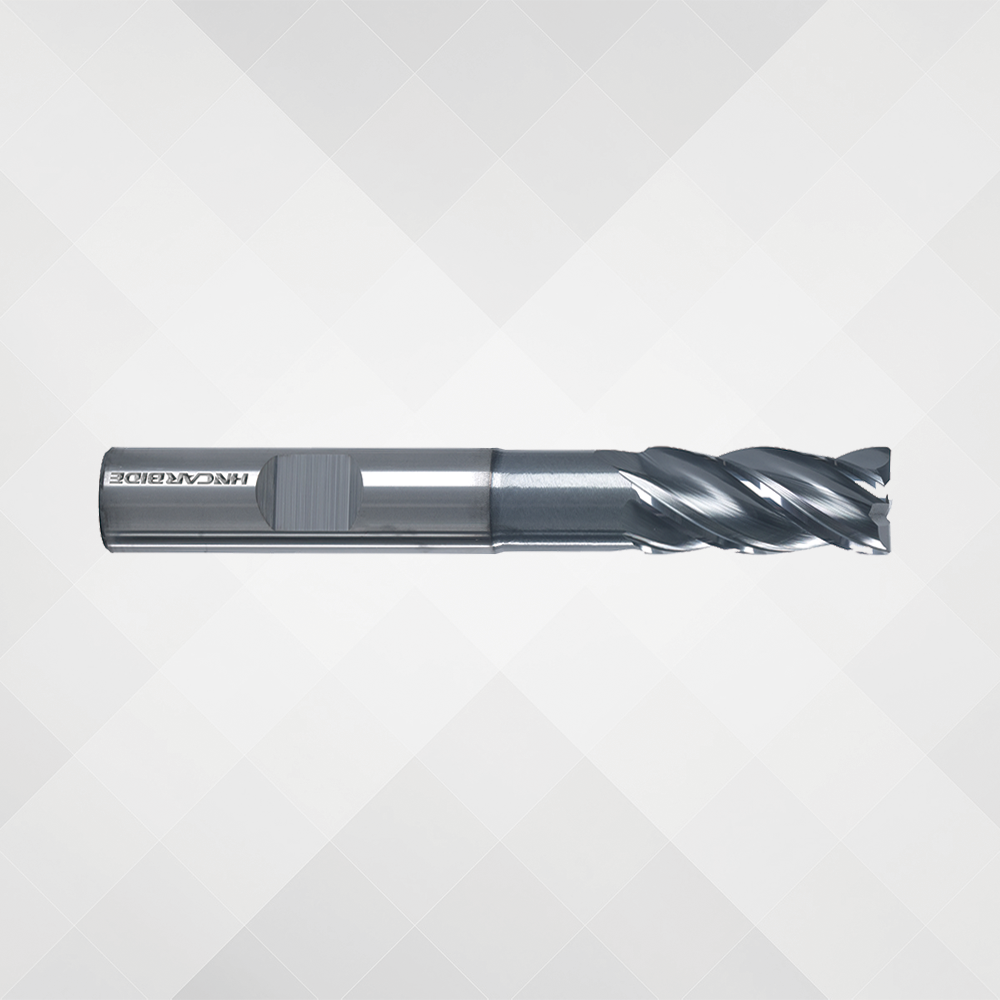
Aerospace machining doesn’t leave room for compromise, and solid carbide end mills have become a trusted solution in high-performance environments. Their rigidity, sharp cutting geometry, and thermal stability allow machinists to hold tight tolerances on titanium, stainless steels, and nickel alloys without losing edge integrity.
Since the entire tool is made of fine-grain carbide, it resists deformation and wear, even at high spindle speeds and heavy loads. This makes them especially valuable when surface finish, repeatability, and tool longevity are top priorities.
You’ll often find solid carbide end mills in use for:
- Contouring aerospace brackets and engine casings
- Slotting and roughing structural components
- Finishing hardened steels for tooling fixtures
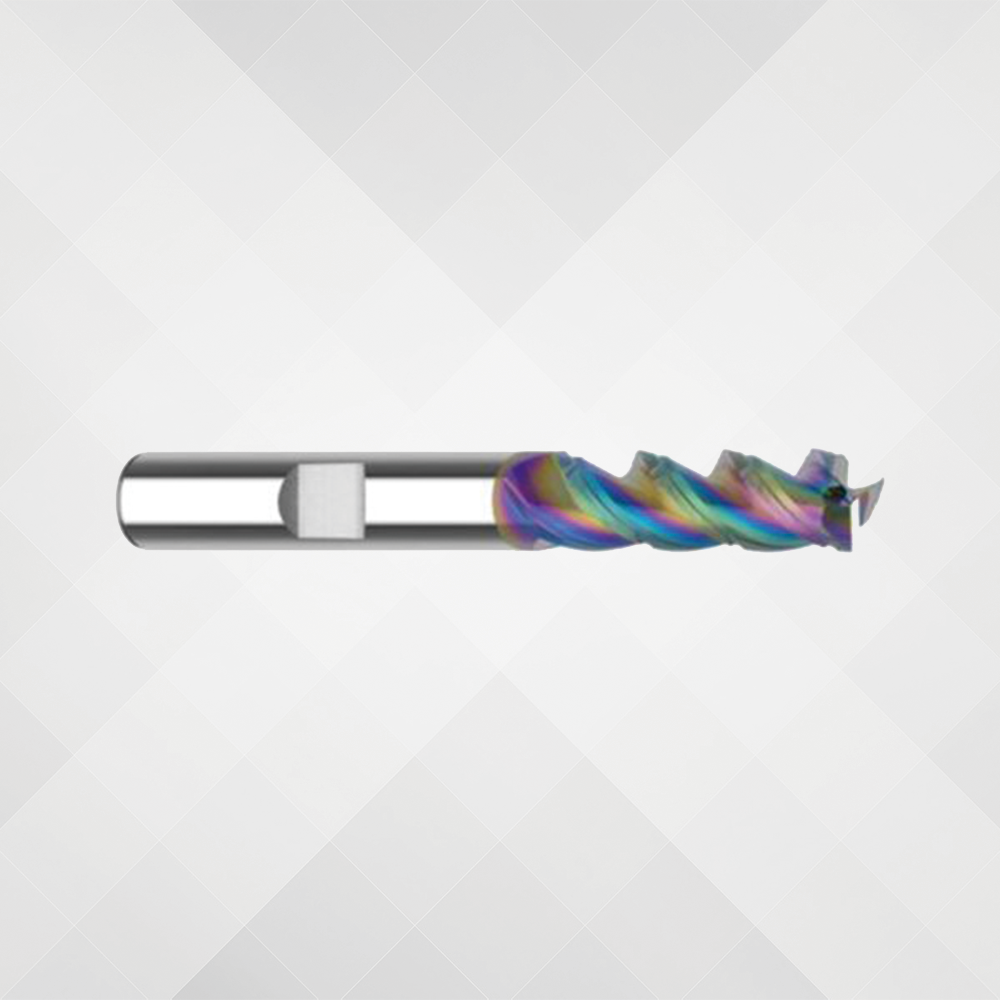
Metric end mills in 3-flute or variable flute geometries are commonly preferred for smoother chip evacuation and vibration control. Paired with the right tool path strategy, solid carbide end mills allow longer, faster runs with fewer tool changes. This helps boost productivity without sacrificing precision.
Carbide Drills with Internal Coolant
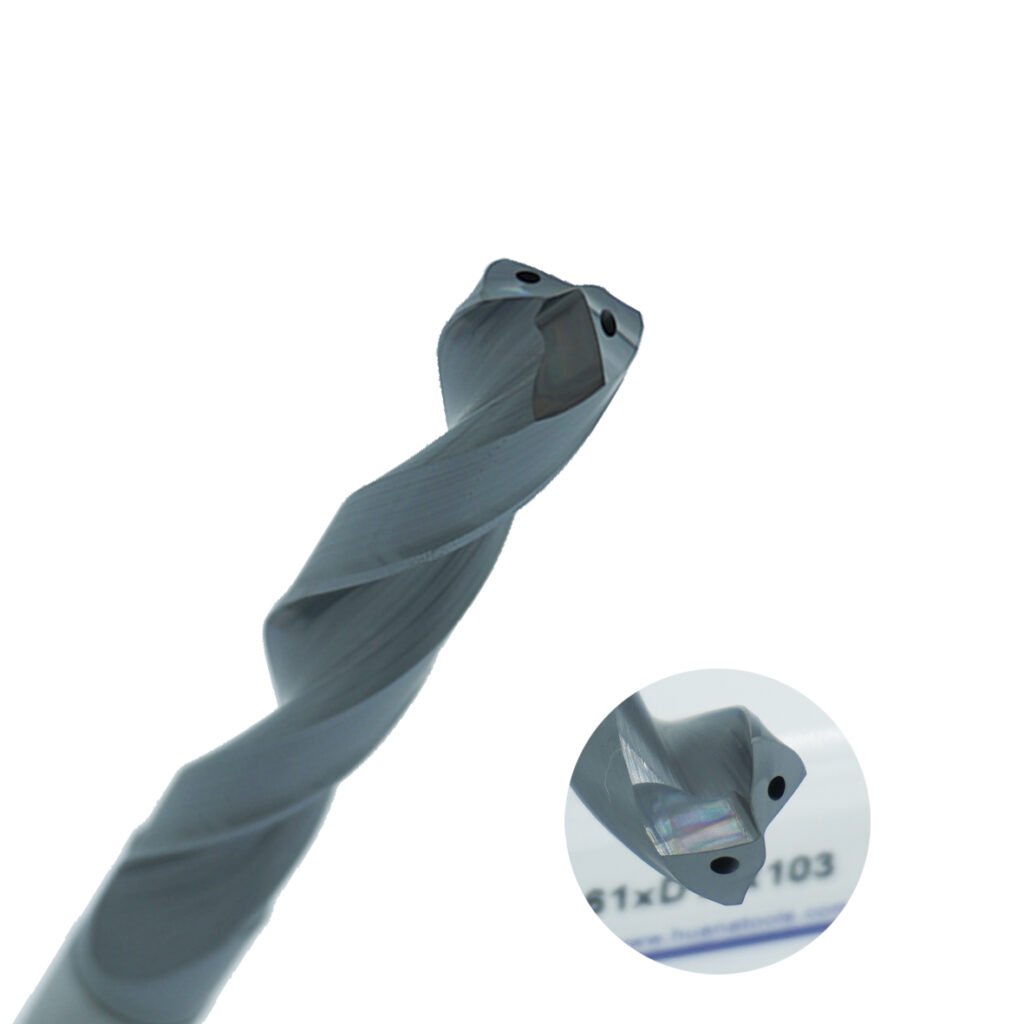
Carbide drills with internal coolant channels are engineered specifically to tackle this challenge. These tools deliver coolant directly to the cutting edge, which minimizes thermal expansion, evacuates chips more efficiently, and prevents tool degradation mid-cut.
This design improves tool longevity and reduces the risk of built-up edge or surface damage, which is very important for aerospace parts where any deviation can mean a failed inspection.
Here’s why they’re essential for aerospace use:
- Improved chip evacuation in deep-hole or high-speed drilling
- Controlled heat dissipation directly at the cutting zone
- Stable performance when drilling stacked or laminated materials
- Longer tool life, especially on CNC setups with aggressive cycles
Internal coolant drills pair particularly well with CNC machines running adaptive feed strategies, maintaining tighter hole tolerances and surface quality in critical components such as turbine hubs or engine brackets.
Coated Tools (AlCrN, TiAlN) For Heat and Wear Resistance
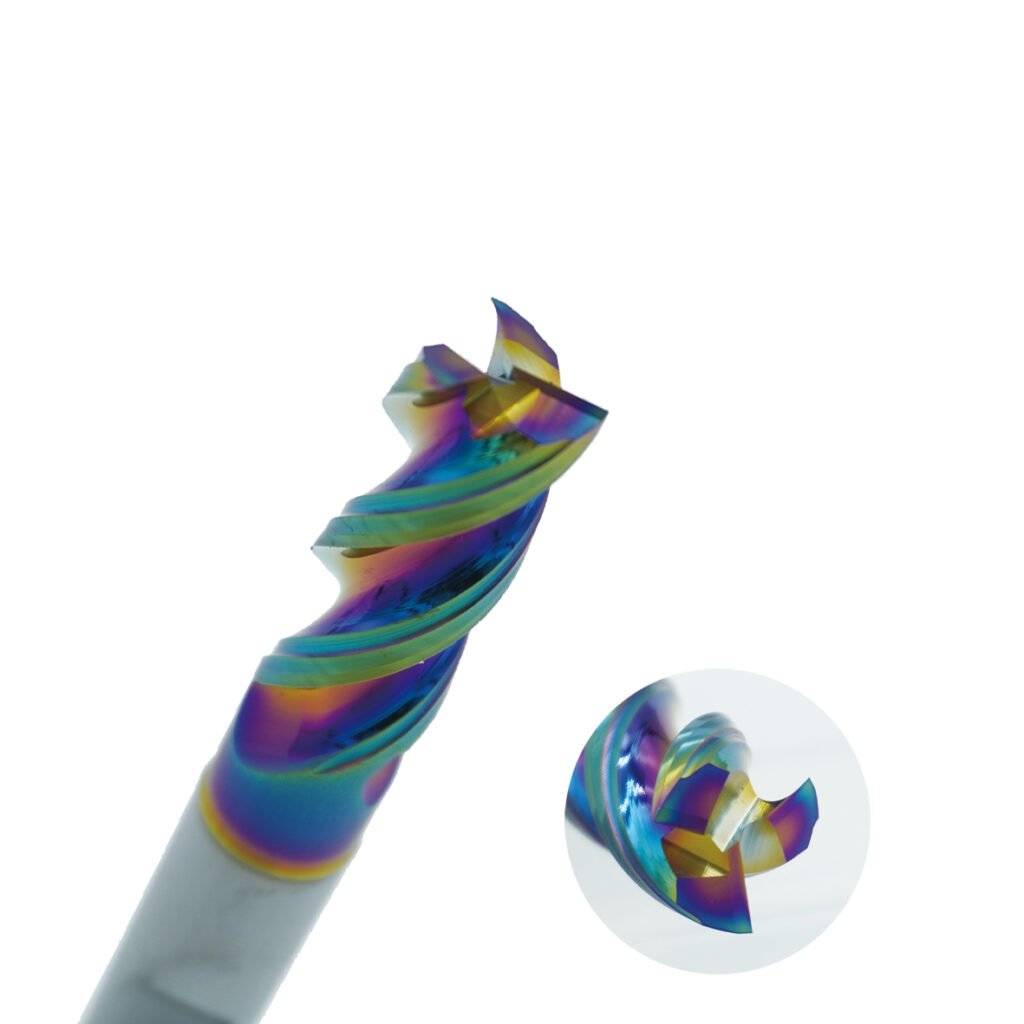
Coatings have become essential in aerospace machining, particularly when you’re cutting hard materials that wear out tools quickly at high temperatures. The best of these are Aluminum Chromium Nitride and Titanium Aluminum Nitride. They greatly increase the life of the tool by preventing oxidation, retaining hardness at extreme temperatures, and reducing friction between the tool and the workpiece.
In aerospace machining, where spindle time is critical and strict quality controls are imposed on every component, productivity must be sustained without compromising surface finish and precision—coated tools facilitate this.
What makes them effective:
- AlCrN: Best for high-speed and dry cutting; handles temps above 1,100°C
- TiAlN:Ideal for interrupted cuts and abrasive alloys; maintains edge strength
- Reduced tool wearon hardened materials and roughing passes
- Improved chip flowand lower risk of built-up edge (BUE)
These are the coatings that you will often see applied to custom end mills, roughing end mills, and 3 flute end mills for aluminum and superalloy milling. This helps the machinist hit tighter tolerances with fewer tool changes and predictable cycle times on parts going to flight assemblies.
Application Tips
Even the best carbide tools in aerospace machining can fail if they are not applied using appropriate application strategies. This makes tool usage just as important an aspect as tool selection. Dialing in the right speeds and feeds, programming efficient tool paths, and using coolant strategically can mean the difference between consistent quality and premature tool wear.
Speed/Feed Selection
A precise balancing act is required for spindle speed and feed rate in the cutting of aerospace alloys. If it is taken too slowly, then the tool will start rubbing, and excess heat will be caused; too fast, and the cutting edge will risk chipping or premature failure. In working with titanium or Inconel, carbide end mill speeds and feeds must be gotten right so that edge integrity can be preserved alongside part accuracy.
Surface speeds usually range from 60-150 m/min for titanium and up to 300 m/min for aluminium. Feed per tooth is often between 0.05-0.15 mm, depending on the end mill diameter and coating. AlCrN-coated tools can push higher speeds due to better heat tolerance.
Always start with manufacturer recommendations, but fine-tune through live testing based on your machine’s rigidity, part geometry, and chip evacuation efficiency. Consistency here sets the stage for tool longevity and clean finishes.
Tool Path Optimization
Efficient tool paths are tightly warranted in aerospace components having tight contours and thin-walled features. Minimizing sudden tool engagement and keeping cutter contact will greatly reduce chatter, deflection, and heat. Consider trochoidal milling, adaptive clearing, and helical entries for harder alloys such as Inconel.
Use CAM strategies that limit radial engagement and maintain consistent chip load. For example, when using roughing end mills or custom profiles, avoid sharp corners and rapid plunges. Instead, favor gradual arc movements and high-speed transitions. Optimized paths not only extend tool life but also protect your part geometry and machine spindle over long production runs.
Coolant Use
High-temperature aerospace machining requires more than tool strength—it requires thermal control. Internal coolant drills deliver fluid exactly where it is needed—the cutting edge. This direct application limits thermal shock, improves chip evacuation, and enhances hole precision in demanding alloys such as Inconel and titanium.
High-pressure systems, usually 70 bar or more, perform best when drilling difficult metals. They prevent built-up edge formation and maintain clean hole walls.
When milling, especially with AlCrN or TiAlN-coated tools, dry machining or minimum quantity lubrication (MQL) often yields better results. These coatings thrive under heat and form stable oxide barriers that extend tool life. Cooling methods should align with material behavior, operation depth, and chip load. Deep cavities or slotting passes may still benefit from mist or flood coolant to keep chips moving and surfaces clean.

Conclusion
Every part is required to be made perfectly in aerospace machining. Titanium requires thermal resistance, Inconel demands toughness, and stainless steel develops work hardening properties; therefore, the cutting tools must excel under pressure. Better production of consistent and quality output is enabled by matching the right carbide geometry and coating to each material.
Tool performance in today’s demanding CNC environment starts with material integrity. That’s where working with trusted carbide suppliers makes the difference. The right partner ensures your tools are not only precisely ground and reliably coated but also backed by the technical support needed to handle aerospace workloads.
HNCarbide delivers the durability, consistency, and customization that European aerospace manufacturers demand. We offer solid carbide end mills and drills to help you tackle the toughest specs of German tooling with confidence.