Skip to content
Cutting Tool Materials Explained: How to Choose the Right Tool Material for High-Performance Machining
Table of Contents
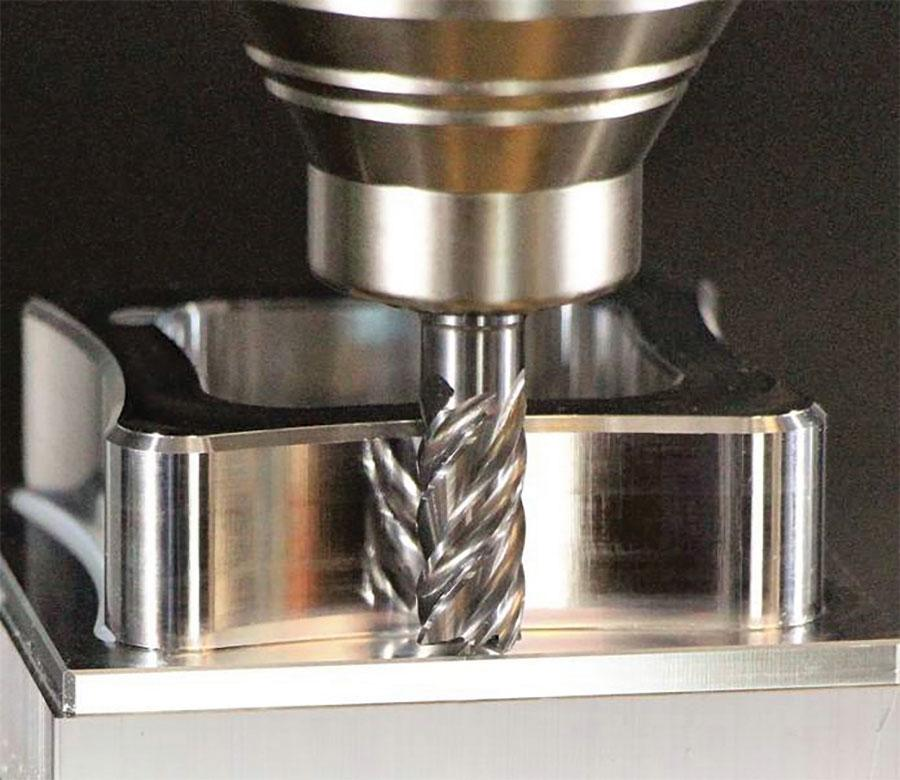
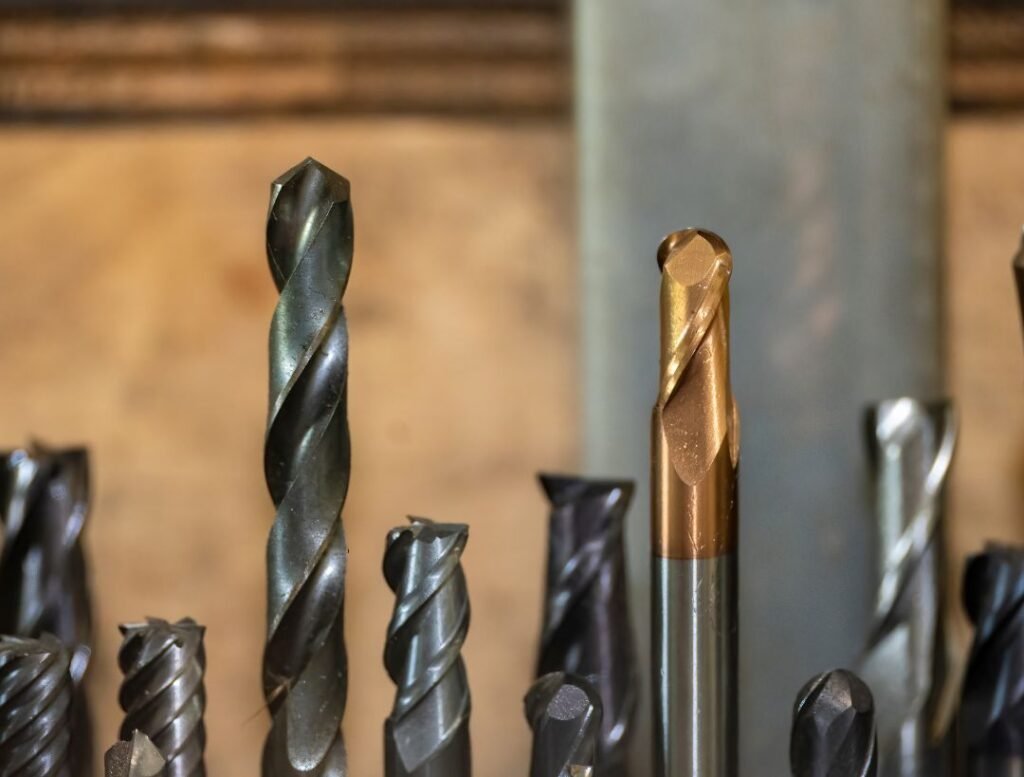
Modern machining performance depends heavily on cutting tool materials.
Whether you are machining steel, aluminum, cast iron, or high-temperature alloys, the tool material determines:
- Cutting speed
- Tool life
- Surface finish
- Production cost
But with so many options available—HSS, powder metallurgy HSS, carbide, coated carbide, ceramics, PCD, and CBN—how do you choose the right one?
Which tool material offers the best balance between hardness, toughness, heat resistance, and cost?
In this guide, we explore the most widely used cutting tool materials, how they work, and how to select the best material for your machining applications.
Why Do Cutting Tool Materials Matter So Much?
Cutting tools operate in extremely harsh conditions.
During machining, the cutting edge experiences:
- High pressure from cutting forces
- Severe friction between tool and chip
- Temperatures that may exceed 800–1000°C
If the tool material cannot withstand these conditions, problems occur quickly:
- Rapid tool wear
- Edge chipping
- Poor surface finish
- Unstable machining
This is why selecting the correct tool material is often more important than the tool geometry itself.
But what properties actually define a good cutting tool material?
What Properties Should a Cutting Tool Material Have?
A high-performance cutting tool material must balance several critical characteristics.
1. High Hardness and Wear Resistance
Hardness determines whether the tool can cut the workpiece material effectively.
Most modern cutting tool materials have hardness levels above 60 HRC.
However, hardness alone is not enough.
Good wear resistance depends on:
- Carbide particle distribution
- Microstructure stability
- Chemical composition
The better the wear resistance, the longer the tool life.
2. Strong Enough to Resist Cutting Forces
Cutting tools must also resist:
- Mechanical loads
- Vibration
- Impact during interrupted cutting
This property is called transverse rupture strength.
In operations like milling or rough turning, the tool edge repeatedly enters and exits the material. Without sufficient strength, the cutting edge will chip or fracture.
3. Heat Resistance (Red Hardness)
At high cutting speeds, heat generation is unavoidable.
A good cutting tool material must maintain:
- Hardness at high temperature
- Wear resistance under thermal load
- Resistance to oxidation and diffusion wear
This capability is known as red hardness.
The higher the red hardness, the higher the allowable cutting speed.
4. Manufacturability and Cost Efficiency
A good cutting tool material should also be practical to manufacture.
Important considerations include:
- Grinding performance
- Heat treatment stability
- Production cost
For example, superhard tools such as PCD or CBN are expensive, but they provide extremely long tool life. In high-volume production, the cost per part can actually be lower.
What Are the Main Types of Cutting Tool Materials?
Today’s machining industry mainly uses the following materials:
Tool Material | Hardness | Heat Resistance | Typical Use |
Tool Steel | Medium | Low | Hand tools |
High Speed Steel (HSS) | High | Medium | Drills, taps |
Powder Metallurgy HSS | Higher | Medium | Precision tools |
Cemented Carbide | Very High | High | Milling, turning |
Ceramic | Extremely High | Very High | High-speed finishing |
PCD / CBN | Ultra-hard | Extreme | Hard materials |
Among them, high-speed steel and carbide tools remain the most widely used in industrial machining.
High-Speed Steel (HSS): Why Is It Still Widely Used?
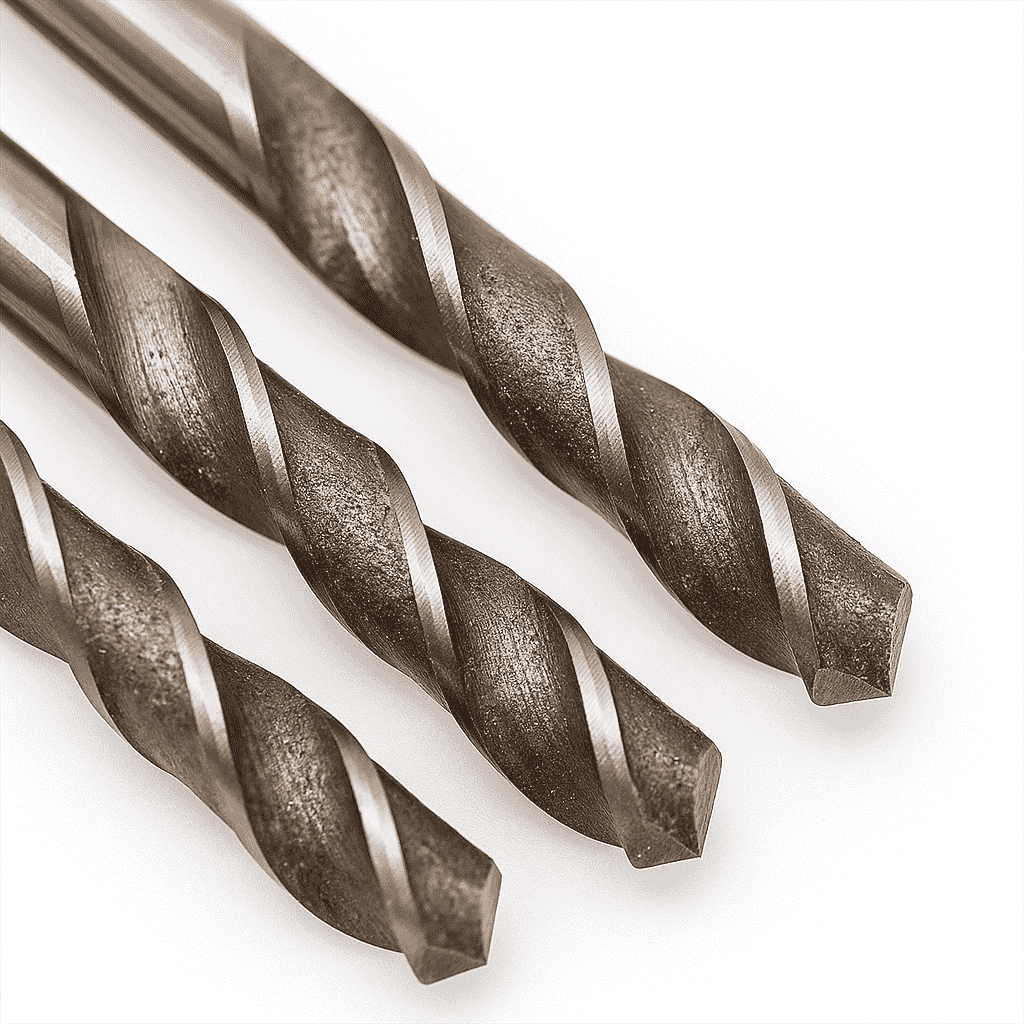
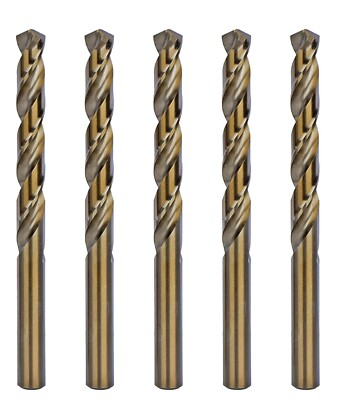
Despite the development of carbide tools, high-speed steel remains essential in many machining applications.
HSS is a high-alloy tool steel containing elements such as:
- Tungsten (W)
- Chromium (Cr)
- Vanadium (V)
- Molybdenum (Mo)
These alloying elements form hard carbides that improve wear resistance and heat resistance.
Advantages of HSS
- Excellent toughness
- Easy to grind into sharp edges
- Suitable for complex geometries
- Lower manufacturing cost
Because of these properties, HSS is still widely used to produce:
- Twist drills
- Taps
- Broaches
- Gear cutters
- Form tools
Typical Cutting Speed
When machining carbon steel:
40–60 m/min
This is lower than carbide tools but still practical for many operations.
Powder Metallurgy HSS: A Major Upgrade?
Powder metallurgy high-speed steel (PM-HSS) was introduced in the 1970s and significantly improved HSS performance.
Instead of casting the steel conventionally, molten steel is atomized into fine powder and then sintered.
This creates a microstructure with:
- Uniform carbide distribution
- Fine grain size
- Improved mechanical properties
Performance Comparison
Property | Conventional HSS | PM-HSS |
Strength | Standard | +30–40% |
Toughness | Standard | +80–90% |
Tool Life | Baseline | 2–3× longer |
Cost | Low | Higher |
Because of its excellent toughness, PM-HSS is commonly used in:
- Gear hobs
- Precision milling cutters
- Broaches
- Thread cutting tools
These applications require sharp edges and high dimensional accuracy.
Cemented Carbide: The Backbone of Modern Machining
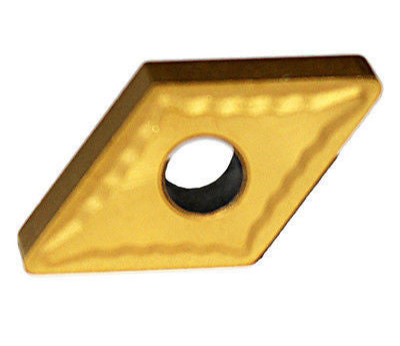
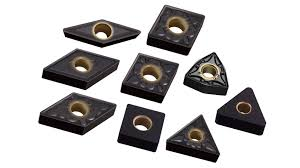
Cemented carbide tools dominate modern machining because they provide exceptional hardness and heat resistance.
Carbide tools are produced through powder metallurgy, combining:
- Hard carbide particles (WC, TiC, TaC)
- Metal binders such as cobalt
The result is a material with hardness reaching:
89–94 HRA (≈74–82 HRC)
This allows cutting speeds several times higher than HSS.
Why Are Carbide Tools So Effective?
Carbide tools offer several major advantages:
- Extremely high hardness
- Excellent wear resistance
- High thermal stability
- High cutting speeds
Typical cutting temperatures can reach 1000°C without significant softening.
This makes carbide tools ideal for:
- CNC machining
- High-speed milling
- High-volume production
Types of Carbide Grades
Carbide materials can be categorized according to their composition.
Carbide Type | Main Components | Best For |
WC-Co (YG Series) | Tungsten carbide + cobalt | Cast iron, aluminum |
WC-TiC-Co | Tungsten carbide + titanium carbide | Steel machining |
WC-TiC-TaC-Co | Added tantalum carbide | Difficult materials |
TiC-based carbide | Titanium carbide | Finishing hardened steel |
Example Applications
- YG6 / YG8→ cast iron machining
- Steel cutting carbide grades→ turning and milling steel
- TiC carbides→ finishing operations
What About Coated Carbide Tools?
Modern carbide tools are often enhanced with thin coatings applied by CVD or PVD processes.
Common coating materials include:
- Titanium Nitride (TiN)
- Titanium Carbide (TiC)
- Aluminum Titanium Nitride (AlTiN)
- Zirconium Carbide (ZrC)
These coatings are typically 2–10 microns thick.
Benefits of Tool Coatings
Property | Uncoated Carbide | Coated Carbide |
Wear resistance | Good | Excellent |
Heat resistance | Moderate | High |
Tool life | Standard | 2–5× longer |
Cutting speed | Medium | Higher |
Coated carbide tools are widely used for:
- CNC milling
- Turning operations
- Semi-finishing and roughing
Advanced Tool Materials: Ceramic, PCD and CBN
As machining technology advances, superhard tool materials are becoming more common.
Ceramic Tools
Ceramic tools provide extremely high heat resistance.
Typical applications include:
- High-speed finishing
- Cast iron machining
- Hardened steel turning
They allow cutting speeds 3–5× higher than carbide.
Polycrystalline Diamond (PCD)
PCD tools are made from sintered diamond particles.
Advantages include:
- Ultra-high hardness
- Exceptional wear resistance
- Excellent thermal conductivity
Typical applications:
- Aluminum machining
- Graphite machining
- Composite materials
PCD tools are widely used in aerospace and automotive industries.
Cubic Boron Nitride (CBN)
CBN is the second hardest material after diamond.
It is ideal for machining:
- Hardened steel
- Tool steel
- Bearing steel
CBN tools are often used for hard turning operations that replace grinding processes.
How Do You Choose the Right Cutting Tool Material?
Selecting the correct tool material depends on several factors.
1. Workpiece Material
Different materials require different tools.
Workpiece | Recommended Tool |
Aluminum | Carbide / PCD |
Carbon steel | Carbide |
Stainless steel | Coated carbide |
Hardened steel | CBN |
Cast iron | Carbide / Ceramic |
2. Cutting Conditions
Important parameters include:
- Cutting speed
- Feed rate
- Depth of cut
- Cooling conditions
High-speed machining usually requires carbide or ceramic tools.
3. Production Volume
For small batch machining:
- HSS tools may be sufficient
For mass production:
- carbide or coated carbide tools are more economical

Final Thoughts: Which Tool Material Is Best?
There is no universal cutting tool material that works for every application.
Each material offers a different balance between:
- hardness
- toughness
- heat resistance
- cost
In general:
- HSS toolsare ideal for complex tool shapes and low-speed machining.
- Carbide toolsdominate modern CNC machining.
- Ceramic, PCD, and CBN toolsare used for high-speed finishing and specialized materials.
Understanding these differences helps manufacturers select the most efficient and cost-effective cutting tool for each machining task.