Skip to content
Cobalt Drill Bits vs Carbide Drill Bits: Which One Is Better for Stainless Steel and CNC Machining?
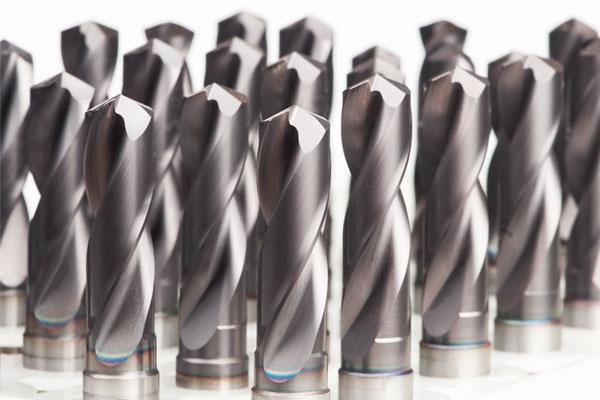
When drilling stainless steel, hardened steel, titanium, or alloy materials, choosing the wrong drill bit can quickly become expensive. Many machinists have experienced problems like burned cutting edges, excessive vibration, poor hole accuracy, broken tools, and extremely short tool life simply because the drill bit did not match the machining environment. In modern metalworking, the debate between cobalt drill bits and carbide drill bits has become increasingly important, especially as CNC machining continues to push cutting speeds and production efficiency higher.
At first glance, carbide drill bits appear to be the obvious winner. They are harder, more wear-resistant, and widely used in CNC machining centers. However, real-world machining conditions are far more complicated than a simple hardness comparison. A solid carbide drill may perform exceptionally well in a rigid CNC machine, yet chip instantly in a handheld drill or unstable setup. Meanwhile, a high-quality M42 cobalt drill can continue working reliably in conditions where carbide would fail.
So which drill bit is actually better? The answer depends on the material being machined, machine rigidity, production volume, cutting speed, and even the operator’s experience. In this guide, we’ll take a detailed look at the real differences between cobalt and carbide drill bits, compare their performance in stainless steel machining, and explain how to choose the right drill for your application.
What Is a Cobalt Drill Bit?
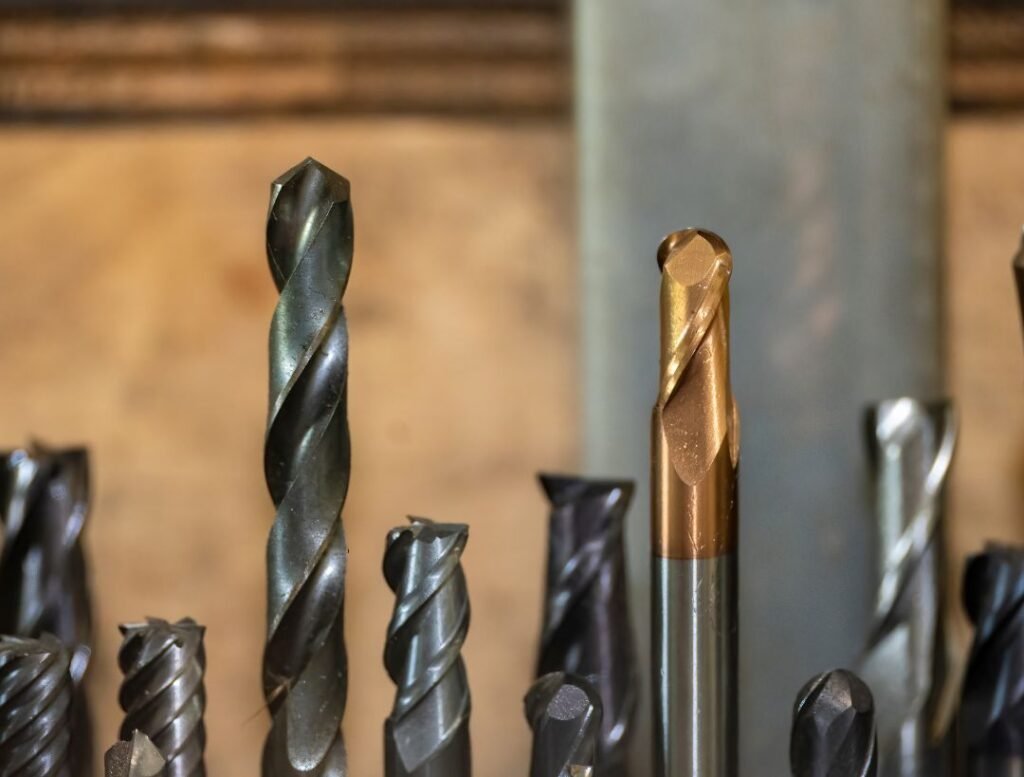
A cobalt drill bit is essentially a high-speed steel (HSS) drill that has been alloyed with cobalt to improve heat resistance and wear performance. Unlike ordinary HSS drills, cobalt drills maintain hardness at much higher temperatures, which makes them ideal for drilling difficult materials like stainless steel, alloy steel, cast iron, and hardened metals.
The two most common grades are M35 and M42 cobalt drill bits. M35 drills contain approximately 5% cobalt, while M42 drills contain around 8% cobalt. This additional cobalt significantly improves red hardness, allowing the cutting edge to remain stable even under intense heat generated during drilling.
Cobalt drills are extremely popular in fabrication shops, maintenance workshops, and portable drilling applications because they provide a strong balance between hardness and toughness. They are hard enough to machine difficult materials, yet flexible enough to resist breakage under unstable cutting conditions.
Why Is Stainless Steel So Difficult to Drill?
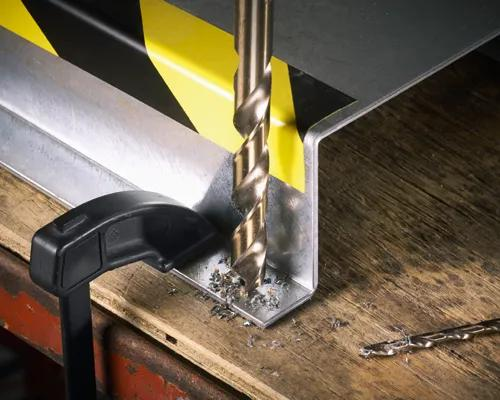
Stainless steel is one of the most challenging materials for drilling because it generates a tremendous amount of heat during cutting. Unlike softer steels, stainless steel tends to work harden very quickly. This means the material actually becomes harder as it is machined, increasing cutting resistance and accelerating tool wear.
Another major issue is chip formation. Stainless steel produces long, sticky chips that increase friction around the cutting edge. As friction rises, temperatures climb rapidly. Standard HSS drills lose hardness under these conditions, causing the cutting edge to soften, dull, and eventually burn out.
Cobalt drill bits are designed specifically to address these problems. Their improved heat resistance allows them to maintain hardness at temperatures where ordinary HSS drills would fail. That is why cobalt drills remain one of the most widely used tools for stainless steel drilling worldwide.
What Is a Carbide Drill Bit?
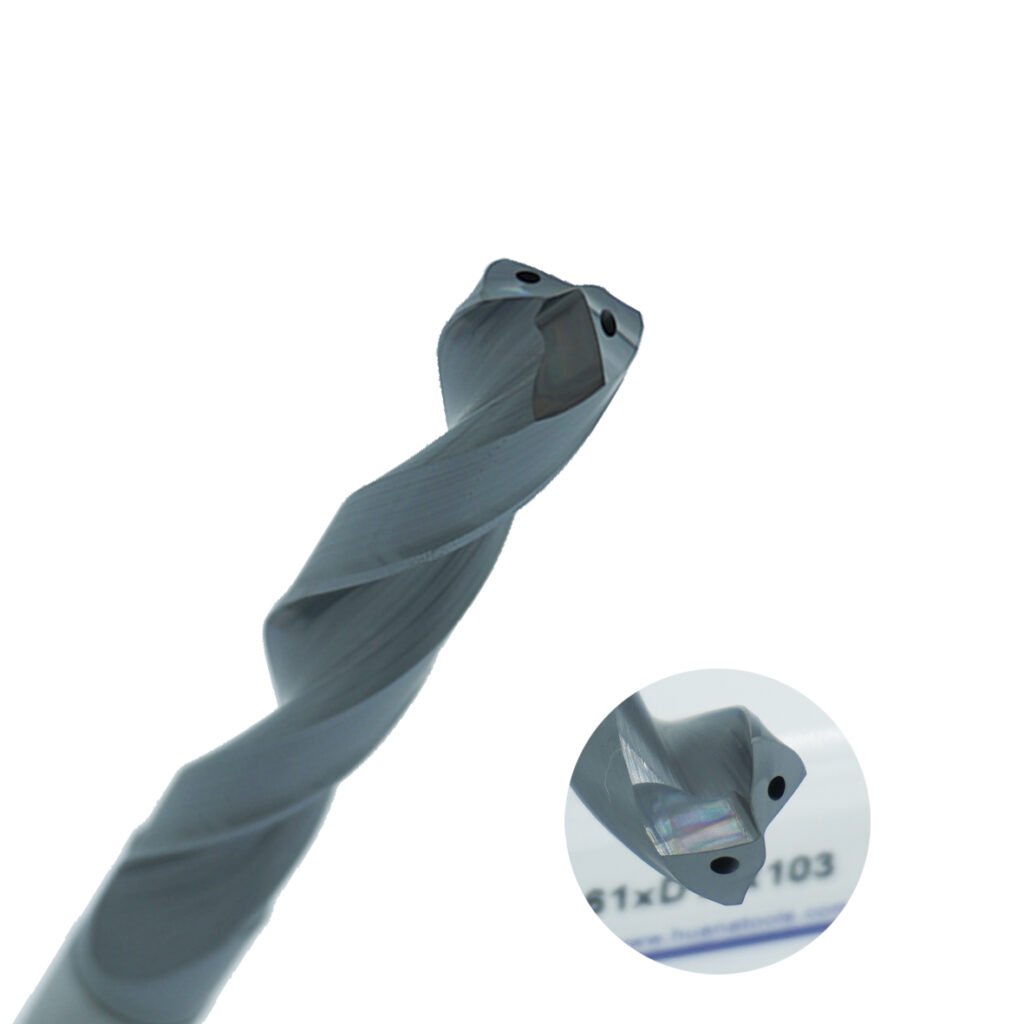
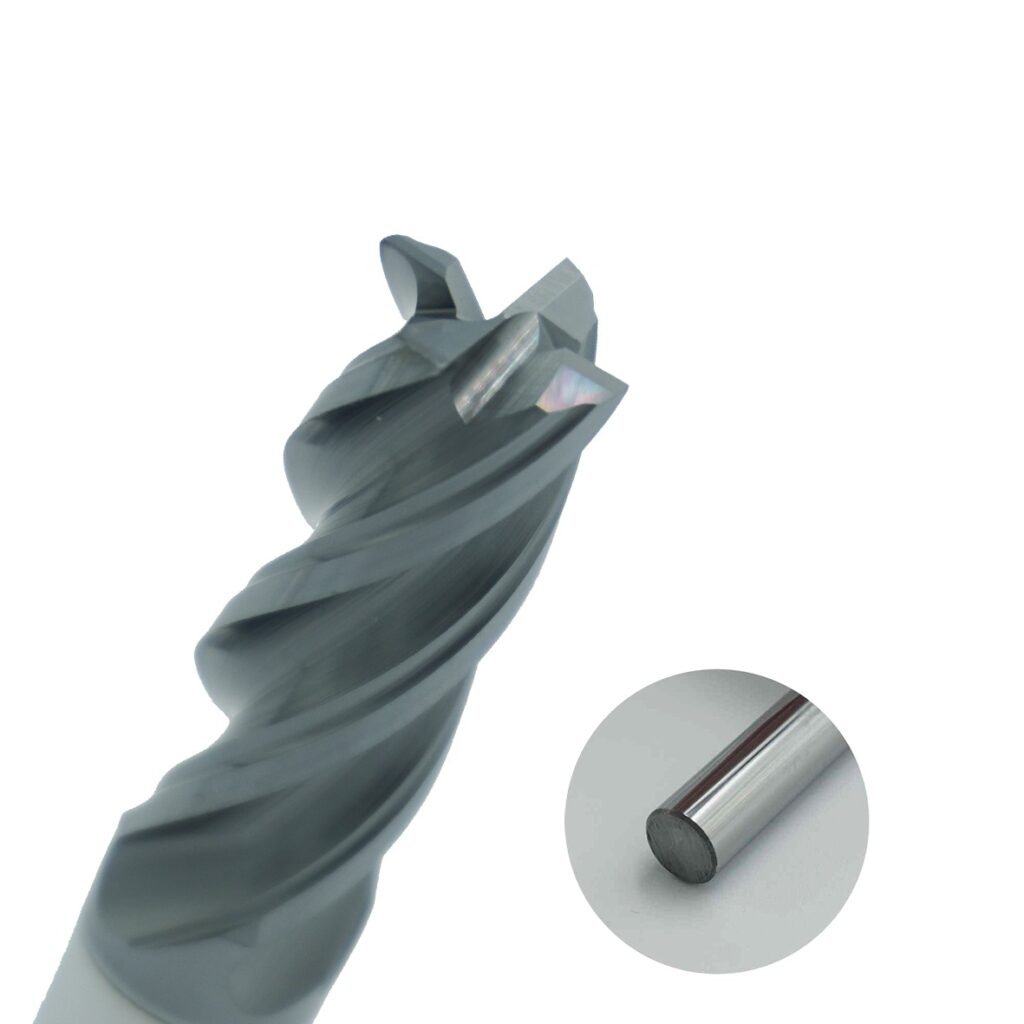
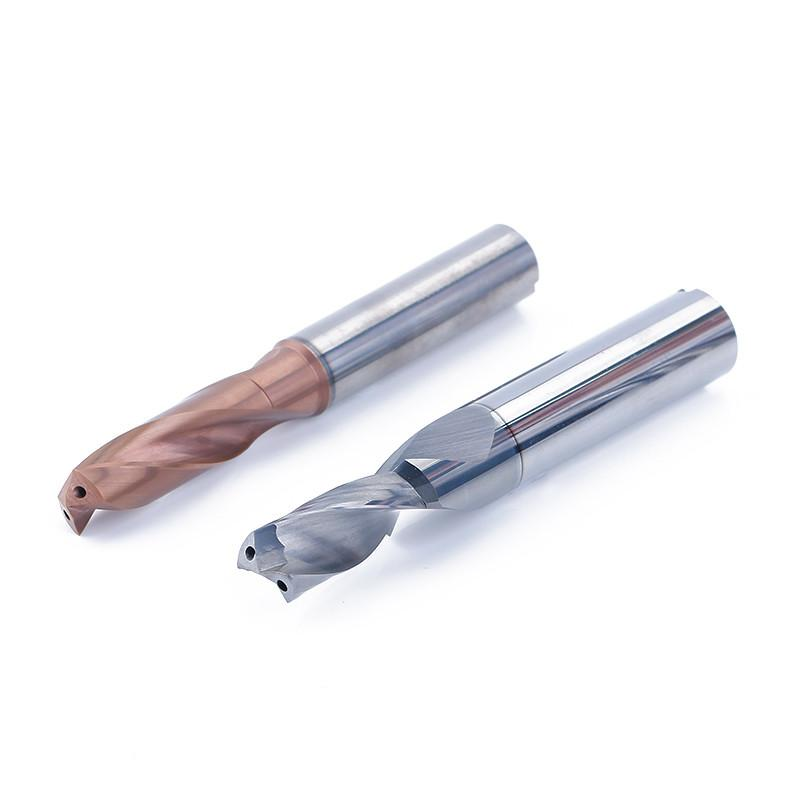
Unlike cobalt drills, carbide drill bits are not steel-based tools. They are manufactured from tungsten carbide powder combined with a cobalt binder and then sintered under extremely high temperature and pressure. The result is an ultra-hard cutting tool capable of operating at cutting speeds far beyond what HSS or cobalt drills can handle.
Carbide drills are commonly used in CNC machining centers because they provide exceptional wear resistance, superior hole accuracy, and very high machining efficiency. In modern manufacturing, solid carbide drills are often used for high-volume production where productivity and consistency are critical.
One of the biggest advantages of carbide drills is their ability to maintain sharp cutting edges for long periods of time. Because carbide is significantly harder than cobalt steel, the tool experiences much less wear during high-speed machining.
Why Are Carbide Drills So Popular in CNC Machining?
Modern CNC machining centers are designed for speed, precision, and repeatability. Carbide drills fit perfectly into this environment because they can run at extremely high cutting speeds while maintaining excellent dimensional accuracy.
Compared with cobalt drills, carbide drills typically provide faster feed rates, shorter cycle times, better surface finish, and improved hole consistency. In mass production environments, this translates directly into higher productivity and lower cost per part.
Internal coolant carbide drills are especially popular in stainless steel machining because they improve chip evacuation and cooling efficiency. By delivering coolant directly to the cutting edge, these drills reduce heat buildup and allow even more aggressive cutting parameters.
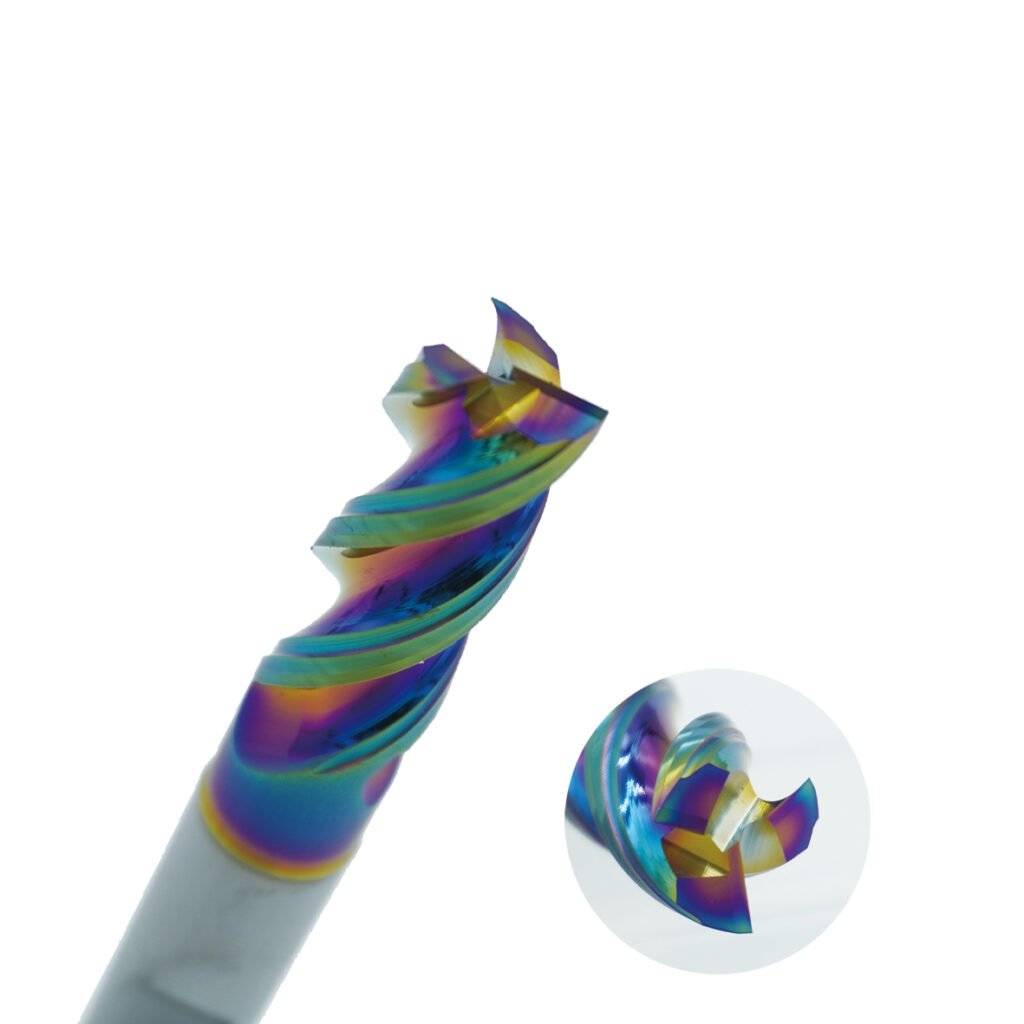
Coatings also play a major role in carbide drill performance. Advanced coatings such as TiAlN and AlTiN increase oxidation resistance and heat stability, making carbide drills even more effective in high-temperature applications.
How Much Harder Are Carbide Drills?
The hardness difference between cobalt and carbide drills is substantial. Standard HSS drills typically fall around HRC 62-65, while M35 cobalt drills reach approximately HRC 65-67. M42 cobalt drills are even harder, often reaching HRC 67-70. Solid carbide drills, however, can achieve hardness levels around HRC 80-82.
This extreme hardness gives carbide drills exceptional wear resistance. Under stable machining conditions, carbide drills can last five to twenty times longer than cobalt drills. They also maintain edge sharpness much longer, which improves hole quality and machining consistency.
However, greater hardness comes with a tradeoff.
Why Do Carbide Drill Bits Break So Easily?
One of the biggest misconceptions in machining is the idea that harder always means better. While carbide drills are extremely hard, they are also much more brittle than cobalt drills.
Unlike cobalt steel, carbide cannot absorb vibration well. If the machining setup is unstable, the cutting edge can chip or fracture very quickly. Common causes of carbide drill failure include poor spindle runout, weak machine rigidity, unstable workholding, improper feed rates, excessive vibration, and handheld drilling.
This is why carbide drills perform best in rigid CNC machining centers with stable cutting conditions. In contrast, cobalt drills are far more forgiving. Their superior toughness allows them to withstand vibration, interrupted cuts, and slight machine instability without catastrophic failure.
For portable drilling applications or conventional machine tools, cobalt drills are often the safer and more practical choice.
Cobalt vs Carbide: Which One Handles Heat Better?
Heat resistance is one of the most important factors in stainless steel drilling. Cobalt drills maintain hardness at approximately 600°C, making them significantly more heat resistant than ordinary HSS drills. This allows them to handle stainless steel and alloy materials much more effectively.
Carbide drills, however, can remain stable at temperatures exceeding 800°C. This makes them ideal for high-speed machining and continuous production environments where heat generation is extreme.
Because carbide drills tolerate much higher temperatures, they can operate at cutting speeds several times faster than cobalt drills. In many CNC applications, carbide drills run three to five times faster while still maintaining superior hole quality.
Performance Comparison Table
Parameter | Cobalt Drill | Carbide Drill |
Hardness | High | Extremely High |
Toughness | Excellent | Moderate |
Heat Resistance | High | Extremely High |
Cutting Speed | Medium | Very High |
Tool Life | Good | Excellent |
Hole Accuracy | Good | Superior |
CNC Performance | Good | Excellent |
Portable Drilling | Excellent | Poor |
Cost | Lower | Higher |
Tool Coatings and Modern Drill Technology
Modern drill performance depends heavily on coatings, especially when machining stainless steel and high-temperature alloys. Coatings reduce friction, improve heat resistance, and extend tool life.
TiN coatings are widely used for general-purpose drilling because they reduce friction and improve wear resistance. TiAlN coatings offer much better heat resistance and are commonly used for stainless steel applications. AlTiN coatings provide even greater oxidation resistance, making them ideal for high-speed CNC machining with carbide drills.
Nano composite coatings are now increasingly common in premium carbide drills designed for aerospace and hardened steel applications. These coatings allow drills to maintain performance even under extremely aggressive cutting conditions.
Which Drill Bit Should You Choose?
The best drill bit depends entirely on your machining environment.
If you use handheld drills, conventional machine tools, or unstable setups, cobalt drills are often the better choice because of their toughness and flexibility. They are more forgiving, less likely to chip, and more suitable for small-batch production or maintenance work.
If you operate CNC machining centers and prioritize productivity, precision, and long tool life, carbide drills are usually the superior option. Their ability to run at very high speeds while maintaining excellent hole accuracy makes them ideal for large-scale production environments.
Cost is also an important consideration. Although carbide drills are more expensive initially, they often reduce overall production cost in high-volume machining because of their longer tool life and faster cycle times.
Final Thoughts
Both cobalt drill bits and carbide drill bits are essential tools in modern metalworking, but they are designed for different machining environments.
Cobalt drills offer excellent toughness, versatility, and affordability. They perform especially well in portable drilling, conventional machining, and unstable cutting conditions.
Carbide drills provide extreme hardness, exceptional wear resistance, and unmatched machining efficiency. In rigid CNC machining environments, they deliver superior productivity and long-term cost savings.
Ultimately, the best drill bit is not simply the hardest one — it is the tool that best matches your machine, material, production volume, and machining conditions.