CNC Milling vs. CNC Drilling: How to Choose the Right Machining Method for Precision Metal Parts?
Table of Contents

When deciding between CNC Milling and CNC Drilling, understanding their core differences and application scenarios is crucial.
CNC Milling excels at machining complex contours and non-circular features, enabling multi-axis coordination for high-precision surface treatment and structural forming. CNC Drilling, on the other hand, specializes in efficiently creating high-precision holes, making it ideal for mass production of standardized CNC through-holes or threaded components.
For parts requiring both flat surfaces, grooves, or irregular structures, CNC Milling offers greater flexibility. When rapid hole formation is needed, CNC Drilling proves more economical and efficient. In practice, engineers often combine both methods to leverage their respective strengths, ensuring precision while boosting overall machining efficiency.
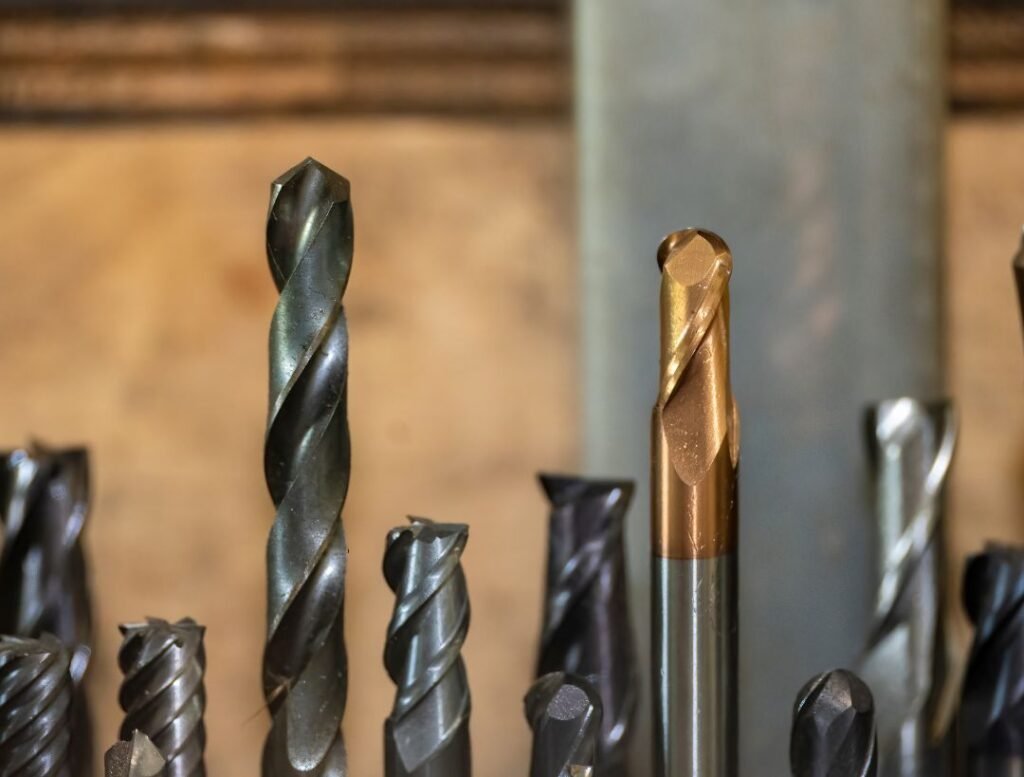
CNC milling and cnc drilling are often used in the same CNC shop, but they address entirely different challenges.
CNC drilling is the optimal method for rapid single-axis hole formation, while CNC milling offers versatile multi-axis capabilities for machining planes, grooves, contours, cavities, and even holes with circular or helical trajectories.
In modern CNC production, the standard workflow combines:
CNC drilling for speed,
CNC milling for precise geometry,
Turning/High-speed milling for final hole accuracy and surface finish.
Understanding these processes’ roles enables accurate cost estimation, meets design specifications in one go, and maintains profit margins during complex machining operations.
What are the practical applications of CNC machining processes?
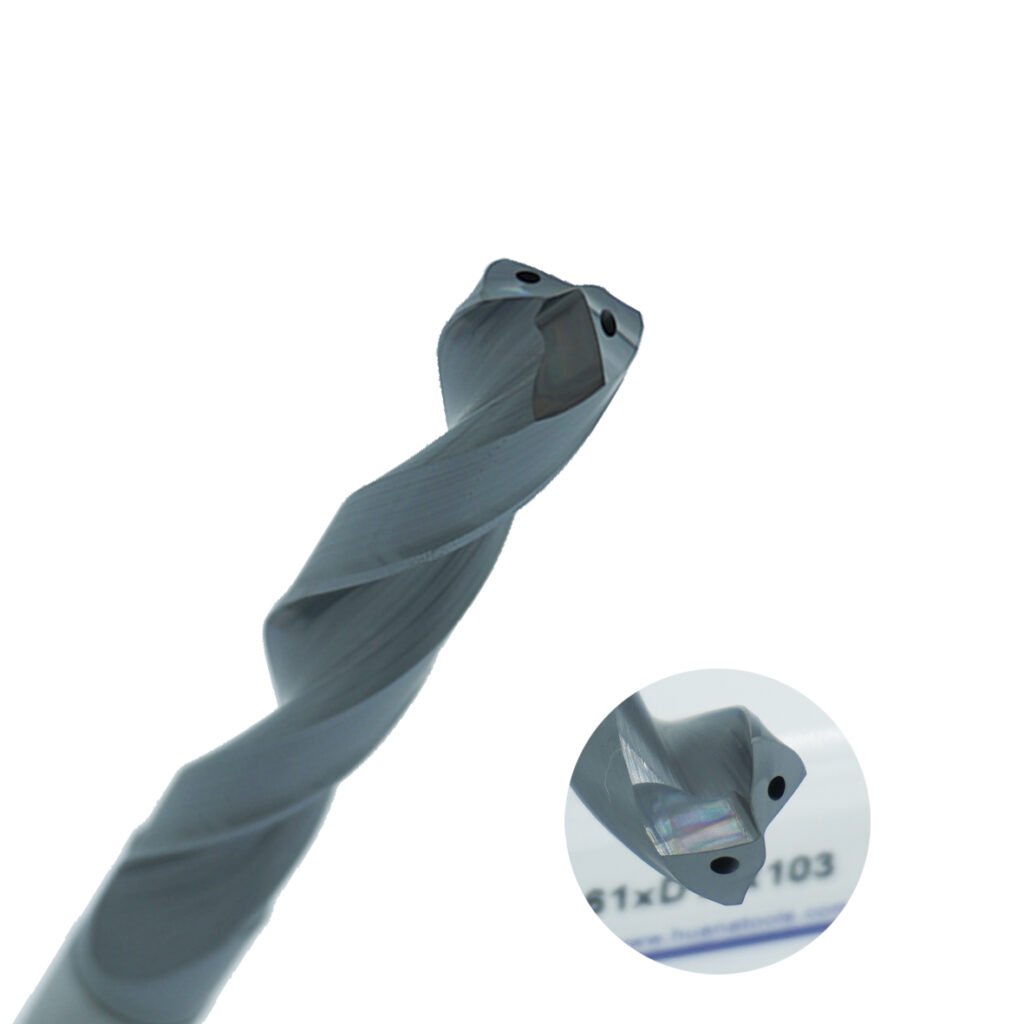
CNC Drilling: Designed for rapid straight-hole production.
The rotating CNC drill bit feeds along the Z-axis to create circular straight-through holes with simple setup. For holes of the same diameter, CNC drilling typically outperforms milling with arc interpolation. While requiring higher torque from CNC drilling machines, it offers shorter programming time. When working on inclined surfaces, curved surfaces, or intersecting holes—challenging entry conditions—operators should reduce feed rate and monitor tool life and hole quality.

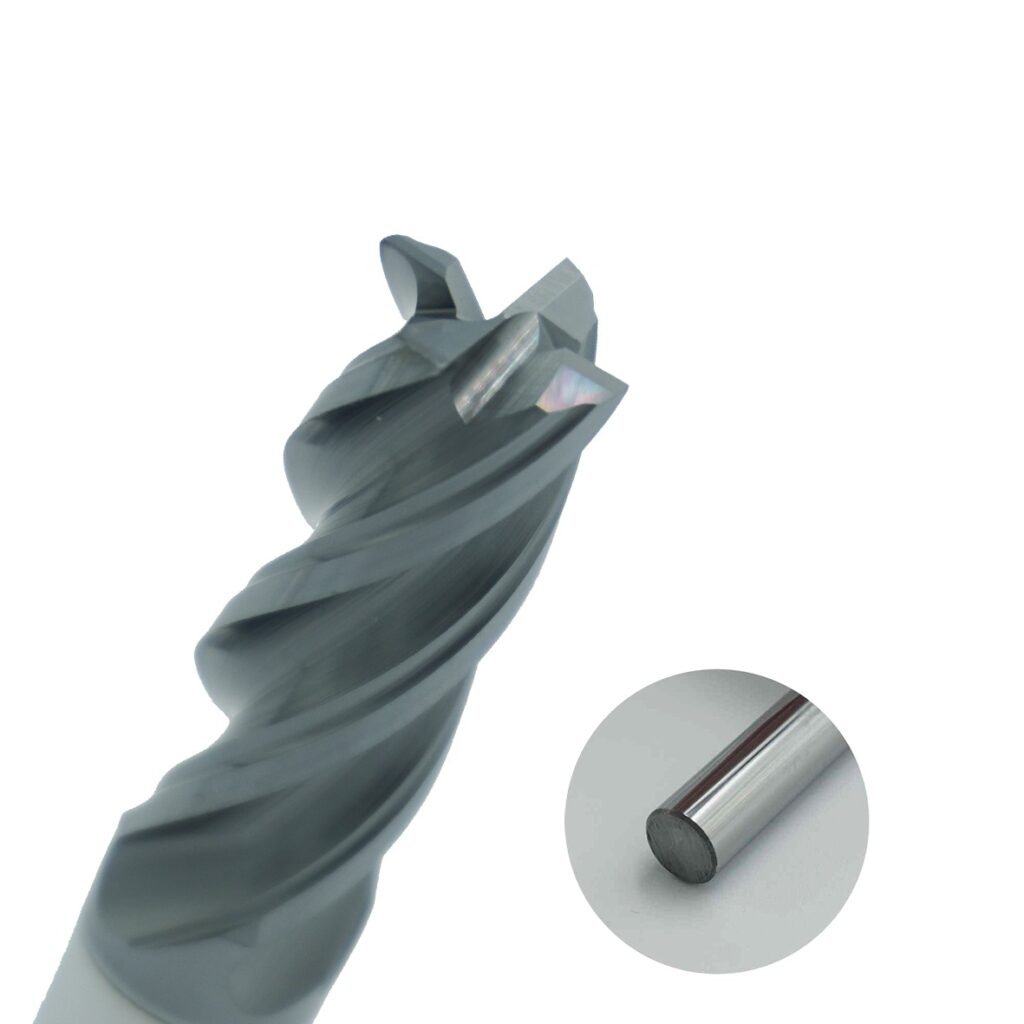
CNC Milling — A versatile tool for multi-axis geometric fabrication.
The rotating milling cutter can perform operations in X/Y/Z (or even A/B/C) axes, including planar machining, groove formation, cavity creation, contour shaping, chamfering, and thread finishing. When standard carbide drill bits prove inadequate (such as for large-diameter applications, intermittent entry points, thin-walled surfaces, or limited tool length), CNC milling can still achieve hole drilling, enlargement, or finishing through arc interpolation.
What determines the quality of machining holes? Why is simple drilling insufficient? ·
- CNC Drilling: Quickly creates initial holes. ·
- Reaming: Enhances hole diameter accuracy and surface roughness, typically achieving Ra≈0.2–0.8 µm. Higher feed rates than CNC Drilling with lower cutting speeds for stable machining. ·
- Boring: Used for maximum positional accuracy, controlled hole diameter correction, or precision machining of large-diameter holes. Slower speed but better geometric control.
Common tolerances (hole as reference): ISO H7/H8 grades are commonly used in engineering practice. For example: The H7 hole tolerance for Φ50 mm is +0.000 / +0.025 mm.
Overview of CNC Milling and CNC Drilling Process Capabilities
Attribute | CNC Drilling | CNC Milling | Boring / Reaming (Hole Finishing) |
Primary use | Fast, straight cylindrical holes | Faces, slots, pockets, contours; hole opening/widening by interpolation | Tight diameter & finish; correct location/roundness |
Axes of motion | 1 (Z plunge) | 3–5 (multi-axis toolpaths) | 1 (boring bar) / 1 (reamer) |
Productivity | Highest for like-diameter hole making | Lower vs drill for same hole; high for shape removal | Lower MRR; high precision |
Typical finish* | Ra ~1.6–3.2 µm (as-drilled) | Ra ~0.8–3.2 µm (as-milled, operation-dependent) | Ra ~0.2–0.8 µm (reamed) |
Typical tolerance band** | IT9–IT10 by drilling | Feature-dependent | H7/H8 feasible routinely |
Best for | Through/bottoming holes quickly | Complex geometry; thin floors; odd entries | Consistent size/finish on precision holes |
* Typical values; depend on tool, cooling, and process strategy.
** Based on ISO hole system tolerance system.

CNC Machine Tool Fixing: Simple or Flexible?
CNC Drilling Fixing (e.g., CNC vertical drilling machine or specialized drilling machines) is relatively straightforward:
By securing the workpiece, maintaining tool rigidity with minimal overhang, and utilizing chip breakage/cooling circulation as needed, it enables rapid production of high-precision holes with minimal programming.
CNC Milling Fixing, however, is more complex:
especially for 5-axis CNC machining centers used in drilling—but allows simultaneous processing of multiple features in a single setup, reducing repositioning cycles and ensuring flatness and parallelism.
Practical Tip:
For cross-holes or inclined entry surfaces, reduce feed during tool entry/exit to approximately 25% and minimize tool overhang. This significantly extends tool life and improves hole roundness.
What are the motion and path characteristics of CNC tools?
- CNC Drilling: Feeds along the Z-axis to the specified depth, typically using fixed cycles (e.g., G81/G83). ·
- CNC Milling: Can employ linear, ramp, or spiral paths, enabling hole drilling and enlargement without requiring a CNC drill bit, while processing complex features in a single operation.

What are the materials and tool selection considerations for CNC tools?
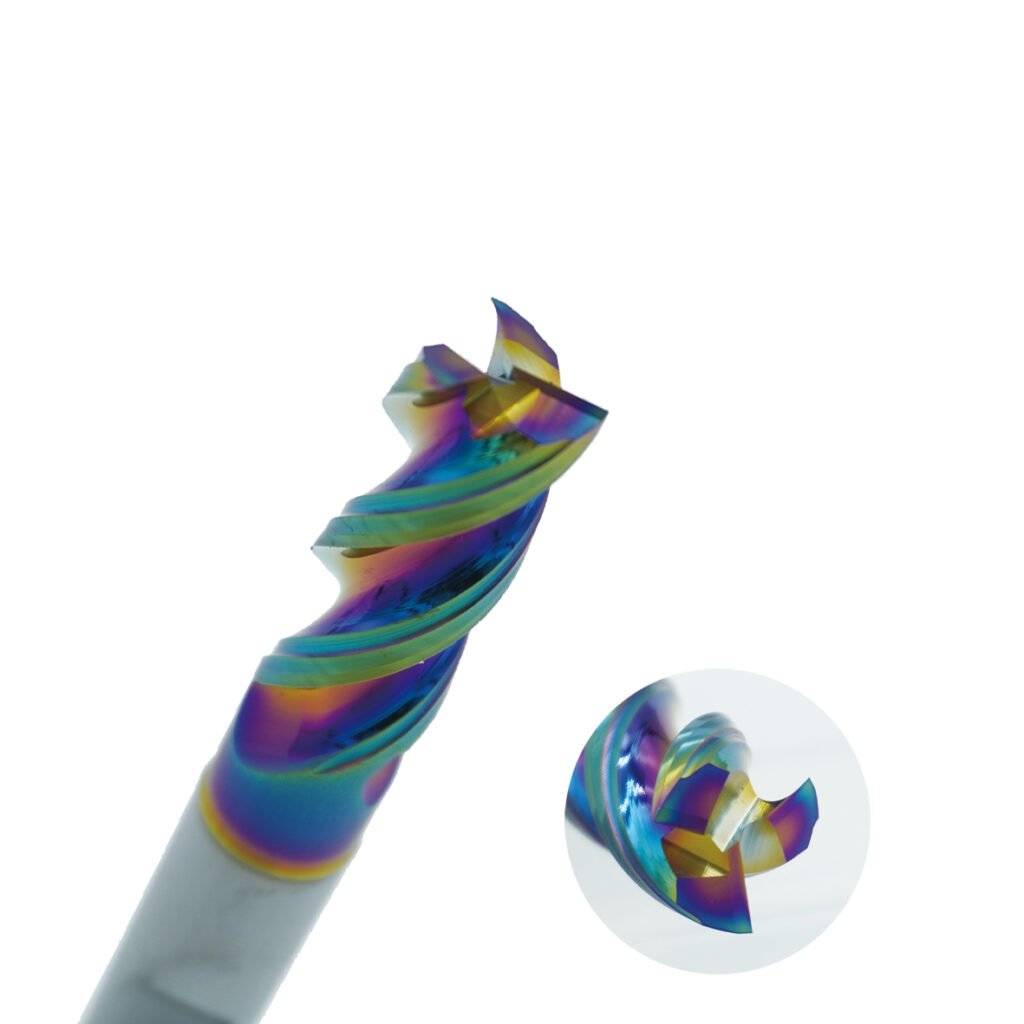
Both CNC machining processes are suitable for steel, stainless steel, aluminum, copper alloys, and various plastics. The key lies in tool geometry, substrate compatibility, and coating coordination. ·
- CNC Drilling: For deep holes, parabolic groove drills with internal chip coolant channels are recommended; special geometries address stacked plates, castings, or intermittent cutting. ·
- CNC Milling: Variable pitch/spiral angle milling cutters suppress vibrations; chip-breaker designs suit long-chip materials; cycloidal milling reduces thermal load.
In precision machining, integral cemented carbide/PCD reamers balance efficiency and repeatability in mass production; precision boring tools correct dimensional/positioning tolerances for high-precision holes.
Select the appropriate hole machining process combination based on your processing requirements
Requirement | Recommended Stack | Notes |
Fast, general-purpose hole (std. clearance) | Drill → (Deburr) | Lowest cost & cycle time; good for IT9–IT10 ranges |
Tight size & fine finish | Drill (leave stock) → Ream | Plan stock: enough to cut, not rub; speeds ↓, feeds ↑ vs drilling for stability |
Large, accurate diameter or positional correction | Drill undersize → Bore → (Optional Ream) | Boring corrects size/location; ream to unify finish |
Odd entry, thin floor, interrupted surface | Mill (ramp + circular) → Drill/Finish as needed | Milling avoids tool push-off; then finish to spec |
Very large hole (limited drill) | Mill to open → Bore/Finish | Useful when drills/trepans aren’t available |

Precision, Tolerance, and Surface Quality of CNC Milling and CNC Drilling
CNC Drilling typically meets H9/H10 tolerance grades.
For interference fits or locating holes (e.g., H7/H8, corresponding to shaft fits p6/h6), boring or reaming should be planned. For example: A Φ50 mm H7 hole allows a tolerance of +0 / +0.025 mm.
CNC milling surfaces generally have a roughness of Ra 0.8–3.2 µm; after reaming, the surface often reaches Ra 0.2–0.8 µm, eliminating the need for additional polishing.
CNC Milling vs. CNC Drilling: Speed, Cycle Time, and Cost.
For simple tasks like drilling a hole of specific diameter, CNC Drilling delivers the fastest results with minimal code and lower power consumption.
When drawings require advanced features (e.g., large holes, position adjustments, special entry points, or thin-walled structures), CNC Milling and boring become the preferred solutions.
Rule of thumb: Drill when possible, prioritize speed over precision; switch to milling or finishing for other scenarios.
What practical examples of CNC Milling and CNC Drilling can serve as references?
1.Electronic chassis (aluminum 6061): Hundreds of M3–M6 through holes with minimal locating pin holes. → Strategy: Through-hole drilling; pin hole drilling + reaming; thin-walled areas use milling to prevent tool push.
2.Power bracket (alloy steel): Deep holes (Φ10–14 mm) penetrating inclined surfaces and multiple cavities. → Strategy: Slow-speed drilling for tool entry/exit; replace milling with spiral milling in thin areas; critical holes boring to H7.
3.Aerospace panel (titanium alloy): Large edge-hugging holes with intermittent entry points. → Strategy: Inclined milling to prevent drill bit slippage; precision boring; use internal cooling drills where feasible.
Conclusion
CNC drilling and CNC milling are complementary processes rather than competitors.
CNC drilling is used for rapid hole formation,
CNC milling for complex geometries and special applications, while boring/hinging ensures final dimensions and surface precision.
By implementing a rational decision matrix and precision finishing strategy, manufacturers can consistently meet drawing requirements, extend tool life, and maintain confidence in their quotations.
For customers requiring both speed and precision, the optimal approach is to strategically combine these processes to achieve high-quality, low-risk machining.