Skip to content
CNC milling techniques: How to optimize the use of solid carbide end mills to achieve the highest precision machining?
Table of Contents

Introduction
In the field of CNC milling, the key to achieving the highest accuracy and efficiency lies in the correct selection and use of the right end mill.
The end mill, a crucial tool in the milling process, is capable of both radial and axial cutting, making it an essential tool in a wide range of machining operations.
No matter whether you are machining aluminum, stainless steel or any other materials, understanding how to optimize the use of end mills can significantly affect the final machining results.
This article introduces the correct optimization techniques for the use of the right end mills in CNC milling, and focuses on how to select the right tool, understand cnc cutting speed and feed, and extend cnc tool life.
DIN Milling Cutters Catalog
Click the button below to view our DIN milling cutters catalog and explore detailed product specifications to make the best choice.
What are the types of end milling tools in CNC milling?
Selecting the appropriate end mill type is the first step in optimizing tool performance. The end mill you choose must match the material being processed and the required cutting method.
Below is an introduction to common end mill types:
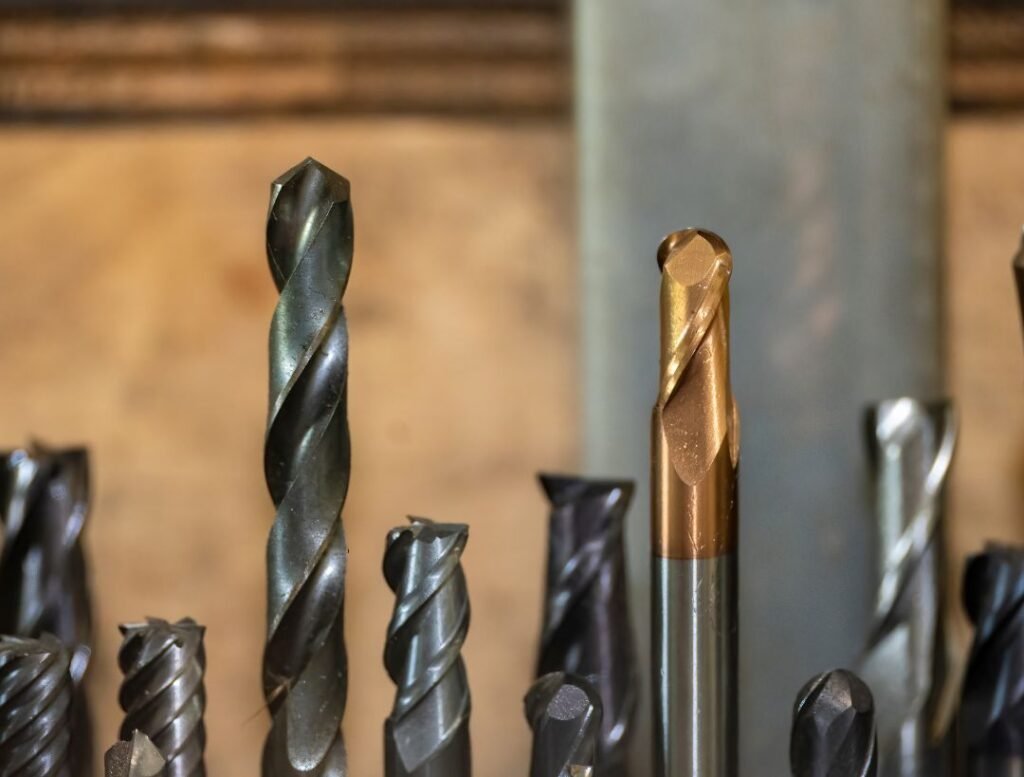
Here’s a breakdown of common types of end milling cutters:
- 2-Flute End Mills: These are ideal for cutting softer materials like aluminum, as they allow for faster chip removal due to their larger flutes.
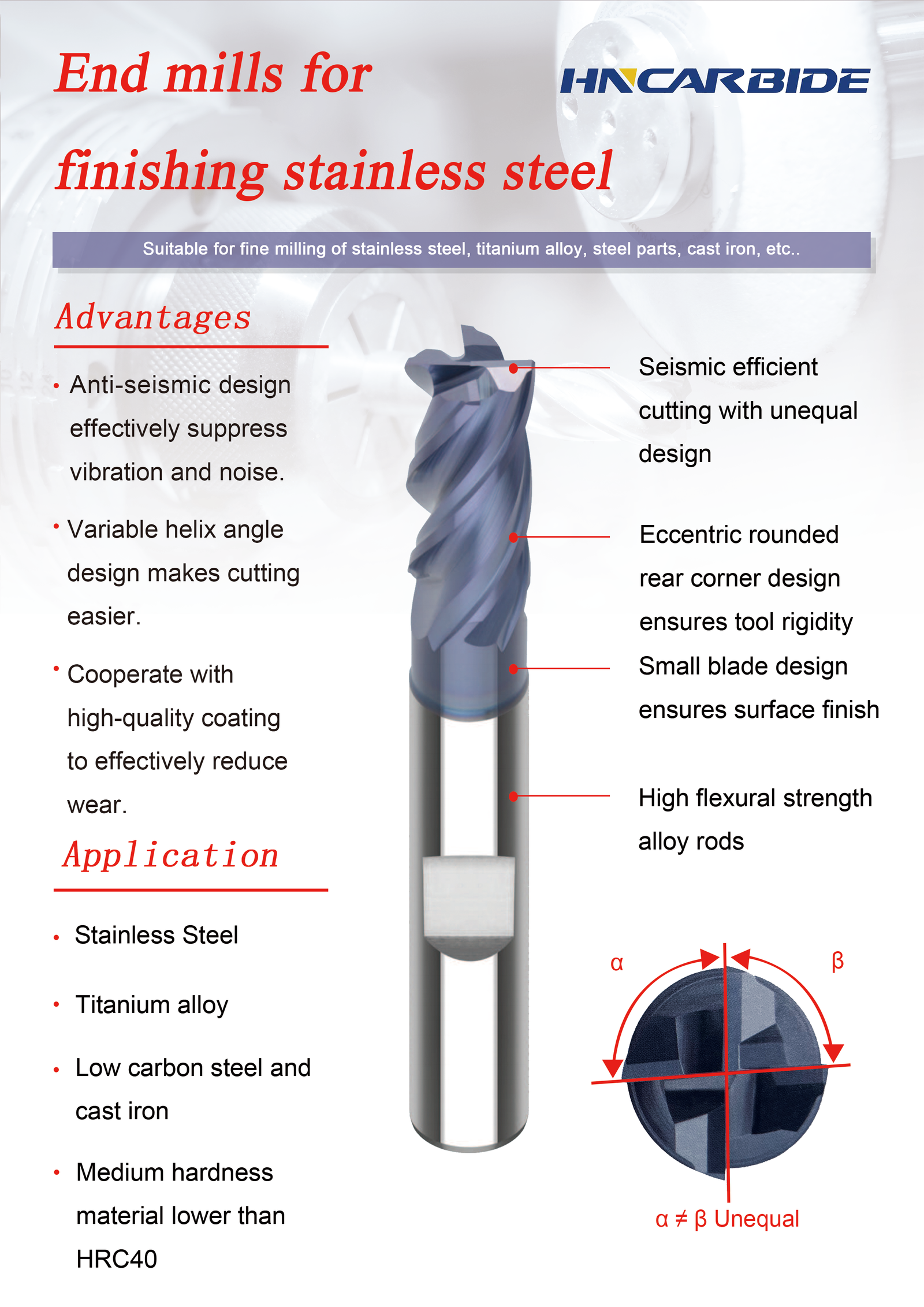
- 4-Flute End Mills: Suitable for harder materials, like stainless steel, because they offer better rigidity and a smoother surface finish.
- Ball Nose End Mills: Used for 3D milling, these are perfect for contouring complex shapes and profiles.
- Roughing End Mills: These are designed to remove large amounts of material quickly, making them ideal for initial rough cuts before switching to finer milling tools.
- Chamfer End Mills: Perfect for creating bevels or chamfers at precise angles, particularly useful in finishing operations.
End Mill Comparison Table:
End Mill Type | Material Compatibility | Common Use | Pros |
2-Flute End Mill | Aluminum, Soft Metals | High-speed cutting | Faster chip removal |
4-Flute End Mill | Stainless Steel, Steel | Fine finishing, rigidity | Smooth surface, longer tool life |
Ball Nose End Mill | Aluminum, Steel | 3D contouring, profiling | Excellent for complex shapes |
Roughing End Mill | All metals | Rough material removal | High material removal rates |
Chamfer End Mill | Steel, Aluminum | Beveling, edge finishing | Clean, precise angle cuts |
End Mill Size and Diameter Selection
The size and diameter of your end mill are crucial in determining how deep and wide a cut can be made.
Here are some important considerations for selecting the correct size:
- End Mill Diameter: The diameter of the tool affects the width of the cut. Larger diameters are used for more substantial cuts, while smaller diameters are best for precision work and tight spaces.
- Flute Length: The length of the flute determines the depth of the cut. Longer flutes allow deeper cuts, but they may sacrifice rigidity. Choose a flute length based on the workpiece thickness and desired depth of cut.
- Shank Size: The shank size should match the end mill holder. Ensure it fits securely to prevent vibration and ensure smooth operation.
Optimizing Cutting Speeds and Feeds for CNC Milling
One of the most important aspects of CNC milling is adjusting the cutting speeds and feeds.
Selecting the correct values for your tool can drastically impact both efficiency and tool longevity.
Speeds and Feeds Calculator
To determine the optimal speeds and feeds, consider factors such as material type, end mill size, tool material, and the desired surface finish. Here’s a simple guide to get started:
Material | Tool Diameter | Cutting Speed (SFM) | Feed Rate (IPM) | Depth of Cut (Inches) |
Aluminum | 1/4″ | 500 | 10 | 0.05 |
Stainless Steel | 1/2″ | 150 | 8 | 0.05 |
Titanium | 3/8″ | 100 | 6 | 0.04 |
Brass | 1/8″ | 300 | 12 | 0.06 |
Feed Rate and Cutting Speed Formula:
- RPM (Revolutions Per Minute)= (Cutting Speed * 12) / (π * Tool Diameter)
- IPM (Inches Per Minute)= Feed Rate * RPM
End Mill Speed Feed Calculator:
Using a calculator to determine the right speed and feed settings helps prevent tool damage and improves the overall finish of the workpiece. You can calculate the appropriate speeds and feeds for different types of end mills using online tools or integrated features in CNC software.
Maintaining End Mill Longevity with Tool Sharpening
End mills lose their sharpness over time, especially when subjected to high-speed operations or tough materials. Regular sharpening of end mill bits is essential to maintaining their cutting performance and extending their service life.
- End Mill Sharpener: A tool designed for restoring the sharp edges of end milling cutters. These sharpeners come in various forms, from manual to CNC-based sharpening machines.
- Grinding Machine: End mill grinding machinesare used for sharpening end mills, particularly carbide tools, which require specialized equipment to grind accurately.
End Mill Sharpener Comparison Table:
Sharpener Type | Features | Best for |
Manual Sharpener | Low cost, simple operation | Low-volume shops |
CNC End Mill Grinder | High precision, automated sharpening | High-volume, precision milling |
Belt Sander Grinder | Quick sharpening, good for general use | Rough sharpening, maintenance |
By regularly sharpening your end mill tools, you can reduce downtime and ensure that your milling operations remain smooth and precise.
Choosing Between 2-Flute and 4-Flute End Mills
A common debate when selecting end mills is whether to use a 2-flute end mill or a 4-flute end mill. Here’s a quick comparison to help you choose the best tool for your needs:
Feature | 2-Flute End Mill | 4-Flute End Mill |
Chip Removal | Faster chip removal, ideal for softer materials | Better rigidity and surface finish, ideal for harder materials |
Speed | Higher speed due to more space for chip evacuation | Slower speeds but better for detailed work |
Materials | Aluminum, plastic, soft metals | Steel, stainless steel, harder metals |
Application | Roughing and fast material removal | Finishing, precision cuts, and harder materials |
End Mill Holders and Tooling
End mill holders are critical for ensuring tool stability during machining operations. Here are some common types of holders used in CNC milling:
- Collet Holders: Most commonly used in CNC machines, providing tight and precise fitting for various end mill sizes.
- Shell Mill Holders: Used to mount larger cutting tools, these holders are ideal for heavier, rougher cutting tasks.
- Shrink Fit Holders: Provide maximum stability by using heat to shrink-fit the end mill bitsecurely.
End Mill vs. Face Mill: Which Should You Use?
While end mills are ideal for vertical cuts and detailed work, face mills are better suited for large surface area cuts.
Here’s a brief comparison:
Feature | End Mill | Face Mill |
Cutting Direction | Radial and axial cutting | Axial cutting only |
Applications | Precision work, profiling, and slotting | Surface finishing, rough cutting |
Tool Size | Smaller, more precise | Larger, more aggressive cutting |
If your project requires precision in detailed slots and profiles, end mills are the best choice. However, if you’re working with large surfaces and need to remove more material quickly, consider using a face mill.

Conclusion
Optimizing your end mill usage in CNC milling is key to achieving precision, efficiency, and tool longevity. By understanding the different types of end mills, adjusting cutting speeds and feeds, and using appropriate end mill holders, you can enhance your milling operations significantly. Regular sharpening and careful selection of the right end mill cutter are essential for maintaining optimal performance in your machining tasks.
By following the tips outlined in this guide, you can achieve the highest quality in your CNC milling projects and ensure that your tools work efficiently throughout their service life.