Choosing the Right Twist Drill Bit for Metalworking: HSS, Cobalt, or Solid Carbide?
Table of Contents
Introduction: Understanding the Basics of Twist Drill Bits
In modern machining, selecting the correct drill bit material can significantly impact your productivity, tool longevity, and the quality of your final product. When drilling through metal, twist drill bits are among the most common tools used, but not all twist drill bits are created equal. The material—whether HSS (High-Speed Steel), cobalt, or solid carbide—plays a crucial role in determining how well the drill bit performs, how long it lasts, and how accurately it drills.
This blog aims to help you understand the differences between these three materials, how each performs in various applications, and how to choose the right twist drill bit for your specific metalworking needs.
What Are Twist Drill Bits in Modern Machining?
Basic Design and Function of Twist Drill Bits
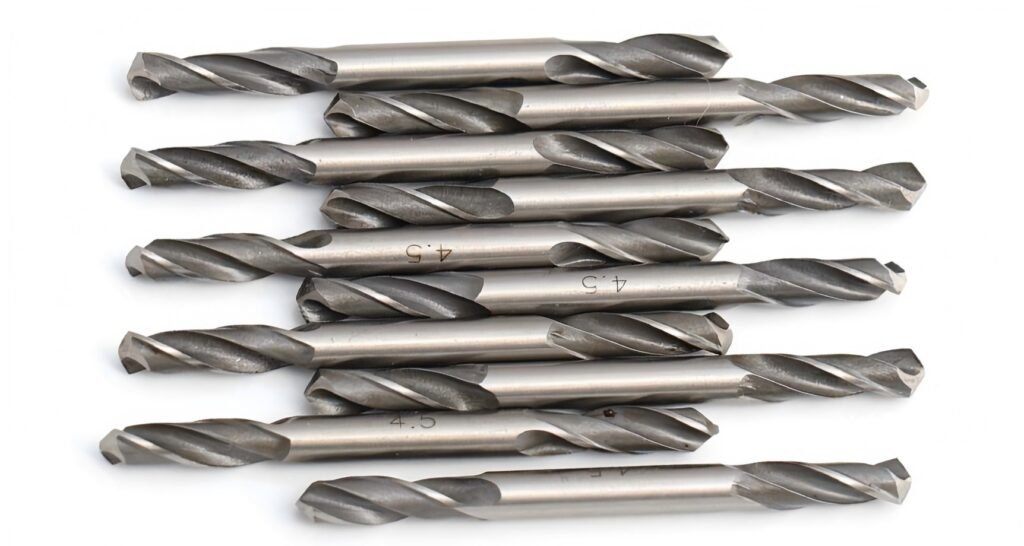
A twist drill bit is a cutting tool used in machining to create cylindrical holes in various materials, such as metals, plastics, and wood. Its design consists of a shank, body, and point. The most critical feature of a twist drill bit is its spiral flutes, which help to remove the chips produced during drilling, allowing for efficient cutting and cooling. The twist in the drill bit increases its ability to evacuate debris, preventing clogging and overheating.
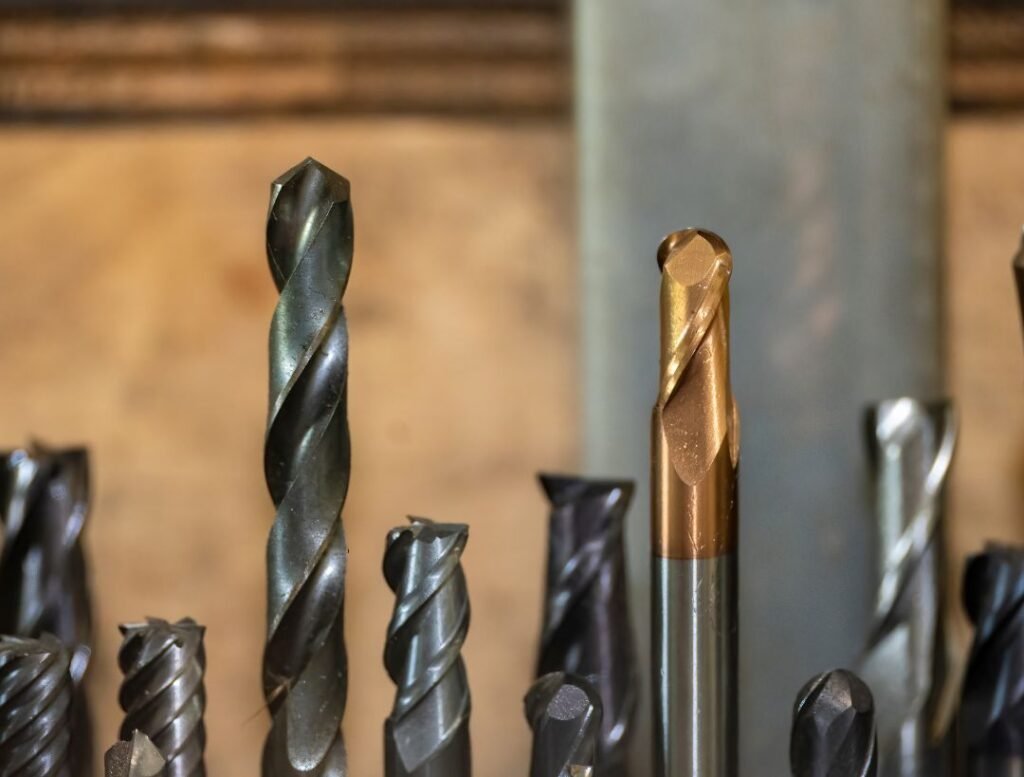
Twist drill bits are made in a variety of materials, but HSS, cobalt, and solid carbide are the most commonly used in metalworking. While the general design of twist drill bits remains consistent, the materials used for manufacturing determine their durability, performance, and cost-effectiveness.
One Geometry Made in HSS, Cobalt, or Solid Carbide
What differentiates these materials is how they handle the physical demands of drilling:
- HSS (High-Speed Steel): Known for its affordability and versatility, HSS drill bits are commonly used for standard machining tasks. They are generally suitable for lower speeds and softer metals.
- Cobalt: Cobalt twist drill bits, made from a mix of HSS and cobalt, offer enhanced performance in tougher applications. They are particularly effective in high-heat situations.
- Solid Carbide: Solid carbide drill bits offer the highest precision and wear resistance, making them ideal for high-speed machining and tough materials.
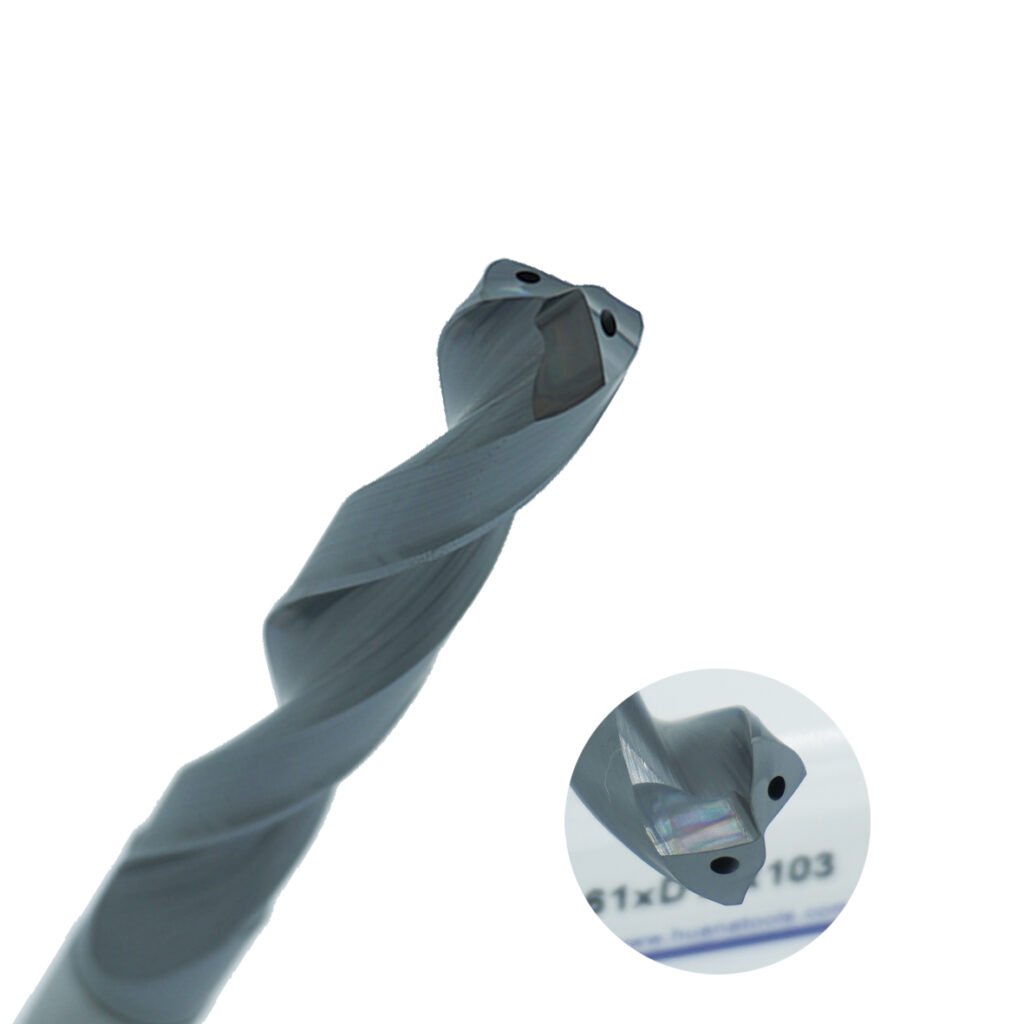
3D Internal Coolant ALCRONA Coated Carbide Drill Bit

The 3D internal coolant ALCRONA coated carbide drill bit is designed for stable, high-performance drilling in steels and stainless steels.
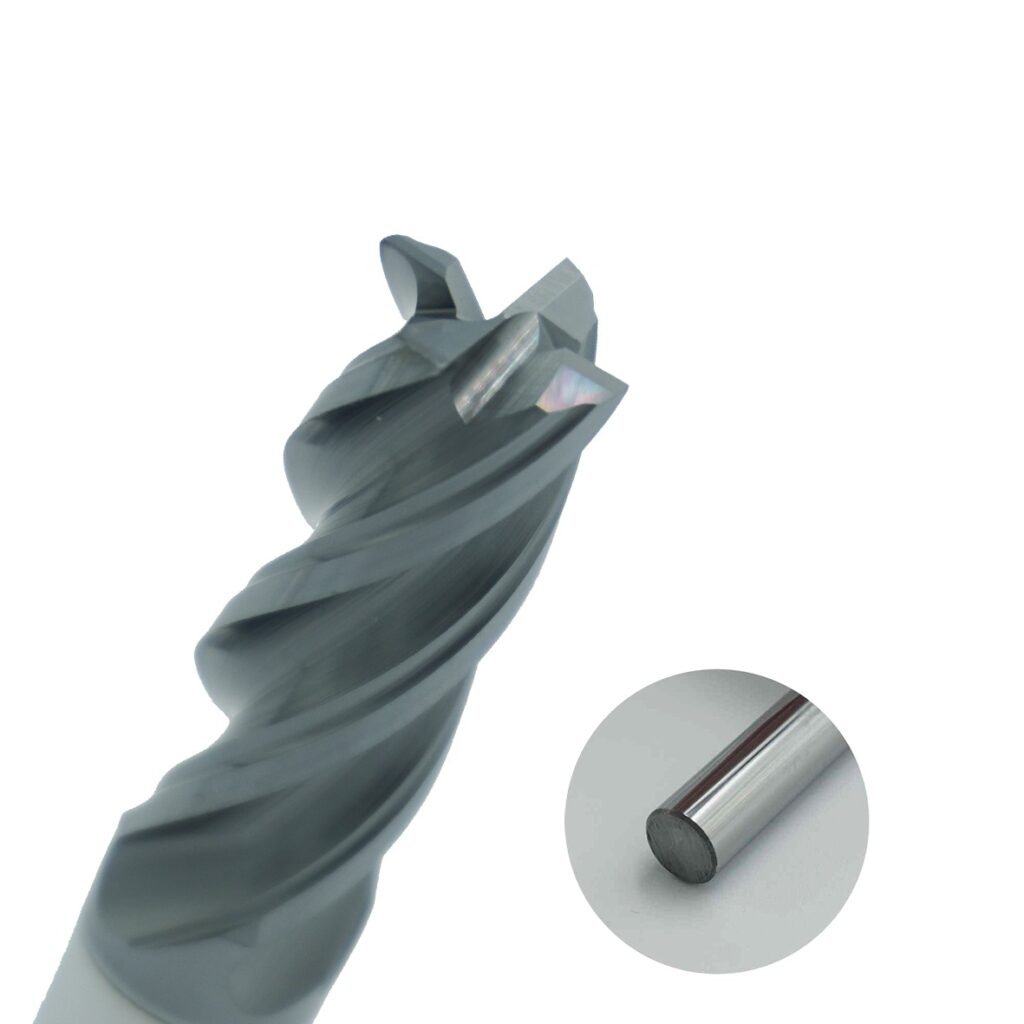
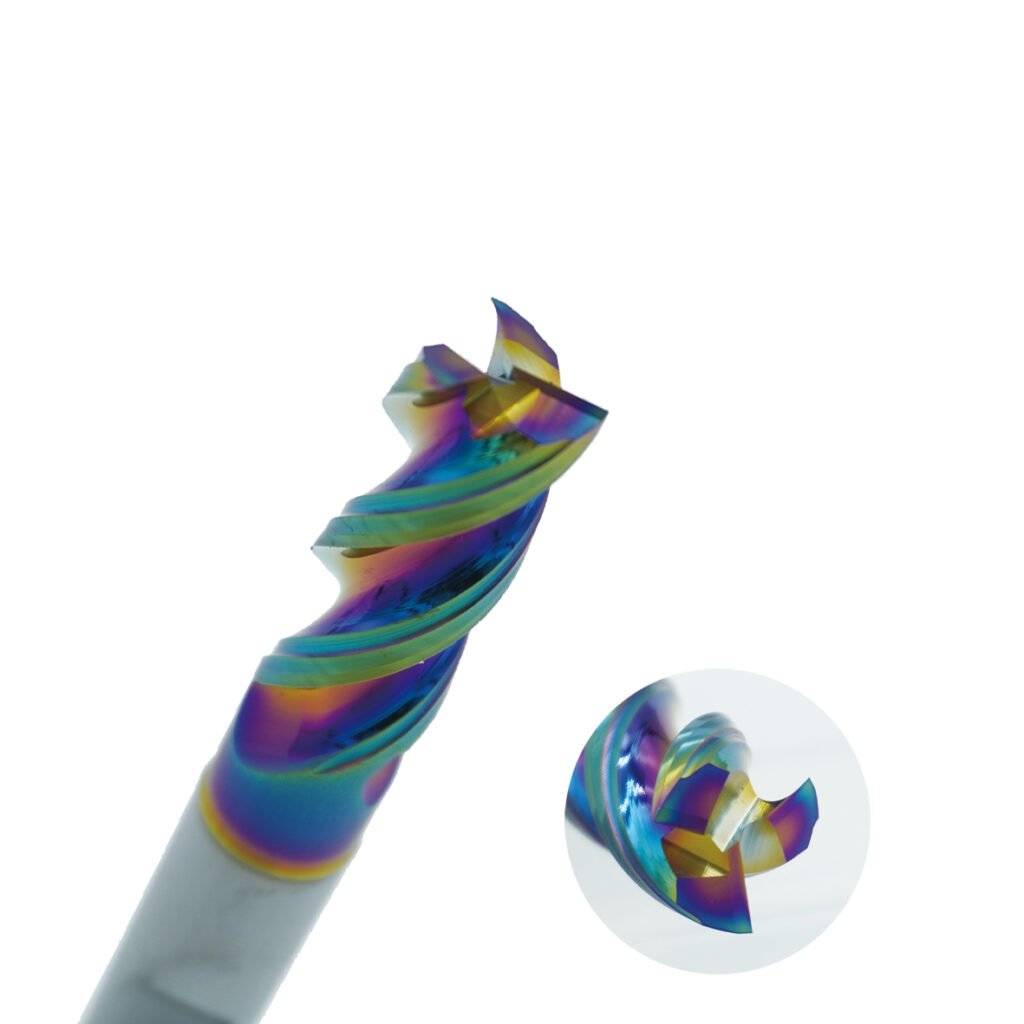
Made from premium micro-grain tungsten carbide and coated with ALCRONA, it offers excellent wear resistance, heat resistance and low friction, making it ideal for high-speed and dry or semi-dry machining.
Dual internal coolant channels deliver cutting fluid directly to the cutting edge, improving chip evacuation, reducing heat and extending tool life. This ensures consistent hole quality and process reliability on modern CNC machining centers.


HSS Twist Drill Bits: When Are They Still Enough?
Typical Applications for Standard HSS Twist Drill Bits
HSS drill bits are the workhorse of the machining industry. They are ideal for general-purpose drilling on materials like mild steel, aluminum, brass, and plastic. Common applications for HSS twist drill bits include:
- Drilling Mild Steel: Perfect for routine drilling operations where high-speed cutting is not a critical factor.
- Woodworking and Plastics: HSS bits also work well in non-metallic materials like wood and plastics, providing clean cuts without much wear.
Advantages of HSS Twist Drill Bits
- Cost-Effective: HSS bits are significantly less expensive than their cobalt or carbide counterparts, making them ideal for low-budget or low-volume applications.
- Regrindable: These drill bits can be resharpened easily, allowing for reuse and prolonging their lifespan.
- Versatility: HSS bits are versatile and can be used for a variety of materials, provided they are not too hard or tough.
Limitations in Harder Materials and High-Volume Production
However, HSS drill bits have limitations:
- Limited Performance in Tough Materials: In high-strength alloys or stainless steel, HSS drill bits lose their edge faster, which impacts both speed and precision.
- Not Ideal for High-Volume Production: In applications where large quantities of holes must be drilled quickly, HSS bits can wear out too fast, leading to downtime and additional costs.
Cobalt Twist Drills: The Middle Ground
What Makes Cobalt a Higher Performing Precision Twist Drill?
Cobalt drill bits are made from HSS with an alloy of cobalt, which increases their heat resistance and wear resistance. This makes them better suited for tougher materials and more demanding applications than standard HSS bits. Here’s why cobalt twist drills perform better than basic HSS:
- Higher Heat Resistance: Cobalt bits can handle the heat generated during high-speed drilling better than HSS, making them suitable for harder metals.
- Longer Tool Life: Due to the cobalt alloy, these drill bits wear more slowly than HSS bits, making them ideal for moderate production runs.
Best Use Cases for Cobalt Twist Drill Bits
Cobalt bits are the go-to choice for drilling tougher materials such as stainless steel, high-strength alloy steels, and titanium. An example of a good use case for cobalt drill bits is drilling through structural steel. A 5/8 twist drill bit made of cobalt is particularly useful for such tasks as it can handle the higher temperatures generated during drilling, offering better performance and longevity compared to an HSS drill bit.
Solid Carbide Twist Drills: When Do You Really Need Them?
How Solid Carbide Versions Relate to Carbide Drill Bits
Solid carbide twist drill bits are made entirely from carbide, a compound of tungsten and carbon that offers exceptional hardness and wear resistance. Unlike cobalt, which is a steel alloy, carbide drill bits are made from a single, extremely hard material, which makes them ideal for very high-speed drilling in difficult-to-machine metals.
Benefits of Solid Carbide Twist Drill Bits
- High-Speed Drilling: Solid carbide drill bits excel in high-speed drilling operations, maintaining sharpness and precision even in tough materials.
- Superior Wear Resistance: Due to their hardness, carbide bits last significantly longer than HSS and cobalt, especially in high-speed or high-heat applications.
- Precision and Accuracy: Solid carbide bits offer the highest level of precision, which is particularly important for applications that require tight tolerances, such as aerospace or automotive industries.
Example: Using a 3/4 Carbide Drill Bit for Stainless or Alloy Steels
For more demanding tasks, such as drilling into stainless steel or alloy steels, a 3/4 carbide drill bit offers superior performance. It will drill more efficiently, produce cleaner holes, and last longer compared to both HSS and cobalt bits, making it the best option for high-speed operations and hard metals.
Combining Sizes and Materials: 1/4, 5/8, and 3/4
Using a 1/4 Carbide Drill Bit or HSS as a Pilot
In large-hole drilling operations, it’s common practice to start with a smaller pilot hole to guide the larger bit and ensure accuracy. A 1/4 carbide drill bit or HSS 1/4″ bit can be used for this purpose, especially when drilling tough materials. This ensures that the larger 5/8 twist drill bit or 3/4 carbide drill bit follows the path precisely, minimizing the risk of wobble or misalignment.
When to Choose Cobalt vs Solid Carbide
- Cobalt (5/8 twist drill bit): Cobalt is the ideal choice when working with tougher steels or for moderate-speed drilling in metals that generate significant heat. It strikes a balance between cost and performance.
- Solid Carbide (3/4 carbide drill bit): Solid carbide is the go-to choice for high-speed, high-precision drilling, especially when drilling into hard metals like stainless steel.
Material Choice Impact on Tool Life and Surface Finish
Choosing the right material has a substantial impact on both tool life and surface finish:
- HSS: Shorter tool life but good for basic tasks.
- Cobalt: Longer tool life than HSS, ideal for moderately tough materials.
- Solid Carbide: Offers the longest tool life and best surface finish, especially when high precision is needed.
How to Choose the Right Twist Drill Material for Your Job
Simple Decision Flow: HSS → Cobalt → Solid Carbide
To help guide your decision-making process, consider the following factors:
- Material Hardness: If you’re working with softer metals (like aluminum or mild steel), HSS may be sufficient. For tougher metals like stainless steel, cobalt or carbide may be needed.
- Batch Size: For low-volume jobs, HSS is cost-effective. For higher volumes, cobalt or carbide will last longer and increase productivity.
- Budget and Equipment: HSS is budget-friendly, but if you have the equipment and budget for carbide, the increased precision and tool life may be worth the investment.
When Pure Carbide Drill Bits Metal Solutions Are Worth the Investment
Investing in pure carbide drill bits is worth it when you need extreme wear resistance and precision, such as when drilling through hardened steels or conducting high-speed, high-volume drilling.
Practical Tips for Better Hole Quality
Runout, Clamping, Coolant, Pecking Strategies
To ensure the highest-quality holes, consider the following tips:
- Runout: Minimize runout, which occurs when the drill bit’s axis is not perfectly aligned with the workpiece. This can cause inaccuracies and poor surface finishes.
- Clamping: Securely clamp the workpiece to prevent any movement that could cause drilling errors.
- Coolant: Use coolant to reduce friction and heat during drilling. This prolongs tool life and improves the surface finish.
- Pecking: For deep-hole drilling, use pecking strategies, which involve breaking the hole drilling into smaller steps to reduce heat buildup and improve chip removal.
Achieving “Precision Twist Drill” Results on Standard Machines
Even on standard machines, you can achieve precision drilling results by paying attention to the details—like using the correct drill material, ensuring proper setup, and applying coolant. With the right techniques, even basic machines can produce high-quality holes.
Conclusion: Making the Right Choice for Your Drilling Needs
Choosing the right twist drill bit material is essential for ensuring the best performance in your machining tasks. Whether you opt for HSS, cobalt, or solid carbide, the right material choice will lead to better hole quality, longer tool life, and increased productivity.
For basic applications, HSS may be sufficient. For tougher materials and moderate production runs, cobalt drill bits provide a balance of durability and cost-efficiency. For high-speed and high-precision tasks, solid carbide drill bits are the ultimate choice. Understanding your needs and the material properties will guide you to the perfect tool for the job.
To summarize, here’s a quick comparison:
Material | HSS | Cobalt | Solid Carbide |
Cost | Low | Moderate | High |
Wear Resistance | Low | Moderate | High |
Best For | Low-volume, mild steel | Tougher materials, moderate production | High-speed, high-precision drilling |
Tool Life | Short | Moderate | Long |
By considering factors like material hardness, production volume, and budget, you can select the most appropriate drill bit for your application, ensuring you get the best performance from your machining operation.