Carbide vs HSS End Mills in 2026: Why Do Two Tool Materials Still Exist—and Which One Should You Really Buy?
Table of Contents
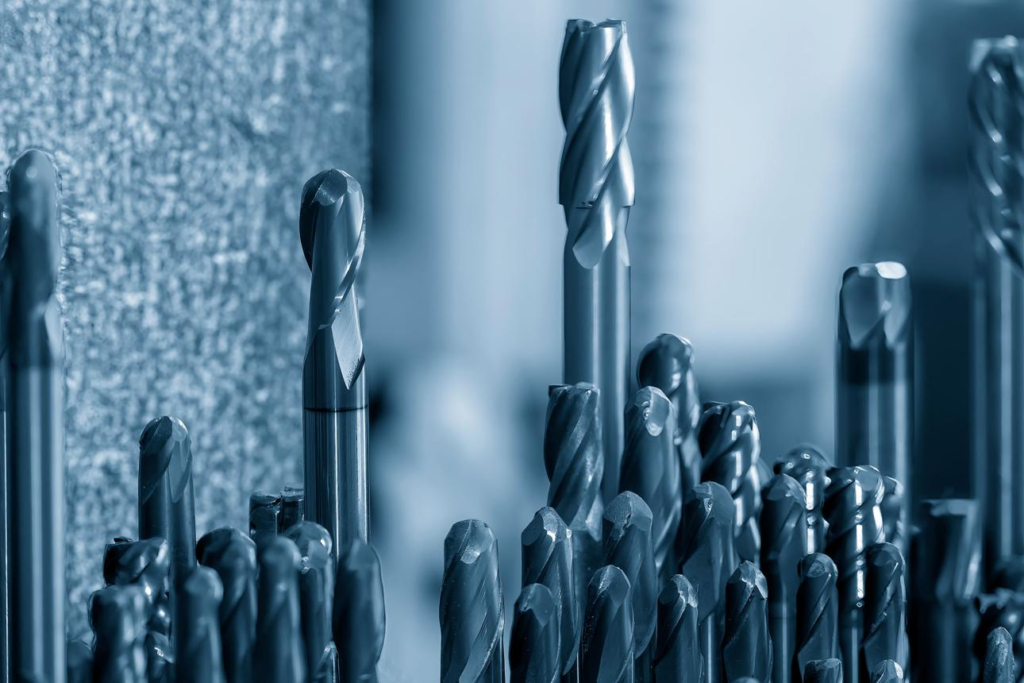
Introduction: If Carbide Is So Good, Why Has HSS Not Disappeared?
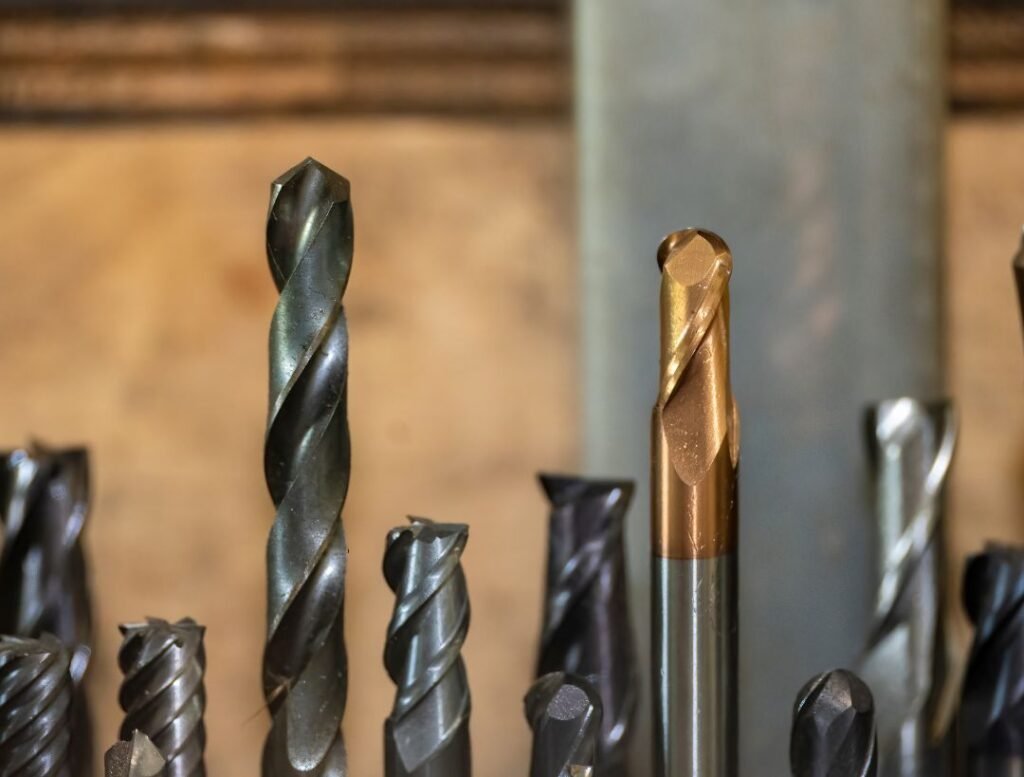
Anyone searching for milling cutters quickly notices that the market is still dominated by two materials: carbide and HSS. Many buyers assume carbide has already replaced everything else because it runs faster, lasts longer, and is widely used in CNC machining centers. Yet HSS tools continue to sell globally in large volumes every year.
This is not a contradiction. It reflects a simple truth in machining: different factories face different realities. Some shops run modern high-rigidity CNC machines producing thousands of parts per month. Others still rely on manual mills, older machining centers, repair work, prototype jobs, or mixed-material production. A tool that performs brilliantly in one environment may be inefficient or risky in another.
That is why carbide and HSS continue to coexist in 2026. They are not competing products in the usual sense—they solve different manufacturing problems. Understanding that difference is how smart buyers reduce tooling cost and increase productivity.
What Is HSS, and Why Is It Still Relevant Today?
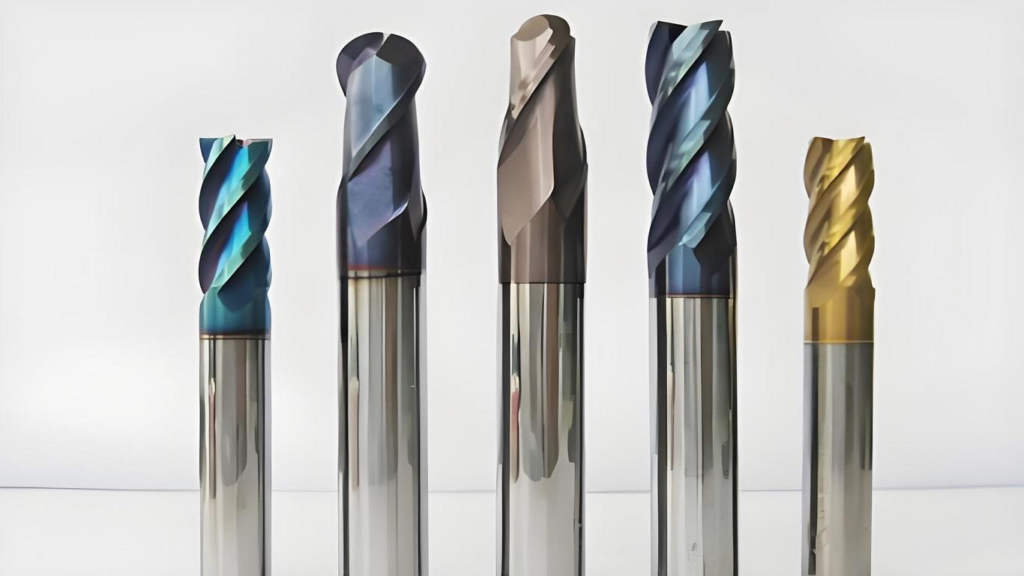
High Speed Steel, usually known as HSS, has been a trusted cutting tool material for decades. It is a specially engineered tool steel designed to maintain hardness under heat while offering excellent toughness. That combination made it the standard material for drills, taps, reamers, and end mills long before carbide became common.
Even today, HSS remains practical because toughness matters more often than many people realize. In real workshops, spindle runout, poor clamping, vibration, interrupted cuts, and inconsistent setups are common problems. HSS handles these imperfect conditions better than brittle materials. Instead of chipping suddenly, it often wears gradually, giving operators more control.
There are several popular HSS grades in the market. Standard M2 HSS is common for general-purpose cutting. M35, with 5% cobalt, improves heat resistance and wear life. M42, with higher cobalt content, is frequently chosen for stainless steel and more demanding jobs. Premium powder metallurgy HSS grades further improve consistency and performance.
For shops focused on flexibility, lower investment cost, and reliable cutting on ordinary machines, HSS still makes strong business sense.
What Is Carbide, and Why Has It Become the CNC Favorite?
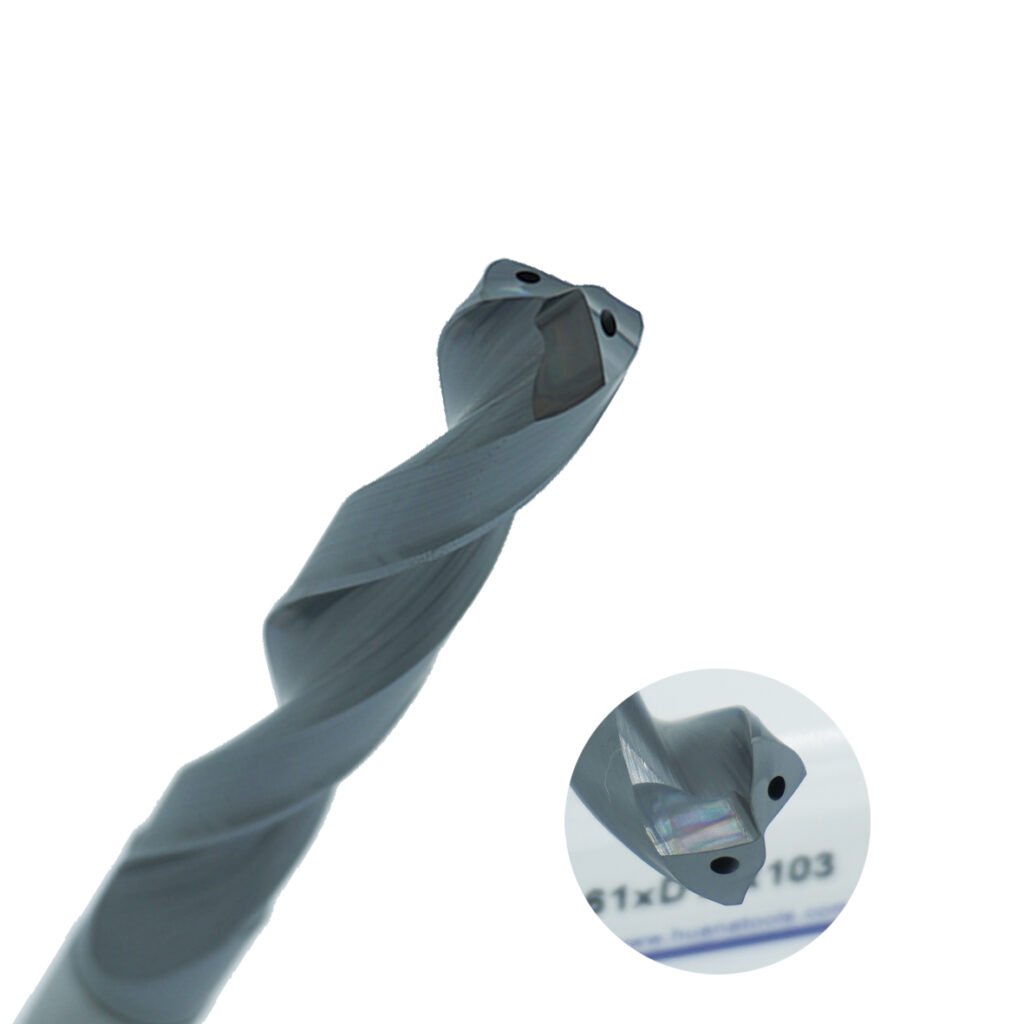
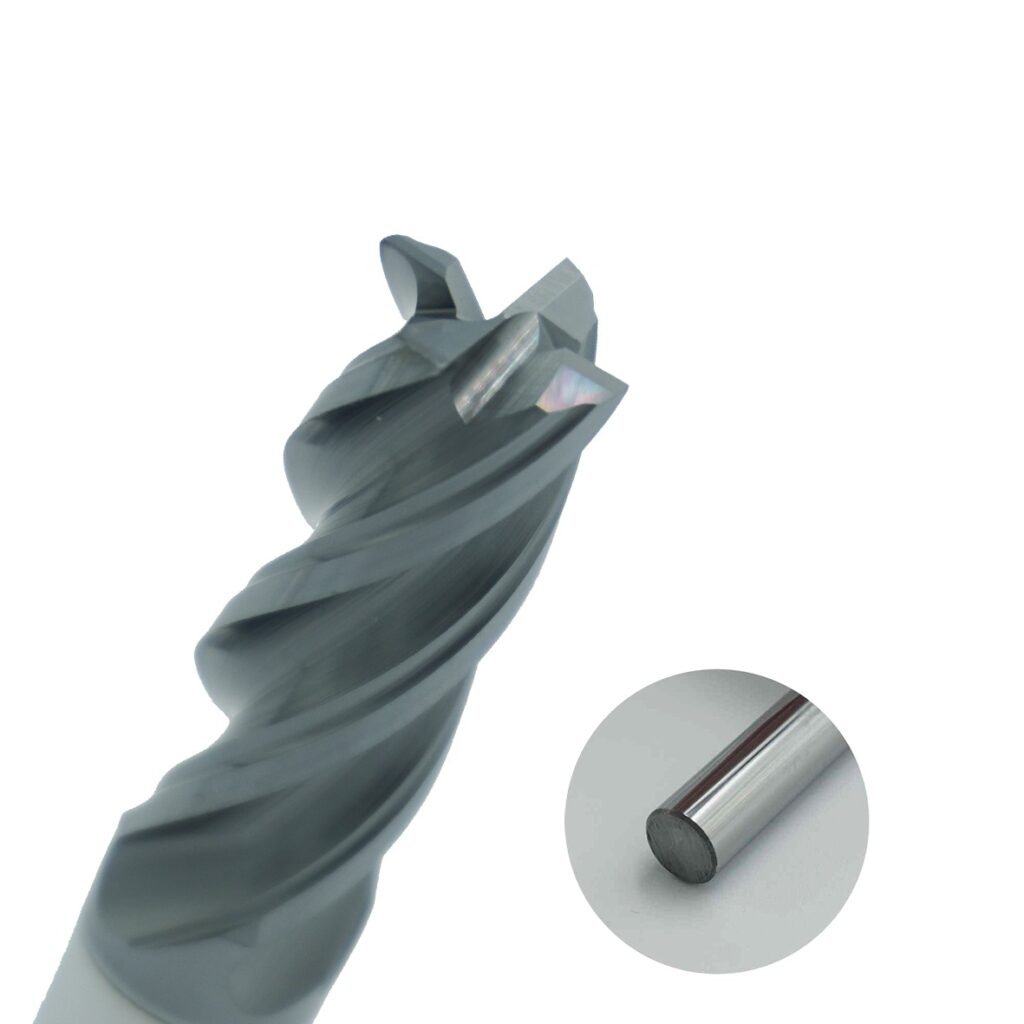
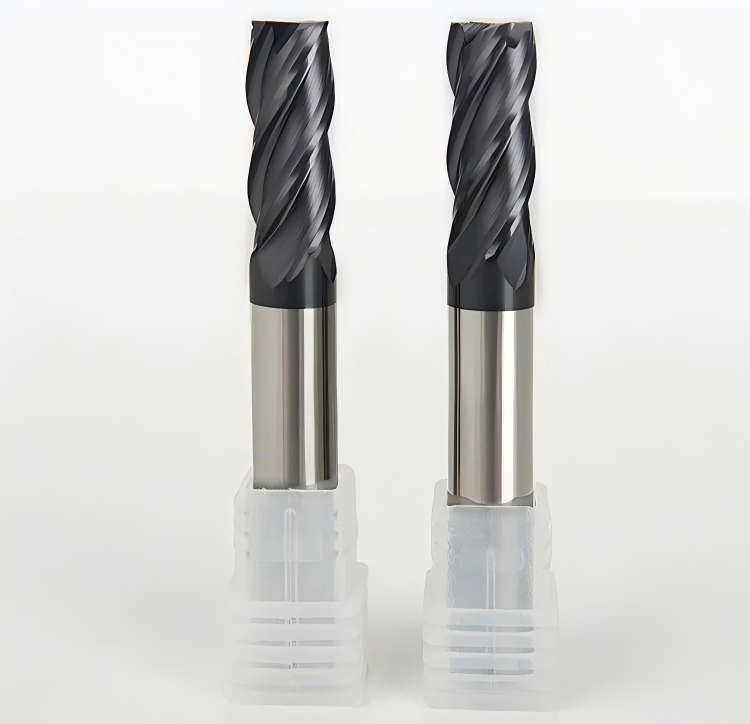
Cemented Carbide tools are usually made from tungsten carbide particles bonded with cobalt through a sintering process. The result is a material much harder than HSS and far more resistant to wear at elevated temperatures.
This heat resistance is one of the main reasons carbide dominates modern CNC production. When spindle speeds increase and feed rates rise, cutting edges generate substantial heat. HSS gradually softens under those conditions, while carbide maintains edge integrity far longer. That allows faster machining, longer unattended runs, and better consistency from part to part.
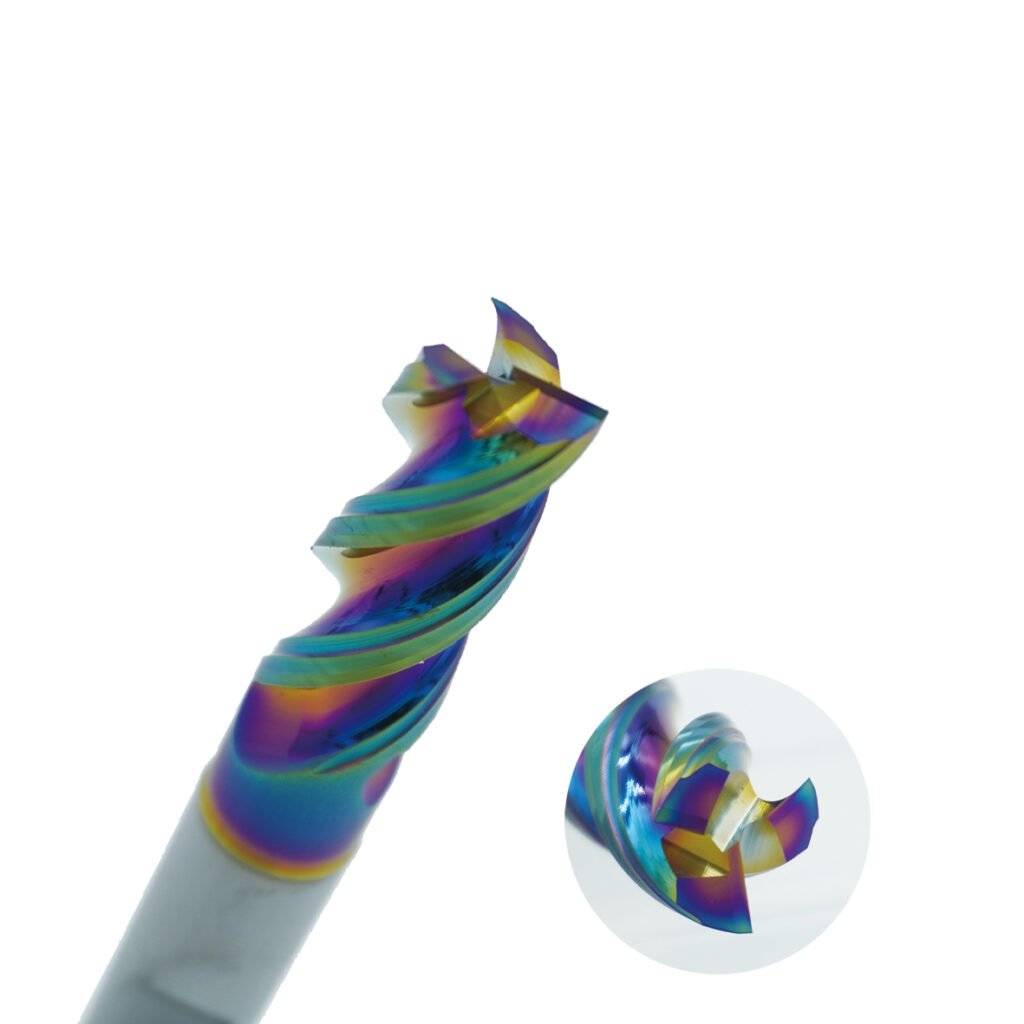
Modern carbide end mills are available in many substrate grades, from tough micrograin materials for roughing to ultrafine grades for precision finishing. Combined with advanced coatings such as TiAlN, AlTiN, or nano coatings, carbide tools now handle stainless steel, cast iron, alloy steels, titanium, and many aerospace materials efficiently.
For shops measuring success through cycle time, repeatability, and production output, carbide is often the preferred choice.
If Carbide Is Better, Why Not Use It Everywhere?
This is one of the most common misconceptions in tooling. Carbide is not universally better—it is conditionally better. Its advantages appear most clearly when machine rigidity, tool holding quality, programming strategy, and setup stability are all strong.
On an older machine with vibration, weak spindle bearings, or poor holders, carbide may chip unexpectedly. A broken carbide tool not only wastes money but may damage the workpiece, interrupt production, and cost operator time. In those same conditions, HSS may run slower but complete the job more reliably.
Tool selection should never be based only on hardness charts or catalog claims. It should be based on the total machining system. Many shops lose efficiency because they buy premium carbide cutters but run them in environments where those cutters cannot perform properly.
That is why experienced machinists often say the best tool is not the most expensive one—it is the one that matches the machine.
Real Comparison: Carbide vs HSS End Mills
Factor | HSS End Mill | Carbide End Mill |
Toughness | Excellent | Moderate |
Hardness | Medium | Very High |
Heat Resistance | Good | Excellent |
Cutting Speed | Lower | Much Higher |
Initial Investment | Lower | Higher |
Surface Finish | Good | Excellent |
Breakage Risk | Lower | Higher |
Best Use | Manual / older machines | Modern CNC production |
This table explains why both materials remain relevant. HSS wins when durability under unstable conditions matters most. Carbide wins when speed, output, and precision matter most.
What Happens When Cutting Aluminum?
Aluminum is often seen as an easy material, but productivity depends heavily on chip evacuation and edge sharpness. For manual machines or low-volume work, HSS can machine aluminum effectively at moderate speeds. It is economical and forgiving, especially when coolant and spindle power are limited.
However, in CNC production, carbide usually becomes the better option. High-speed aluminum machining benefits from polished flutes, sharp rake geometry, and high spindle RPM. Carbide tools designed specifically for aluminum—such as 1 flute or 2 flute polished cutters—can dramatically improve feed rates and surface finish.
In other words, aluminum does not automatically require carbide, but carbide often unlocks its full productivity potential.
What About Stainless Steel and Tough Materials?
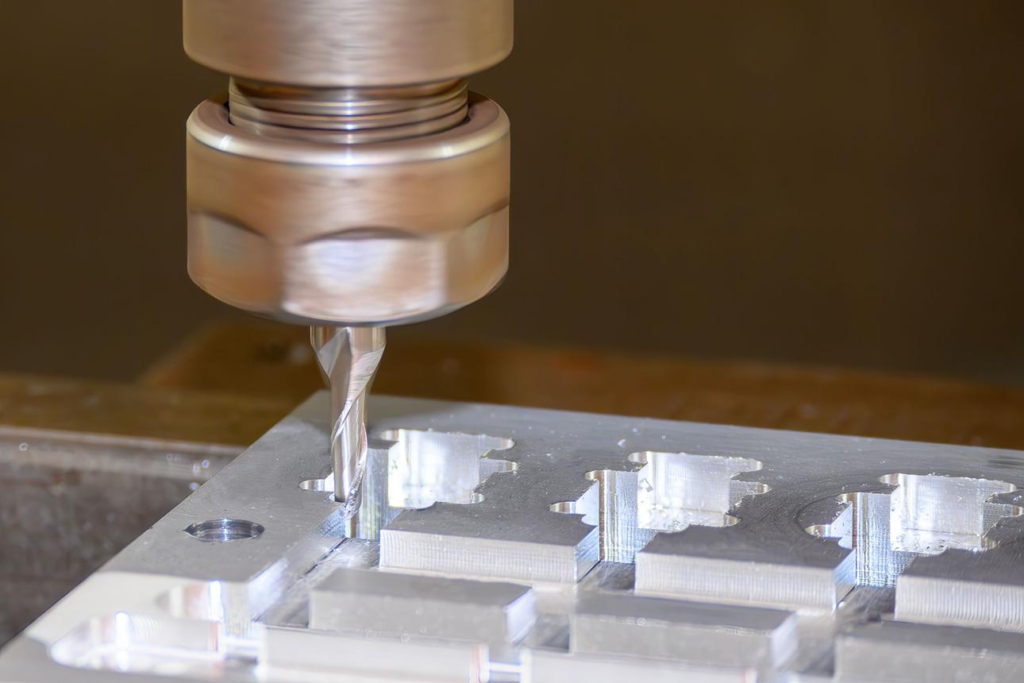
Stainless steel is a very different challenge. It work-hardens quickly, generates heat, and punishes dull cutting edges. In these applications, carbide usually offers a major advantage because it maintains sharpness longer and tolerates higher cutting temperatures.
Cobalt HSS tools such as M35 or M42 can still be useful for repair shops, low-speed operations, or smaller batch jobs. But for production machining of stainless components, carbide tools with heat-resistant coatings and optimized flute geometry are usually the most profitable route.
The same logic applies to cast iron, hardened steels, and titanium alloys. Difficult materials often reward carbide because tool wear becomes the real cost driver.
Which Tool Delivers Better Value Over Time?
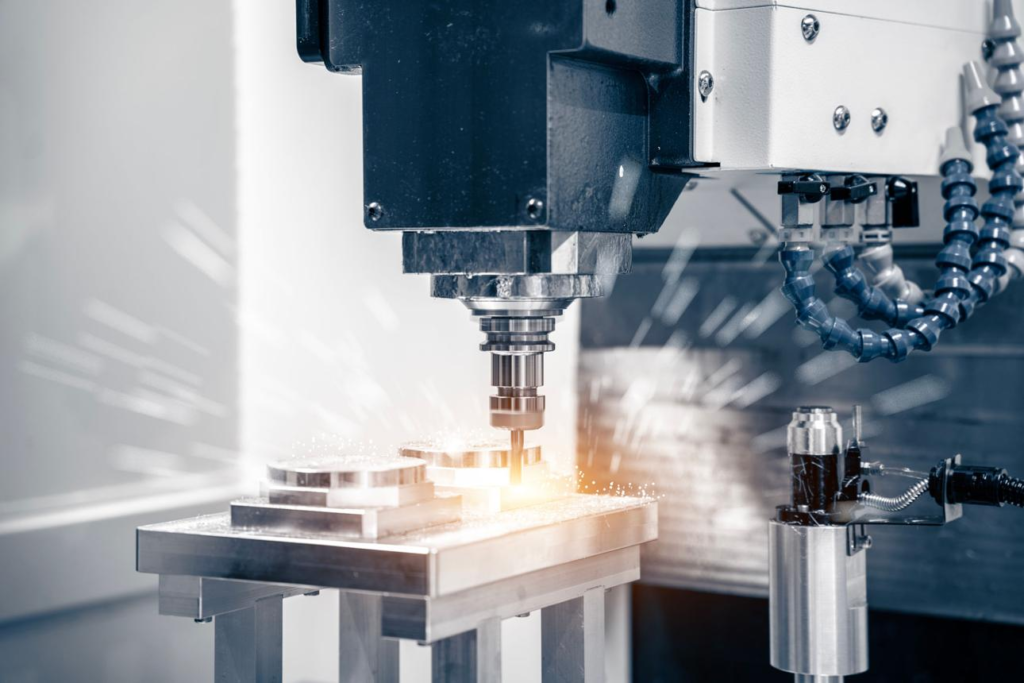
Many buyers focus only on initial purchase cost. In practice, the better measurement is total production value over the life of the tool.
A carbide end mill may last significantly longer and run at higher speeds, allowing more parts to be completed in the same production window. HSS may offer lower upfront investment and excellent reliability in less stable environments. Depending on the application, either one can become the smarter economic choice.
Tool Type | Typical Initial Cost | Typical Productivity | Best Value Scenario |
HSS | Lower | Moderate | Flexible, smaller batch work |
Carbide | Higher | High | Repetitive CNC production |
This is why experienced buyers compare output, downtime, consistency, and replacement frequency—not only the catalog price.
Why Do Two Materials Still Exist in 2026?
Because manufacturing is not one market—it is many markets operating at the same time. A modern aerospace supplier with 5-axis machining centers has very different needs from a maintenance workshop repairing worn shafts. A mold factory values finish and precision. A small subcontractor may value lower cash flow pressure and versatile tooling.
Carbide serves the high-efficiency, high-precision, automation-driven side of industry. HSS serves the practical, flexible, lower-risk side. Since both realities still exist globally, both tool materials remain commercially important.
That is also why suppliers who only sell one material often fail to understand the broader market.
How Should You Choose the Right One?
The smartest starting point is not “Which material is better?” but “What problem am I solving?”
If your machine is older, spindle speed is limited, setups vary, or jobs change frequently, HSS may offer better real-world value. If you run repeat production, want shorter cycle times, and have stable CNC equipment, carbide usually creates more productivity.
If you machine aluminum prototypes occasionally, HSS may be enough. If you machine stainless parts daily, carbide is likely the smarter long-term choice. If breakage risk is high, toughness matters. If output pressure is high, speed matters.
Matching the tool to the production environment is where money is made.
Final Thoughts: The Best Tool Material Is the One That Fits Your Factory
Carbide is powerful, efficient, and often the best option for modern production. HSS is durable, economical, and still extremely useful in thousands of workshops worldwide. Neither material is obsolete. Neither material is perfect.
The reason the market still uses both in 2026 is simple: machining problems are different, and smart tooling decisions respect that reality.
At HNCarbide, we help customers choose the right cutter based on machine type, workpiece material, production volume, and performance target—not marketing slogans. If you share your application with us, we can recommend the most suitable end mill solution for your shop.