Carbide Drill Bits for Metal: Complete Beginner to Pro Guide
Table of Contents
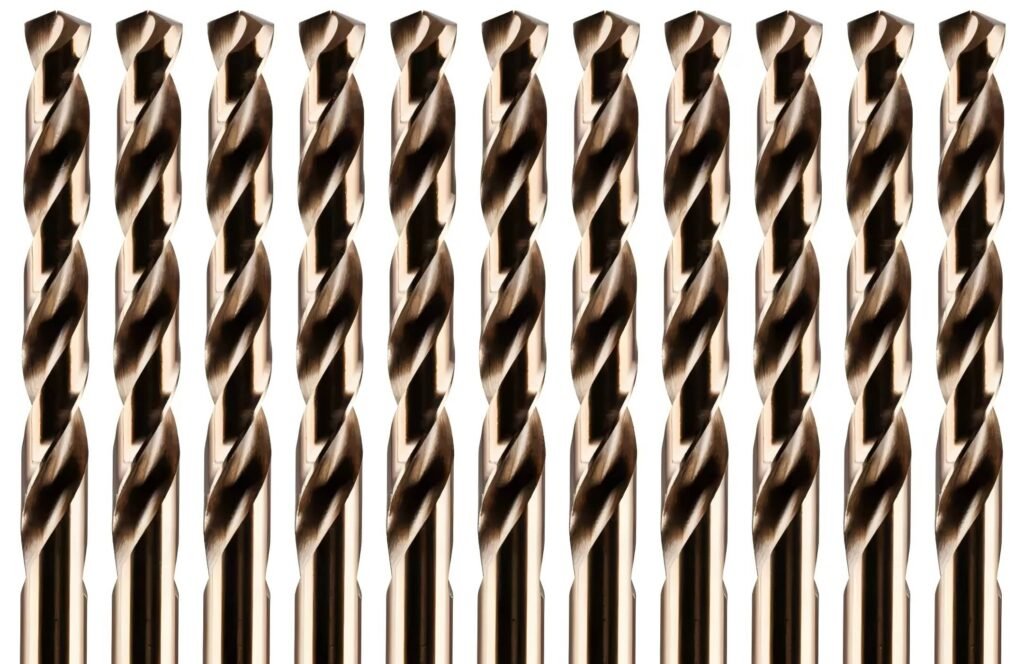
What Are Carbide Drill Bits?
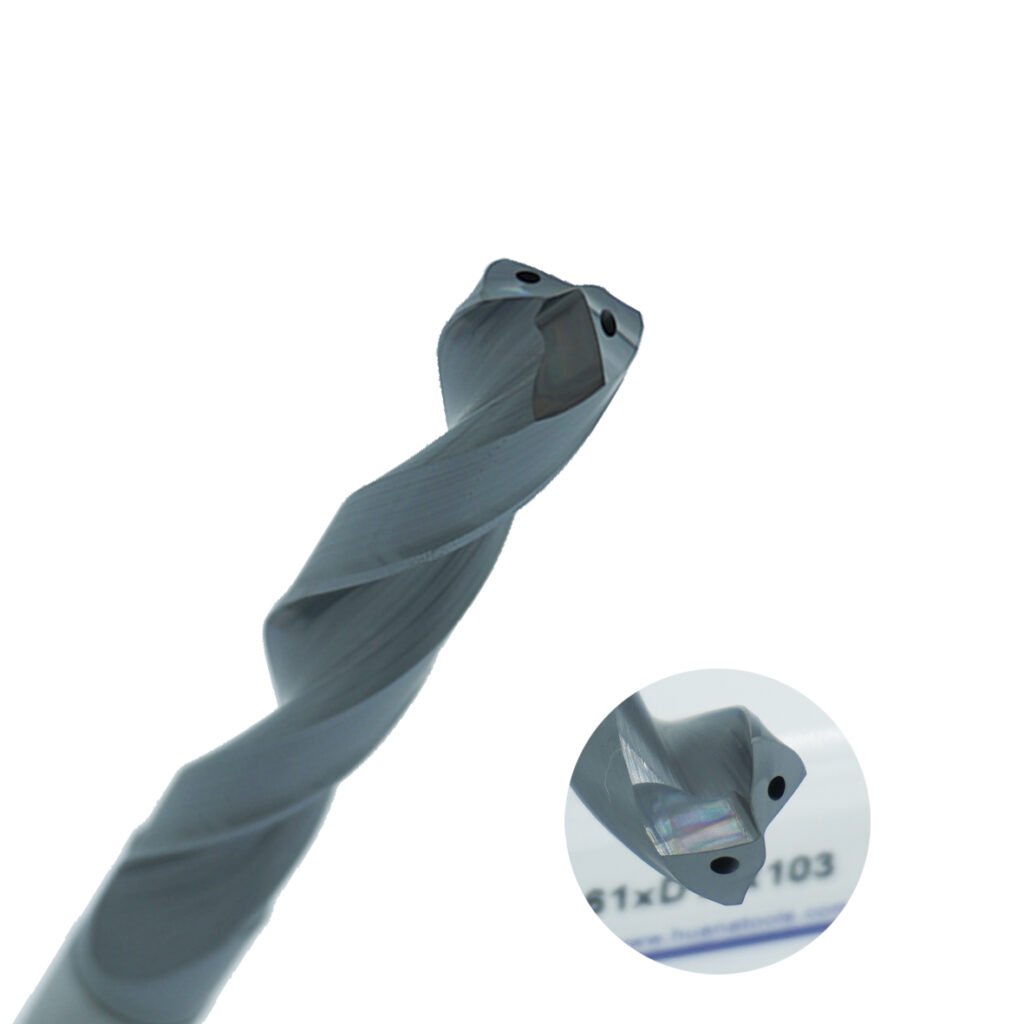
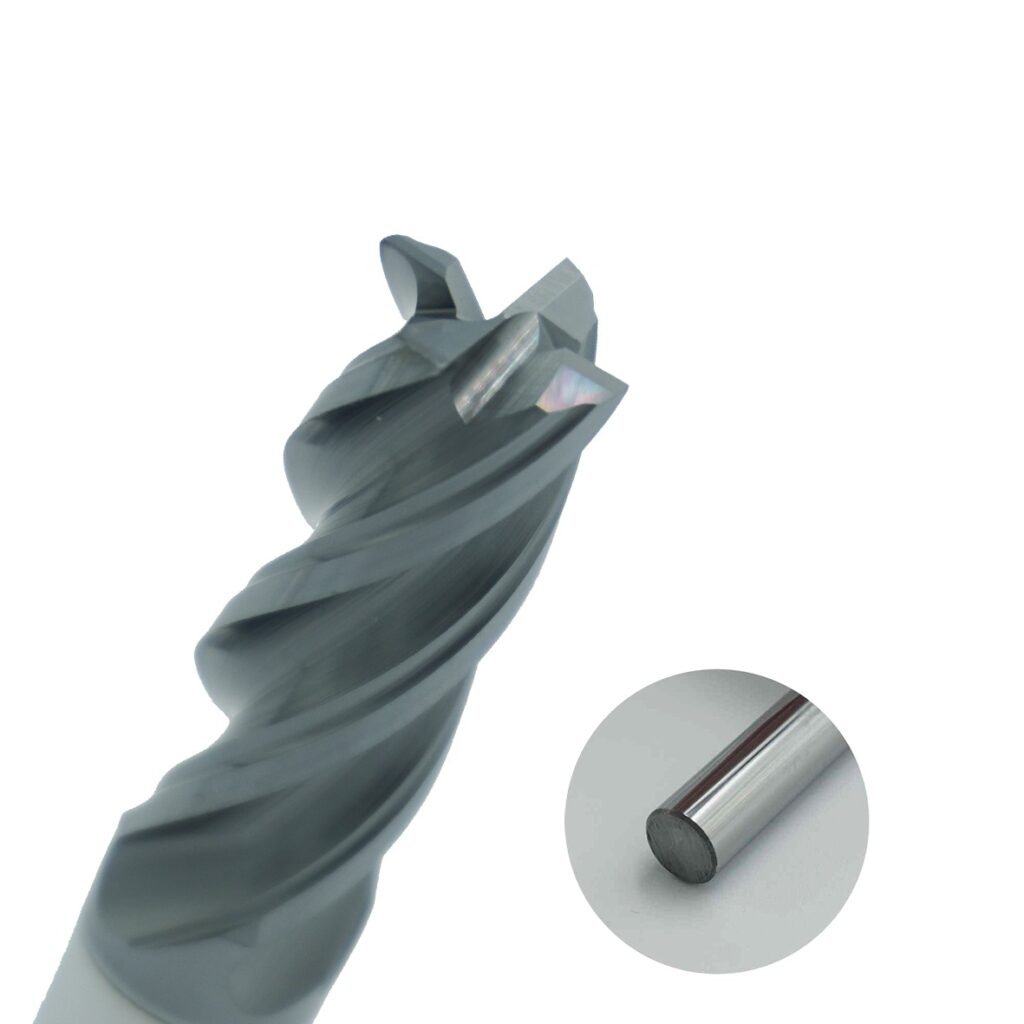
Carbide drill bits are precision tools made from carbide, an extremely hard and durable material composed primarily of tungsten and carbon. These drill bits are specifically designed to cut through tough materials like metal, concrete, and high-hardness alloys, making them an indispensable tool in professional machining environments.
Advantages of Carbide Drill Bits:
- Hardness and Durability:Carbide is significantly harder than high-speed steel (HSS) or cobalt, allowing carbide drill bits to maintain sharpness longer, even under intense cutting conditions.
- Heat Resistance:Carbide drill bits can withstand higher temperatures without losing their hardness, making them ideal for high-speed drilling in metal and other challenging materials.
- Precision:Due to their exceptional strength, carbide bits provide more accurate and clean holes, reducing the need for rework and increasing overall productivity.
Carbide Drill Bits for Metal vs HSS and Cobalt
Choosing the right drill bit is critical for ensuring optimal performance and tool longevity. When comparing carbide drill bits to HSS and cobalt drill bits, it’s important to consider factors like material hardness, tool life, and cost.
Feature | Carbide Drill Bits | HSS Drill Bits | Cobalt Drill Bits |
Hardness | Extremely hard, ideal for tough materials | Moderate hardness, suitable for softer materials | Harder than HSS, works well for hard metals |
Heat Resistance | High, up to 1000°C (1832°F) | Moderate | High, good for heat generation |
Tool Life | Long-lasting, low wear rate | Shorter, may wear quickly | Moderate, better than HSS |
Applications | Ideal for hardened steels, alloys, and high-temp materials | Best for general-purpose drilling in softer metals | Suitable for drilling hard metals, stainless steel |
When to Choose Carbide Drill Bits for Metal:
- Productivity:Carbide drill bits are perfect for high-speed drilling operations in tough metals like stainless steel, titanium, or hardened alloys. Their ability to maintain sharpness under heat increases productivity by reducing tool changes and maintenance.
- Tool Life:Carbide drill bits last longer than both HSS and cobalt options, especially when drilling hard materials. This makes them a cost-effective option in the long term despite the higher upfront cost.
Solid Carbide Drills and Single Drill Selection
What Are Solid Carbide Drills?
Solid carbide drills are drill bits made entirely from carbide material, as opposed to carbide-coated drills, which have a coating of carbide over a steel base. Solid carbide drills offer superior hardness and heat resistance, making them suitable for the most demanding drilling tasks.
Applications of Solid Carbide Drill Bits:
- Precision Work:Solid carbide drills are highly recommended for applications that require precise holes and high tolerances. These are often used in the aerospace, automotive, and medical industries.
- Workshops and Manufacturing:Solid carbide drill bits are commonly used in CNC (Computer Numerical Control) machines, where high-speed and accurate drilling are critical.
Choosing a Solid Carbide Drill Bit:
- Single Drill Selection:If you’re working with a specific material, choosing a solid carbide drill bit with the right coating and geometry can dramatically improve performance. For example, bits with TiAlN (Titanium Aluminum Nitride) coatings are excellent for drilling hard metals as they offer enhanced heat resistance and longer tool life.
Popular Sizes for Daily Jobs
In daily machining operations, some sizes of carbide drill bits are more commonly used due to their versatility and ability to handle various tasks. The most popular sizes for general applications are:
- 1/8 Carbide Drill Bit: Ideal for small, precise holes, often used in electronics, watchmaking, and jewelry industries. It can also be used for drilling pilot holes in harder materials before using larger bits.
- 1/4 Carbide Drill Bit: A common size used for general-purpose drilling in metalworking. It’s often used in automotive and industrial applications where a balance of cutting power and precision is required.
- 3/8 Carbide Drill Bit: Typically used for drilling medium-sized holes in tougher materials. It’s perfect for manufacturing and construction tasks where moderate precision and speed are essential.
Choosing the Right Size for Your Application:
Size | Common Uses | Material Type |
1/8 Carbide Drill | Small, precise holes in thin materials | Thin metals, plastics |
1/4 Carbide Drill | General-purpose drilling | Steel, aluminum, copper |
3/8 Carbide Drill | Medium hole sizes in thicker materials | Stainless steel, brass |
The correct size will depend on the material thickness and the hole diameter required. Always match your drill bit to the task at hand for the best results.
Carbide Drill Bits Set or Individual Drills?
When it comes to purchasing carbide drill bits, you can choose between a carbide drill bits set or individual drills. Each option has its pros and cons depending on your shop’s needs.
Carbide Drill Bits Set:
Pros:
- Economical for small and medium shops that need a variety of sizes for different tasks.
- Convenient and cost-effective for stocking up on multiple drill sizes without the need for individual purchases.
- Ideal for businesses with high-volume operations where different hole sizes are frequently required.
Cons:
- You may not always need all sizes in the set, leading to wasted investment if certain sizes go unused.
- Sets typically come with standard bit types, which may not always be optimized for specialized applications.
Individual Carbide Drill Bits:
Pros:
- Perfect for shops that need specific sizes and don’t want to invest in a large set.
- Offers flexibility to buy only the drills required, ensuring you have high-quality tools for your specific projects.
Cons:
- Buying individual bits may be more expensive in the long run compared to purchasing a set.
- Requires careful selection to ensure you don’t miss out on essential sizes.
How to Choose the Best Carbide Drill Bits
Choosing the best carbide drill bits requires evaluating several factors, including the substrate (material composition), coating, tolerance, and brand support. Here’s a breakdown of these critical elements:
Factors to Consider:
- Substrate:High-quality carbide with fine-grain composition ensures better wear resistance and longer tool life. For extreme conditions, ultra-fine carbide grades may be necessary.
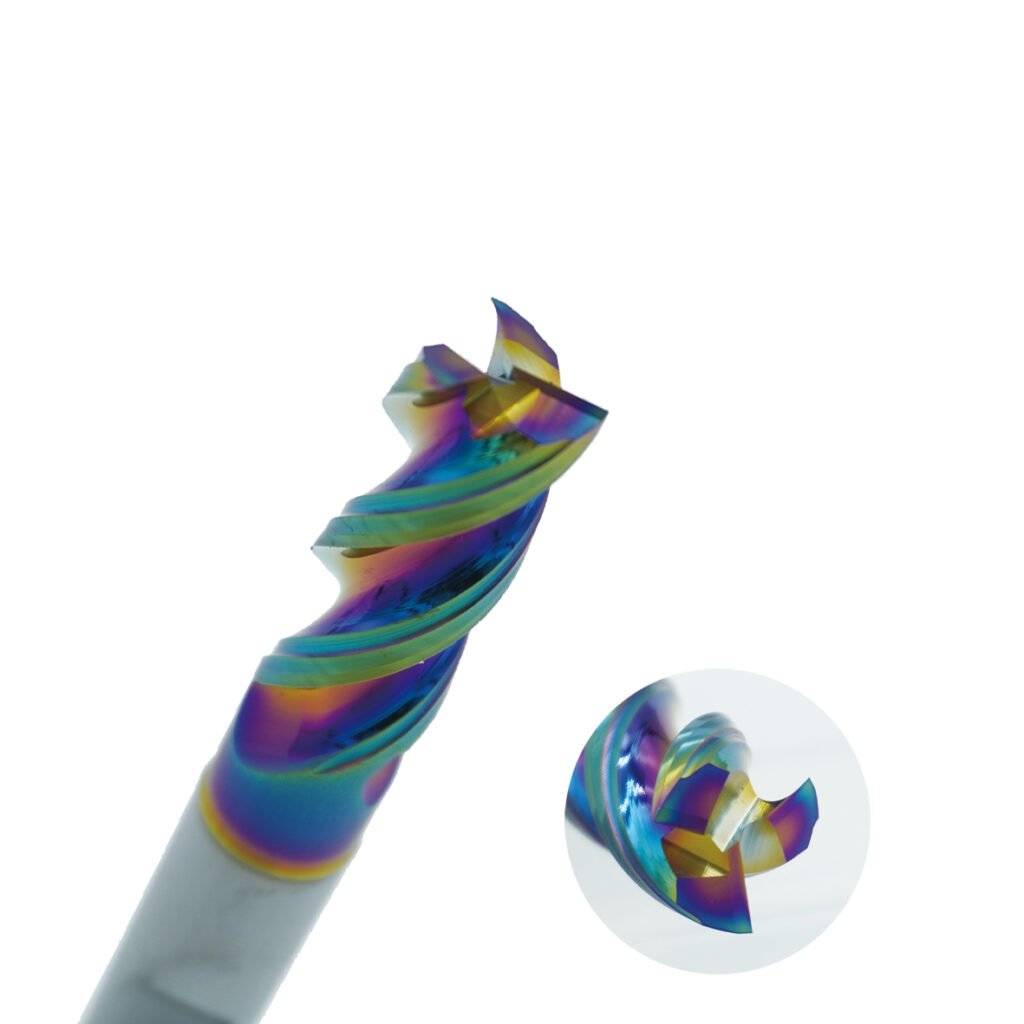
- Coating:Coatings like TiN (Titanium Nitride) and TiAlN (Titanium Aluminum Nitride) are commonly used to enhance the performance of carbide drill bits. These coatings reduce friction, improve heat resistance, and increase tool longevity.
- Tolerance:Precision is crucial in many industries. Choose carbide drill bits that meet your required tolerances for hole diameter and surface finish. Brands that offer precision-grade bits ensure you can rely on consistent results.
- Brand Support:Opt for trusted brands that provide customer service, tool regrinding services, and product guarantees. Some well-known brands in the carbide drill bit market include Kennametal, Dormer Pramet, and Carbide Processors.
Basic Use, Care, and Safety
Setup and Coolant:
When using carbide drill bits, ensuring proper setup and coolant application is essential for performance. Always use a high-quality cutting fluid that helps dissipate heat and improves chip removal. Direct the coolant to the cutting edge to ensure it stays cool during the drilling process.
Regrinding Carbide Drill Bits:
Carbide drill bits can be re-sharpened, but the process should be done by professionals with the proper equipment. Over-grinding can damage the bit, so it’s best to seek a specialized tool grinder to prolong the life of your carbide bits.
Storage:
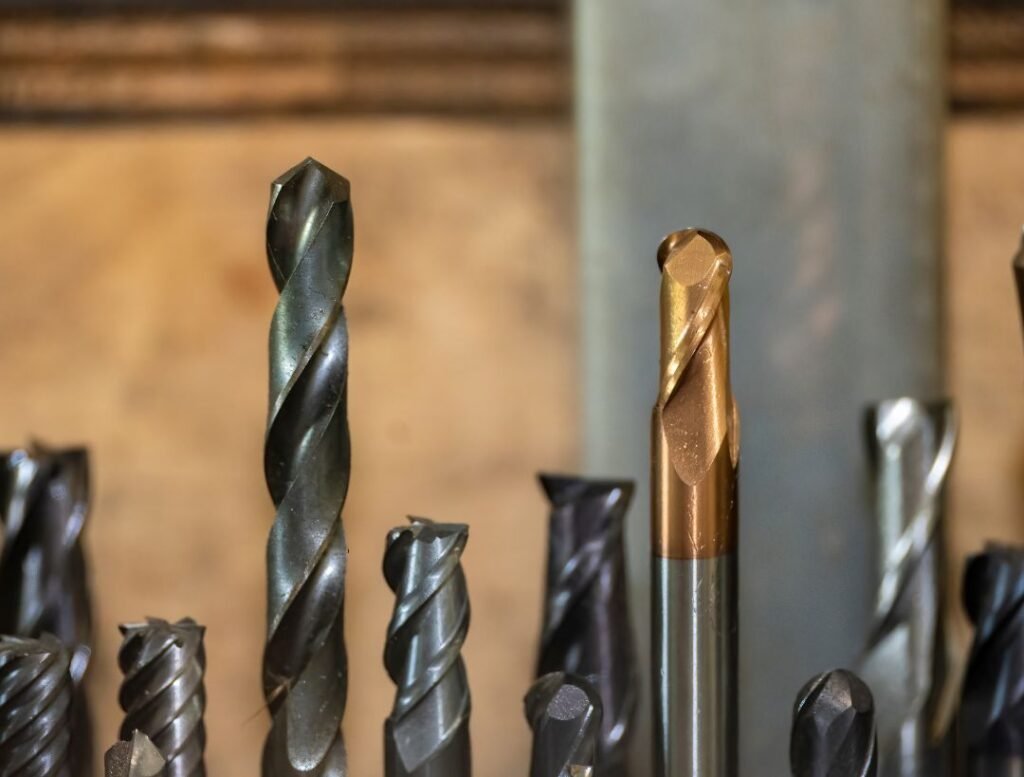
Store carbide drill bits in a clean, dry, and secure place to prevent damage from rust or accidental breakage. Use toolboxes or dedicated storage racks to keep them organized and easy to access.
Safety Tips:
- Always wear appropriate protective equipment such as gloves, goggles, and hearing protection when using carbide drill bits.
- Ensure that the machine is stable, and the workpiece is securely clamped before drilling.
- Keep a close eye on the drill bit during use to avoid overheating, and stop to reapply coolant when necessary.
Conclusion
Upgrading to carbide drill bits can significantly improve your drilling operations, whether you’re working with metal, concrete, or other tough materials. By understanding the differences between carbide and other materials like HSS and cobalt, and selecting the right bit sizes and coatings for your specific needs, you’ll be able to maximize productivity, tool life, and precision.
Carbide drill bits are an investment in your workshop’s efficiency and capability, and with proper care, they can provide reliable, long-lasting results for all your machining tasks.