ALU Cutter Guide for CNC Users in Europe: Precision Milling for Aluminum
Table of Contents

Europe’s CNC machining market is experiencing great growth, reaching approximately USD 26.7 billion in 2024 and is expected to hit USD 53 billion by 2034. This surge is driven largely by sectors like aerospace, automotive, and renewable energy industries, where aluminum is a favorable choice for strength-to-weight ratio and recyclability.
However, machining aluminum comes with its own set of challenges. The material tends to stick to cutting edges, builds up heat rapidly, and requires precision surface finishes. When aluminum parts are on the table, tool choice matters. An alu cutter engineered with sharp cutting edges, polished flutes, and chip-friendly geometry can take on aluminum’s quirks and keep your production moving. Throw in the right carbide base, a clean finish, and DIN-compliant specs, and you’re talking about tools that can hold up shift after shift.
European tooling brands stand out here, offering DIN‑compliant, carbide alu cutters in common nominal end mill sizes, from standard ¼″ to larger 1 1/4 end mill diameters, complete with coatings like DLC or ZrN to optimise chip flow.
This guide goes deep into what makes alu cutters work and which European tooling brands deliver the results your shop needs.

What Is an ALU Cutter?
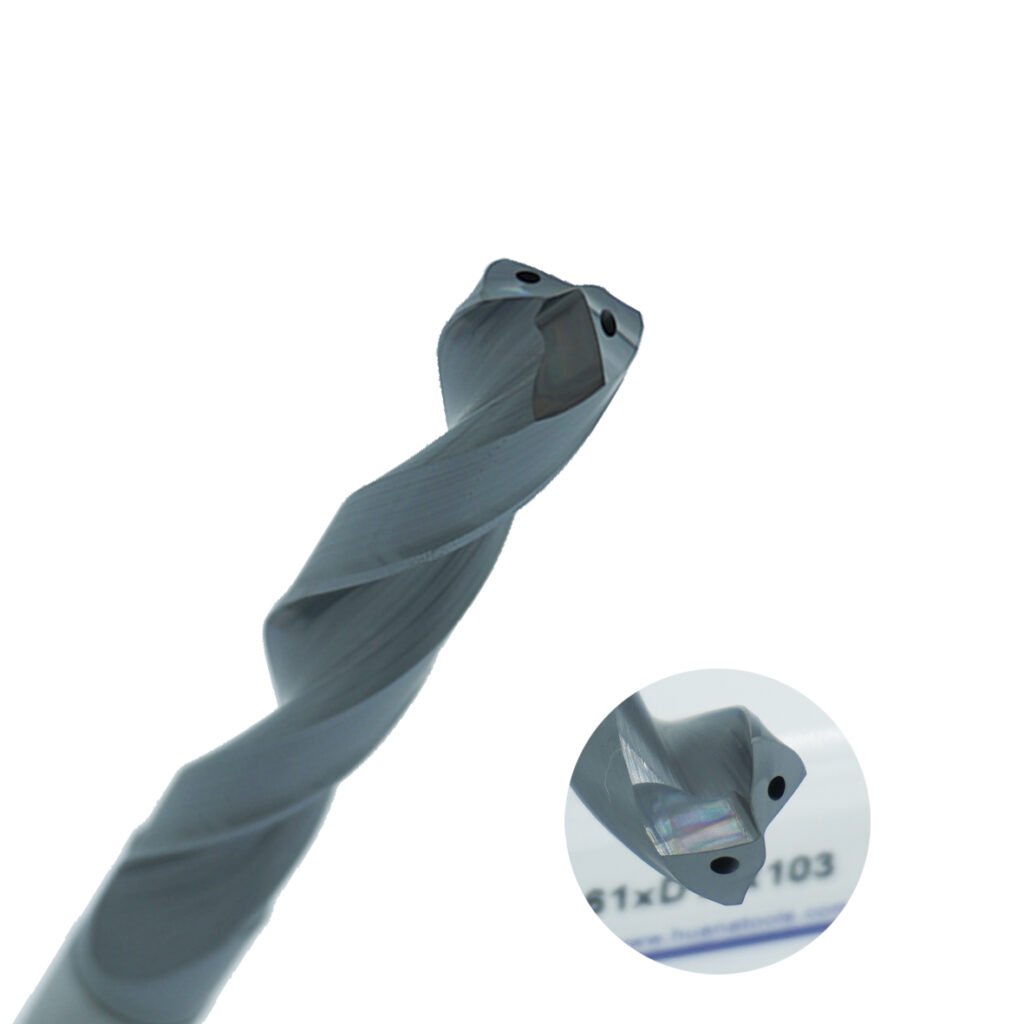
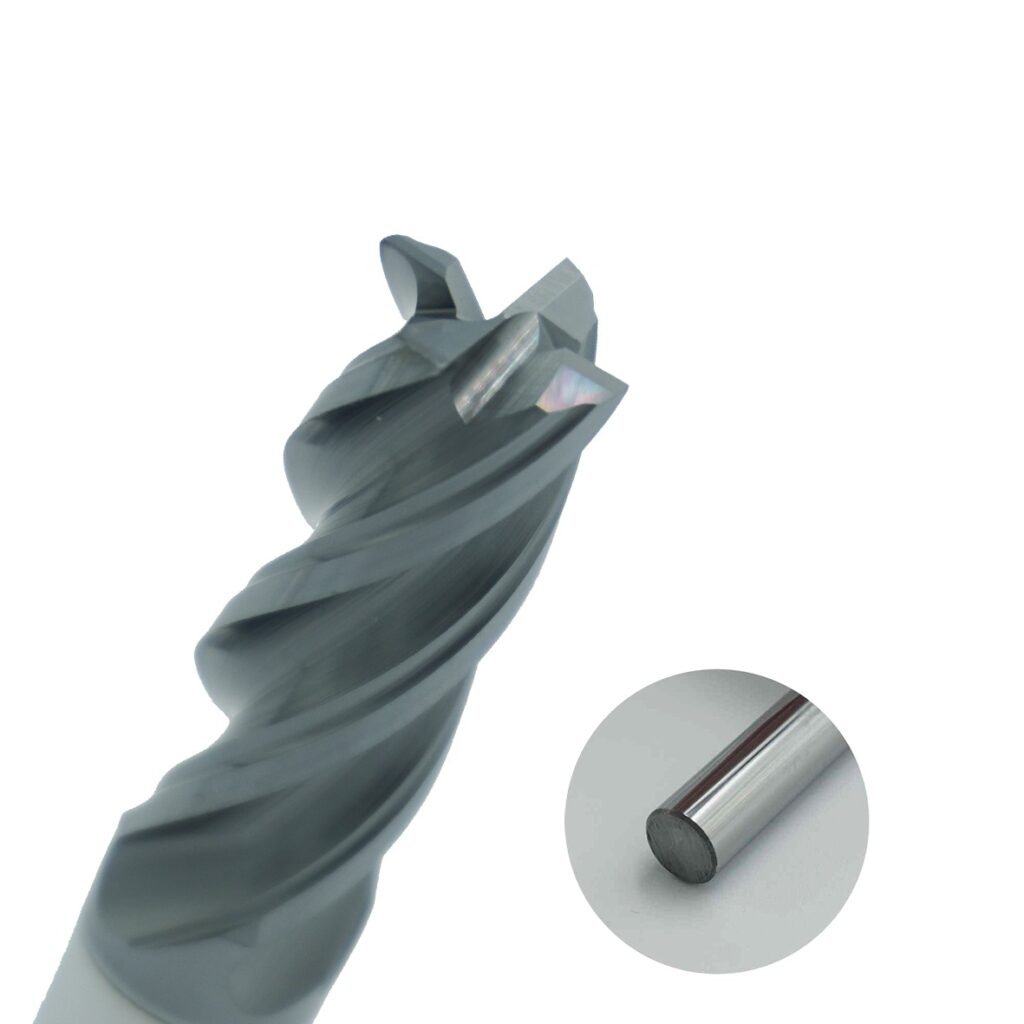
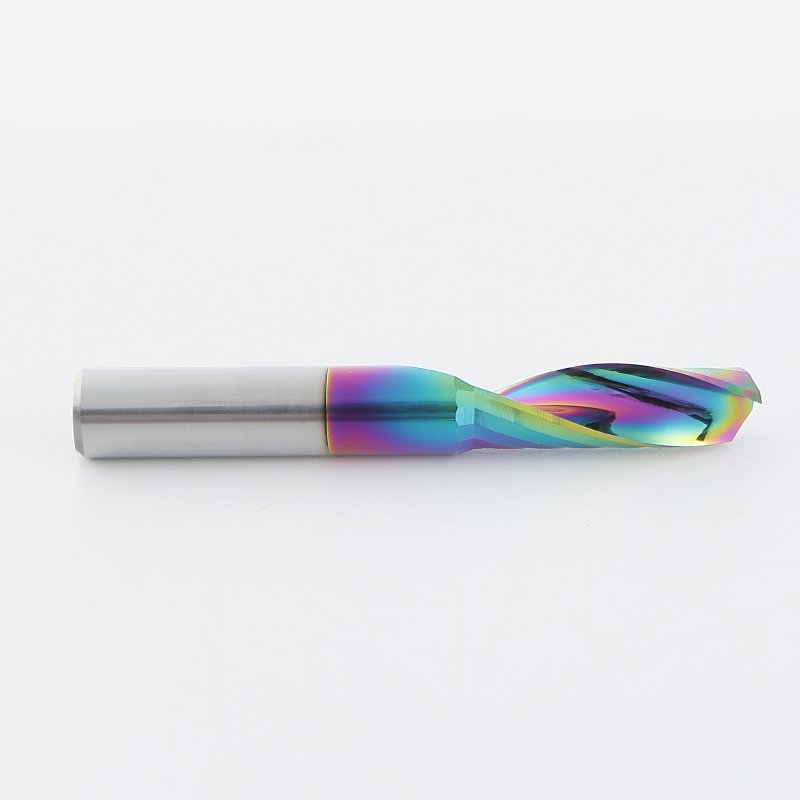
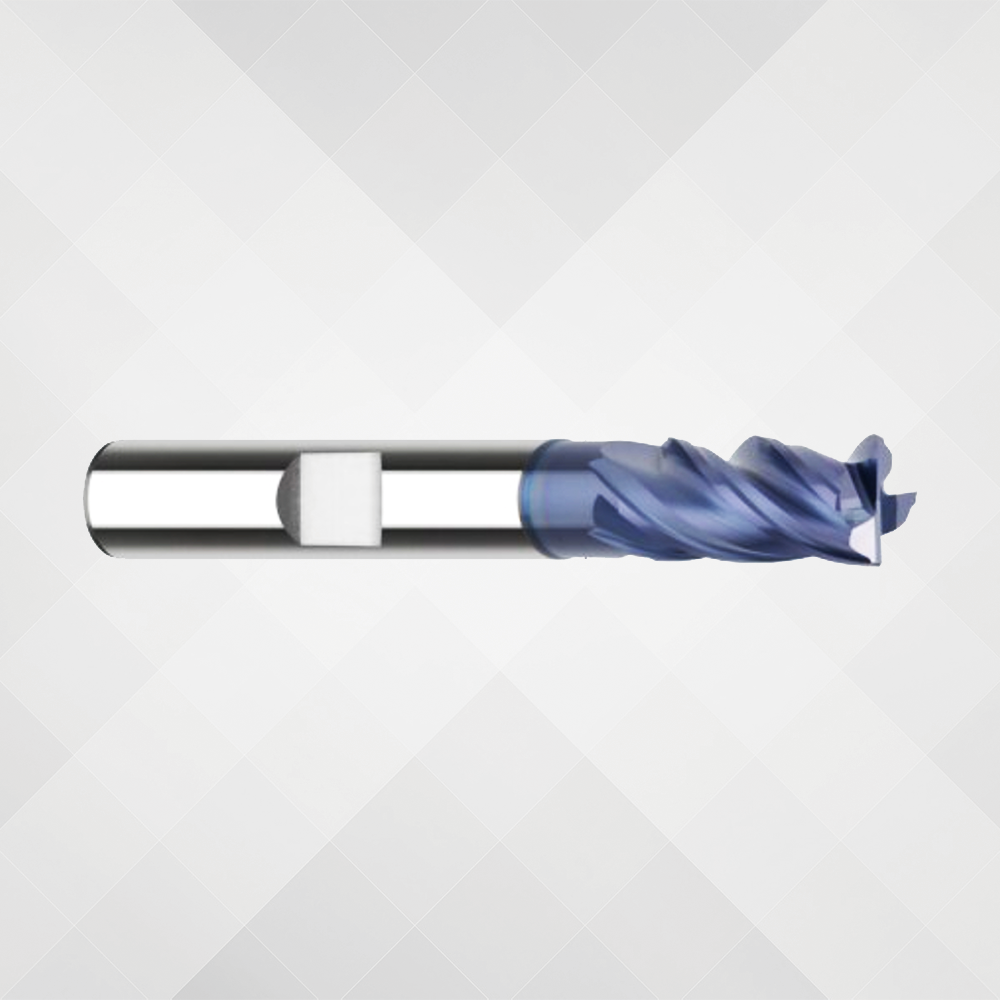
An alu cutter is a cutting tool made specifically for milling aluminum and non-ferrous alloys. It refers to a tool with geometry and features that directly counter aluminum’s common machining challenges of chip packing, heat buildup, and built-up edge (BUE). |
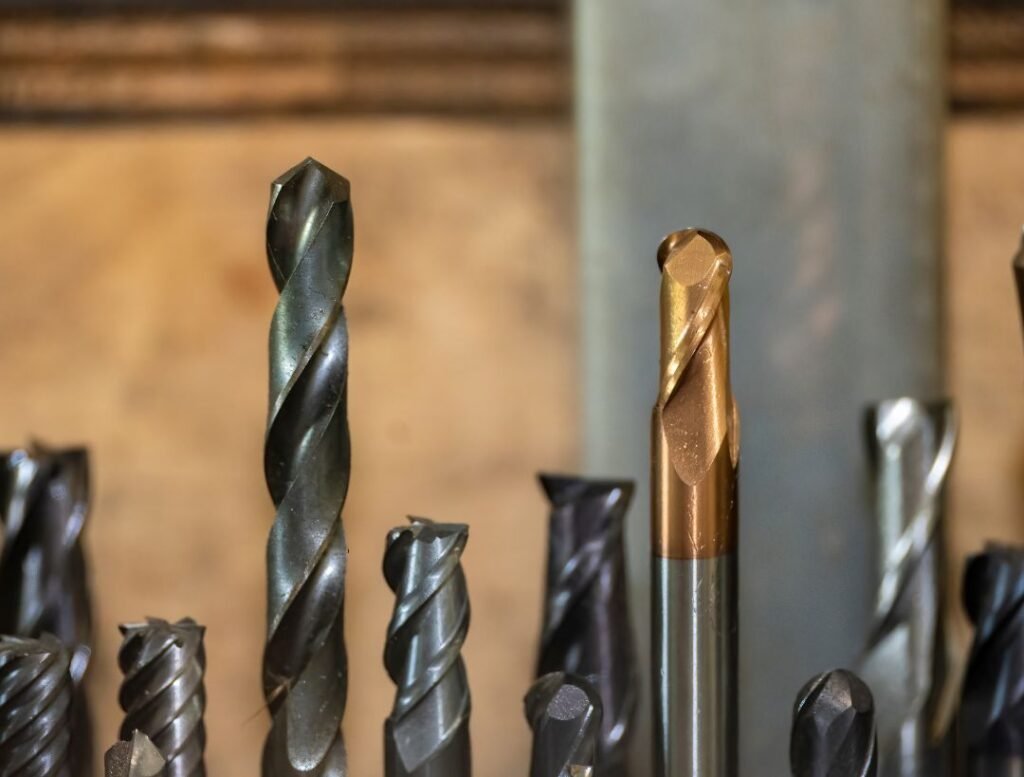
In contrast to general-purpose end mills, aluminum cutters use:
- High-positive rake anglesto shear cleanly through soft metals
- Wide, highly polished flutesthat evacuate chips fast and reduce friction
- Sharp cutting edgesthat slice instead of rubbing, minimising work hardening
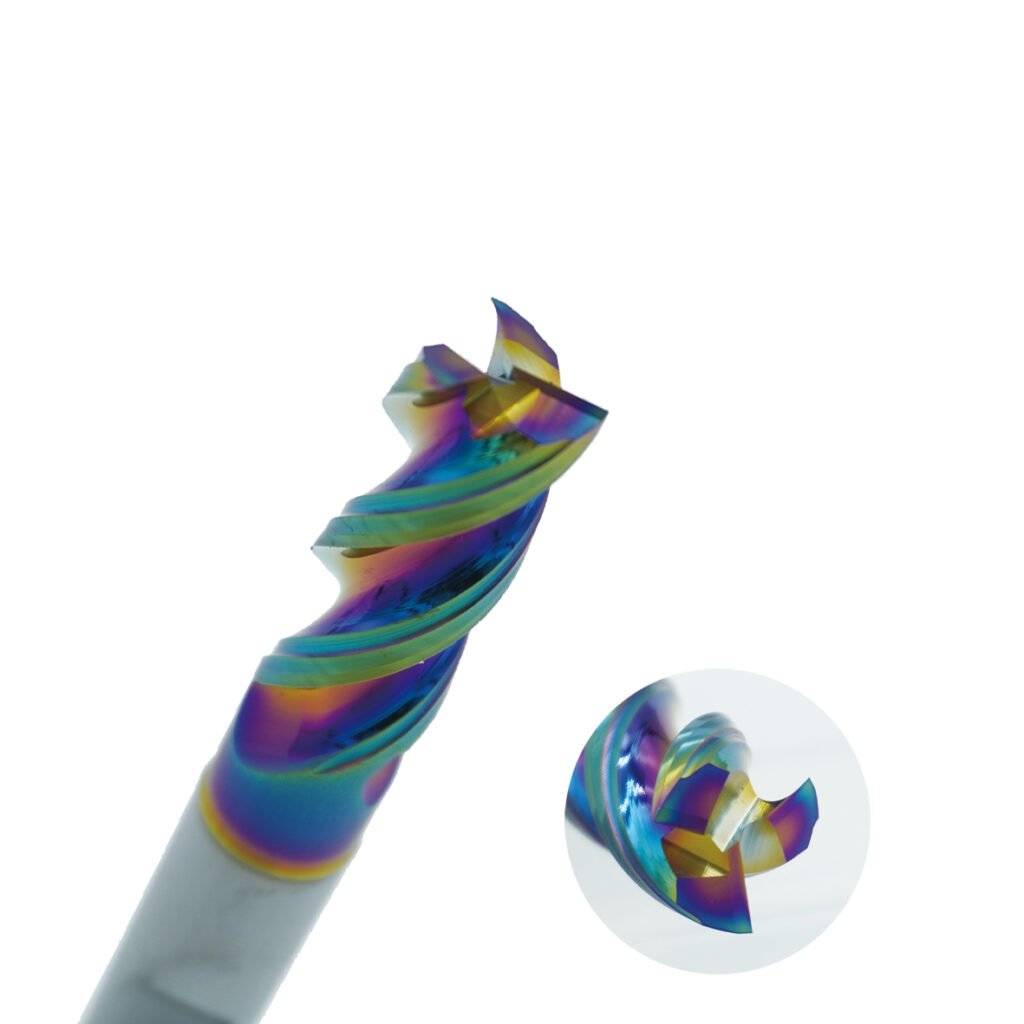
These cutters are usually uncoated or use aluminum-friendly coatings like ZrN or DLC, which prevent material welding without insulating the tool from necessary heat dissipation. Standard TiAlN coatings used for steel often cause problems with aluminum by holding too much heat in the cutting zone.
You’ll find alu cutters in 2-flute or 3-flute configurations, which strike the right balance between chip space and tool rigidity. In finishing operations, many shops also turn to bull nose end mills. aluminum-compatible tools, with a small corner radius that helps improve edge quality and reduce tool marks on contour walls.
It’s a purpose-driven tool, one that earns its keep when standard bits start to gum up or underperform.
Why Carbide Tools Are Ideal for Aluminum
When aluminum needs to be machined fast and clean, tool material becomes just as important as geometry. While HSS or coated steel cutters might work on softer alloys in light-duty tasks, they usually fall short once speeds increase or surface finish matters. This is where carbide tooling takes the lead.
Smooth Finishes That Cut Down Post-Processing
Surface finish matters more than ever, especially in industries like aerospace, packaging, and precision enclosures, where a rough cut isn’t just cosmetic, it’s a reject. Carbide alu cutters help eliminate the need for extra finishing steps. Their extreme edge retention allows consistent shearing over long runs, reducing burr formation and tool marks.
The rigidity of carbide also means the cutter doesn’t deflect under load, so walls stay straight and floor surfaces stay flat. That’s especially useful in finishing passes where even small inaccuracies lead to time-consuming deburring, sanding, or polishing.
If you’ve ever watched a part come off the machine looking ready for anodising with no cleanup, chances are a high-quality carbide cutter was behind it.
Heat Resistance Under Continuous Operation
Aluminum conducts heat well, but under fast spindle speeds, friction still builds quickly. Carbide’s ability to resist softening under temperature makes it the ideal match for dry cutting or minimal coolant setups. It keeps its hardness even when the chips are hot, which helps maintain tool shape and prolong cutting performance.
High RPM Capability for Fast, Efficient Cuts
Carbide cutters excel at high-speed machining. Their rigidity allows for aggressive feeds and elevated RPMs without the deflection or chatter that often plagues softer tooling. This lets operators push their machines harder, shorten cycle times, and get more parts out of each tool, especially in long-run jobs or when slotting across wide surfaces.
In practical terms, carbide lets you move fast without second-guessing stability, something that’s hard to achieve with HSS or general-purpose tools, especially on aluminum.
German Tooling and ALU Cutter Standards
German-made tools carry a reputation for reliability that’s built on precision. That matters in aluminum machining, where even small variations in flute geometry, surface polish, or tool balance can lead to chip packing or poor finishes. German tooling manufacturers focus heavily on consistency, quality control, and DIN-standard compliance, all of which directly benefit CNC operators looking for stable performance on aluminum parts.
Most high-performance alu cutters made for aluminum milling fall under DIN 6527 for end mills, which standardised flute length, cutting diameter, and shank tolerances. This allows easy tool changes and repeat setups between machines.
Aluminum-focused cutters from German end mill manufacturers often come with:
- Highly polished flutesfor optimal chip evacuation
- Sharp rake anglesto shear instead of push material
- Balanced geometryfor high-RPM compatibility in 3- to 5-axis CNC machines
Tool coatings also differ. While titanium-based coatings like TiAlN are great for steel, they tend to trap heat when used on aluminum. German alu cutters generally skip heavy coatings or use aluminum-appropriate options like zirconium nitride or diamond-like carbon. These help reduce friction and prevent built-up edge without compromising tool temperature control.
You’ll also find a wide range of nominal end mill sizes available, especially important for EU-standard parts, fixtures, and aerospace components.
Top European ALU Cutter Brands
Choosing the right alu cutter is about trust. It’s about knowing that the tool in your spindle will deliver a clean finish, manage chip flow, and stay sharp through every run. In the European market, where precision is non-negotiable and production standards are high, a few brands consistently rise to the top.
Each has its own strength. Some excel in roughing, others in mirror-like finishes, and others in specialty geometries for complex parts.
What they all have in common is a reputation built on real-world shop performance, not marketing claims. The brands below offer DIN-compliant, carbide-based alu cutters with polished flutes and coating options that actually work for aluminum.
Let’s take a look at five European tooling names that continue to lead the way in aluminum milling.
Brand | Origin | Carbide Tool Type | Common Features | Ideal Application |
Karnasch | Germany | DLC‑coated solid carbide | High‑polish flutes, DLC (“Pearl Extreme”) coating, universal TCT cutters with optimized chip flow | High‑speed milling, non‑ferrous alloys, robust general machining |
Hoffmann Group / Garant | Germany | DLC‑coated solid carbide (Master Alu series) | 5‑flute, unequal spacing for chatter damping, DLC coating, DIN 6535 h6 tolerance, optimised for HPC | High‑performance aluminum milling with smooth finishes |
Emuge‑Franken | Germany | “Alu‑Cut” series solid carbide | Special flute design for reliable chip evacuation in wrought aluminum; long cutter versions for roughing and finishing | Volume machining, aerospace parts, long‑reach operations |
Jongen Werkzeugtechnik | Germany | Custom solid carbide alu cutters | Made‑to‑order tools for aluminum, copper, and plastics; 100 % made in Germany | Specialised or unique profile machining in mid‑volume production |
DIXI Polytool | Switzerland | DLC‑coated carbide end mills | Variable‑helix DLC‑coated cutters (e.g., 7563 series), optimized coolant channels for thin plates | Micro‑aluminum milling and aerospace‑level precision |

Karnasch Professional Tools
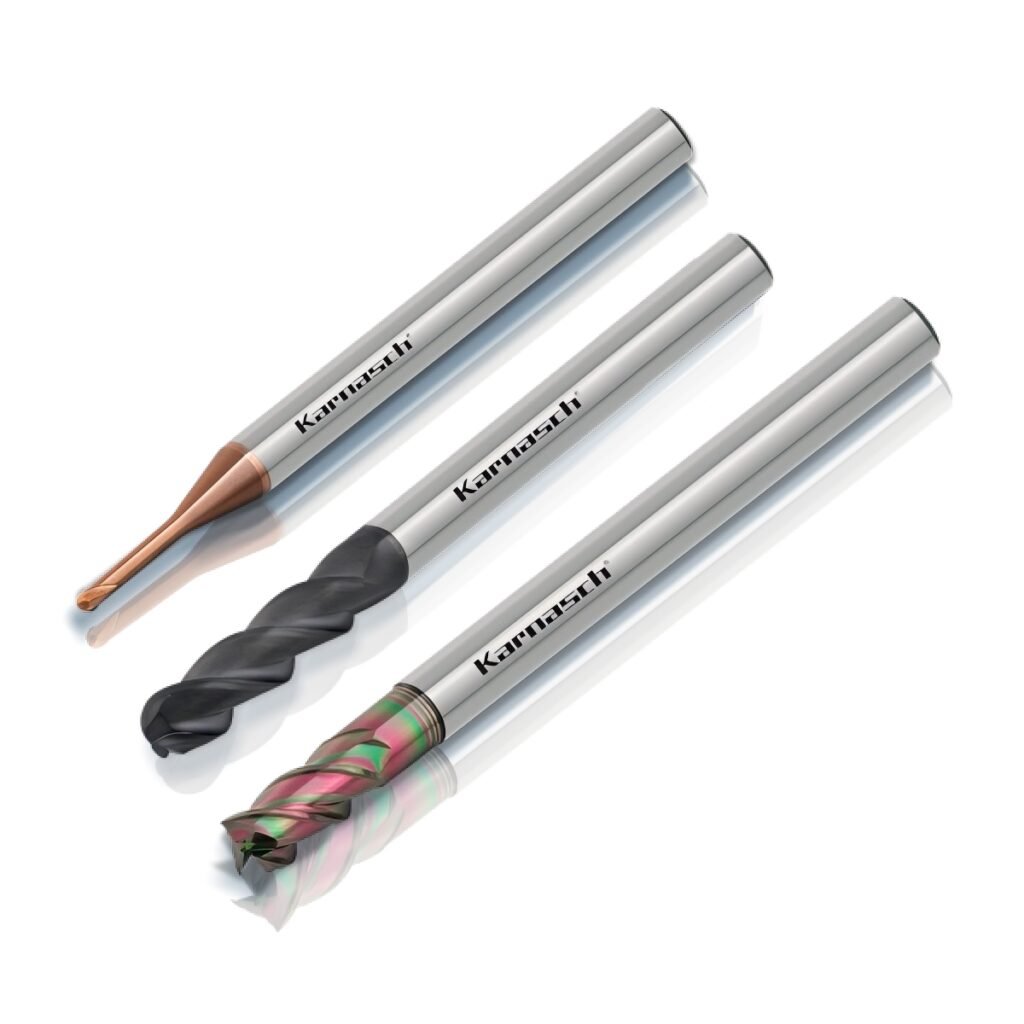
Karnasch is a go-to brand in Europe when it comes to aluminum milling at high speeds. Their solid carbide aluminum cutters are made with highly polished flutes and razor-sharp cutting edges. They are engineered specifically to reduce built-up edge and improve chip evacuation.
Many of their tools use DLC (Diamond-Like Carbon) coatings like the “Pearl Extreme” series, which dramatically lowers friction and heat. With a broad diameter range 4, including tools for larger operations like a 1 1/4 end mill, Karnasch cutters are well-suited for roughing and finishing aluminum parts with speed and precision.

Hoffmann Group / Garant
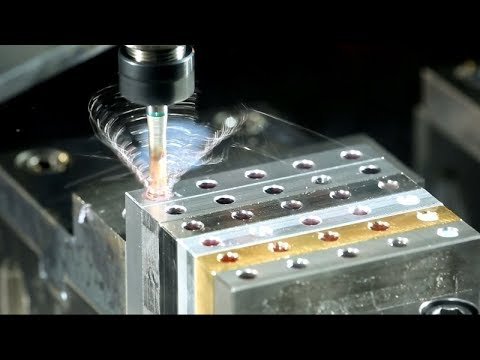
Under the Garant brand, Hoffmann Group offers one of the most well-rounded alu cutter ranges in the European market. Their Master Alu series is built for precision aluminum milling with high-performance DLC coatings, 5-flute geometries, and unequal spacing to reduce chatter at elevated spindle speeds.
These cutters are balanced to tight tolerances (DIN 6535 h6) and perform exceptionally well in high-feed applications. Garant tools are trusted across German manufacturing floors where consistent surface finish, tool life, and DIN compatibility are essential, especially for industries focused on quality-controlled aluminum parts and repeat production.
Emuge-Franken
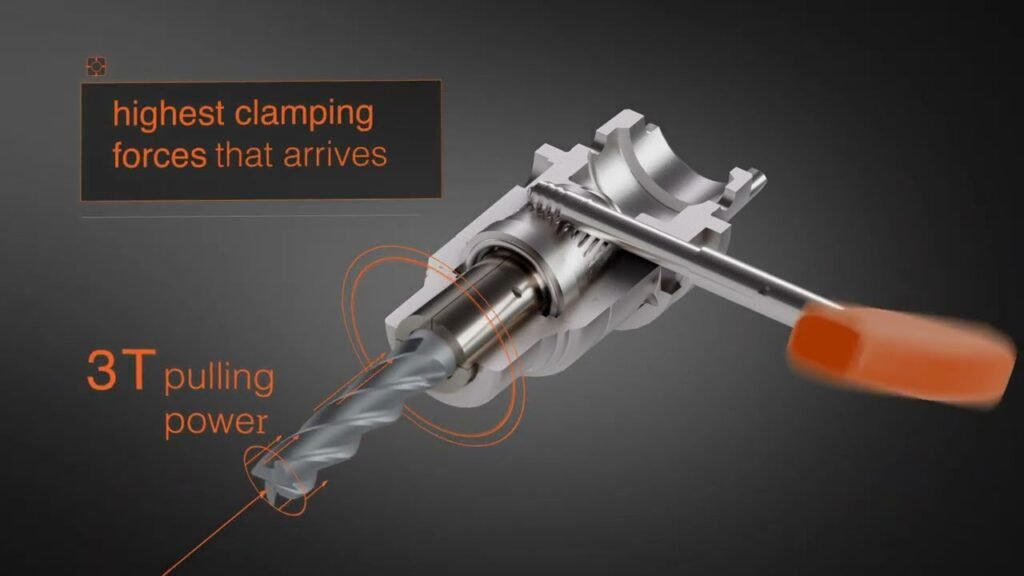
Emuge-Franken is a well-established German tooling specialist known for its high-performance aluminum cutting series, particularly the Alu-Cut line. These solid carbide cutters feature flute designs optimised for chip evacuation in soft, gummy materials like aluminum and wrought alloys.
The tools come in an array of geometries, including extended-reach and roughing profiles, making them suitable for 3-axis and 5-axis CNC machines that run aerospace or automotive parts. Emuge emphasizes edge stability and surface integrity, which reduces finishing steps and ensures dimensional accuracy in a high-speed milling environment.


Jongen Werkzeugtechnik
Jongen Werkzeugtechnik focuses on precision tooling for demanding non-ferrous applications, with alu-specific cutters that combine German engineering with application-driven design.
Their solid carbide alu cutters are produced entirely in Germany and are often made to order, giving shops the ability to fine-tune tool geometry to their exact setup. Jongen tools are known for their sharp cutting action, wide chip flutes, and friction-reducing finishes, ideal for avoiding built-up edge in soft aluminum alloys. These cutters are a great match for custom fixtures, thin-walled parts, and mid-volume runs where standard geometries fall short.

DIXI Polytool
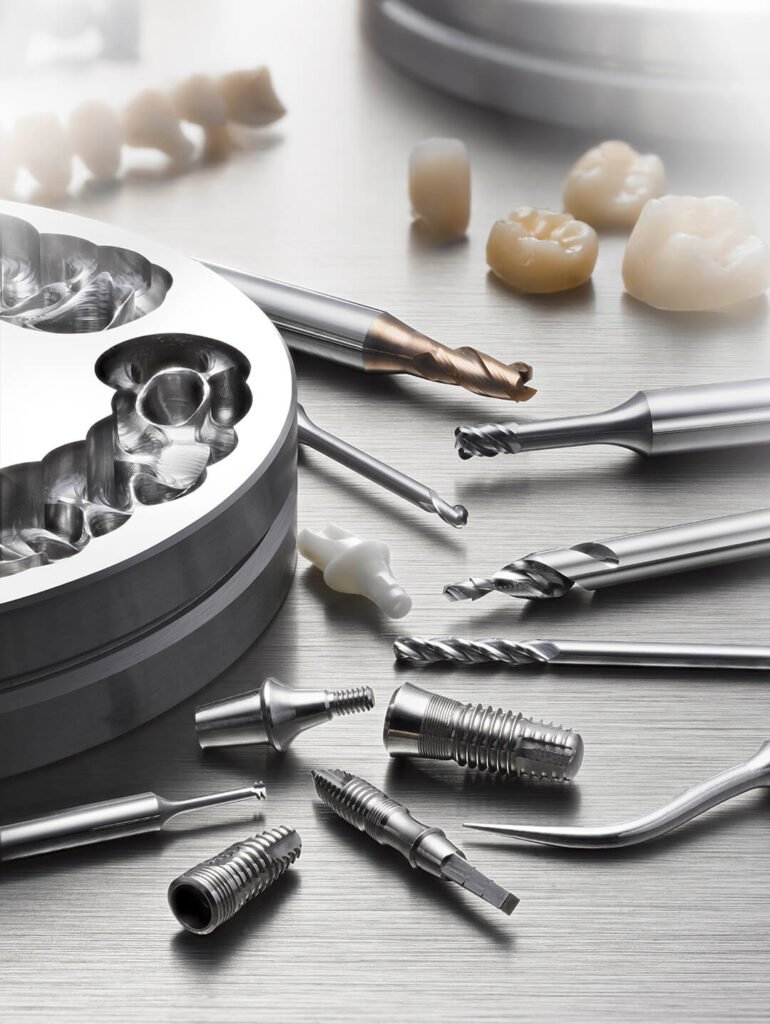
DIXI Polytool is a Swiss company specializing in micro-tooling and ultra-precise carbide cutters for aluminum, copper, and non-ferrous alloys. DLC-coated end mills 7563 series optimized for minimal friction and heat buildup, ideal for thin-walled components, high-speed contouring, small part features.
DIXI’s tools shine in sectors like aerospace and medical, where dimensional accuracy and surface quality are critical. With advanced flute geometries and coolant channel options, DIXI delivers performance where tolerance windows are tight and there’s no room for rework.
Tips for Successful Aluminum Milling
Even with the best aluminum cutter in the spindle, poor technique or setup can lead to chatter, built-up edge, or premature tool wear. Aluminum’s softness makes it deceptively tricky. It gums up quickly and reacts fast to heat. Milling success comes down to pairing the right cutter with dialed-in feeds, coolant, and wear monitoring. Below are three important areas that CNC professionals across Europe consistently focus on when machining aluminum.
Dial in the Right Speeds and Feeds
Aluminum reacts positively to high spindle speeds coupled with aggressive feed rates which in turn help prevent chip adhesion by maintaining clean cutting edges. Most carbide alu cutters are designed to run at a speed between 600 and 1500 m/min.
The ideal value depends on the alloy you are machining and how rigid your setup is. For maintaining control and surface quality keep your chip load consistent, usually around 0.1 to 0.3 mm per tooth for finishing operations.
Feeding too lightly may cause the tool to rub rather than cut. This in turn builds heat, dulls the edge, and encourages built-up material. In return, too aggressive settings can lead to deflection or chatter if the machine or fixturing isn’t up to the task. Always refer to the toolmaker’s recommendations when working with larger-diameter cutters like a 1 1/4 end mill, where forces increase significantly.
Coolant Strategy Matters More Than You Think
Flood coolant works pretty well, but sometimes air blast or mist systems can be better when you’re dealing with aluminum. They clear chips quickly and reduce thermal cycling on the cutting edge. Coolant delivery should hit the flute and the tool–workpiece interface. Excessive lubrication can trap chips, so it’s better to focus on flow and direction than quantity.
Watch for Early Signs of Tool Wear
Aluminum can mask wear until surface finish suddenly degrades. Look for telltale signs like a slight edge radius forming, polished tool flutes, or chip discoloration. Built-up edge is often the first warning when aluminum starts welding to the cutter, it’s time to swap tools.
Regular inspection under a loupe or microscope helps catch problems early, before they affect tolerance or finish.
Conclusion
Aluminum can be rewarding to machine but only if the right cutter, strategy, and tooling partner are in place. Carbide remains the top choice for its heat resistance, edge stability, and ability to hold up under aggressive feed rates.
German tooling brands continue to set the standard for European CNC users seeking consistent performance and DIN-compliant quality. But for operations that want the same level of control, reliability, and precision with added flexibility there’s another name worth considering.
HN Carbide offers custom and catalog-grade carbide alu cutters designed for high-speed milling, available with polished flutes, DLC coatings, and geometries made specifically for aluminum alloys. With ±0.005 mm tolerances, short lead times, and free test samples available across Europe, HN Carbide supports shops that value performance without compromise.