Where Are Tungsten Carbide Cutting Tools Used? Exploring the Real Applications Behind Modern Machining
Table of Contents
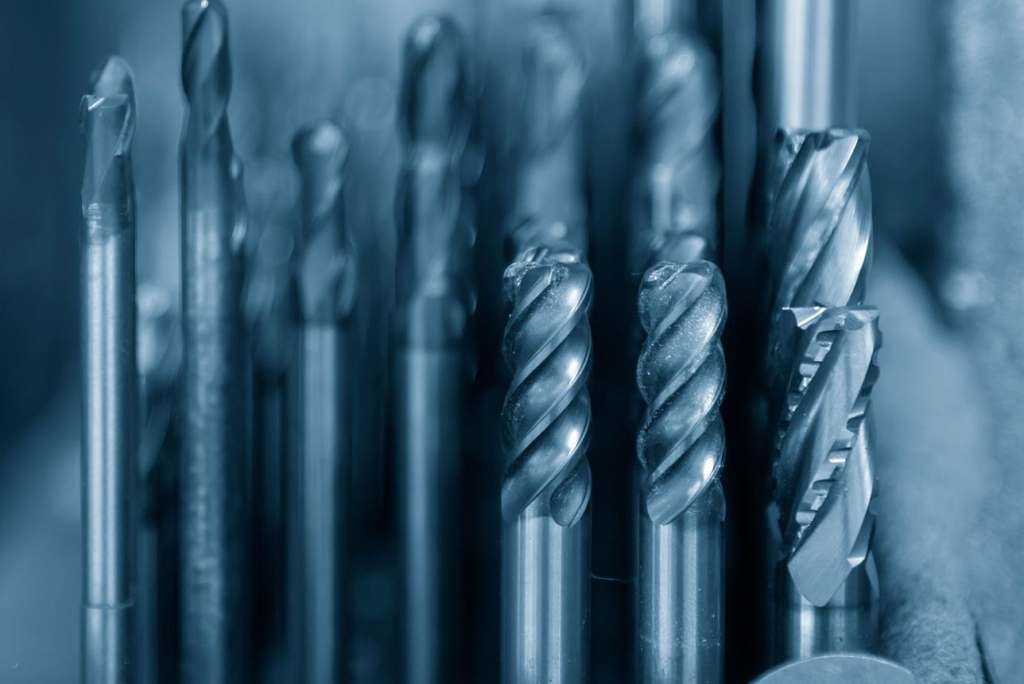
If there is one cutting tool material that has shaped modern machining more than any other, it is tungsten carbide.
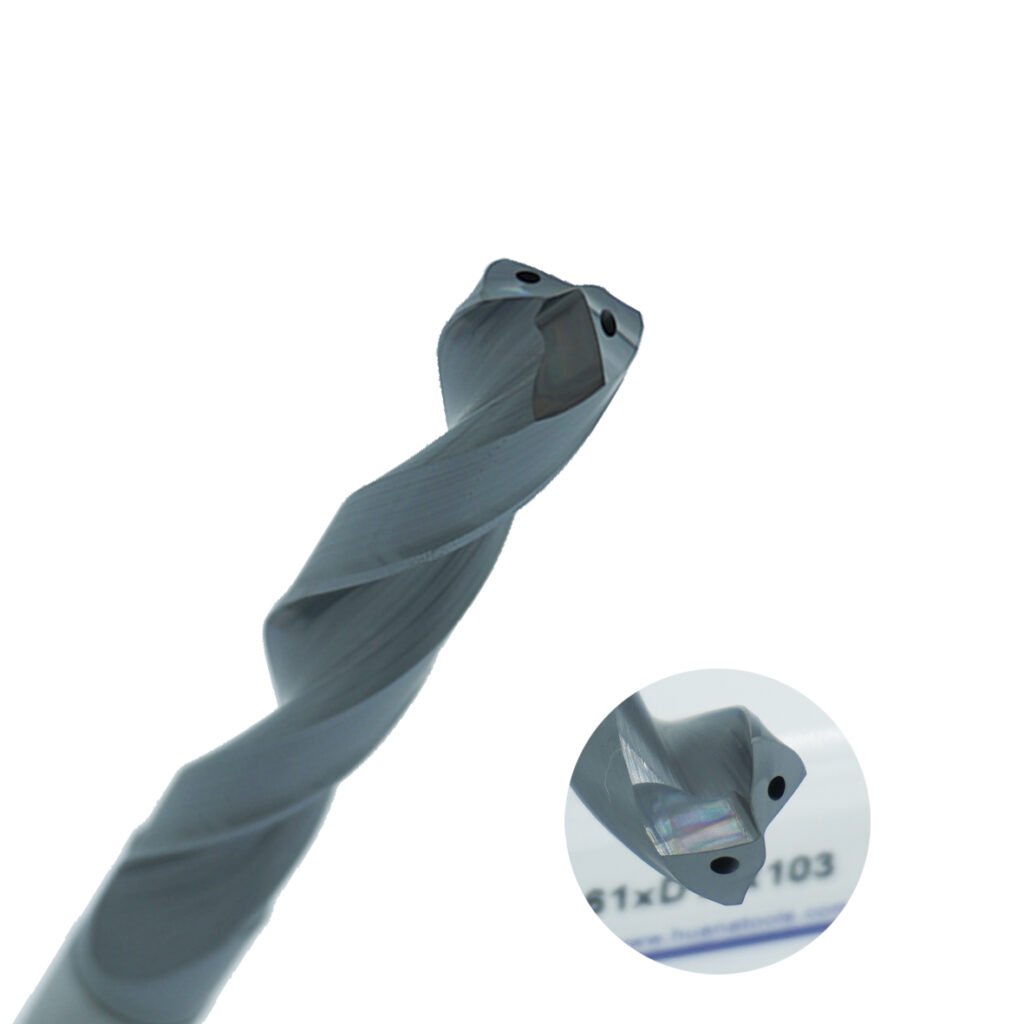
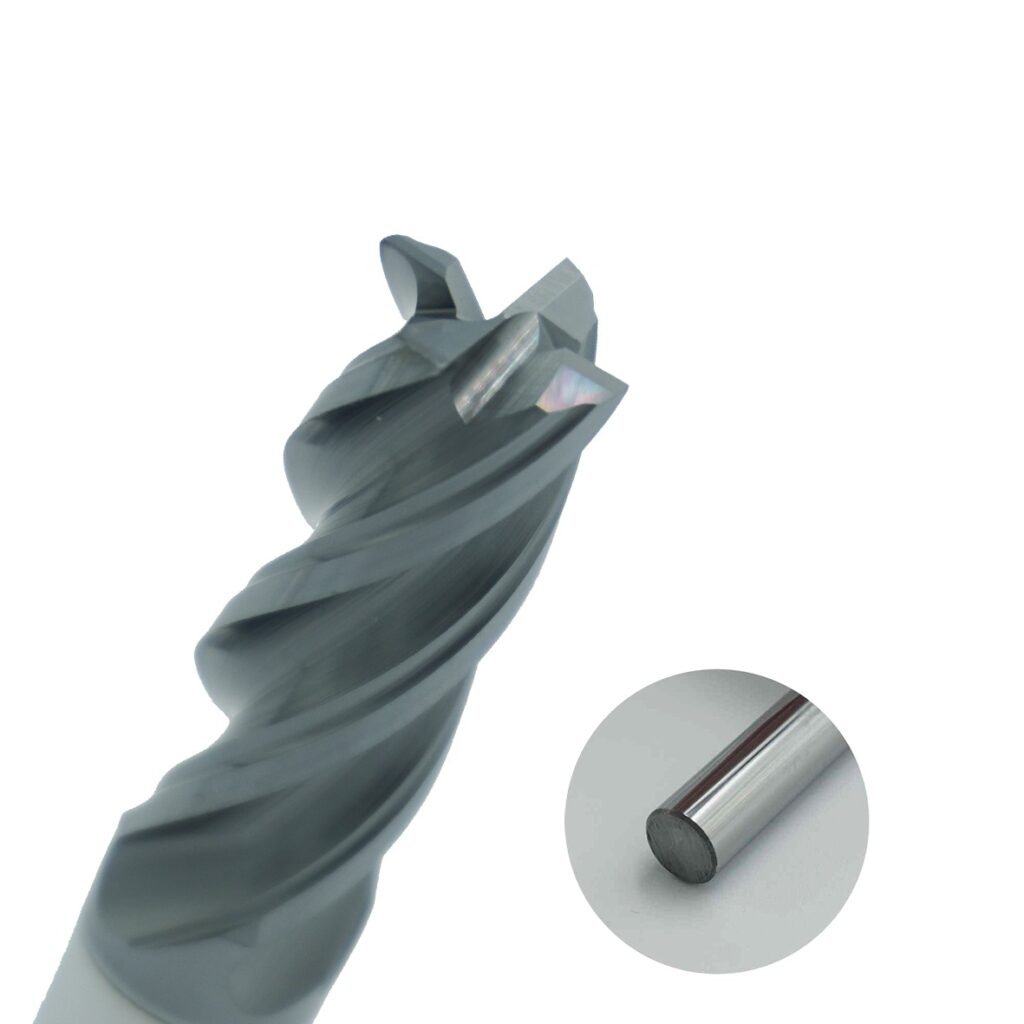
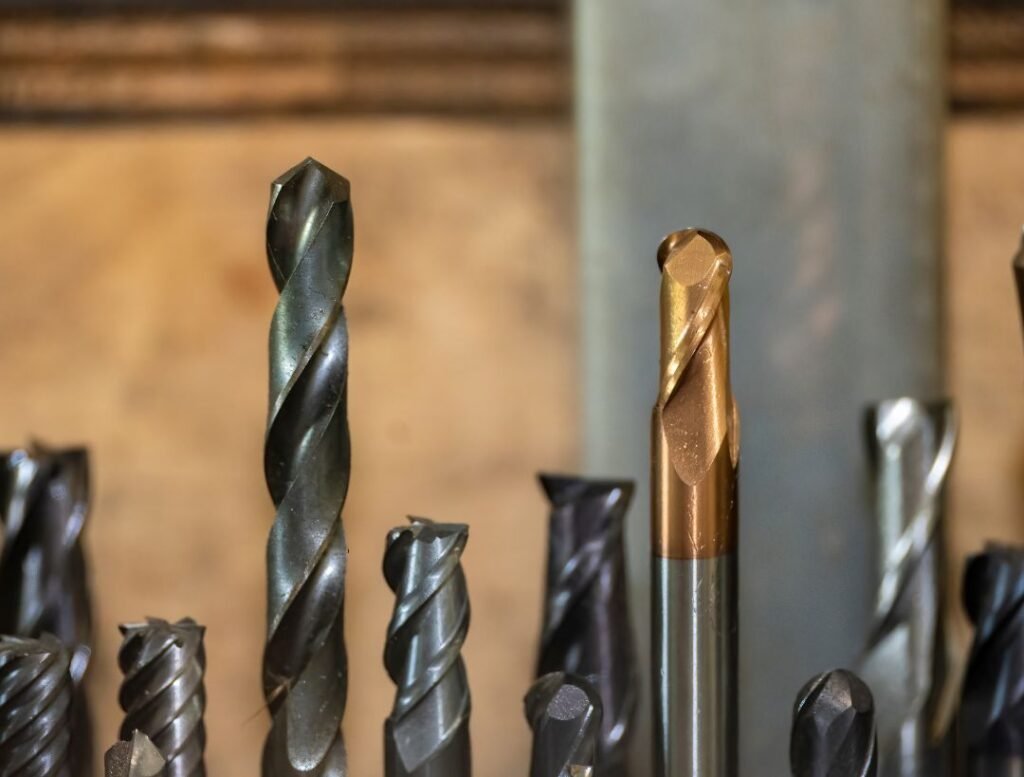
Whether you step into a small CNC workshop producing custom components or a large automated factory running around the clock, carbide tools are almost everywhere. End mills, drills, reamers, burrs, inserts—many of the most critical cutting operations in today’s manufacturing environment depend on carbide. But what makes tungsten carbide so widely used? And why has it become the preferred choice across industries that demand both precision and productivity?
The answer lies in performance.
Tungsten carbide combines exceptional hardness with wear resistance and thermal stability. It holds a sharp cutting edge even under high temperature and heavy cutting load, which allows it to machine faster than traditional high-speed steel while maintaining accuracy for longer periods. For manufacturers, this translates directly into longer tool life, more stable machining, better surface finish, and lower cost per part over time.
But the value of carbide becomes even clearer when we look at how it is used in real-world production.
Why Is Tungsten Carbide So Effective in Metal Cutting?
For most manufacturers, carbide tools are first introduced through metalworking.
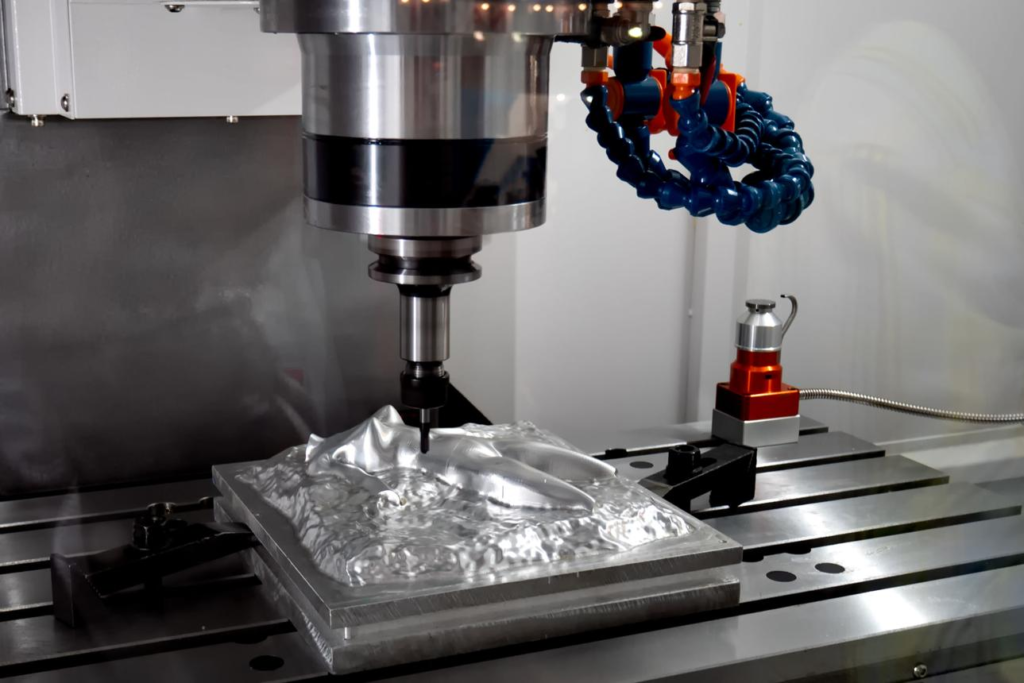
Metal cutting remains the largest application for tungsten carbide tools worldwide. From basic slot milling to complex contour machining, carbide tools are expected to remove material quickly while maintaining dimensional control. They are commonly used to machine carbon steel, alloy steel, stainless steel, cast iron, aluminum, copper, and many specialty alloys.
What makes carbide especially effective in metalworking is its ability to maintain cutting performance even when spindle speed increases. While conventional tooling materials may soften or wear rapidly at elevated temperatures, carbide remains stable. This makes it ideal for modern CNC machining centers where higher RPM, higher feed rates, and continuous production are now standard expectations rather than exceptions.
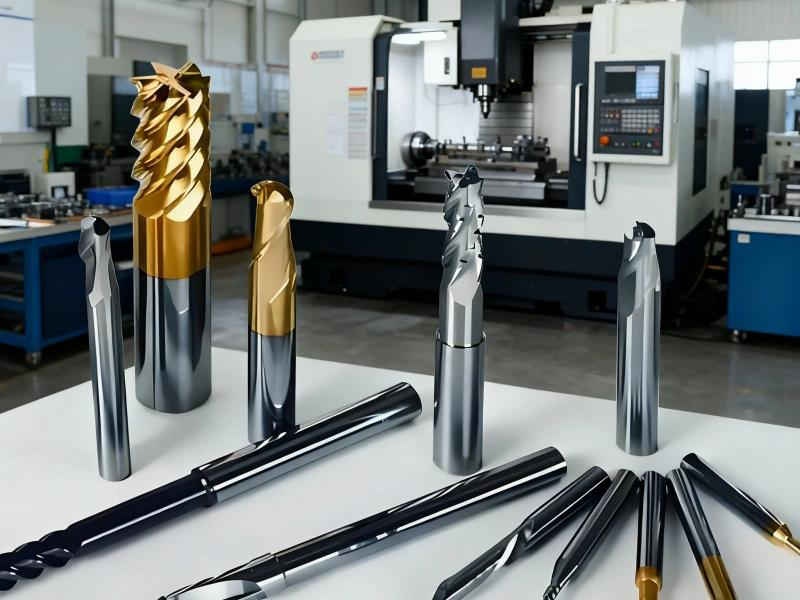
In steel machining, solid carbide square end mills and corner radius end mills are frequently chosen because they provide both rigidity and consistent edge performance. For stainless steel, manufacturers often prefer variable helix carbide end mills because they reduce vibration and improve chip evacuation. When machining aluminum, polished single flute or two flute carbide cutters are often selected to maximize chip clearance and surface quality.
The versatility of carbide in metalworking is one of the key reasons it remains central to modern machining.
How Does Carbide Improve Mold and Die Manufacturing?
Few industries place higher demands on cutting tools than mold and die manufacturing.
Mold makers are expected to produce highly accurate geometries with extremely fine surface finishes, often inside hardened materials and complex cavities. Every detail matters. Surface quality affects mold release. Dimensional accuracy affects product consistency. Tool wear affects production cost.
This is where carbide becomes especially valuable.
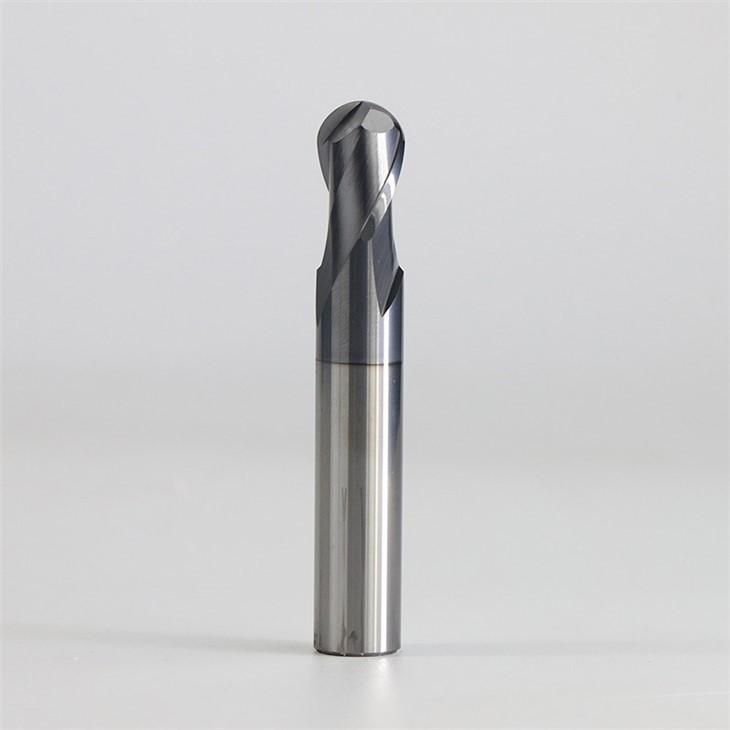
Solid carbide tools are widely used throughout mold manufacturing—from rough pocket milling to semi-finishing and detailed 3D surface finishing. Ball nose end mills are particularly important in this field because they allow smooth contour machining across curved surfaces and deep cavity profiles. Long neck carbide end mills are often used when deep reach is required without interference from the tool holder.
Because carbide resists wear so effectively, it allows mold manufacturers to maintain tighter tolerances over long machining cycles. This also reduces polishing work afterward, which is often one of the most time-consuming stages of mold production.
For shops producing injection molds, stamping dies, or die-casting tooling, carbide isn’t simply preferred—it’s often essential.
Where Does Carbide Fit Into Automotive Manufacturing?
The automotive industry is built on efficiency, consistency, and volume. Every second saved on the production line matters, and every tool must perform predictably over thousands or even millions of cutting cycles.
Carbide tooling plays a major role in making this possible.
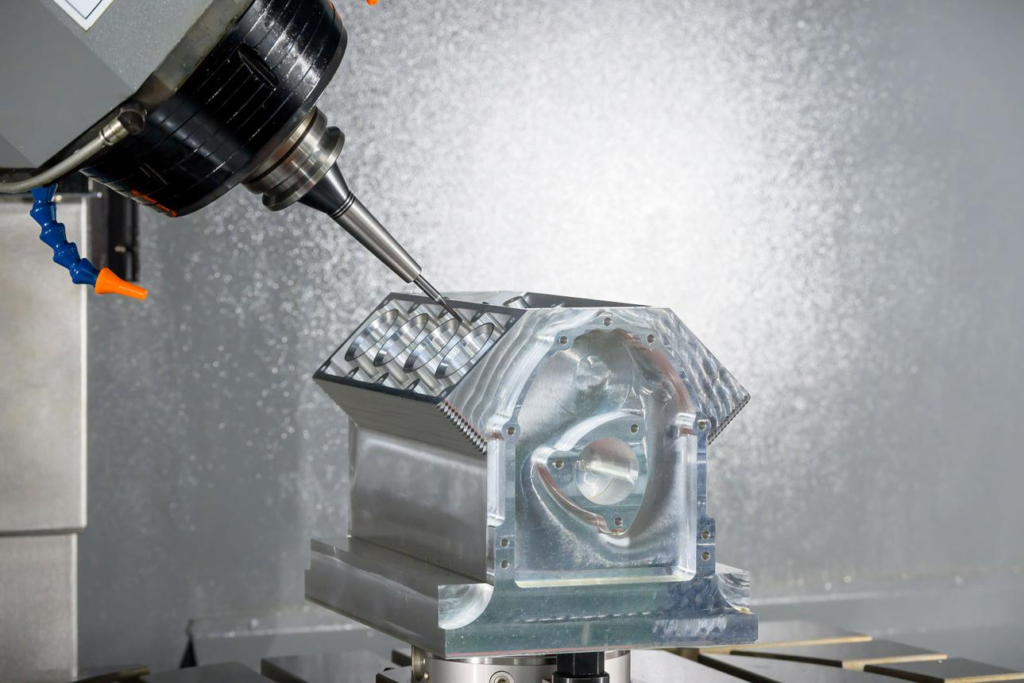
Engine blocks, cylinder heads, crankshafts, camshafts, transmission housings, brake components, and suspension parts are all commonly machined using carbide tools. These parts are often made from cast iron, alloy steel, or aluminum alloys, and each material presents its own cutting challenges.
Carbide makes it possible to machine these components at production scale without sacrificing precision. Its ability to maintain edge sharpness helps manufacturers hold tight tolerances while reducing tool changes and downtime.
This has become even more important with the rise of electric vehicles. EV manufacturing has dramatically increased demand for aluminum machining, especially in battery trays, motor housings, structural enclosures, and lightweight frame components. High-polish carbide end mills—particularly single flute and 2 flute tools—are now heavily used for these applications because they combine speed with excellent surface finish.
Can Tungsten Carbide Handle Aerospace Materials Like Titanium?
Aerospace machining is often where cutting tools are tested to their limits.
Materials such as titanium alloys, Inconel, nickel-based superalloys, and heat-resistant stainless steels are notoriously difficult to machine. They generate high heat during cutting, create heavy pressure at the cutting edge, and often resist chip evacuation. Tool wear happens fast if the geometry or grade is not correct.
This is precisely why carbide tooling is so important in aerospace production.
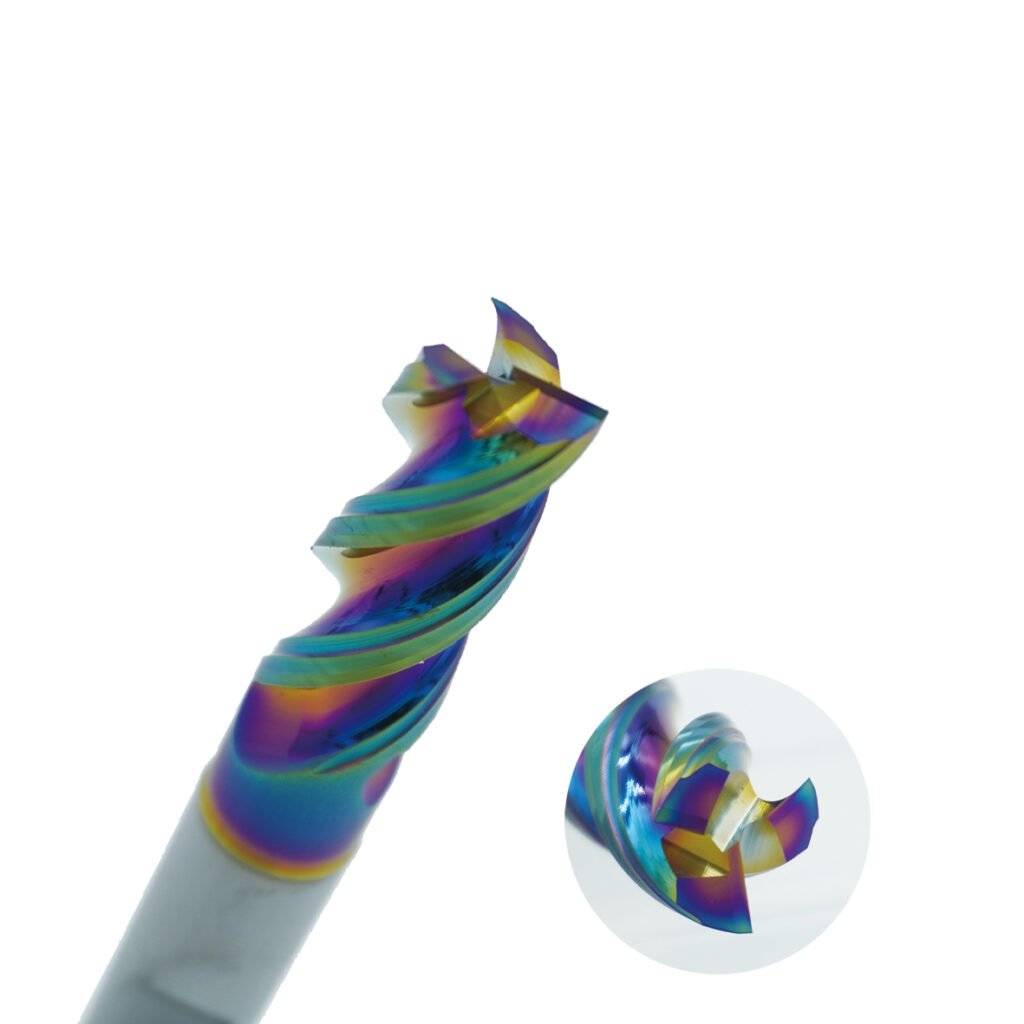
Tungsten carbide provides the hardness and thermal resistance needed to survive these demanding cutting conditions. With the right coating—such as TiAlN or AlTiN—carbide tools can maintain performance even at elevated temperatures common in titanium machining.
These tools are regularly used to machine turbine blades, landing gear components, engine housings, structural brackets, and aerospace fastener holes. In many of these operations, the cost of the workpiece is extremely high, which means tool reliability is critical. A failed tool doesn’t only mean replacing a cutter—it can mean damaging an expensive part already deep into production.
That’s why aerospace manufacturers continue to invest heavily in premium carbide tooling.
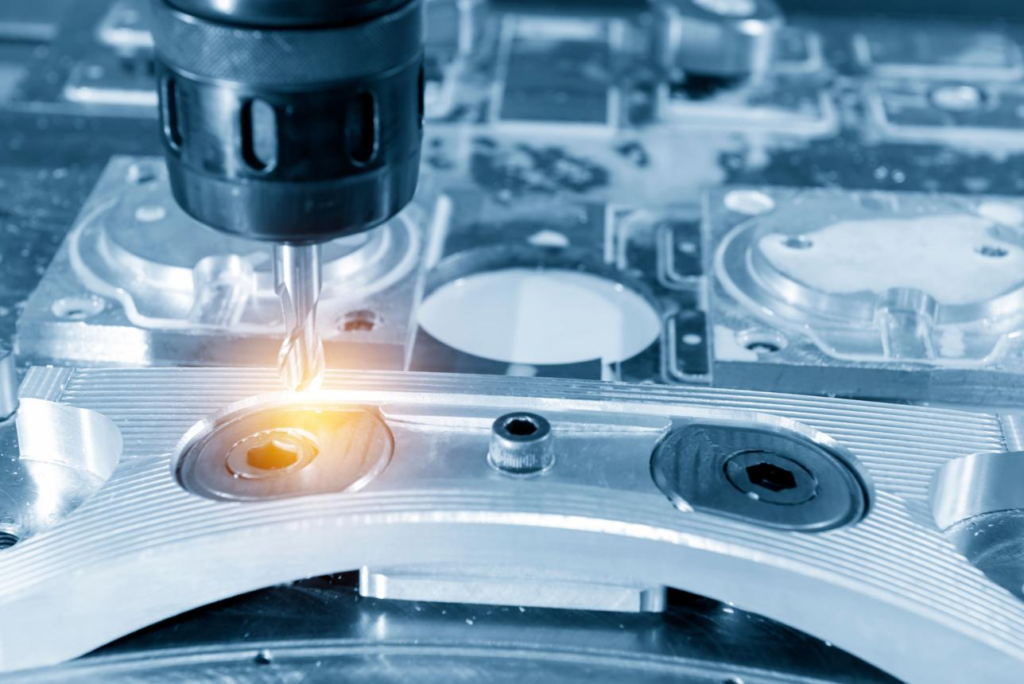
Why Are Carbide Tools So Important in Precision Electronics Manufacturing?
At the opposite end of the scale from aerospace lies electronics machining—smaller parts, tighter details, and even greater emphasis on precision.
Carbide tools are widely used in manufacturing smartphone frames, laptop housings, heat sinks, connector components, aluminum casings, and precision hardware.
What makes carbide ideal here is edge sharpness and dimensional stability.
In these applications, burr control matters. Surface finish matters. Repeatability matters. Even a small inconsistency can affect assembly quality or product appearance.
Micro-diameter carbide end mills are especially common in electronics machining because they allow extremely precise cutting while maintaining sufficient rigidity. This helps manufacturers achieve cleaner edges, finer detail, and more consistent production output at high speed.
Beyond Metal: Are Carbide Tools Used in Other Materials?
Absolutely.
Although carbide is best known for metal cutting, its application goes far beyond steel and aluminum.
In woodworking, carbide tools are widely used for routing, trimming, grooving, engraving, and panel processing. Their wear resistance makes them especially useful when machining abrasive engineered wood products like MDF or laminated board. Compared with conventional steel cutters, carbide stays sharp much longer and produces cleaner cutting edges.
Carbide is also widely used in stone processing and composite machining. Granite, marble, fiberglass, carbon fiber panels, and reinforced composite materials can all create rapid tool wear due to their abrasive structure. Carbide performs well in these environments because of its high hardness and ability to resist edge breakdown under abrasive contact.
This makes carbide a practical solution not only in metalworking shops but across a much wider manufacturing landscape.
How Do You Choose the Right Carbide Tool for the Application?
Selecting the correct carbide tool is not simply about choosing the hardest material. Geometry matters just as much as grade.
A tool designed for aluminum will behave very differently from one designed for hardened steel. Flute count, helix angle, coating, cutting edge preparation, neck relief, and chip evacuation design all influence performance.
A polished single flute cutter may be ideal for high-speed aluminum cutting because it evacuates chips quickly and prevents material welding. A 5-flute variable helix end mill may be better suited to stainless steel because it improves rigidity while minimizing vibration. A ball nose tool becomes essential for 3D contour work in mold finishing, while a corner radius end mill may perform better in roughing applications where edge strength matters most.
Matching the tool to the workpiece material and machining strategy is often the difference between average performance and exceptional productivity.
Final Thoughts: Why Carbide Remains the Standard in Modern Manufacturing
Across metalworking, mold manufacturing, automotive production, aerospace machining, electronics manufacturing, woodworking, and composite processing, tungsten carbide continues to prove its value every day.
Its success comes from a rare balance of durability, hardness, cutting efficiency, and precision. It machines faster, lasts longer, and performs more consistently than many traditional tooling materials under demanding production conditions.
For manufacturers focused on machining quality and productivity, carbide is no longer simply an upgrade—it has become the standard.
Whether the goal is roughing hardened steel, finishing mold cavities, cutting aluminum at high speed, or machining titanium for aerospace applications, choosing the right carbide tool can directly improve machining performance and production results.
At HNCarbide, we continue to develop carbide tooling solutions designed around real machining challenges—helping manufacturers around the world cut faster, achieve cleaner finishes, and machine with confidence.