Skip to content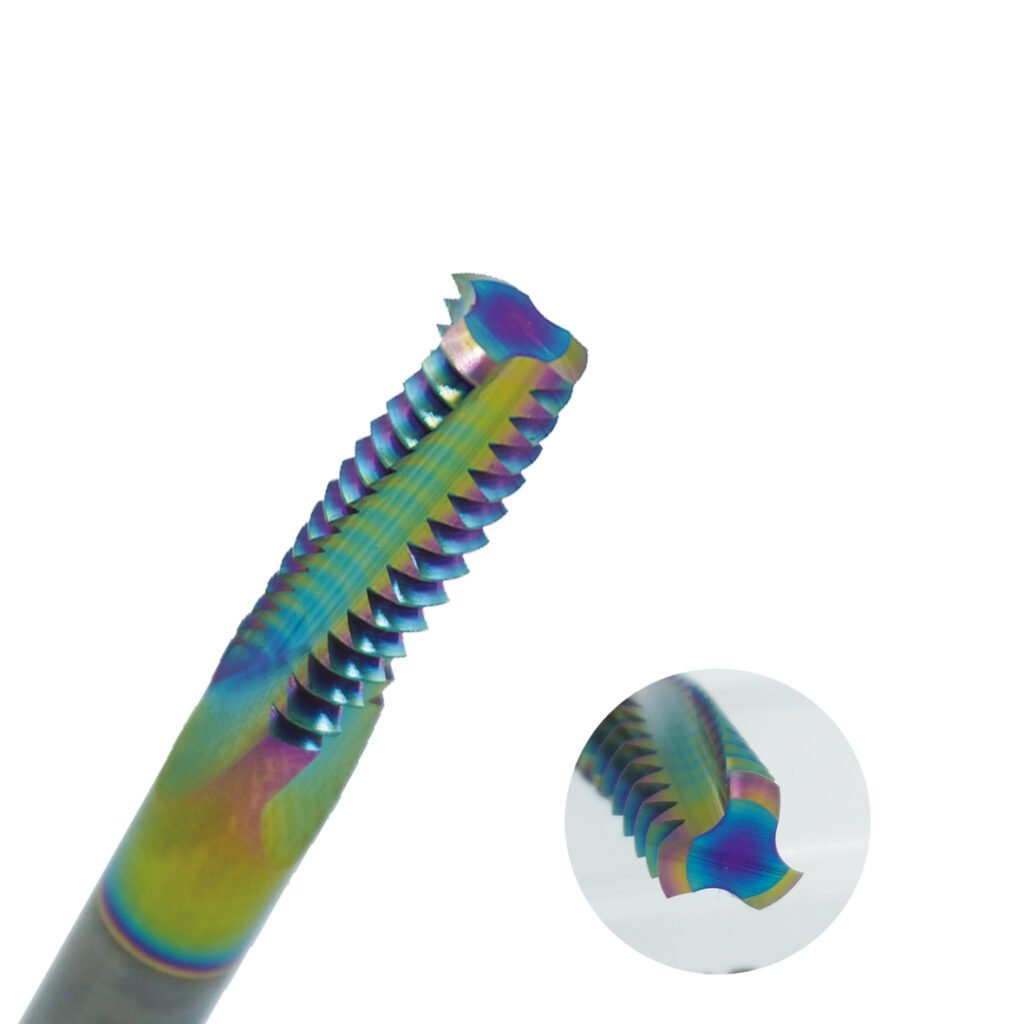

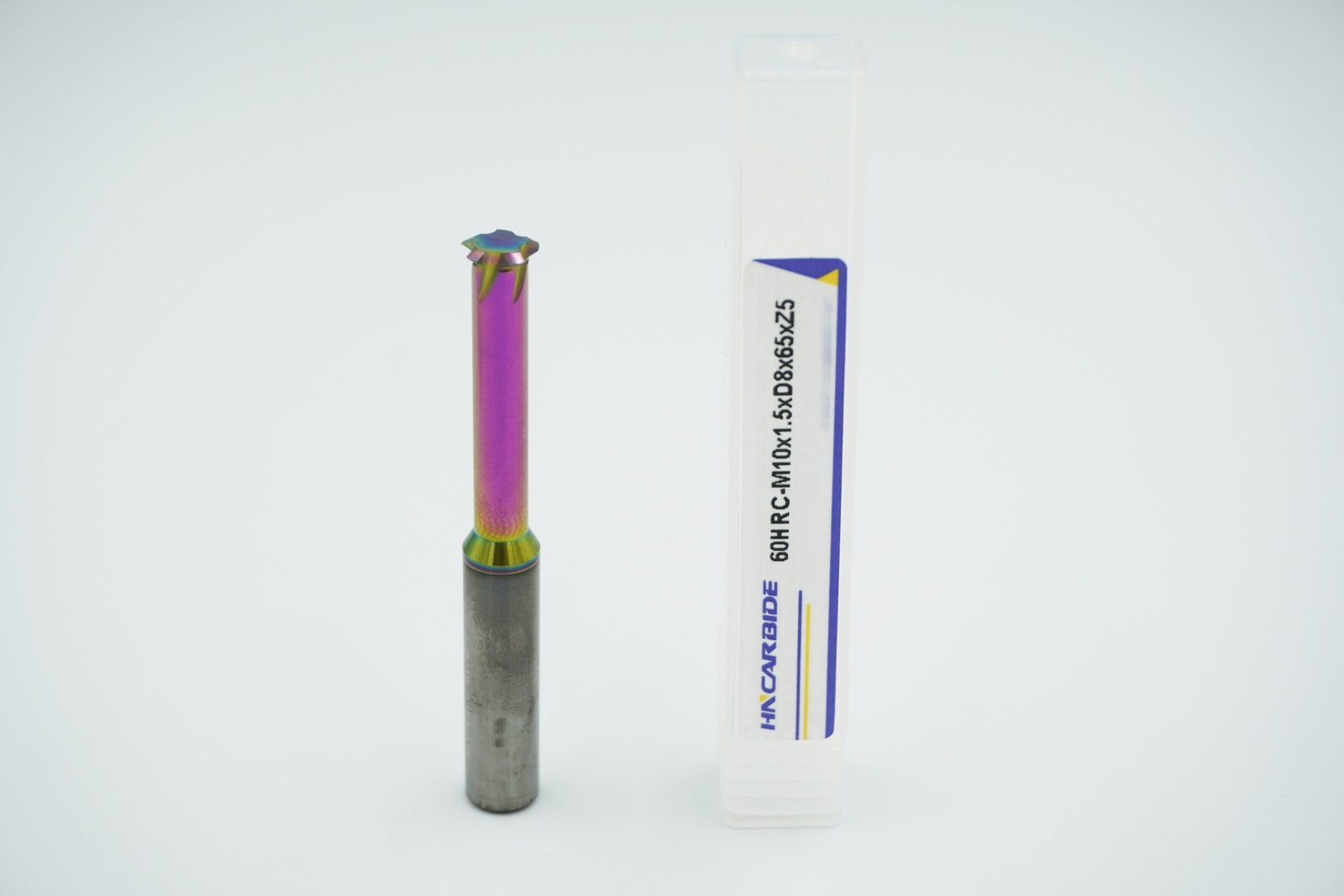
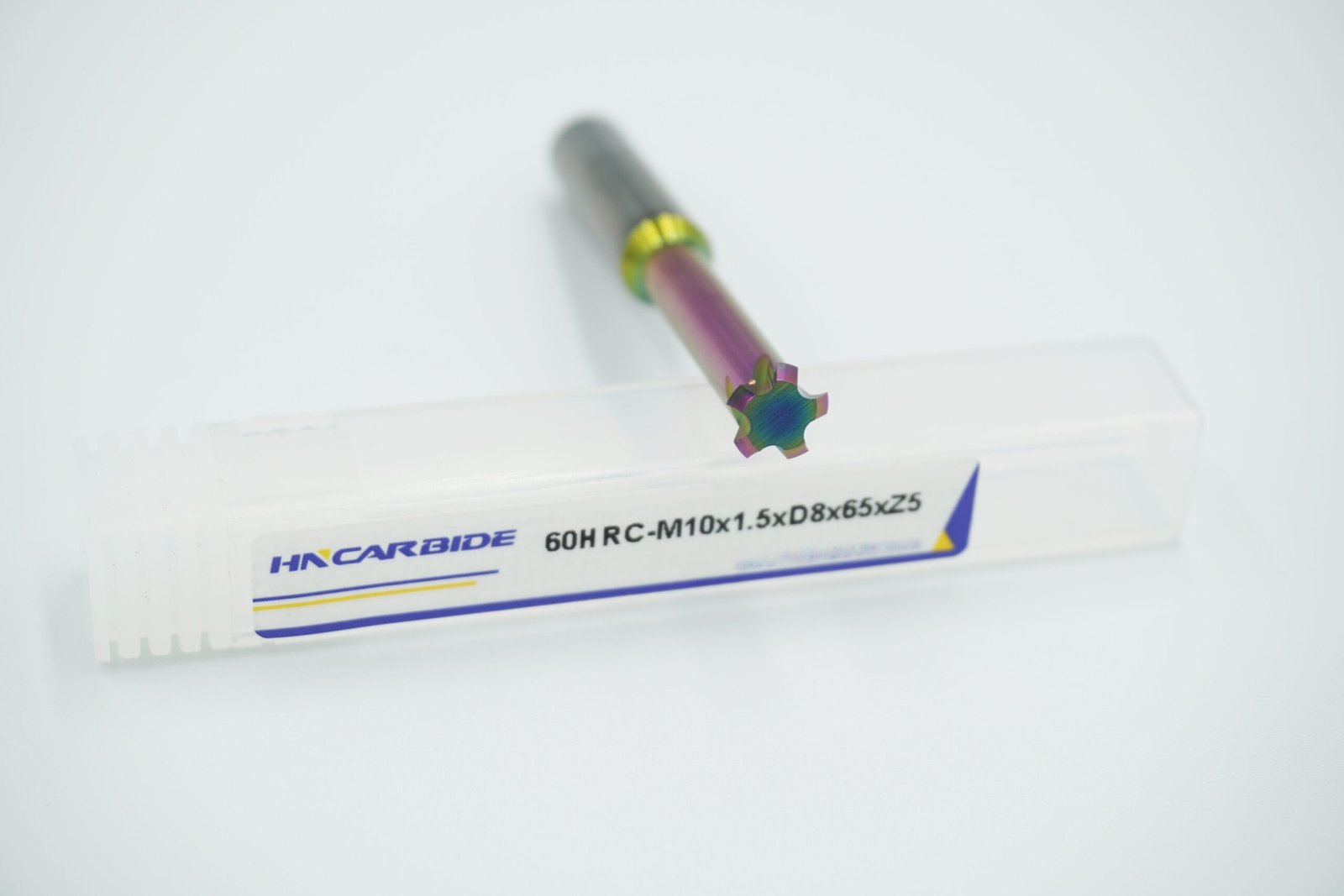
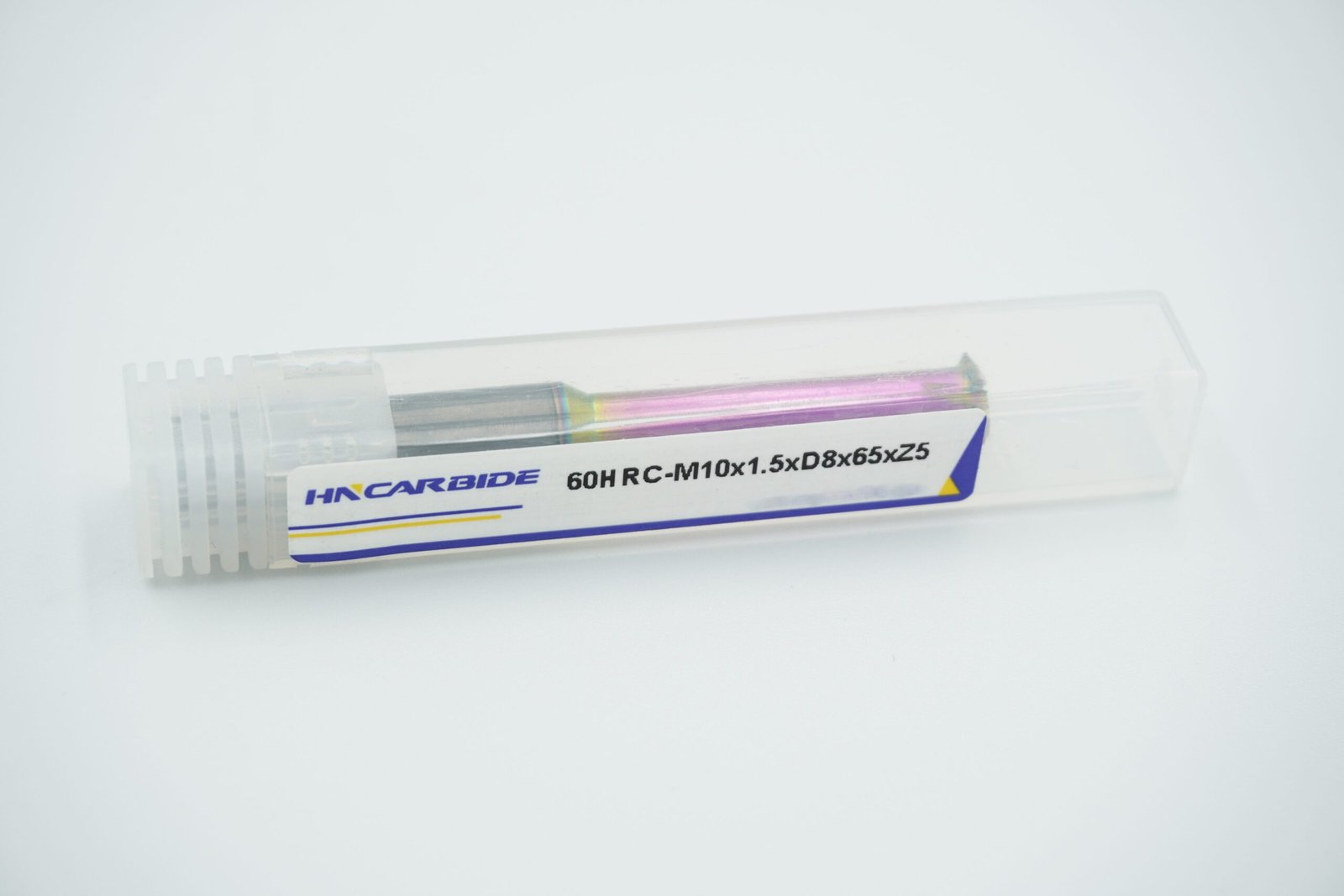
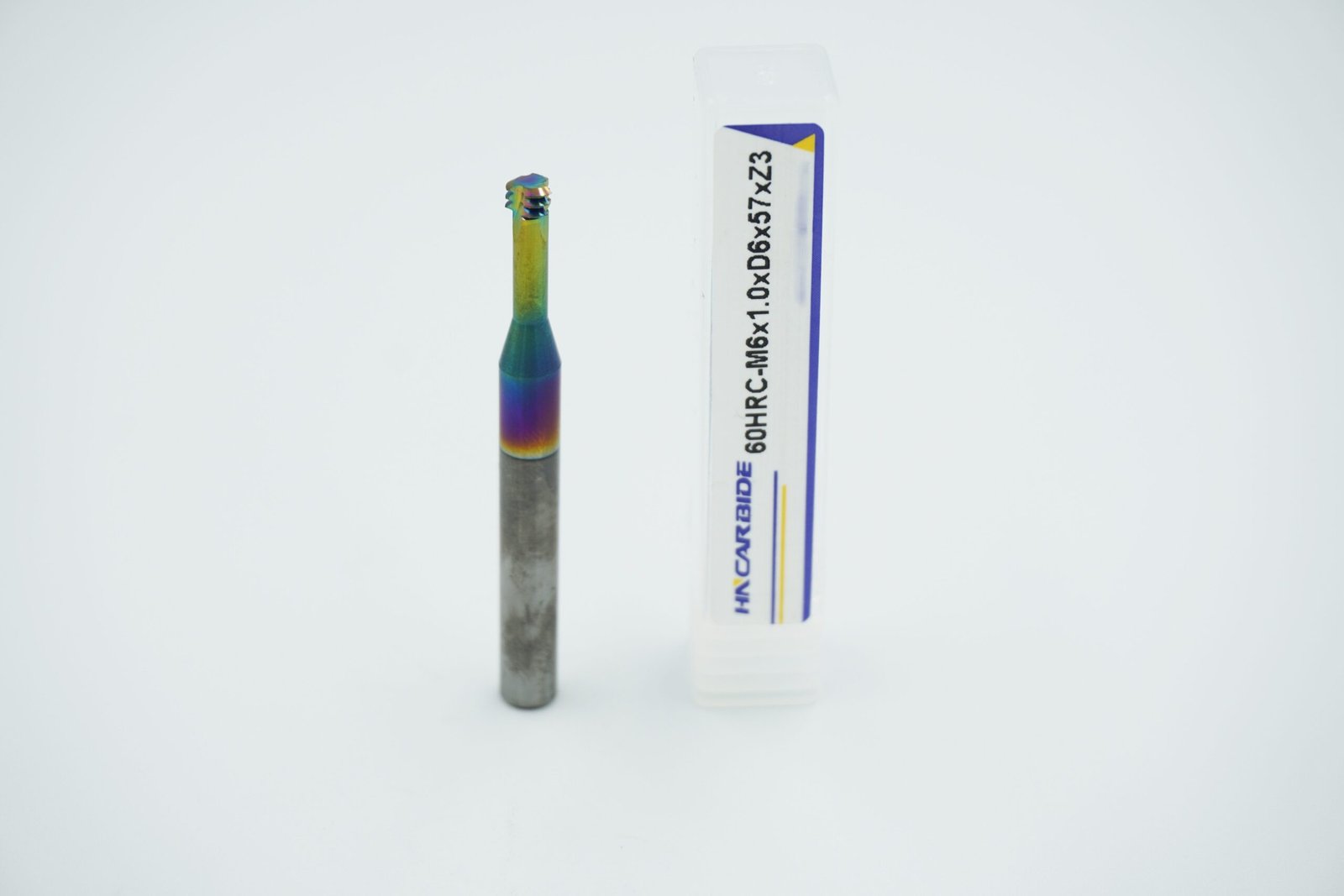
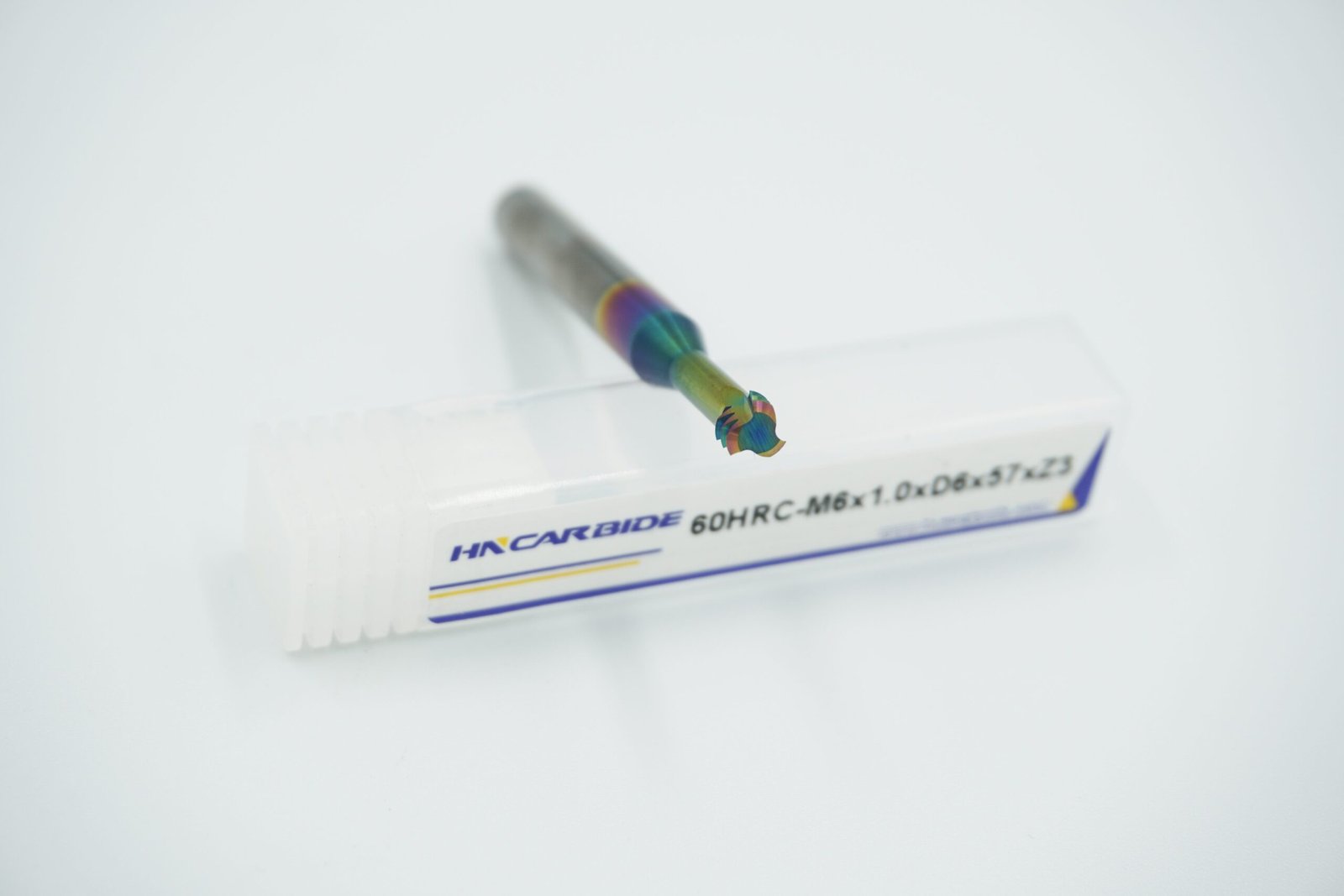
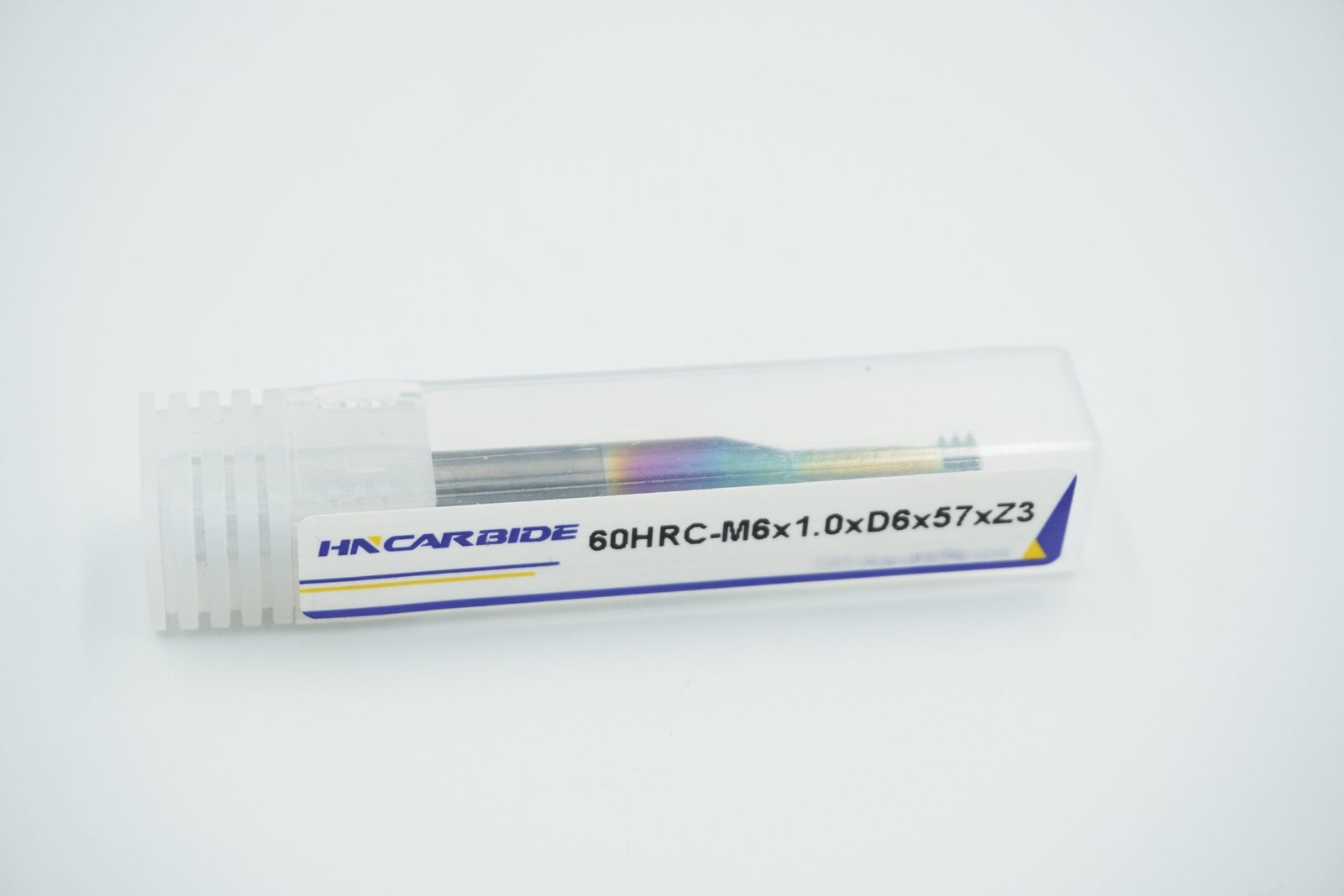
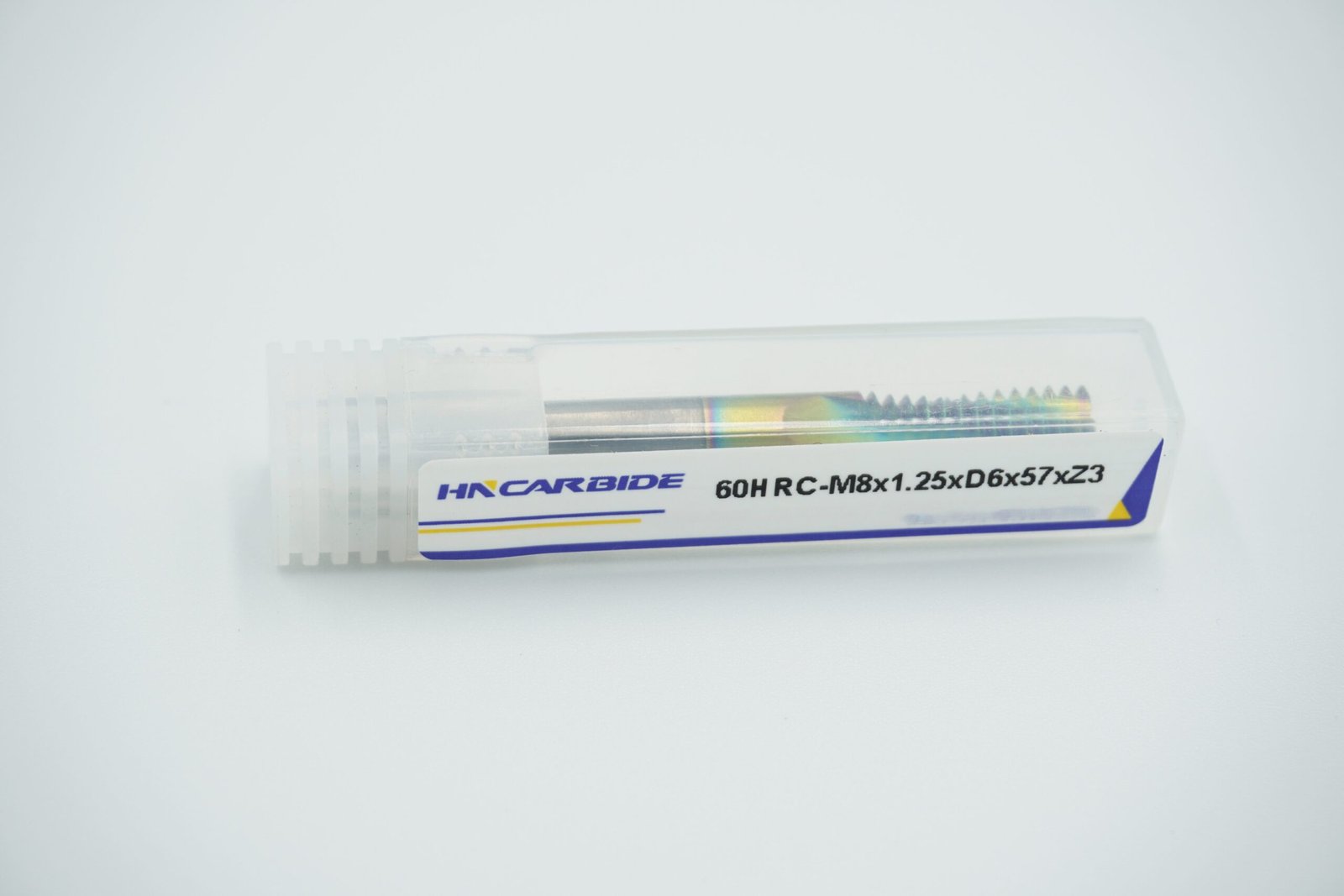
60HRC Single Form thread mill for aluminum is designed for high-speed, high-precision CNC threading in 6000/7000 series aluminum and other non-ferrous alloys. This solid carbide thread mill uses a 60HRC fine-grain substrate and polished flutes to reduce built-up edge, improve chip evacuation and deliver clean, accurate thread profiles with excellent surface finish.
As a single form thread mill, it offers maximum flexibility for different thread pitches, making it ideal for small-batch and custom parts on thread mill CNC programs. Optimized geometry for aluminum, combined with recommended thread mill speeds and feeds, helps extend tool life and keep cycle times low compared with conventional carbide thread mill designs. A 60° profile also makes it suitable as a 60 degree thread mill for standard metric and UN threads.
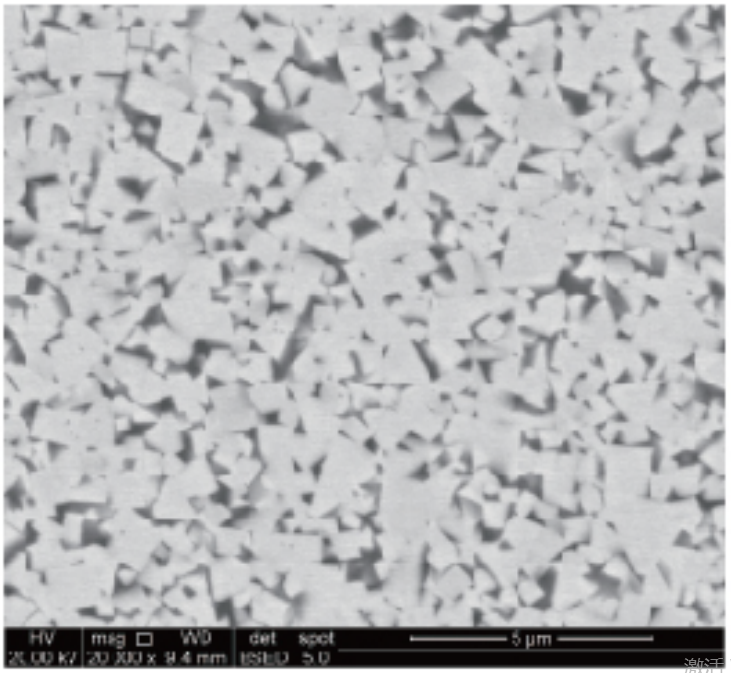
Grade HN40 is made from submicron WC powder, some speclal additlves added to optimize theproperties with good combination of hardness and toughness.
Its suitable for making drills and miling tools for machining stainless steel, tool steel and heat-resistingalloys.
| Grade | Cobalt content % | Grain size | Density g/cm³ | Hardness HRA | Hardness HV30 | MPa Transverse rupture strength | MPa ·m1/2 Fracture toughness MPa ·m1/2 |
|---|---|---|---|---|---|---|---|
| HN40 | 10 | 0.8 | 14.45 | 91.8 | 1,580 | 3,600 | 11.8 |
| Name/Grade | Composition | Physical Properties | Features | Applications |
|---|---|---|---|---|
| Bright | Nano-polishing layer: ultra-smooth surface formed by PVD or CVD, optionally with added Si or B elements. Metallic gloss layer: may contain highly reflective TiN (titanium nitride) or CrN (chromium nitride), giving a bright silver or golden appearance. | Hardness: 2500–3500 HV (nano-indentation). Friction coefficient: 0.1–0.2 (down to 0.05 for DLC composite coatings). Heat resistance: 600–800 °C (DLC may oxidise above 400 °C). Adhesion strength: ≥50 N (scratch test). Surface roughness: Ra < 0.02 µm (after polishing). | Mirror finish: nano-scale multilayer structure reduces surface defects and minimises the need for secondary polishing of the workpiece. Anti-adhesion: oleophobic / hydrophobic design (e.g. fluorine-containing compounds) prevents sticking of soft materials such as aluminium and copper. | Recommended materials: non-ferrous metals (aluminium, copper, magnesium alloys), high-finish steels (mould steels such as P20, NAK80; stainless steels 304, 316), composites (CFRP) and engineering plastics (PEEK, PTFE). Typical applications: precision moulds (mobile-phone housings, optical lens mould inserts), medical devices (artificial joints, dental implants), electronic components (aluminium heat sinks, copper electrodes). |
A thread mill is a rotating cutting tool that machines threads with a helical interpolation on a thread mill CNC program. Unlike a tap, one tool can cut different diameters of the same pitch, generates less cutting force and greatly reduces the risk of tool breakage in blind or hard materials.
A single form thread mill (also called single profile thread mill) has one or a few teeth that cut one thread profile and pitch per pass, giving maximum flexibility for different pitches. Multi-form or tri-form designs cut the full thread profile in fewer passes, which is faster for volume production but less flexible.
HNCarbide provides miniature sizes such as 0 80 thread mill, 2-56 thread mill, 4-40 thread mill and 6-32 thread mill for electronics, precision machinery and medical components. Larger sizes like 1/4-20 thread mill and 3 8 16 thread mill are also available for general engineering.
Yes, our carbide thread mill range is designed to offer performance comparable to popular options such as emuge thread mill, harvey tool thread mill, vardex thread mill or accupro thread mill, while giving you flexible customization and competitive pricing.
We offer guidelines for thread mill speeds and feeds based on material, tool diameter and coating. Our engineers can help you use a thread mill calculator or thread mill feeds and speeds chart to optimize tool life and cycle time.
Yes. We can produce non-standard tools according to your drawings, samples or machining requirements (material, coating, size, tolerance and application). Our engineers will evaluate and provide a quotation and lead time.
For serious buyers and distributors, we can offer free standard samples if in stock. Usually you only need to cover the freight cost. For customized tools, a sample fee may apply, which can be refunded or deducted in bulk orders.
Yes.
Regional or customer protection based on sales targets, avoiding price wars among our partners.
Catalogs, brochures, product photos, technical data sheets, online materials.
For key partners, joint promotion, exhibitions and digital marketing support.
Safety stock for fast-moving items and forecast-based production.
Priority production and regular shipments to reduce stock-out risk.
Clear quality warranty policy, quick response to claims.
Replacement, credit or other solutions after confirmation of issues.
Tool selection and cutting parameter advice.
Problem analysis for different materials and machines.
Online training, documents, and when possible, on-site support for key accounts.

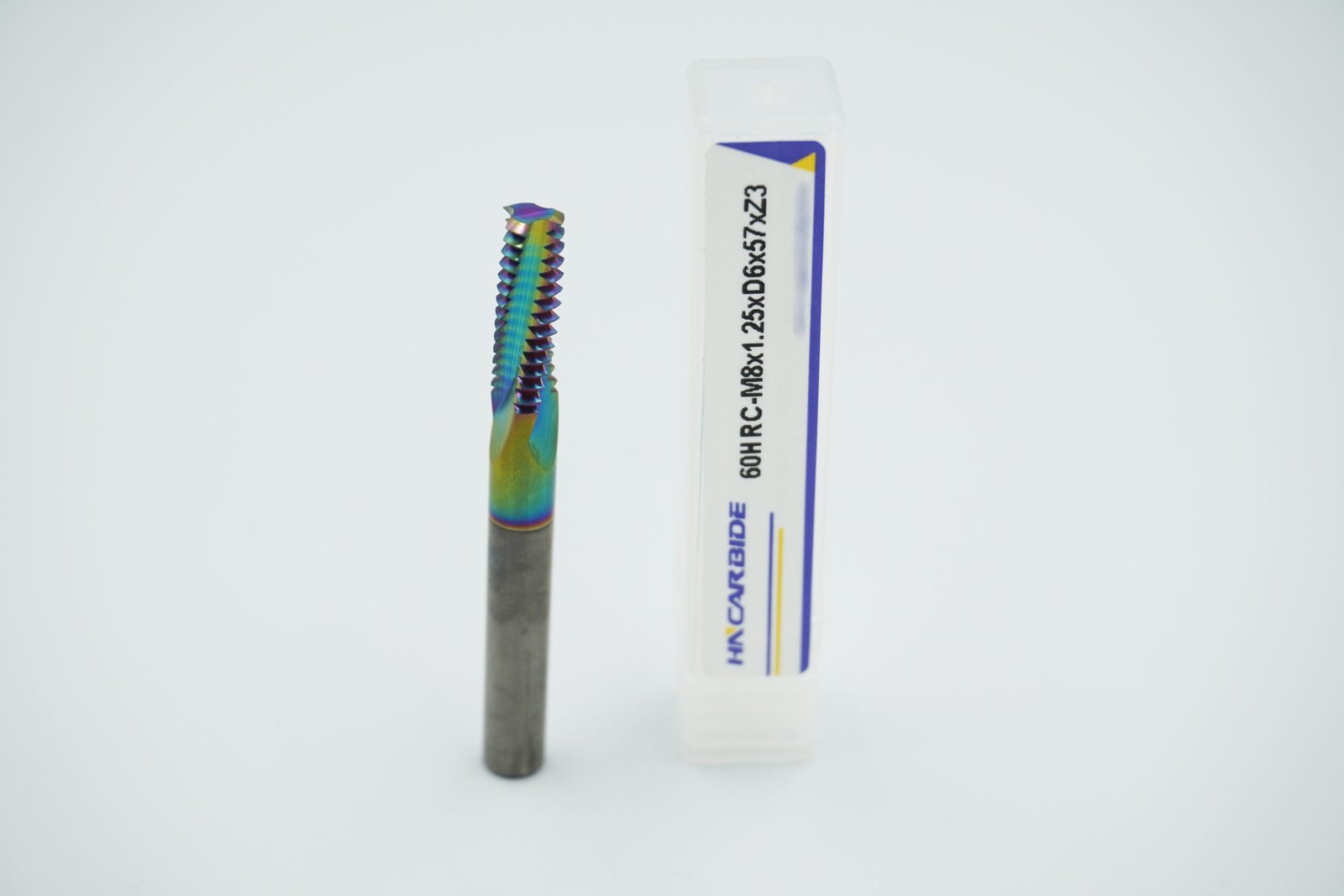
60HRC Tri-Form thread mill for aluminum is engineered for fast, stable production threading in 6000/7000 series aluminum and other non-ferrous alloys. This solid carbide thread mill uses a 60HRC fine-grain substrate and a tri-form full-profile design so multiple teeth share the load, cutting the complete thread profile in fewer passes compared with a single form thread mill. The result is shorter cycle times, consistent thread quality and reduced tool wear on high-speed thread mill CNC machines.
Optimized rake, clearance and polished flutes help minimize built-up edge in aluminum, improve chip evacuation and deliver clean, burr-reduced threads with excellent surface finish. With proper thread mill speeds and feeds, it is ideal for medium to large batch production where repeatable thread accuracy and productivity are critical.
Grade HN40 is made from submicron WC powder, some speclal additlves added to optimize theproperties with good combination of hardness and toughness.
Its suitable for making drills and miling tools for machining stainless steel, tool steel and heat-resistingalloys.
| Grade | Cobalt content % | Grain size | Density g/cm³ | Hardness HRA | Hardness HV30 | MPa Transverse rupture strength | MPa ·m1/2 Fracture toughness MPa ·m1/2 |
|---|---|---|---|---|---|---|---|
| HN40 | 10 | 0.8 | 14.45 | 91.8 | 1,580 | 3,600 | 11.8 |
| Name/Grade | Composition | Physical Properties | Features | Applications |
|---|---|---|---|---|
| Bright | Nano-polishing layer: ultra-smooth surface formed by PVD or CVD, optionally with added Si or B elements. Metallic gloss layer: may contain highly reflective TiN (titanium nitride) or CrN (chromium nitride), giving a bright silver or golden appearance. | Hardness: 2500–3500 HV (nano-indentation). Friction coefficient: 0.1–0.2 (down to 0.05 for DLC composite coatings). Heat resistance: 600–800 °C (DLC may oxidise above 400 °C). Adhesion strength: ≥50 N (scratch test). Surface roughness: Ra < 0.02 µm (after polishing). | Mirror finish: nano-scale multilayer structure reduces surface defects and minimises the need for secondary polishing of the workpiece. Anti-adhesion: oleophobic / hydrophobic design (e.g. fluorine-containing compounds) prevents sticking of soft materials such as aluminium and copper. | Recommended materials: non-ferrous metals (aluminium, copper, magnesium alloys), high-finish steels (mould steels such as P20, NAK80; stainless steels 304, 316), composites (CFRP) and engineering plastics (PEEK, PTFE). Typical applications: precision moulds (mobile-phone housings, optical lens mould inserts), medical devices (artificial joints, dental implants), electronic components (aluminium heat sinks, copper electrodes). |
A thread mill is a rotating cutting tool that machines threads with a helical interpolation on a thread mill CNC program. Unlike a tap, one tool can cut different diameters of the same pitch, generates less cutting force and greatly reduces the risk of tool breakage in blind or hard materials.
A single form thread mill (also called single profile thread mill) has one or a few teeth that cut one thread profile and pitch per pass, giving maximum flexibility for different pitches. Multi-form or tri-form designs cut the full thread profile in fewer passes, which is faster for volume production but less flexible.
HNCarbide provides miniature sizes such as 0 80 thread mill, 2-56 thread mill, 4-40 thread mill and 6-32 thread mill for electronics, precision machinery and medical components. Larger sizes like 1/4-20 thread mill and 3 8 16 thread mill are also available for general engineering.
Yes, our carbide thread mill range is designed to offer performance comparable to popular options such as emuge thread mill, harvey tool thread mill, vardex thread mill or accupro thread mill, while giving you flexible customization and competitive pricing.
We offer guidelines for thread mill speeds and feeds based on material, tool diameter and coating. Our engineers can help you use a thread mill calculator or thread mill feeds and speeds chart to optimize tool life and cycle time.
Yes. We can produce non-standard tools according to your drawings, samples or machining requirements (material, coating, size, tolerance and application). Our engineers will evaluate and provide a quotation and lead time.
For serious buyers and distributors, we can offer free standard samples if in stock. Usually you only need to cover the freight cost. For customized tools, a sample fee may apply, which can be refunded or deducted in bulk orders.
Yes.
Regional or customer protection based on sales targets, avoiding price wars among our partners.
Catalogs, brochures, product photos, technical data sheets, online materials.
For key partners, joint promotion, exhibitions and digital marketing support.
Safety stock for fast-moving items and forecast-based production.
Priority production and regular shipments to reduce stock-out risk.
Clear quality warranty policy, quick response to claims.
Replacement, credit or other solutions after confirmation of issues.
Tool selection and cutting parameter advice.
Problem analysis for different materials and machines.
Online training, documents, and when possible, on-site support for key accounts.

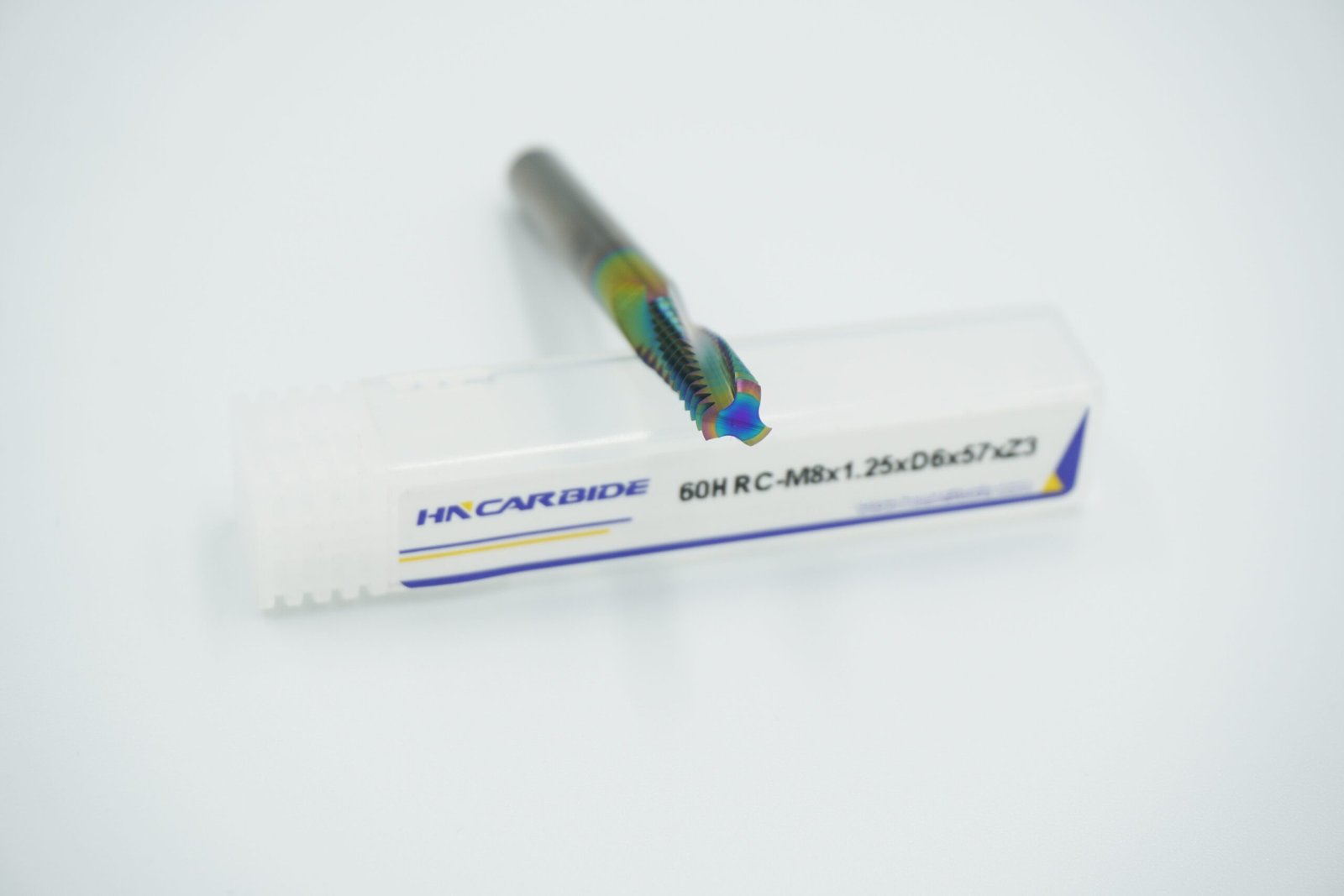
60HRC Multi-Form thread mill for aluminum is designed for high-efficiency CNC threading in 6000/7000 series aluminum and other non-ferrous alloys. This solid carbide thread mill uses a 60HRC fine-grain substrate and a multi-form full-profile design, allowing several teeth to cut multiple thread pitches or profiles in fewer passes. Compared with a single form thread mill, it delivers shorter cycle times, stable cutting and consistent thread quality in production environments.
Optimized geometry for aluminum—sharp rake, generous chip space and polished flutes—helps reduce built-up edge, improve chip evacuation and produce clean, burr-minimized threads with excellent surface finish. On modern thread mill CNC machines, using the proper thread mill speeds and feeds makes this tool ideal for medium to high volume threading where productivity and repeatability are critical.
Grade HN40 is made from submicron WC powder, some speclal additlves added to optimize theproperties with good combination of hardness and toughness.
Its suitable for making drills and miling tools for machining stainless steel, tool steel and heat-resistingalloys.
| Grade | Cobalt content % | Grain size | Density g/cm³ | Hardness HRA | Hardness HV30 | MPa Transverse rupture strength | MPa ·m1/2 Fracture toughness MPa ·m1/2 |
|---|---|---|---|---|---|---|---|
| HN40 | 10 | 0.8 | 14.45 | 91.8 | 1,580 | 3,600 | 11.8 |
| Name/Grade | Composition | Physical Properties | Features | Applications |
|---|---|---|---|---|
| Bright | Nano-polishing layer: ultra-smooth surface formed by PVD or CVD, optionally with added Si or B elements. Metallic gloss layer: may contain highly reflective TiN (titanium nitride) or CrN (chromium nitride), giving a bright silver or golden appearance. | Hardness: 2500–3500 HV (nano-indentation). Friction coefficient: 0.1–0.2 (down to 0.05 for DLC composite coatings). Heat resistance: 600–800 °C (DLC may oxidise above 400 °C). Adhesion strength: ≥50 N (scratch test). Surface roughness: Ra < 0.02 µm (after polishing). | Mirror finish: nano-scale multilayer structure reduces surface defects and minimises the need for secondary polishing of the workpiece. Anti-adhesion: oleophobic / hydrophobic design (e.g. fluorine-containing compounds) prevents sticking of soft materials such as aluminium and copper. | Recommended materials: non-ferrous metals (aluminium, copper, magnesium alloys), high-finish steels (mould steels such as P20, NAK80; stainless steels 304, 316), composites (CFRP) and engineering plastics (PEEK, PTFE). Typical applications: precision moulds (mobile-phone housings, optical lens mould inserts), medical devices (artificial joints, dental implants), electronic components (aluminium heat sinks, copper electrodes). |
A thread mill is a rotating cutting tool that machines threads with a helical interpolation on a thread mill CNC program. Unlike a tap, one tool can cut different diameters of the same pitch, generates less cutting force and greatly reduces the risk of tool breakage in blind or hard materials.
A single form thread mill (also called single profile thread mill) has one or a few teeth that cut one thread profile and pitch per pass, giving maximum flexibility for different pitches. Multi-form or tri-form designs cut the full thread profile in fewer passes, which is faster for volume production but less flexible.
HNCarbide provides miniature sizes such as 0 80 thread mill, 2-56 thread mill, 4-40 thread mill and 6-32 thread mill for electronics, precision machinery and medical components. Larger sizes like 1/4-20 thread mill and 3 8 16 thread mill are also available for general engineering.
Yes, our carbide thread mill range is designed to offer performance comparable to popular options such as emuge thread mill, harvey tool thread mill, vardex thread mill or accupro thread mill, while giving you flexible customization and competitive pricing.
We offer guidelines for thread mill speeds and feeds based on material, tool diameter and coating. Our engineers can help you use a thread mill calculator or thread mill feeds and speeds chart to optimize tool life and cycle time.
Yes. We can produce non-standard tools according to your drawings, samples or machining requirements (material, coating, size, tolerance and application). Our engineers will evaluate and provide a quotation and lead time.
For serious buyers and distributors, we can offer free standard samples if in stock. Usually you only need to cover the freight cost. For customized tools, a sample fee may apply, which can be refunded or deducted in bulk orders.
Yes.
Regional or customer protection based on sales targets, avoiding price wars among our partners.
Catalogs, brochures, product photos, technical data sheets, online materials.
For key partners, joint promotion, exhibitions and digital marketing support.
Safety stock for fast-moving items and forecast-based production.
Priority production and regular shipments to reduce stock-out risk.
Clear quality warranty policy, quick response to claims.
Replacement, credit or other solutions after confirmation of issues.
Tool selection and cutting parameter advice.
Problem analysis for different materials and machines.
Online training, documents, and when possible, on-site support for key accounts.
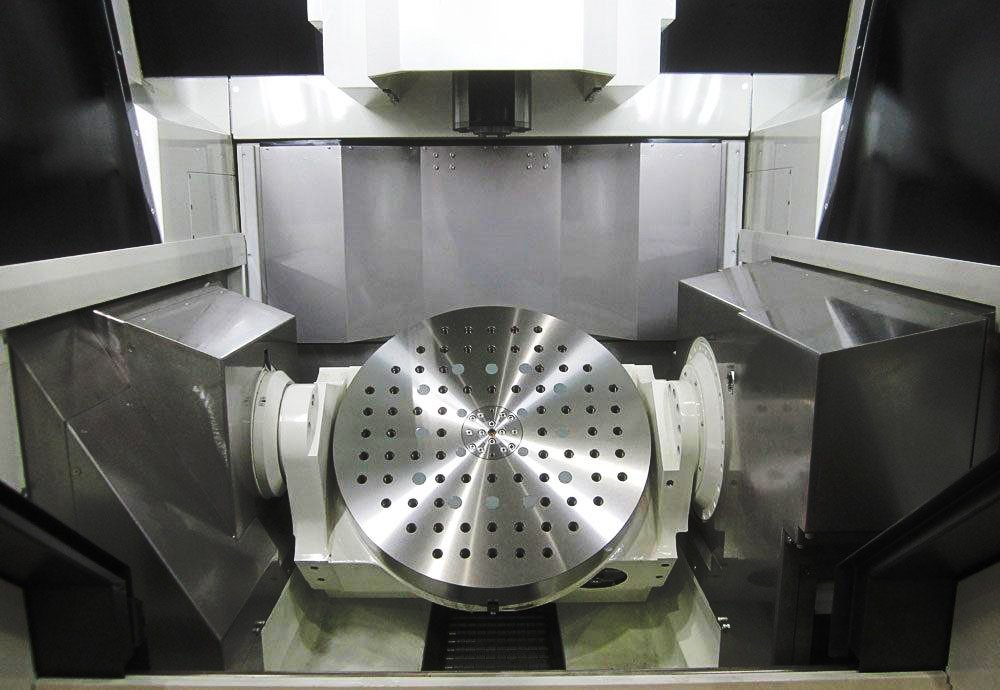
HNCarbide thread mill tools are widely used in automotive, mold and die, aerospace and general CNC engineering workshops. On modern thread mill CNC machines, they cut precise internal and external threads in steel, stainless steel, aluminum and cast iron in a single, controlled helical path.
From fine miniature threads such as 0 80 thread mill, 2-56 thread mill or 4-40 thread mill for electronics and medical parts, to common pitches like 1/4-20 thread mill, 3 8 16 thread mill and npt thread mill for fluid and mechanical connections, our carbide thread mill range helps you cover a broad mix of components with one consistent tool family. 55° and 60 degree thread mill profiles are available to match different international thread standards and drawing requirements.
Each HNCarbide thread mill is manufactured from fine-grain solid carbide thread mill blanks and finished on advanced CNC grinding centers to ensure accurate geometry, stable cutting edges and long tool life. Strict inspection and ISO-based process control keep diameter, pitch and profile within tight tolerances, providing consistent threads from batch to batch.
We offer both single form thread mill and single profile thread mill designs to support flexible programming or high-efficiency full-profile cutting. Optimized flute design and polishing improve chip evacuation and surface finish, even at aggressive thread mill speeds and feeds. For easier setup, our engineers can assist with using a thread mill calculator or thread mill generator and provide recommendations comparable to leading solutions such as accupro thread mill, vardex thread mill or harvey tool thread mill, helping you get reliable performance at a competitive cost.
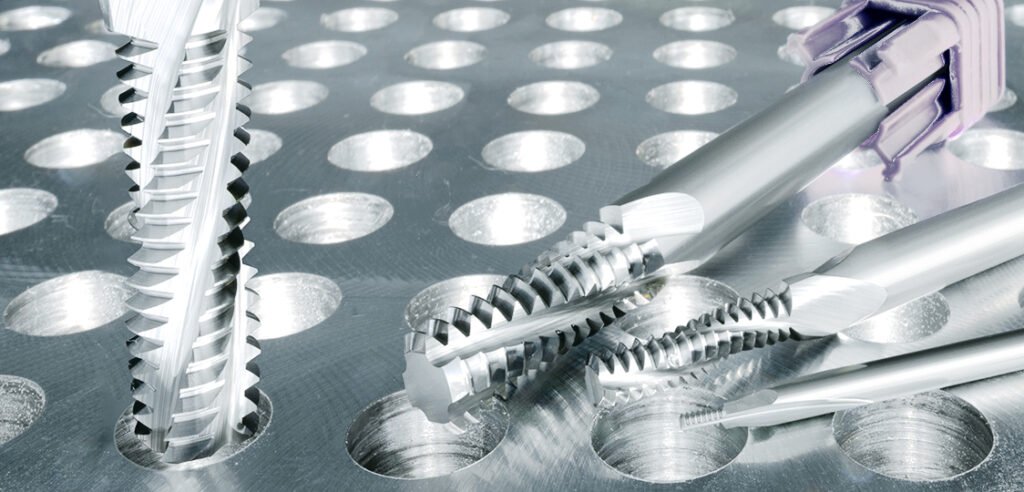
We Are Commited To Providing High-Quality, Customized solutions At An Affordable price While Also Prioritizing sustainability And ExcellentCustomer Service, These Qualities Make Us A Great choice For Your Thread Mill Needs
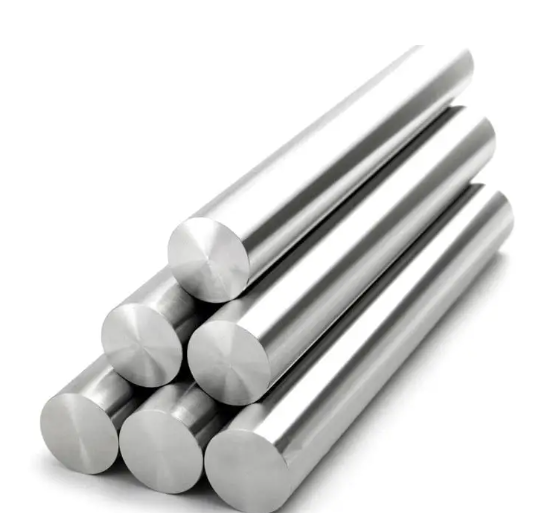
We Only Use unground tungsten carbide rods with HlP sintering and100% virgin material. Our grade includes lsO K05 to K40, frommachining carbon steel to aluminium, non-ferrous metals andtitanium or we develop grade for your applications.
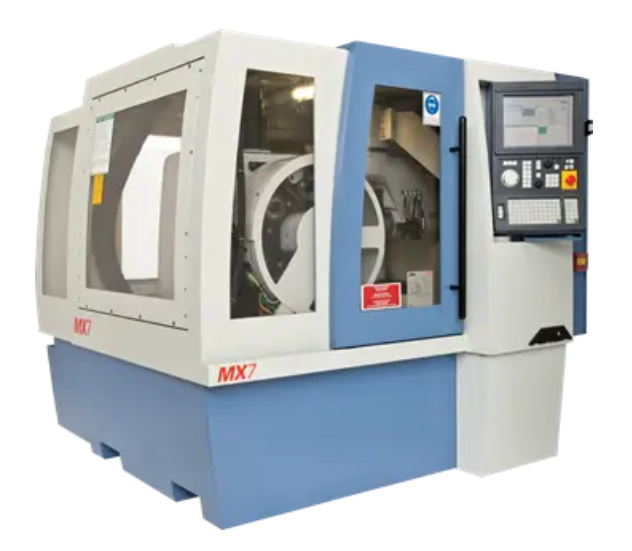
As a HNCarbide customer, you can enjoy five-axis high-precisiongrinding machines from Australia’s ANCA or Germany’s Walter. Themodern workshop with constant temperature and humidity ensuresthe accuracy of each Thread Mill.
Each of your tungsten Thread Mill will be sandblasted to effectively remove burrs and improve the finish.
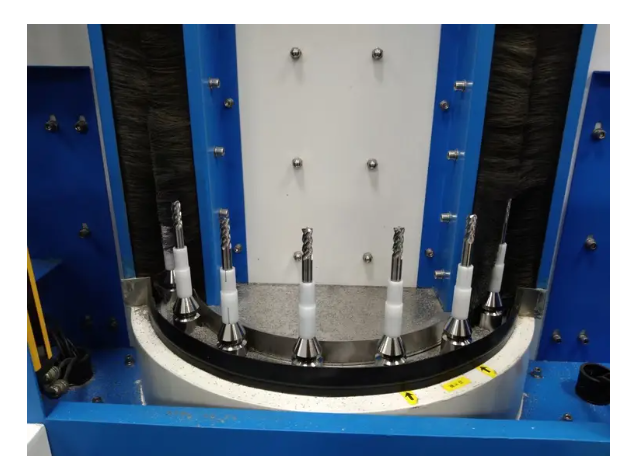
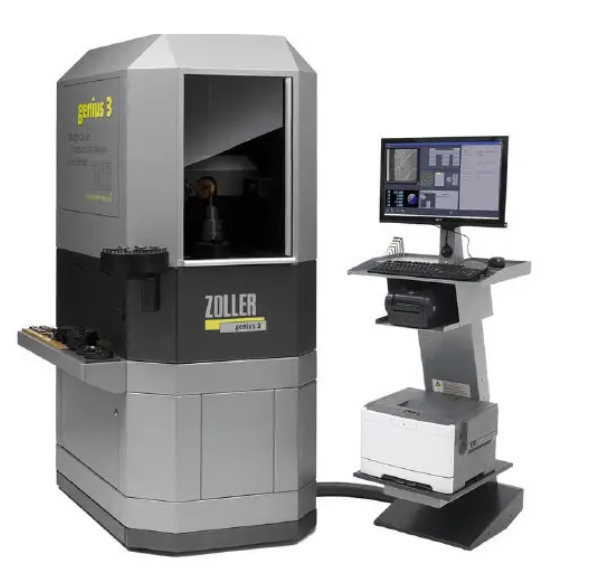
All HNCarbide’s Thread Mill will be monitored on WALTER HELICHEEK andZOLLER GENlUS 3 to ensure that every dimension is qualified. We arecommitted to controlling the tolerance within 3 UM.
At HNCarbide, every shipment is meticulously packaged to ensure your tools arrive intact.
Each HNCarbide’s Thread Mill is individually placed in a shock-resistant protective case, labeled with complete specifications, and sealed in moisture-proof packaging material before being boxed.
Large-volume orders are reinforced with double-wall cardboard boxes or wooden crates to maximize safety during international shipping.
We collaborate with reliable logistics partners to ensure goods are delivered quickly and securely to their destination via air freight, sea freight, or express courier.


A thread mill is a rotating cutting tool that machines threads with a helical interpolation on a thread mill CNC program. Unlike a tap, one tool can cut different diameters of the same pitch, generates less cutting force and greatly reduces the risk of tool breakage in blind or hard materials.
A single form thread mill (also called single profile thread mill) has one or a few teeth that cut one thread profile and pitch per pass, giving maximum flexibility for different pitches. Multi-form or tri-form designs cut the full thread profile in fewer passes, which is faster for volume production but less flexible.
HNCarbide provides miniature sizes such as 0 80 thread mill, 2-56 thread mill, 4-40 thread mill and 6-32 thread mill for electronics, precision machinery and medical components. Larger sizes like 1/4-20 thread mill and 3 8 16 thread mill are also available for general engineering.
Yes, our carbide thread mill range is designed to offer performance comparable to popular options such as emuge thread mill, harvey tool thread mill, vardex thread mill or accupro thread mill, while giving you flexible customization and competitive pricing.
We offer guidelines for thread mill speeds and feeds based on material, tool diameter and coating. Our engineers can help you use a thread mill calculator or thread mill feeds and speeds chart to optimize tool life and cycle time.
Yes. We can produce non-standard tools according to your drawings, samples or machining requirements (material, coating, size, tolerance and application). Our engineers will evaluate and provide a quotation and lead time.
For serious buyers and distributors, we can offer free standard samples if in stock. Usually you only need to cover the freight cost. For customized tools, a sample fee may apply, which can be refunded or deducted in bulk orders.
Yes.
Regional or customer protection based on sales targets, avoiding price wars among our partners.
Catalogs, brochures, product photos, technical data sheets, online materials.
For key partners, joint promotion, exhibitions and digital marketing support.
Safety stock for fast-moving items and forecast-based production.
Priority production and regular shipments to reduce stock-out risk.
Clear quality warranty policy, quick response to claims.
Replacement, credit or other solutions after confirmation of issues.
Tool selection and cutting parameter advice.
Problem analysis for different materials and machines.
Online training, documents, and when possible, on-site support for key accounts.
For many CNC shops, threading still means taps and dies. But as parts become more complex and materials get tougher, more engineers are turning to the thread mill as a safer and more flexible solution. With the right carbide thread mill and a good program, you can cut precise internal or external threads, protect expensive parts from scrap, and reduce your tooling inventory at the same time.
A thread mill is a rotating cutting tool that machines threads using a helical interpolation on your CNC. Instead of pushing a tap straight into the hole, the tool moves in X, Y and Z at the same time and “climbs” along the thread path.
Because the tool is smaller than the hole, cutting forces are much lower than tapping. If something goes wrong, the tool usually chips instead of snapping off deep inside the part. This alone is a big reason many high-value aerospace and mold components are now produced with thread mill CNC programs.
Modern thread milling is almost always done with a solid carbide thread mill. The fine-grain carbide substrate and advanced coatings allow higher cutting speeds and excellent wear resistance in alloy steel, stainless steel and superalloys.
HSS tools still have their place in low-speed, low-cost jobs, but when you run 3-axis interpolation at high rpm, a carbide thread mill is much more stable. The harder material maintains sharp edges, which is essential for small threads like a 0 80 thread mill or 2-56 thread mill used in electronics, medical or precision instruments.
One of the most important choices when selecting a thread mill is the cutting profile.
A single form thread mill (also called a single profile thread mill) has one or a few teeth that match the basic thread shape, usually a 60 degree thread mill for metric and UN standards or a 55 degree thread mill for certain pipe and imperial forms. You cut the full depth over several passes.
This design is very flexible: the same tool can cut many diameters of the same pitch, and even left- or right-hand threads, just by changing the CNC program. For job shops that do frequent changeovers or small batches, single form tools are often the most economical choice.
Multi-form tools have several teeth that reproduce the complete thread profile. They can cut the full depth in one or two passes, which is ideal for medium and high-volume production. HNCarbide offers both types so you can choose between maximum flexibility and maximum productivity.
One strength of thread milling is its coverage of a broad size range with a short tool list. In a typical workshop you might see:
0 80 thread mill for miniature screws
4 40 thread mill and 6 32 thread mill for small mechanical assemblies
10 32 thread mill and 1/4-20 thread mill for general engineering
3 8 16 thread mill, 1 2 13 thread mill and 3 4 10 thread mill for heavy fixtures and machine components
With the right programming, one thread mill can often handle multiple diameters of the same pitch, so you don’t need a separate tap for every hole size.
For fluid systems and pressure lines, an npt thread mill lets you create tapered pipe threads with precise control over depth and engagement. This is especially useful in stainless steel manifolds and hydraulic blocks where broken pipe taps are very costly.
Even the best tool needs proper cutting data. Choosing suitable thread mill speeds and feeds keeps cutting forces under control and protects the corners of the profile.
Most CAM systems now include a thread mill calculator or built-in thread mill generator that outputs the helical toolpath and recommends starting parameters. For example:
In aluminum and non-ferrous alloys, you can use high cutting speeds and a relatively large chip load.
In hardened steels or stainless steels, reduce both speed and feed, and use climb milling to reduce tool wear.
Always check radial engagement; the thread mill cuts mainly with its side, so too much engagement can overload the flutes.
HNCarbide provides recommended tables for thread mill feeds and speeds with every tool series, and our engineers can help you fine-tune them for your machine, holder and coolant conditions.
Many users first learn thread milling through well-known systems such as emuge thread mill, harvey tool thread mill, vardex thread mill, advent thread mill or accupro thread mill. These brands prove how effective thread milling can be in demanding industries.
HNCarbide designs its own thread mill range to deliver similar performance with more flexible customization. We can adjust shank length, neck relief and coating to match your material mix and fixture layout, so you don’t have to compromise your program to fit an off-the-shelf tool.
When you select a thread mill, consider the following points:
Material – For tough steels and stainless steels, choose a coated solid carbide thread mill with high wear resistance. For aluminum, a sharp, polished flute geometry reduces built-up edge.
Thread standard and angle – Check whether you need a 60° or 55° profile, or a special form like NPT.
Batch size – Use a single form thread mill if you frequently change thread sizes and pitches; choose a multi-form tool if you run long batches of the same thread.
Hole type – For blind holes, make sure the cutting length and chamfer allow safe clearance at the bottom.
Machine capability – Verify that your control supports helical interpolation and that your spindle has enough rpm for small diameters.
For shops that want flexibility, safety and high thread quality, the thread mill is becoming a standard tool rather than a special option. With the right choice of carbide thread mill, proper thread mill speeds and feeds, and support from a reliable supplier, you can reduce scrap, simplify your tool inventory and keep your CNC machines ready for any new drawing that arrives.
HNCarbide is ready to help you select the best thread mill for your materials and thread standards, from tiny 0 80 thread mill tools to robust 1/2-inch and larger sizes, so your workshop can move confidently from tapping to modern thread milling.






WhatsApp us
Before you go, please note that we offer the most up-to-date industry research reports and the most comprehensive product catalogs, so please contact us if you are interested!
Before you go, please note that we offer the most up-to-date industry research reports and the most comprehensive product catalogs, so please contact us if you are interested!
 Optimized by Seraphinite Accelerator