Skip to content
The most comprehensive end mills guide: What are the types, uses and selection techniques of end mills?
Table of Contents
Introduction
In the world of machining, selecting the right cutting tool is crucial for achieving high-quality results.
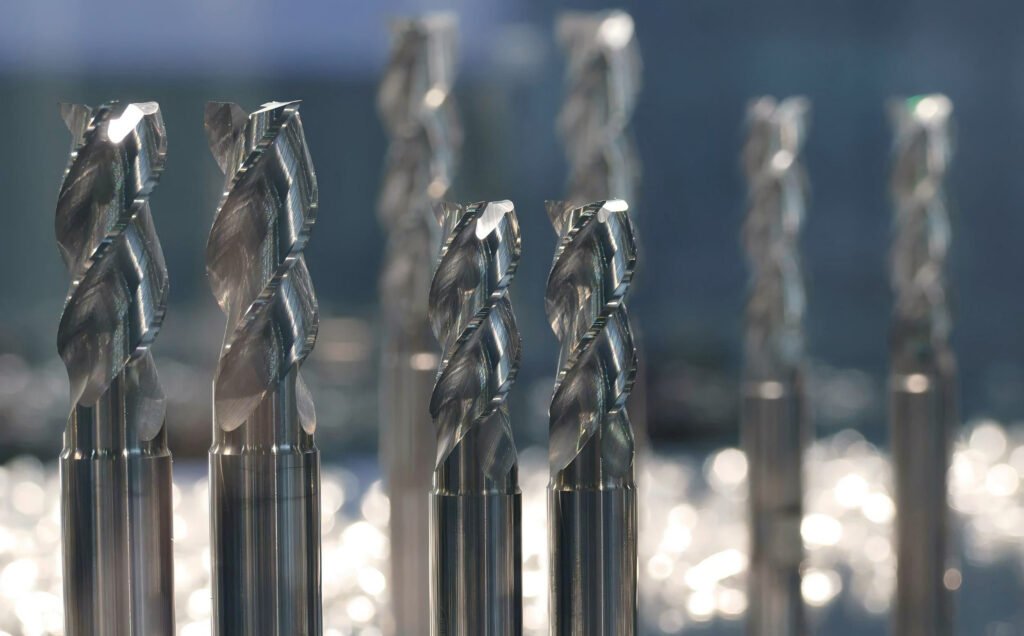
One of the most commonly used tools in the industry is the end mill. Whether you’re working with metals, plastics, or even wood, end mills are essential for precise cutting, shaping, and finishing operations.
In this article, we will explore everything you need to know about end mills, from types and sizes to their applications in various industries.
What is an End Mill?
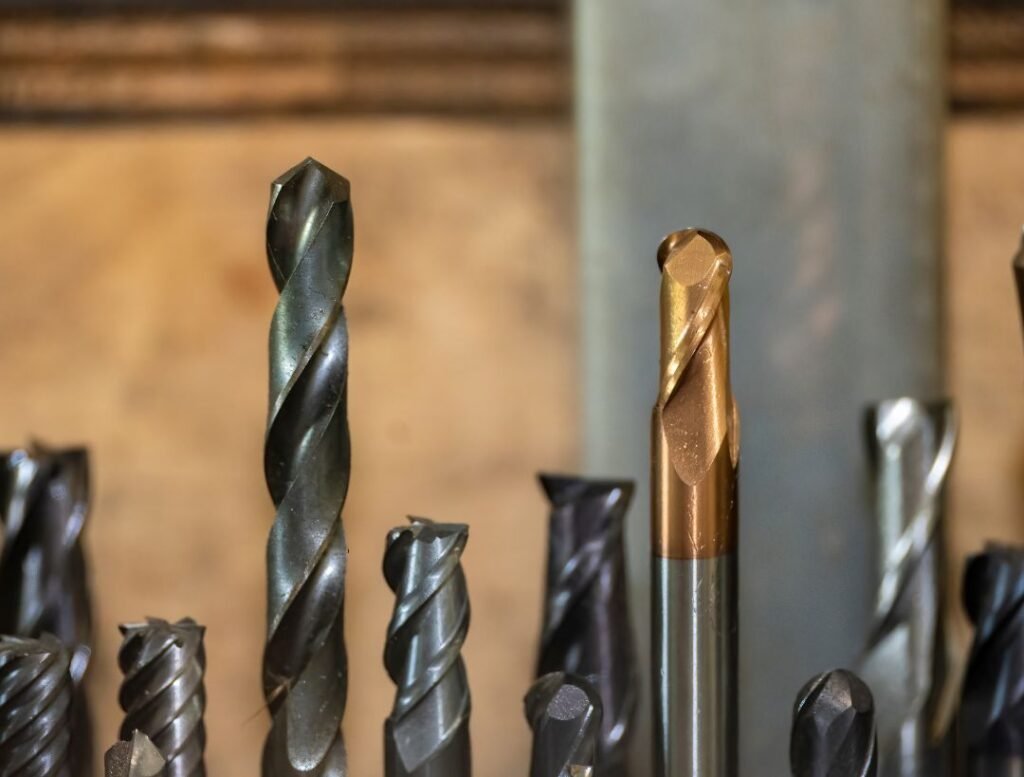
An end mill is a versatile cutting tool used in milling operations. Unlike traditional drills, which only cut vertically, end mills can cut in multiple directions (radial and axial), making them ideal for tasks such as contouring, slotting, and drilling. End mill bits are equipped with one or more cutting edges and are designed to remove material from the workpiece as they rotate.
End mills are typically mounted on a milling machine, which provides the necessary rotary motion and positioning for cutting. The tool’s diameter, flute design, and material type play an important role in determining the performance and suitability for specific applications.

Types of End Mills
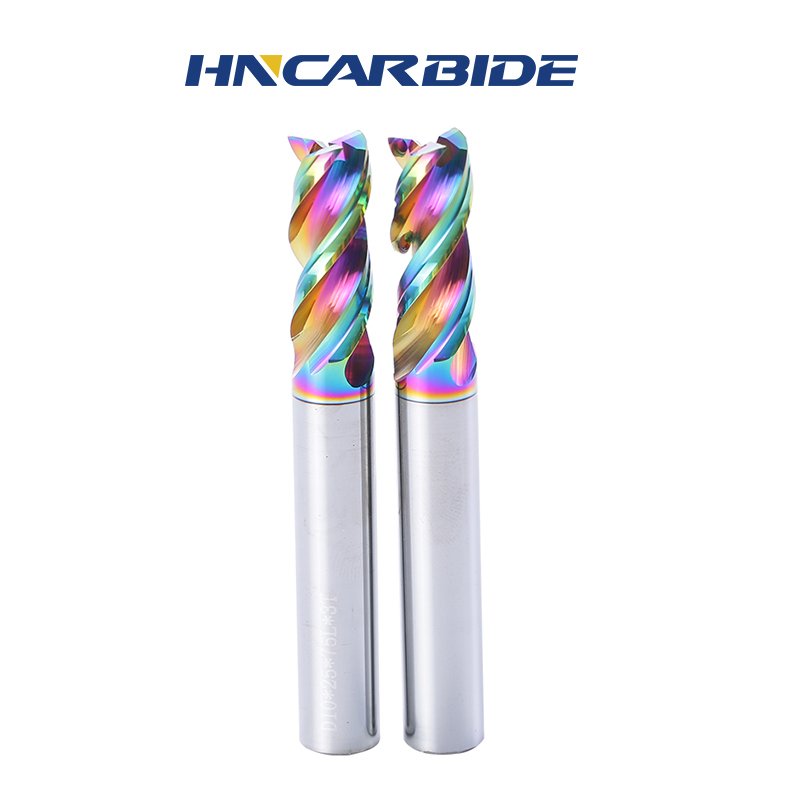
End mills come in various shapes, sizes, and configurations, each suited for different machining needs. Here, we will discuss the most common types of end mills:
1. 2-Flute End Mill
- Description: A two-flute end mill is ideal for cutting softer materials like aluminum. The fewer number of flutes means there’s more space for chip removal, which is essential when cutting through materials that generate a lot of debris.
- Common Use: Ideal for high-speed machining of materials such as aluminum.
- Pros: Faster chip removal, improved cutting speeds.
2. 4-Flute End Mill
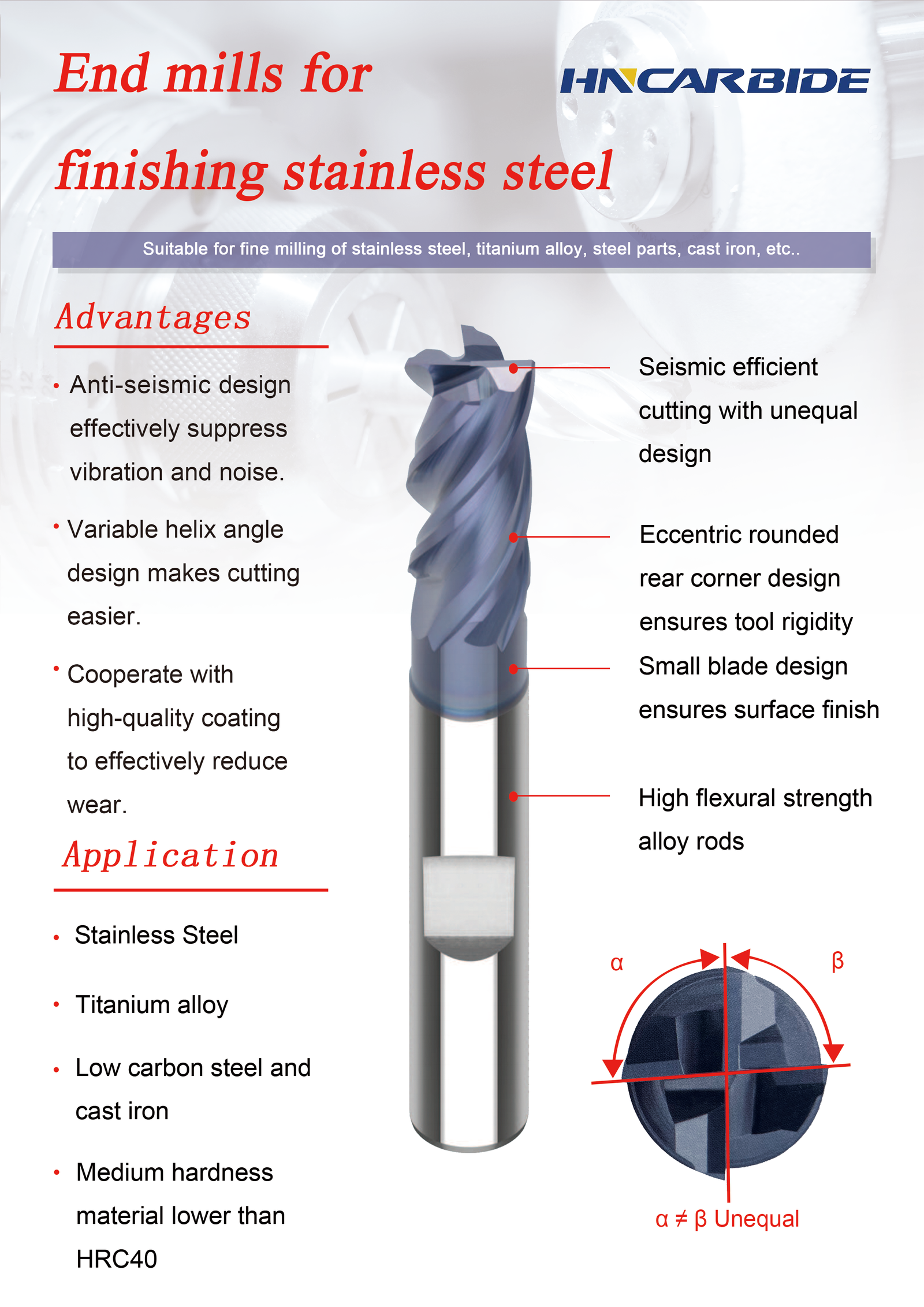
- Description: With four flutes, this end mill provides more cutting edges for better surface finish and rigidity. This type is ideal for harder materials, like stainless steel, where the tool needs to withstand high forces.
- Common Use: Suitable for stainless steeland harder materials.
- Pros: Better surface finish and longer tool life.
3. Ball Nose End Mill
- Description: This type of end mill has a rounded tip, which is ideal for milling complex 3D shapes, slots, and contours.
- Common Use: Often used for mold making and fine finishing.
- Pros: Excellent for 3D profiling and curved surfaces.
4. Carbide End Mill
- Description: Made from a material that is harder than high-speed steel (HSS), carbide end mills offer superior durability and heat resistance.
- Common Use: High-performance machining, especially for materials like titanium and carbon fiber.
- Pros: Longer lifespan and better heat resistance.
5. Chamfer End Mill
- Description: This end mill is designed to create angled cuts, typically between 30° and 45°, for chamfering edges.
- Common Use: Used in applications requiring angled edges and deburring.
- Pros: Quick and clean edge preparation.
6. Indexable End Mill
- Description: These end mills have replaceable cutting inserts, making them cost-effective and versatile.
- Common Use: Ideal for large-scale machining where tool changes are frequent.
- Pros: Reduced downtime, cost-efficient.
7. Roughing End Mill
- Description: Roughing end mills are designed for removing large volumes of material quickly. They have a tooth design that helps remove large chips without overloading the machine.
- Common Use: High material removal rates in roughing operations.
- Pros: Fast material removal, reduces machining time.
End Mill Sizes and Dimensions
The size of the end mill is crucial to its performance in a given task. Here are the key factors to consider when selecting the appropriate size:
- Diameter: The diameter of the end mill affects the width of the cut. Larger diameters are used for heavier cuts, while smaller diameters provide better precision for fine work.
- Length: The length of the cutting edge (flute length) determines the depth of cut the tool can make. The longer the tool, the deeper it can cut.
- Shank Size: The shank of the end mill must fit securely into the end mill holder. The shank size can range from 1/8″ to over 1″.
- Flute Count: The number of flutes on an end mill affects its chip removal capacity. Fewer flutes generally allow for faster removal of chips, while more flutes provide better surface finish and rigidity.
End Mill Speed and Feed Calculator
When it comes to end milling, calculating the correct speeds and feeds is crucial to achieving optimal results and preventing tool wear.
Below is a simple comparison table that outlines some typical speed and feed values for various materials:
Material | Tool Diameter | Cutting Speed (SFM) | Feed Rate (IPM) | Depth of Cut (Inches) |
Aluminum | 1/4″ | 500 | 10 | 0.05 |
Stainless Steel | 1/2″ | 150 | 8 | 0.05 |
Titanium | 3/8″ | 100 | 6 | 0.04 |
Brass | 1/8″ | 300 | 12 | 0.06 |
Note: These values may vary depending on machine conditions, tool coatings, and part geometry.
End Mill vs Face Mill: Key Differences
A common question in machining is the difference between an end mill and a face mill.
Here’s a quick comparison:
Feature | End Mill | Face Mill |
Cutting Direction | Radial and axial cutting | Primarily axial cutting |
Tool Geometry | Smaller cutting edges, longer length | Larger cutting edges, shorter length |
Application | Precision machining, slotting, and profiling | Large surface area removal |
Tool Holding | Held in collets or tool holders | Typically mounted on a spindle |
DIN Milling Cutters Catalog
Click the button below to view our DIN milling cutters catalog and explore detailed product specifications to make the best choice.
Common Applications for End Mills
End mills are widely used in many industries, including:
1.Aerospace: For high-precision parts and complex shapes.
2.Automotive: For parts like engine blocks, gears, and chassis components.
3.Tooling and Mold Making: For creating complex molds with intricate details.
4.Medical Devices: For making precise components such as implants and surgical tools.
Choosing the Right End Mill
When selecting an end mill for a specific application, several factors need to be considered:
- Material Compatibility: Ensure the end mill is suitable for the material you are working with (e.g., aluminum, steel, plastic).
- Cutting Speed: High-speed machining requires carbide or coated tools to withstand heat.
- Tool Life: Consider tools with replaceable inserts (indexable end mills) for cost-effective operations over time.
- Flute Count: Select the number of flutes based on material type and desired surface finish.
Conclusion
End mills are one of the most versatile tools in the machining world. With a variety of types, sizes, and configurations, they can handle everything from roughing to finishing, making them essential for achieving high-precision results in various industries. By understanding the different types, selecting the correct sizes, and using speed and feed calculators, you can maximize the efficiency of your milling operations.
By carefully considering your specific needs, whether it’s cutting through tough stainless steel or shaping aluminum, choosing the right end mill will help ensure that your machining processes are smooth and effective.

This blog offers a comprehensive guide to end mills, their types, uses, and selection tips. By incorporating proper tools and machining parameters, manufacturers can optimize their machining processes for better performance and cost efficiency.
If you have more questions or need assistance selecting the right end mill for your project, feel free to reach out to us!