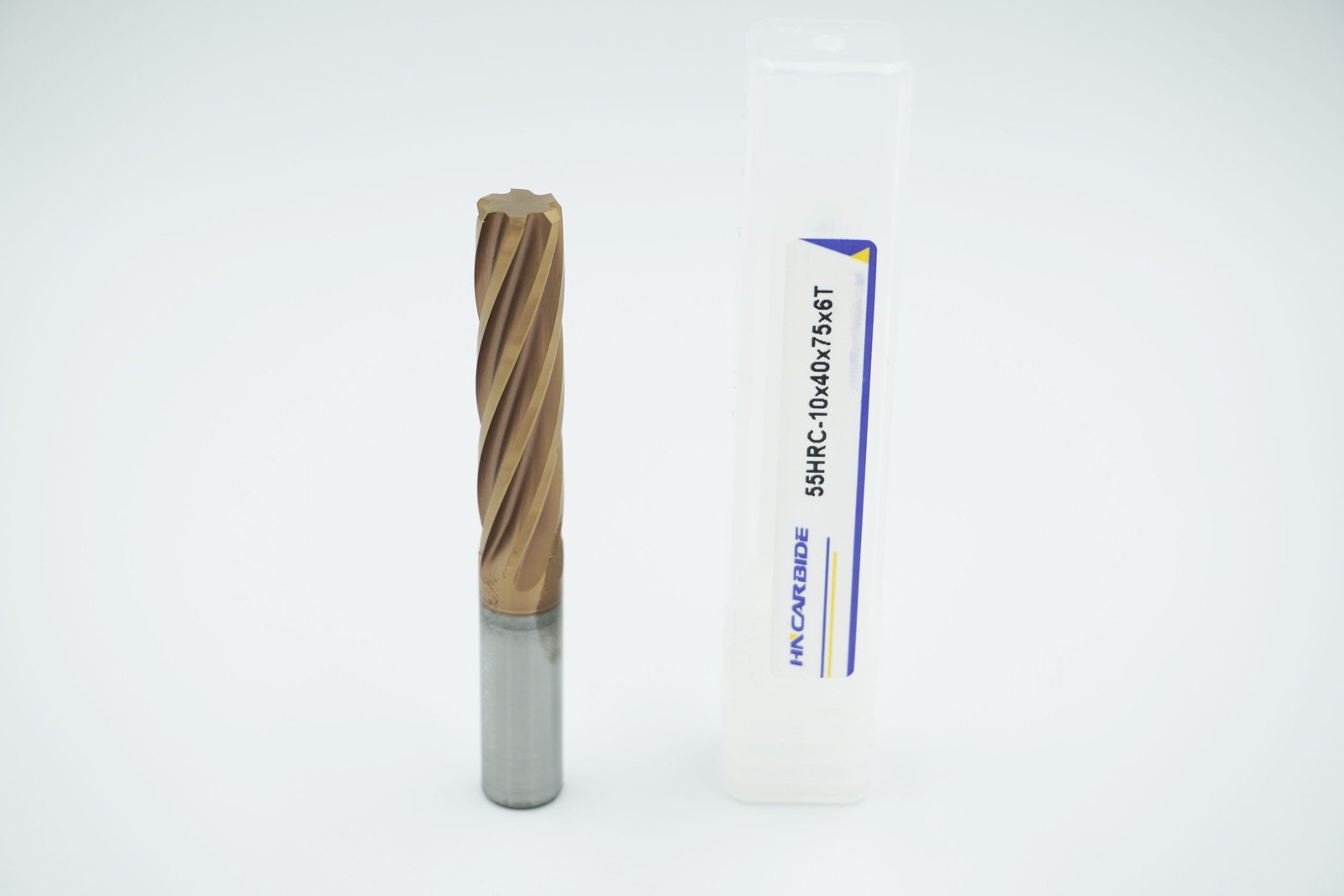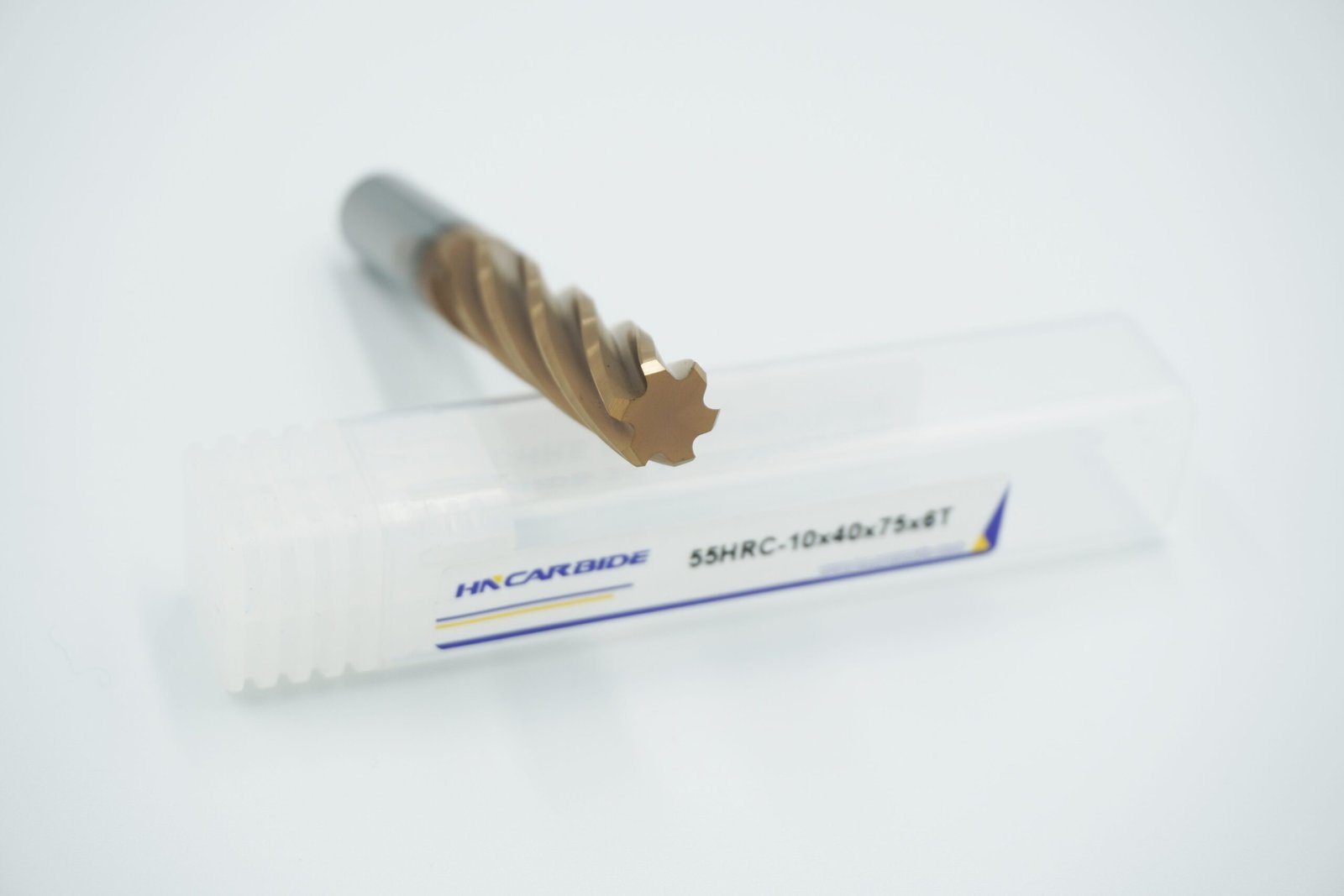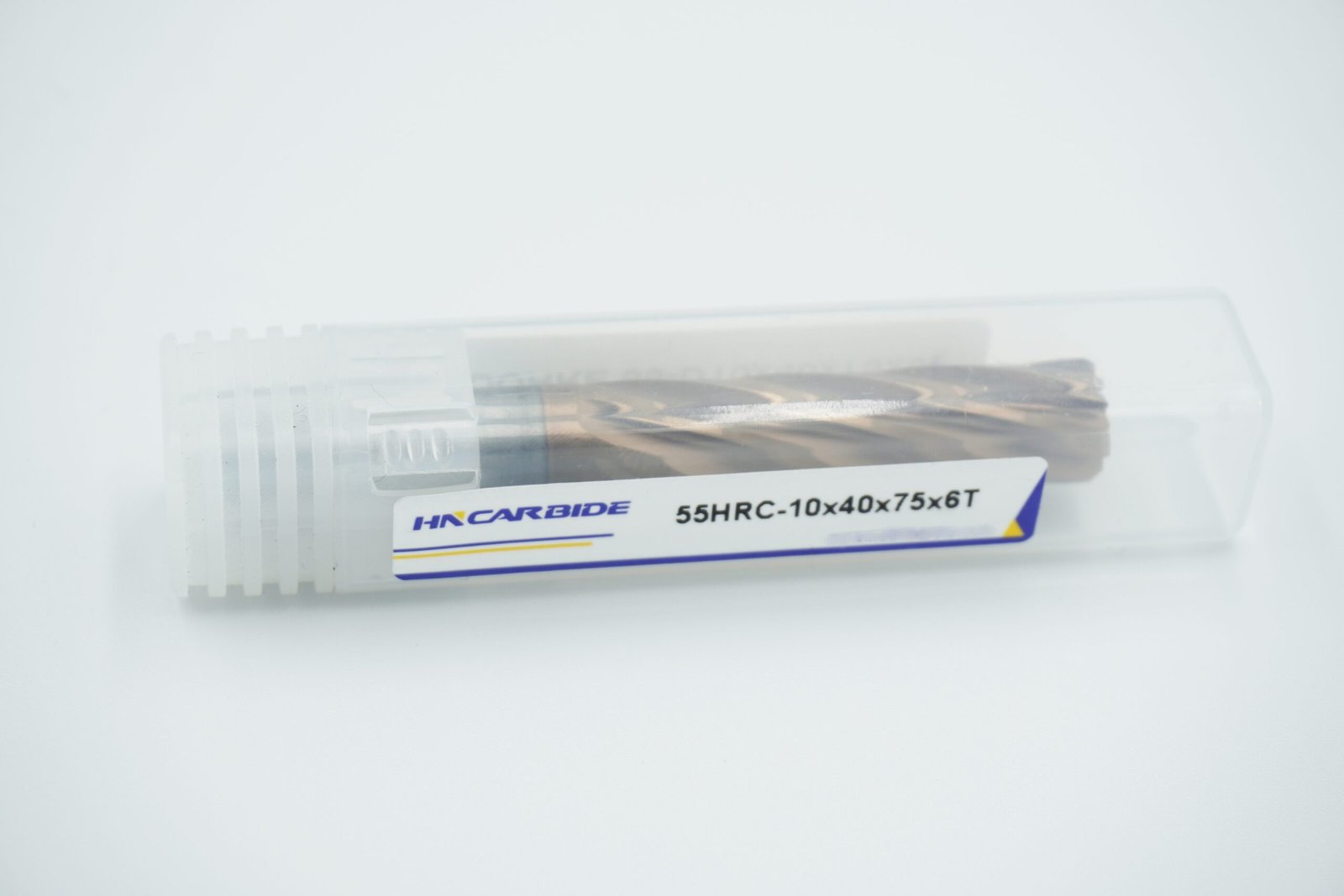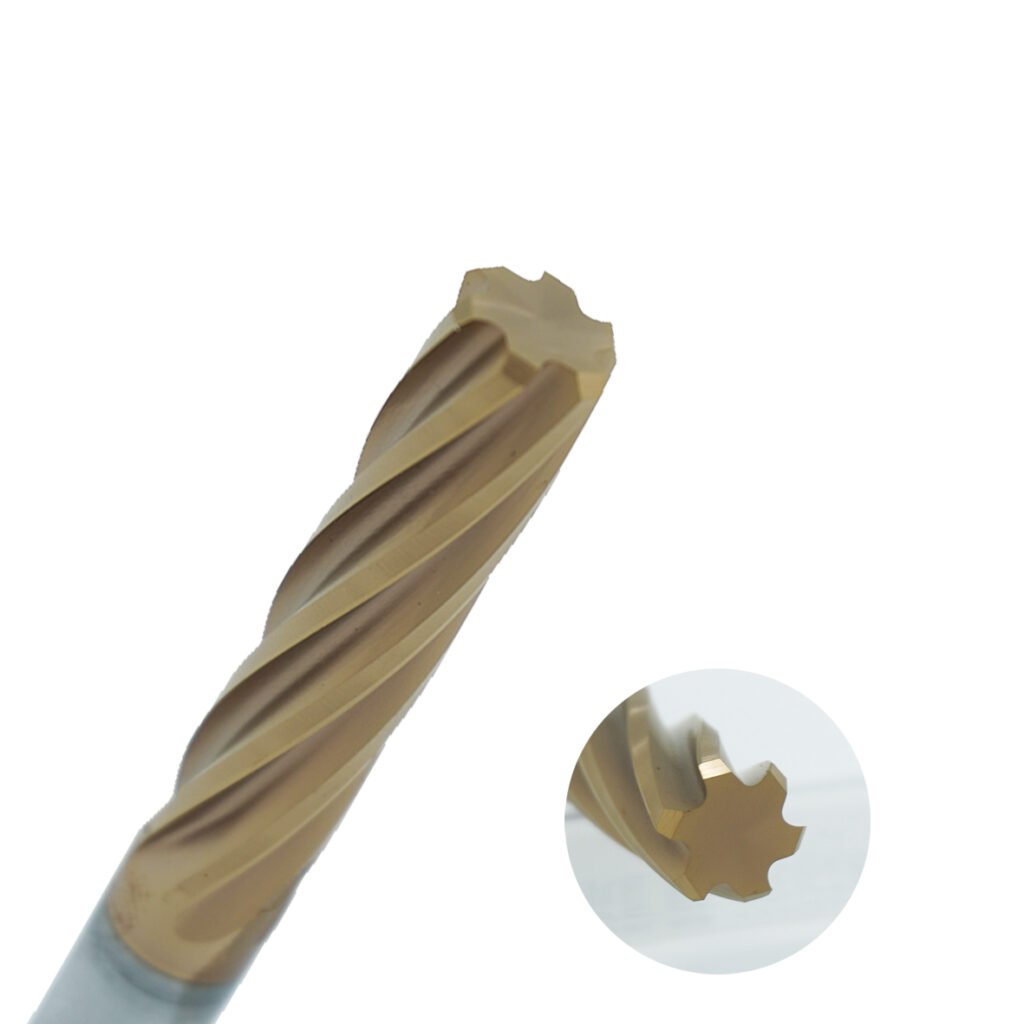

This 55HRC spiral carbide reamer is designed for stable, high-precision hole finishing in alloy steel, carbon steel and general stainless steel. The spiral flute geometry helps guide chips smoothly out of the hole, reducing friction, chatter and built-up edge compared with a straight-flute carbide reamer bit.
Manufactured as a solid carbide reamer, it offers better wear resistance and dimensional stability than HSS tools, making it suitable for medium-to-high volume production. Optimized cutting edges make this an effective carbide reamer for stainless steel, especially where conventional reamers struggle with work-hardening.
HNCarbide can provide recommended carbide reamer speeds and feeds (including sfm and feed per revolution) based on your material, coolant and machine conditions, helping you balance tool life, accuracy and cycle time
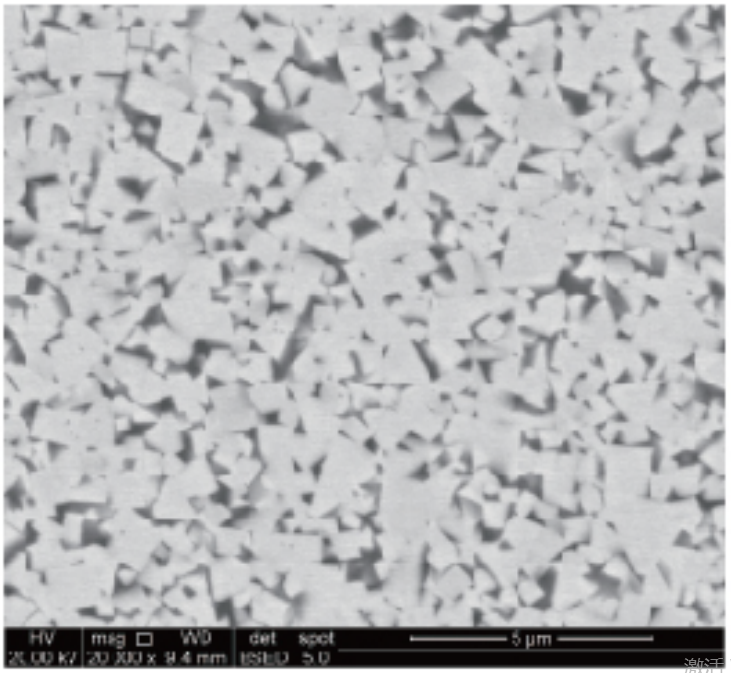
Grade HN40 is made from submicron WC powder, some speclal additlves added to optimize theproperties with good combination of hardness and toughness.
Its suitable for making drills and miling tools for machining stainless steel, tool steel and heat-resistingalloys.
| Grade | Cobalt content % | Grain size | Density g/cm³ | Hardness HRA | Hardness HV30 | MPa Transverse rupture strength | MPa ·m1/2 Fracture toughness MPa ·m1/2 |
|---|---|---|---|---|---|---|---|
| HN40 | 10 | 0.8 | 14.45 | 91.8 | 1,580 | 3,600 | 11.8 |
| Scientific name | Composition | Physical properties | Features | Typical applications |
|---|---|---|---|---|
| TiSiN | Ti (titanium): main element, forms TiN nanocrystalline phase. Si (silicon): usually 6–10%, forms amorphous Si₃N₄ phase, refines grains and increases hardness. N (nitrogen): combines with Ti and Si to form a composite structure. | Colour: TiSiN coatings usually appear bronze or dark grey-bronze; exact colour depends on Si content, deposition process (such as PVD) and thickness (1–4 μm). Hardness: 34–42 GPa (≈3400–4200 HV). Friction coefficient: 0.3–0.6 (against steel). Temperature resistance: 1000–1200°C (oxidation resistance). Coating thickness: 1–5 μm (typically 2–3 μm). Deposition temperature: 200–400°C (suitable for carbide tools). | Ultra-high hardness: amorphous Si₃N₄ phase suppresses dislocation movement, giving much higher hardness than TiN (~23 GPa) and TiAlN (~35 GPa). High-temperature stability: suitable for dry cutting and high-speed machining (e.g. quenched steels HRC 60+). Anti-adhesion: reduces built-up edge when machining aluminium alloys, stainless steels and other sticky materials. | Tool coatings: drills, mills (especially suitable for PCB routers, tool life increased by 2–3 times). High-speed cutting of quenched steels, titanium alloys and high-nickel alloys. Mould strengthening: die-casting moulds and stamping dies, improving wear resistance. Industrial parts: piston rings and other high-temperature wear parts. |
A carbide reamer is a precision finishing tool used after drilling or boring to bring a hole to the final size and tolerance. The drill creates a slightly undersized hole; the reamer then removes a small allowance to correct size, roundness and surface finish. This two-step process gives more consistent fits for pins, bushings and bearings, and reduces scrap compared with drilling alone.
The term carbide reamer bit is often used generally for any reamer with carbide cutting edges. A solid carbide reamer is ground completely from carbide rod, offering higher rigidity, better wear resistance and longer tool life, especially in mass production or abrasive materials. HNCarbide mainly supplies solid designs, but we can also discuss other constructions if your machine or budget requires them.
Recommended carbide reamer speeds and feeds depend on workpiece material, tool diameter, hole depth, coolant pressure and machine stability. In general, reamers run at lower feed rates than drills but at moderate to high carbide reamer sfm to achieve a fine surface. We provide starting values for carbide reamer feeds and speeds for steel, stainless steel, cast iron and aluminum, then help you fine-tune based on your actual results.
Yes. As specialized carbide reamer manufacturers, we can supply a customized carbide reamer set including the diameters and tolerance grades you use most often. Sets can mix different shank types or lengths and can be optimized for specific materials such as stainless steel or cast iron. This helps toolrooms and CNC workshops reduce searching time and keep critical sizes always available next to the machine.
Yes. We can produce non-standard tools according to your drawings, samples or machining requirements (material, coating, size, tolerance and application). Our engineers will evaluate and provide a quotation and lead time.
For serious buyers and distributors, we can offer free standard samples if in stock. Usually you only need to cover the freight cost. For customized tools, a sample fee may apply, which can be refunded or deducted in bulk orders.
Yes.
Regional or customer protection based on sales targets, avoiding price wars among our partners.
Catalogs, brochures, product photos, technical data sheets, online materials.
For key partners, joint promotion, exhibitions and digital marketing support.
Safety stock for fast-moving items and forecast-based production.
Priority production and regular shipments to reduce stock-out risk.
Clear quality warranty policy, quick response to claims.
Replacement, credit or other solutions after confirmation of issues.
Tool selection and cutting parameter advice.
Problem analysis for different materials and machines.
Online training, documents, and when possible, on-site support for key accounts.
HNCarbide carbide reamer tools are designed for final sizing of holes in parts such as valve bodies, hydraulic blocks, gear housings and precision fixtures. After drilling, a carbide reamer cleans up the bore, corrects minor positional errors and brings the hole to the specified tolerance in one stable operation. This helps you achieve repeatable fits for pins, bushings and fasteners in steel, stainless steel, aluminum and cast iron.
Our portfolio covers straight and spiral solid carbide reamer styles, with dedicated geometries for general steels and specialized carbide reamer for stainless steel options to handle work-hardening alloys. For toolrooms and production lines that need multiple diameters, we can configure a practical carbide reamer set so operators always have the right size ready at the machine.
Each HNCarbide carbide reamer is ground from fine-grain carbide on precision CNC equipment to keep diameter, roundness and runout under tight control. The rigid monobloc carbide reamer design, combined with polished spiral flutes, promotes smooth chip evacuation and minimizes chatter, even at higher carbide reamer sfm values on modern machining centers.
We offer both uncoated and coated tungsten carbide reamer options so you can match tool life and budget to your application requirements. On request, our team will recommend suitable carbide reamer speeds and feeds for your materials and coolant conditions, and provide clear carbide reamer price information to help you plan tooling packages and cost per part.
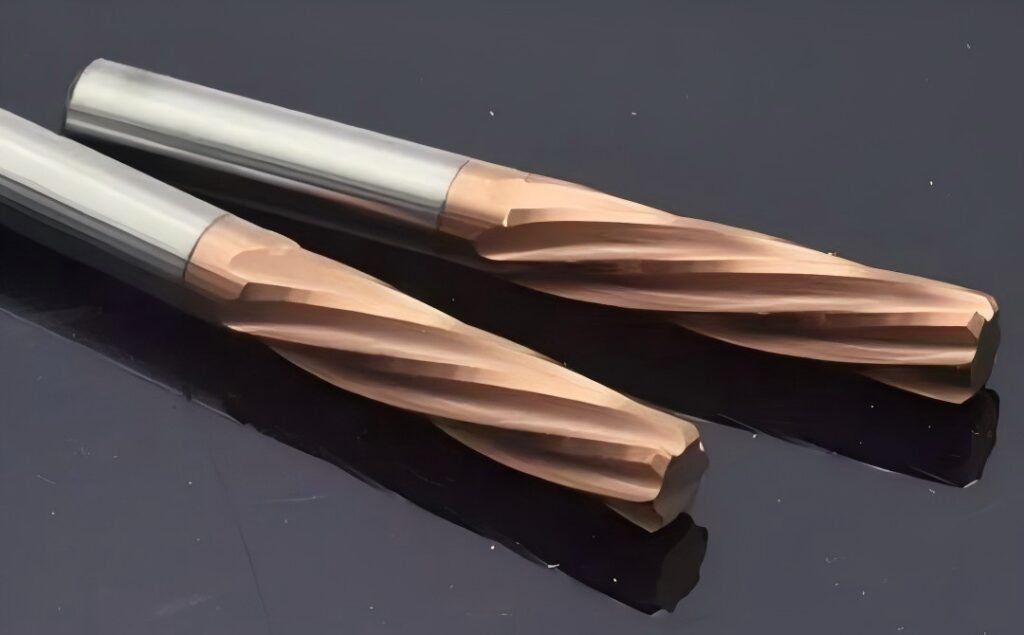
We Are Commited To Providing High-Quality, Customized solutions At An Affordable price While Also Prioritizing sustainability And ExcellentCustomer Service, These Qualities Make Us A Great choice For Your Carbide Reamer Needs
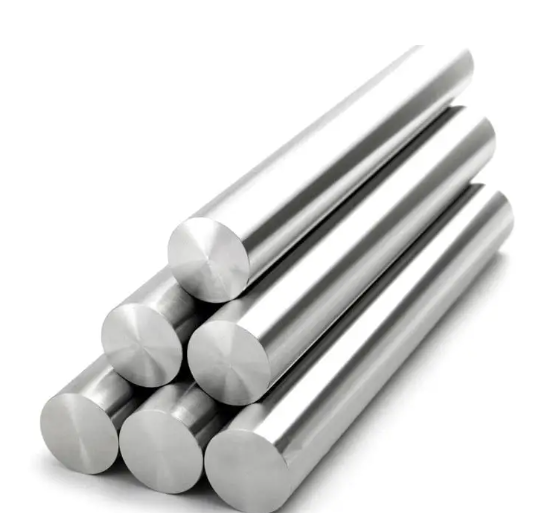
We Only Use unground tungsten carbide rods with HlP sintering and100% virgin material. Our grade includes lsO K05 to K40, frommachining carbon steel to aluminium, non-ferrous metals andtitanium or we develop grade for your applications.
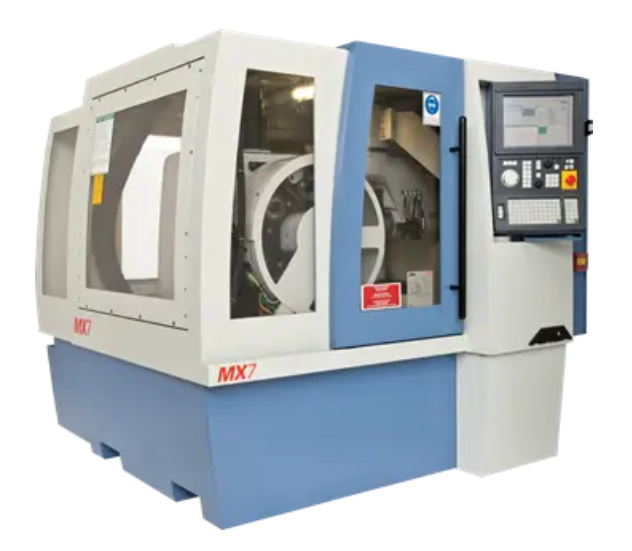
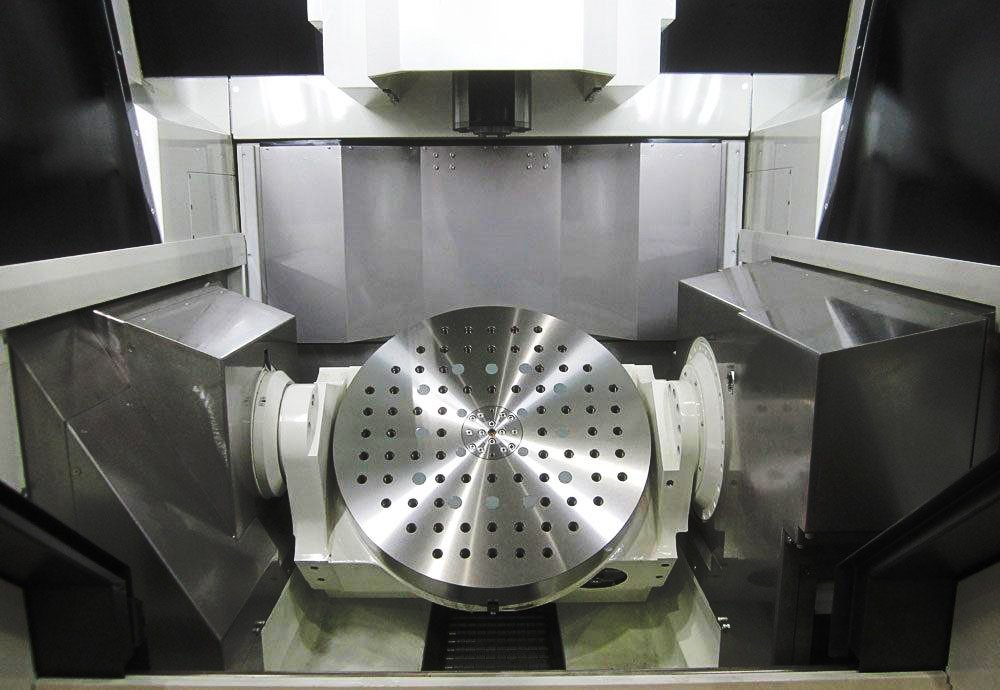
As a HNCarbide customer, you can enjoy five-axis high-precisiongrinding machines from Australia’s ANCA or Germany’s Walter. Themodern workshop with constant temperature and humidity ensuresthe accuracy of each Carbide Reamer.
Each of your tungsten Carbide Reamer will be sandblasted to effectively remove burrs and improve the finish.
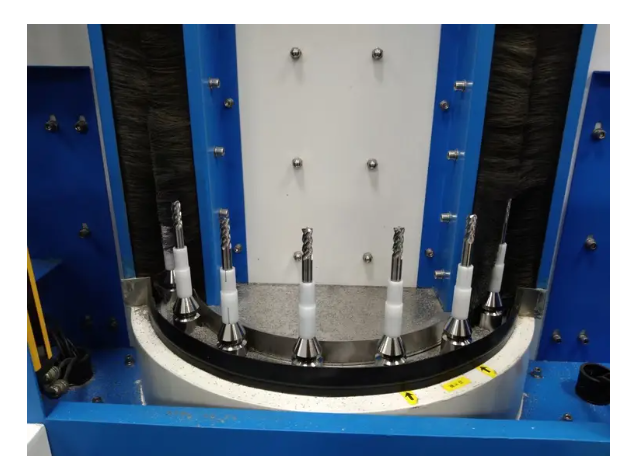
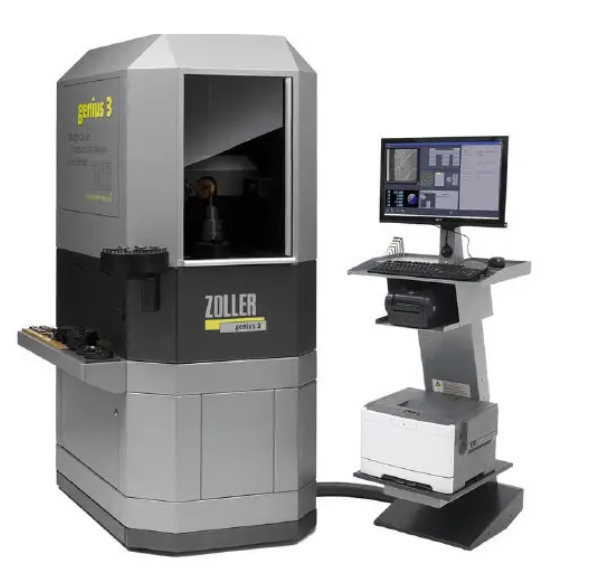
All HNCarbide’s Carbide Reamer will be monitored on WALTER HELICHEEK andZOLLER GENlUS 3 to ensure that every dimension is qualified. We arecommitted to controlling the tolerance within 3 UM.
At HNCarbide, every shipment is meticulously packaged to ensure your tools arrive intact.
Each HNCarbide’s Carbide Reamer is individually placed in a shock-resistant protective case, labeled with complete specifications, and sealed in moisture-proof packaging material before being boxed.
Large-volume orders are reinforced with double-wall cardboard boxes or wooden crates to maximize safety during international shipping.
We collaborate with reliable logistics partners to ensure goods are delivered quickly and securely to their destination via air freight, sea freight, or express courier.


A carbide reamer is a precision finishing tool used after drilling or boring to bring a hole to the final size and tolerance. The drill creates a slightly undersized hole; the reamer then removes a small allowance to correct size, roundness and surface finish. This two-step process gives more consistent fits for pins, bushings and bearings, and reduces scrap compared with drilling alone.
The term carbide reamer bit is often used generally for any reamer with carbide cutting edges. A solid carbide reamer is ground completely from carbide rod, offering higher rigidity, better wear resistance and longer tool life, especially in mass production or abrasive materials. HNCarbide mainly supplies solid designs, but we can also discuss other constructions if your machine or budget requires them.
Recommended carbide reamer speeds and feeds depend on workpiece material, tool diameter, hole depth, coolant pressure and machine stability. In general, reamers run at lower feed rates than drills but at moderate to high carbide reamer sfm to achieve a fine surface. We provide starting values for carbide reamer feeds and speeds for steel, stainless steel, cast iron and aluminum, then help you fine-tune based on your actual results.
Yes. As specialized carbide reamer manufacturers, we can supply a customized carbide reamer set including the diameters and tolerance grades you use most often. Sets can mix different shank types or lengths and can be optimized for specific materials such as stainless steel or cast iron. This helps toolrooms and CNC workshops reduce searching time and keep critical sizes always available next to the machine.
Yes. We can produce non-standard tools according to your drawings, samples or machining requirements (material, coating, size, tolerance and application). Our engineers will evaluate and provide a quotation and lead time.
For serious buyers and distributors, we can offer free standard samples if in stock. Usually you only need to cover the freight cost. For customized tools, a sample fee may apply, which can be refunded or deducted in bulk orders.
Yes.
Regional or customer protection based on sales targets, avoiding price wars among our partners.
Catalogs, brochures, product photos, technical data sheets, online materials.
For key partners, joint promotion, exhibitions and digital marketing support.
Safety stock for fast-moving items and forecast-based production.
Priority production and regular shipments to reduce stock-out risk.
Clear quality warranty policy, quick response to claims.
Replacement, credit or other solutions after confirmation of issues.
Tool selection and cutting parameter advice.
Problem analysis for different materials and machines.
Online training, documents, and when possible, on-site support for key accounts.
In modern CNC machining, a carbide reamer is one of the most effective tools for achieving tight-tolerance holes with a clean surface finish. While a drill creates the initial hole quickly, it rarely delivers the final size and roundness required for press fits, bushings or precision pins. That is where the reamer takes over: it removes a small allowance of material, corrects geometry and leaves a smooth, accurate bore in one controlled operation.
This article walks through how carbide reamers work, how to choose carbide reamer speeds and feeds, and what to consider when comparing tools, suppliers and carbide reamer price.
A carbide reamer bit is a multi-flute tool designed specifically for finishing pre-drilled holes. Instead of aggressively cutting like a drill, the reamer “shaves” a thin layer of material from the wall of the hole. This gives:
more consistent diameter and tolerance
better roundness and straightness
finer surface finish and improved bearing contact
Most high-performance tools today are solid carbide reamer designs made from fine-grain tungsten carbide. Compared with HSS, they offer higher hardness, better wear resistance and the ability to run at higher cutting data. For tough or abrasive applications, a coated tungsten carbide reamer can significantly extend tool life.
Many premium tools use a monobloc carbide reamer construction – the entire tool is ground from one piece of carbide, with no brazed joints. This design improves rigidity and runout control, which is critical when you are holding IT6–IT7 tolerances in deep holes.
Special forms are also possible. For example, a carbide reamer ring or step reamer can combine multiple diameters or a special seating profile in one pass, reducing tool changes and cycle time.
The most common application for a carbide reamer is finishing holes in steel components after drilling or boring. Typical parts include hydraulic blocks, engine housings, valves, mould plates and precision fixtures. Because carbide can handle high temperatures and abrasive chips, it is especially well-suited to production environments.
One key segment is the carbide reamer for stainless steel. Austenitic stainless materials tend to work-harden and generate long, stringy chips. A dedicated geometry with polished flutes and the right edge prep helps control cutting forces, evacuate chips and protect the cutting edges from chipping. With the correct tool and coolant setup, you can get stable hole size and a good surface finish even in 300/400 series or duplex stainless.
Other common materials include:
alloy steel and carbon steel
cast iron and ductile iron
aluminum alloys (often with high-helix designs for chip evacuation)
In all of these cases, the reamer is the final step that converts an ordinary drilled hole into a precision feature.
Correct carbide reamer feeds and speeds are essential for accuracy and tool life. Running too fast or with too heavy a feed can cause chatter, oversize holes, poor finish or premature wear; running too slow wastes cycle time and may increase friction.
When you set carbide reamer speeds and feeds, think in terms of:
Surface speed (carbide reamer sfm) – based on workpiece material and tool coating
Feed per revolution – typically lower than for drilling, to maintain stability and finish
Coolant – pressure and volume strongly influence chip evacuation and temperature
A simple way to standardize across machines is to use a carbide reamer speeds and feeds calculator. By entering the tool diameter, material group and recommended surface speed, you can quickly get rpm and feed per revolution for each solid carbide reamer size. Good starting values, followed by small adjustments on the machine, usually deliver reliable results.
For example, when applying solid carbide reamer speeds and feeds in alloy steel, you might start at moderate sfm with a small feed per revolution, then gradually increase feed while monitoring hole size and surface finish. In aluminum, you can often increase cutting speed but still keep feed conservative to protect surface quality.
If your workshop frequently finishes holes in multiple sizes, a carbide reamer set can simplify tool management. Instead of ordering single tools one by one, a set groups the most common diameters you use for pins, bushings and standard tolerance classes. This is especially helpful in toolrooms or maintenance departments where different machines share the same tooling cupboard.
When specifying a set, consider:
diameter range and incremental steps
shank type (straight, Weldon, etc.)
flute style (straight vs spiral) and length
main material groups (steel, stainless, cast iron, aluminum)
For high-volume production of a single component, a smaller custom set of duplicate reamers in the critical size may be more practical. Operators can rotate tools quickly without waiting for regrind, keeping spindle utilization high.
Because tolerances are tight and applications vary, working directly with experienced carbide reamer manufacturers brings real benefits. A good supplier can:
recommend the best geometry and coating for your material
provide realistic carbide reamer speeds and feeds for your machine capability
design special tools such as step reamers, ring forms or dedicated seat profiles
help you replace existing tools from well-known brands like a Hannibal carbide reamer with equivalent or improved designs
When comparing offers, carbide reamer price should be looked at together with expected tool life and cost per part. A cheaper tool that wears out quickly or produces variable hole size can be more expensive in the long run due to scrap, rework and downtime. A high-quality monobloc carbide reamer may seem costly at first, but if it runs reliably for more parts between regrinds, your overall cost per hole will drop.
Key information to share when requesting a quote includes:
diameter, tolerance and hole depth
workpiece material and hardness
machine type, available rpm and coolant pressure
desired coating, if known
annual or batch quantity
A well-selected carbide reamer is more than just another cutting tool – it is the final step that defines the quality of your hole-based features. By choosing the right solid carbide design, applying correct carbide reamer speeds and feeds, and working closely with knowledgeable carbide reamer manufacturers, you can achieve consistent size, excellent surface finish and lower overall cost per part.
Whether you need a single tool, a customized carbide reamer set or a special form reamer for a complex seat, investing time in proper selection and cutting data will pay off in stable production and higher-quality components.








WhatsApp us
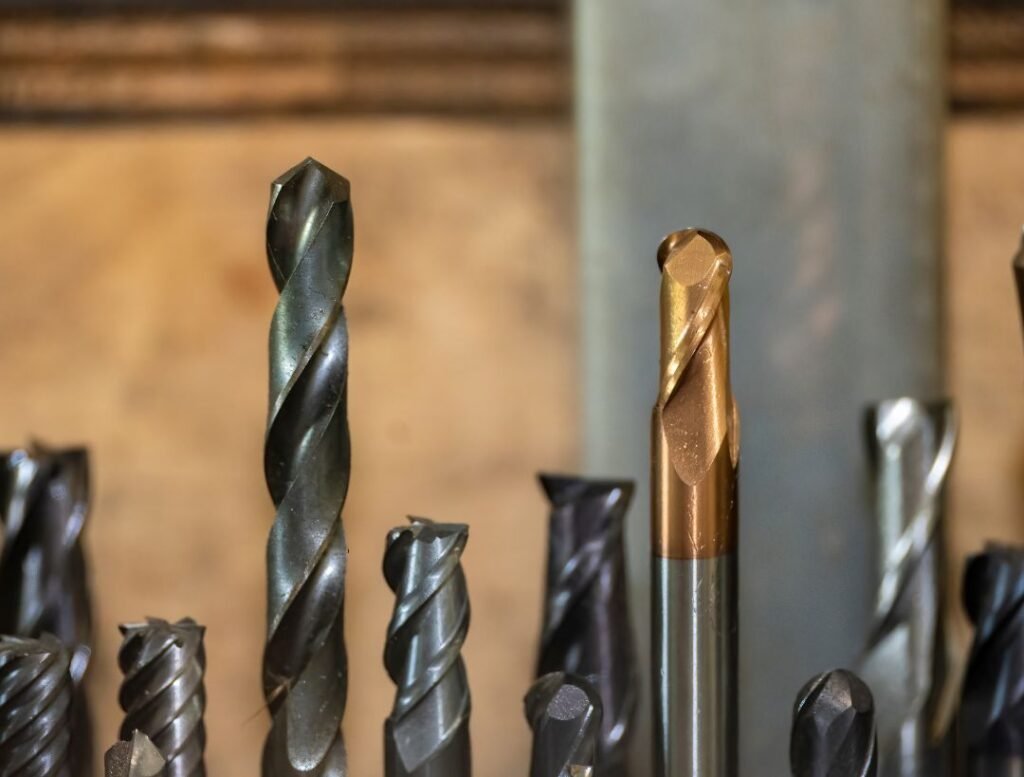
Before you go, please note that we offer the most up-to-date industry research reports and the most comprehensive product catalogs, so please contact us if you are interested!
Before you go, please note that we offer the most up-to-date industry research reports and the most comprehensive product catalogs, so please contact us if you are interested!