Skip to content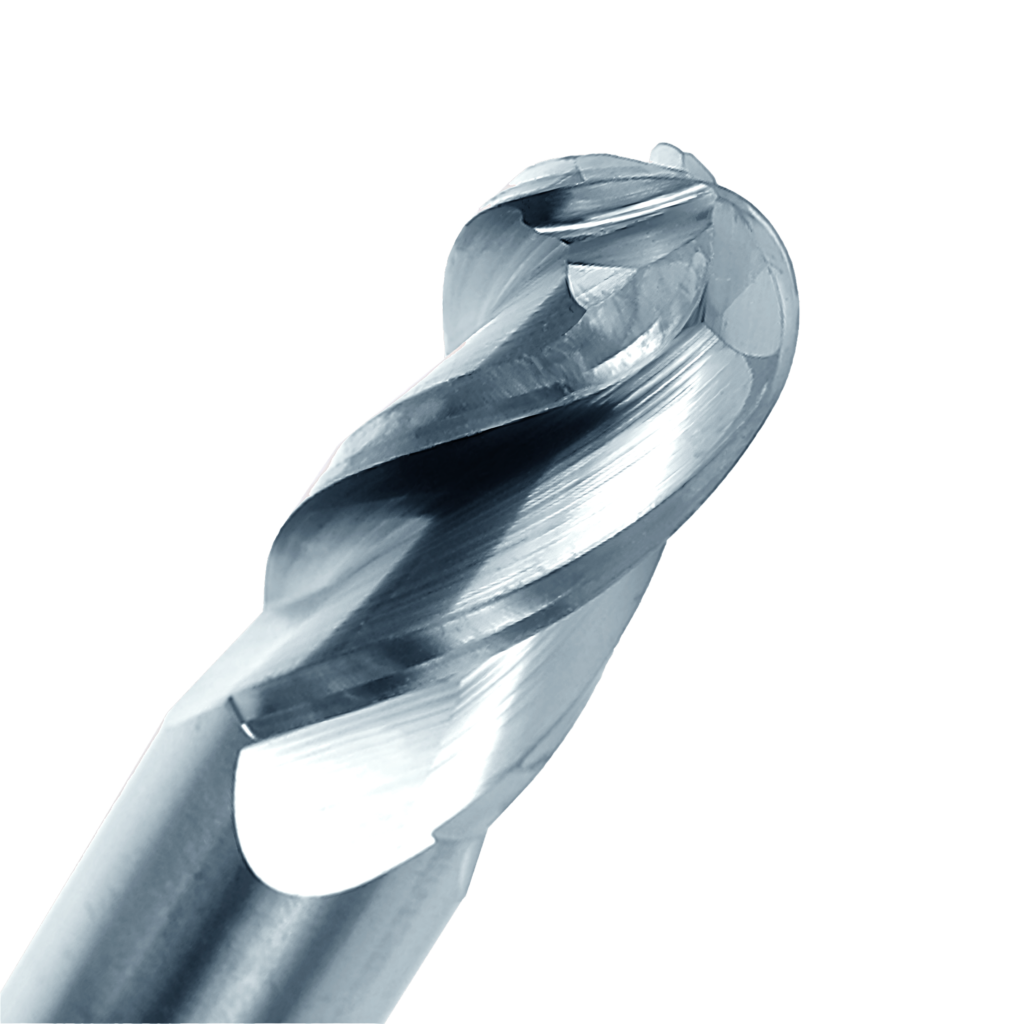


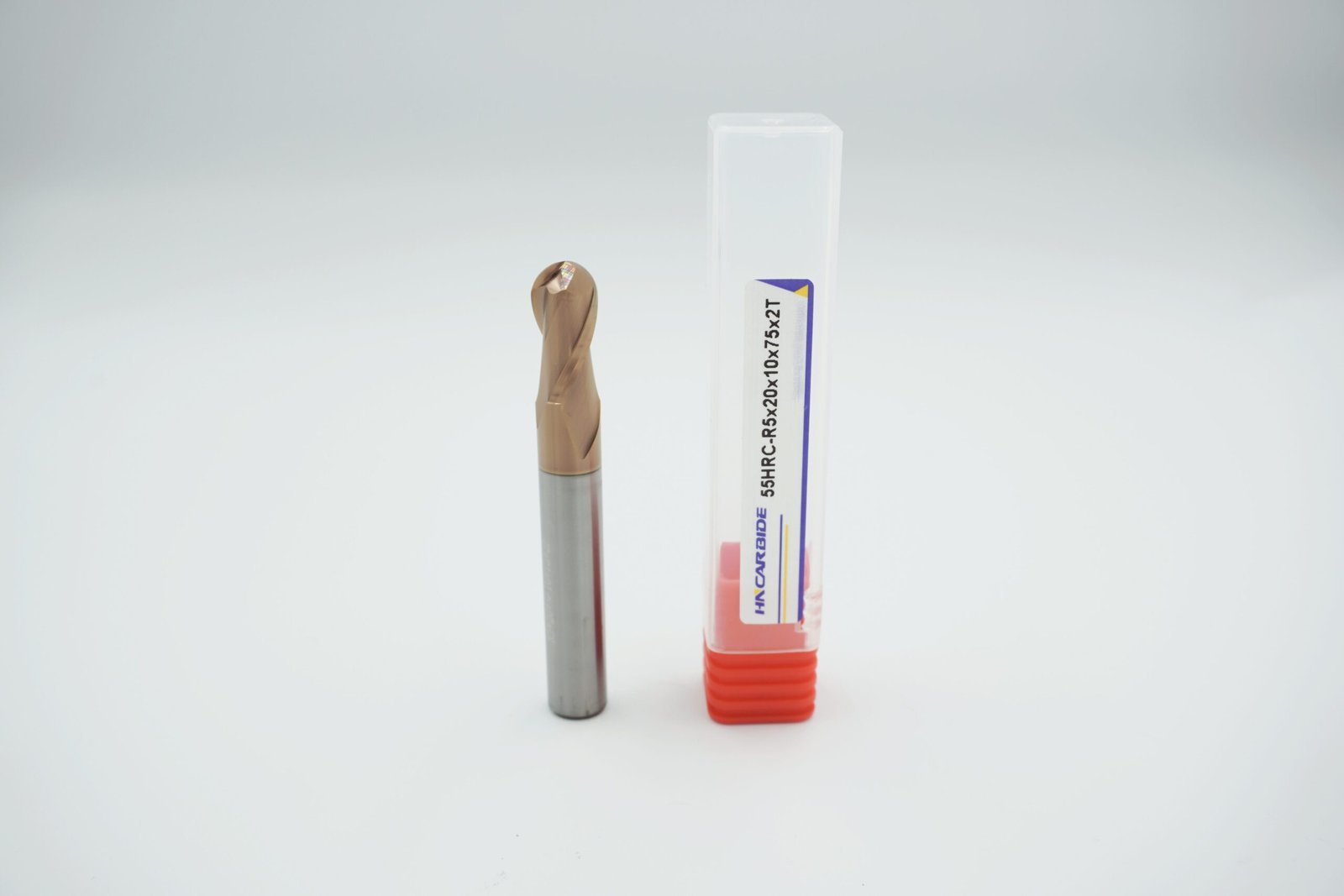
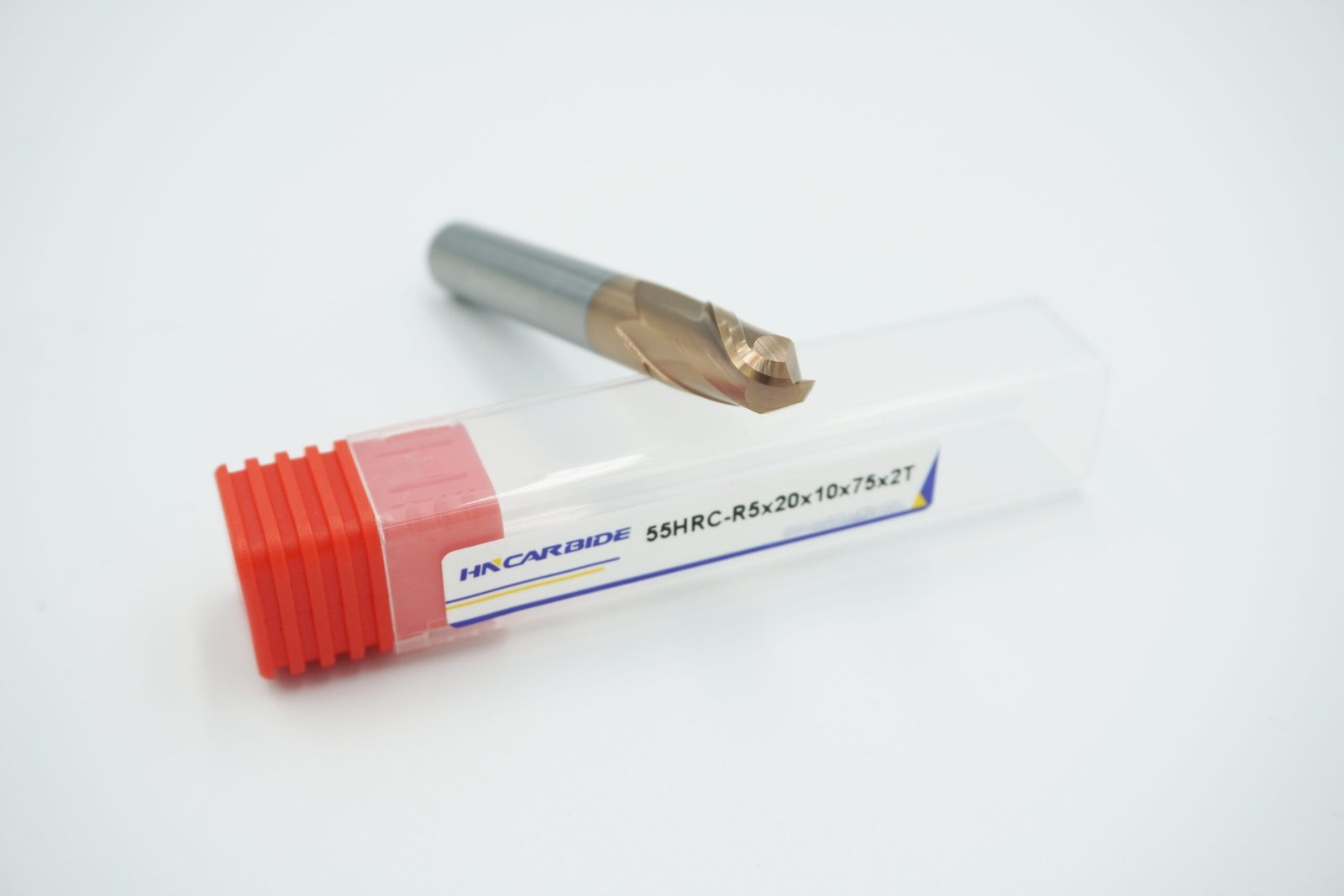
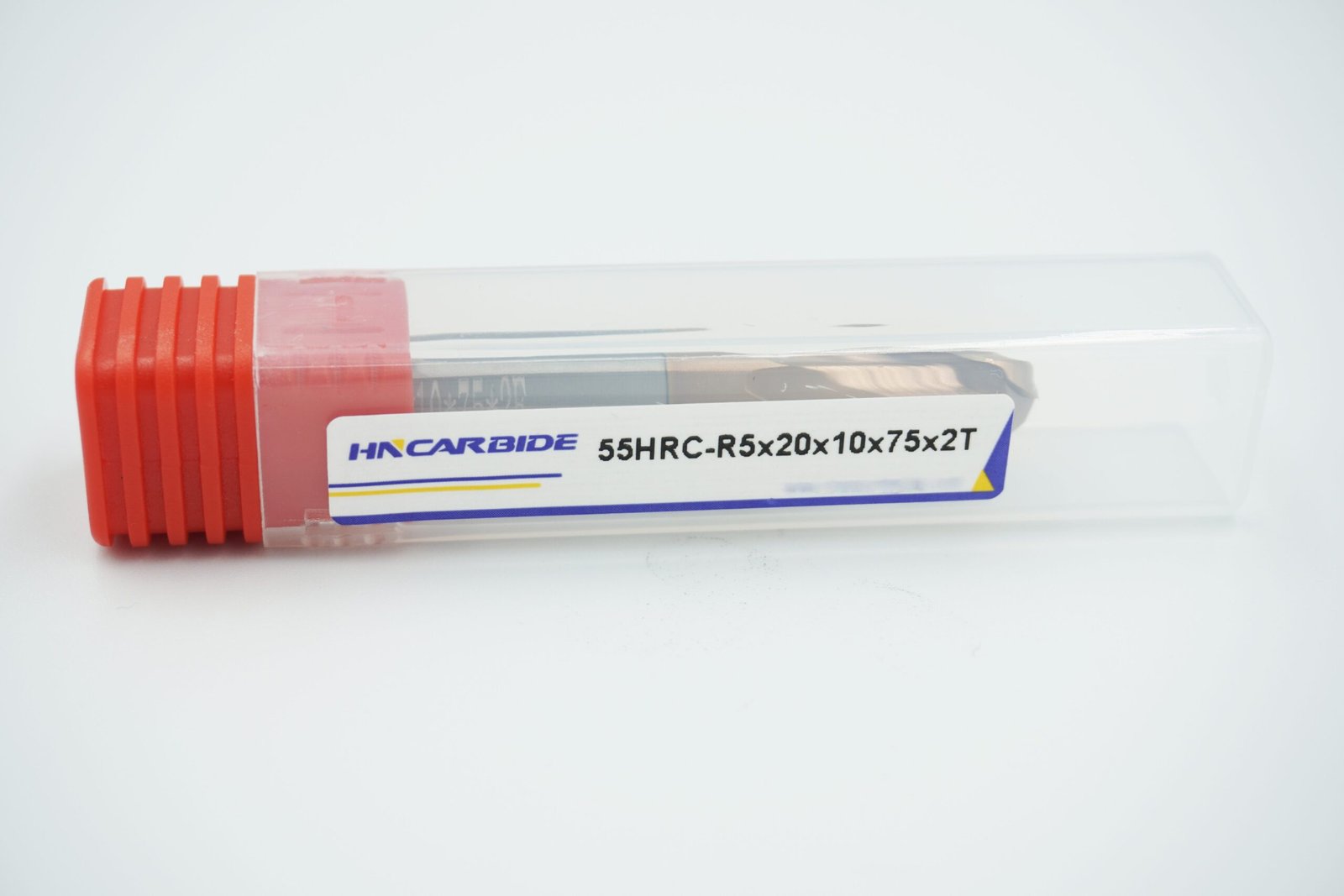
These ball end mills are made from fine-grain carbide and hardened to 55 HRC, giving you a durable option for mould and die machining, pre-hardened steels and alloy steels. As carbide ball end mills, they combine a rigid core with sharp 2-flute geometry for smooth cutting, fast chip evacuation and a clean surface finish in 3D profiles.
Typical jobs where ball end mills are used—such as contouring, pocketing and finishing complex cavities—are exactly where this series performs best, offering stable performance and reliable tool life in daily production.
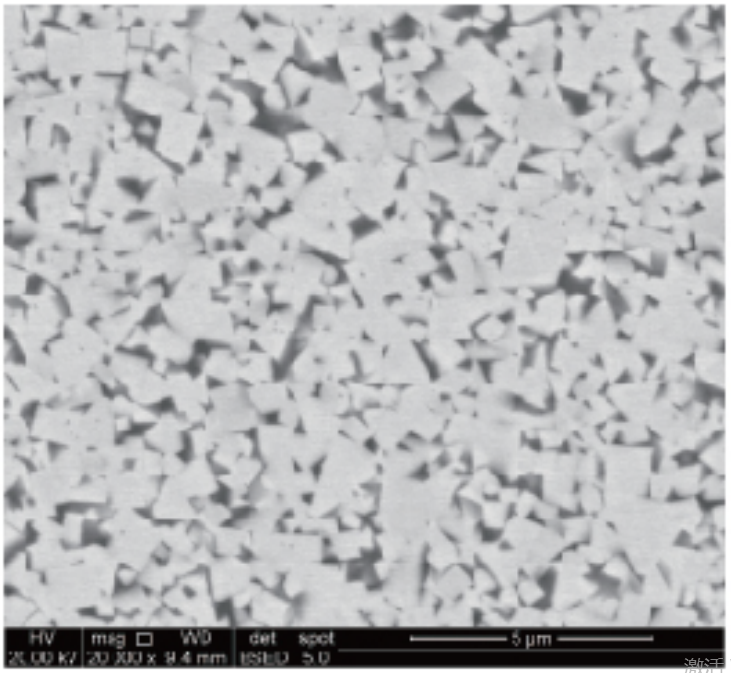
Grade HN40 is made from submicron WC powder, some speclal additlves added to optimize theproperties with good combination of hardness and toughness.
Its suitable for making drills and miling tools for machining stainless steel, tool steel and heat-resistingalloys.
| Grade | Cobalt content % | Grain size | Density g/cm³ | Hardness HRA | Hardness HV30 | MPa Transverse rupture strength | MPa ·m1/2 Fracture toughness MPa ·m1/2 |
|---|---|---|---|---|---|---|---|
| HN40 | 10 | 0.8 | 14.45 | 91.8 | 1,580 | 3,600 | 11.8 |
| Scientific name | Composition | Physical properties | Features | Typical applications |
|---|---|---|---|---|
| TiSiN | Ti (titanium): main element, forms TiN nanocrystalline phase. Si (silicon): usually 6–10%, forms amorphous Si₃N₄ phase, refines grains and increases hardness. N (nitrogen): combines with Ti and Si to form a composite structure. | Colour: TiSiN coatings usually appear bronze or dark grey-bronze; exact colour depends on Si content, deposition process (such as PVD) and thickness (1–4 μm). Hardness: 34–42 GPa (≈3400–4200 HV). Friction coefficient: 0.3–0.6 (against steel). Temperature resistance: 1000–1200°C (oxidation resistance). Coating thickness: 1–5 μm (typically 2–3 μm). Deposition temperature: 200–400°C (suitable for carbide tools). | Ultra-high hardness: amorphous Si₃N₄ phase suppresses dislocation movement, giving much higher hardness than TiN (~23 GPa) and TiAlN (~35 GPa). High-temperature stability: suitable for dry cutting and high-speed machining (e.g. quenched steels HRC 60+). Anti-adhesion: reduces built-up edge when machining aluminium alloys, stainless steels and other sticky materials. | Tool coatings: drills, mills (especially suitable for PCB routers, tool life increased by 2–3 times). High-speed cutting of quenched steels, titanium alloys and high-nickel alloys. Mould strengthening: die-casting moulds and stamping dies, improving wear resistance. Industrial parts: piston rings and other high-temperature wear parts. |
Our ball end mills drawings clearly show key ball end mills dimensions such as diameter, radius, flute length and overall length. This helps you confirm the right ball end mills sizes for your CNC setup and machining depth before ordering.
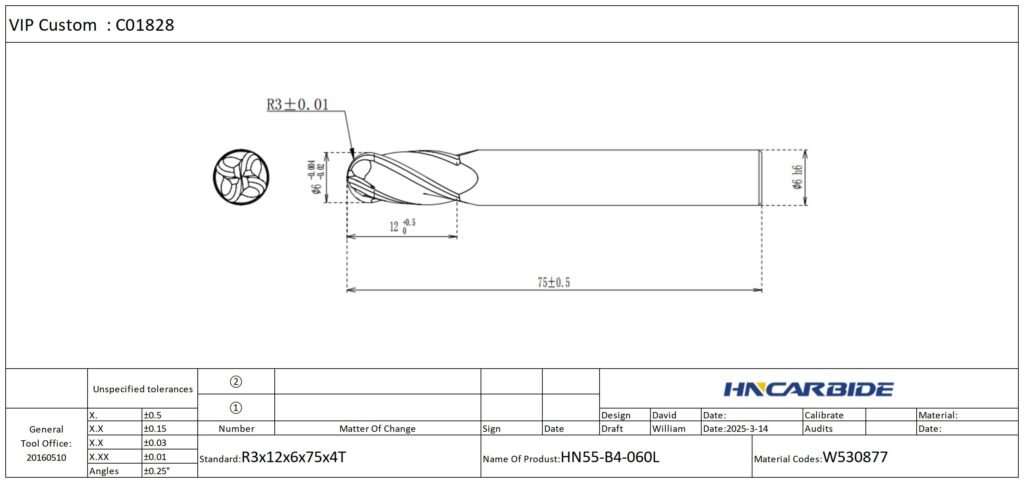
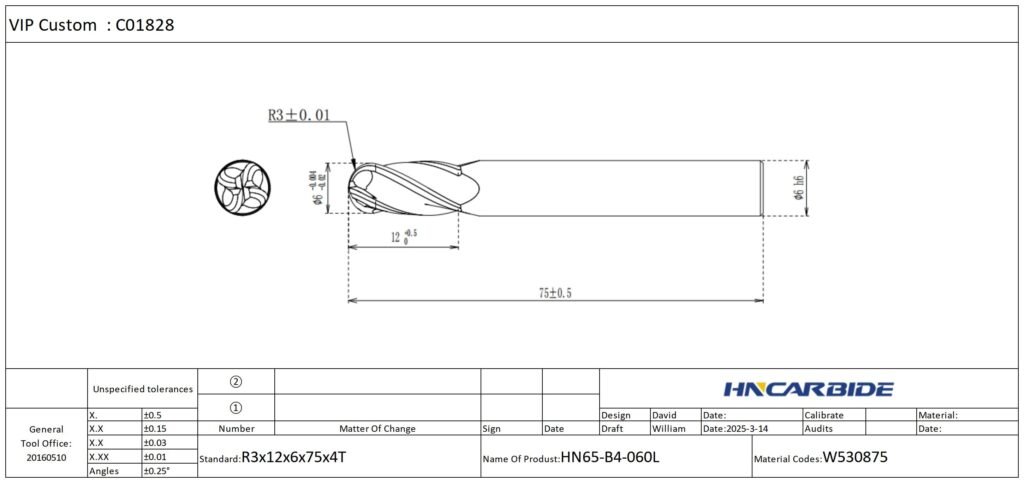
In CNC machining, ball end mills are used for 3D profiling, contouring and finishing curved surfaces, such as moulds, dies and complex cavities. When people ask what are ball end mills used for, they usually mean jobs where sharp inside corners are not required and a smooth radius is needed.
For ball end mills HRC 60 and hardened steel, high-performance PVD coatings such as TiAlN, AlTiN or nano coatings are recommended. They improve heat resistance and tool life when ball end mills are used for high-speed finishing of moulds and dies.
Common reasons include using tools below the required hardness (for example, not using ball end mills HRC 60 or above), lack of coolant or air, too much radial engagement, or incorrect coating. Choosing the right carbide ball end mills grade and coating, and reducing step-over, can significantly improve tool life.
Yes. We can produce non-standard tools according to your drawings, samples or machining requirements (material, coating, size, tolerance and application). Our engineers will evaluate and provide a quotation and lead time.
For serious buyers and distributors, we can offer free standard samples if in stock. Usually you only need to cover the freight cost. For customized tools, a sample fee may apply, which can be refunded or deducted in bulk orders.
Yes.
Regional or customer protection based on sales targets, avoiding price wars among our partners.
Catalogs, brochures, product photos, technical data sheets, online materials.
For key partners, joint promotion, exhibitions and digital marketing support.
Safety stock for fast-moving items and forecast-based production.
Priority production and regular shipments to reduce stock-out risk.
Clear quality warranty policy, quick response to claims.
Replacement, credit or other solutions after confirmation of issues.
Tool selection and cutting parameter advice.
Problem analysis for different materials and machines.
Online training, documents, and when possible, on-site support for key accounts.

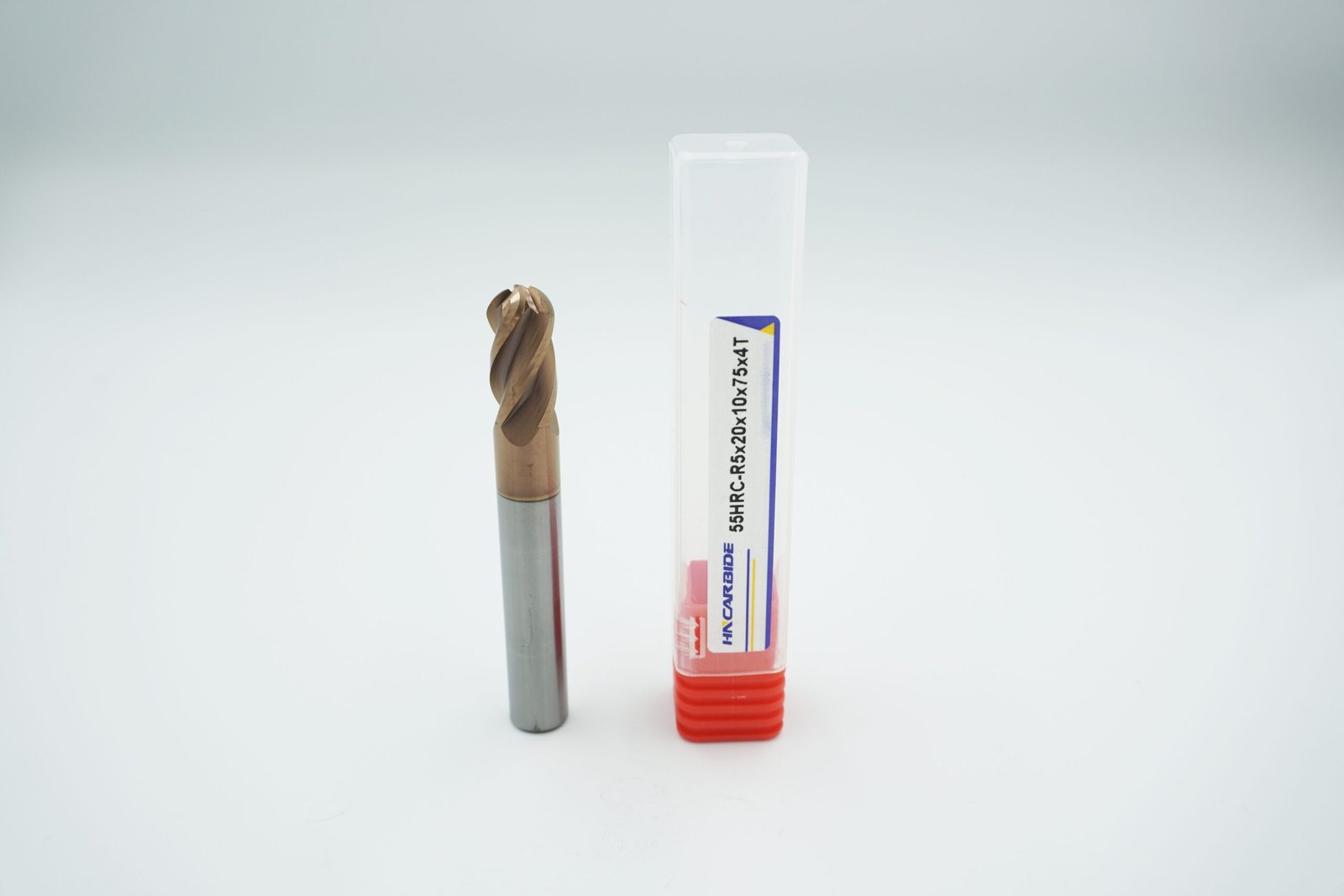
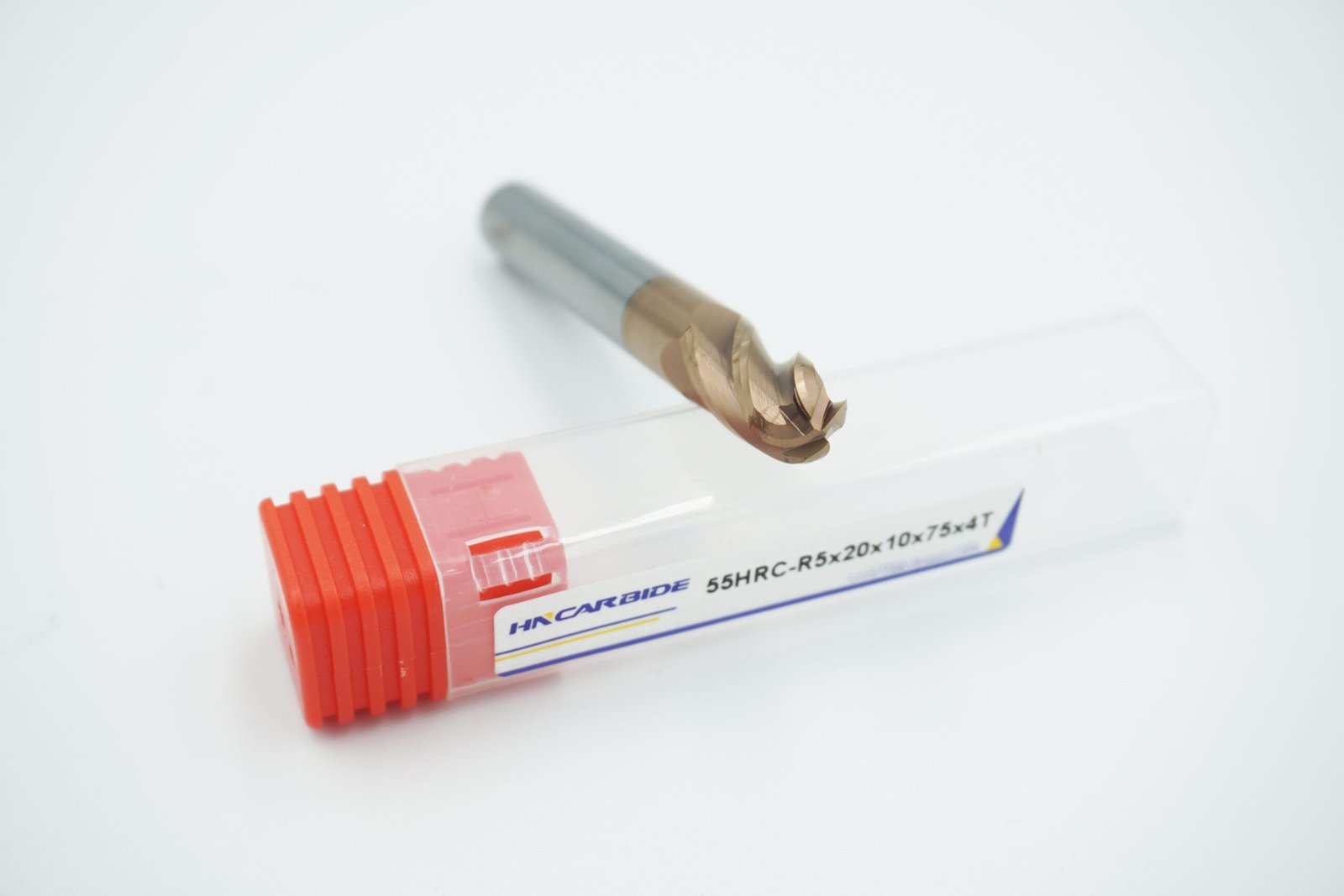
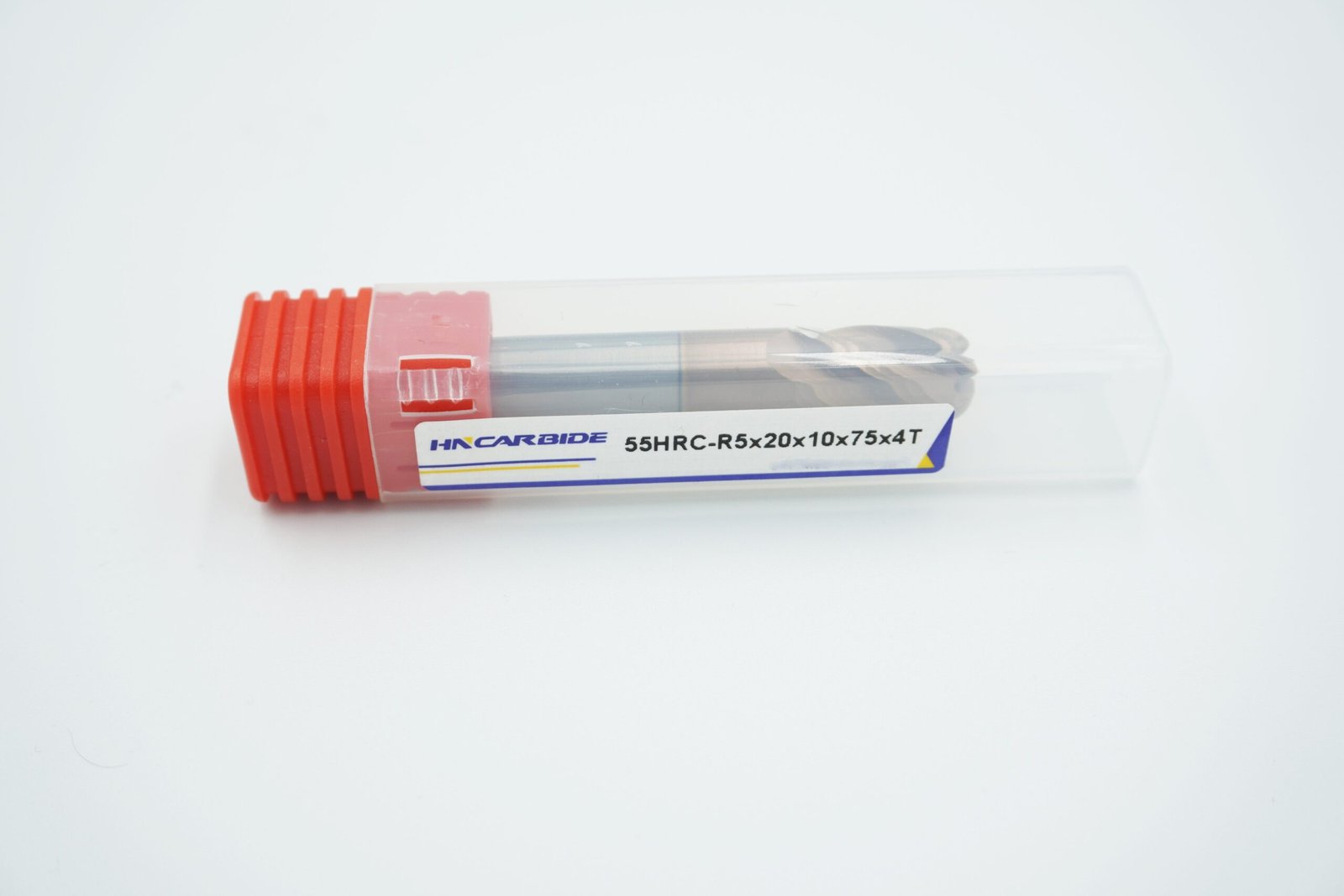
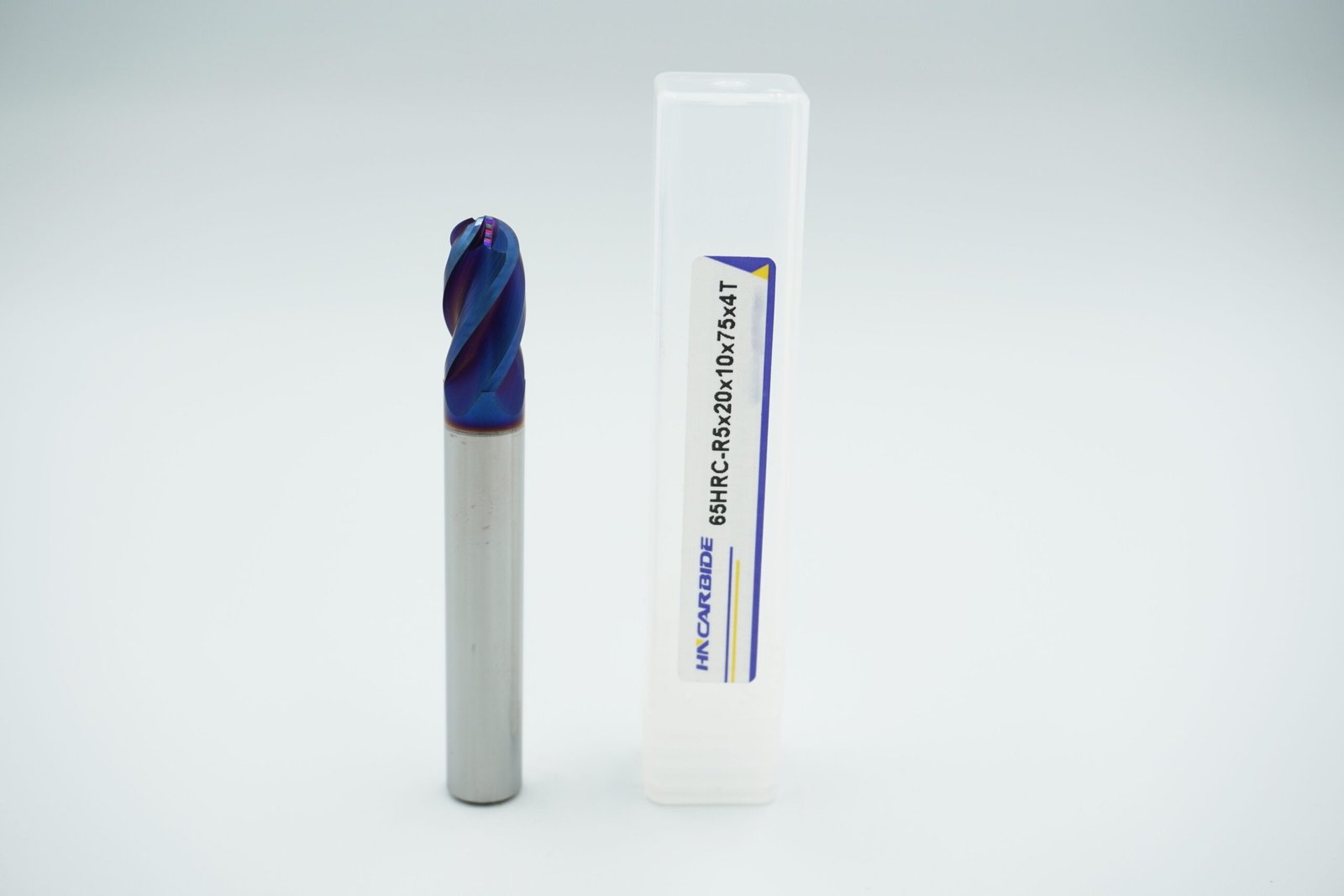
These ball end mills are made from high-quality carbide with a 55 HRC hardness for stable machining of alloy steel, pre-hardened steel and tool steel. As carbide ball end mills, the 4-flute design offers higher feed rates, strong core support and an excellent surface finish in 3D profiling and cavity work.
In applications where ball end mills are used—finishing moulds, dies, pockets and complex contours—this series provides reliable chip control, reduced vibration and consistent tool life for everyday production.
Grade HN40 is made from submicron WC powder, some speclal additlves added to optimize theproperties with good combination of hardness and toughness.
Its suitable for making drills and miling tools for machining stainless steel, tool steel and heat-resistingalloys.
| Grade | Cobalt content % | Grain size | Density g/cm³ | Hardness HRA | Hardness HV30 | MPa Transverse rupture strength | MPa ·m1/2 Fracture toughness MPa ·m1/2 |
|---|---|---|---|---|---|---|---|
| HN40 | 10 | 0.8 | 14.45 | 91.8 | 1,580 | 3,600 | 11.8 |
| Scientific name | Composition | Physical properties | Features | Typical applications |
|---|---|---|---|---|
| TiSiN | Ti (titanium): main element, forms TiN nanocrystalline phase. Si (silicon): usually 6–10%, forms amorphous Si₃N₄ phase, refines grains and increases hardness. N (nitrogen): combines with Ti and Si to form a composite structure. | Colour: TiSiN coatings usually appear bronze or dark grey-bronze; exact colour depends on Si content, deposition process (such as PVD) and thickness (1–4 μm). Hardness: 34–42 GPa (≈3400–4200 HV). Friction coefficient: 0.3–0.6 (against steel). Temperature resistance: 1000–1200°C (oxidation resistance). Coating thickness: 1–5 μm (typically 2–3 μm). Deposition temperature: 200–400°C (suitable for carbide tools). | Ultra-high hardness: amorphous Si₃N₄ phase suppresses dislocation movement, giving much higher hardness than TiN (~23 GPa) and TiAlN (~35 GPa). High-temperature stability: suitable for dry cutting and high-speed machining (e.g. quenched steels HRC 60+). Anti-adhesion: reduces built-up edge when machining aluminium alloys, stainless steels and other sticky materials. | Tool coatings: drills, mills (especially suitable for PCB routers, tool life increased by 2–3 times). High-speed cutting of quenched steels, titanium alloys and high-nickel alloys. Mould strengthening: die-casting moulds and stamping dies, improving wear resistance. Industrial parts: piston rings and other high-temperature wear parts. |
Our ball end mills drawings clearly show key ball end mills dimensions such as diameter, radius, flute length and overall length. This helps you confirm the right ball end mills sizes for your CNC setup and machining depth before ordering.
In CNC machining, ball end mills are used for 3D profiling, contouring and finishing curved surfaces, such as moulds, dies and complex cavities. When people ask what are ball end mills used for, they usually mean jobs where sharp inside corners are not required and a smooth radius is needed.
For ball end mills HRC 60 and hardened steel, high-performance PVD coatings such as TiAlN, AlTiN or nano coatings are recommended. They improve heat resistance and tool life when ball end mills are used for high-speed finishing of moulds and dies.
Common reasons include using tools below the required hardness (for example, not using ball end mills HRC 60 or above), lack of coolant or air, too much radial engagement, or incorrect coating. Choosing the right carbide ball end mills grade and coating, and reducing step-over, can significantly improve tool life.
Yes. We can produce non-standard tools according to your drawings, samples or machining requirements (material, coating, size, tolerance and application). Our engineers will evaluate and provide a quotation and lead time.
For serious buyers and distributors, we can offer free standard samples if in stock. Usually you only need to cover the freight cost. For customized tools, a sample fee may apply, which can be refunded or deducted in bulk orders.
Yes.
Regional or customer protection based on sales targets, avoiding price wars among our partners.
Catalogs, brochures, product photos, technical data sheets, online materials.
For key partners, joint promotion, exhibitions and digital marketing support.
Safety stock for fast-moving items and forecast-based production.
Priority production and regular shipments to reduce stock-out risk.
Clear quality warranty policy, quick response to claims.
Replacement, credit or other solutions after confirmation of issues.
Tool selection and cutting parameter advice.
Problem analysis for different materials and machines.
Online training, documents, and when possible, on-site support for key accounts.

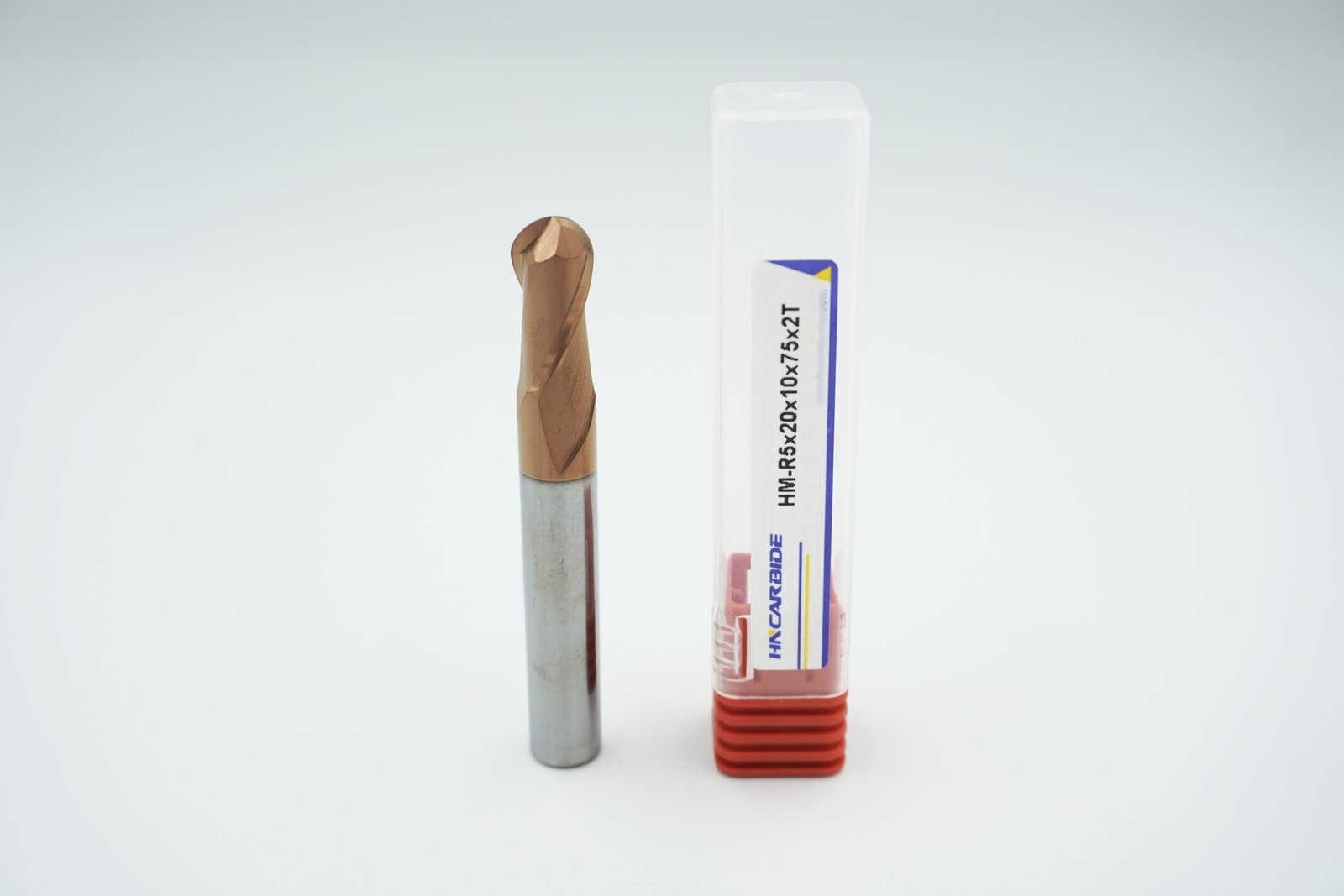
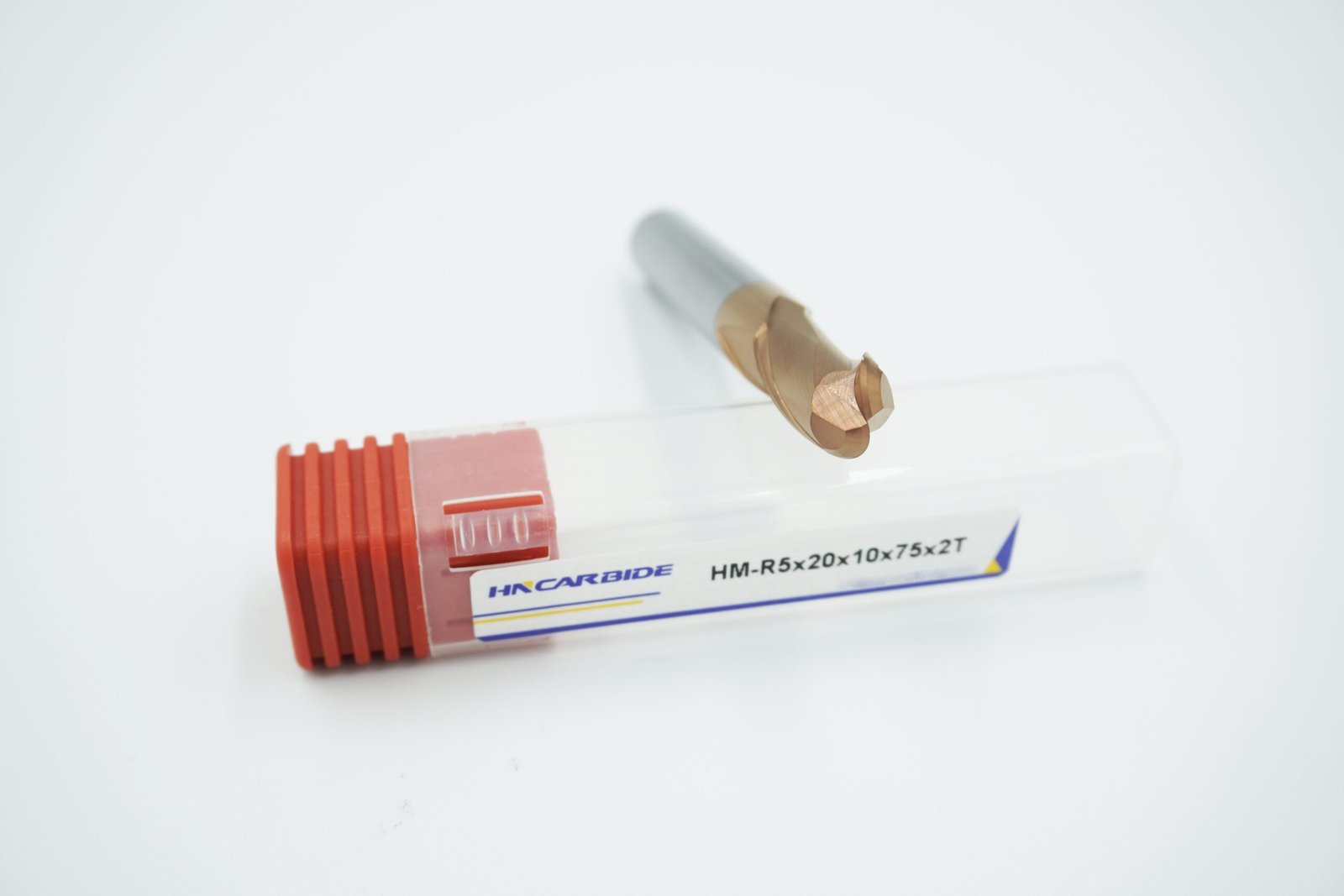
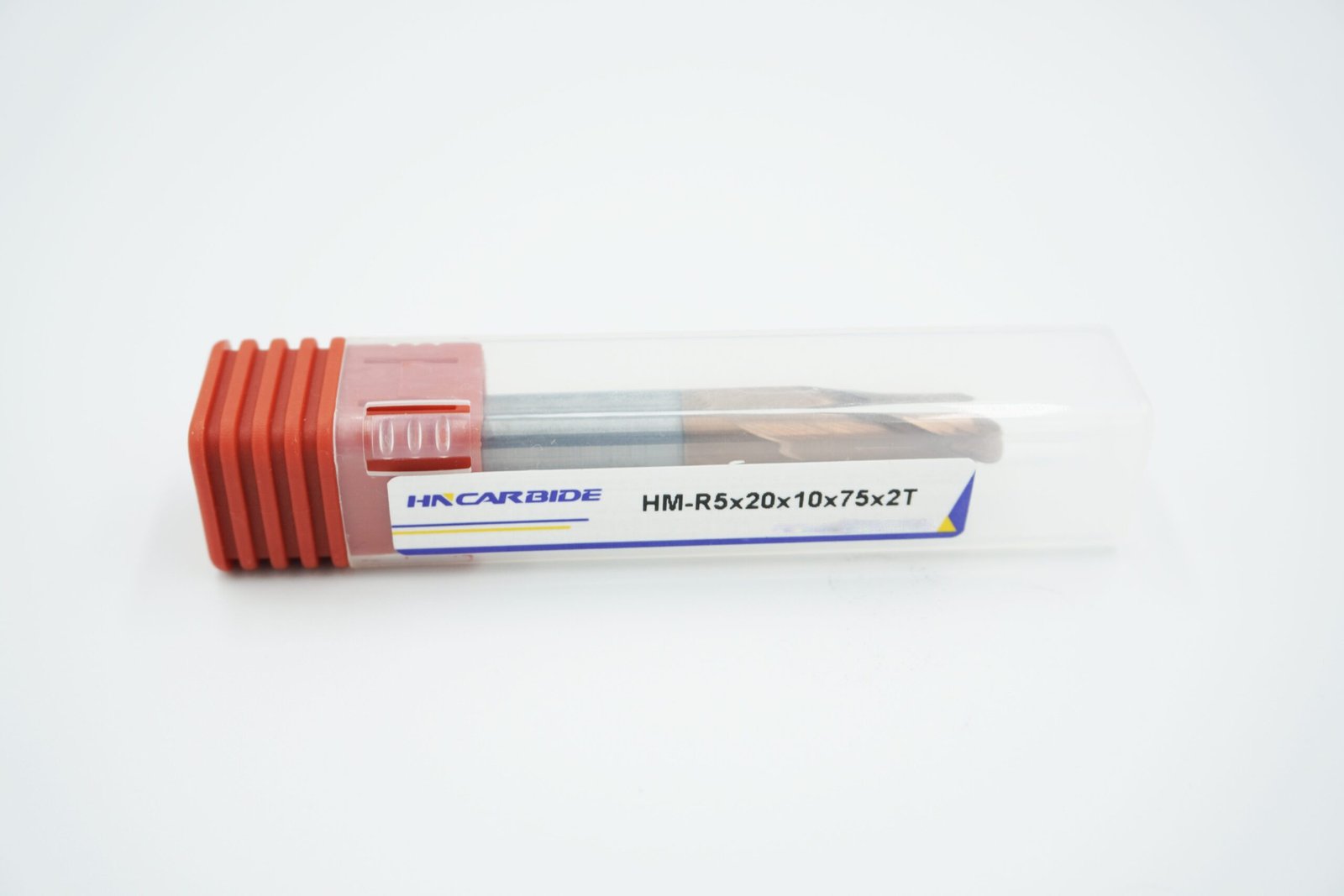
HM series ball end mills are high-performance carbide ball end mills designed mainly as ball end mills for aluminum and other non-ferrous materials. The 2-flute geometry provides sharp cutting edges and large chip space for high-speed machining and excellent surface finish on 3D contours.
In typical jobs where ball end mills are used—profiling, pocketing and finishing moulds or complex cavities—the HM series offers smooth chip evacuation, low cutting forces and reliable tool life, answering what are ball end mills used for in modern CNC production.
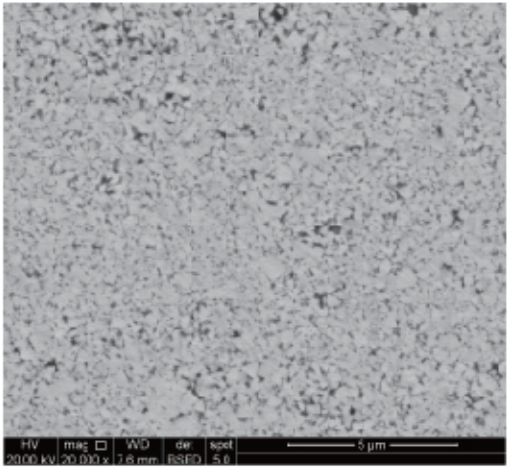
Grade HN55 is made from ultrafine close to nanometer sized WC powder, with very high wear resistancet’s suitable for making miling、 drilling tools and reamers, for high-speed miling of materials with highhardness.
| Grade | Cobalt content % | Grain size | Density g/cm³ | Hardness HRA | Hardness HV30 | MPa Transverse rupture strength | MPa ·m1/2 Fracture toughness MPa ·m1/2 |
|---|---|---|---|---|---|---|---|
| HN55 | 9 | 0.3 | 14.50 | 93.8 | 1,960 | 3,800 | 8.0 |
| Scientific name | Composition | Physical properties | Features | Typical applications |
|---|---|---|---|---|
| AlCrSiN | Aluminium–chromium–silicon nitride coating containing Si | Hardness: not clearly specified, but the presence of Si significantly increases hardness and toughness (estimated HV>3500). | Si forms a denser nanostructure, improving wear resistance and high-temperature stability. | Specially designed for drills, end mills and ball-nose mills and other shank-type tools. Suitable for machining high-hardness materials (such as quenched workpieces) and materials after heat treatment. |
Our ball end mills drawings clearly show key ball end mills dimensions such as diameter, radius, flute length and overall length. This helps you confirm the right ball end mills sizes for your CNC setup and machining depth before ordering.
In CNC machining, ball end mills are used for 3D profiling, contouring and finishing curved surfaces, such as moulds, dies and complex cavities. When people ask what are ball end mills used for, they usually mean jobs where sharp inside corners are not required and a smooth radius is needed.
For ball end mills HRC 60 and hardened steel, high-performance PVD coatings such as TiAlN, AlTiN or nano coatings are recommended. They improve heat resistance and tool life when ball end mills are used for high-speed finishing of moulds and dies.
Common reasons include using tools below the required hardness (for example, not using ball end mills HRC 60 or above), lack of coolant or air, too much radial engagement, or incorrect coating. Choosing the right carbide ball end mills grade and coating, and reducing step-over, can significantly improve tool life.
Yes. We can produce non-standard tools according to your drawings, samples or machining requirements (material, coating, size, tolerance and application). Our engineers will evaluate and provide a quotation and lead time.
For serious buyers and distributors, we can offer free standard samples if in stock. Usually you only need to cover the freight cost. For customized tools, a sample fee may apply, which can be refunded or deducted in bulk orders.
Yes.
Regional or customer protection based on sales targets, avoiding price wars among our partners.
Catalogs, brochures, product photos, technical data sheets, online materials.
For key partners, joint promotion, exhibitions and digital marketing support.
Safety stock for fast-moving items and forecast-based production.
Priority production and regular shipments to reduce stock-out risk.
Clear quality warranty policy, quick response to claims.
Replacement, credit or other solutions after confirmation of issues.
Tool selection and cutting parameter advice.
Problem analysis for different materials and machines.
Online training, documents, and when possible, on-site support for key accounts.

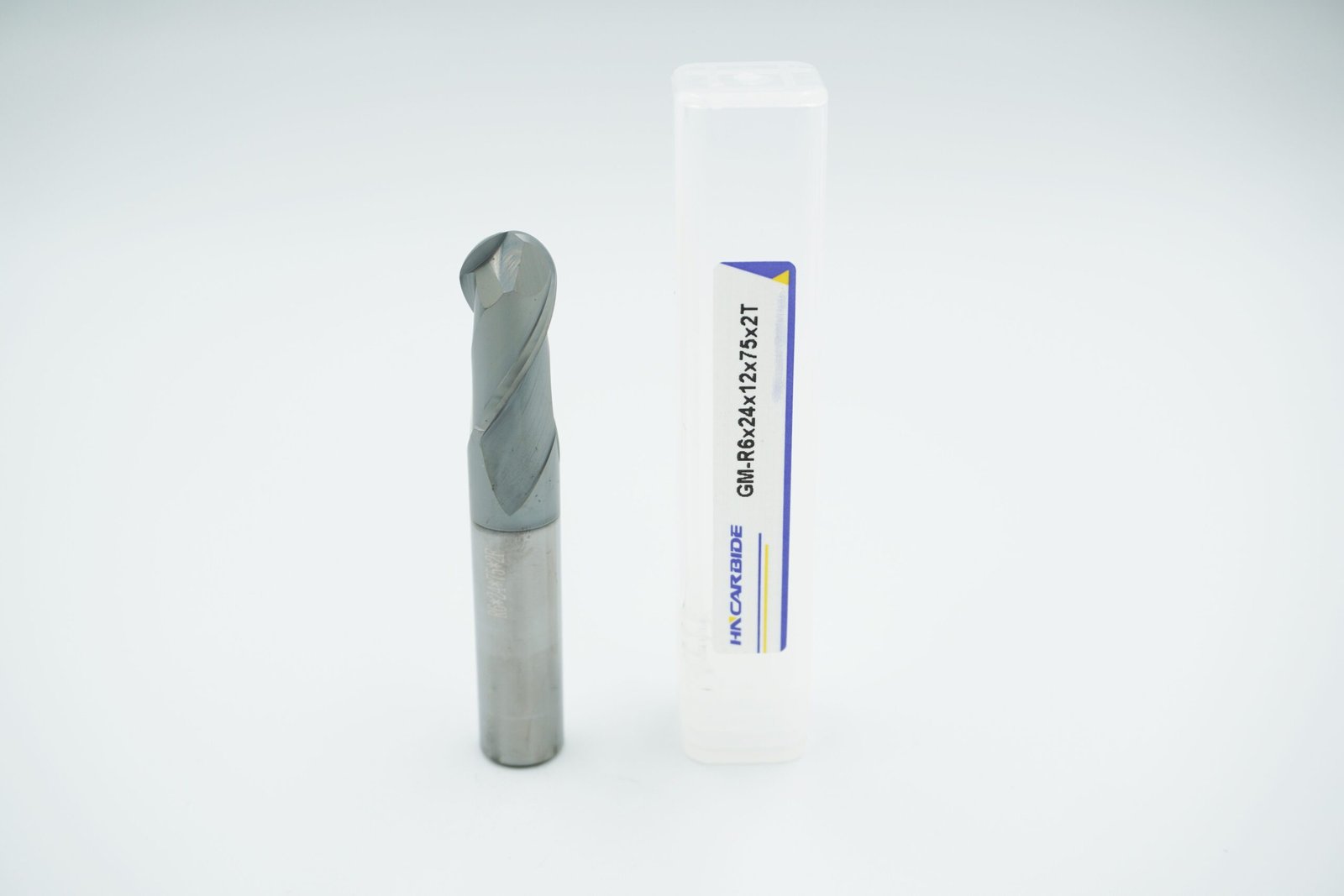
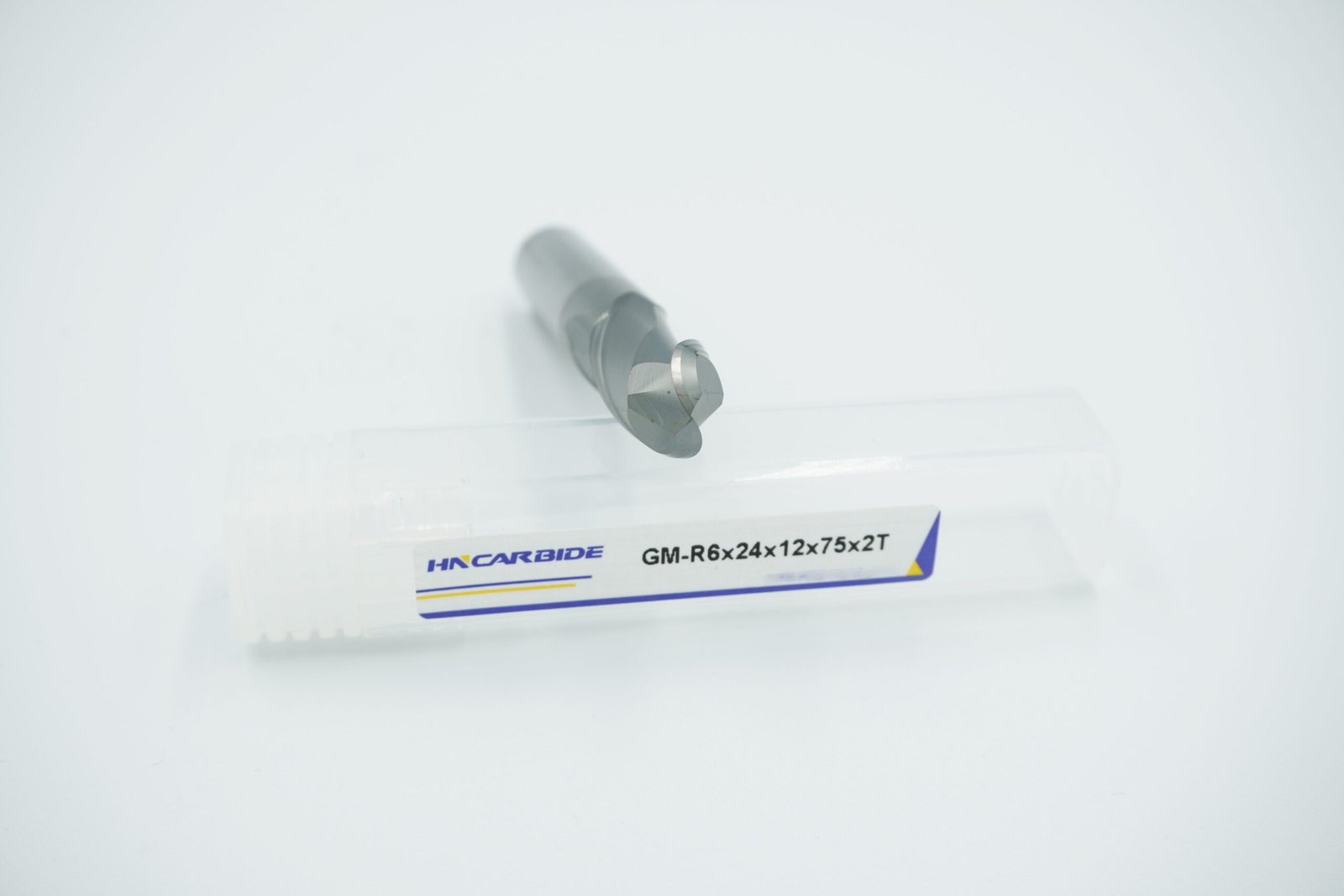
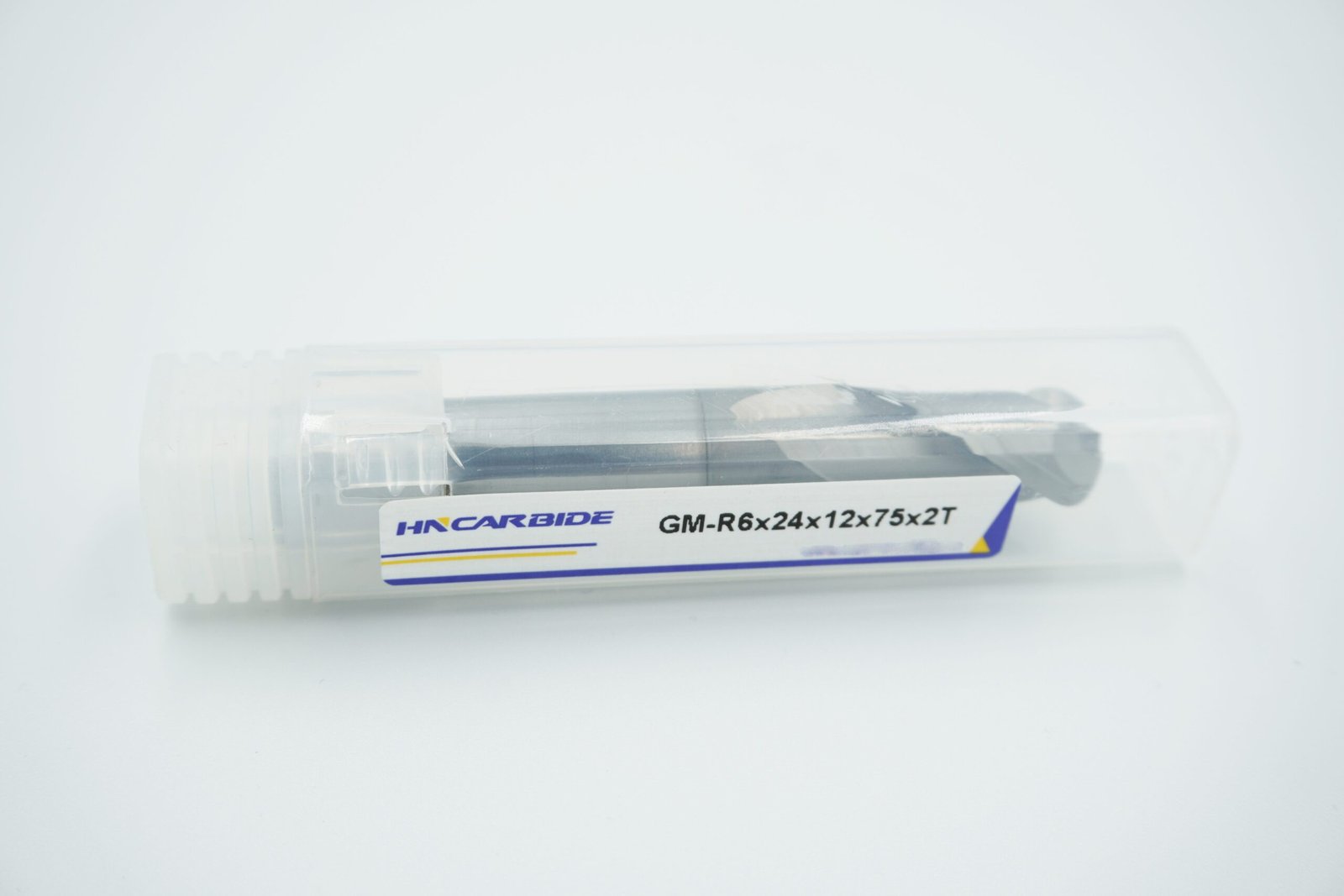
GM series ball end mills are universal carbide ball end mills for everyday machining of carbon steel, alloy steel, stainless steel and cast iron. The 2-flute design combines sharp cutting edges with large chip space, giving stable performance in both semi-finishing and finishing of 3D surfaces, pockets and mould cavities.
If you are wondering what are ball end mills used for, the GM series covers most general profiling and contouring jobs where you need smooth 3D shapes and reliable chip evacuation. In many workshops, ball end mills are used as the main tool for mould and die work, electrode machining and curved surface finishing, and GM fits perfectly into this role. They can also handle light ball end mills for aluminum work when you switch between steels and non-ferrous materials in one setup
Grade HN40 is made from submicron WC powder, some speclal additlves added to optimize theproperties with good combination of hardness and toughness.
Its suitable for making drills and miling tools for machining stainless steel, tool steel and heat-resistingalloys.
| Grade | Cobalt content % | Grain size | Density g/cm³ | Hardness HRA | Hardness HV30 | MPa Transverse rupture strength | MPa ·m1/2 Fracture toughness MPa ·m1/2 |
|---|---|---|---|---|---|---|---|
| HN40 | 10 | 0.8 | 14.45 | 91.8 | 1,580 | 3,600 | 11.8 |
| Scientific name | Composition | Physical properties | Features | Typical applications |
|---|---|---|---|---|
| ALCRN | Al: 18–32% Cr: 10–25% N: 45–57% | Hardness: 2800–3200 HV (≈30–32 GPa) Thickness: 1–5 μm (typically 3–4 μm in applications) Oxidation temperature: 1000–1100°C (short-term up to 1100°C) Deposition temperature: <500°C (suitable for HSS and carbide substrates) | Red hardness: maintains hardness even at 1100°C, better than TiAlN (whose hardness drops above about 900°C). Adhesion: critical load up to 40 N (with optimized process). Wear resistance: suitable for high-speed cutting and dry machining, especially effective on stainless steels and alloy steels. | Cutting tools: end mills, gear cutters, drills (e.g. Balinit Alcorna series). Moulds: aluminium die-casting moulds, stamping tools. Industrial parts: piston rings, high-temperature wear-resistant parts (combined with suitable interlayer design). |
Our ball end mills drawings clearly show key ball end mills dimensions such as diameter, radius, flute length and overall length. This helps you confirm the right ball end mills sizes for your CNC setup and machining depth before ordering.
In CNC machining, ball end mills are used for 3D profiling, contouring and finishing curved surfaces, such as moulds, dies and complex cavities. When people ask what are ball end mills used for, they usually mean jobs where sharp inside corners are not required and a smooth radius is needed.
For ball end mills HRC 60 and hardened steel, high-performance PVD coatings such as TiAlN, AlTiN or nano coatings are recommended. They improve heat resistance and tool life when ball end mills are used for high-speed finishing of moulds and dies.
Common reasons include using tools below the required hardness (for example, not using ball end mills HRC 60 or above), lack of coolant or air, too much radial engagement, or incorrect coating. Choosing the right carbide ball end mills grade and coating, and reducing step-over, can significantly improve tool life.
Yes. We can produce non-standard tools according to your drawings, samples or machining requirements (material, coating, size, tolerance and application). Our engineers will evaluate and provide a quotation and lead time.
For serious buyers and distributors, we can offer free standard samples if in stock. Usually you only need to cover the freight cost. For customized tools, a sample fee may apply, which can be refunded or deducted in bulk orders.
Yes.
Regional or customer protection based on sales targets, avoiding price wars among our partners.
Catalogs, brochures, product photos, technical data sheets, online materials.
For key partners, joint promotion, exhibitions and digital marketing support.
Safety stock for fast-moving items and forecast-based production.
Priority production and regular shipments to reduce stock-out risk.
Clear quality warranty policy, quick response to claims.
Replacement, credit or other solutions after confirmation of issues.
Tool selection and cutting parameter advice.
Problem analysis for different materials and machines.
Online training, documents, and when possible, on-site support for key accounts.

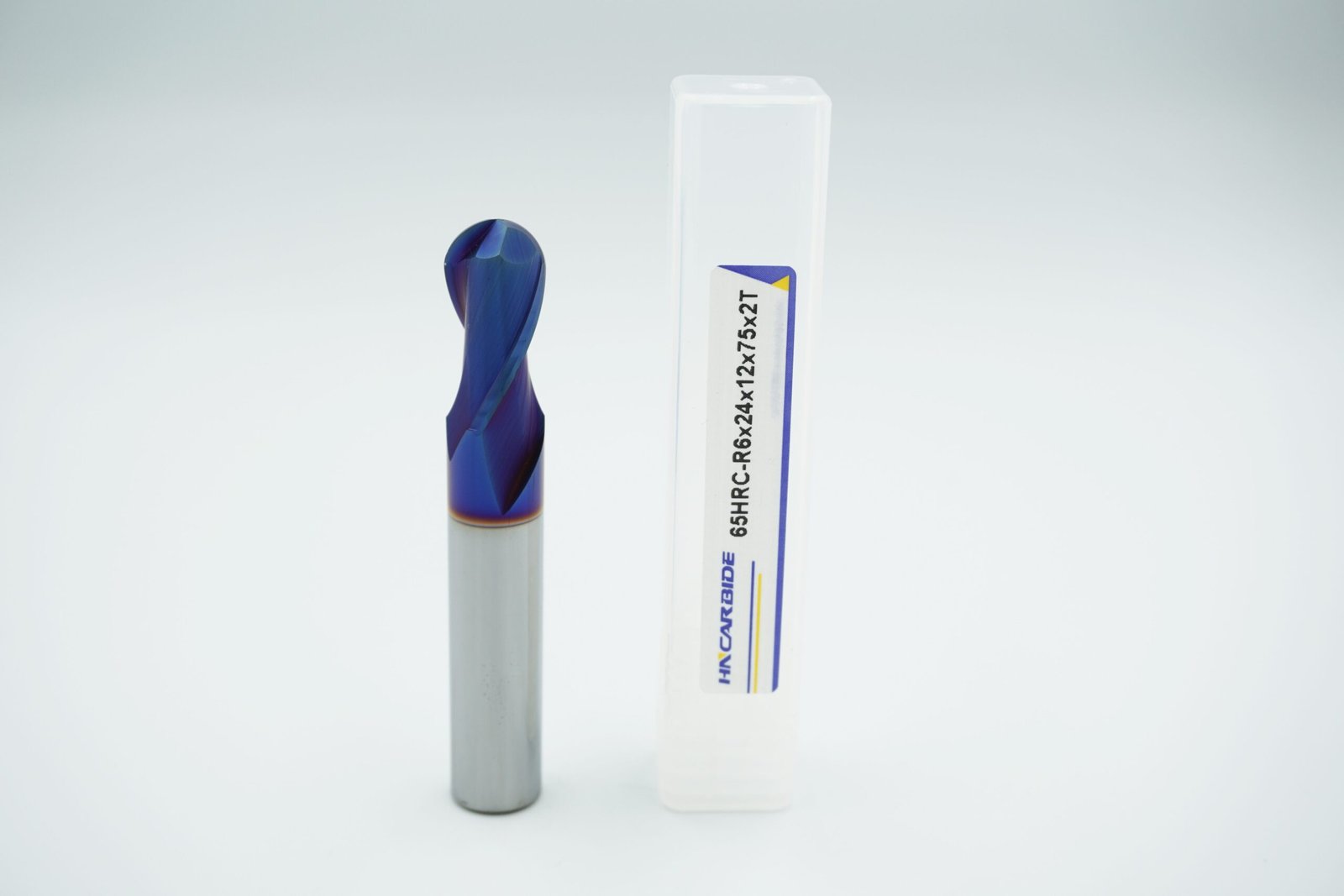
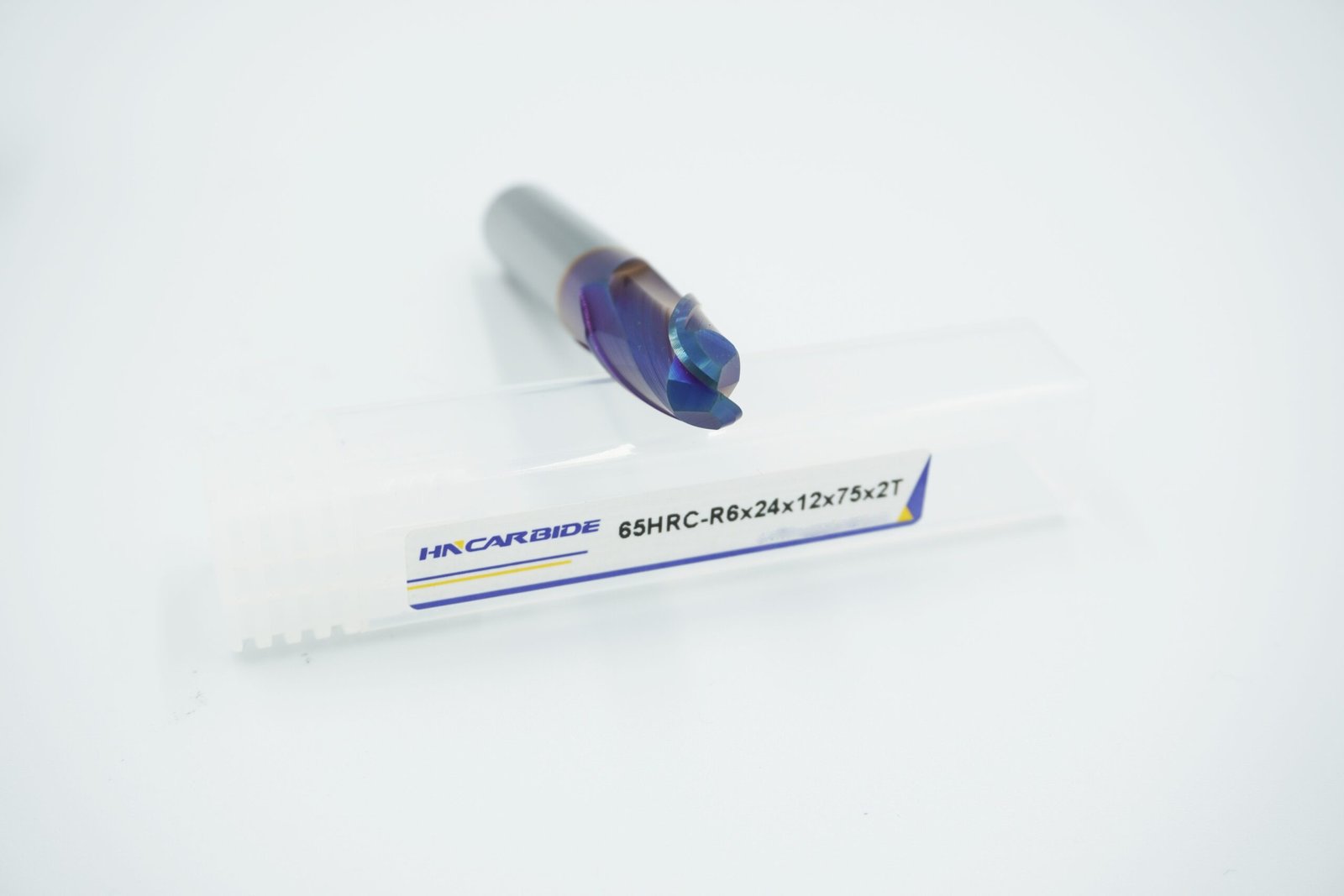
These high-hardness ball end mills are made from premium carbide and hardened up to 65 HRC, going beyond standard ball end mills HRC 60 for demanding mould and die applications. The Blue Nano coating offers excellent heat resistance and wear protection, keeping cutting edges sharp in continuous high-speed machining of hardened tool steels.
As carbide ball end mills with a 2-flute design, they provide aggressive yet stable cutting, smooth chip evacuation and a fine surface finish on 3D profiles, deep cavities and small-radius details. In typical jobs where ball end mills are used—finishing hardened moulds, dies and precision components—this series delivers long tool life and consistent dimensional accuracy.
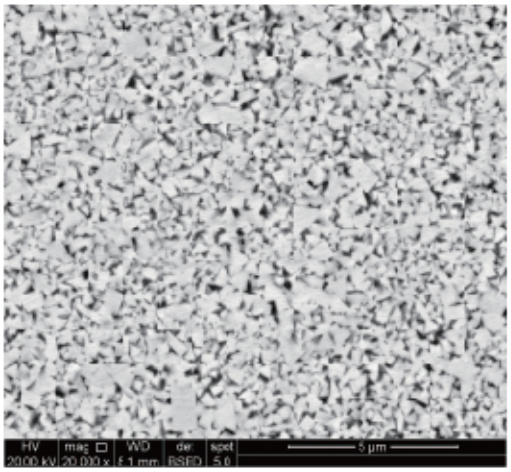
Grade HN44F is made from submicron WC powder, some special additives added.
It’s suitable for making drills and end mills, especially for machining steel,Al-based alloys and Ti-basedalloys.
| Grade | Cobalt content % | Grain size | Density g/cm³ | Hardness HRA | Hardness HV30 | MPa Transverse rupture strength | MPa ·m1/2 Fracture toughness MPa ·m1/2 |
|---|---|---|---|---|---|---|---|
| HN44F | 12 | 0.4 | 14.15 | 92.6 | 1,720 | 4,200 | 9.6 |
| Scientific name | Composition | Physical properties | Features | Typical applications |
|---|---|---|---|---|
| CrAlTiSiN | Cr: 12–16% Al: 20–24% Ti: 4–8% Si: 6–10% N: 48–52% | Ultra-high hardness: hardness can reach 38–40 GPa (e.g. CrAlSiN/TiAlSiN modulated coatings), much higher than traditional TiN or CrN. Si forms amorphous Si₃N₄, which suppresses dislocation movement and improves wear resistance. Excellent high-temperature performance: oxidation temperature up to 1000–1100°C, suitable for high-speed dry cutting. At high temperature, a dense Al₂O₃ and Cr₂O₃ oxide layer forms on the surface, slowing further oxidation. Low friction coefficient: about 0.375–0.675, depending on modulation period and Si content. Strong adhesion: with transition-layer design (such as AlCrTi alloy layer), critical load can exceed 18 N (scratch test). | High-speed cutting tools: such as mills and drills, suitable for hardened steels, titanium alloys and other difficult-to-machine materials. Mould surface reinforcement: improves wear resistance and thermal-fatigue resistance of stamping dies. Aerospace components: such as turbine-blade coatings, resisting high-temperature oxidation and particle erosion. |
Our ball end mills drawings clearly show key ball end mills dimensions such as diameter, radius, flute length and overall length. This helps you confirm the right ball end mills sizes for your CNC setup and machining depth before ordering.
In CNC machining, ball end mills are used for 3D profiling, contouring and finishing curved surfaces, such as moulds, dies and complex cavities. When people ask what are ball end mills used for, they usually mean jobs where sharp inside corners are not required and a smooth radius is needed.
For ball end mills HRC 60 and hardened steel, high-performance PVD coatings such as TiAlN, AlTiN or nano coatings are recommended. They improve heat resistance and tool life when ball end mills are used for high-speed finishing of moulds and dies.
Common reasons include using tools below the required hardness (for example, not using ball end mills HRC 60 or above), lack of coolant or air, too much radial engagement, or incorrect coating. Choosing the right carbide ball end mills grade and coating, and reducing step-over, can significantly improve tool life.
Yes. We can produce non-standard tools according to your drawings, samples or machining requirements (material, coating, size, tolerance and application). Our engineers will evaluate and provide a quotation and lead time.
For serious buyers and distributors, we can offer free standard samples if in stock. Usually you only need to cover the freight cost. For customized tools, a sample fee may apply, which can be refunded or deducted in bulk orders.
Yes.
Regional or customer protection based on sales targets, avoiding price wars among our partners.
Catalogs, brochures, product photos, technical data sheets, online materials.
For key partners, joint promotion, exhibitions and digital marketing support.
Safety stock for fast-moving items and forecast-based production.
Priority production and regular shipments to reduce stock-out risk.
Clear quality warranty policy, quick response to claims.
Replacement, credit or other solutions after confirmation of issues.
Tool selection and cutting parameter advice.
Problem analysis for different materials and machines.
Online training, documents, and when possible, on-site support for key accounts.

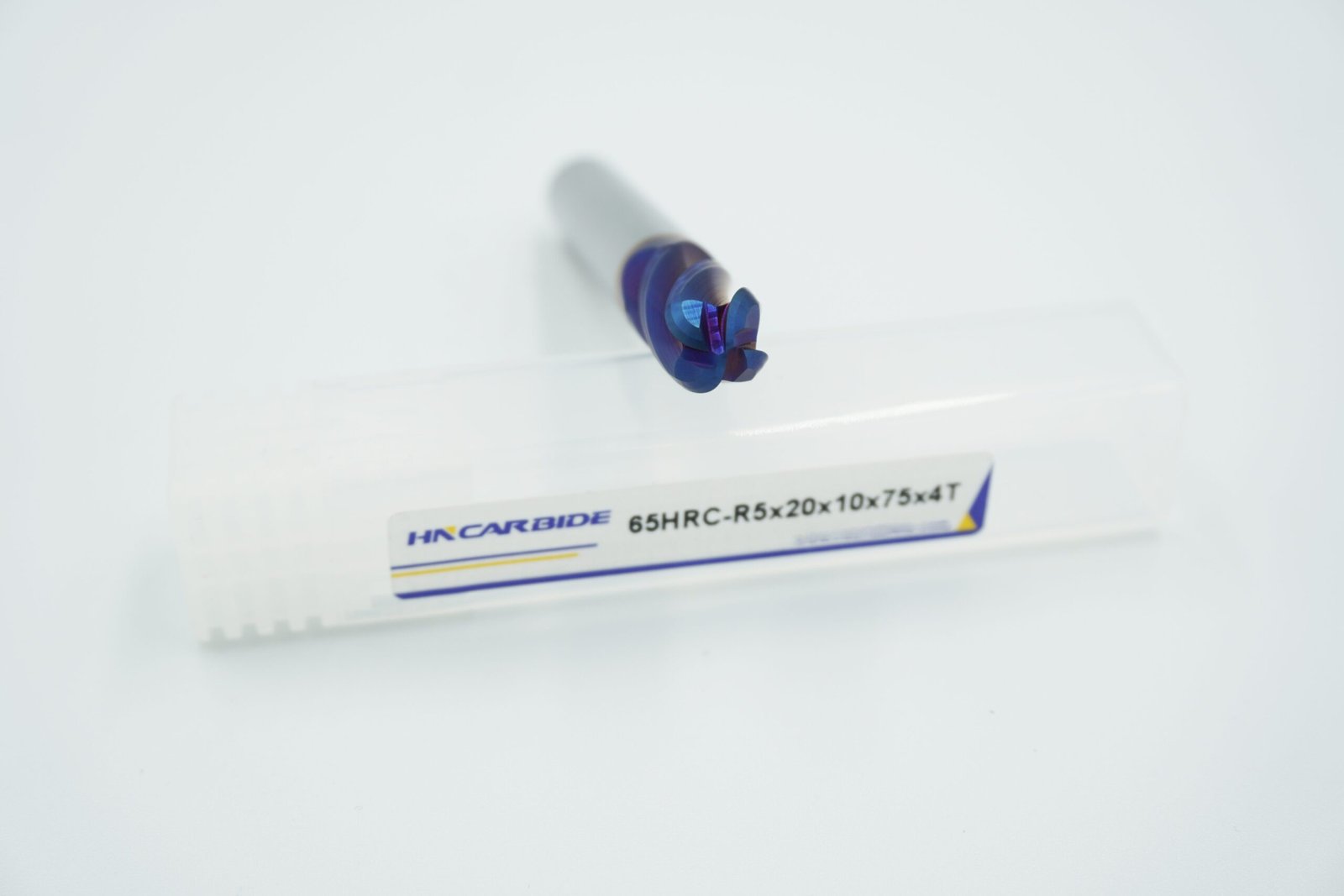
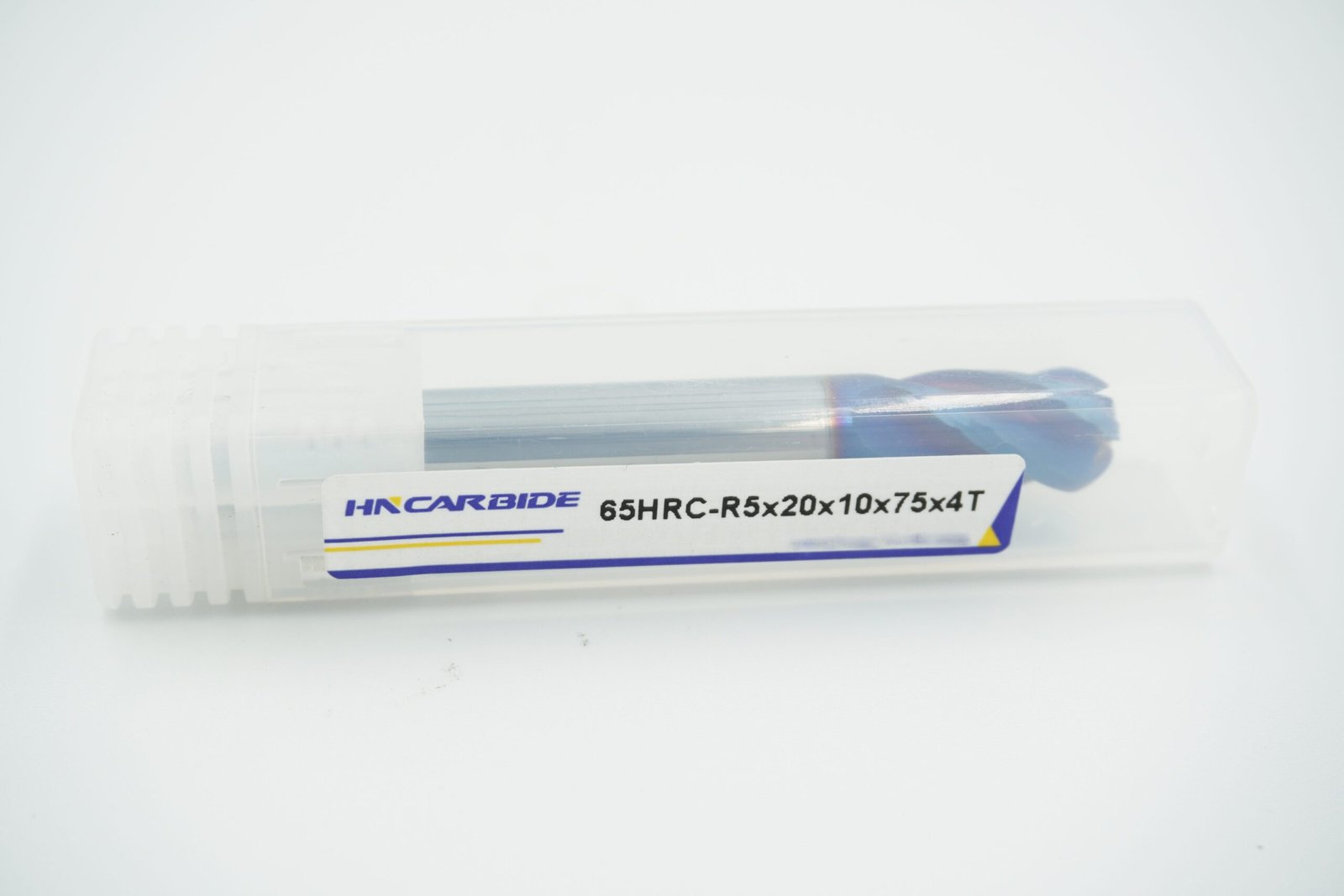
These high-performance ball end mills are made from premium carbide, hardened to 65 HRC and finished with a Blue Nano coating for extreme wear resistance. As carbide ball end mills, they are ideal for moulds, dies and precision parts in hardened tool steel, where stable cutting and a fine surface finish are critical.
Compared with standard ball end mills HRC 60, this series offers higher hardness capacity, longer tool life and better performance under high-speed, high-heat conditions. In demanding applications where ball end mills are used—finishing 3D profiles, pockets and complex contours in hardened steel—these tools provide smooth cutting, reliable chip control and accurate dimensions. If you are wondering what are ball end mills used for, this series clearly targets high-precision 3D surface finishing on hard materials.
Grade HN44F is made from submicron WC powder, some special additives added.
It’s suitable for making drills and end mills, especially for machining steel,Al-based alloys and Ti-basedalloys.
| Grade | Cobalt content % | Grain size | Density g/cm³ | Hardness HRA | Hardness HV30 | MPa Transverse rupture strength | MPa ·m1/2 Fracture toughness MPa ·m1/2 |
|---|---|---|---|---|---|---|---|
| HN44F | 12 | 0.4 | 14.15 | 92.6 | 1,720 | 4,200 | 9.6 |
| Scientific name | Composition | Physical properties | Features | Typical applications |
|---|---|---|---|---|
| Nano-Blue | Blue surface layer: may contain AlCrN (aluminium-chromium nitride) or TiSiN (titanium–silicon nitride); the blue colour comes from nano-structured interference. Nanomultilayer structure: alternating layers such as TiN/AlN (individual layer thickness <50 nm) to increase hardness and thermal stability. | Hardness: 3000–4000 HV (nano-indentation). Friction coefficient: 0.1–0.3 (lower when combined with DLC). Heat resistance: stable up to 1000°C (oxidation starts above 800°C). Adhesion strength: ≥70 N (critical load in scratch test). Surface roughness: Ra <0.05 μm (after polishing). | Blue appearance: achieved by nano-optical thin-film design, and can serve as wear indicator (colour change shows coating loss). Self-lubricating: some Si- or WC-containing nanocoatings can form a silica-based lubricating layer at high temperature. | Recommended workpiece materials High-hardness steels (HRC>50, such as mould steel, bearing steel). High-temperature alloys (nickel-based / titanium alloys, relying on coating heat resistance). Non-ferrous metals (aluminium and copper alloys, requiring low-friction coating to prevent built-up edge). Composites (CFRP, avoiding adverse reactions between coating and fibres). Typical application fields Aerospace: machining turbine-blade dovetails, milling titanium-alloy structural parts. Automotive moulds: high-precision cavity milling, balancing efficiency and surface quality. Medical devices: micro-machining of cobalt-chromium artificial joints. |
Our ball end mills drawings clearly show key ball end mills dimensions such as diameter, radius, flute length and overall length. This helps you confirm the right ball end mills sizes for your CNC setup and machining depth before ordering.
In CNC machining, ball end mills are used for 3D profiling, contouring and finishing curved surfaces, such as moulds, dies and complex cavities. When people ask what are ball end mills used for, they usually mean jobs where sharp inside corners are not required and a smooth radius is needed.
For ball end mills HRC 60 and hardened steel, high-performance PVD coatings such as TiAlN, AlTiN or nano coatings are recommended. They improve heat resistance and tool life when ball end mills are used for high-speed finishing of moulds and dies.
Common reasons include using tools below the required hardness (for example, not using ball end mills HRC 60 or above), lack of coolant or air, too much radial engagement, or incorrect coating. Choosing the right carbide ball end mills grade and coating, and reducing step-over, can significantly improve tool life.
Yes. We can produce non-standard tools according to your drawings, samples or machining requirements (material, coating, size, tolerance and application). Our engineers will evaluate and provide a quotation and lead time.
For serious buyers and distributors, we can offer free standard samples if in stock. Usually you only need to cover the freight cost. For customized tools, a sample fee may apply, which can be refunded or deducted in bulk orders.
Yes.
Regional or customer protection based on sales targets, avoiding price wars among our partners.
Catalogs, brochures, product photos, technical data sheets, online materials.
For key partners, joint promotion, exhibitions and digital marketing support.
Safety stock for fast-moving items and forecast-based production.
Priority production and regular shipments to reduce stock-out risk.
Clear quality warranty policy, quick response to claims.
Replacement, credit or other solutions after confirmation of issues.
Tool selection and cutting parameter advice.
Problem analysis for different materials and machines.
Online training, documents, and when possible, on-site support for key accounts.
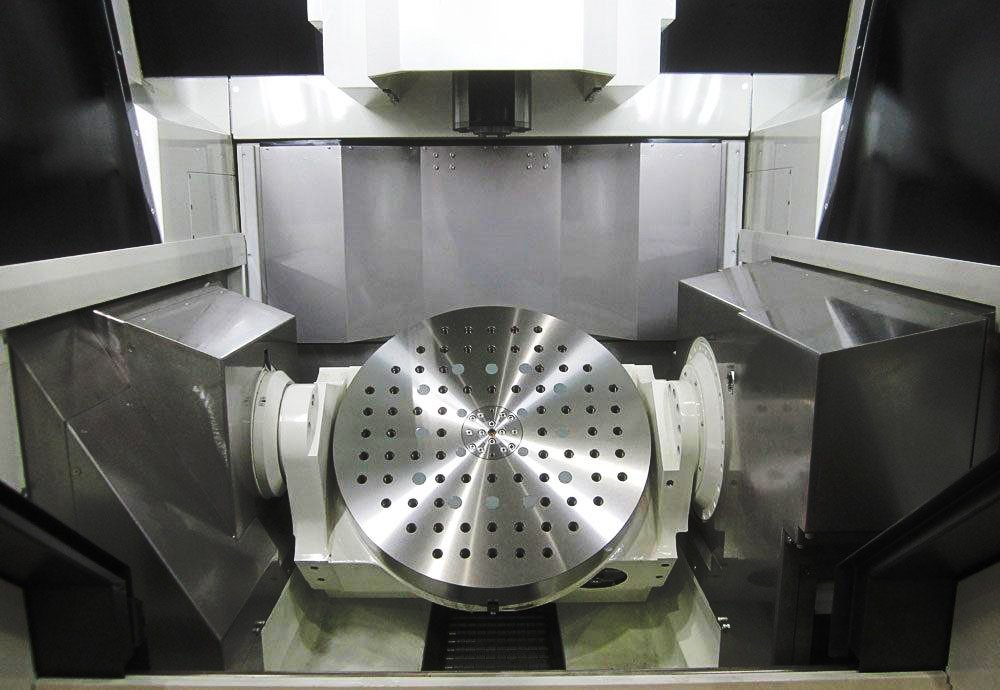
HNCarbide ball end mills are designed for 3D workpieces across mould & die, automotive, aerospace and precision engineering. In daily production, ball end mills are used for sculpted surfaces, pockets, electrodes and any part that demands smooth, blended radii instead of sharp corners. When customers ask what are ball end mills used for, the answer is simple: they are the key tools for accurate contouring and fine surface finishing on complex parts.
Our program of carbide ball end mills covers steels, stainless steels, cast iron and non-ferrous alloys. Dedicated ball end mills for aluminum feature sharp cutting edges and enlarged flutes that clear chips quickly in high-speed machining. From single-piece prototypes to automated lines, HNCarbide ball end mills help you keep stable quality and repeatable accuracy.
HNCarbide ball end mills are ground on advanced CNC equipment to ensure precise radius form, low runout and consistent cutting performance. Using wear-resistant carbide substrates and application-matched coatings, our carbide ball end mills deliver reliable tool life even under heavy load and elevated temperatures.
For hardened mould steels, we supply dedicated ball end mills HRC 60 and above, offering secure machining of high-hardness cavities with minimal chipping and excellent surface finish. For lightweight alloys, our specialized ball end mills for aluminum minimize built-up edge and reduce polishing time. Across the range, every tool is inspected so your machining benefits from predictable performance and reduced downtime.

We Are Commited To Providing High-Quality, Customized solutions At An Affordable price While Also Prioritizing sustainability And ExcellentCustomer Service, These Qualities Make Us A Great choice For Your ball end mills Needs
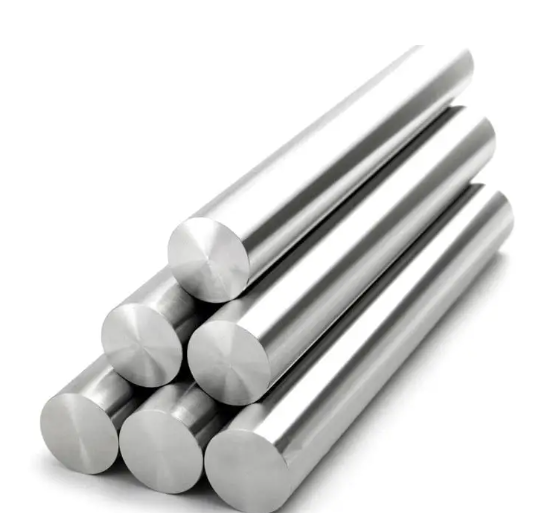
We Only Use unground tungsten carbide rods with HlP sintering and100% virgin material. Our grade includes lsO K05 to K40, frommachining carbon steel to aluminium, non-ferrous metals andtitanium or we develop grade for your applications.
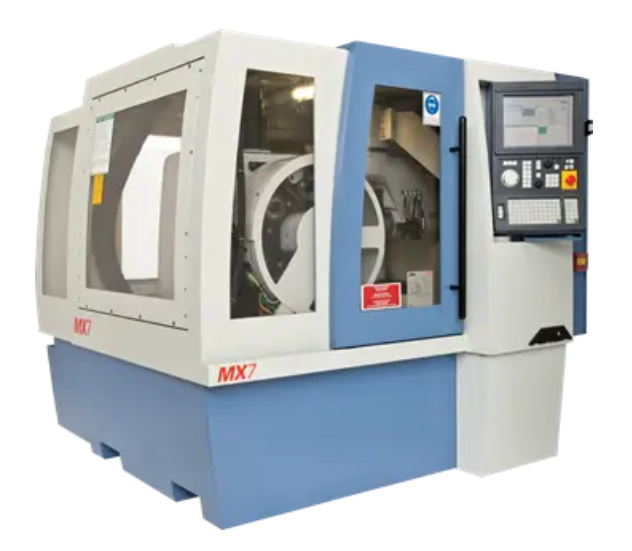
As a HNCarbide customer, you can enjoy five-axis high-precisiongrinding machines from Australia’s ANCA or Germany’s Walter. Themodern workshop with constant temperature and humidity ensuresthe accuracy of each ball end mills
Each of your tungsten steel ball end mills will be sandblasted toeffectively remove burrs and improve the finish.
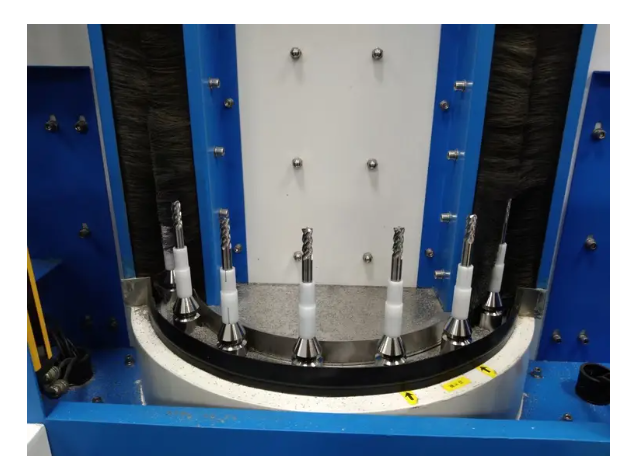
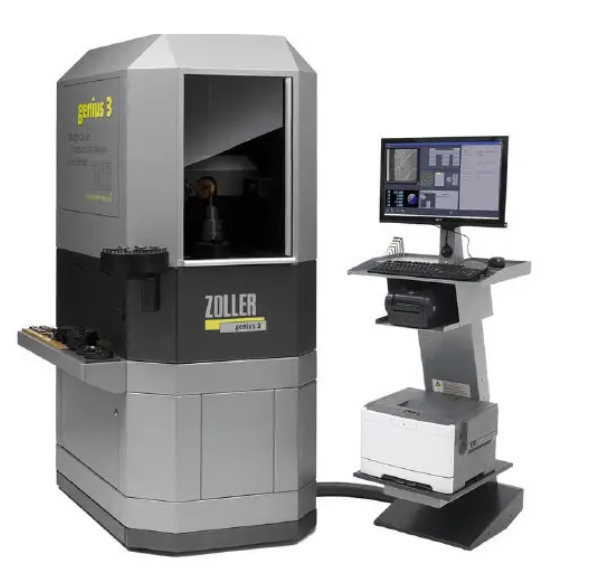
All HNCarbide’s ball end mills will be monitored on WALTER HELICHEEK andZOLLER GENlUS 3 to ensure that every dimension is qualified. We arecommitted to controlling the tolerance within 3 UM.
At HNCarbide, every shipment is meticulously packaged to ensure your tools arrive intact.
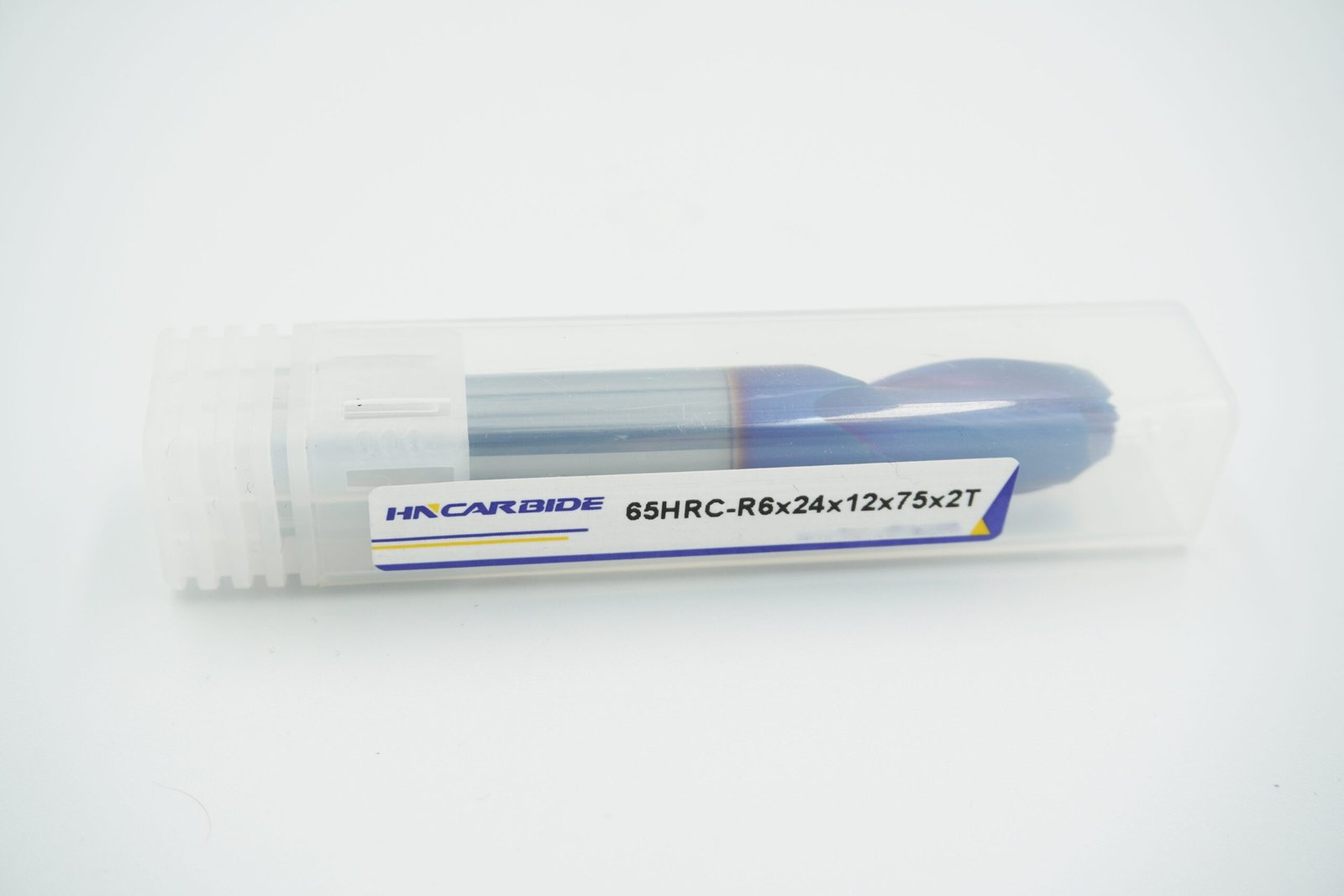
Each HNCarbide ball end mills is individually placed in a shock-resistant protective case, labeled with complete specifications, and sealed in moisture-proof packaging material before being boxed.
Large-volume orders are reinforced with double-wall cardboard boxes or wooden crates to maximize safety during international shipping.
We collaborate with reliable logistics partners to ensure goods are delivered quickly and securely to their destination via air freight, sea freight, or express courier.


In CNC machining, ball end mills are used for 3D profiling, contouring and finishing curved surfaces, such as moulds, dies and complex cavities. When people ask what are ball end mills used for, they usually mean jobs where sharp inside corners are not required and a smooth radius is needed.
For ball end mills HRC 60 and hardened steel, high-performance PVD coatings such as TiAlN, AlTiN or nano coatings are recommended. They improve heat resistance and tool life when ball end mills are used for high-speed finishing of moulds and dies.
Common reasons include using tools below the required hardness (for example, not using ball end mills HRC 60 or above), lack of coolant or air, too much radial engagement, or incorrect coating. Choosing the right carbide ball end mills grade and coating, and reducing step-over, can significantly improve tool life.
Yes. We can produce non-standard tools according to your drawings, samples or machining requirements (material, coating, size, tolerance and application). Our engineers will evaluate and provide a quotation and lead time.
For serious buyers and distributors, we can offer free standard samples if in stock. Usually you only need to cover the freight cost. For customized tools, a sample fee may apply, which can be refunded or deducted in bulk orders.
Yes.
Regional or customer protection based on sales targets, avoiding price wars among our partners.
Catalogs, brochures, product photos, technical data sheets, online materials.
For key partners, joint promotion, exhibitions and digital marketing support.
Safety stock for fast-moving items and forecast-based production.
Priority production and regular shipments to reduce stock-out risk.
Clear quality warranty policy, quick response to claims.
Replacement, credit or other solutions after confirmation of issues.
Tool selection and cutting parameter advice.
Problem analysis for different materials and machines.
Online training, documents, and when possible, on-site support for key accounts.








WhatsApp us
Before you go, please note that we offer the most up-to-date industry research reports and the most comprehensive product catalogs, so please contact us if you are interested!
Before you go, please note that we offer the most up-to-date industry research reports and the most comprehensive product catalogs, so please contact us if you are interested!
 Optimized by Seraphinite Accelerator