Can One End Mill Handle Side Milling Slotting and Bottom Finishing:Practical selection guidance for mixed milling operations
Table of Contents

Reducing tool changes sounds simple until one cutter has to perform three very different jobs. Side milling rewards rigidity and multiple cutting edges. Full-slot cutting needs generous chip space. Bottom finishing depends on the end teeth, center-cutting geometry, runout, and machine setup. A tool that looks suitable in a catalog can still pack a slot with chips or leave a stepped floor.
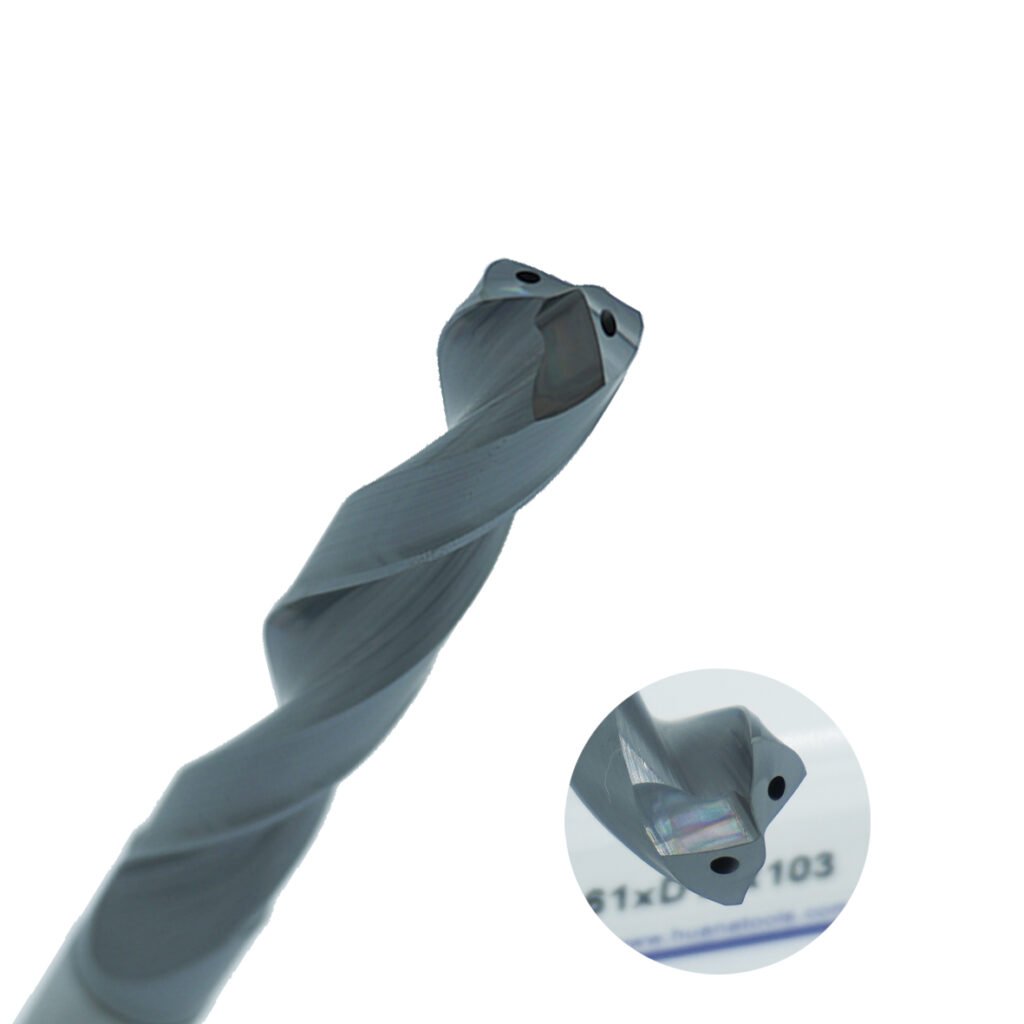
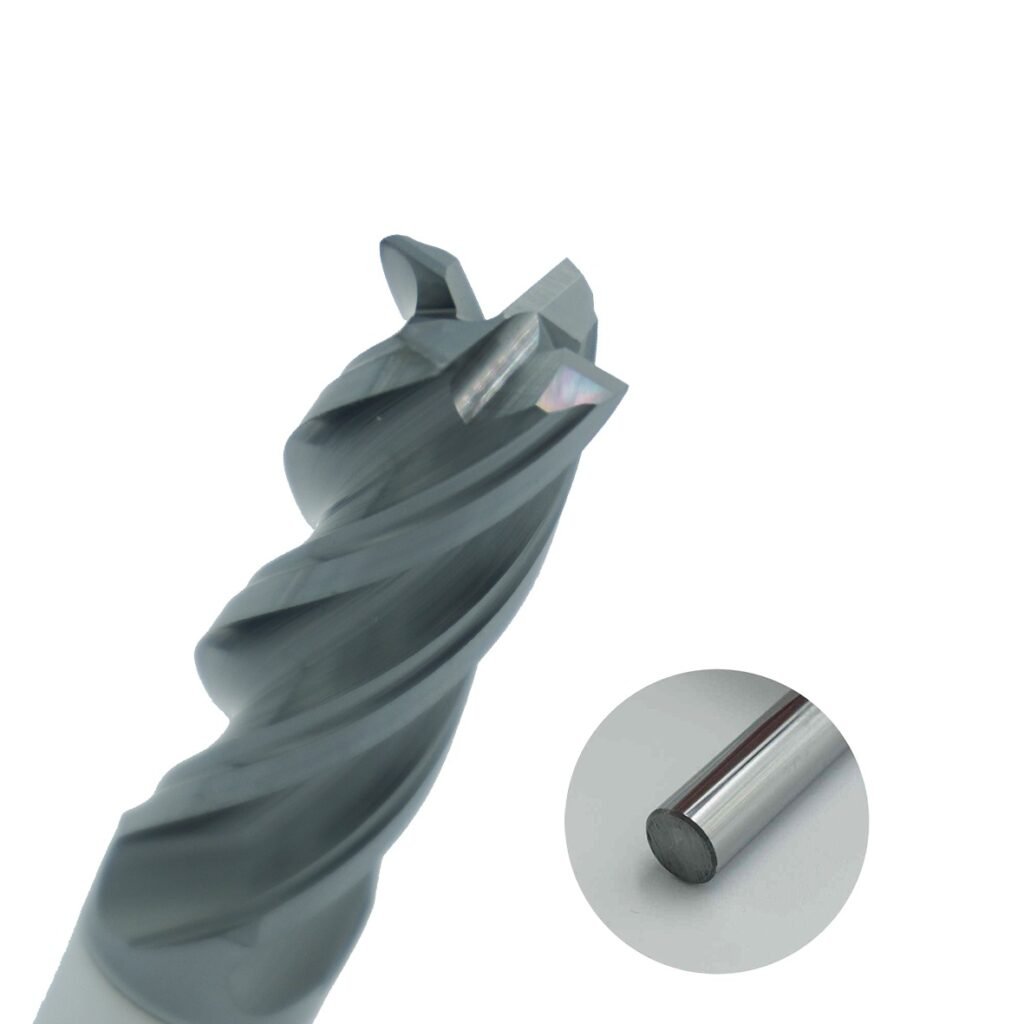
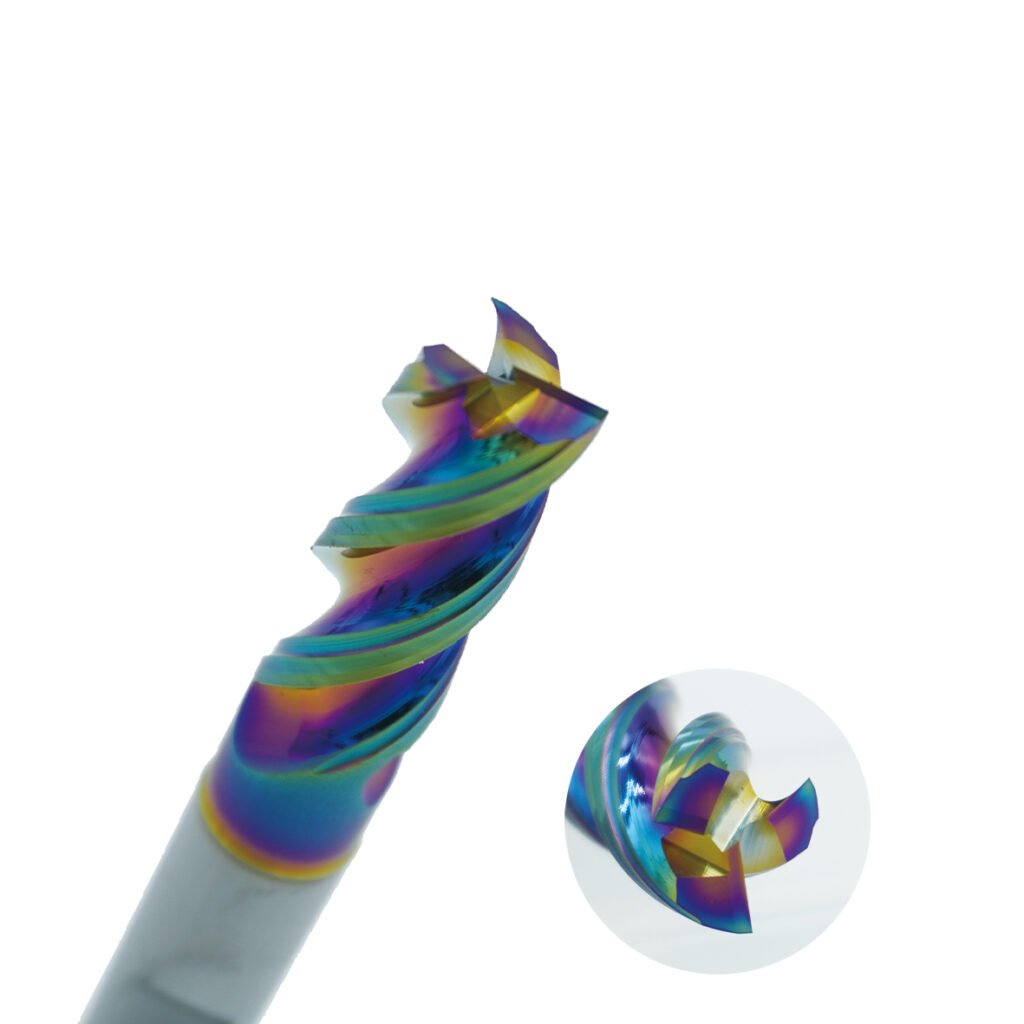
A well-designed three-flute carbide end mill is often the most practical compromise. It has more edge engagement than a conventional two-flute cutter, yet its flutes remain more open than those of a comparable four-flute tool. That balance can let one cutter profile a wall, open a slot, and finish a flat floor in the same setup. It is not a universal rule, however. Workpiece material, tool diameter, depth of cut, helix angle, flute form, and chip evacuation still decide whether the process is stable.
Why one cutter is asked to do three different jobs
Job shops and small-batch production often machine parts with an outside profile, one or more slots, and a pocket floor. Loading a dedicated tool for every feature adds tool-change time, occupies magazine positions, and creates more offsets to control. On short runs, the changeover can matter as much as the cutting time.
The challenge is that the cutting conditions shift sharply between operations. During side milling, only part of the tool circumference is engaged, so chips have room to escape. During full-width slotting, the cutter is buried across its diameter and every flute must move chips through a confined channel. When the tool finishes a pocket floor, axial runout and end-tooth geometry become visible as circular marks or steps.
The correct question is therefore not whether a three-flute end mill can perform all three motions. Many can. The useful question is whether the cutter can do so at the required depth, material, tolerance, and cycle time without turning one operation into a reliability problem.
Flute count changes both productivity and chip space
Flute count affects two things at once: how often a cutting edge enters the workpiece and how much space remains between edges for chips. Increasing the number of flutes can raise feed at the same chip load because table feed is calculated from spindle speed, flute count, and chip load per tooth. The extra cutting edges can also support a stiffer tool cross-section. The price is less room for chips.
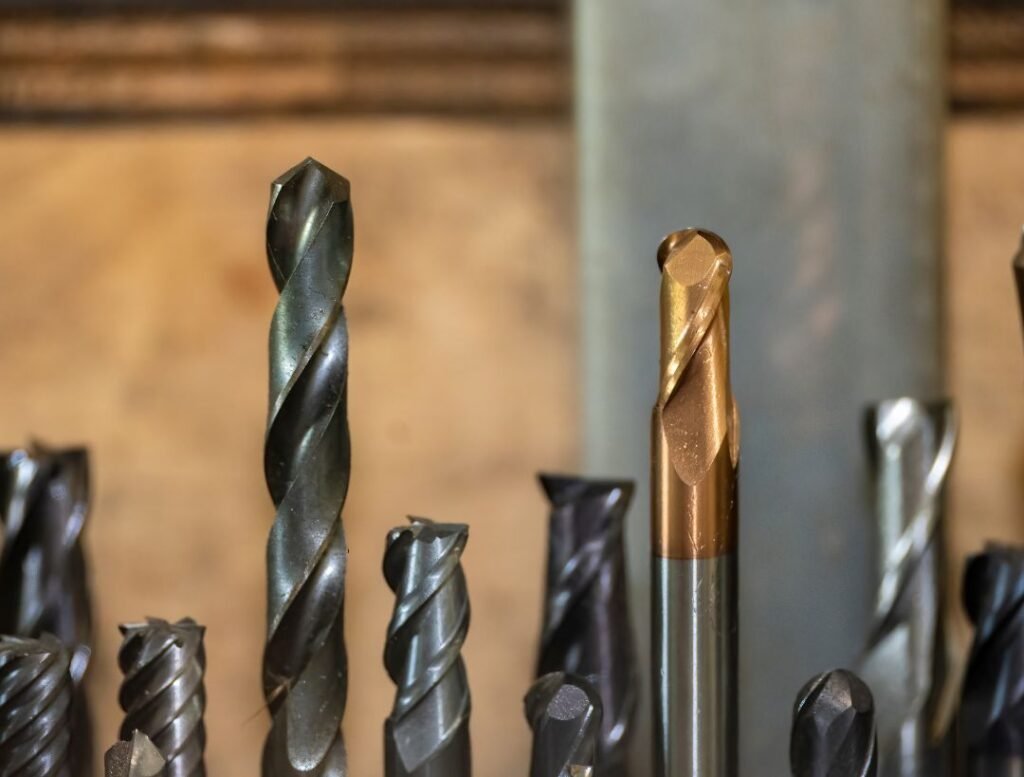
A two-flute end mill has wide gullets and is forgiving when chips are bulky or evacuation is weak. It is a familiar choice for aluminum slotting. Its lower tooth count, however, limits programmed feed when spindle speed and chip load are unchanged. It may also deflect more during demanding side cuts if the geometry uses a smaller core.
A four-flute end mill provides more edge engagements per revolution and is often efficient in side milling and finishing. In a full slot, particularly in gummy material or a deep channel, its narrower flutes can recut chips or pack the cut. A three-flute design sits between those two extremes. KYOCERA SGS describes its three-flute micro end mill as offering more chip space than a four-flute design and more strength and feed capability than a two-flute design. That is a useful summary of the geometry, but the actual result still depends on the specific series and application.
Flute count | Main strength | Main limitation | Best fit in a one-tool strategy |
2 flutes | Large chip gullets and easy evacuation | Lower feed at the same rpm and chip load; often less core support | Heavy slotting, soft or gummy materials, limited coolant or air blast |
3 flutes | Balanced chip space, tooth count, and cross-sectional strength | Less evacuation room than two flutes; not as many edges as four flutes | Mixed side milling, slotting, ramping, and light floor finishing |
4 flutes | High edge frequency and good support for profiling | Chip congestion risk in full-width slots | Side milling and finishing where slotting is shallow or controlled |

Why three flutes can help with chatter
An odd number of equally spaced flutes does not place cutting edges directly opposite one another. That changes how cutting forces pass through the tool compared with an even-flute layout. It can reduce the tendency for a force pulse on one side to align with an opposing edge, which may help a stable setup resist a repeating vibration pattern.
This should not be treated as automatic chatter immunity. Flute spacing, helix variation, radial engagement, projection length, holder condition, spindle dynamics, and the workpiece fixture can dominate the result. Some four-flute variable-pitch tools are exceptionally stable, while a long three-flute tool in a weak holder can chatter immediately. Odd flute count is one helpful design feature, not a substitute for controlling overhang and runout.
Helix angle changes cutting action and core design
The helix angle influences how gradually the cutting edge enters the material and how forces are divided between radial and axial directions. A common 30-degree helix is a versatile starting point. It generally offers a robust edge, moderate axial force, and geometry that can work across steels, cast iron, and some non-ferrous applications when the flute form and coating are appropriate.
A 40- or 45-degree helix creates a more shearing cutting action. This can lower impact at entry and improve wall finish in many materials. It also increases the axial component of force, which makes holder grip and thin-floor workholding more important. High-helix tools are common in aluminum because the combination of a sharp edge and open flute can cut cleanly and lift chips. Helical Solutions, for example, lists three-flute 45-degree-helix tools specifically for aluminum and non-ferrous materials.
Core diameter is closely related but should not be inferred from helix angle alone. Designers can change web thickness, gullet depth, rake, margin, and relief independently. A conventional 30-degree square end mill may have a core near 65% of diameter, while some 45-degree designs may approach 70%, but these are reference values rather than an industry standard. Buyers should request the maker’s actual geometry or application recommendation when rigidity is a deciding factor.
Geometry choice | Likely effect | What to check before selecting |
Around 30-degree helix | Balanced edge strength and axial force | Material group, coating, center-cutting capability, slot depth |
Around 40-45-degree helix | Smoother shear and often better wall finish | Pullout resistance, thin floors, axial force, material-specific flute polish |
Larger core | Higher bending stiffness | Reduced gullet volume and possible chip congestion |
Deeper flute | More chip volume | Lower core stiffness and greater sensitivity to overhang |
End geometry decides whether bottom cutting is practical
A square end mill can cut a floor only if its end teeth reach the center or the tool enters through a ramp, helix, or predrilled hole. “Center cutting” means the end geometry can cut at the tool axis. It does not mean every center-cutting end mill is intended for aggressive straight plunging.
For a flat pocket floor, inspect the end gash, dish angle, axial relief, and corner treatment. A slight dish prevents the entire end face from rubbing, but excessive axial runout can make one tooth carry most of the load and leave visible rings. A corner-radius tool strengthens the edge and improves durability, although the part will retain an inside floor radius. If a sharp internal corner is required, a square-end tool or a secondary finishing operation may still be necessary.
Bottom finishing also exposes setup errors that are less obvious in roughing. Toolholder contamination, excessive runout, spindle tram error, or an unstable thin floor can leave a pattern even when the side walls look acceptable. One cutter can complete the feature, but the finishing allowance and toolpath should be planned rather than left to a final full-width pass.
A practical one-tool process
The safest approach is to use the three-flute end mill as a flexible platform, then adjust engagement for each feature.
For entry, use a helical ramp or linear ramp when the cutter maker permits it. A predrilled entry is sensible for deep slots, weak machines, or tools whose end geometry is not intended for plunging. During slot roughing, reduce axial depth or feed from the side-milling value because radial engagement is 100%. Use through-tool coolant, an air blast, or a strong external coolant stream to keep chips moving ahead of the cutter.
Leave a small radial allowance on critical walls and, where floor finish matters, a controlled axial allowance. Finish the wall with partial radial engagement, then take a separate floor pass that avoids dwelling at the center. This still counts as a one-tool process: the cutter remains loaded, while the CAM strategy gives each surface a suitable engagement condition.
Operation | Starting strategy | Warning signs | First correction to try |
Side milling | Moderate axial depth with controlled radial engagement | Chatter lines, taper, noisy exit | Shorten overhang; reduce radial engagement; check runout |
Full slot | Lower feed or axial depth than profiling; strong chip evacuation | Chip welding, rising spindle load, packed flutes | Improve air/coolant; reduce depth; use a trochoidal path or two-flute tool |
Pocket floor | Leave a small axial allowance and use a dedicated floor pass | Rings, steps, smeared finish | Check axial runout and tram; reduce step-over; avoid dwell |
Ramp entry | Follow the toolmaker’s ramp-angle limit | Center rubbing, heat, squeal | Reduce ramp angle or predrill the entry |
When one three-flute cutter is the wrong choice
Tool consolidation is valuable only when it does not create scrap or unpredictable cycle time. A dedicated slotting tool is usually safer when the slot is deep, the width equals tool diameter, chips are ductile, and evacuation is limited. A high-flute finishing tool may be better for long wall-finishing passes in stable steel applications. Thin floors can also favor a lower-helix tool or a separate bottom-finishing strategy because high axial force may pull the workpiece upward.
Material matters. An uncoated or polished three-flute tool for aluminum is not automatically suitable for stainless steel. Aluminum benefits from sharp, polished flutes and generous chip space. Stainless steel needs an edge and coating that can manage heat, work hardening, and adhesion. Hardened steel may require a stronger core, different edge preparation, and a toolpath that avoids full-width slotting altogether.

What buyers should specify
Do not purchase on flute count alone. Give the supplier the workpiece material and hardness, slot width and depth, required wall and floor finish, machine spindle, holder type, coolant method, and planned toolpath. Ask whether the cutter is center cutting, what ramp angles are supported, and whether the stated cutting data covers full-slot engagement.
For production orders, request consistent diameter, shank tolerance, runout performance, corner geometry, coating, and flute preparation across batches. If tool consolidation is the goal, compare total cycle time and process capability rather than unit price. A slightly more expensive cutter can be the economical option if it removes a tool change and holds both slot width and wall finish without intervention.

Conclusion
A three-flute end mill is often the best single-cutter compromise for side milling, slotting, and bottom finishing. Its value comes from the balance between tooth count, chip space, and core support. The helix angle and end geometry then determine how well that balance matches the material and the entry or finishing motion.
Treat the cutter as one part of the process. Control overhang, runout, chip evacuation, and engagement, and use separate roughing and finishing toolpaths even when the physical tool stays the same. HNCarbide can help buyers compare three-flute geometries, coatings, and dimensions against a specific material and feature set before a production trial.