Cobalt Drill Bits vs Carbide Drill Bits: Differences, Uses, and How to Choose
Table of Contents
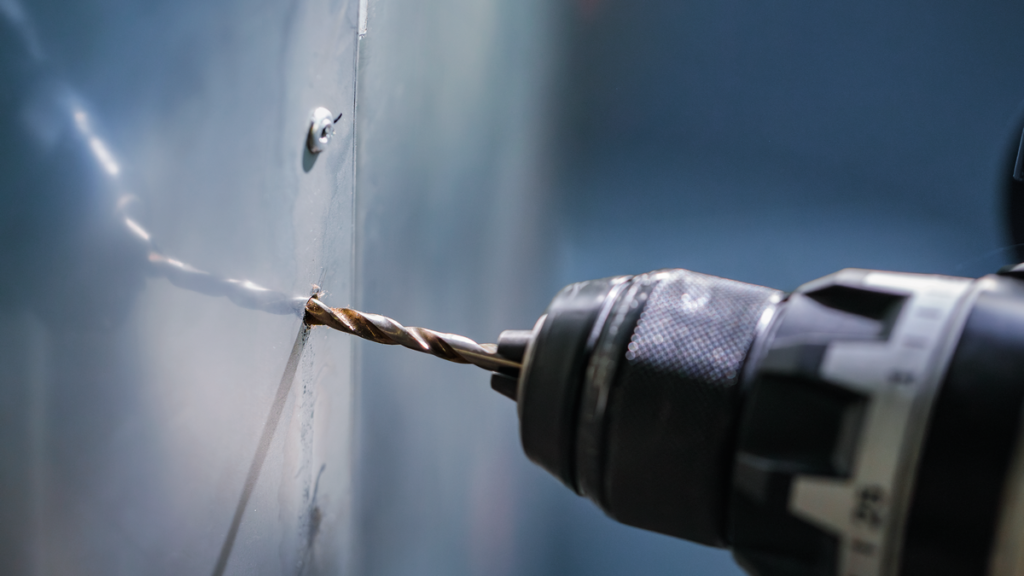
A drill that works well in one shop can fail quickly in another. That is why the question “Should we use cobalt or carbide drills?” cannot be answered by hardness alone. The better question is: what material are you drilling, how rigid is the setup, how many holes are required, and what does a bad hole cost?
Cobalt drill bits and solid carbide drill bits are both used for metal drilling, including stainless steel and alloy steel. They are not the same class of tool. A cobalt drill is still a high-speed steel tool with cobalt added for heat resistance. A solid carbide drill is made from a sintered tungsten carbide material, usually with cobalt as the metallic binder. It is much harder and more wear resistant, but it is also less forgiving when the machine, holder, or operator introduces vibration.
For a maintenance technician using a hand drill, cobalt may be the practical choice. For a CNC shop drilling thousands of accurate holes in alloy steel, a solid carbide drill can cut faster and often lower the cost per accepted hole. This guide explains the difference in shop-floor terms, with enough detail for engineers, buyers, and production managers to make a cleaner decision.
What is a cobalt drill bit?
A cobalt drill bit is normally an HSS-Co drill: high-speed steel alloyed with cobalt. Common industrial grades include M35, often about 5% cobalt, and M42, often about 8% cobalt. The exact grade matters, but the basic idea is the same. Cobalt helps the high-speed steel keep hardness at higher cutting temperatures, so the drill resists softening and dulling better than a general-purpose HSS drill.
That makes cobalt drills useful for stainless steel, carbon steel, alloy steel, cast iron, and other metals that can overheat a standard HSS drill. The tool still has the toughness and relatively forgiving behavior of steel. It can handle modest vibration, interrupted hand pressure, and less-than-perfect workholding better than a carbide drill.
Cobalt drills are not a cure for poor technique. Stainless steel can still work harden if the drill rubs instead of cutting. A dull cobalt drill can still burn up. The operator still needs proper speed, firm feed, cutting fluid, and a drill point that is sharp enough to make a chip. The advantage is that cobalt gives a wider process window than plain HSS in tougher metals.
What is a solid carbide drill bit?
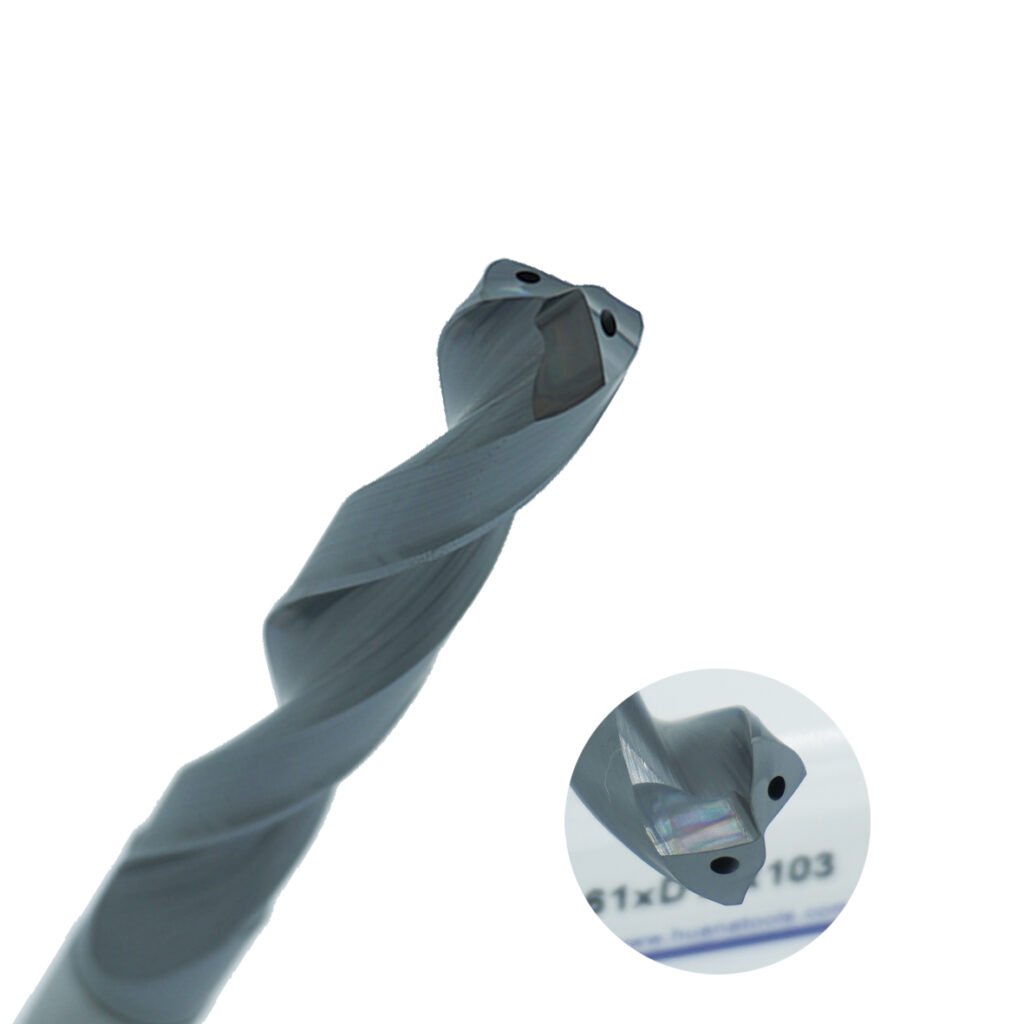
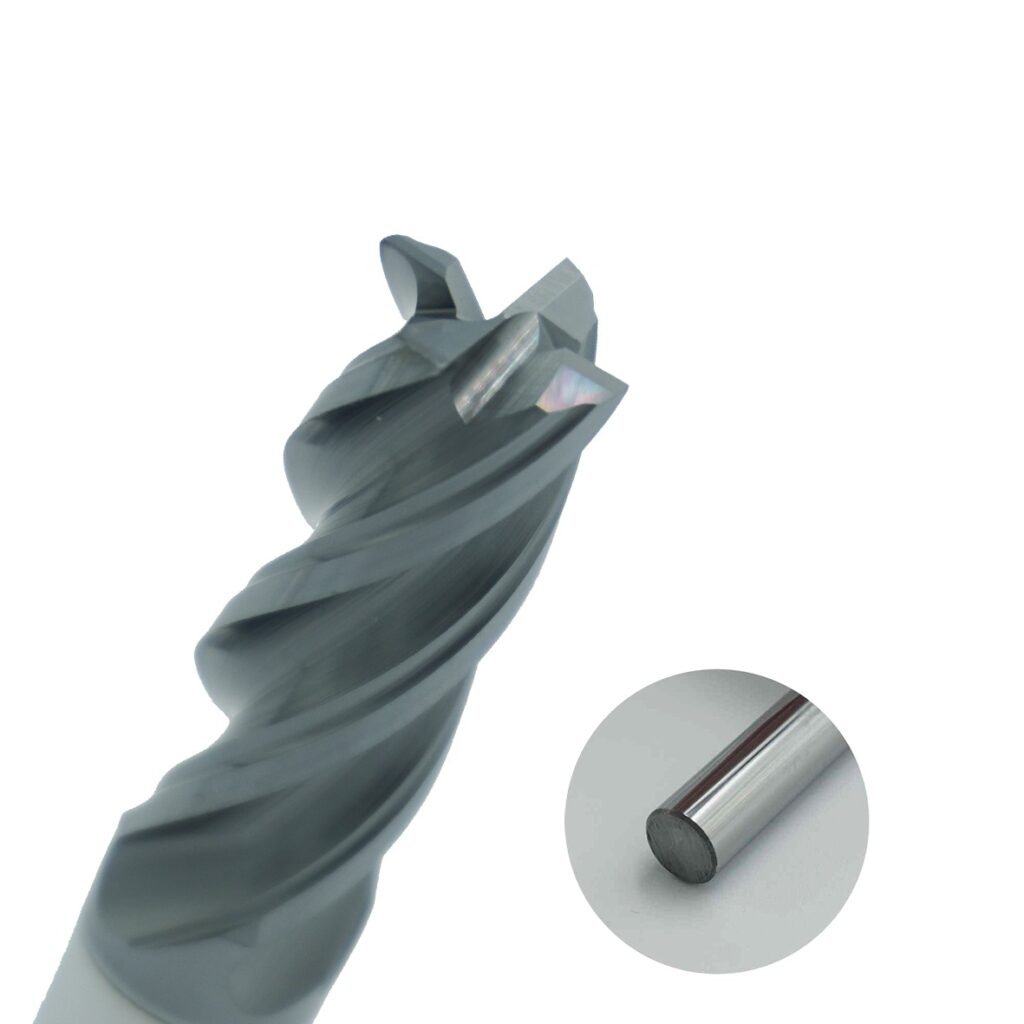
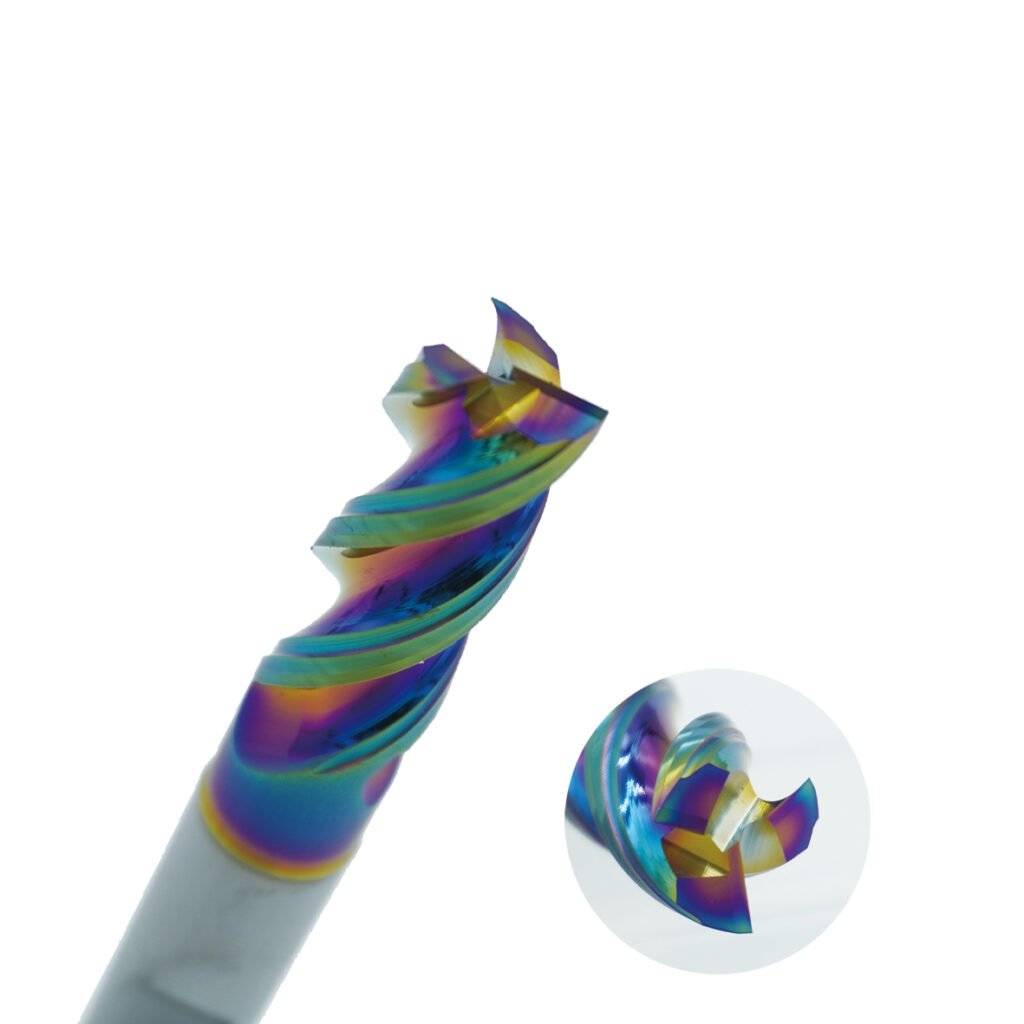
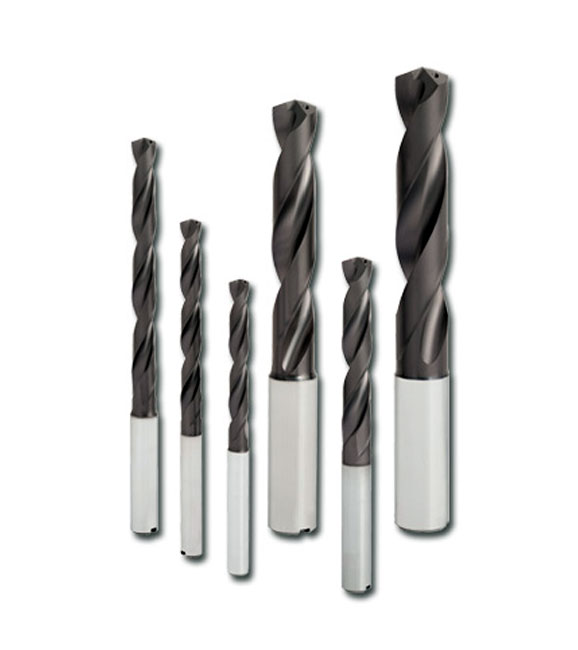
A solid carbide drill is made from cemented carbide, not steel. Tungsten carbide powder is combined with a metallic binder, commonly cobalt, then pressed and sintered into a hard cutting material. In finished drills, the tool may also have a PVD coating, polished flutes, internal coolant holes, double margins, or geometry designed for a specific material group.
Solid carbide drills are much harder than cobalt drills and can run at higher cutting speeds on rigid CNC machines. Their wear resistance is the main reason shops use them in production. When the setup is stable, carbide can hold size, keep the cutting edge sharp longer, and produce more holes per tool change.
The tradeoff is brittleness. Carbide does not like side loading, runout, poor clamping, chatter, or hand-drill wobble. A carbide drill that would perform beautifully in a machining center may chip almost immediately in a loose setup. This is not because the tool is weak; it is because the cutting material is optimized for hardness and hot wear resistance, not shock absorption.
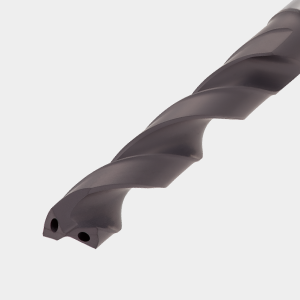
Material difference: steel alloy vs sintered carbide
The clearest difference is material. A cobalt drill is a steel tool. Adding cobalt changes the steel’s heat resistance and wear behavior, but it does not turn the tool into carbide. A solid carbide drill is a powder-metallurgy cutting tool based on tungsten carbide grains held in a binder phase.
That difference shows up in every practical decision. Cobalt drills can flex slightly and survive less stable conditions. Carbide drills resist abrasion and heat far better, but the edge can chip when the load is uneven. A shop that treats carbide like a tougher version of HSS usually gets disappointed. Carbide is not simply “stronger.” It is harder, faster, more wear resistant, and less tolerant of bad mechanics.
Factor | Cobalt drill bit (HSS-Co) | Solid carbide drill bit |
Base material | High-speed steel alloyed with cobalt | Sintered tungsten carbide with binder |
Typical use case | Manual drilling, drill press, repair work, smaller batches | CNC machining, production drilling, tighter holes |
Heat resistance | Better than plain HSS; suitable for many stainless and alloy steels | Excellent hot wear resistance in controlled cutting |
Toughness | Good; more tolerant of vibration and hand pressure | Lower; sensitive to runout, chatter, and side load |
Tool life potential | Moderate to good | Often much longer in stable production |
Cost per tool | Lower | Higher |
Cost per hole | Good for small batches | Often better in high-volume CNC work |
Hardness, red hardness, and tool life
Many comparison charts focus on hardness numbers. They can be useful, but they do not tell the whole story. Cobalt HSS drills are commonly discussed in the HRC 62-68 range depending on grade and heat treatment. Solid carbide is often described around HRA 90 or roughly HRC 80-plus by conversion, though hardness scales do not translate perfectly. The practical point is simpler: carbide is much harder and much more wear resistant.
Red hardness is also important. This means the tool’s ability to keep hardness when the cutting edge gets hot. Cobalt HSS performs much better than ordinary HSS when drilling heat-generating metals. Solid carbide can keep cutting at much higher temperatures and speeds, which is why it is common in CNC production.
Tool life claims such as “5 to 20 times longer” can be true in the right conditions, but they should not be treated as a universal promise. Carbide may last many times longer when drilling stable holes in a CNC machining center with proper coolant and low runout. In a hand drill or a poorly clamped part, the same carbide drill may chip before it ever wears out. Cobalt usually wears sooner, but it often fails more gradually and can be easier to resharpen.
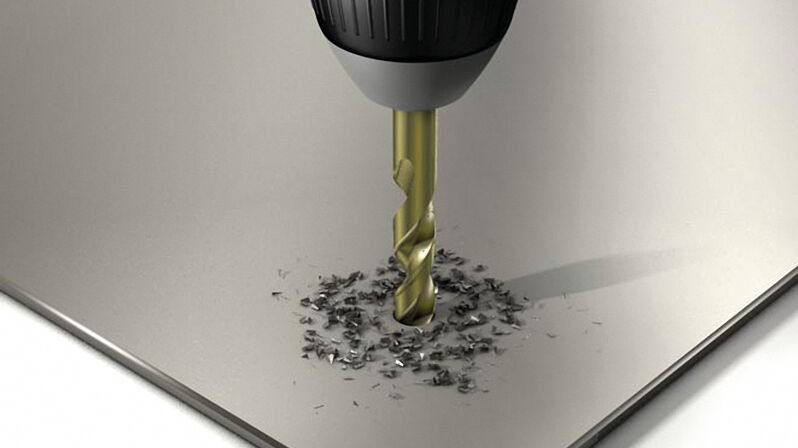
Toughness and machine rigidity
If there is one buying mistake to avoid, it is choosing carbide only because it is harder. The real gatekeeper is rigidity.
A cobalt drill is more forgiving on a hand drill, magnetic drill, drill press, or general maintenance setup. It can tolerate some vibration and uneven feed. It is still possible to break one, especially in small diameters or deep holes, but the tool material is tougher than carbide.
A solid carbide drill wants a short, rigid setup. Check spindle condition, holder quality, runout, workholding, pilot hole strategy, coolant delivery, and the length-to-diameter ratio. A long carbide drill in an unstable holder is an expensive way to make scrap. Carbide works best when the machine can hold the tool on center and feed it consistently.
This is also why carbide drills are usually not recommended for hand electric drills. The hand drill may wobble, the speed may fluctuate, and the operator may add side load without realizing it. A cobalt drill is a better choice for that environment, even if the material is stainless steel.
Speed, feed, and coolant behavior
Cobalt drills normally run at moderate cutting speeds. They benefit from cutting oil or suitable coolant, especially in stainless steel and alloy steels. Feed must be firm enough to make chips. Too little feed causes rubbing and heat. Too much feed overloads the cutting lips.
Solid carbide drills can run much faster, but only when the setup supports it. Modern carbide drills may use polished flutes, internal coolant channels, special point thinning, and coatings designed for specific material groups. In production, these details matter more than the word “carbide” by itself.
Internal coolant is especially valuable for deeper holes, stainless steel, alloy steel, cast iron, and high-volume work. It cools the cutting zone and helps evacuate chips. Without chip control, even a premium carbide drill can fail from packing, recutting chips, or margin damage.
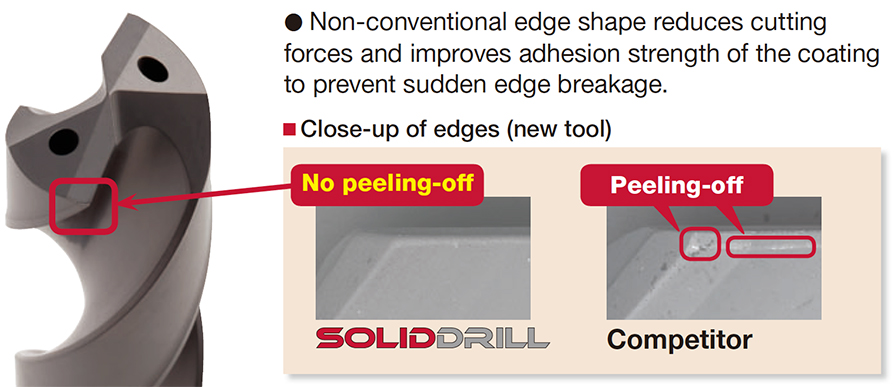
Which materials should each drill machine?
Both tool types can drill many of the same materials, but the best choice changes with hardness, volume, equipment, and hole requirements.
Cobalt drills are a practical choice for stainless steel, carbon steel, alloy steel, cast iron, and general repair work. They are also useful when a shop runs many different materials in low volume and does not want to stock specialized carbide drills for every job.
Solid carbide drills fit harder, more abrasive, or more demanding production work. They are common in CNC drilling of stainless steel, alloy steel, cast iron, aluminum alloys, copper alloys, heat-treated steels, and some hardened materials depending on grade and geometry. For hardened steel, do not assume any carbide drill will work; use a drill specifically designed for that hardness range and follow the manufacturer’s data.
Workpiece material or job condition | Better starting choice | Why |
Stainless steel, small batch, hand drill or drill press | Cobalt HSS-Co | Better toughness and lower risk from unstable feed |
Stainless steel, repeated CNC holes | Solid carbide | Higher speed, better life, stronger hole consistency |
Carbon steel or alloy steel maintenance work | Cobalt HSS-Co | Good balance of cost, toughness, and availability |
Cast iron production drilling | Solid carbide | Wear resistance and higher productivity usually matter |
Aluminum alloy on stable CNC | Solid carbide or polished HSS-Co depending volume | Carbide is productive, but geometry must prevent built-up edge |
Hardened or heat-treated steel | Application-specific carbide | Ordinary cobalt may wear quickly; carbide grade and coating must match hardness |
Unstable clamping, long overhang, hand pressure | Cobalt HSS-Co | Carbide edge chipping risk is high |
Cost: tool price vs cost per hole
Cobalt drills cost less up front. That makes them attractive for mixed jobs, repairs, prototypes, field work, and small batches. If the operator drills 20 holes in stainless steel and then moves to another job, a cobalt drill may be the most economical choice.
Solid carbide drills cost more, but the purchase price is not the main number in production. The better number is cost per accepted hole. A carbide drill may justify itself if it reduces cycle time, holds diameter longer, cuts tool changes, improves hole finish, or prevents scrap. In that situation, a more expensive tool can be cheaper.
Procurement teams should avoid comparing only unit price. Ask for the expected hole count, cutting data, workpiece material, coolant condition, tolerance, and regrind policy. If the shop has repeated work, a controlled trial is better than a catalog debate.
Practical selection guide
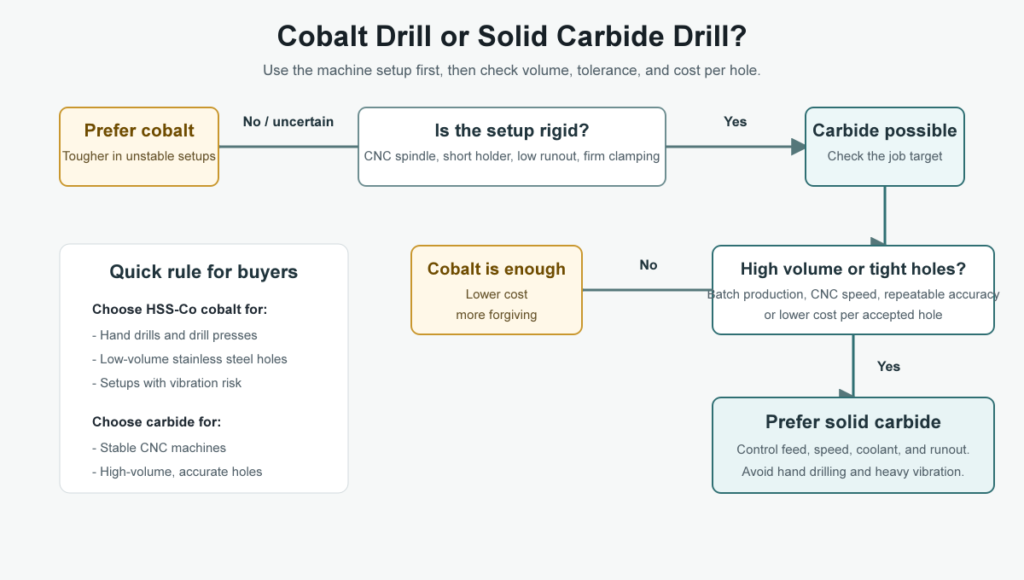
Use the machine setup as the first filter. If the drill will be used by hand, in a repair environment, or on a less rigid drill press, start with cobalt. If the work is CNC, repeated, and the holder/workholding are controlled, carbide becomes much more attractive.
Decision point | Choose cobalt HSS-Co when… | Choose solid carbide when… |
Equipment | Hand drill, drill press, magnetic drill, general repair setup | CNC machining center, Swiss machine, rigid lathe, controlled holder |
Batch size | Low volume, changing jobs, mixed materials | Repeated holes, high volume, takt time pressure |
Hole quality | General clearance or maintenance holes | Tighter diameter, straighter holes, better repeatability |
Work material | Tough metals but not extreme hardness | Abrasive, hard, or production materials with proper tool grade |
Failure risk | Vibration and side load are likely | Runout, coolant, feed, and clamping are controlled |
Budget logic | Lowest practical tool cost matters | Cost per hole and machine time matter more |
Common questions about carbide and cobalt drill bits
Why do carbide drill bits break easily?
Most carbide drill breakage comes from the setup, not from the word “carbide.” Common causes include excessive runout, poor clamping, side load, wrong feed, chip packing, too much overhang, unstable entry, interrupted cuts, or using the drill in a hand-held tool. Carbide is hard and wear resistant, but it is not shock-proof.
Can a carbide drill bit be sharpened?
Yes, but it must be ground with the correct equipment, normally diamond grinding wheels and proper geometry control. A quick touch-up on an ordinary bench grinder is not suitable. For production drills, resharpening should preserve point geometry, margins, coating strategy, and coolant-hole integrity where applicable.
Can a solid carbide drill be used in a hand drill?
It is usually not recommended. Hand drills introduce wobble and side pressure, and the speed/feed control is poor. A cobalt drill is usually a safer and more economical choice for hand drilling stainless steel or general metalwork.
For stainless steel, should I use cobalt or carbide?
For small batches, repair work, or less rigid equipment, use a quality cobalt HSS-Co drill with cutting fluid and steady feed. For CNC production, where speed, hole accuracy, and long tool life matter, use a solid carbide drill designed for stainless steel with the recommended coolant and cutting data.
How much longer does a carbide drill last?
In a stable CNC process, a solid carbide drill may last several times longer than a cobalt drill, and in some applications the gap can be much larger. The actual life depends on material, hole depth, coolant, runout, coating, feed, speed, and whether the tool is used within its intended application.
Conclusion
Cobalt and carbide drills solve different problems. Cobalt HSS-Co drills are tough, practical, and cost-effective for stainless steel, alloy steel, repair work, hand drilling, and small batches. Solid carbide drills are harder, more wear resistant, and far more productive when the machine setup is rigid and the work repeats.
The wrong choice is usually made when buyers focus only on hardness or unit price. A better choice starts with the process: machine rigidity, workpiece material, hole tolerance, batch size, coolant, and acceptable cost per hole.
HNCarbide supports carbide drilling applications where tool geometry, coating, coolant delivery, and process stability all affect performance. If your shop is moving from cobalt drills to carbide drills for CNC production, reviewing the full setup before ordering tools is the best way to protect both tool life and part quality.