What cutting tools should you use for different metal materials?
Table of Contents
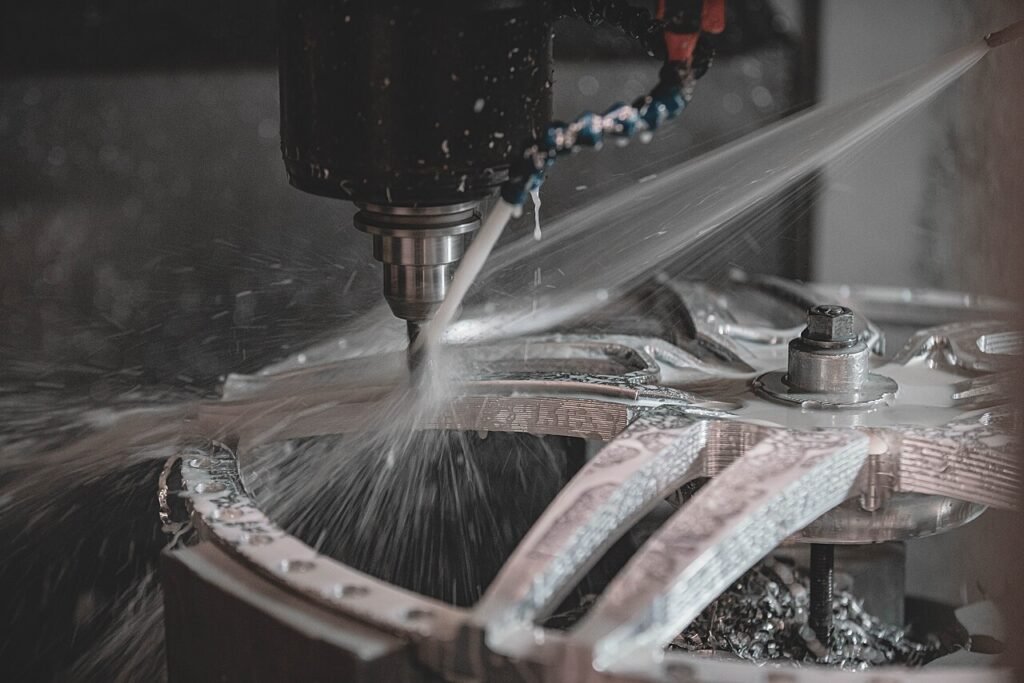
Choosing a cutting tool by material name alone is risky. “Steel” might mean a free-machining low-carbon bar, a hardened die block, or an alloy steel forging with interrupted cuts. “Stainless steel” can behave well in one operation and tear up the edge in another. The same shop may machine aluminum brackets in the morning, cast iron housings after lunch, and a batch of titanium parts by the end of the week.
That is why tool selection has to start with what the material does in the cut. Does it generate heat quickly? Does it harden when rubbed? Does it produce long stringy chips, abrasive powder-like chips, or short broken chips? Does it stick to the cutting edge? Once those behaviors are clear, the choice of carbide grade, coating, edge geometry, coolant, speed, and feed becomes much less mysterious.
This guide reorganizes 13 common metal material groups into a practical CNC machining reference for engineers, shop owners, production managers, and tooling buyers.
Start with the material behavior, not the catalog page
Cutting tool catalogs are useful, but they work best after the machining problem has been defined. In real production, most tool failures trace back to a mismatch between the material and the cutting condition: too much heat for the grade, the wrong edge preparation, poor chip evacuation, or coolant used in a way that makes thermal shock worse.
For a quick first pass, group metals into five behavior families.
Material behavior | Common examples | Main machining concern | Tool direction |
General structural metals | Carbon steel, alloy steel | Balance wear resistance and toughness | Coated carbide for most work; ceramic for selected hard or high-speed cuts |
Sticky or work-hardening metals | Stainless steel, titanium, nickel alloys | Built-up edge, heat, notch wear, work hardening | Sharp coated carbide, controlled engagement, strong coolant |
Abrasive or brittle metals | Cast iron, some hard alloys | Abrasive flank wear, dust-like chips, edge chipping | Wear-resistant carbide, ceramic for stable high-speed work |
Soft non-ferrous metals | Aluminum, copper, zinc | Built-up edge, chip packing, surface finish | Sharp tools, polished flutes, HSS or carbide depending on tolerance and speed |
High-density/high-temperature metals | Tungsten alloys, molybdenum alloys, superalloys | Heat concentration, high cutting force, rapid tool wear | Tough carbide, ceramic or diamond in suitable cases, conservative parameters |
The table is only a starting point. A stable finishing pass on a rigid machine can use a more wear-resistant tool than an interrupted roughing pass on a less rigid setup. Coolant pressure, tool overhang, holder quality, and chip evacuation all change the final answer.
1. Steel
Steel remains the everyday material for shafts, plates, brackets, molds, fixtures, and structural components. It usually machines predictably compared with stainless steel or titanium, but the range is wide. Low-carbon steel can be gummy. Medium-carbon and alloy steels cut more cleanly but need tougher edges. Hardened steel may require ceramic tools, CBN, or specialized carbide grades depending on hardness and finish requirements.
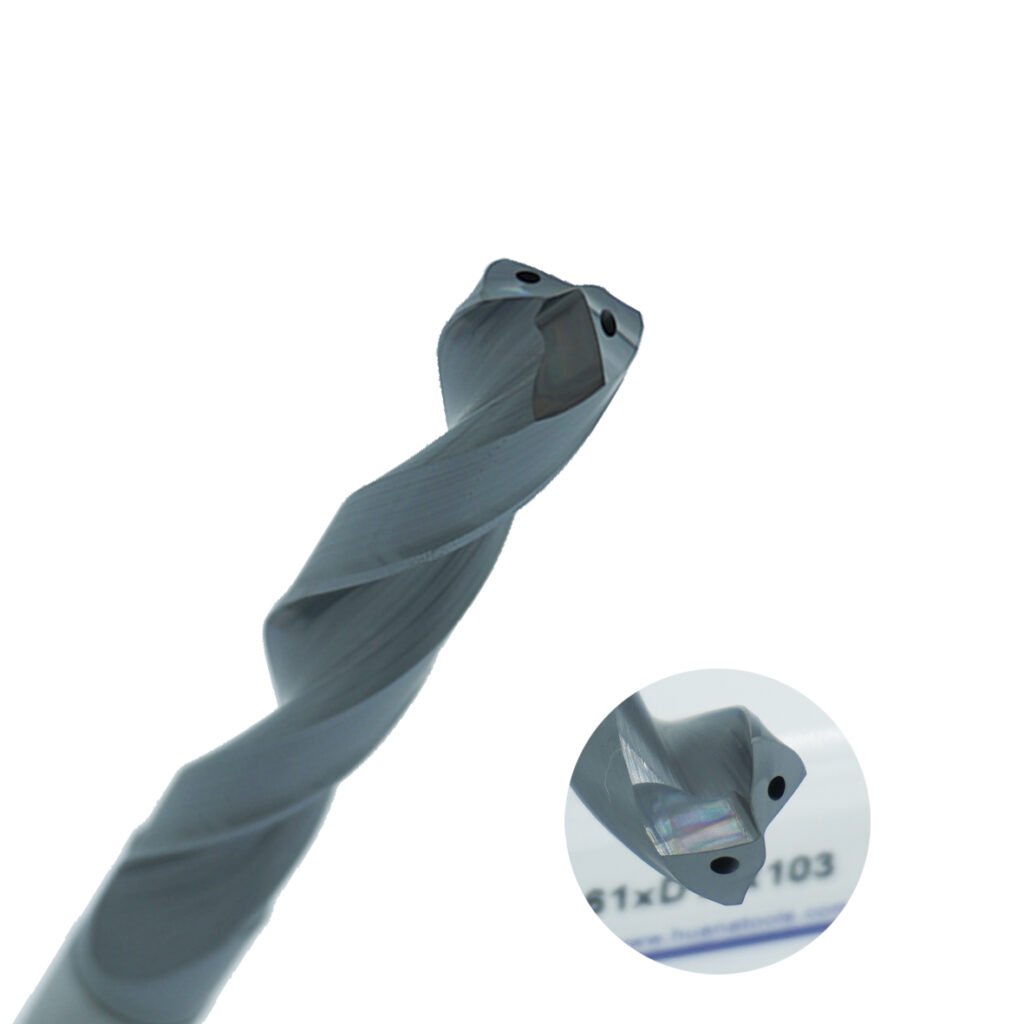
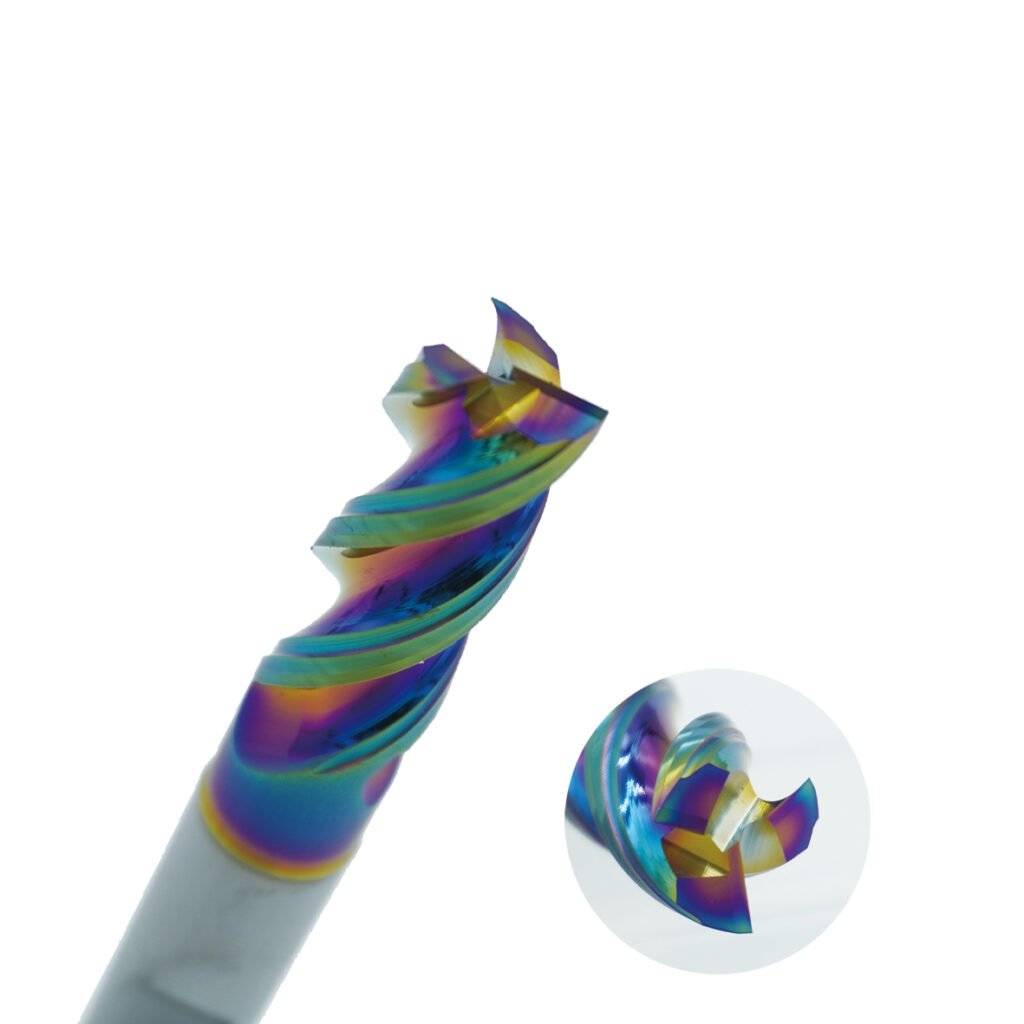
For most milling, drilling, and turning work, coated carbide is the practical default. A TiAlN, AlTiN, or similar heat-resistant coating helps when cutting speed rises and coolant access is limited. Use moderate cutting speeds and feeds when the material grade is uncertain, then adjust based on chip color, wear pattern, and sound.
Ceramic tools can work well for high-speed finishing of harder steels, especially in stable turning applications. They are less forgiving in interrupted cuts, poor setups, or parts with scale. If the edge is chipping before it wears, the problem is usually toughness, stability, or entry conditions rather than simple coating choice.
2. Stainless steel
Stainless steel brings two common problems: it tends to stick to the tool, and many grades work-harden if the edge rubs instead of cutting. Austenitic grades such as 304 and 316 are especially known for long chips and built-up edge. Martensitic and precipitation-hardening grades can add higher hardness and cutting force.
Use sharp coated carbide tools with enough edge strength to survive the operation. A positive rake geometry often helps reduce cutting force and heat. Avoid timid feeds. Light rubbing passes can harden the surface and punish the next tool. Coolant should be generous and consistent, especially in drilling, grooving, and deep-pocket milling.
Ceramic tools may be used in selected stainless operations, but they need the right speed, rigidity, and uninterrupted engagement. For general job-shop work, coated carbide is usually easier to control.
3. Cast iron
Cast iron usually breaks chips well, which makes it attractive in production. The tradeoff is abrasiveness. Gray cast iron contains graphite and often machines dry. Ductile iron is tougher and can load the edge differently. Chilled spots, inclusions, and interrupted surfaces can shorten tool life quickly.
Carbide tools with strong wear resistance are common for cast iron milling and turning. Ceramic tools are useful in stable, high-speed finishing and some roughing operations because they tolerate heat and abrasive wear. Coolant is not always needed and can sometimes create thermal shock in hot ceramic or carbide edges. Many shops machine gray cast iron dry or with air blast and dust control.
The finish often tells the story. A rough, torn, or shiny abrasive wear band on the flank suggests the grade is wearing too fast. Edge chipping points toward impact, unstable clamping, or a grade that is too brittle for the cut.
4. Aluminum alloys
Aluminum is easy to cut only when chips can leave the tool. It has low density, good thermal conductivity, and high machinability in many grades, but it can weld to the edge and form built-up edge when the tool is dull, the rake is wrong, or chips pack into the flute.
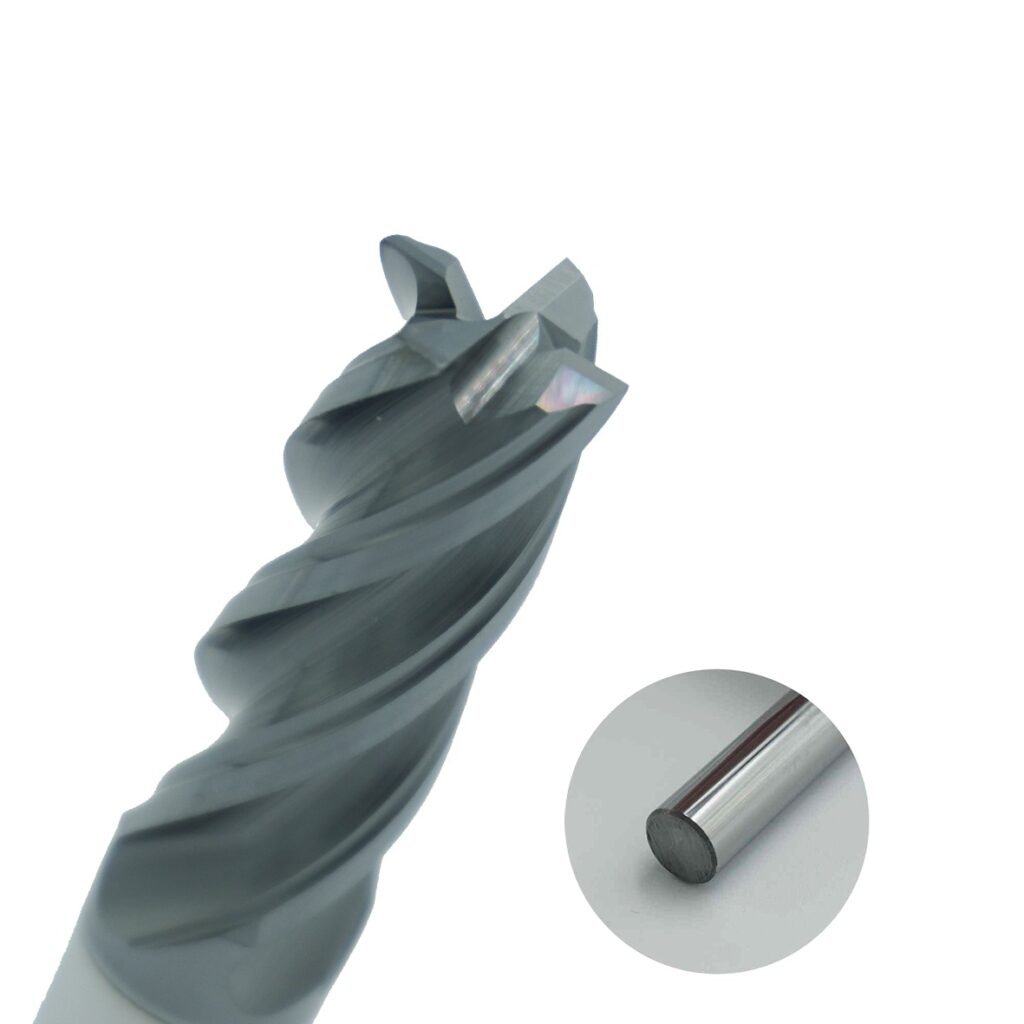
For general aluminum, high-speed steel can still be economical, especially for low-volume drilling or manual work. In CNC milling, carbide is preferred for speed, dimensional control, and tool life. Look for sharp edges, polished flutes, large chip gullets, and coatings or surface treatments designed for non-ferrous materials. Avoid coatings that encourage aluminum adhesion.
Aluminum likes high cutting speeds and healthy chip loads. The danger is not usually cutting force; it is chip evacuation. Deep pockets, thin walls, and gummy grades need careful air blast, mist, or coolant strategy.
5. Copper and copper alloys
Copper has excellent thermal and electrical conductivity, and it is often used in electrodes, heat-transfer parts, connectors, and precision components. Pure copper can be gummy. Brass and bronze are usually easier but vary by alloy.
Sharp HSS or carbide tools both work, depending on accuracy, volume, and machine speed. For high-precision copper electrodes or tight-tolerance parts, carbide tools with polished cutting edges help control burrs and surface finish. A moderate speed and feed window is often safer than pushing for maximum removal.
Coolant or lubricant helps reduce sticking and improves surface finish. Burr control matters here. If the operation leaves heavy burrs, check tool sharpness, rake angle, and exit conditions before blaming the material.
6. Titanium alloys
Titanium alloys combine high strength, low density, corrosion resistance, and poor thermal conductivity. That last point is what makes them hard on tools. Heat stays near the cutting edge instead of flowing into the chip and workpiece. Titanium can also react with tool materials at high temperature and work-harden when rubbed.
Use coated carbide tools designed for heat resistance and edge toughness. Keep radial engagement controlled, avoid excessive tool overhang, and maintain a steady chip load. Cutting speeds are usually much lower than aluminum or steel. Feed should not be so low that the tool rubs.
Coolant matters. High-pressure coolant or well-directed flood coolant can improve tool life by moving heat and chips away from the cutting zone. Ceramic tools can be used in some titanium applications, but they demand stable conditions and careful process control.
7. Nickel alloys
Nickel alloys are common in aerospace, energy, chemical processing, and marine parts because they keep strength at high temperature and resist corrosion. In machining, they are known for heat, work hardening, notch wear, and short tool life.
Coated carbide is the main choice for many nickel alloy operations. Use tough grades, controlled cutting speeds, and a feed that keeps the tool cutting under the work-hardened layer. Notch wear at the depth-of-cut line is a common failure mode, so varying depth of cut during roughing can help in some jobs.
Ceramic tools can remove nickel alloys at high speed in stable turning or milling, but the setup must be rigid and the cut must suit the insert. For smaller batches or mixed machines, carbide is often the more manageable option.
8. Magnesium alloys
Magnesium alloys are very light and machine easily, but the fire risk changes the process plan. Chips and fine dust can ignite, and water-based coolant is often avoided in favor of dry machining, mist, or specialized fluids depending on the shop’s safety system.
Sharp carbide or HSS tools work well. Use high cutting speeds and feeds that create manageable chips rather than fine powder. Tool condition matters because dull tools increase heat. Chip housekeeping is not a small detail with magnesium; it is part of the machining method.
Before running magnesium, confirm the shop’s fire-control procedures, chip storage rules, and coolant policy. This is one of the few materials where safety practice may matter as much as the tool grade.
9. Zinc alloys
Zinc alloys are often used for die-cast housings, fittings, and small mechanical parts. They have low melting points, good flow in casting, and decent corrosion resistance. In machining, they are generally friendly, but they can stick to the cutting edge and leave burrs if the tool is not sharp.
HSS tools are economical for general work. Carbide tools make sense when production volume, tolerance, or surface finish requires better consistency. Use moderate cutting speeds and feeds, with cutting fluid or lubricant when built-up edge appears.
The main shop-floor warning is heat. If the part smears or the surface looks dragged rather than cut, reduce rubbing, improve sharpness, and check chip evacuation.
10. High-temperature alloys
High-temperature alloys, often called superalloys, are used in turbine, aerospace, and energy components. They retain strength and corrosion resistance in hot environments, which is exactly why they resist machining. The tool sees high force, high heat, and aggressive wear.
Carbide tools are common for roughing, semi-finishing, and many milled features. Ceramic tools can be productive in stable high-speed operations, especially when the machine, holder, and workholding are strong enough. Cutting speeds are generally conservative with carbide and much more specialized with ceramics.
Coolant strategy should be deliberate. Poorly aimed coolant can fail to reach the cutting zone, while inconsistent coolant can create thermal cycling. In high-value parts, process security beats chasing a headline metal removal rate.
11. Tungsten alloys
Tungsten alloys bring high density, high hardness, and heat resistance. They are used in counterweights, shielding, electrodes, defense components, and wear parts. Machining forces can be high, and edge wear can move quickly.
Carbide tools are a standard starting point, especially tough grades with strong edge preparation. Diamond tools may be used for certain very hard or abrasive tungsten alloy applications, but compatibility depends on the alloy and operation. Keep speeds low, maintain rigidity, and use coolant to manage heat.
Because tungsten alloys are dense, workholding deserves attention. A heavy part that shifts slightly can destroy the edge and the surface finish in the same pass.
12. Molybdenum alloys
Molybdenum alloys offer high strength and high-temperature performance, but they can be unforgiving in machining. Heat and wear are the main concerns. Depending on condition and alloy, the material may chip at edges or resist cutting with high force.
Carbide tools are commonly used, with ceramic tools reserved for suitable high-speed or hard-material operations. Use lower cutting speeds than ordinary steels, keep the setup rigid, and apply coolant to reduce tool wear. Sharpness still matters, but the edge cannot be fragile.
If parts show micro-chipping at corners, review tool nose radius, feed per revolution, and exit path. Small process changes can make a large difference in brittle or semi-brittle materials.
13. Nickel-based alloys
Nickel-based alloys overlap with the nickel alloy category above, but buyers often separate them because Inconel-type and similar materials are frequent pain points. They combine high strength, corrosion resistance, and heat resistance. They also punish rubbing, weak coolant delivery, and unstable toolpaths.
Use coated carbide tools for most general operations. Ceramic tools can be effective on hard, heat-resistant nickel-based alloys when the operation is stable. Low cutting speed with a firm feed is a common carbide approach. The exact numbers depend heavily on alloy, hardness, tool grade, and whether the cut is continuous or interrupted.
In production, the right question is not only “Which insert cuts this alloy?” It is also “How many parts can we run before the edge becomes unsafe?” Nickel-based alloys reward conservative tool-life tracking.
Buying advice for B2B tooling decisions
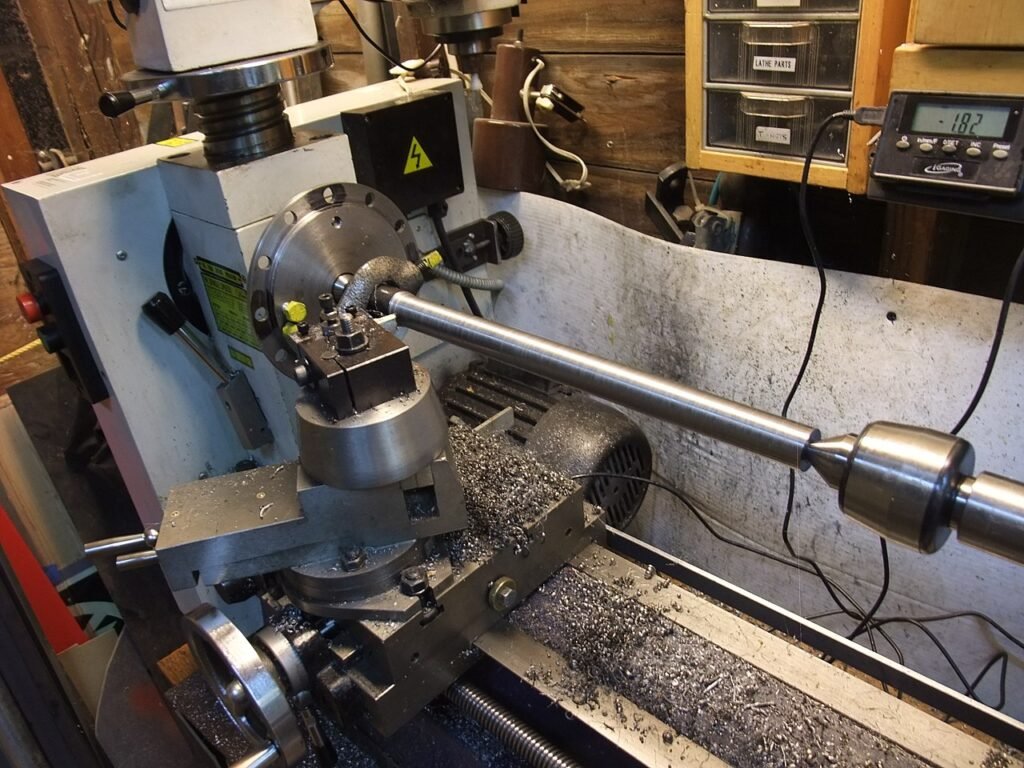
For a tooling buyer, the cheapest tool is rarely the lowest-price tool. The more useful measure is cost per finished part, including tool changes, scrap, machine downtime, rework, and operator attention. A carbide end mill that costs more but runs twice as many parts with stable size control may be the lower-cost option.
Before ordering cutting tools for a new material, collect the details that suppliers actually need: material grade and hardness, operation type, depth and width of cut, machine spindle power, holder type, coolant method, tolerance, surface finish, and whether the cut is continuous or interrupted. Without those details, any recommendation is only a rough guess.
For mixed-material shops, standardize where possible. A small set of reliable carbide grades for steel, stainless steel, cast iron, aluminum, and heat-resistant alloys is easier to manage than a crowded cabinet of special tools no one trusts. Keep specialty tools for titanium, nickel-based alloys, tungsten alloys, and molybdenum alloys where the process justifies them.
HNCarbide supplies carbide cutting tools for milling, drilling, and turning applications across common and difficult-to-machine metals. If you are comparing tool options for a specific material, share the workpiece grade, operation, and current tool-life issue. A focused recommendation will beat a generic catalog match every time.

Conclusion
Different metals fail tools in different ways. Steel asks for balance. Stainless steel and titanium punish rubbing. Cast iron wears the flank. Aluminum needs chip space and a sharp edge. Nickel-based and high-temperature alloys demand heat control and process discipline.
The practical approach is simple: identify the material behavior, choose a tool grade and geometry that match that behavior, then tune coolant, speed, feed, and toolpath around the actual cut. That is how shops move from trial-and-error tooling to a more predictable machining process.