How Tool Coatings Transform Milling Cutter Performance?
Table of Contents

Why Do Two Milling Cutters with the Same Geometry Perform So Differently?
In milling operations, performance inconsistencies are a common and costly problem.
Two end mills may share the same carbide grade, flute count, helix angle, and cutting diameter — yet their behavior in production can be dramatically different.
One cutter delivers stable cutting forces, smooth chip evacuation, and predictable tool life.
The other suffers from built-up edge, poor surface finish, excessive vibration, or premature failure.
Why does this happen?
In the majority of modern milling applications, the decisive factor is not the carbide substrate itself, but the coating applied to the cutting edges and flutes.
For milling cutters, coatings are no longer a secondary enhancement. They are a core functional element that directly affects friction, heat generation, chip flow, and edge stability.
This article provides a milling-centric, application-oriented analysis of cutting tool coatings, with special emphasis on DLC-coated milling cutters for aluminum and non-ferrous materials.
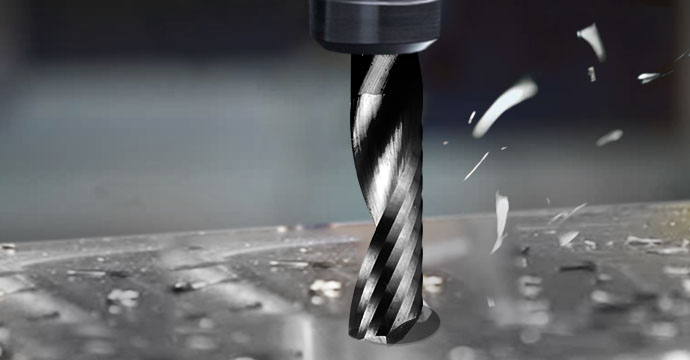
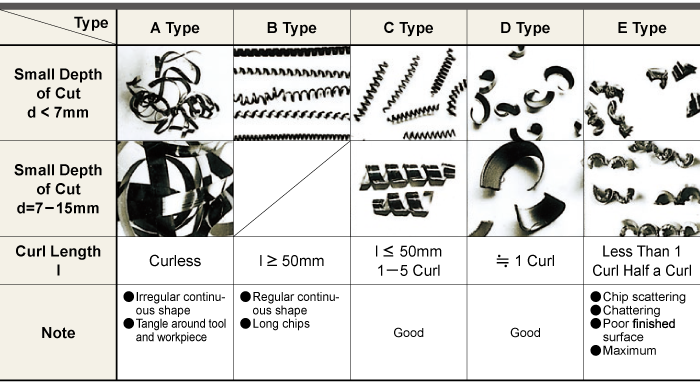
Why Milling Places Unique Demands on Tool Coatings
What Makes Milling More Challenging Than Other Cutting Processes?
Unlike turning or drilling, milling is an interrupted cutting process. Each tooth on the milling cutter repeatedly enters and exits the workpiece, creating highly dynamic conditions at the cutting edge.
These conditions include:
- Cyclic mechanical impact on the cutting edge
- Rapid temperature fluctuations (thermal shock)
- Intermittent chip formation and evacuation
- Strong adhesion tendency in ductile materials such as aluminum
As a result, milling cutter coatings must satisfy multiple, often conflicting requirements:
- High adhesion strength to resist impact loads
- Low friction to stabilize chip flow
- Sufficient hardness to resist flank and crater wear
- Minimal influence on cutting edge sharpness
This is why coatings that perform well in turning may not deliver the same benefits in milling.
What a Coating Actually Does on a Milling Cutter
How Does a Few Microns of Coating Change Cutting Behavior?
A modern PVD coating applied to a milling cutter is typically only 1–5 μm thick. Despite this extremely small thickness, it has a disproportionate influence on cutting performance.
At the cutting edge, the coating controls:
- Surface hardness, delaying abrasive wear
- Friction coefficient, influencing cutting force and heat
- Chemical interaction, especially in aluminum milling
- Chip–tool contact conditions, affecting chip shape and evacuation
Importantly, high-quality PVD coatings preserve edge sharpness, which is critical for modern high-performance milling cutters.
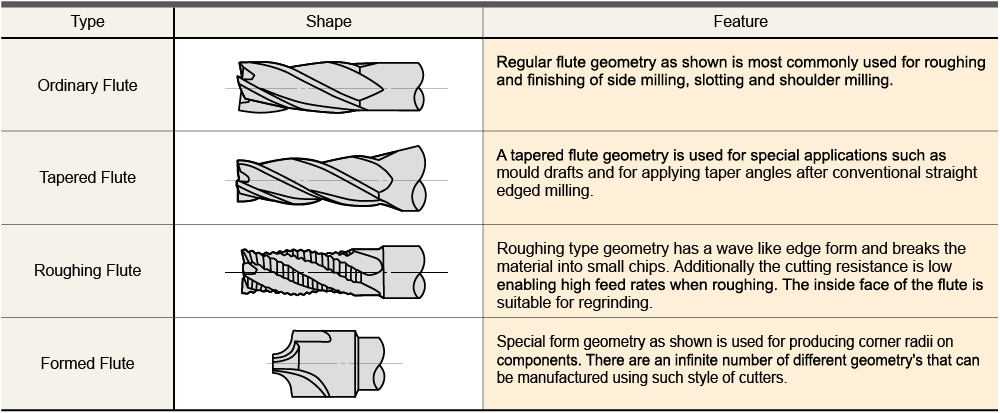
Overview of Coating Types Used on Milling Cutters
Which Coatings Are Commonly Used — and Why?
Different milling applications require different coating strategies.
Common Milling Cutter Coatings and Their Primary Functions
Coating Type | Primary Function in Milling | Typical Milling Applications |
TiN | Basic wear resistance | HSS end mills, low-speed milling |
TiCN | Increased hardness | Slot milling, moderate cutting loads |
TiAlN | Thermal stability | Dry milling of steels |
AlTiN | Hot hardness | High-speed carbide milling |
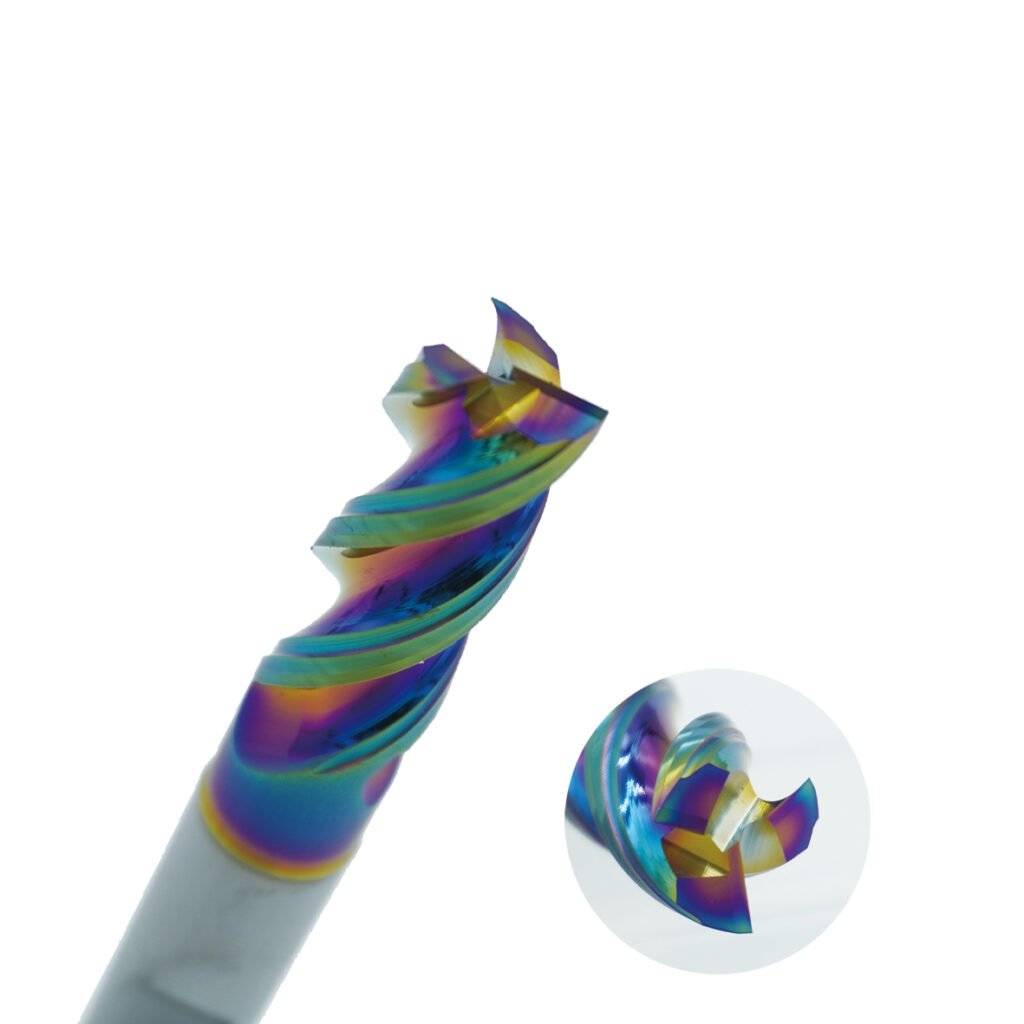
DLC | Ultra-low friction | Aluminum & non-ferrous milling |
For aluminum milling, adhesion and friction dominate tool behavior, making DLC fundamentally different from nitride-based coatings.
Why Aluminum Milling Is a Special Case
What Actually Happens at the Cutting Edge?
Aluminum alloys are relatively soft, but they present a major challenge in milling due to their strong tendency to adhere to the cutting edge.
This adhesion leads to built-up edge (BUE) formation, which causes:
- Sudden changes in cutting geometry
- Poor surface finish
- Increased cutting forces
- Edge chipping and accelerated wear
Traditional hard coatings such as TiAlN reduce wear but do not effectively prevent adhesion. This is where DLC coatings become particularly valuable.
What Makes DLC Coatings Ideal for Milling Cutters?
Why Low Friction Matters More Than Extreme Hardness
DLC (Diamond-Like Carbon) coatings are defined not only by their hardness, but by their exceptionally low friction coefficient, typically in the range of 0.05–0.2.
For milling cutters, this low friction leads to:
- Reduced cutting forces
- Lower heat generation
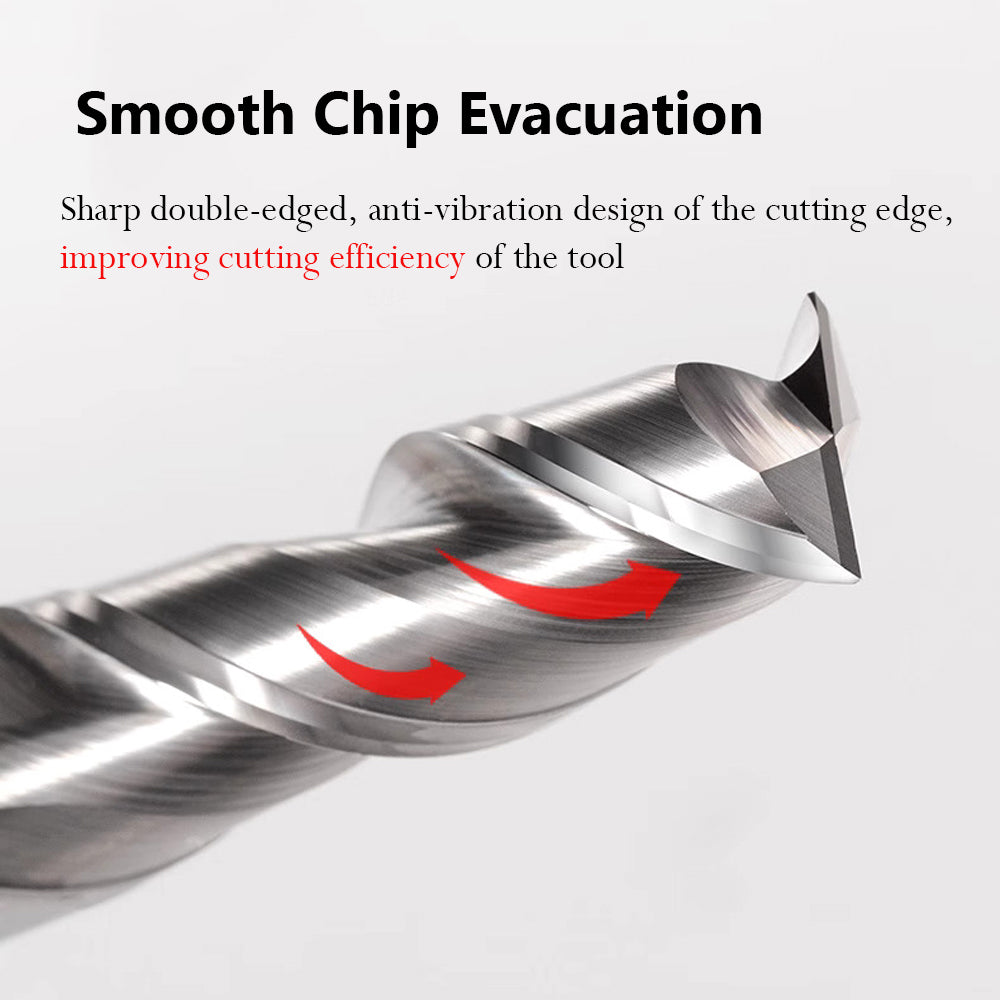
- Smoother chip flow along the flutes
- Dramatically reduced built-up edge formation
Unlike oxide-forming coatings (such as AlTiN), DLC does not rely on high cutting temperature to perform. This makes it particularly suitable for dry and near-dry aluminum milling.
Milling Performance Evidence
How Much Difference Does DLC Make in Practice?
Performance Comparison in Dry Aluminum Milling
Milling Cutter Type | Relative Cutting Force | Built-Up Edge | Surface Finish (Ra) |
Uncoated end mill | 100% | Severe | 0.6–0.8 μm |
TiAlN-coated end mill | 85–90% | Moderate | 0.4–0.6 μm |
70–80% | Minimal | 0.04–0.23 μm |
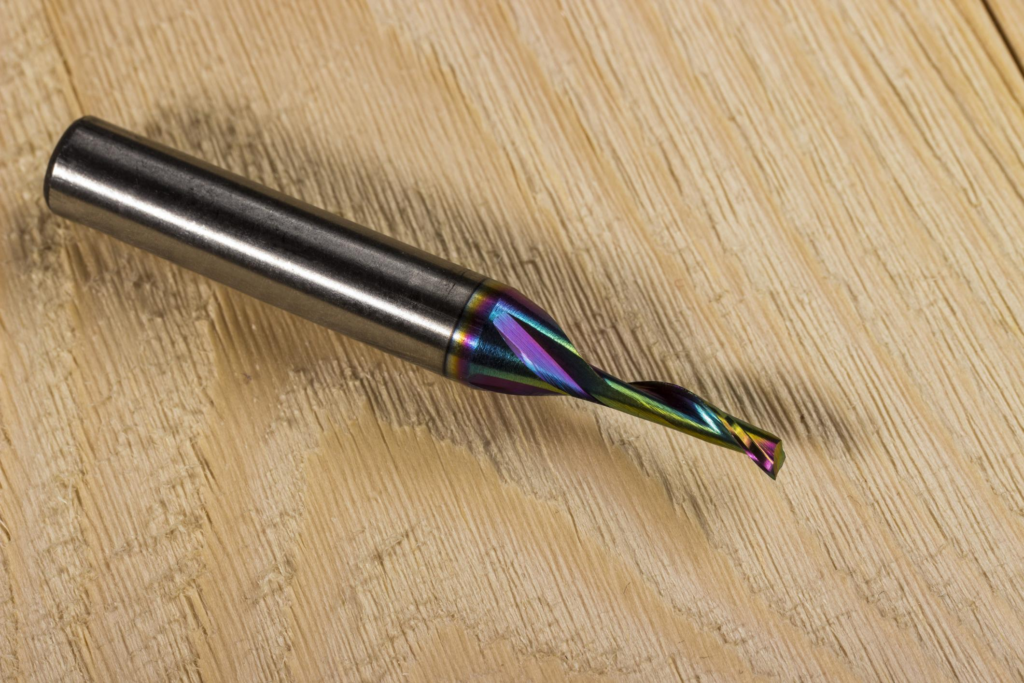
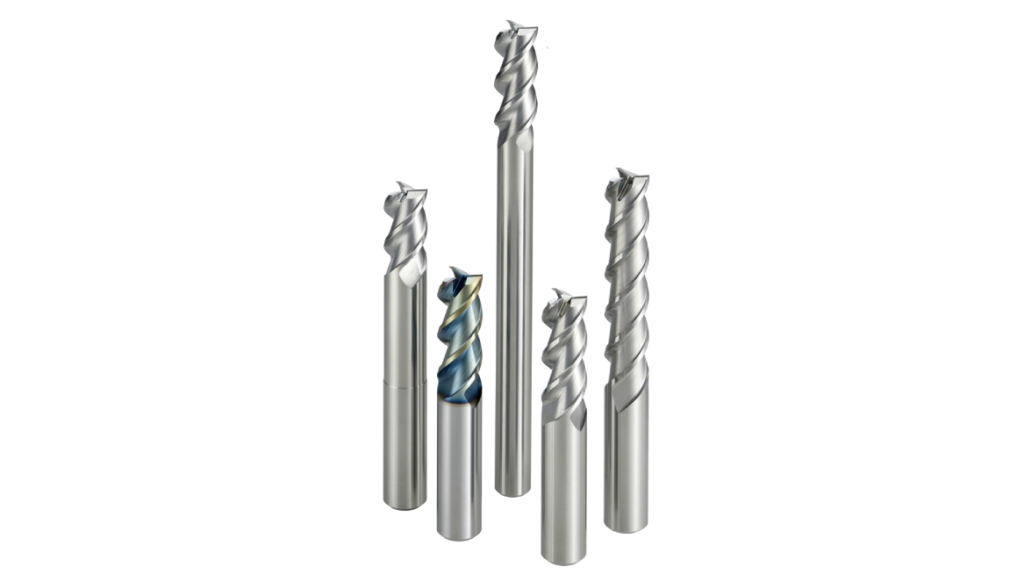
Lower cutting forces also reduce vibration in:
- Long-reach milling
- Thin-wall machining
- High-feed aluminum roughing
This is why DLC-coated milling cutters often show more stable and predictable behavior, even at high spindle speeds.
DLC vs AlTiN in Milling Applications
Which Coating Should You Choose?
DLC vs AlTiN for Milling Cutters
Aspect | DLC Coating | AlTiN Coating |
Optimal material | Aluminum, non-ferrous | Steel, stainless |
Friction behavior | Very low | Medium |
Thermal resistance | Moderate | Very high |
Dry milling | Excellent | Good |
Chip adhesion | Very low | Medium |
In practice:
- DLCoptimizes chip flow and surface finish
- AlTiNprotects the edge in high-temperature steel milling
The coating must always be selected together with cutter geometry.
Milling Cutter Design Considerations for DLC
Why Geometry and Coating Must Work Together
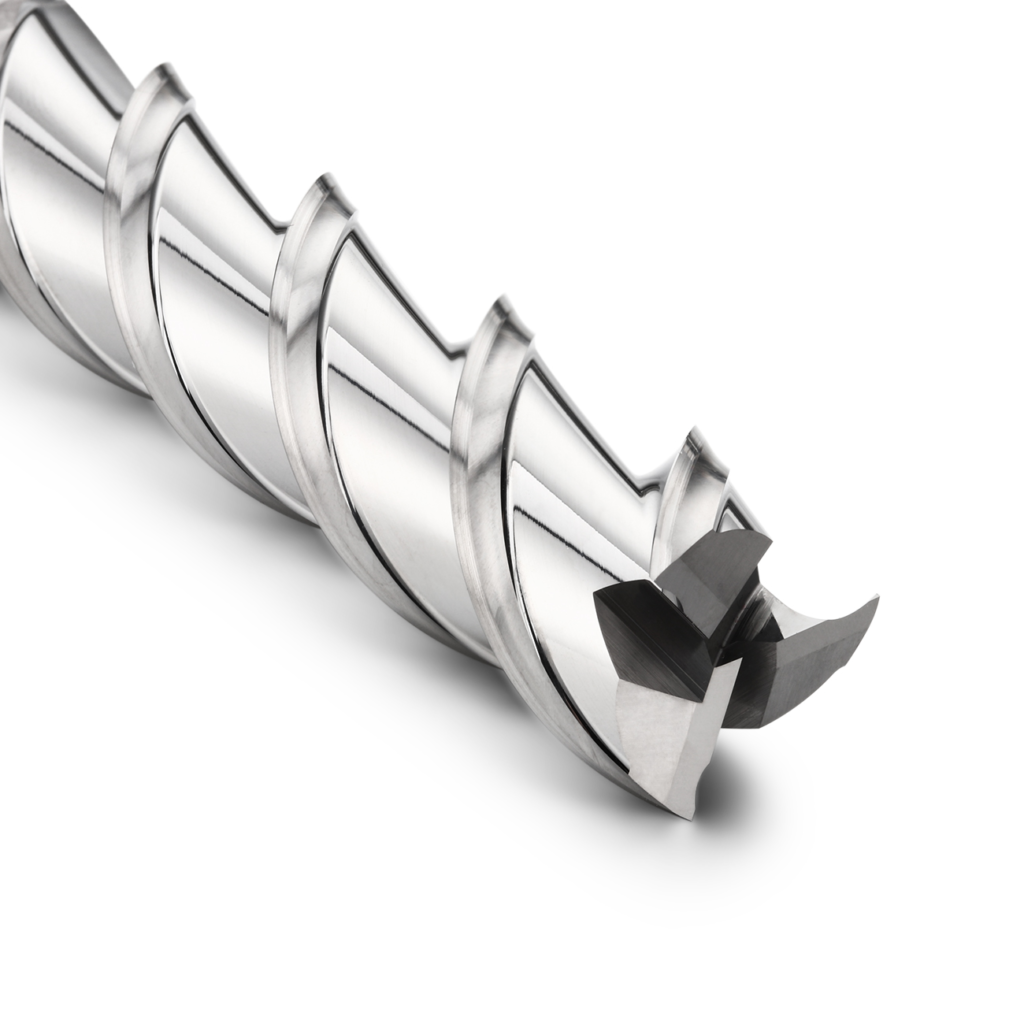
DLC performs best on milling cutters designed specifically for aluminum:
- Sharp cutting edges
- High rake angles
- Polished or mirror-finish flutes
Modern DLC-coated end mills often use:
- Gradient interlayers
- Stress-controlled PVD processes
to ensure strong adhesion without compromising edge strength.
Practical Coating Selection Guide for Milling Cutters
- General-purpose milling → TiN / TiCN
- High-speed steel milling → TiAlN / AlTiN
- Aluminum & non-ferrous milling → DLC
- Graphite / MMC milling → CVD diamond
Selecting the correct coating is not about choosing the “hardest” option, but about matching coating behavior to milling mechanics.
Conclusion
Why Coating Choice Defines Milling Cutter Performance
For milling cutters, coatings are not decorative layers.
They define how the cutting edge interacts with the workpiece, how chips form, and how stable the milling process remains.
Among modern coating technologies, DLC has become a key enabler for high-efficiency aluminum milling, especially under dry or near-dry conditions.
For milling cutter manufacturers and users alike, coating selection is no longer a cost issue — it is a performance strategy.