Skip to content
What Really Determines the Quality of Tungsten Carbide Rods?
Table of Contents
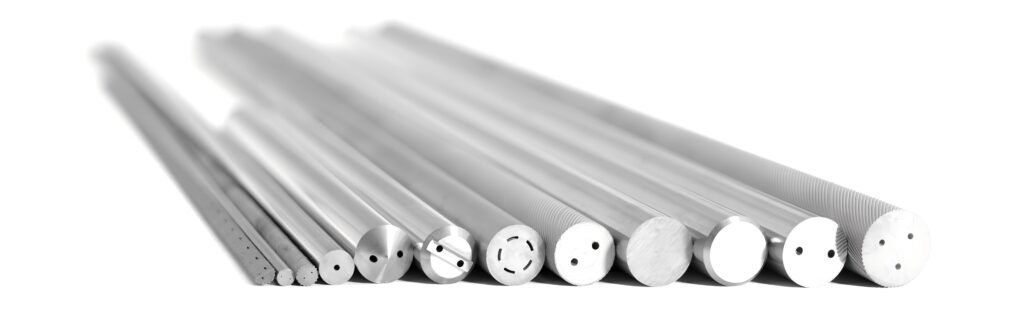
When talking about solid carbide end mills, drills, and reamers, most discussions focus on tool geometry, coatings, and flute design.
However, experienced cutting tool manufacturers understand a fundamental truth:
The performance of a cutting tool is ultimately limited by the quality of the carbide rod.
No matter how advanced the coating or how optimized the geometry, unstable substrate material will always lead to premature failure, inconsistent tool life, and unpredictable machining results.
So what truly defines a high-quality tungsten carbide rod?
- Is it chemical composition?
- Grain size?
- Density?
- Microstructure?
- Or production consistency?
This article provides a practical, product-oriented explanation of carbide rod fundamentals, focusing on what really matters for cutting tool manufacturing and application.
What Is a Tungsten Carbide Rod?
Tungsten carbide rods are cemented carbide materials produced by powder metallurgy, mainly composed of:
- Tungsten carbide (WC) as the hard phase
- Cobalt (Co) as the binder phase
- Small amounts of grain growth inhibitors
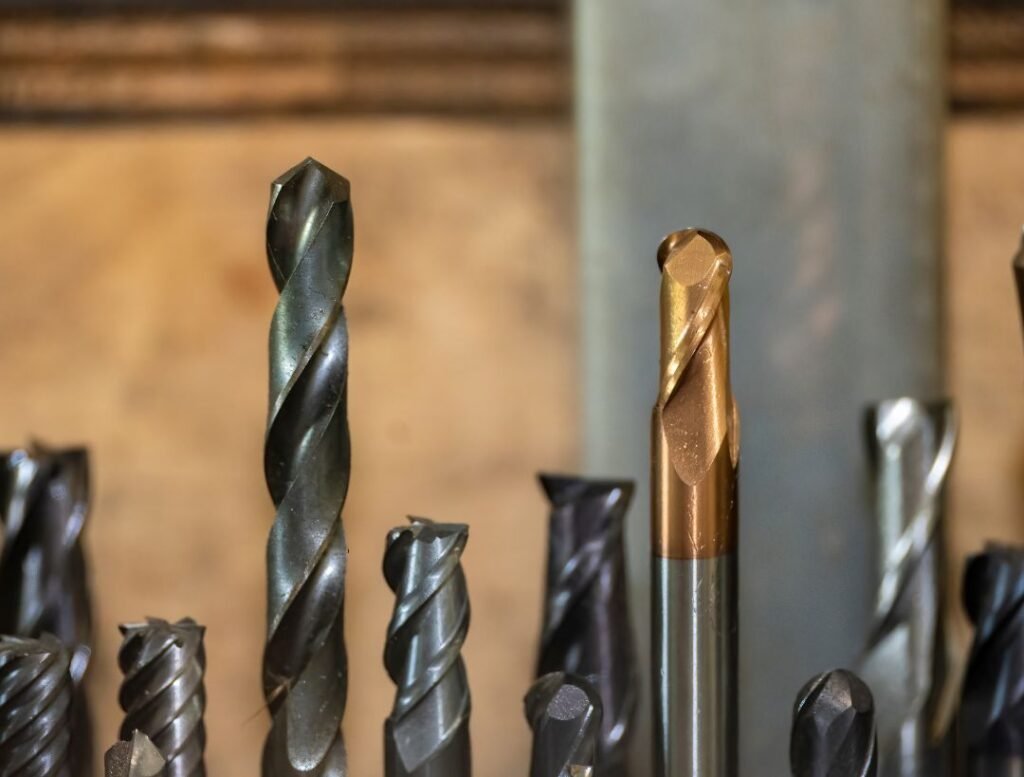
They are the primary raw material used to manufacture:
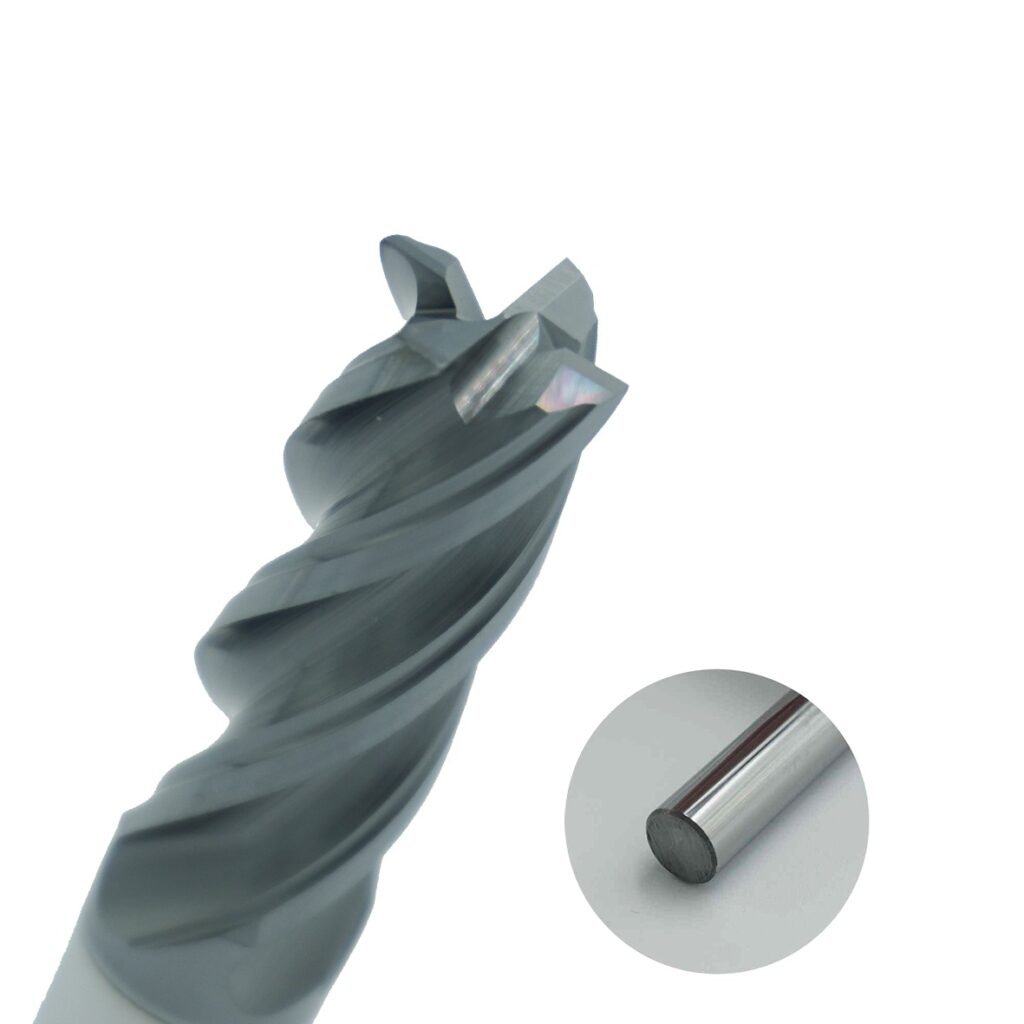
- Solid carbide end mills
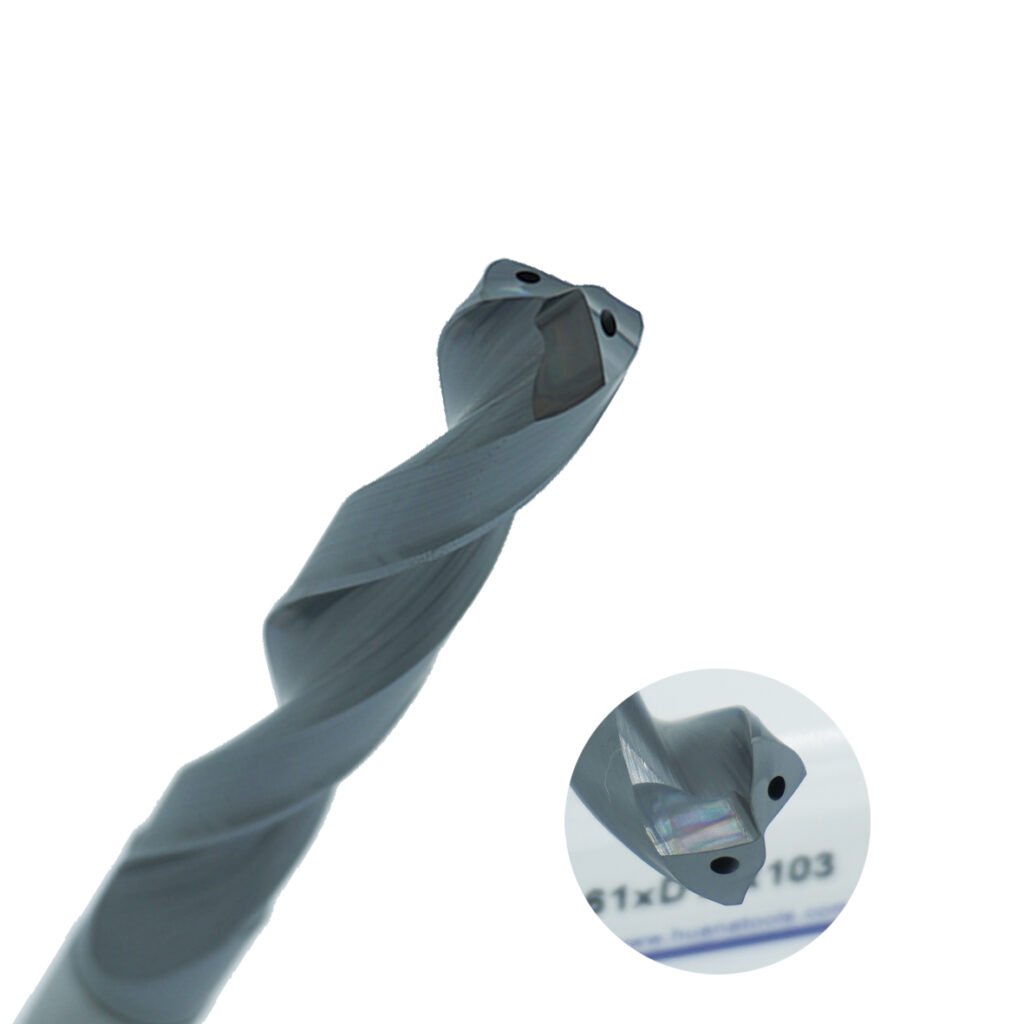
- Solid carbide drills
- Reamers
- Rotary burrs
- Wear parts
Typical characteristics:
- Very high hardness
- Excellent wear resistance
- High compressive strength
- Good hot hardness
In cutting tools, carbide rods form the load-bearing body beneath the coating.
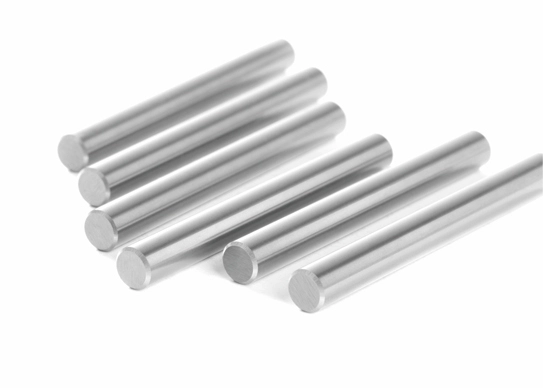
Why Is Carbide Rod Quality So Critical for Cutting Tools?
Carbide rods directly influence:
- Edge strength
- Wear resistance
- Chipping resistance
- Coating adhesion
- Tool life consistency
In practice:
Tool geometry determines how a tool cuts.
Carbide rod quality determines how long it survives.
How Are Tungsten Carbide Rods Manufactured?
Carbide rods are produced using a classical powder metallurgy route:
Raw materials → Powder preparation → Mixing & ball milling → Granulation → Forming → Green body → Debinding → Sintering → Finished rods
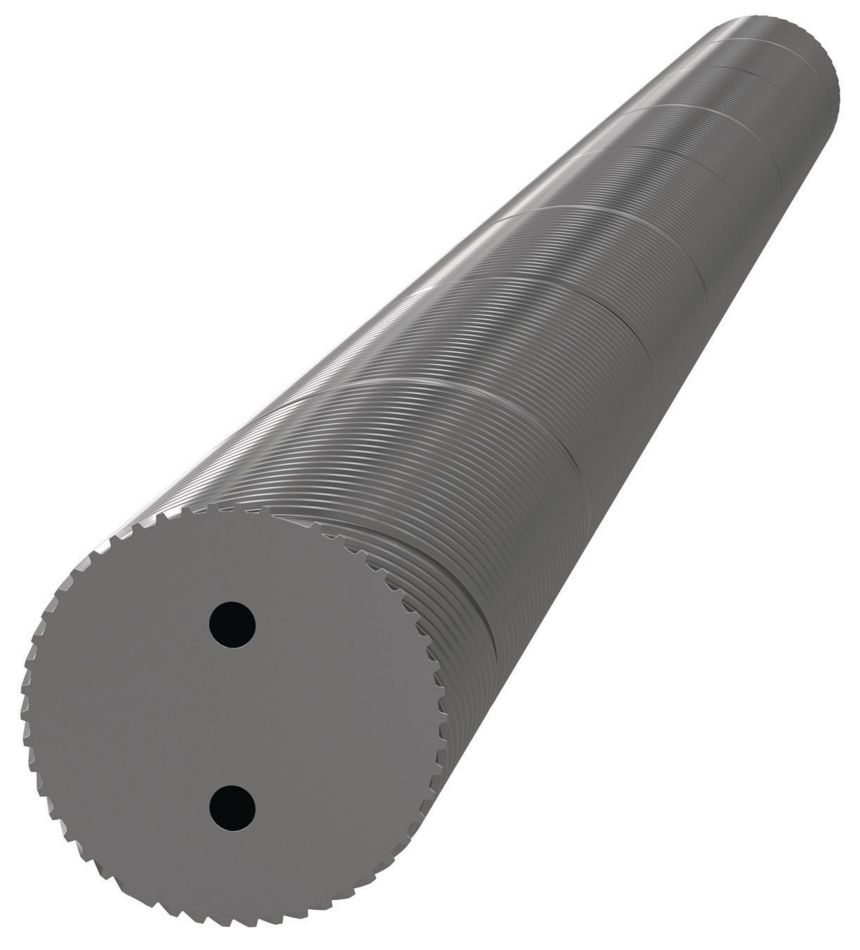
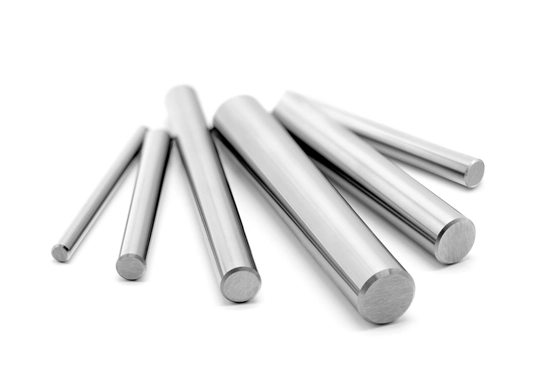
Raw Materials and Powder Preparation
High-quality rods start with high-purity WC powder and Co powder.
Key control points:
- Particle size distribution
- Oxygen content
- Impurity level
Low-quality powders inevitably lead to unstable performance.
Formulation: WC + Co + Additives
Different rod grades are achieved by adjusting:
- WC content
- Co content
- Grain growth inhibitors
Typical cobalt content ranges from 6% to 12%, depending on application.
Mixing and Ball Milling
Ball milling ensures:
- Uniform distribution of WC and Co
- Particle refinement
- Stable chemical homogeneity
Poor mixing causes local weak zones inside rods.
Forming (Compaction / Injection)
Powder is formed into cylindrical green bodies using:
- Die pressing
- Injection molding
Green bodies have low strength but accurate shape.
Debinding and Sintering
- Debinding removes organic binders
- Sintering at ~1350–1450°C under vacuum or protective atmosphere
During sintering:
- Cobalt melts and binds WC grains
- Material densifies
- Final microstructure is created
Sintering quality largely defines rod performance.
What Physical Properties Indicate Carbide Rod Quality?
Several measurable properties are commonly used.
Coercive Force (Hc)
- Indirect indicator of WC grain size
- Higher Hc → finer grains
- Lower Hc → coarser grains
Cobalt Magnetic Saturation (Co Magnetism)
- Indicates carbon balance
- Low carbon → η phase
- High carbon → free graphite
Correct carbon window is critical.
Density
- Indicates densification level
- Reveals residual porosity
Higher density = better internal integrity.
Hardness
- Related to grain size and Co content
- Indicates wear resistance
Transverse Rupture Strength (TRS)
- Reflects overall mechanical strength
- Sensitive to pores and defects
Property vs Quality Indication
Property | Main Control Factor | What It Shows |
Hc | Grain size | Fineness |
Co Magnetism | Carbon balance | Phase stability |
Density | Porosity | Densification |
Hardness | Grain size, Co% | Wear resistance |
TRS | All factors | Overall strength |
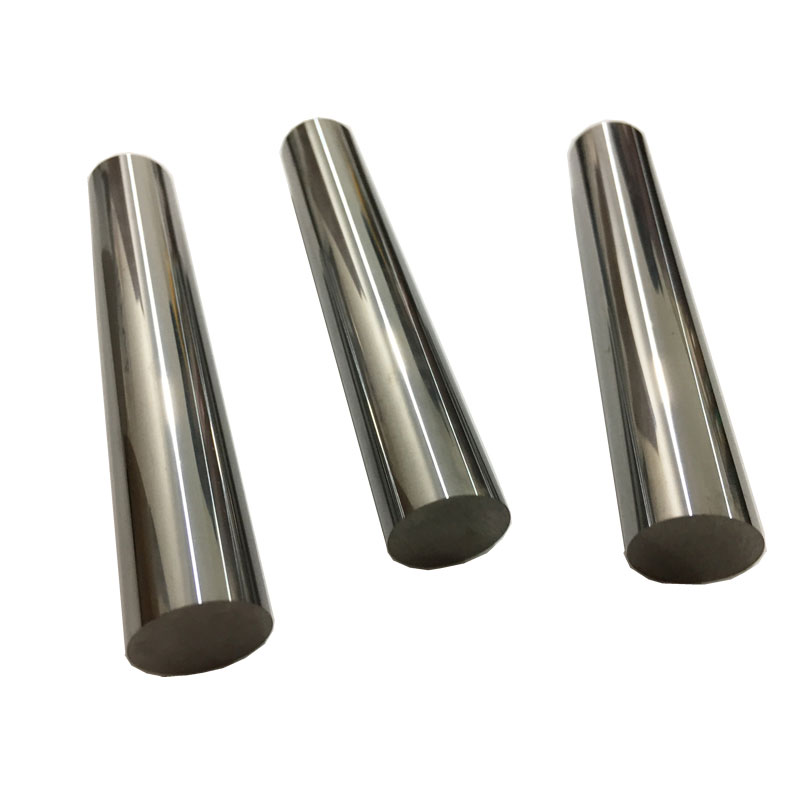
Why Does Surface Appearance Matter?
High-quality carbide rods typically show:
- Smooth surface
- Uniform color
- Clean end face
- No visible cracks or laminations
Surface defects often indicate internal problems.
What Does a Good Carbide Microstructure Look Like?
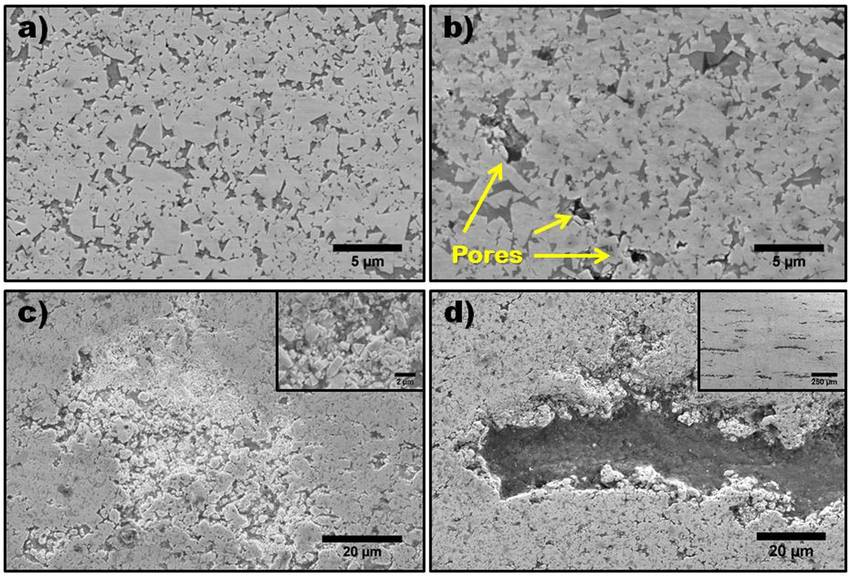
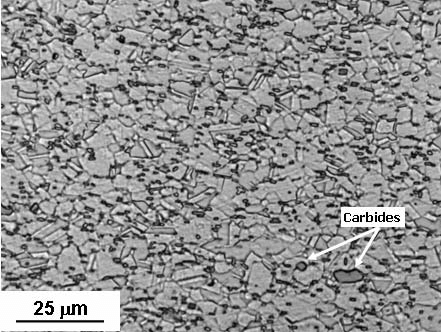
Under microscope, qualified rods show:
- Uniform WC grain size
- Even Co distribution
- Minimal pores
- No abnormal grain growth
Common Microstructural Defects
- Porosity
- Free graphite
- η phase
- Cobalt pools
- Grain abnormal growth
All reduce reliability.
How Is Porosity Classified?
Example classification:
- A02 → pores < 10 μm
- B00 → pores 10–25 μm
Lower class = better quality.
Macro defects such as cracks, delamination, or large voids are not allowed.
How Is Carbide Grain Size Classified?
Typical Grain Size Categories
Category | Grain Size |
Ultrafine | <0.5 μm |
Fine | 0.5–0.8 μm |
Submicron | 0.8–1.0 μm |
Medium | 1.0–1.3 μm |
Coarse | >1.3 μm |
How Does Grain Size Affect Tool Performance?
Grain Size vs Application
Grain Size | Hardness | Toughness | Typical Tool Use |
Ultrafine | Very high | Medium | Micro tools, finishing |
Fine | High | Good | General end mills |
Submicron | Balanced | Balanced | Universal tools |
Medium | Medium | High | Roughing tools |
Coarse | Lower | Very high | Heavy-duty tools |
Which Rod Grades Are Commonly Used for Cutting Tools?
Fine-Grain Universal Rods
- Grain size: 0.6–0.8 μm
- Co: 8–10%
- Used for general-purpose end mills and drills
Wear-Resistant Rods
- Grain size: 0.4–0.6 μm
- Co: 6–8%
- Used for finishing tools
Tough Rods
- Grain size: 0.8–1.2 μm
- Co: 10–12%
- Used for roughing and interrupted cuts
How Does Carbide Rod Quality Affect Coating Performance?
High-quality rods provide:
- Uniform surface
- Stable hardness
- Strong coating adhesion
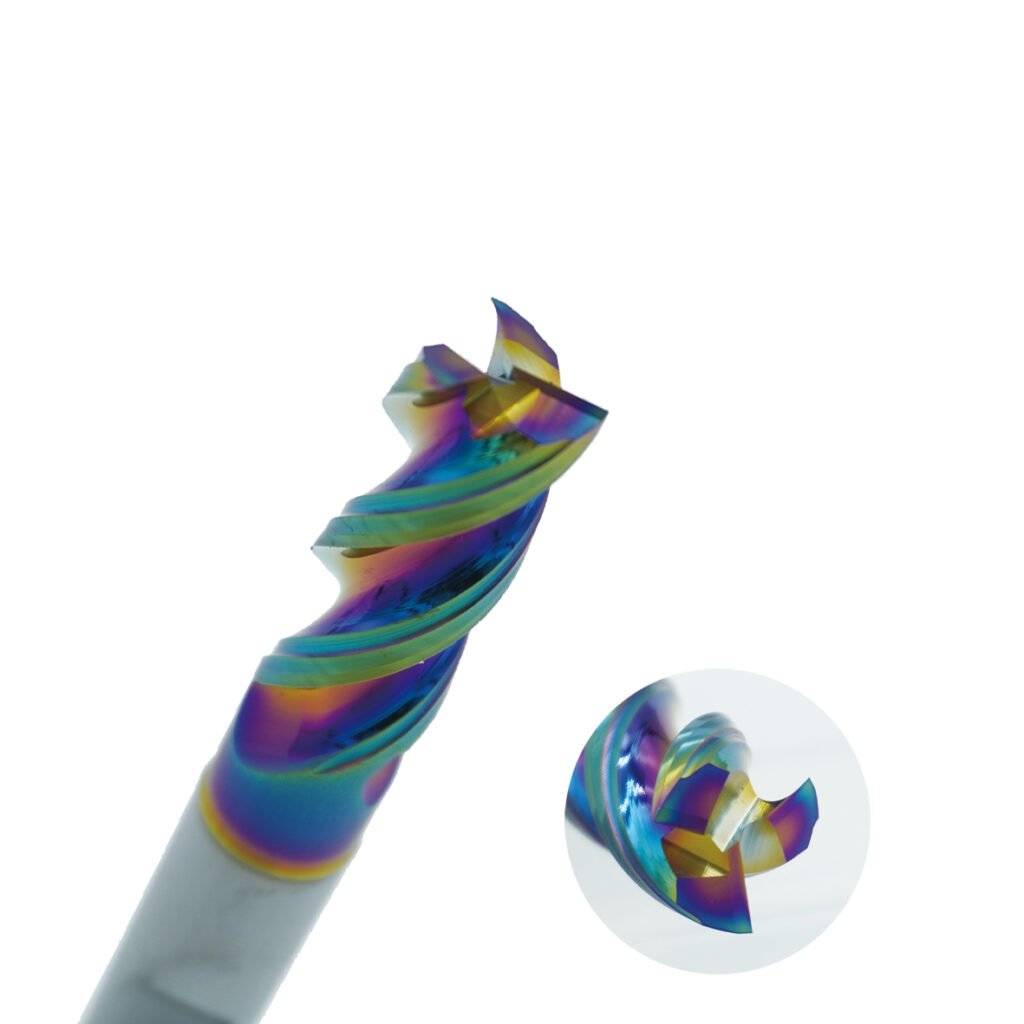
Poor rods cause:
- Coating peeling
- Micro-cracks
- Early edge failure
How Does Rod Selection Affect Different Tool Types?
- End mills → fine or submicron grades
- Drills → tougher grades
- Micro tools → ultrafine grades
Correct matching improves stability and tool life.
What Should Buyers Ask When Sourcing Carbide Rods?
- Grain size range
- Co content
- Hc & Co magnetism values
- Density tolerance
- Porosity grade
- TRS
These parameters define real quality.
Typical Specification Example (General End Mill Rod)
- Grain size: 0.6–0.8 μm
- Co: 8%
- Hardness: 91.5–92.5 HRA
- TRS: ≥ 3800 MPa
- Porosity: ≤ A02

Final Thoughts: Carbide Rods Define the Upper Limit of Tool Performance
Tool design and coating optimize performance.
Carbide rod quality defines the ceiling.
Choosing stable, high-quality tungsten carbide rods is the first and most important step toward reliable high-performance cutting tools.