Bosch vs DeWalt vs Milwaukee “Carbide” Drill Bit Sets for Metal: What Actually Works
Table of Contents
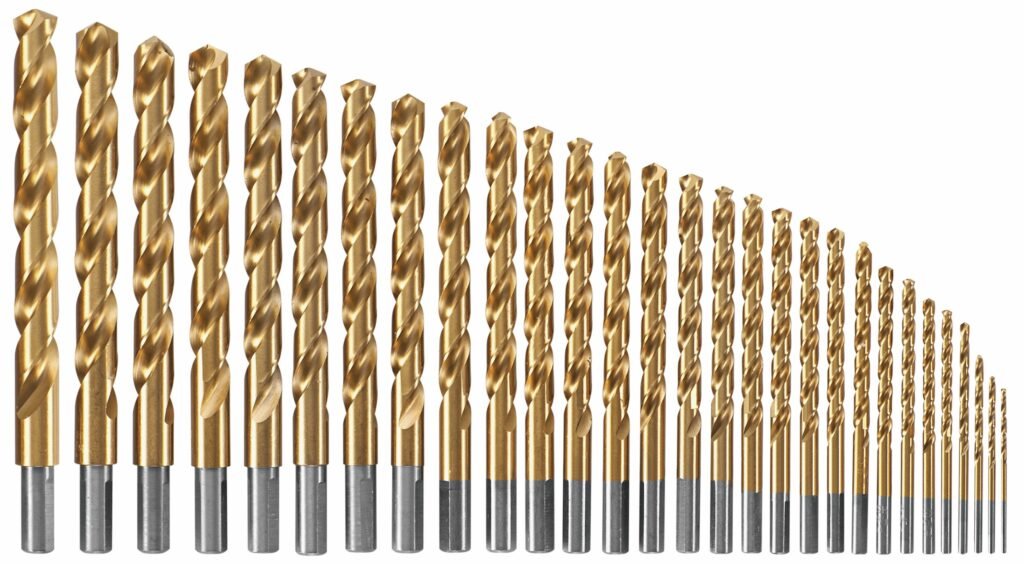
Walk into any big-box store (or scroll an online listing) and you’ll see “carbide drill bit sets” from Bosch, DeWalt, and Milwaukee—often marketed as tougher, longer-lasting, and “metal-capable.”
Here’s the truth that most buyers only learn after burning a few bits: many brand “carbide sets” are not metal-first drill sets. They’re usually carbide-tipped, multi-material bits designed to survive abuse (impacts, mixed stacks, occasional masonry), not to drill clean, repeatable holes in steel all day.
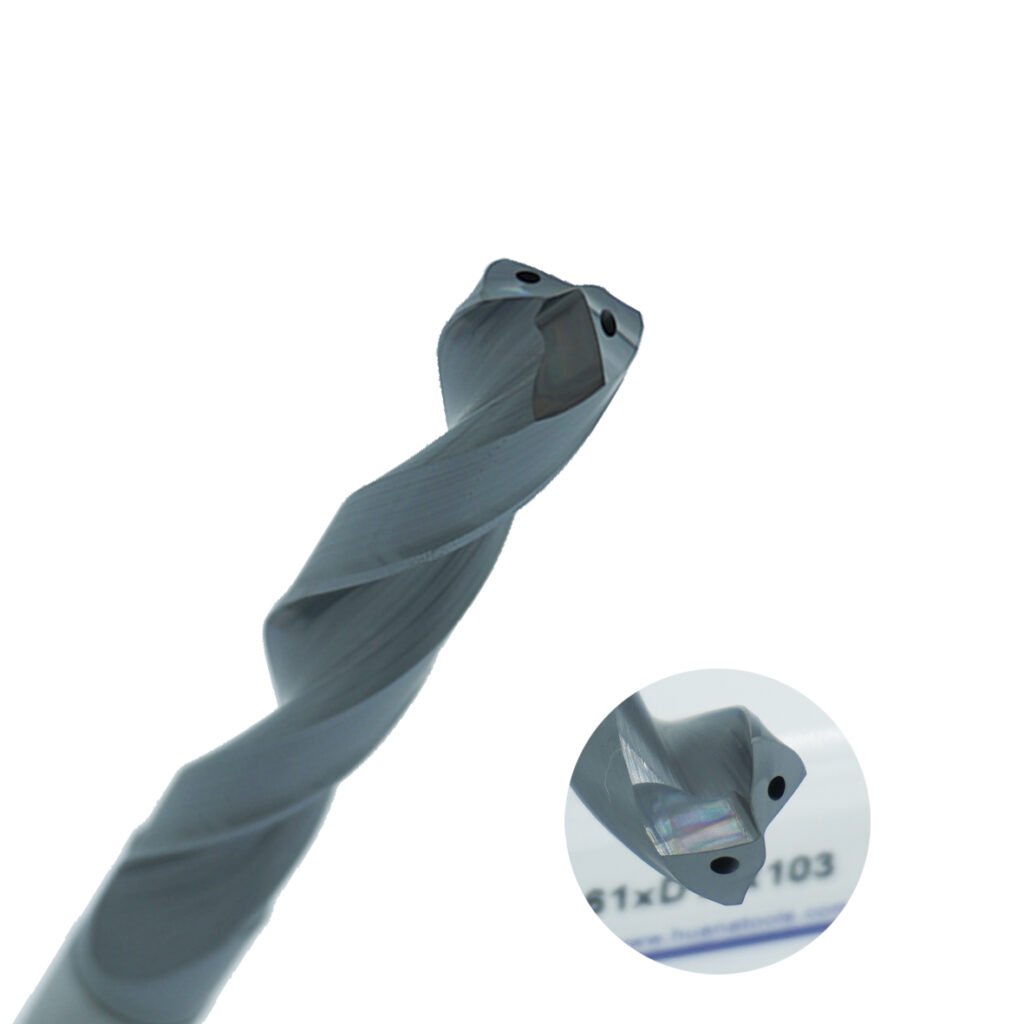
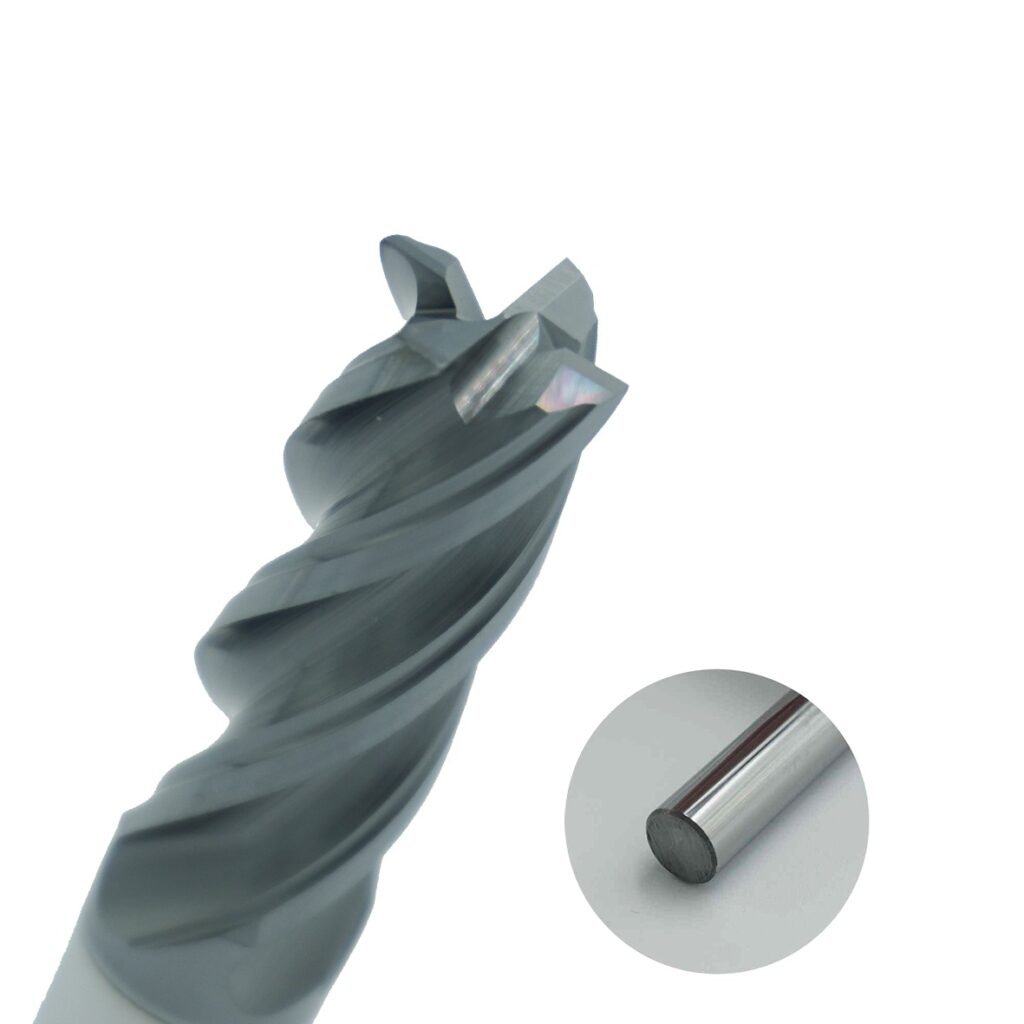
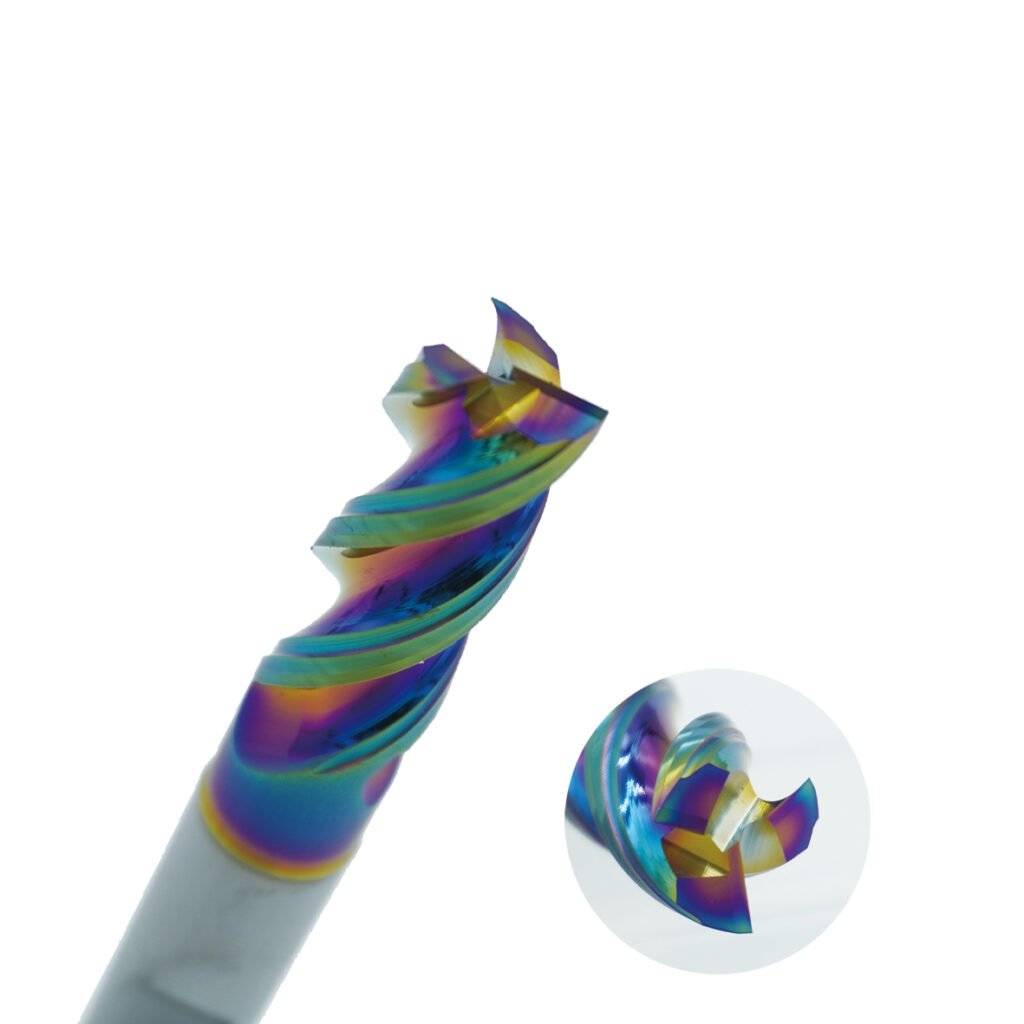
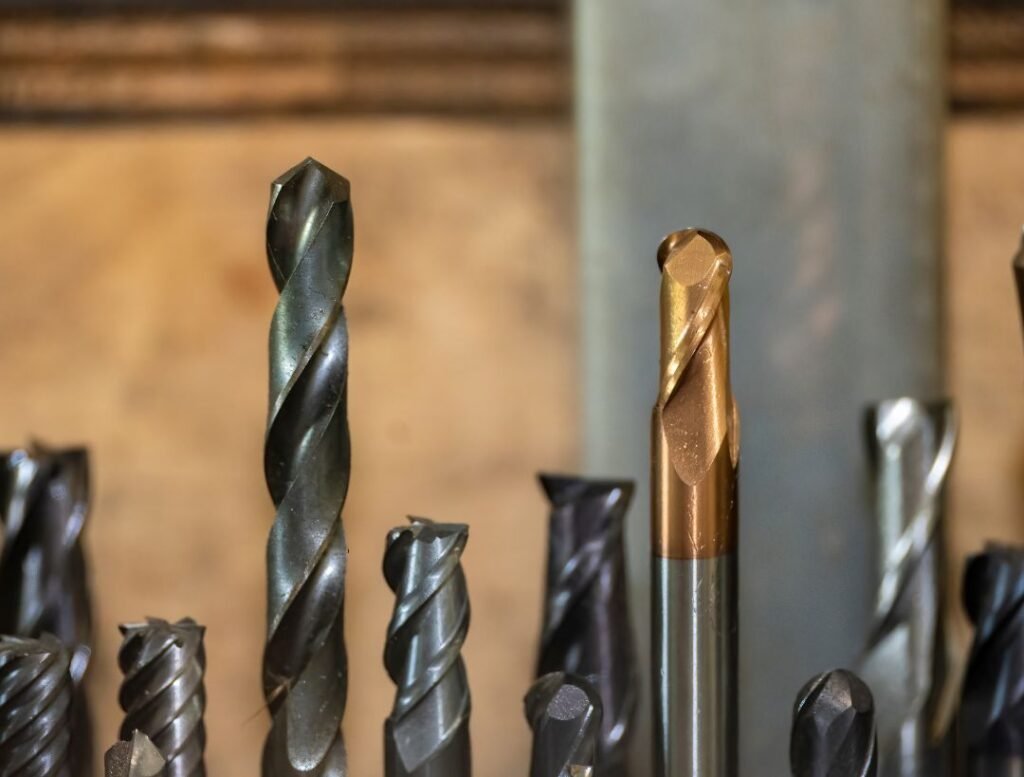
So this article is a use-case comparison, not a fan war. We’ll look at what these “carbide” sets really are, which specific product lines matter, where each brand shines in metal, and when you should skip sets entirely and move to dedicated metal drills (including solid carbide drills for demanding work).
What to expect from brand carbide drill bit sets
The big idea: “carbide” usually means carbide-tipped, not solid carbide
In the consumer/prosumer market, Bosch/DeWalt/Milwaukee “carbide” sets commonly mean:
- A steel body(HSS or alloy steel)
- A carbide tip/headbrazed or integrated for durability
- A design meant for multi-materialdrilling—steel/aluminum andwood/PVC/tile/brick—so you don’t have to change bits constantly
Examples of the most relevant “carbide set” lines for metal-adjacent work:
- Bosch Daredevil® Multipurpose Drill Bit Set(carbide multi-grind, impact-rated hex)
- Bosch Impact MultiConstruction™ Drill Bit Set(carbide head + hex shank for impact/hammer drill-drivers)
- DeWalt IMPACT READY® Multi-Material (carbide) setslike DWA56015 (carbide split-point tip, “no-spin shank”)
- Milwaukee SHOCKWAVE Impact Duty™ Carbide Multi-Material Drill Bit Sets(carbide multi-grind tip, 1/4″ hex)
Pros/cons vs industrial solid carbide drills
What brand “carbide sets” do well?
- Survive mixed-material work (sheet metal + wood backing + occasional tile)
- Tolerate impact-driver use (hex shank) better than standard jobber drills
- Reduce “bit swapping” on install/maintenance jobs
What they don’t do well?
- Sustained drilling in thick steel, stainless, or production settings
- Predictable chip formation and heat control like true metal drills
- Tight hole size/finish consistency across many sizes in a set
If you want repeatable metal performance, you usually move to:
- Cobalt HSS (M35/M42) setsfor hard metals and stainless
- Solid carbide drillsfor hardened steels, abrasive alloys, high throughput
Bosch and Milwaukee both explicitly position certain cobalt sets for hard metals/stainless (more on that later).
How we judge a set?
Below is the framework you should use for any carbide drill bit set for metal claim—because marketing words alone are not enough.
Drill type: tipped vs solid
- Carbide-tipped / carbide head: durable, versatile, but not “industrial carbide drilling”
- Solid carbide: highest heat resistance and wear resistance; also the most rigid and most sensitive to runout/technique
All the “carbide sets” we’re comparing here are tipped/headed multi-material styles (not solid carbide twist drills).
Geometry & chip control
For metal, chip evacuation and heat are everything.
Look for:
- Split-point or “no-walk” tip geometry (clean starts)
- Flute shape that clears chips in steel (not just dust in masonry)
- A body design that doesn’t overheat immediately in stainless
Wear resistance & heat handling
Carbide tips tolerate abrasion well, but steel bodies still carry heat, and multi-material geometry is often a compromise.
If your work is mostly steel/stainless, cobalt or solid carbide wins.
Set composition (useful sizes vs filler)
A set can look “big” but still miss the sizes you actually use:
- Common fastener sizes in maintenance work
- Tap drill sizes
- Step-up sizes for sheet metal
Consistency across sizes
In many mixed sets, performance is great in a few mid-sizes and mediocre in tiny or large sizes.
Best materials: steel / stainless / cast / hard
A bit that’s “fine in mild steel” can fail quickly in stainless or hardened steel.
Quick spec snapshot of the real-world “carbide sets” people buy
Brand | Product line (typical “carbide set” buyers mean) | Tip/head design | Shank | What the manufacturer emphasizes |
Bosch | Daredevil® Multipurpose Set | Upgraded multi-grind carbide heads | Hex, impact-rated | “Up to 85% faster drilling in metal than standard bits”; multi-material durability |
Bosch | Impact MultiConstruction™ Set | Robust carbide head + sharp ground edges | Hex | Fast drilling across varied materials; impact/hammer-drill-driver compatible |
DeWalt | IMPACT READY® Multi-Material (e.g., DWA56015) | Carbide split-point tip | “No-spin”/anti-slip shank | Fast drilling across multiple materials; reduced slippage; aggressive flute angles |
Milwaukee | SHOCKWAVE Impact Duty™ Carbide Multi-Material Set | Aggressive multi-grind carbide tip | 1/4″ hex | Multi-material versatility; claims up to 10× life in stacked materials and faster drilling in metal |
If your expectation is “a metalworking drill set,” keep reading—because this table already hints at the biggest issue: these are optimized for mixed jobs, not dedicated metal drilling.
Bosch carbide drill bit set: best fit scenarios
When people say “bosch carbide drill bit set,” they usually mean one of two directions:
Bosch carbide multi-material sets
Bosch Daredevil® Multipurpose is a classic example: impact-rated hex shanks, multi-grind carbide heads, and marketing that calls out faster drilling in metal than “standard bits” (usually meaning basic HSS sets).
Where it fits (metal use cases)
- Sheet metal, angle iron, thin brackets—especially when you’re bouncing between wood/PVC and metal on the same job
- Field work where the bit may see occasional masonry/tile and you don’t want to baby it
- Impact driver convenience: hex shank + quick changes matter more than hole perfection
What to watch
- In thicker steel, multi-material geometry can heat up fast and dull sooner than a dedicated metal drill.
- Expect “good enough holes,” not production hole quality.
Bosch “metal-first” sets that beat most carbide multi-material sets in steel
If your work is truly metal-focused, Bosch’s Cobalt M42 sets (like CO14B/CO21B) are positioned for stainless, cast iron, titanium, and other hard metals, using an M42 alloy with cobalt content called out in product listings.
The practical takeaway:
For metal, Bosch often makes more sense when you buy their cobalt sets—not their “carbide multipurpose” sets.
DeWalt carbide drill bit set: best fit scenarios
DeWalt’s “carbide set” story splits into:
- Carbide masonry/SDS/hammer bits(not what you want for metal)
- Carbide-tipped multi-material bits(the relevant comparison for “carbide drill bit set for metal”)
A widely referenced example is DWA56015 (IMPACT READY® Multi-Material, carbide tip), featuring a carbide split-point tip, no-spin shank, and aggressive flute angles.
Where it fits (metal use cases)
- Maintenance drilling in mild steel where you also hit wood/plastic
- Jobs where bit slippage is common (hand drilling awkward angles) → the “no-spin” shank helps in some chucks
- Light-to-moderate duty, especially if you prioritize convenience and decent life over perfect hole quality
Where it’s not the best
- Stainless steel: you’ll usually do better with a cobalt metal set
- Repetitive drilling in thicker steel plate: dedicated metal drills win on heat + chip control
DeWalt itself heavily promotes cobalt alloy steel drill bits for stainless and hard metals within its ELITE SERIES™ system positioning—again, a hint that “carbide sets” are not their core “metal answer.”
Milwaukee carbide drill bit set: best fit scenarios
Milwaukee’s “carbide” set that actually gets used on mixed jobs is the SHOCKWAVE Impact Duty™ Carbide Multi-Material line.
A common set is the 5-piece kit (48-20-8898) that includes 5/32″, 3/16″, 1/4″, 5/16″, 3/8″.
Milwaukee positions the line as a versatile, impact-compatible solution for materials including steel and aluminum (plus masonry/tile/wood/PVC), and it claims faster drilling in metal and long life in stacked materials.
Where it fits (metal use cases)
- Mixed stacks (sheet metal + wood backing, HVAC installs, electrical work)
- Punching holes in thin steel quickly with an impact driver (hex shank convenience)
- “I don’t know what material I’ll hit” service calls
The key limitation
It’s still a multi-material bit. For stainless or production drilling, Milwaukee’s RED HELIX™ cobalt sets are much more “metal-first.” Milwaukee describes features like variable helix, 135° split point, and claims like “up to 15× life vs black oxide” for RED HELIX™ cobalt sets.
Which one is the “best carbide drill bit set” for your metal jobs?
There isn’t one universal winner—because these sets are optimized for different kinds of “metal work.”
A practical “best-fit” matrix (real shop/field reality)
Your job type | Best pick among these “carbide sets” | Why |
Thin steel + frequent material switching (metal/wood/PVC/tile) | Milwaukee SHOCKWAVE Carbide Multi-Material | Strong multi-material positioning + impact-driver workflow; set sizes cover common field drilling |
Mixed jobsite drilling where “metal happens sometimes” | Bosch Daredevil® Multipurpose | Specifically marketed as multipurpose with upgraded multi-grind heads for metal + impact-rated convenience |
Light steel drilling + you value anti-slip grip in the chuck | DeWalt Multi-Material carbide (e.g., DWA56015) | Carbide split-point + “no-spin” shank + aggressive flute angle positioning |
Mostly steel/stainless (metal-first work) | Skip “carbide multi-material sets” → buy cobalt metal sets | Bosch Cobalt M42 sets and Milwaukee RED HELIX™ cobalt sets are explicitly positioned for hard metals/stainless |
Now let’s answer the question the way buyers actually need it answered.
For general steel work (mild steel, low-alloy, sheet/angle)
If your “metal” is mostly thin mild steel, any of the three brands’ multi-material carbide sets can work—especially at sensible RPM, firm feed pressure, and with cutting fluid.
What usually matters more than brand:
- Sharpness + correct speed
- Preventing overheating (don’t “polish” the hole with no feed)
- Clearing chips (peck drilling helps in thicker sections)
Best practical choice:
- If you want the most “jobsite versatile” feel: Milwaukee SHOCKWAVE Carbide Multi-Material
- If you want a strong Bosch multipurpose option: Bosch Daredevil® Multipurpose
For stainless steel (304/316): treat “carbide sets” as a compromise
Stainless punishes drill bits with heat and work hardening.
Multi-material carbide bits can drill stainless in a pinch, but they’re usually not the best value because:
- Geometry is compromise
- Users tend to run them too fast (overheating)
- Once dull, stainless becomes dramatically harder to drill
Better move: buy a cobalt metal set designed for stainless/hard metal work:
- Bosch Cobalt M42sets (e.g., CO14B/CO21B listings emphasize hard metals, M42 alloy, heat resistance)
- Milwaukee RED HELIX™ Cobaltsets (variable helix, 135° split point; positioned for stainless/cast/thick metal)
- DeWalt ELITE SERIES™ Cobalt Alloy Steelmetal sets (positioned for stainless and hard metals)
For hardened steel (warning section)
If your “hardened steel” means real hardness (heat-treated parts, tool steels, high HRC), do not expect big-box “carbide drill bit sets” to save you.
Most failures come from:
- Runout (especially with hand drilling)
- Wrong surface speed
- Insufficient rigidity
- Work hardening and edge chipping
For hardened steels, the correct answer is usually dedicated solid carbide drills (proper grade/coating/geometry) in a rigid setup, or specialized solutions like EDM/starter holes depending on the job.
When to skip sets and buy dedicated drills instead
You should skip “carbide multipurpose sets” and buy dedicated drills if you care about any of the following:
1.Hole quality and consistency
If you need repeatable hole size, roundness, finish, and position: buy a true metal drill line (cobalt or solid carbide).
2.You drill stainless regularly
A cobalt set (or premium HSS with the right geometry) pays for itself quickly in stainless because it controls heat better and stays sharp longer in that use case.
3.You drill thicker steel plate often
Multi-material bits are convenient, but dedicated metal drills evacuate chips and manage heat better.
4.You’re doing production or semi-production work
When the cost of downtime + broken bits + scrap matters, move up to industrial tooling: cobalt jobber/screw-machine drills, or solid carbide drills when the application demands it.
A simple “what should I buy?” decision table
If you mostly drill… | And your tool is… | Buy this type first | Why |
Mixed materials + occasional steel | Impact driver / drill driver | Carbide multi-material set | Fast swaps, survives surprises, good enough in thin metal |
Mild steel (thin/medium) | Drill press / stable hand drill | Cobalt or quality HSS metal set | Better metal geometry, less heat sensitivity |
Stainless (304/316) | Any | Cobalt set (M42/M35) + cutting fluid | Reduces work hardening risk; longer life in hard metals |
Hardened steel / abrasive alloys | Rigid machine setup | Solid carbide drills | Best wear/heat resistance; requires rigidity (runout control) |
FAQ
Are “carbide drill bit sets” actually carbide?
Usually they’re carbide-tipped (or carbide-headed), not solid carbide twist drills. That’s why they’re versatile, but not always the best at dedicated metal drilling.
What’s the biggest mistake people make drilling metal with these sets?
Running too fast and feeding too lightly—creating heat, dulling the edge, then work-hardening stainless. Use the right RPM, apply firm feed, and use cutting fluid when appropriate.
What’s the best carbide drill bit set for metal?
If “metal” means thin steel in mixed jobs, Milwaukee SHOCKWAVE and Bosch Daredevil multipurpose lines are strong practical picks.
If “metal” means stainless/thick plate, you’ll usually get better results from cobalt sets like Bosch Cobalt M42 or Milwaukee RED HELIX™ Cobalt (even though they aren’t “carbide sets”).