The Best Carbide Drill Bit Set for Metal Stop Buying “Filler Sets” and Start Buying Tool Life
Table of Contents
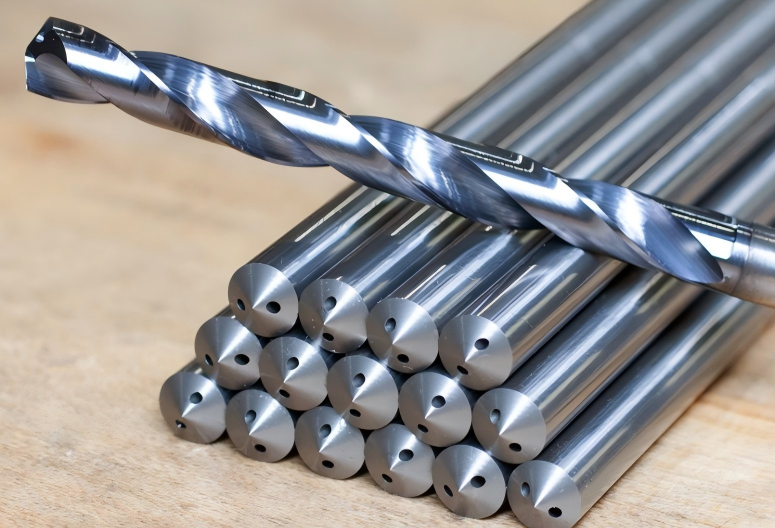
If you’ve ever bought a “carbide drill bit set” that looked premium—then chipped on the first real job—you’re not alone. Most sets disappoint for one of three reasons:
1.“Carbide” is used loosely (tipped, coated, or vague “carbide blend”).
2.The set is packed with filler sizes you’ll never run, while missing the sizes you actually need.
3.The geometry/coating is generic, so it’s mediocre in stainless, annoying in alloy steel, and risky in hardened steel.
This guide is designed to help you choose the best carbide drill bit set for metal in a practical way: what “carbide” really means, which specs actually matter, which sizes belong in a real shop set, and how to judge “best” by cost-per-hole—not hype.
What “carbide” means in drill bit sets (avoid marketing traps)
Solid carbide vs carbide-tipped vs “carbide coated”
Not all “carbide drill bits” are built the same—especially inside sets.
Type | What it really is | Strengths | Typical failure mode | Best use in metal |
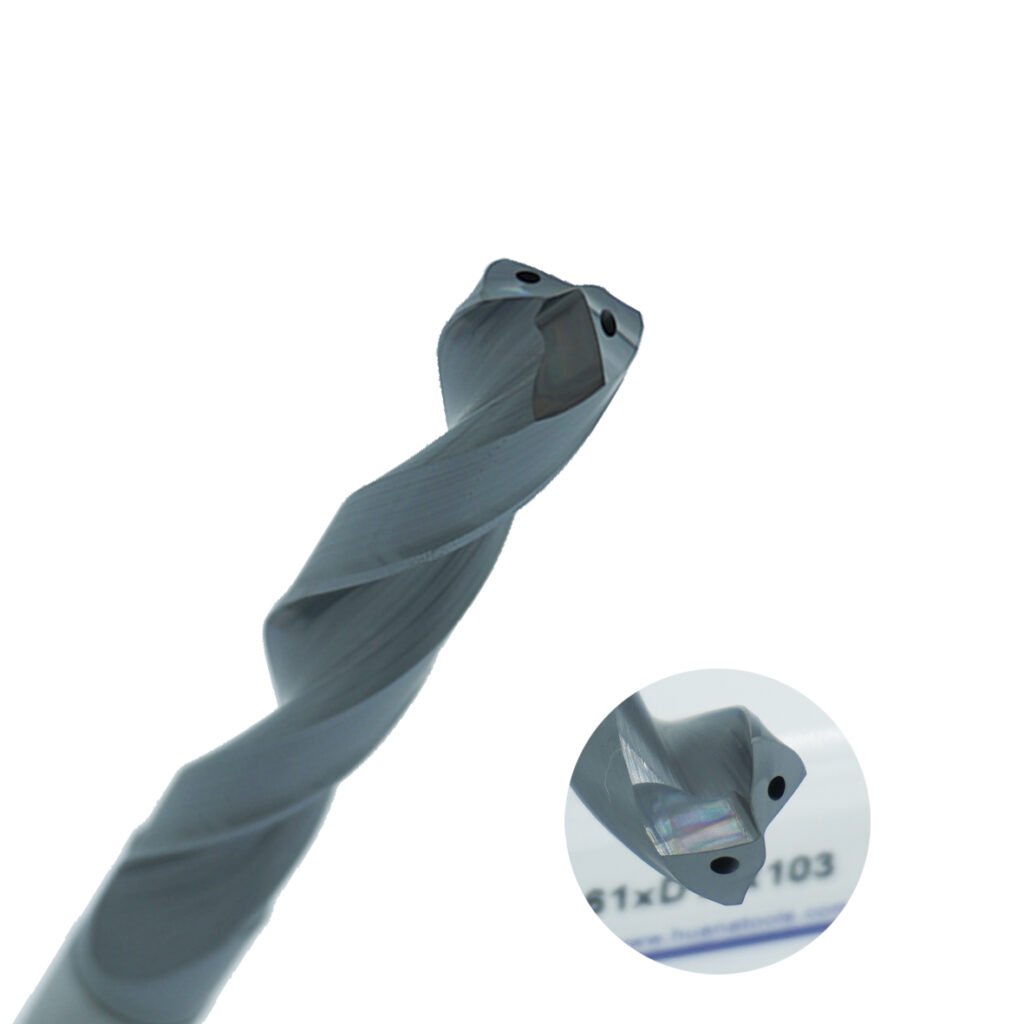
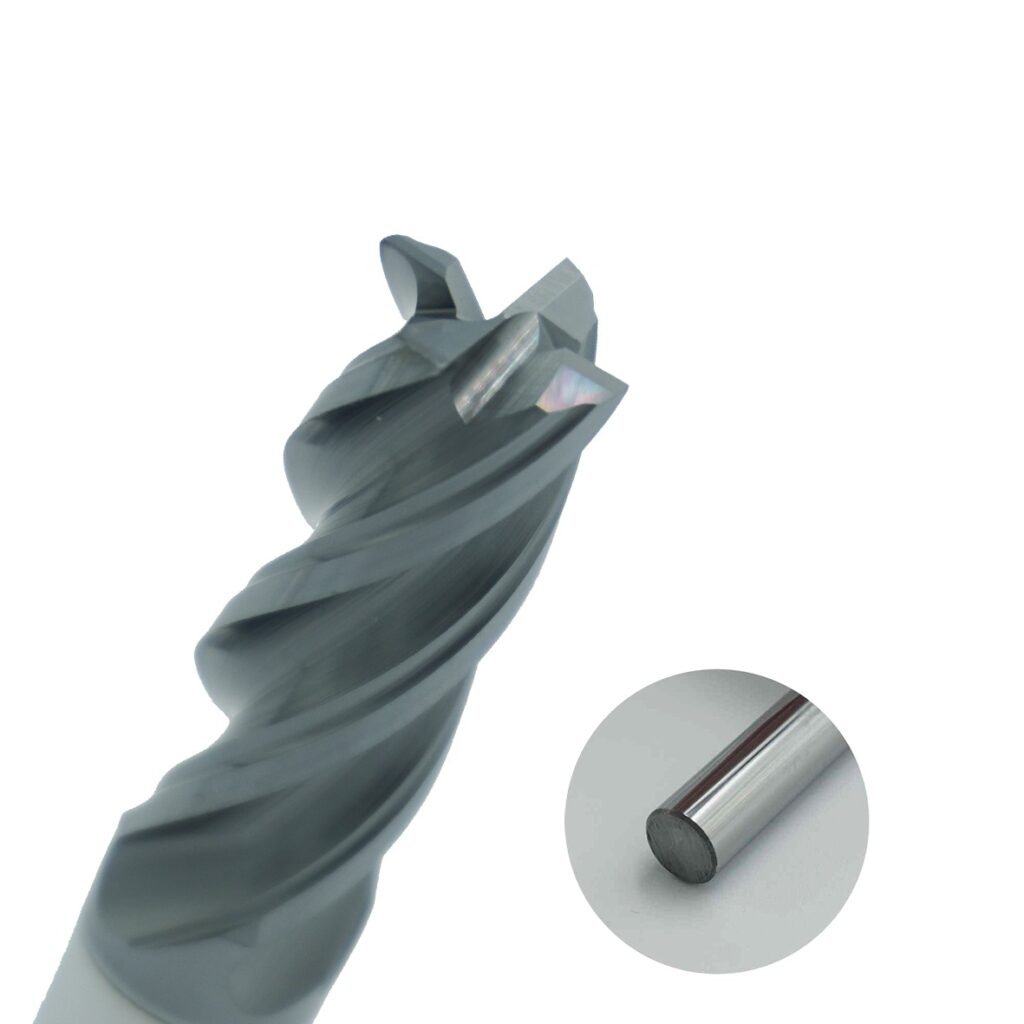
Solid carbide | Entire drill is carbide (tungsten carbide) | Highest wear resistance, strong edge retention, high productivity potential | Brittle if abused; sensitive to runout/chatter | CNC/rigid setups, repeat production, tough alloys, stainless, cast iron |
Carbide-tipped | Steel body with brazed carbide tip | Cheaper than solid carbide; tougher body | Tip chipping/debonding; less consistent geometry | Mixed/rough work where toughness matters more than precision |
“Carbide coated” | Usually steel/HSS with a coating (not carbide material) | Better than bare HSS in some cases | Still limited by substrate | Not a “carbide set” in the performance sense (read labels carefully) |
Solid carbide is what most people mean when they search carbide drill bit set for metal—but many retail sets quietly mix categories.
When each type makes sense for metalworking
- Choose solid carbidewhen you have rigidity(CNC, good holder, stable fixturing) and you care about tool life + cycle time.
- Choose carbide-tippedwhen the setup is less rigid, the work is inconsistent, or you need toughnessmore than peak performance.
- Avoid “carbide coated” as a substitute for real carbide when drilling demanding metals—it’s a different class of tool.
How to pick a carbide drill bit set for metal by material
A set is only “best” if the tools match what you actually drill. Use this material-first approach.
Mild steel / alloy steel
For general steels, you want:
- A stable point that starts predictably (often 135° split pointfor better self-centering in harder metals).
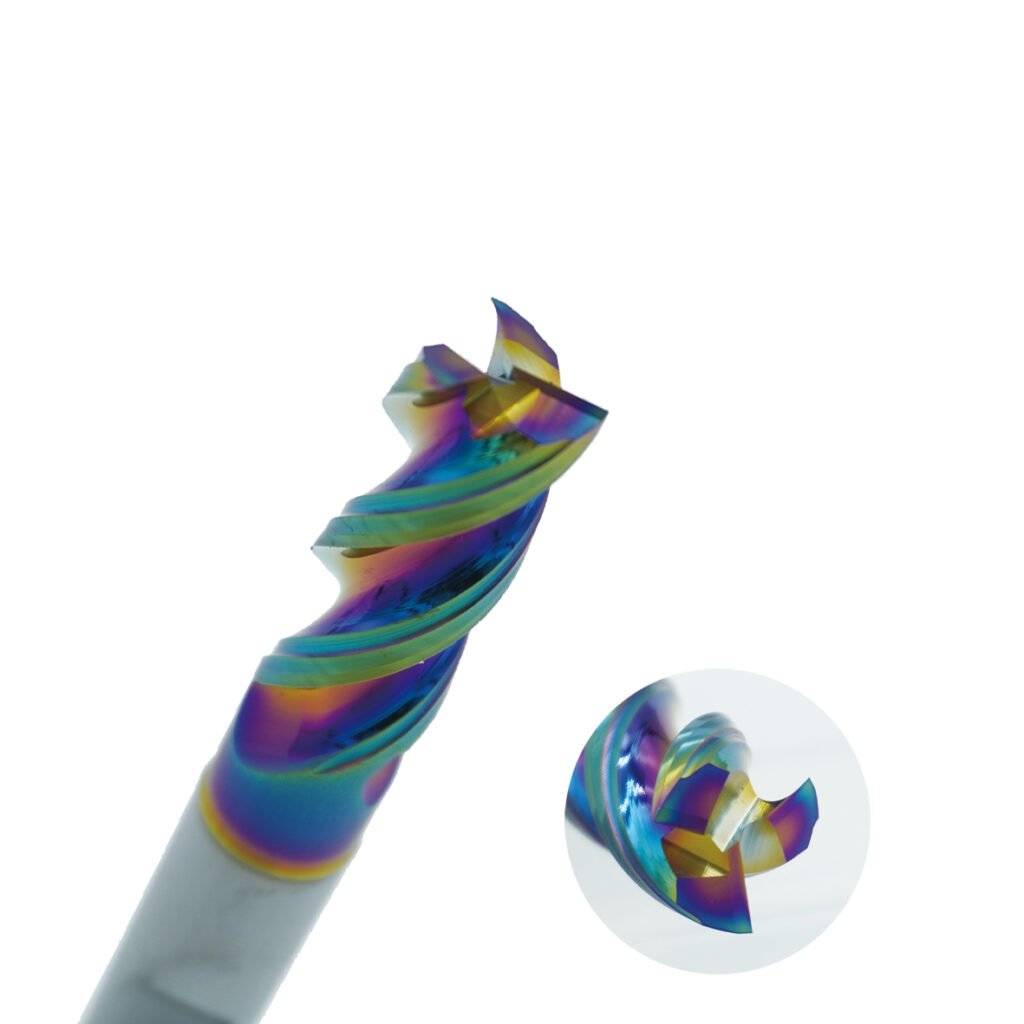
- A heat-capable PVD coating such as TiAlN / AlTiNfor higher-temperature cutting (especially if coolant is limited).
Stainless steel
Stainless punishes drills with heat and work-hardening.
What matters:
- Strong cutting edges + good chip evacuation.
- Coatings commonly used for heat and wear resistance (e.g., TiAlN/AlTiN; AlCrN is also widely used for oxidation resistance).
- Process stability: don’t “rub”—keep feed consistent.
Cast iron
Cast iron tends to be abrasive and forms small chips/dust.
- Wear resistance and edge strength are key.
- Coated carbide grades are commonly positioned for steels and cast irons in industrial holemaking catalogs.
when not to buy a set?
Hardened steel drilling is where sets often become a trap.
If you routinely drill high-HRC hardened steel, don’t buy a big general set.
Buy a small, purpose-built mini-set (only your top 3–6 sizes) with:
- the exact geometry you trust,
- the coating you validated,
- and the length you actually use.
Reason: hardened steel is where scrap risk and chipping risk explode, and where “random sizes you rarely use” become expensive drawer weight.
what to check before buying?
If you only do one thing before buying the best carbide drill bit set, do this: check these seven specs (or ask the seller to confirm them).
Tolerance & size consistency
A set is not helpful if Ø3.00 mm drills don’t behave like Ø3.00 mm drills from piece to piece.
Look for:
- stated diameter tolerance,
- batch control,
- and consistent margin design.
Flute polish / chip evacuation
Shiny flutes aren’t just cosmetic. In gummy materials (many stainless grades, some low-carbon steels), flute finish plus flute geometry can decide whether chips evacuate or weld.
Coating type & purpose
A coating should match the heat regime and material:
- TiAlN/AlTiN families are commonly used for high-temperature cutting and can form a protective oxide layer at elevated temperatures.
- Manufacturers also publish comparisons among TiN, TiAlN, AlTiN (and others) to guide selection.
Don’t pay for a coating you don’t need—but also don’t expect uncoated carbide to “just work” in stainless at production feeds.
Length series (jobber, stub, long)
Length is a rigidity decision, not a convenience feature.
- DIN 1897(stub) = shorter, stiffer (great for CNC and accuracy)
- DIN 338(jobber/standard) = general purpose
- DIN 340(long) = access/depth, but higher deflection risk
If your set is mostly long drills, you’ll chip more edges for no benefit.
Shank/holding compatibility
Match the set to your holders:
- Straight shank sizes you can actually clamp properly,
- and don’t ignore reduced shank transitions (they can be a weak point if abused).
Runout sensitivity for small diameters
Solid carbide drills can be unforgiving when runout is high—especially under Ø3 mm. The smaller the drill, the more runout turns into edge overload.
If your shop struggles with runout control, it can be smarter to:
- buy fewer carbide sizes,
- focus on stiffer length series (stub),
- and invest in better holders.
A practical “material → spec” map (use this to compare sets fast)
Material | Point angle & point style | Coating direction | Length preference | Notes |
Mild steel | 118° or 135°; split point helps starts | General heat/wear coating choices | DIN 338 / DIN 1897 | Prioritize stability over “universal set size count” |
Alloy steel | 135° split point often preferred | TiAlN/AlTiN often used for higher heat | DIN 1897 if possible | Keep feed consistent; avoid rubbing |
Stainless steel | Split point; stable web | Heat/oxidation-resistant PVD families often chosen | DIN 1897 / DIN 338 | Chip control is everything |
Cast iron | Stable cutting edge | Wear-resistant carbide/coating setups common | DIN 338 / DIN 1897 | Abrasive wear dominates |
Hardened steel | Only buy proven, purpose-built drills | “Hard machining” style coating + geometry | Usually stub | Don’t buy a big set; buy a validated mini-set |
Set planning: which sizes you actually need
Most “100-piece sets” look impressive but waste budget. A smart set is built around your fast movers.
Shop set vs maintenance set vs production set
- Shop set (job shop / prototyping):fewer sizes, broader coverage, mainly DIN 338 (jobber).
- Maintenance set (facility / repair):fewer carbide drills overall; consider mixing carbide for the tough jobs and HSS-Co for the rest.
- Production set (repeat parts):nota big set—usually a tight range (like 6–12 sizes) with duplicates of the most-used diameters.
Metric vs inch mix strategy
If you drill both, don’t force a single “mega-set.” Build two core sets:
- A metric core(common M clearance/tap drill sizes for your work),
- An inch core(fractional fast movers + letter/number if you really use them).
Here’s a sample planning table you can adapt:
Set type | Recommended approach | What to avoid |
Shop set | 10–20 sizes you truly use; add duplicates for top 3 | Huge “micro-step” increments you never drill |
Maintenance set | Fewer carbide drills; emphasize toughness and storage | Long-length carbide drills “just in case” |
Production set | 6–12 validated sizes + backups; same series/geometry | Mixed brands/geometry inside one diameter range |
Cost-per-hole: how to judge “best” realistically
“Best” isn’t the cheapest set or the most expensive set. It’s the set that gives you the lowest total cost per good hole.
Use this mental model:
- Tool cost(per drill)
- Tool life(holes per drill before edge fails)
- Cycle time(faster drilling saves money)
- Scrap risk(a single scrapped part can equal many drills)
- Process stability(operator confidence matters)
A drill that costs 2× but produces 4× holes at a faster cycle is often the cheaper tool.
Also: carbide can be reconditioned in many industrial contexts, but for small diameters and mixed sets, regrind economics vary widely—so treat it as a bonus, not the foundation of your purchase decision.
Care & storage: how not to chip your set in the box
Carbide edges don’t need abuse to chip—just contact.
- Use a case that separates each drill(no rattling).
- Keep drills clean and dry; corrosion isn’t the main issue (carbide resists it), but contaminated flutes ruin chip evacuation.
- Don’t toss used drills back into “new tool” pockets—mark worn tools immediately.
If your current set case lets tools touch, you’ll slowly “pre-chip” your investment.
FAQ
1) What is the best carbide drill bit set for metal—solid carbide or carbide-tipped?
For most serious metalworking on rigid setups, solid carbide wins on wear resistance and potential productivity. Carbide-tipped is often chosen when toughness and lower cost matter more than peak performance.
2) Are “tungsten carbide drill bit set for metal” and “carbide drill bit set” the same thing?
In practice, “carbide” drill bits usually mean tungsten carbide-based tooling. The real difference is whether the drill is solid carbide or only tipped—that’s what changes performance.
3) Is 135° always better than 118° for metal?
Not always, but 135° split point designs are widely used for tougher metals and better starting behavior. 118° remains common for general-purpose drilling.
4) Should I buy long-length carbide drills in a set?
Only if you truly need the reach. Longer drills deflect more and chip more easily. If you want accuracy and tool life, prioritize stub (DIN 1897) or jobber (DIN 338) lengths.
5) Which coating is best for stainless steel drilling?
Many shops use heat-capable PVD families such as TiAlN/AlTiN, and AlCrN is also widely discussed for oxidation resistance. The “best” depends on coolant strategy and the stainless grade.
6) Why do carbide drills chip so easily in small sizes?
Two big reasons: runout (edge overload) and instability (deflection/chatter). The smaller the drill, the less error it tolerates.
7) When should I not buy a carbide set?
When your main problem is one difficult material (like hardened steel) or one critical hole family. In those cases, buy a small validated group of drills (a mini-set) instead of a broad assortment.
8) Do I need a split point for metal drilling?
It’s not mandatory, but split points are commonly used to improve starting and reduce wandering in harder materials.